Hawkesbury River Day Trip from Sydney: How to Plan It
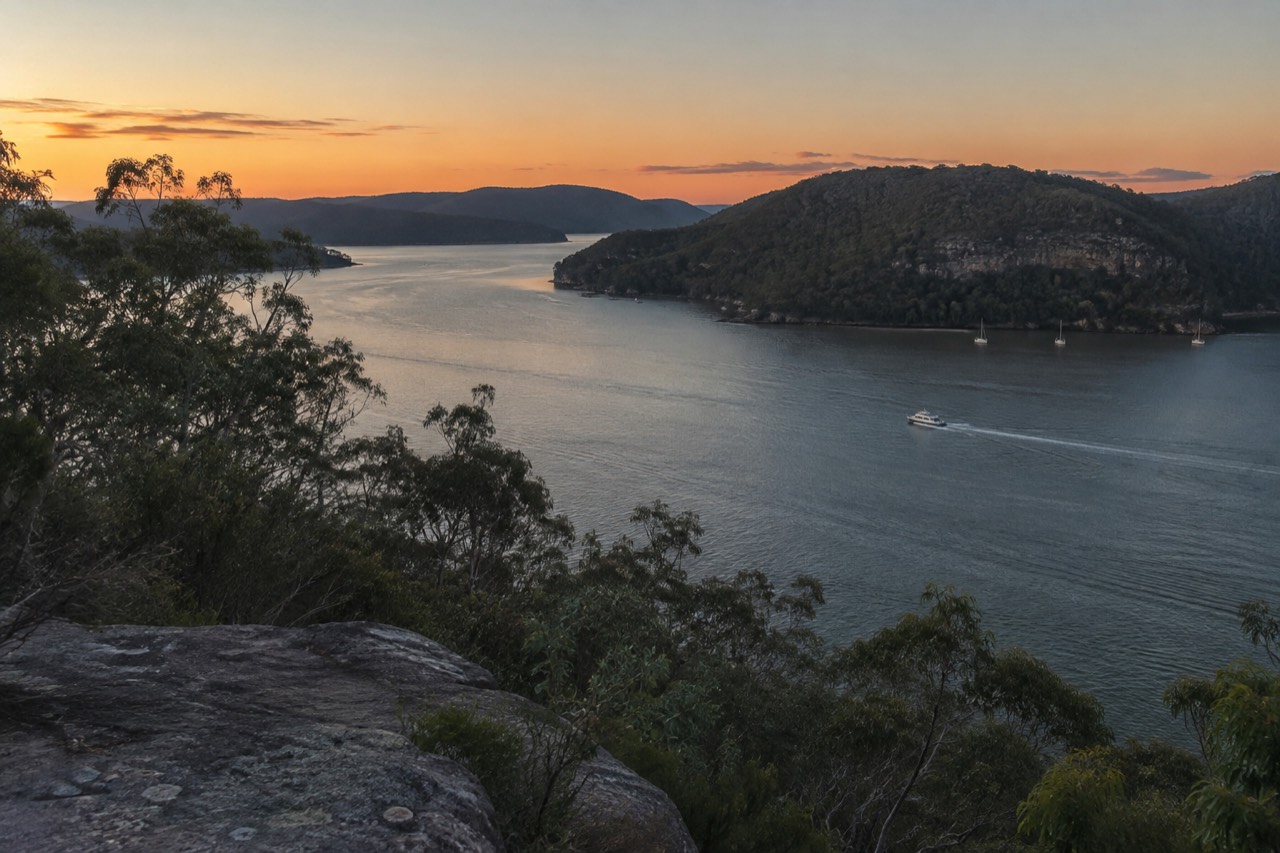
The Hawkesbury is Sydney's great tidal river, a system of drowned valleys and sandstone shoreline that sits under an hour from the city yet feels a world away. This guide covers how to get there, what a day costs, and what to actually do on the water.
Short answer
The Hawkesbury River sits immediately north of Sydney and is reached by train, ferry or car in well under two hours. A day trip costs very little in transport, with Opal daily caps of $9.65 on weekends and public holidays, and the main paid extra is the $12 per vehicle per day entry fee at Ku-ring-gai Chase National Park.
The Hawkesbury River is the waterway that defines Sydney's northern edge. It is a drowned river valley, which means the tide pushes far inland and the shoreline is a maze of bays, inlets and sandstone shelves wrapped in bushland. For a visitor based in the central city, it is one of the few genuinely wild-feeling destinations you can reach in a single day without [hiring a car](https://discovercars.tpk.ro/FvKIyzXW) or booking a flight, and it pairs naturally with the better-known Blue Mountains and Central Coast trips that share the same rail corridor.
This guide is a practical planner. It covers how to get to the river, what a day there actually costs, what you can do on and beside the water, and the safety and seasonal details most visitors get wrong. Where a figure appears, it comes from an official source: Transport for NSW fare pages, NSW National Parks fee schedules, and the Bureau of Meteorology's long-term climate record for Sydney.
Where Is the Hawkesbury River and Why Is It a Good Day Trip?
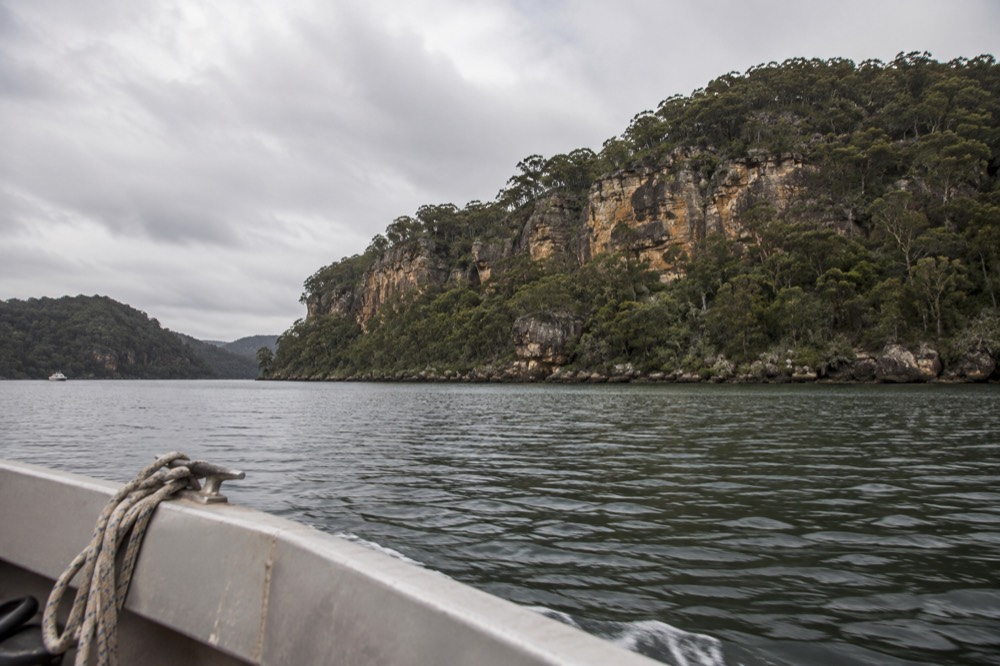
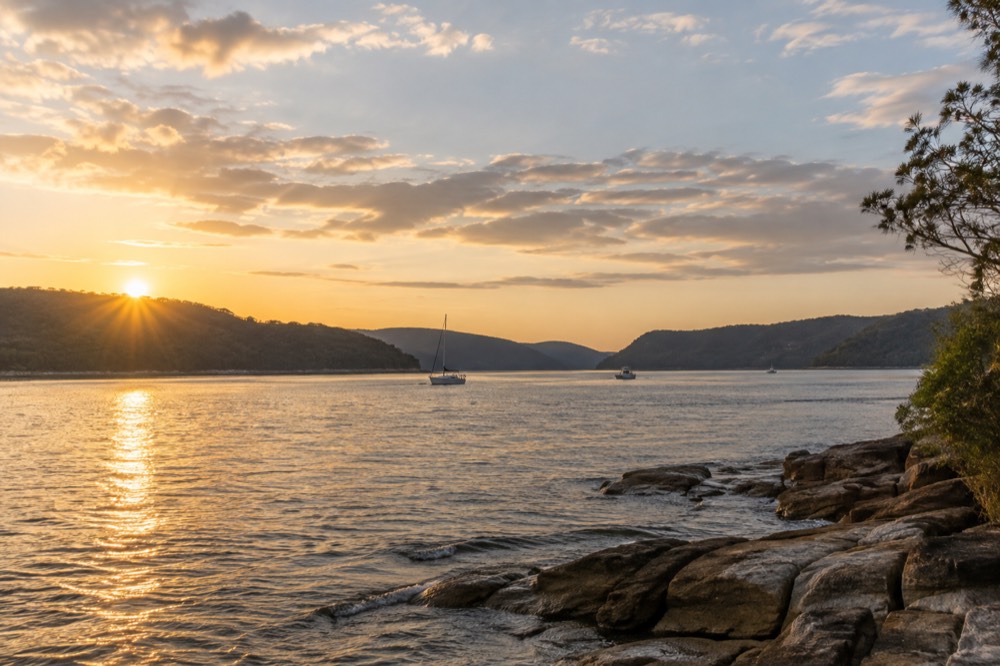
The Hawkesbury is Sydney's major tidal river system, flowing through deep sandstone country immediately north and west of the city and reaching the ocean at Broken Bay. Its lower reaches run through and beside Ku-ring-gai Chase National Park, one of the oldest national parks in Australia. The river is close enough to the central business district for a comfortable single-day visit, yet the shoreline is largely undeveloped bush, accessible mainly by boat, ferry or on foot.
That combination is rare. Most big-city rivers are lined with industry or housing for their entire length; the Hawkesbury instead opens into a national park within sight of the city's northern suburbs. The drowned-valley geography means the water is deep and tidal far inland, so the river behaves more like a harbour than a creek, with ferry services and boat traffic serving settlements that have no road access at all. Some river communities along the lower Hawkesbury can only be reached by water, which is a detail that surprises many visitors and shapes everything about how a day trip here works.
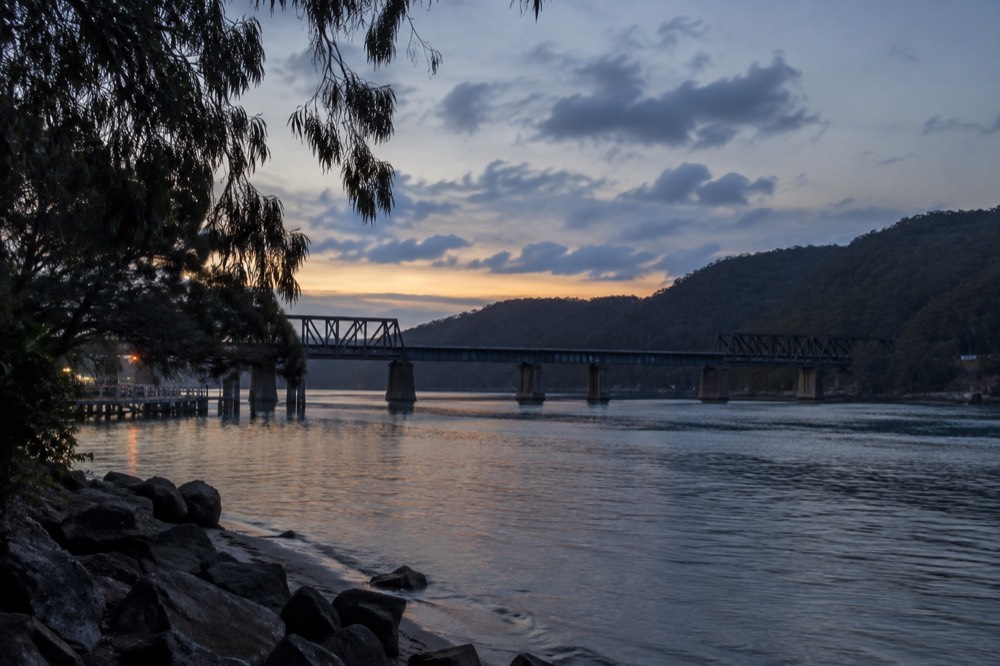
The river also sits on the same transport spine as several other classic Sydney day trips. The train line to the Blue Mountains runs along the Hawkesbury valley through its middle reaches, and the Central Coast line crosses the river near its mouth. That makes the Hawkesbury a natural stop, detour or pairing on a wider northern or western itinerary, and it is why many travellers end up here as part of a bigger day rather than as a destination on its own. For a fuller rundown of options, our day trips from Sydney guide covers the whole spread, and the car-free options guide is worth reading if you are relying on public transport.
How Do You Get to the Hawkesbury River from Sydney?
You can reach the Hawkesbury by train, by car, or by combining a train with a river ferry, and the fastest options take well under two hours from the central city. Trains on the Blue Mountains and Central Coast lines both serve stations on the river, and Sydney's Opal ticketing covers the whole journey. If you drive, expect a per-vehicle national park fee at Ku-ring-gai Chase of $12 per day, while arriving by train or on foot avoids park entry fees entirely.
The train is the simplest answer for most visitors. The river's middle reaches are served by stations on the Blue Mountains line, and the lower reaches by the Central Coast line, so you can pick a stretch of river to match the rest of your day. Fares are distance-based, and a contactless credit card or device is charged exactly the same as an Adult Opal card, with every benefit including the caps. That means you do not need to buy a special card for one day trip; you can tap the same card you use at home. Our Opal card guide for visitors explains the whole system in detail.
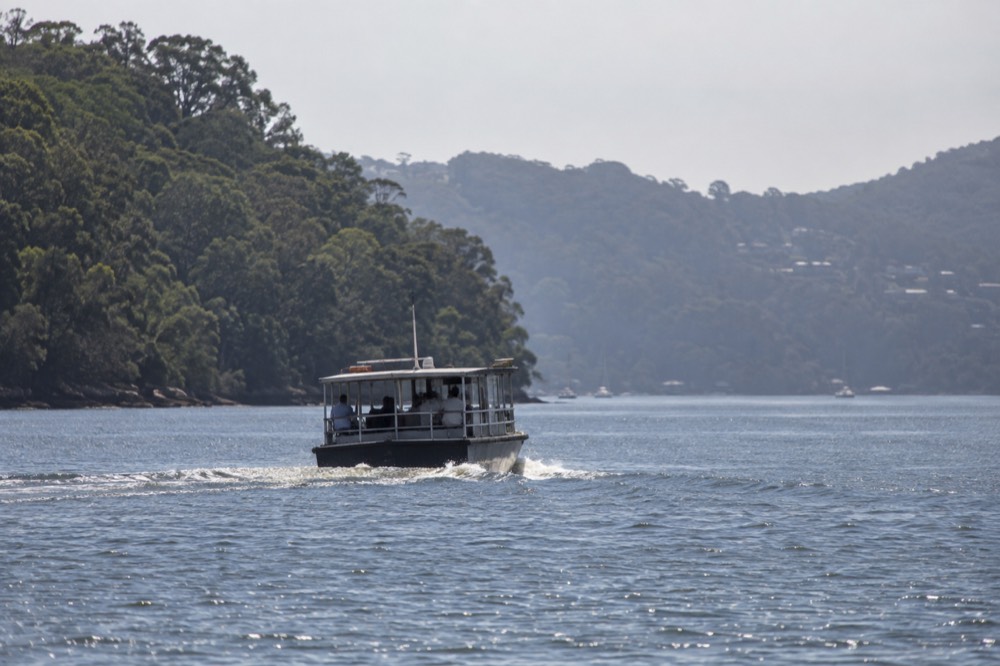
The ferry leg is the part that makes the trip feel like a real journey. River ferries and water taxis serve parts of the lower Hawkesbury where roads simply do not reach, and the crossings are scenic in a way the harbour ferries are not, with bush coming down to the water on both sides. If you are planning a broader ferry-based visit to the city as well, the Sydney ferries guide covers the network, though note that the Hawkesbury's own river services are separate from the big F1 to F10 harbour routes.
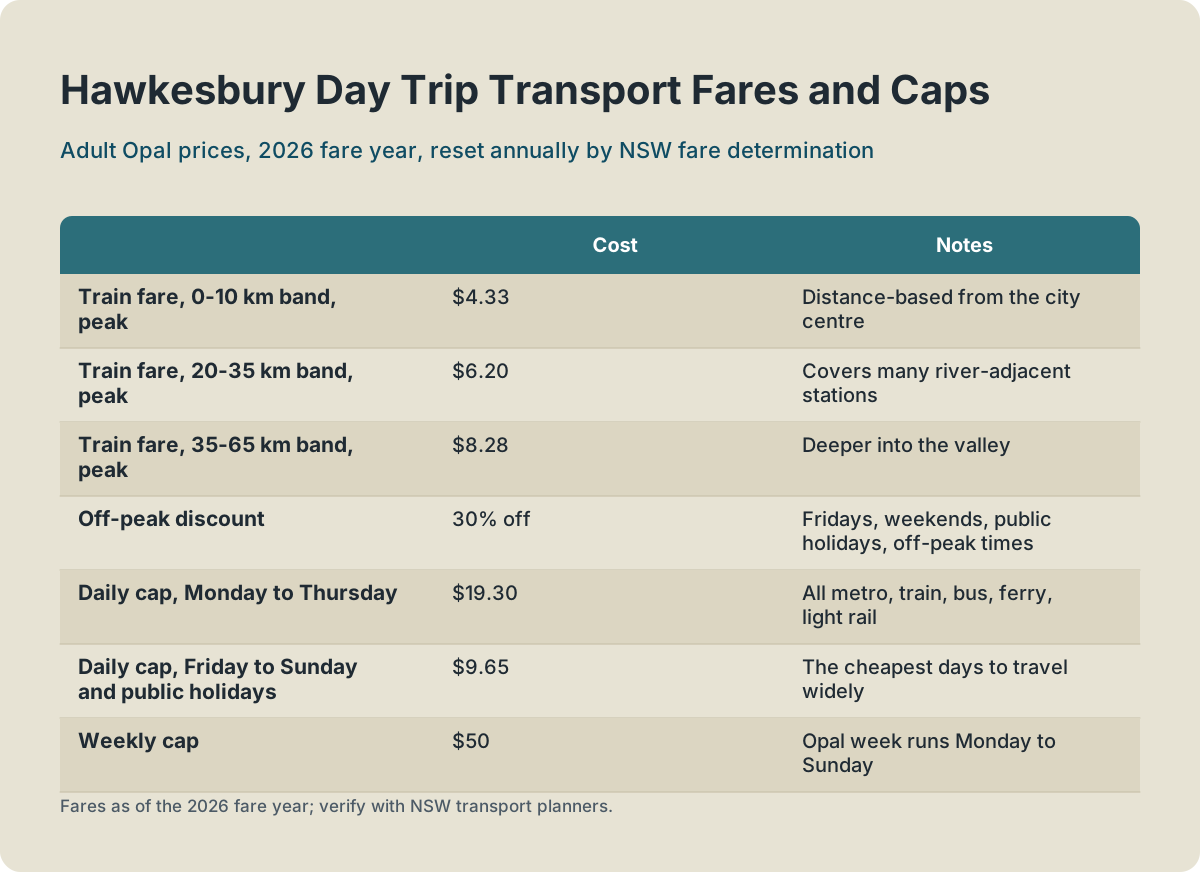
Here is what the transport side of a day trip looks like in dollars. All fares are adult Opal or contactless prices and every fare and cap is reset by an annual NSW fare determination, so treat these as current rather than permanent.
| Transport item | Cost | Notes |
|---|---|---|
| Train fare, 0-10 km band, peak | $4.33 | Distance-based from the city centre |
| Train fare, 20-35 km band, peak | $6.20 | Covers many river-adjacent stations |
| Train fare, 35-65 km band, peak | $8.28 | Deeper into the valley |
| Off-peak discount | 30% off | Fridays, weekends, public holidays, off-peak times |
| Daily cap, Monday to Thursday | $19.30 | All metro, train, bus, ferry, light rail |
| Daily cap, Friday to Sunday and public holidays | $9.65 | The cheapest days to travel widely |
| Weekly cap | $50 | Opal week runs Monday to Sunday |
Two details in that table are worth pausing on. First, the off-peak discount does not apply to ferries, but it does apply to trains, so a weekend train leg toward the river is discounted while a river ferry leg is not. Second, public holidays carry the $9.65 cap rather than the weekday cap, which makes a long-weekend day trip the cheapest possible day to travel widely on the network. You can verify fares and plan a specific trip on the official Transport for NSW adult fares page.
If your Hawkesbury day is part of a bigger escape, a guided tour is the alternative to doing all this yourself. These are the three options we would compare first for a day out of the city:
What Does a Day on the Hawkesbury Actually Cost?
Transport is the smallest line item: with the weekend and public holiday daily cap at $9.65, a full day of trains and ferries costs less than a single city lunch. The main paid extra is national park access, which is $12 per vehicle per day at Ku-ring-gai Chase and only charged if you drive in. Arriving by train, ferry or on foot avoids park entry fees entirely, and the river itself, its lookouts and its walking tracks cost nothing.
The per-vehicle structure of national park fees is the detail that quietly saves visitors money. NSW National Parks charges the fee to the vehicle, not to each person, so a car full of four people splits $12 four ways, while the same four people arriving by train pay nothing at the gate. The fee schedule below is confirmed on the official NSW National Parks fee-collecting parks page, and it covers the parks a Hawkesbury day trip is most likely to touch.
| Park | Vehicle entry fee | Relevance to a Hawkesbury day |
|---|---|---|
| Ku-ring-gai Chase National Park | $12 per day | The lower Hawkesbury's sandstone shoreline and lookouts |
| Royal National Park | $12 per day | South of the city, for comparison trips |
| Blue Mountains National Park | $8 per day, Glenbrook area only | Free everywhere else, including Katoomba |
| Sydney Harbour NP: North Head | $5 per day | Near the river's ocean mouth at Broken Bay |
| Sydney Harbour NP: Bradleys Head | $8 per day | Harbour-side, en route by ferry |
That Blue Mountains line is one of the least-known facts in NSW travel: the Blue Mountains National Park charges nothing except at Glenbrook, so a day trip to Katoomba or Wentworth Falls carries no park fee at all. Our Blue Mountains day trip guide goes into that itinerary in full, and the Royal National Park guide covers the southern park for readers weighing the two directions.
Beyond transport and park fees, a Hawkesbury day is as cheap or as expensive as you make the food and activity layer. Pack a picnic and the river is nearly free; book a boat, a lunch cruise or a guided fishing day and the budget climbs into ordinary tour territory. There is no entry fee for the river itself, no charge for its walking tracks, and no toll for the lookouts, which is why this trip suits the Sydney on a budget traveller better than almost any other big day out of the city.
What Are the Best Things to Do on the Hawkesbury?
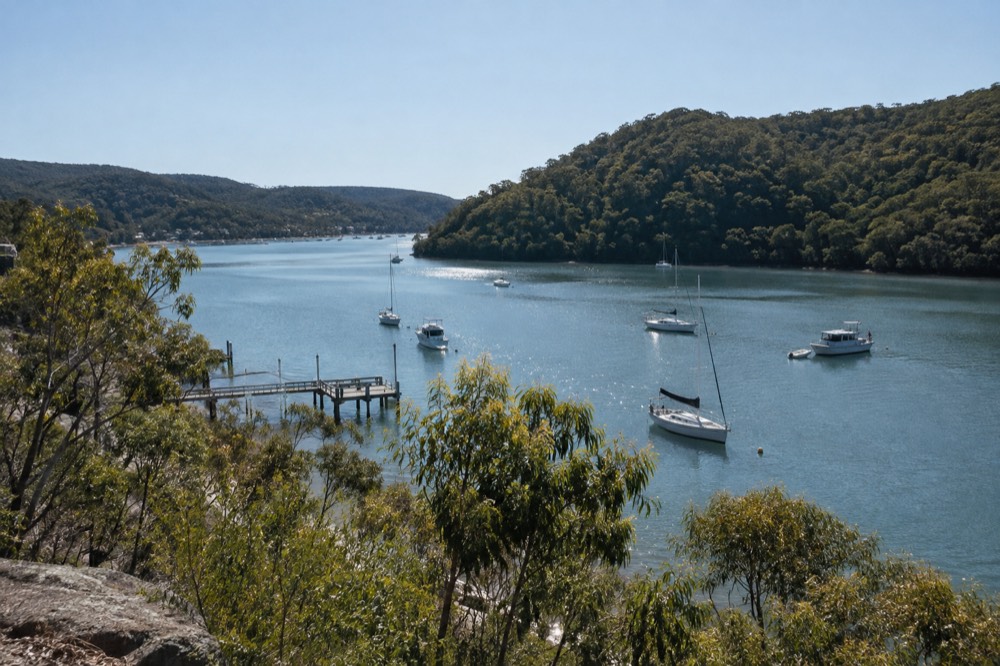
The core activities are on the water: river ferry rides, boat hire, fishing, kayaking and swimming in the estuary's calmer coves. On land, the river's national park shoreline carries walking tracks to lookouts over the water, and Aboriginal rock engravings are a documented feature of Ku-ring-gai Chase, the country of the Gadigal and other Eora peoples' neighbours in the basin. A realistic day pairs one water activity with one short walk and a long picnic.
Start with the ferry. Even if you do nothing else on the river, a crossing is the cheapest and easiest way to see the drowned-valley scenery, and it connects points that would otherwise take an hour of driving around a headland. Boats are the river's public transport, its delivery service and its social life, and watching that working river traffic from a deck is a better introduction to the Hawkesbury than any lookout. Kayaking is the other low-cost water option; our kayaking in Sydney guide covers the harbour equivalent, and the same skills and gear transfer to the river's calmer reaches.
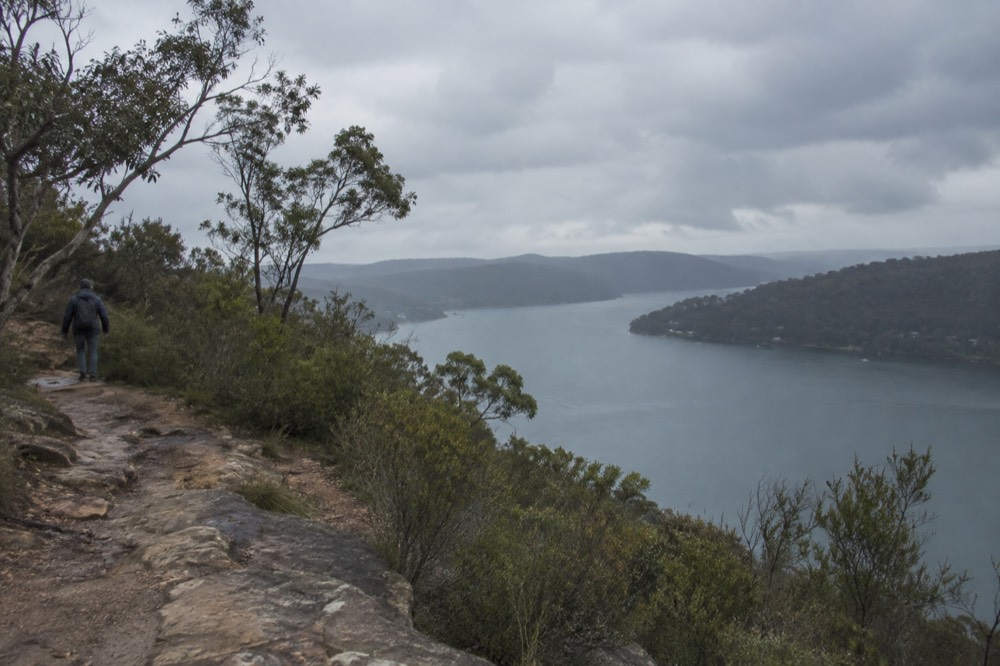
On land, the sandstone plateau above the river carries short walks to water views, and the park's Aboriginal heritage is genuinely significant: Ku-ring-gai Chase holds one of the densest collections of rock engravings in Australia. Treat heritage sites with respect and do not touch engravings, which are fragile and still culturally important. If wildlife is your priority rather than heritage, the region's kangaroo and wombat viewing is best done on a guided day tour into the bush west of the river, where the animals are wild and the guides know the reliable clearings.
For many travellers the Hawkesbury works best as one half of a bigger day, and the Blue Mountains corridor is the natural pairing because the train line and the highway both follow the river's western valley. The all-inclusive small-group Blue Mountains day tour is the strongest option for that combination, since it handles the driving, the park logistics and the timing in a single booking, and its reviews are among the strongest in the Sydney roster.
Can You Swim in the Hawkesbury River?
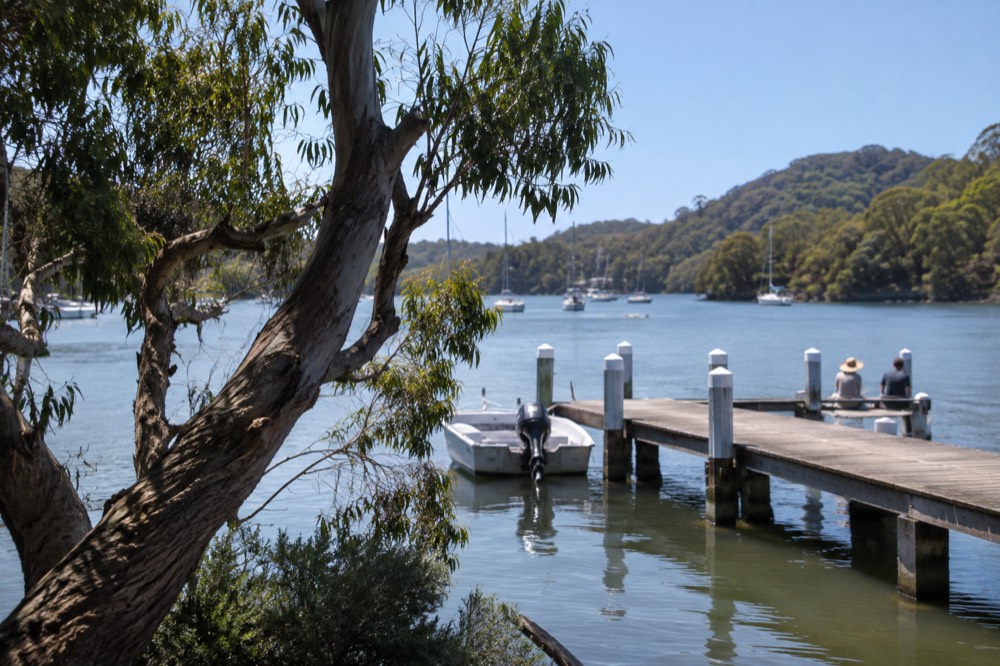
Yes, in the right places and conditions, but the Hawkesbury is an estuary, not an ocean beach, and that changes the safety rules. There are no surf lifesaving flags here, so swimming means calm, known coves and jetties rather than patrolled beaches. The official NSW guidance is to stay out of estuarine water for up to 3 days after heavy rain, compared with 1 day for ocean beaches, because stormwater runoff affects enclosed water for longer.
That rain rule is the single most useful thing to know about swimming anywhere on this river, and it comes from the NSW Government's Beachwatch program, which grades swim sites from Very Good to Very Poor based on microbial water quality. The Beachwatch site publishes live grades, and the official guidance on how grades are set is documented by NSW Environment. The short version: enclosed and estuarine sites like the Hawkesbury hold contamination from runoff longer than open ocean beaches, so the post-rain exclusion window is three days, not one.
| Water safety rule | Ocean beaches | Estuarine sites like the Hawkesbury |
|---|---|---|
| Stay out while it rains | Yes | Yes |
| Stay out after heavy rain | Up to 1 day | Up to 3 days |
| Patrol flags | At patrolled beaches in season | Not applicable, no surf patrols |
| Water quality grading | Published daily | Published daily, same program |
Because there are no red and yellow flags on the river, your own judgement carries more weight here, and that argues for conservative choices: swim near settlements, off jetties and in coves rather than in the main channel, where boat traffic and tidal current are real. The tidal current in a drowned valley is stronger than it looks, particularly near the mouths of bays, and boat wash creates waves that arrive without warning. If a safe river swim is what you are after, pick a calm day, pick a known spot, and keep children within arm's reach.
The ocean alternative is close by at the river's mouth. The Northern Beaches begin just south of Broken Bay, and several of them are patrolled year-round, which the best beaches in Sydney guide ranks in full. For readers who want the safest possible water day, an ocean pool is the genuinely safer alternative: council pools like Bronte Ocean Pool and the North Bondi Children's Pool are free, cleaned weekly, and protected from surf, though they still close in big swell.
When Is the Best Time of Year to Visit the Hawkesbury?
Late winter and spring are the best-kept secret: August is Sydney's clearest month on the long-term record, with 13.4 mean clear days, while February, the middle of the tourist summer, is the cloudiest at 5.3. June is Sydney's wettest month at 133.1 mm of mean rainfall, wetter than any summer month, so the peak tourist season is not the peak weather season. For a river day built around views and walking, aim for the cooler, clearer months.
That inversion of the standard beach-holiday instinct is one of the most useful facts in the Bureau of Meteorology's long-term record for Sydney, and it applies to any day trip built around scenery rather than swimming. The record, from the Observatory Hill station across 162 years of observations, shows rainfall peaking in autumn and early winter and skies clearing through late winter, with July the second-clearliest month at 12.0 mean clear days. A Hawkesbury ferry ride or lookout walk in August has better odds of clear views than the same trip in February, even though February is when most visitors are in town.
The practical read for planning is straightforward. If your Hawkesbury day is about water activities and warm swimming, the December to February summer is the season, but pack for the statistical reality that February is cloudy and carry a rain option from our Sydney rainy day itinerary. If it is about lookouts, walking and ferry rides, the May to September window, avoiding June's peak rainfall, gives you clearer skies, smaller crowds and cooler walking temperatures. Whale watching adds a seasonal bonus near the river's mouth: humpbacks migrate along the NSW coast from May to November, with the southbound passage, mothers and calves closer to shore, running roughly August to November, and land-based vantage points inside Sydney Harbour National Park and Royal National Park.
How Do You Plan the Day: A Sample Structure?
A comfortable car-free structure is a morning train to a river station, a midday ferry crossing or boat leg, a short afternoon walk to a lookout, and a late-afternoon train back, all inside the $9.65 weekend daily cap. Drivers should reverse the logic: do the ferry-and-walk core first, then use the car for the lookouts that public transport cannot reach, and budget $12 for the Ku-ring-gai Chase vehicle fee.
Either way, check the National Parks alerts page before you leave, since tracks and roads close for works.
Timing matters more here than on most Sydney day trips, because the river's ferry services are less frequent than the city's, and a missed afternoon crossing can strand a careful plan. Build the day around one fixed commitment, the ferry or a booked boat, and keep everything else loose. If a walk is on the list, do it in the middle of the day in winter, when daylight is short, and in the morning in summer, when both heat and UV peak early: official guidance advises sun protection whenever the UV index reaches 3 or above, and Sydney exceeds that threshold for most of the year.
| Time of day | Car-free plan | Driving plan |
|---|---|---|
| Morning | Train from Central to a river station | Drive to the river, park outside fee areas where possible |
| Midday | River ferry crossing or boat leg | Ferry crossing, then retrieve the car |
| Afternoon | Short walk to a lookout | Drive to lookouts inside the park, $12 vehicle fee |
| Late | Train back inside the daily cap | Return drive before the evening peak |
The closure warning is not boilerplate. The Blue Mountains and surrounding parks have carried multiple track and road closures into late 2026, including road works and reserve closures on the western side of the basin, and the NSW National Parks alerts system is the live source for what is open on the day you go. A five-minute check the night before is the difference between a planned walk and a closed gate.
For travellers who would rather not assemble the day themselves, a wildlife-focused small-group tour is the other strong fit for this region, combining the bush west of the river with waterfall country and a sit-down lunch, all in one booking.
One more planning note: if the day turns wet, and in June it statistically might, the city fallback is cheap and easy because the same Opal cap covers the retreat. A hop-on hop-off sightseeing bus over the city and Bondi keeps a washed-out day moving without any re-planning, and it is the same tap-on-tap-off system you used to reach the river.
If you are weighing the Hawkesbury against the city's other big day trips, the honest comparison is that it delivers solitude and water where the Blue Mountains delivers height and the Hunter Valley delivers food and wine. All three share the same rail corridor out of the city, which is why a first-time visitor with a spare week can do them in sequence. This site, Sydney Travel Guide, has a full itinerary library for exactly that, starting with the 3 days in Sydney and 5 days in Sydney planners.
For a final comparison of the three ways to spend a guided day out of the city, here are the same three tours side by side:
Common Questions About the Hawkesbury River
Can you visit the Hawkesbury River without a car?
Yes. Trains on the Blue Mountains and Central Coast lines both reach stations on the river, and river ferries and water taxis serve parts of the lower Hawkesbury that have no road access. A full day of trains and ferries sits inside the Opal daily cap, which is $9.65 on Fridays, weekends and public holidays.
How much does a Hawkesbury River day trip cost?
Transport is capped at $9.65 on weekends and public holidays, or $19.30 Monday to Thursday. The main extra is the $12 per vehicle per day entry fee at Ku-ring-gai Chase National Park, which only applies if you drive in. The river itself, its walks and its lookouts are free.
Can you swim in the Hawkesbury River?
Yes, in calm, known coves and off jetties, but it is an estuary with no surf patrol flags. Official NSW guidance is to stay out of estuarine water for up to 3 days after heavy rain, versus 1 day at ocean beaches. Check the Beachwatch grade for your spot before you swim.
What is the best month to visit the Hawkesbury River?
For views and walking, aim for late winter or spring: August is Sydney's clearest month on the long-term record at 13.4 mean clear days. June is the wettest month at 133.1 mm of mean rainfall, wetter than any summer month. For warm-water activities, December to February is the season, though February is statistically the cloudiest.
Is the Hawkesbury River a good day trip from Sydney?
Yes, and it is one of the few genuinely wild-feeling ones reachable in a single day. The lower river runs through Ku-ring-gai Chase National Park, ferry crossings connect roadless settlements, and the whole trip can be done inside the Opal daily cap. It pairs naturally with the Blue Mountains on the same rail corridor.
Are there whale watching spots near the Hawkesbury?
Yes, near the river's ocean mouth. Humpbacks migrate along the NSW coast from May to November, with the southbound passage, mothers and calves closer to shore, running roughly August to November. Land-based vantage points sit inside Sydney Harbour National Park and Royal National Park.