5 Days in Sydney: The Itinerary That Actually Fits
Five days is the sweet spot for Sydney: long enough for the harbour, the beaches and a Blue Mountains day trip, short enough that you never lose momentum. This itinerary sequences the city so each day builds on the last, and every transport figure in it comes from a published fare table.
Short answer
Five days in Sydney splits cleanly into four city days and one mountain day: Circular Quay and The Rocks, the harbour and Taronga Zoo, Bondi and the eastern beaches, a Blue Mountains day trip, and Manly by ferry. An adult Opal daily cap of $19.30 Monday to Thursday and $9.65 Friday to Sunday covers all of it, and the Blue Mountains train sits inside the weekly $50 cap.
Five days is the number where Sydney stops being a checklist and starts being a place. Three days covers the postcard set. Seven starts to need filler. Five lets you give the harbour two days, give the coast one, leave the city entirely for one, and still keep a final morning loose for whatever you missed. The plan below is sequenced around two real constraints: the Opal fare caps that make certain days cheaper to travel widely, and the fact that Sydney's headline attractions cluster into four distinct zones you should never try to combine in a single day.
What Should a 5 Day Sydney Itinerary Include?
A five-day Sydney itinerary should include Circular Quay and The Rocks, a harbour day built around Taronga Zoo or a cruise, Bondi and the eastern beaches, a full-day Blue Mountains trip, and a final day in Manly. That order matters: the ferry-heavy days come first while energy is high, and the Blue Mountains day sits on day four so a rainy day three can be swapped with it. Every zone is reachable on a single Opal tap.
The shape of the week is deliberate. Sydney's attractions split into a CBD-and-harbour core, an eastern beaches strip, a northern beaches-and-Manly corner, and a mountain hinterland two hours west. Visitors who try to see Bondi and Katoomba on the same day lose both. Visitors who give the harbour only a half day always come back wishing they had taken a boat.
Here is the week at a glance, with the transport reality of each day spelled out.
| Day | Zone | Anchor experiences | Getting there |
|---|---|---|---|
| 1 | Circular Quay and The Rocks | Opera House tour, Harbour Bridge walk, The Rocks | Walkable from most CBD hotels |
| 2 | Harbour | Taronga Zoo by ferry, or a harbour cruise | F2 ferry from Circular Quay |
| 3 | Eastern beaches | Bondi, Bronte, coastal walk | Train to Bondi Junction, then bus |
| 4 | Blue Mountains | Katoomba, Three Sisters, Scenic World | Train from Central to Katoomba |
| 5 | Manly and the north | Manly ferry, Shelly Beach, Spit walk | F1 ferry from Circular Quay |
One structural note before the days themselves. The Blue Mountains National Park charges no entry fee except in the Glenbrook area, where it is $8 per vehicle per day, so arriving by train costs nothing at the gate. Scenic World is a separate private operator and ticketed separately. That distinction is worth knowing before day four, because plenty of visitors budget for a park fee that does not exist.
Day 1: Circular Quay, the Rocks and the Opera House
Start day one at Circular Quay, walk east through the Royal Botanic Garden to the Opera House, tour it, then loop back through The Rocks and finish on the Harbour Bridge pedestrian walkway. The Royal Botanic Garden is free to enter and opens at 7am daily, the Opera House runs guided tours roughly 9am to 5pm, and The Rocks sits directly under the southern end of the bridge. The whole day is on foot and covers barely two kilometres.
The reason to start here rather than at Bondi is orientation. Standing at the Quay you can see the ferry network you will use for the rest of the week, the bridge you will walk across today, and the garden that connects everything. The Royal Botanic Garden Sydney wraps Farm Cove between the Quay and the Opera House, and its free entry surprises most visitors who assume a harbourside garden this good must be ticketed. Give it an hour on the way east.
The Opera House itself deserves more than a photo from the outside. The building runs daily guided tours of about an hour, and the official tours page is the place to check session times because pricing is dynamic and set per date. Our pick below includes entry.
Those three products bracket the whole week's spend. The hop-on hop-off bus covers the CBD-to-Bondi corridor you will use on day three, the attractions pass bundles the indoor backups you want if rain arrives, and the sightseeing cruise is the cheapest way to get on the water, from US$28.53 for a 90-minute loop. If you only book one thing for day one, make it a tour of the Opera House.
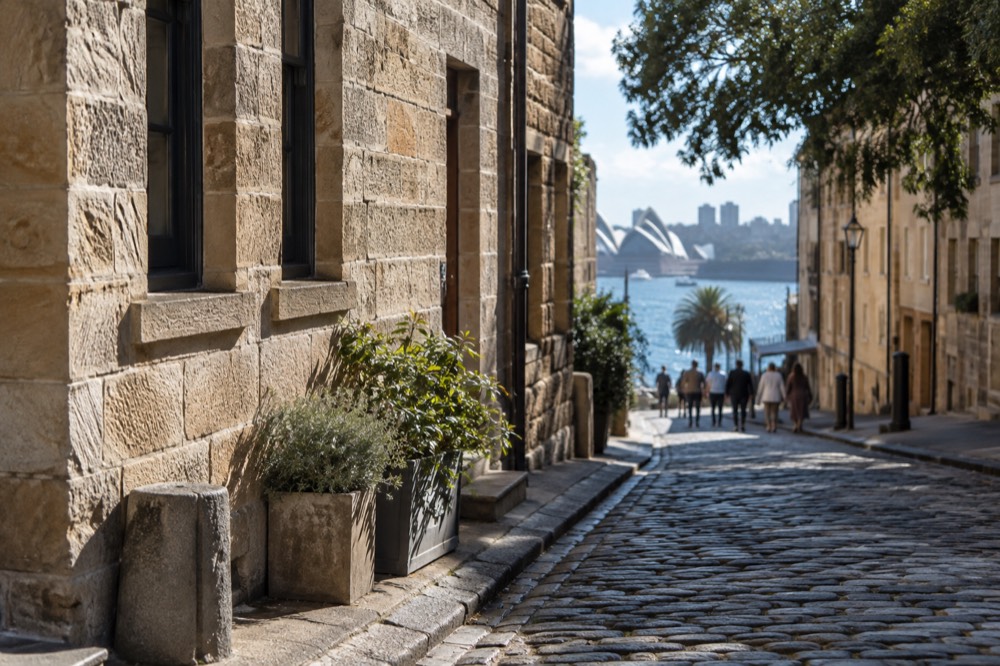
Afternoon belongs to The Rocks. Australia's oldest European neighbourhood is a compact grid of sandstone terraces, weekend markets and pubs, and it sits under the bridge approach, so the natural line is to finish your wander at the Harbour Bridge pedestrian walkway. The bridge footpath is free, open to anyone, and the Pylon Lookout gives a paid viewing level partway across if you want height without the BridgeClimb price tag. If the climb tempts you instead, read our BridgeClimb guide first, because the summit experience runs about three hours total and is better slotted into a lighter day than this one.
Evening: dinner around Circular Quay or the Opera Bar, then the short walk to your hotel. You have barely spent a fare today, which is the point. Save the transport budget for the ferry days.
Day 2: The Harbour from the Water, and Taronga Zoo
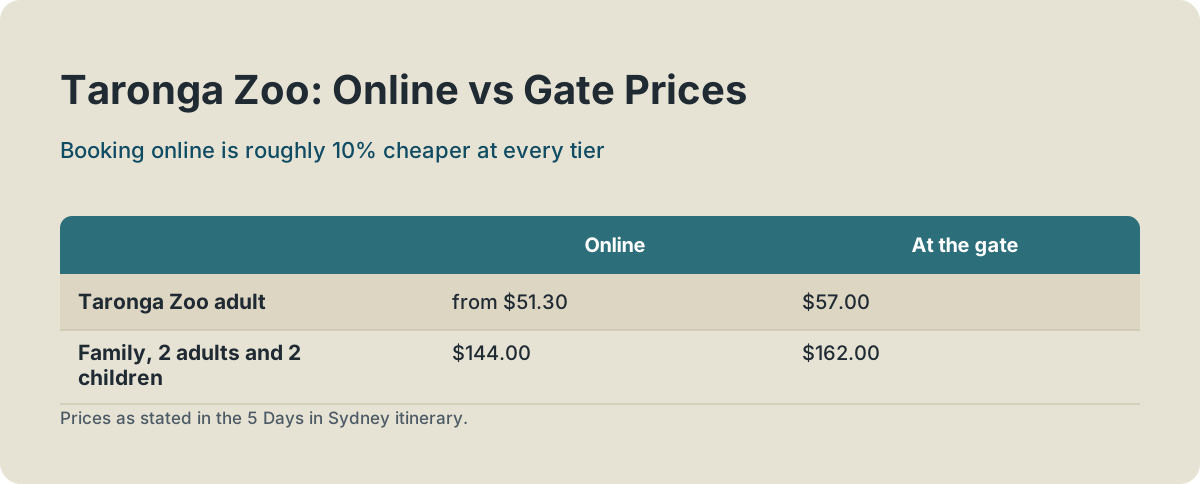
Day two is the ferry day. Take the F2 from Circular Quay to Taronga Zoo, where the ferry wharf sits below the zoo entrance and a cable car or bus carries you up the hill, then return by water and spend the late afternoon on a harbour cruise or at Darling Harbour. Taronga's adult online price starts from $51.30 against $57.00 at the gate, and the ferry falls in the 0-9 km band at $7.35 each way.
Taronga is the best zoo visit in Australia largely because of the approach: the ferry crossing is the first exhibit. The zoo is open 365 days a year, 9:30am to 5pm from September to April and 9:30am to 4:30pm from May to August, and booking online is roughly 10% cheaper at every tier. A family of two adults and two children pays $144.00 online against $162.00 at the gate, a real saving worth the two minutes it takes to book ahead. The zoo's own ticket prices page carries the live figures.
Our product pick bundles zoo entry with the return ferry from Circular Quay, which is the simplest version of the day if you would rather not manage two separate bookings.
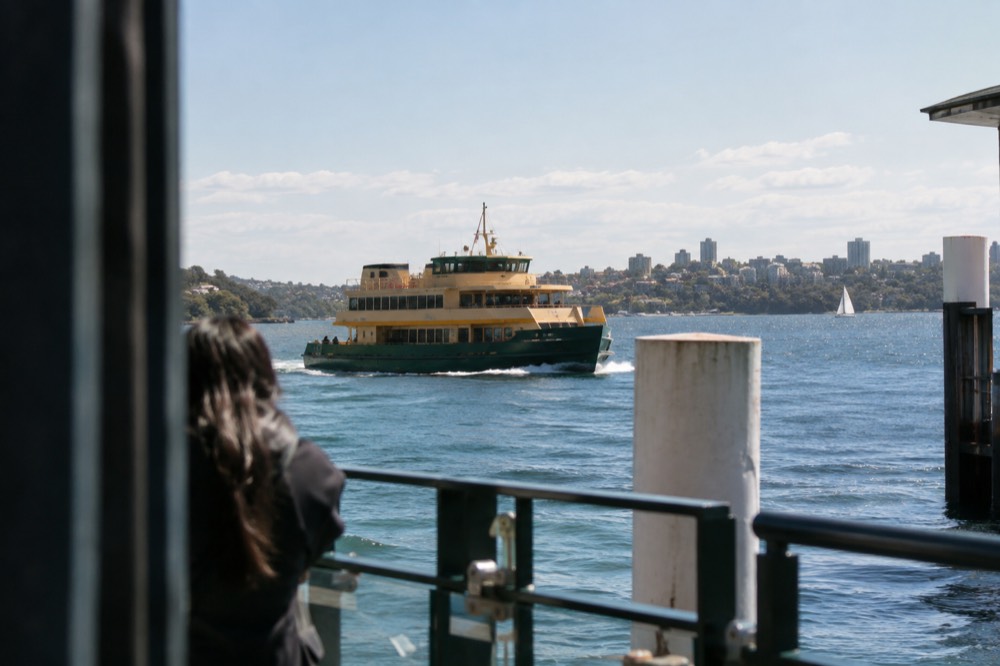
Back on the city side, the question is how to spend the golden hours, and the answer is on the water again. A sightseeing cruise is the budget option and the sunset catamaran is the upgrade. If you would rather stay ashore, Darling Harbour holds SEA LIFE Sydney Aquarium, the Maritime Museum and enough boardwalk dining to fill an evening, and the light rail runs straight there from the Quay end of town.
If your legs are feeling day one, this is also the natural slot for a rest: the hop-on hop-off bus runs a harbour-side loop that includes Darling Harbour and Kings Cross, so you can sit down while still ticking off the geography. Hold the Bondi leg of that ticket for tomorrow.
Day 3: Bondi and the Eastern Beaches
Day three is the coast. Train to Bondi Junction, catch a bus to the beach, then walk the Bondi to Bronte or Bondi to Coogee coastal track and return by bus. The full Bondi to Coogee walk is about six kilometres of clifftop path, and Bondi, Bronte and Tamarama are patrolled year-round by professional lifeguards, 6am to 7pm in the October to April high season. Swim between the red and yellow flags, and remember February is statistically Sydney's cloudiest month while August is its clearest.
That last fact surprises everyone. The Bureau of Meteorology's long-run normals for Observatory Hill show August averaging 13.4 clear days against February's 5.3, so the peak of the tourist season is the cloudiest time of year on this coast. Do not let a grey February morning write off the beach day; the Bondi to Coogee coastal walk is at its best in any light that is not actively raining.
The walk itself needs no booking and no guide. It is free, signposted, and punctuated by ocean pools: Bronte Ocean Pool and the North Bondi Children's Pool are council-run and free, while Bondi Icebergs is club-managed and charges entry. If the surf looks inviting, the two rules that matter are the flags and the post-rain rule: the NSW Beachwatch program advises staying out of ocean beaches for up to one day after heavy rain, and out of harbour swim sites for up to three days.
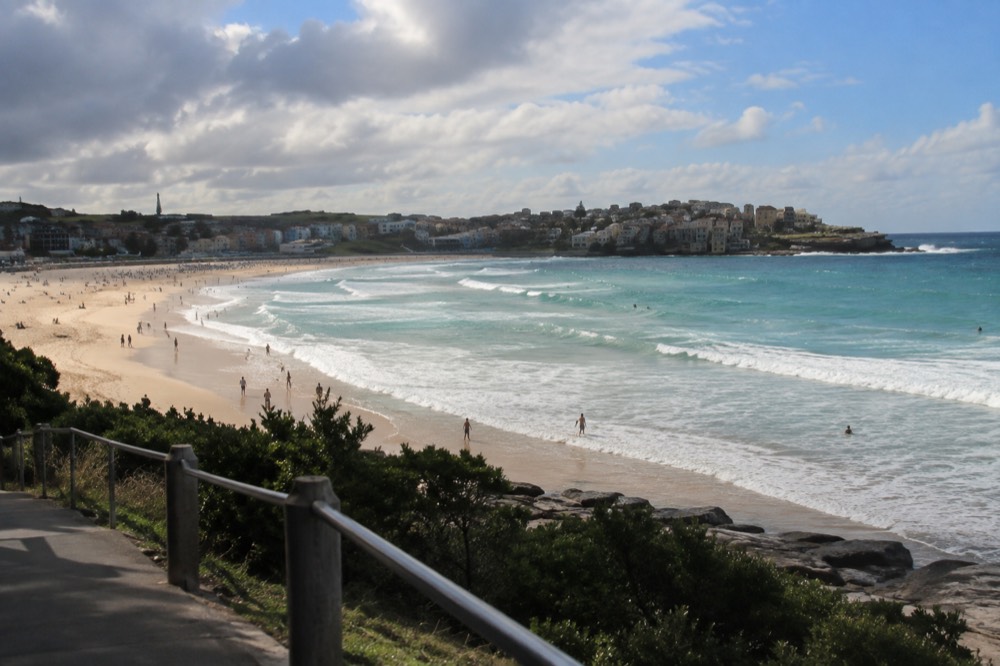
If a surf lesson is on your list, this is the day for it, and Bondi's two-hour lessons run daily at any level of experience. The surfing lessons guide compares the bookable options. Otherwise, finish in Bronte or Coogee, catch a bus back to Bondi Junction, and spend the evening in Surry Hills or Newtown, both a short train ride from the junction and both better for dinner than the beach strip itself.
The [bus ticket](https://busbud.tpk.ro/SiBDUlSE) you are holding from day two covers exactly this corridor if you would rather ride between the beaches than walk the whole way. That is the quiet advantage of the hop-on product: the Bondi loop runs all day and you can break it at Icebergs, at Tamarama or at the cemetery headland.
Day 4: The Blue Mountains, Done Properly
Day four leaves the city. The train from Central to Katoomba takes about two hours, sits inside the Opal weekly cap, and drops you a short walk from the town centre and the Three Sisters viewpoints. The Blue Mountains National Park charges no entry fee outside the Glenbrook area, Scenic World is ticketed separately, and the trip works as a full day: leave by 8am and you will be back in the city by 7pm.
The mountains are the day most visitors under-plan. Katoomba alone holds Echo Point, the Three Sisters, Scenic World and a dozen short walks, and the train fare is the same capped Opal tap as any other journey: the 65 km-plus band peaks at $10.66 off-peak $7.46, and the off-peak discount applies on weekends. Check the live NPWS alerts before you go, because several tracks and roads around the mountains have staged closures through late 2026, including Mount Hay Road and sections of Federal Pass.
The trade-off is whether to ride the rails yourself or take an organised day trip. The train gives you Katoomba and the free viewpoints; a small-group tour gets you to lookouts and waterfalls that are hard to reach without a car, and the all-inclusive option below runs about ten hours with a local guide.
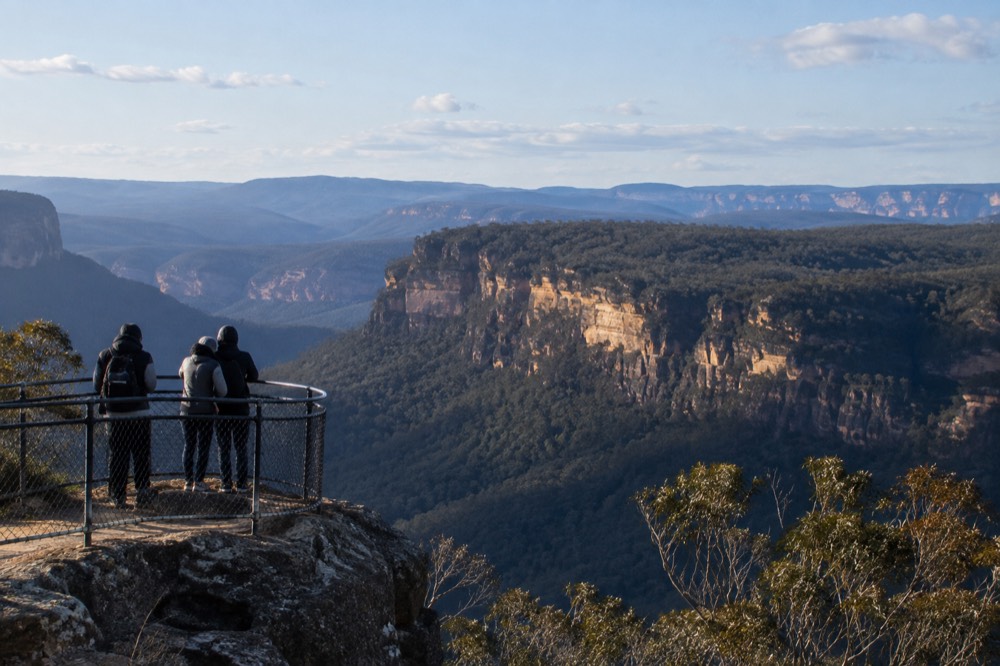
The Blue Mountains day trip guide breaks down the train-versus-tour decision in detail, and the Katoomba and the Three Sisters page covers what to do once you are up there. The short version: if it is your first visit and you have one day, a tour buys you reach. If you are confident on foot and the weather is clear, the train plus Echo Point plus the Scenic World rides is a genuinely good day for the cost of a fare.
One scheduling tip that matters. Do not fix day four in stone before you see the forecast. A low cloud day hides the entire valley from Echo Point, and the mountains sit 1,000 metres up in weather that can differ sharply from the coast. Keep day three and day four swappable.
Day 5: Manly, the Ferry, and the Loose Ends
Day five is the Manly day, and it doubles as your buffer. The F1 ferry from Circular Quay to Manly takes about 30 minutes each way and costs $9.20 as a 9 km-plus journey, Shelly Beach is a 15-minute walk from the wharf, and the ferry itself is the attraction: it passes the Opera House, the bridge and the harbour heads on the way out. Leave mid-morning, be back by late afternoon, and use the evening for anything days one to four missed.
Manly rewards a slow day. The Manly ferry guide covers the crossing, and the Manly Beach page plus Shelly Beach cover the far side: a pedestrian promenade, a sheltered bay for swimming, and the start of the Spit to Manly track if you want one last walk. Manly is patrolled year-round by council lifeguards, and the snorkelling tour around Shelly and the surrounding reserve is one of the better bookable water activities in the city.
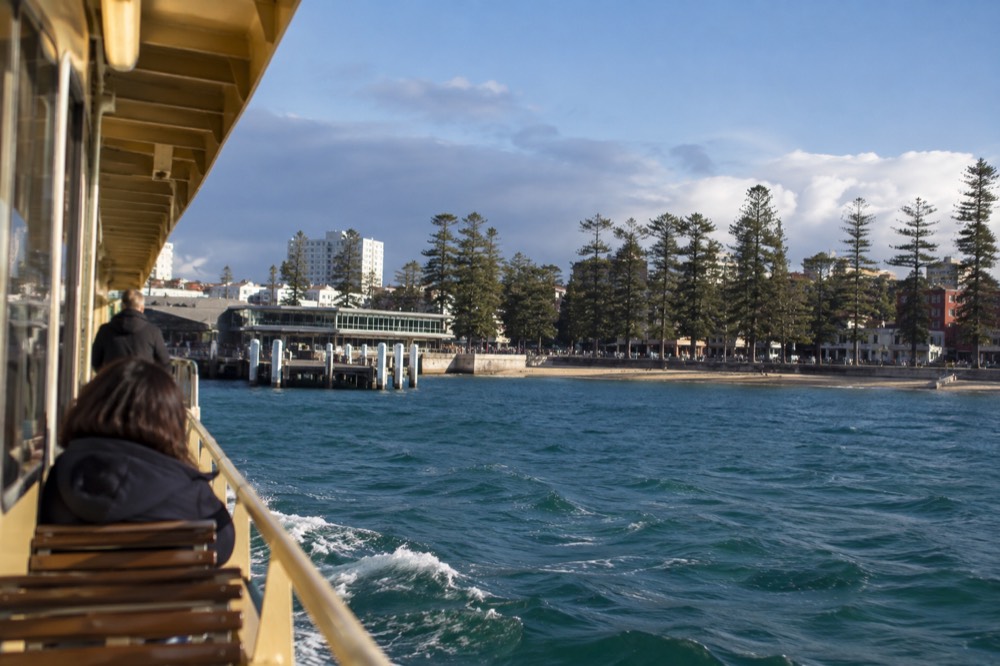
The private fast ferry to Manly is the one transport trap on this itinerary. It uses OpalPay, which accepts your card but charges different fares and does not apply the Opal caps or transfer discounts, so a visitor who taps on the fast boat thinking they have hit the daily cap is mistaken. The public F1 is the one you want. Transport for NSW's guide to paying for your ferry trip sets out the difference plainly.
Back in the city, the classic day-five loose ends are the Queen Victoria Building for last-minute shopping, the Australian Museum or the Art Gallery of New South Wales if the weather turned, both of which are free for general entry, and a final drink anywhere with a bridge view. The gallery stays open until 10pm on Wednesdays, a detail worth knowing if your flight leaves late.
What Does 5 Days in Sydney Actually Cost?
Excluding accommodation and flights, a realistic five-day Sydney budget starts from about A$150 per person on a disciplined free-attractions plan, and rises steeply once you add a zoo day, a cruise and a Blue Mountains tour. Transport is the cheapest part: an adult Opal card caps at $19.30 a day Monday to Thursday, $9.65 a day Friday to Sunday, and $50 a week, with the airport station access fee of $18.61 charged on top of the fare and outside the caps.
The table below pulls together the per-day skeleton using published fares and entry prices. Tour prices vary by date, so treat the bookable rows as from-prices and check live availability.
| Item | Cost | Notes |
|---|---|---|
| Opal daily cap (Mon-Thu) | $19.30 | Metro, train, bus, ferry, light rail |
| Opal daily cap (Fri-Sun and public holidays) | $9.65 | A public holiday is the cheapest day to travel widely |
| Opal weekly cap | $50 | Monday to Sunday week |
| Airport station access fee | $18.61 | On top of the train fare, outside the caps |
| Manly ferry (F1) | $9.20 one way | 9 km-plus ferry band |
| Royal Botanic Garden | Free | Open 7am to sunset daily |
| Australian Museum general entry | Free | Ticketed exhibitions extra |
| Taronga Zoo adult | From $51.30 online | $57.00 at the gate |
| Sydney Tower Eye adult | From $29 advance | $39 on the day |
| Blue Mountains National Park | Free outside Glenbrook | $8 per vehicle per day at Glenbrook only |
Two structural savings are doing quiet work in that table. First, the Friday-to-Sunday cap is half the weekday cap, so a weekend-heavy itinerary is cheaper to move around. Second, the Blue Mountains train is an ordinary Opal journey, so your most expensive excursion is also the one most protected by the weekly cap.
When Should You Take This Trip?
The best months for this exact itinerary are October and November, or March and April. Spring and autumn sit outside the peak summer crowd, the whale season overlaps the October start, and the shoulder months avoid June, which averages 133.1 mm of rain and is Sydney's wettest month. If you must come in summer, remember December to February is peak season and February is statistically the city's cloudiest month.
The seasonal logic comes straight from the Bureau of Meteorology's long-run climate normals, and it inverts what most northern-hemisphere visitors assume. Sydney's rainfall peaks in autumn and early winter, not summer, and its clearest skies arrive in August. A winter trip is therefore not the compromise it sounds like: July averages 16.4 °C as a daily maximum, which is a pleasant walking temperature, and the harbour cruise runs all year.
The shoulder-month case shows up clearly in the numbers themselves. Here is how the four months this itinerary favours compare with the two extremes.
| Month | Mean daily max | Mean rainfall | Mean clear days | Why it matters here |
|---|---|---|---|---|
| February | 25.8 °C | 119.3 mm | 5.3 | Peak season, cloudiest month of the year |
| June | 17.0 °C | 133.1 mm | 9.1 | Wettest month, Vivid Sydney in town |
| October | 22.2 °C | 76.7 mm | 8.1 | Shoulder season, whales still passing |
| November | 23.7 °C | 83.8 mm | 6.0 | Warm, pre-holiday crowds, long evenings |
Whale watching belongs in this timing discussion rather than the day-by-day plan, because it is strictly seasonal: the cruise products run May to November and no sighting is ever guaranteed. If your five days fall between late June and July you are in the peak of the northern migration, and an estimated 40,000-plus humpbacks pass along the NSW coast each year. The whale watching guide compares the boat options and the land-based vantage points inside the national parks.
Booking: What to Reserve Before You Fly
Book three things in advance: the Opera House tour, the Blue Mountains day trip, and any BridgeClimb. Everything else on this itinerary can be decided on the ground, because the ferries, trains and buses need no booking at all, and the major museums and the garden are free or pay-at-the-door. Tours in Sydney sell out by date, not by season, so the rule is to lock the fixed-time items and leave the rest flexible.
The BridgeClimb is the clearest case for advance booking: the summit experience runs about three hours, departs at set times, and carries a peak surcharge from late December to early January. The BridgeClimb guide walks through the climb options and fitness demands. The Opera House tour is the second, because popular sessions fill first even though tours run all day. A Blue Mountains small-group tour is the third, because the good operators cap numbers.
Everything else, hold loose. The Sydney attractions pass is worth a look if your itinerary leans heavily on the Merlin attractions, and the sightseeing bus guide compares the hop-on products if you would rather ride than walk the CBD. And if rain wrecks a day, the rainy day itinerary is built exactly for that swap.
For a wider view of how this plan sits among the other lengths, the five-day comparison in our how many days piece is the reference, and the first-timers guide covers the arrival basics. This itinerary is one of the planning resources at Sydney Travel Guide, updated against each season's fare and schedule changes.
Common Questions About 5 Days in Sydney
Is 5 days in Sydney enough?
Yes, five days is enough for the harbour icons, Bondi, Manly and a Blue Mountains day trip without rushing. It is the shortest length that comfortably fits the mountains, and the longest before you start needing second-tier attractions to fill time. Add a sixth day only if you want a second coastal day or a Hunter Valley trip.
What is the best order for 5 days in Sydney?
Start with Circular Quay and The Rocks, take the harbour and Taronga Zoo on day two, do Bondi and the eastern beaches on day three, the Blue Mountains on day four, and Manly by ferry on day five. Keep days three and four swappable so a low-cloud morning in the mountains does not waste your clearest day.
Do I need a car for 5 days in Sydney?
No. Every day of this itinerary runs on ferries, trains and buses under the Opal caps, including the Blue Mountains, which is a two-hour train ride from Central. A car adds parking costs and the Glenbrook-area park fee, and the CBD is slower to drive than to walk.
How much money do I need for 5 days in Sydney?
Excluding flights and accommodation, budget from about A$150 per person for a free-attractions version, rising steeply once you add a zoo day, a cruise and a Blue Mountains tour. Transport is capped at $19.30 a day on weekdays and $9.65 on weekends, so the variable costs are tours, food and entry fees, not getting around.
Should I book Sydney tours in advance?
Book the Opera House tour, a Blue Mountains small-group day trip and any BridgeClimb before you fly. Those three sell by date and time. Ferries, trains, the garden and the major museums need no booking at all, and zoo tickets are cheaper online but rarely sell out.
What if it rains during my 5 days in Sydney?
Swap the Blue Mountains day to the clearest forecast window, since low cloud hides the valley entirely, and move a beach day to the museums. The Australian Museum and the Art Gallery of New South Wales are free for general entry, the aquarium and Sydney Tower Eye are indoor, and Vivid Sydney in late May and June turns wet evenings into the best show in town.