Sydney Harbour Bridge Climb: Prices, Options and How to Prepare
The Sydney Harbour Bridge climb is the city's most famous paid adventure: three hours harnessed to the arch of the Coathanger, high above the harbour. This guide compares every climb option, explains the real costs, and tells you how to prepare.
Short answer
The Sydney Harbour Bridge climb is a guided, harnessed ascent of the bridge arch run by a single licensed operator. The flagship Summit climb takes about 3 hours, roughly 2 of them on the bridge itself, and indicative operator rates start from around $375 adult for a weekday Summit Day climb. Children aged 8 to 15 can climb, and night, dawn and twilight departures are available.
The Sydney Harbour Bridge climb puts a harness on you, clips you to a steel cable, and walks you up the outer arch of the world's widest long-span steel arch bridge, high above one of the world's great natural harbours. One operator holds the licence, every climb is guided, and the flagship Summit experience runs about 3 hours end to end. Locals call the bridge the Coathanger. This guide lays out the options, the indicative costs, the fitness reality, and how the climb compares with the free ways to enjoy the same bridge.
What Exactly Is the Sydney Harbour Bridge Climb?
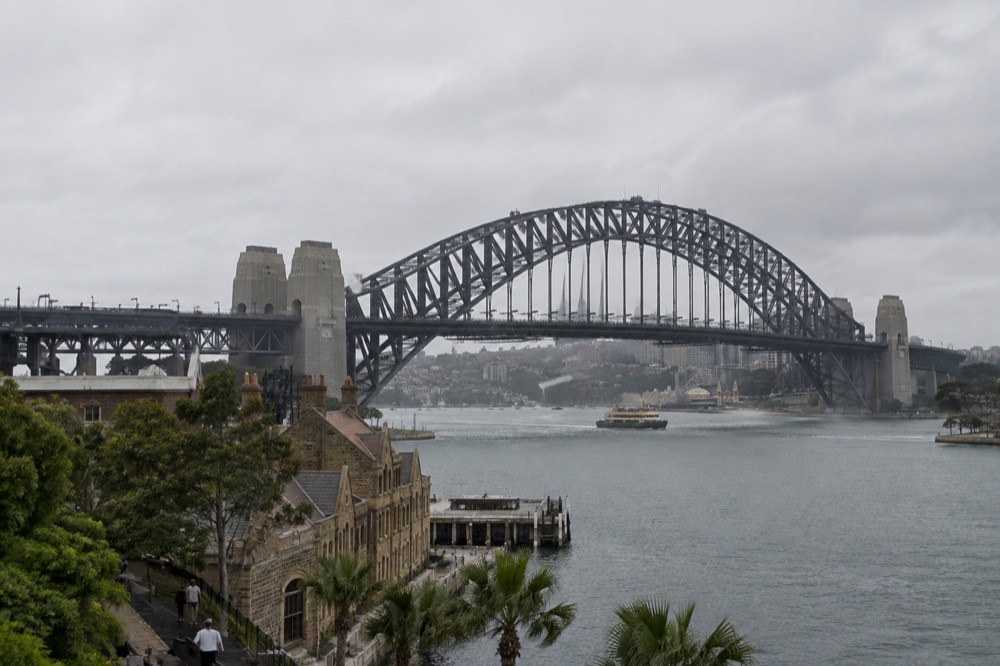
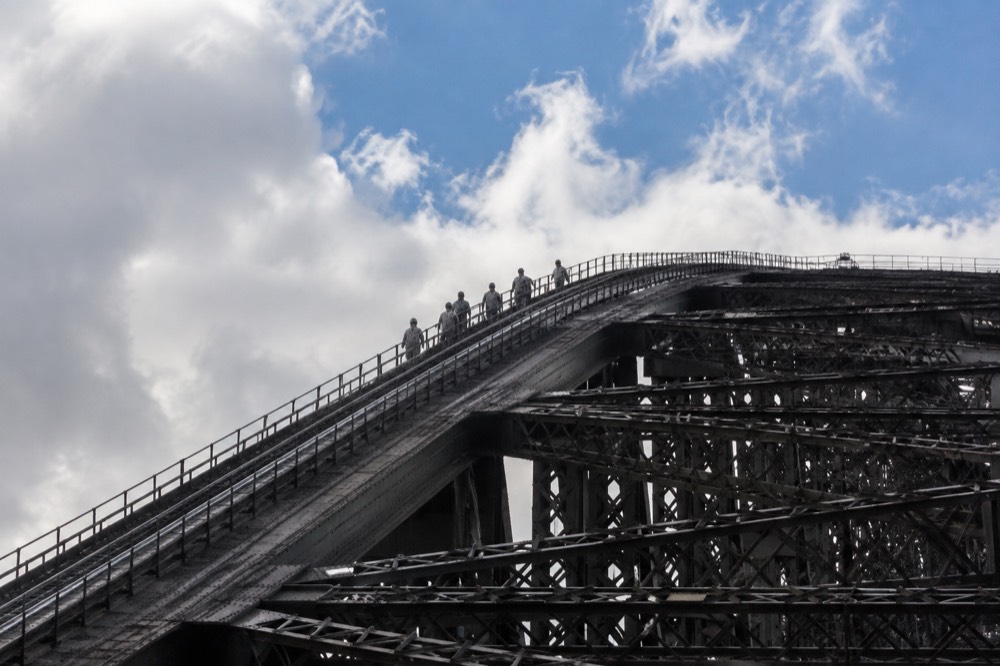
The climb is a guided, fully harnessed ascent along the outer arch of the Sydney Harbour Bridge, run by BridgeClimb, the single operator licensed to take people above the deck. The Summit experience takes about 3 hours in total, with roughly 2 hours actually on the bridge structure, and finishes at the summit of the arch, the highest point a visitor can stand on the bridge. You wear a provided jumpsuit and harness, are clipped to a static cable the whole way, and climb in groups with a trained guide. No climbing skill is involved; it is a walk on ladders, catwalks and steel plate, and the guide sets the pace throughout.
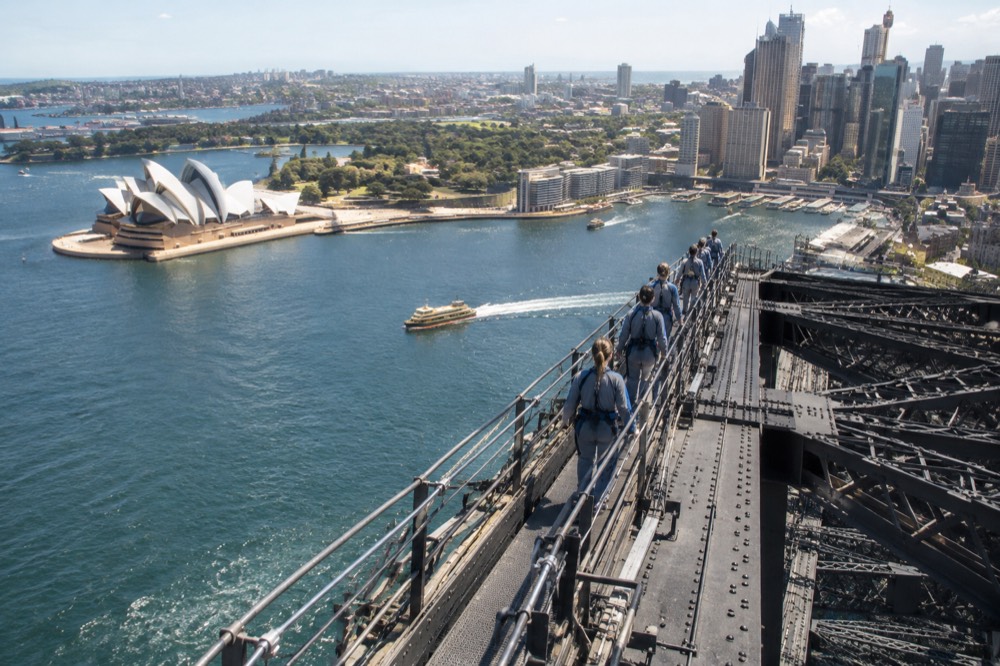
The route begins inside the bridge structure on the southern (city) side, climbs through the inner arch via ladder sections, then emerges onto the upper arch. From there you walk the long curve of the spine toward the summit, with the Opera House, Circular Quay and the city skyline spread below. The descent follows the far side of the arch toward the northern pylon and returns through the interior. Photography is handled by the operator: personal cameras and phones cannot be carried on the climb for safety reasons, and the guide photographs each group at set points, with images sold afterwards.
Weather rarely stops a climb. The operator runs in rain, wind and sunshine, and provides weather gear, fleeces and headwear suited to conditions. Only electrical storms or extreme conditions suspend departures, and affected climbers are rebooked or refunded. The bridge sways slightly in strong wind, which is by design, and the guides talk you through it. If you want the full backstory of the bridge itself, its history and its engineering, our Sydney Harbour Bridge guide covers the structure in depth.
How Much Does the Sydney Harbour Bridge Climb Cost?
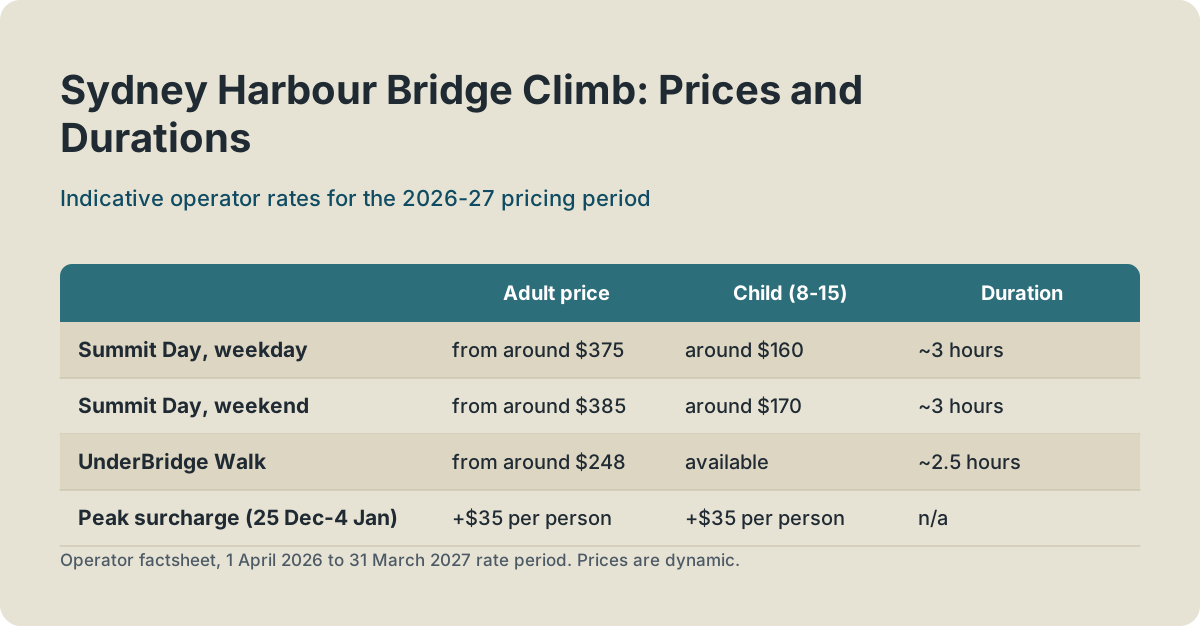
Indicative operator rates for the 2026-27 pricing period start from around $375 adult for a weekday Summit Day climb, rising to about $385 on weekends, with child tickets (ages 8 to 15) around $160 weekday and $170 weekend. A $35 per-person peak surcharge applies from 25 December to 4 January. Prices are dynamic, moving with date, time and demand, so the live listing price at the moment you book is the one that counts. Cheaper experiences exist: the UnderBridge Walk, which stays below the deck, runs from around $248 adult weekday.
Those figures come from the operator's own published factsheet for the 1 April 2026 to 31 March 2027 rate period, and they are the honest planning numbers. The operator does not publish a single fixed price because demand-based pricing shifts the figure by departure, day of week and season. Weekday mornings are the cheapest slots, weekend twilight the most expensive, and school holidays push everything upward. Bookable listings on this site carry the live price for each departure, which is the figure to trust over any guide's printed number.
Budget for the extras that are not in the base fare. Climbers must pass a breathalyser test, so a big lunch beforehand is fine but pre-climb drinks are not. Photos are sold separately after the climb. And getting to the climb base at 3 Cumberland Street in The Rocks is easy by public transport, with adult Opal fares capped at $19.30 a day Monday to Thursday and $9.65 on Fridays, weekends and public holidays, per Transport for NSW's published fare caps. Our Opal card guide for visitors explains how the caps work.
The table below sets out the indicative planning numbers side by side. Treat them as ranges, not quotes, and always confirm the live price when you book.
| Experience | Indicative adult price | Child (8-15) | Duration | On-bridge time |
|---|---|---|---|---|
| Summit Day, weekday | from around $375 | around $160 | ~3 hours | ~2 hours |
| Summit Day, weekend | from around $385 | around $170 | ~3 hours | ~2 hours |
| Summit Night | priced between Day and peak rates | available | ~3 hours | ~2 hours |
| UnderBridge Walk | from around $248 | available | ~2.5 hours | below deck |
| Peak surcharge (25 Dec-4 Jan) | +$35 per person | +$35 per person | n/a | n/a |
Which BridgeClimb Experience Should You Choose?
Most first-time visitors should book the Summit climb, the full 3-hour ascent to the top of the arch, choosing Night or Twilight if the budget allows because the city lights and sunset colour are the payoff. The UnderBridge Walk suits anyone with vertigo concerns or a tighter budget, since it stays below the deck and costs from around $248. The Burrawa Aboriginal climb is the same physical route, guided with Aboriginal stories and perspectives.
The Summit is the classic. You get the ladders, the exposure, the summit plateau and the long descent, plus the commemorative photo, certificate and cap. Within Summit, the departure time changes the experience more than most people expect: dawn is the rarest and coolest, Day is the workhorse, Twilight catches the sunset, and Night is a different climb entirely, with the city lit below and the deck traffic reduced to a hum. The night version is the one Sydneysiders gift each other, and it books out first in summer.
The standard Summit climb is the entry point for most travellers, and the operator's own listing carries the live price for each date. Solo travellers and cruise-ship visitors with one shore day generally do best with a morning Summit slot, since the 3-hour commitment plus check-in eats half a day. If you are pairing the climb with a show or dinner, book the earliest morning departure and treat the afternoon as a bonus.
Burrawa, the Aboriginal-led climb experience, is the same physical route told differently: guides share Aboriginal stories, language and perspectives on the harbour as you climb, and the experience is led by Aboriginal guides. It is the only indigenous-led experience of its kind on the bridge, and it exists alongside the operator's cultural cruise on the harbour below. If that framing matters to you, it is worth planning around.
Whichever of those three fits your plans, the practical differences come down to departure time and price rather than route difficulty, since the Summit experiences share the same physical path. That makes the booking decision simpler than it looks: pick your slot, confirm the live price, and let the guide handle everything from the first ladder to the summit photo.
How Hard Is the Climb, and How Fit Do You Need to Be?
You need to be comfortable walking on stairs and ladders for about three hours, but you do not need climbing fitness, and the pace is set by the guide, not the fittest person in the group. The route involves around 1,000 steps in total across ladders, catwalks and the arch itself, with a moderate aerobic effort similar to a brisk hill walk. There is no upper age limit, children can climb from age 8, and the harness and cable do the safety work, not your grip. Anyone with a medical condition should declare it at booking.
The honest description is "sustained but gentle". The ladders at the start are the most physically demanding part, a few minutes of steady climbing inside the bridge structure. After that the gradient eases onto the arch, where the surface is metal plate walkway, gently inclined, with handrails and the safety cable at hip height. Groups stop regularly for photos and commentary. There is a mobility and health screening at check-in, and the typical range of healthy adults completes the climb without difficulty.
Vertigo is the real question, not fitness. The upper arch is exposed: you can see through and down to the deck, the water and the traffic below. Some climbers with mild vertigo manage fine because the harness removes the fear of falling; others find the exposure overwhelming. If you are unsure, the UnderBridge Walk is the sensible test, or start with the free pedestrian walkway across the deck (covered in detail below) and see how the height feels before committing money. Our guide to walking over the Sydney Harbour Bridge covers the free crossing in full.
| Requirement | Detail |
|---|---|
| Minimum age | 8 years, with a paying adult; climbers under 16 must be accompanied |
| Upper age | No upper limit |
| Steps involved | Around 1,000 steps across ladders, catwalks and arch |
| Duration on feet | About 3 hours including check-in and briefing |
| Alcohol | Breathalyser test at check-in; a reading above zero stops the climb |
| Medical | Declare pregnancy, heart conditions and mobility issues at booking |
| Clothing | Provided jumpsuit over your own clothes; all gear supplied |
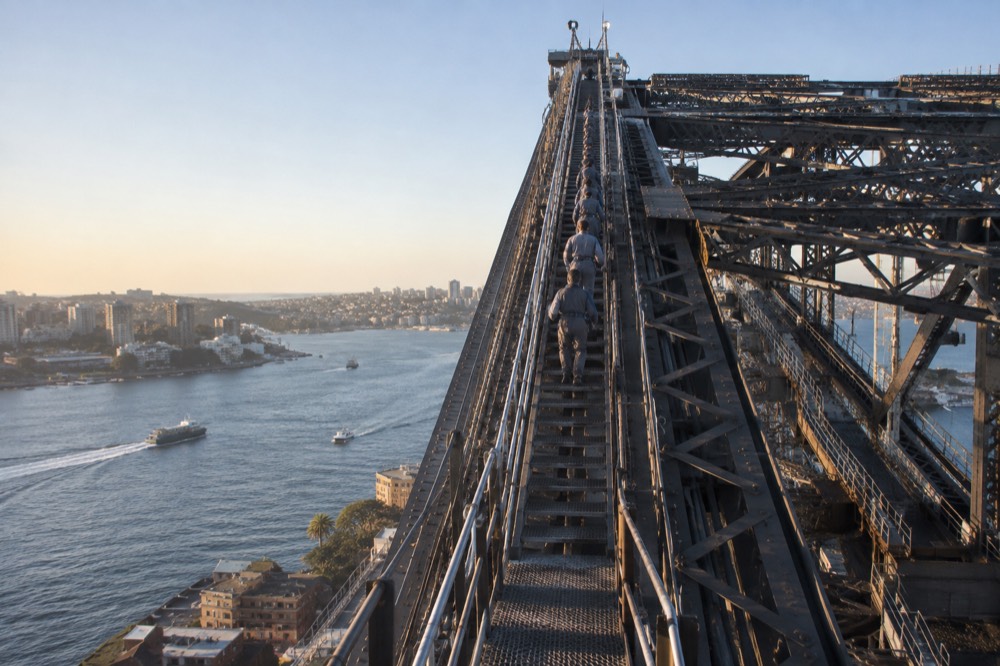
What Time of Day Is Best for the Sydney Harbour Bridge Climb?
Twilight and Night departures give the most memorable climb: Twilight catches the sunset over the western harbour and the city switching on, while Night climbs see the full skyline lit, with the Opera House glowing below. Dawn is the rarest slot, limited in number and coolest in temperature, ideal for photographers. Mid-morning Day climbs are the cheapest and most available, and in Sydney's climate even a winter morning climb is comfortable with the provided gear. The trade-off is price: night and twilight slots sit at the top of the dynamic range.
Think about what you want from the summit. Day climbs show the harbour at its bluest and the Pacific clearest, and they photograph best. Twilight is the compromise everyone raves about, but it books out furthest ahead, especially from December through February, Sydney's summer, when the sunset slots align with the after-work crowd and holiday demand. Night is the most atmospheric and the least crowded. If your dates are fixed around a cruise stop or a single free morning, take whatever slot is available rather than waiting for the perfect one.
Season matters more than visitors expect. Sydney's long-run averages from the Bureau of Meteorology show June is actually the city's wettest month (133.1 mm on average), wetter than any summer month, while August is its clearest month by mean clear days (13.4), and February, the middle of peak season, is statistically its cloudiest (5.3 clear days on average). Late winter and early spring can deliver the most reliable summit views of the year, at the cheapest weekday prices. Check the Bureau of Meteorology's Sydney climate averages if you are picking dates around weather.
| Departure | Light conditions | Availability | Best for |
|---|---|---|---|
| Dawn | First light, cool air | Limited slots, rare | Photographers, early risers |
| Day | Full sun, clearest water | Widest availability | Cheapest price, first-timers |
| Twilight | Sunset over the western harbour | Sells out weeks ahead | The all-round best experience |
| Night | City lights, reduced crowds | Good, books out in summer | Atmosphere, romance |
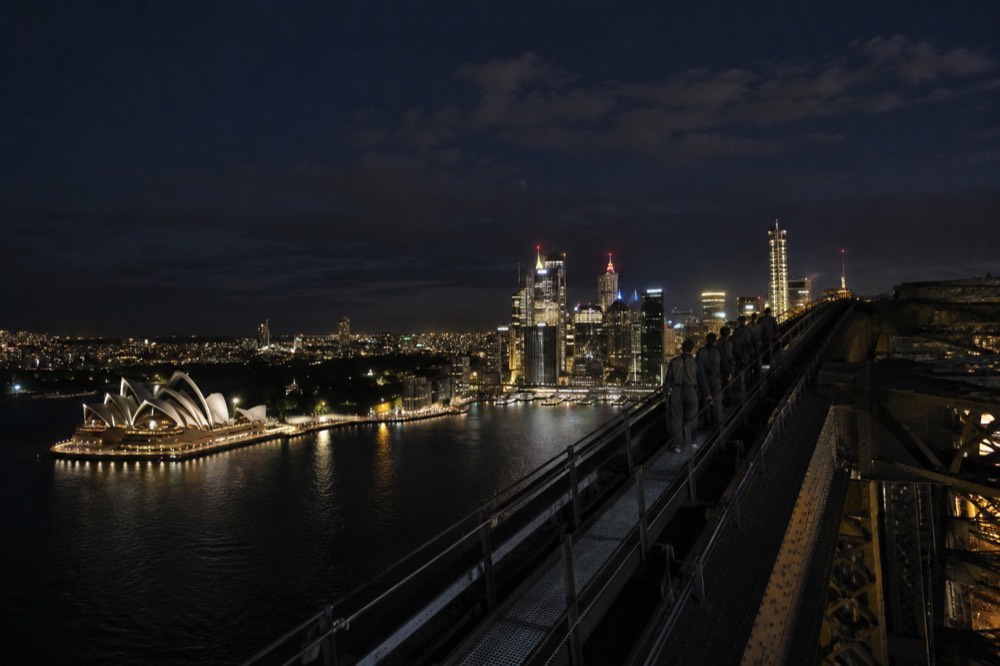
What Should You Wear and Bring to the Climb?
Wear comfortable, closed-in rubber-soled shoes and weather-appropriate clothing you can move in, because everything else is provided: the climbsuit worn over your clothes, a harness, a headset for the guide's commentary, and weather gear ranging from fleeces and beanies to sun hats and sunglasses depending on conditions. Bring nothing onto the bridge: phones, cameras, watches, jewellery and loose items are all prohibited, and lockers are provided at the check-in centre. Glasses and sunglasses are permitted with a provided strap.
The all-gear-provided model is why the climb runs in almost any weather. Rain jackets and ponchos come out in showers, fleeces in the winter wind, and in summer you climb in the suit with the zips open. Avoid bulky items under the suit, like large belts or thick jumpers in hot weather, and skip skirts and dresses because of the harness and ladder sections. Contact lens wearers should consider them over glasses, since the bridge vibrates slightly and the headset strap sits close to the ear. Eat something beforehand: three hours of steady effort on an empty stomach is unpleasant.
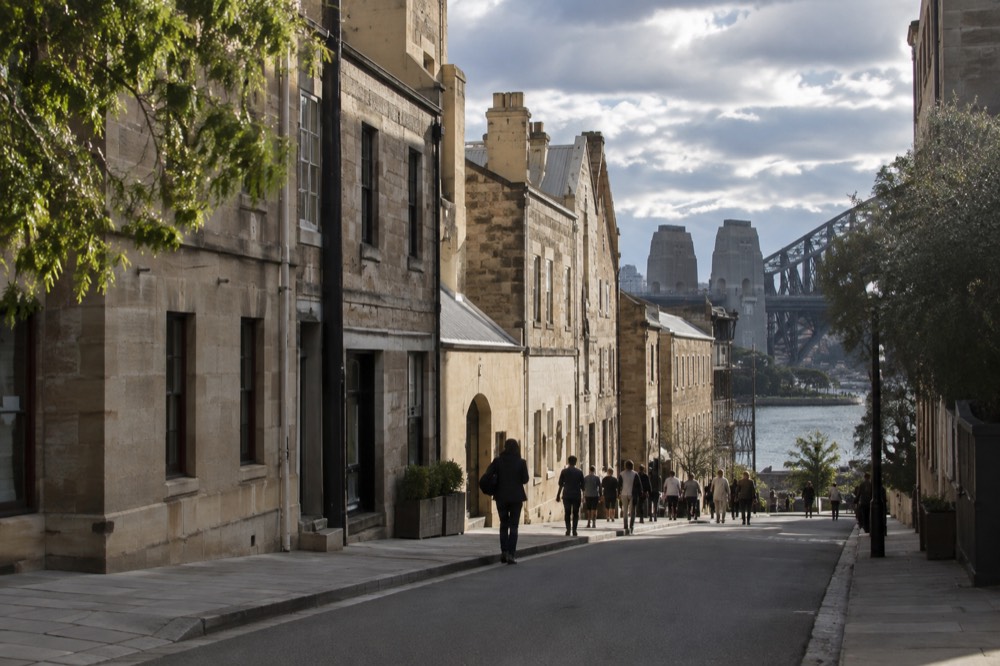
Leave time to explore The Rocks either side of the climb, because the check-in centre sits inside the heritage precinct at the bridge's southern end. The Rocks neighbourhood rewards an hour of laneway wandering, and the Circular Quay transport hub is a ten-minute walk away if you are arriving by ferry or train. If rain looks likely on your climb day, our Sydney rainy day itinerary has covered-ground alternatives nearby.
How Does the Climb Compare with the Free Walk and the Pylon Lookout?
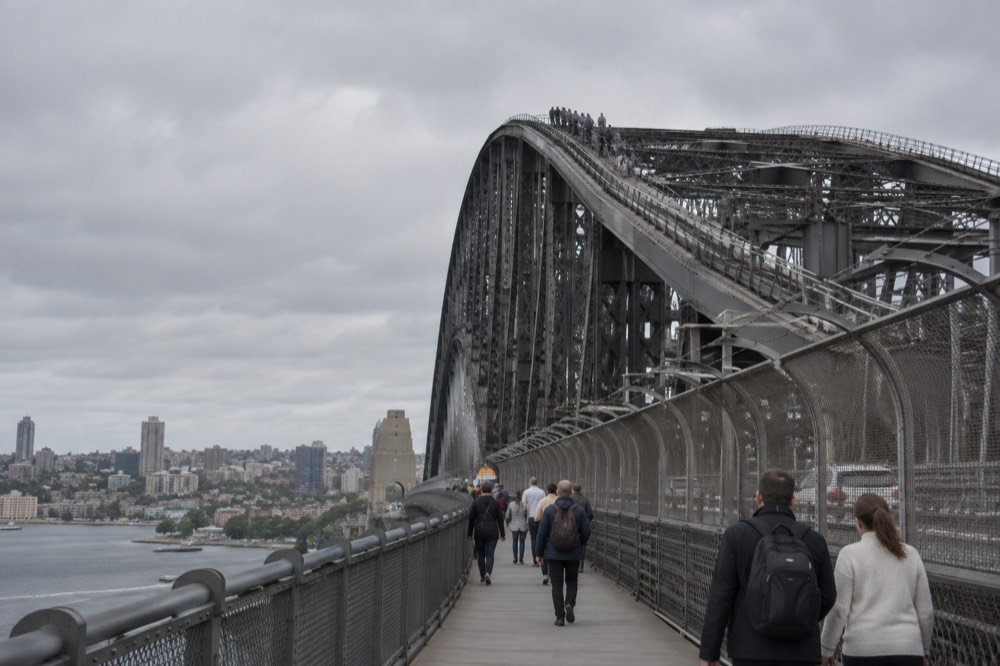
The free pedestrian walkway across the bridge deck gives you the harbour views, the wind and the engineering at zero cost, but you stay at deck level, with no summit access. The Pylon Lookout, at the bridge's south-east pylon, is a cheap museum-and-viewpoint stop reached by stairs to a viewing deck. The paid climb is the only way above the deck, to the top of the arch, and the only one with a guide, harness and the full arch traverse. If budget is the constraint, the free walk is genuinely excellent, not a consolation prize.
Here is the comparison that matters: the deck walk and the climb share a large part of their view. From the deck you see the Opera House, the harbour and the city, and you feel the trains shudder past. From the arch you get all of that plus the sweep of the bridge structure itself, the harbour stretching toward the heads on a clear day, and the singular experience of standing on the spine of the Coathanger. The Pylon Lookout sits between the two: an inexpensive, self-guided option with a small museum inside the pylon and a deck-height viewpoint. The pylon's own pricing is dynamic, so the live figure is on its official site and in our Pylon Lookout guide.
For travellers pairing the bridge with the Opera House, the geometry works in your favour: the standard one-hour Opera House guided tour is a similar price band to the cheapest climb options and the two bookends a perfect harbour morning, climb at dawn or day, tour the Opera House after. Our Sydney Opera House guide covers the tour options, and the things to do in Sydney overview places both in a full itinerary.
| Option | Height at viewpoint | Cost | Time needed | Guided |
|---|---|---|---|---|
| BridgeClimb Summit | Top of the arch, the highest point | From around $375 adult, dynamic | ~3 hours | Yes, with commentary |
| Pylon Lookout | Deck height | Dynamic, book or pay at the pylon | 45-60 minutes | No, self-guided |
| Free deck walkway | Deck level | Free | 20-30 minutes each way | No |
| UnderBridge Walk | Below deck | From around $248 adult | ~2.5 hours | Yes |
When Should You Book, and What Is the Cancellation Policy?
Book two to eight weeks ahead for twilight and night Summit climbs in the December-to-February summer, and one to two weeks ahead for weekday Day climbs outside peak season. Dawn slots, the rarest departures, should be booked as early as your dates allow. Most climb bookings carry a cancellation window, typically with a fee or full charge inside the final 24 hours, and the operator rebooks or refunds climbs cancelled for electrical storms or unsafe conditions. Booking early costs nothing if your plans are soft, since you can usually cancel outside the final day.
The demand pattern is predictable. Summer weekends are the crunch, school holidays add pressure, and the 25 December to 4 January peak surcharge window is the most contested and most expensive fortnight of the year. Midweek winter mornings are the opposite: cheap, quiet and, on the long-run climate averages, more likely to give you clear summit skies than a February afternoon. If your itinerary is flexible, a Tuesday or Wednesday morning in August or September is the value play, and the best time to visit Sydney guide breaks the whole year down month by month.
One practical note for planning: the climb base is in The Rocks, on the city side, and the whole experience including check-in, briefing and suiting up takes about 3.5 hours from arrival to certificate. Do not schedule anything tight afterwards, and do not schedule a ferry departure or a show within two hours of your expected finish. Travellers planning a wider New South Wales itinerary sometimes pair the climb with a Blue Mountains day, and the Blue Mountains day trip guide covers how the two fit together, with the Opera House tour from the trio above as the classic same-week companion.
Common Questions About the Sydney Harbour Bridge Climb
Is the Sydney Harbour Bridge climb worth the money?
For most first-time visitors, yes: it is the only way above the deck, the guide commentary adds real depth, and the summit view at the top of the arch is one no other Sydney experience matches. Travellers on a tight budget get a large share of the same view free from the deck walkway, so the climb is a splurge, not a necessity.
How long does the Sydney Harbour Bridge climb take?
The Summit climb takes about 3 hours in total, of which roughly 2 hours are spent on the bridge structure, with the rest taken up by check-in, briefing and suiting up. Plan for 3.5 hours from arrival at the Cumberland Street centre to walking out with your certificate.
Can children do the Sydney Harbour Bridge climb?
Yes, from age 8. Children aged 8 to 15 pay a reduced child rate, around $160 weekday and $170 weekend at indicative operator pricing, and must be accompanied by a paying adult. Climbers under 16 cannot climb alone.
What happens if it rains on my climb day?
You climb. The operator runs in rain, wind and sun, providing all weather gear, from ponchos to fleeces and beanies. Only electrical storms or genuinely unsafe conditions stop departures, and affected climbers are rebooked or refunded.
Can I take my phone or camera on the climb?
No. Personal cameras, phones, watches and loose items are all prohibited on the bridge for safety reasons, and lockers are provided. The guide photographs your group at set points on the climb, and images are available to purchase afterwards.
Is there a cheaper alternative to the Sydney Harbour Bridge climb?
Two, both real. The free pedestrian walkway across the deck gives you the harbour views at no cost, and the Pylon Lookout offers a self-guided viewpoint and small museum for a modest dynamic entry price. Neither reaches the arch.
The climb is the headline act of this bridge, but it is not the only way to enjoy it, and the honest answer for every budget is on this page. For the wider picture of what the city offers around the harbour, Sydney Travel Guide covers the full spread, from the free deck walk to the full summit experience.