The Best Beaches in Sydney: A Local-Logic Guide to Every Stretch of Sand
Sydney's coast is not one beach but a whole system of them, and picking the wrong one for your day is the most common mistake visitors make.
Short answer
Bondi is the famous choice, Manly the easiest from the city by ferry, and Coogee the best for families and safer swimming. Bondi, Bronte, Tamarama, Coogee, Manly and Dee Why are patrolled year-round. The ferry to Manly costs A$9.20 one way on an Opal card or contactless payment, and June is statistically Sydney's wettest month while August is its clearest.
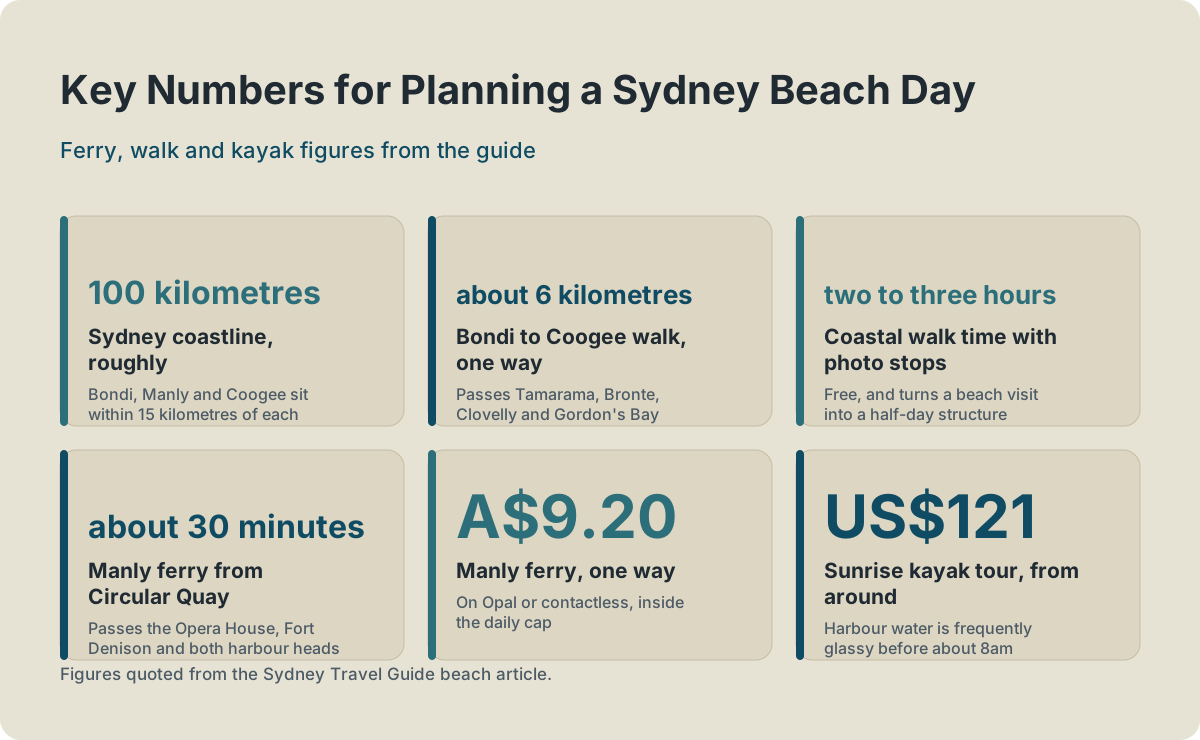
Sydney has roughly 100 kilometres of coastline, and almost none of it is interchangeable. Bondi, Manly and Coogee sit within 15 kilometres of each other yet serve completely different days: a surf morning, a ferry-and-lunch afternoon, a family swim between the flags. The single biggest mistake in planning a Sydney trip is treating "the beach" as one destination, showing up at Bondi on a day when Coogee was the better answer, or swimming at an unpatrolled stretch because the sand looked the same as the patrolled one 400 metres away.
This guide sorts the coast by what you actually want from a beach day, using verified patrol data, Bureau of Meteorology climate normals and current transport fares. It is written by the editorial desk at Sydney Travel Guide from official sources, not from a single visit, because a beach recommendation that ignores patrol seasons and rainfall patterns is just a postcard with extra steps.
Which Sydney Beach Is Right for Your Day?
There is no single "best" beach in Sydney, only a best beach for what you are doing: Bondi for the classic surf-and-people-watching scene, Manly for an easy ferry-based half day, Coogee for families and calmer swimming, Palm Beach for a scenic escape, and the harbour coves at Nielsen Park or Balmoral for flat, still water. Six beaches, Bondi, Bronte, Tamarama, Coogee, Manly and Dee Why, are patrolled year-round, which matters more than any scenery ranking.
The comparison below is the honest version. Every beach named here has its own full guide on this site, linked where it appears, and each of those goes deeper on that one stretch of sand.
| Beach | Best for | Water | Patrol | Reach it without a car |
|---|---|---|---|---|
| Bondi | The classic Sydney beach day, surf lessons, people-watching | Surf, often rips | Year-round | Train to Bondi Junction, then bus |
| Manly | Ferry trip, cafés, gentle surf, families | Surf, usually gentler | Year-round | F1 ferry from Circular Quay |
| Coogee | Families, calmer swimming, ocean pools | Surf, more protected | Year-round | Bus from the city centre |
| Bronte | Locals' beach, ocean pool, park barbecue | Surf | Year-round | Bus from Bondi Junction |
| Palm Beach | Scenery, the Barrenjoey Head walk, a long day out | Surf, quieter | Seasonal | B1 bus or ferry from Manly |
| Balmoral | Flat harbour water, toddlers, zero waves | Harbour, still | Seasonally patrolled | Bus from the North Shore |
| Shelly Beach (Manly) | Snorkelling, calm corners, marine reserve | Calm, protected | Seasonal | Walk 15 min from Manly |
| Cronulla | A real suburban beach with a train station | Surf | Seasonal | Direct train line |
Two things in that table surprise most visitors. First, Palm Beach is a genuinely long trip, more than an hour from the city, and it rewards that trip with the most dramatic headland scenery in Sydney. Second, Balmoral and other harbour beaches barely appear in overseas coverage, yet for anyone travelling with small children they are the safest and easiest swimming in the city, with no surf at all. Our things to do in Sydney with kids rundown leans on them heavily for exactly that reason.
Is Bondi Still Worth Visiting, or Is It Overrated?
Bondi is worth visiting and it is also genuinely crowded, and both of those things are true at once. The beach is patrolled year-round by professional lifeguards, it has the most reliable surf-lesson infrastructure in the city, and the Bondi to Coogee coastal walk starts at its southern end. The realistic advice is to go early, before 10am in summer, swim between the flags, and treat Bondi as a morning rather than a full day.
The crowds are not a myth. On a hot summer Saturday the sand between the flags is packed shoulder to shoulder by late morning, and parking anywhere near Campbell Parade is a losing game. But the anti-Bondi backlash overcorrects. The beach itself is a broad, well-serviced stretch of sand with a patrolled swimming area, an icebergs-style ocean pool at the south end, and a surf school ecosystem that makes it the easiest place in Sydney to book a first lesson. Our full Bondi Beach guide covers where to sit, what the flags mean on the day, and how to read the crowd patterns hour by hour.
The other reason Bondi earns its slot is the walk. The Bondi to Coogee coastal walk is about 6 kilometres one way and takes most people two to three hours with photo stops, passing Tamarama, Bronte, Clovelly and Gordon's Bay. It is free, it is spectacular, and it turns a beach visit into a half-day structure: walk one direction, swim at whichever beach you land on, bus or walk back. If you only do one coastal thing in Sydney, this is a stronger candidate than lying on a towel at Bondi itself.
If you want to be in the water rather than beside it, a surf lesson at Bondi is the most direct route in, with board included and instructors used to complete beginners.
One honest caveat: Bondi's surf is not a swimming pool. Rips run along this beach on most days, and the flags move with the conditions. The lifeguards reposition them for a reason, and the single rule that keeps every visitor safe is swimming between the red and yellow flags during patrol hours. That rule applies to strong swimmers too, which is the part people forget.
Where Should You Swim with Kids or as a Nervous Swimmer?
For families and nervous swimmers, the best options are Coogee, Shelly Beach at Manly, and the harbour beaches at Balmoral and Nielsen Park, in that order. Coogee has year-round patrols, gentler surf and two ocean pools; Shelly Beach is calm and protected inside a marine reserve; the harbour beaches have no surf at all. Ocean pools are the safest swimming in Sydney and several are free, including Bronte Ocean Pool and the North Bondi Children's Pool.
Coogee is the answer most locals give when asked where to take small children on a surf coast. The bay shape softens the swell, the beach is patrolled year-round by council lifeguards, and the southern end has rock pools and a large ocean pool complex that gives you a swimming option even when the surf is up. Our Coogee Beach guide has the practical layout, including where the playground and barbecue areas sit relative to the flags.
Shelly Beach at Manly deserves its own paragraph because it solves two problems at once. It faces west into the harbour side of the spit, so it is almost always calm, and it sits inside the Cabbage Tree Bay aquatic reserve, which means the snorkelling straight off the beach is the best shore-access marine life in Sydney. The full Shelly Beach Manly guide covers what you will actually see in the water. If you want a guide and gear rather than your own mask, a Manly and Shelly Beach snorkelling tour covers it with equipment included.
The harbour beaches are the third tier of the answer, and for toddlers they are the first tier. Balmoral, on the North Shore side of Middle Harbour, has still water, netted swimming enclosures and a promenade of cafés. Nielsen Park at Vaucluse has a shark-netted swimming area in a genuinely beautiful harbour cove. Neither has surf, which means neither has rips, and that changes the whole risk profile of a swim.
The one thing to check before any swim, at any beach, is recent rain. The NSW Government's Beachwatch program grades swim sites on water quality and advises staying out of the water while it rains and for up to one day after heavy rain at ocean beaches, and up to three days at harbour and estuarine sites, with live grades published at beachwatch.nsw.gov.au. This is the least-published swimming fact in Sydney and it matters most at the harbour beaches people assume are always clean.
What About the Harbour Coves and Kayaking Sydney's Quiet Corners?
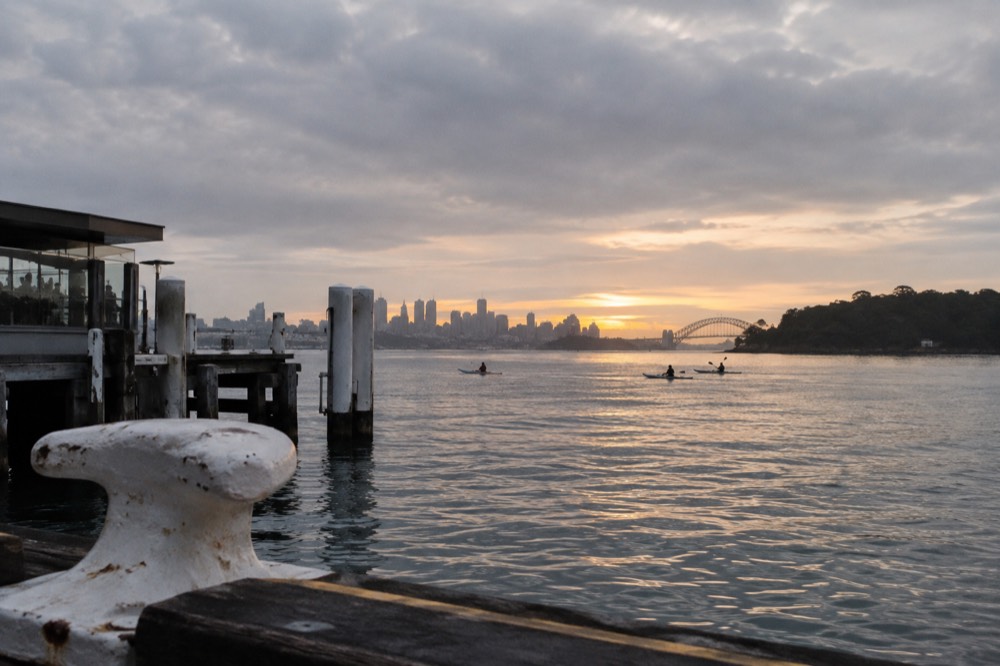
Sydney Harbour has its own beaches, and they are a completely different product from the surf coast: still water, no rips, and morning conditions so calm that the harbour is one of the best urban kayaking locations in the world. Balmoral, Nielsen Park, Camp Cove and Redleaf are the pick of them. A sunrise kayak tour, from around US$121, is the way to see the harbour beaches and headlands from the water before the ferries start.
The harbour's geography does the work here. The heads at Manly and Watsons Bay block the ocean swell, so the inside beaches get flat water even on days when Bondi is closing out. Camp Cove at Watsons Bay, a small protected beach with a netted swimming area, is where harbour swimming and colonial history sit on the same 100 metres of sand. Redleaf at Double Bay has a pontoon swim enclosure. Nielsen Park's netted bay is the most family-friendly of the lot. Our Watsons Bay guide covers the ferry-and-swim day that strings several of these together.
Kayaking is the other way to use the harbour, and the sunrise window is the one worth paying for. Before about 8am the ferry wash, the jet boats and the sailing fleet have not built up, and the water inside the harbour is frequently glassy. A guided sunrise paddle puts you at water level among the headlands and waterfront houses, with the Opera House and Harbour Bridge in the frame on the right route, and it is finished before the heat of the day. If you would rather stay on a boat than paddle one, a morning or afternoon sightseeing cruise covers the same geography with zero effort, from US$29.
Which Northern Beaches Are Worth the Trip?
Manly is the Northern Beaches gateway and the only one most visitors need, reachable by the famous F1 ferry for A$9.20 one way. Beyond it, Freshwater is a quieter family surf beach now patrolled year-round, Palm Beach is the dramatic headland at the top of the peninsula, and the stretch from Dee Why to Narrabeen is where Sydneysiders actually go. Manly and Dee Why are the year-round patrolled ones.
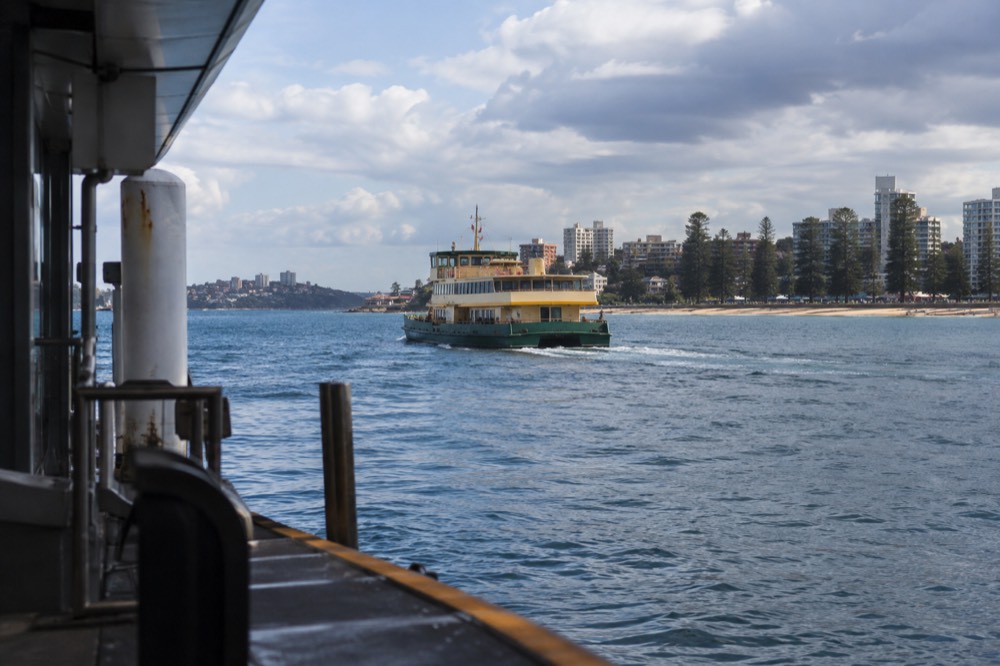
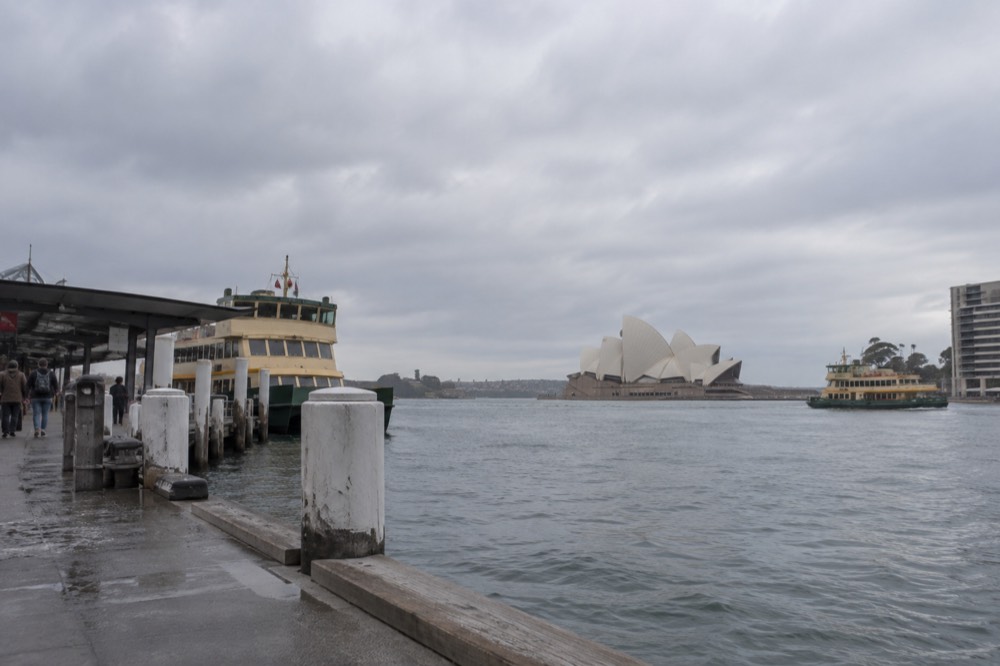
Manly earns its fame for a structural reason: it is the only beach in Sydney where the journey is half the attraction. The Manly ferry crossing from Circular Quay takes about 30 minutes and passes the Opera House, Fort Denison and both harbour heads, and it costs A$9.20 one way on Opal or contactless, inside the daily cap. Once there you get a surf beach on the ocean side, the calm of Shelly Beach a 15-minute walk away, and a pedestrian street of cafés between them. The full Manly Beach guide breaks down both sides of the spit.
Further north, the pattern changes. Freshwater, the first beach north of Manly, moved to year-round professional patrols and is the local-family choice, with a rock pool and less of the visitor crush. Dee Why also patrols year-round now, with a long beach and a beachfront strip of cafés. Palm Beach, an hour plus from the city, is the scenic payoff: a long spit of sand between the ocean and Pittwater, with the Barrenjoey Head lighthouse walk above it and the ferry to The Basin departing from its wharf. It is a day trip in itself, and our Northern Beaches overview ranks the whole stretch for visitors with limited time.
Patrol timing on the Northern Beaches matters more than on the eastern beaches, because most of them, apart from Manly and Dee Why, are only patrolled from late September to late April. The Northern Beaches Council's own announcement on Dee Why going year-round spells out the change, and the general patrol pattern is documented across the council's beaches pages. Outside those dates, the flags are simply not there.
When Is the Best Time of Year for Sydney's Beaches?
The beach season in Sydney runs from December to February, which is summer, but the climate data argues for the shoulders: April and May have warm sea-adjacent conditions with far fewer people, and August is statistically the clearest month of the year with 13.4 clear days on average. June is the trap, and it is Sydney's wettest month at 133.1 mm on average, wetter than any summer month, while February, peak season, is its cloudiest.
That June figure is the most counterintuitive fact in Sydney's climate record and it comes straight from the Bureau of Meteorology's long-run normals for Observatory Hill. Visitors assume an Australian coastal city rains hardest in winter and is reliably sunny in summer. Sydney inverts that: rainfall peaks in autumn and early winter, and the clearest skies of the year arrive in late winter, when the days are short but the air is crisp and the beaches are empty.
| Month | Mean max °C | Mean min °C | Mean rainfall mm | Mean clear days |
|---|---|---|---|---|
| Jan | 26.0 | 18.8 | 101.2 | 6.8 |
| Feb | 25.8 | 18.9 | 119.3 | 5.3 |
| Mar | 24.8 | 17.6 | 131.6 | 7.1 |
| Apr | 22.5 | 14.8 | 126.5 | 9.1 |
| May | 19.5 | 11.6 | 117.4 | 9.5 |
| Jun | 17.0 | 9.3 | 133.1 | 9.1 |
| Jul | 16.4 | 8.1 | 96.3 | 12.0 |
| Aug | 17.9 | 9.0 | 80.2 | 13.4 |
| Sep | 20.1 | 11.1 | 68.1 | 10.9 |
| Oct | 22.2 | 13.6 | 76.7 | 8.1 |
| Nov | 23.7 | 15.7 | 83.8 | 6.0 |
| Dec | 25.3 | 17.6 | 77.1 | 6.6 |
These are long-term averages from the Bureau of Meteorology's climate normals for Sydney, not a forecast for your week. Read them as tendencies. March and April carry more rain than most visitors expect, which is why our Sydney weather month by month guide exists, and why the best time to visit Sydney page weighs crowd levels against these same numbers.
One more seasonal note: daylight saving. Sydney's clocks go forward on the first Sunday of October and back on the first Sunday of April, so a 7pm patrol finish in high season is a 5:30pm finish in winter. Every beach hour quoted anywhere in this article is season-dependent, and the Sydney in winter guide covers what is still swimmable when the days shorten.
How Do You Stay Safe at Sydney Beaches?
Swim at a patrolled beach, between the red and yellow flags, during patrol hours. That is the whole rule, and it is the one Surf Life Saving Australia repeats because every coastal drowning in its 2025 national report, 154 deaths, the highest recorded, occurred outside the flags, outside patrol times, or at an unpatrolled location. Bondi, Bronte, Tamarama, Coogee, Manly and Dee Why patrol year-round; most other beaches patrol only from late September to late April.
Rip currents are the number one hazard on the surf coast, and they are invisible to people who have never seen one. The official advice, published at beachsafe.org.au, is to avoid rips by swimming between the flags, and if caught in one: stay calm and conserve energy, raise an arm and call for help, float with the current, which may carry you back to a sandbank, or swim parallel to the beach toward breaking waves. Surf Life Saving's prevention framing is STOP, LOOK, PLAN: check for rips before entering, look for other dangers, and plan your swim. Do not improvise your own version of this advice from memory.
The patrol table below is the practical version of the safety message. Note the split between professional lifeguards, who are council employees in blue and cover the core hours, and volunteer lifesavers in red and yellow, who supplement patrols on weekends and public holidays through the summer season. A beach can be patrolled on Saturday afternoon and unpatrolled on Tuesday morning in the same week.
| Beach | Patrol | High season hours | Low season hours |
|---|---|---|---|
| Bondi, Bronte, Tamarama | Year-round professional | 6am-7pm, Oct-Apr | 7am-5:30pm, May-Sep |
| Coogee | Year-round professional | Around 7am-7pm in daylight saving | Around 7am-5pm |
| Manly | Year-round professional | Longer in peak summer | Reduced hours |
| Dee Why | Year-round since 2026 | Longer in peak summer | Reduced hours |
| Palm Beach, Freshwater, most Northern Beaches | Seasonal, roughly late Sep to late Apr | Generally 9am-5pm, longer in peak | No patrol |
| Cronulla, North Cronulla, Elouera, Wanda | Seasonal, roughly Sep to Apr | 7am-5pm, later in daylight saving | No patrol |
Hours shift with conditions and councils adjust them, so treat the table as the pattern rather than a timetable. Two more hazards deserve a sentence each. Bluebottles arrive with onshore winds in the warmer months; do not touch them, and if stung, leave the water, remove tentacles with seawater rather than bare hands, and immerse the sting in hot water around 45 °C for up to 20 minutes. And the NSW shark meshing program runs 51 nets between Newcastle and Wollongong from 1 September to 31 March each season; the nets reduce but do not eliminate risk and are not a barrier, which is why the flags, not the nets, are the safety system that actually protects you.
Are Sydney's Ocean Pools Worth Visiting?
Yes, and several are free. Sydney's ocean pools are a distinctive part of its beach culture: rock-walled saltwater pools carved into the headlands and replenished by the tide. Bronte Ocean Pool and the North Bondi Children's Pool are free and council-maintained, while Bondi Icebergs is a separate club-run 50-metre pool with its own access fee. Ocean pools give you a safe swim even when the surf is rough, though they still close in big swell.
The pool at Bondi Icebergs is the one in every photograph, sitting against the ocean at the south end of Bondi, and it is the one you pay for, because it is a club-managed pool rather than a council facility. The free ones are less photographed and just as good for a swim. Bronte's pool sits below the park at the south end of that beach, and the North Bondi Children's Pool is a sheltered shallow pool genuinely suited to small children. Further south, Clovelly, Wylie's at Coogee and Mahon at Maroubra continue the chain.
| Ocean pool | Beach | Free? | Notes |
|---|---|---|---|
| Bondi Icebergs | Bondi | No, club access fee applies | The famous 50 m pool, photographed from the coastal walk |
| Bronte Ocean Pool | Bronte | Yes | Cleaned weekly, closed on cleaning days |
| North Bondi Children's Pool | North Bondi | Yes | Sheltered, shallow, built for children |
| Wylie's Baths | Coogee | Entry fee | Historic tidal pool with a timber deck |
| Clovelly Ocean Pool | Clovelly | Yes | Calm, snorkelling-friendly, on the coastal walk |
| Mahon Pool | Maroubra | Yes | Rock pool north of the main beach |
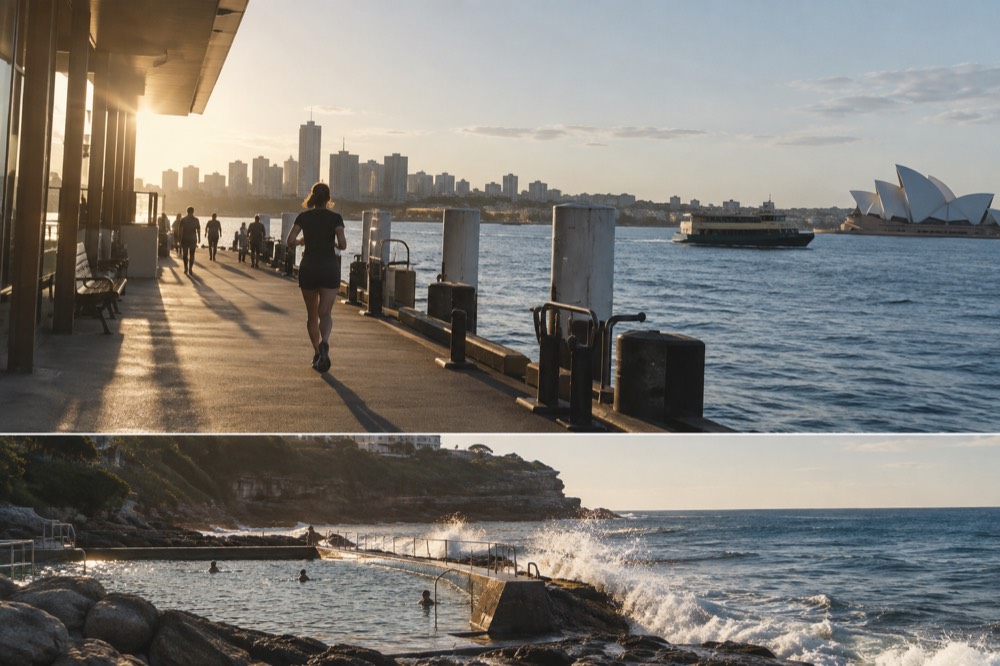
The pools are the answer to several problems at once: a swim when the surf beach is closed or rough, a swim for people who do not want to deal with rips at all, and a swim in winter when the water in the pools feels bracing but the setting is at its most dramatic. They close for cleaning and in heavy swell, so a pool can be closed on the day you arrive. The best lookouts in Sydney guide pairs several of them with the headland viewpoints above, which is the best way to see them even when you are not swimming.
How Do You Get to Sydney's Beaches Without a Car?
You do not need a car for any of the main beaches. The F1 ferry to Manly costs A$9.20 one way on Opal or contactless, trains reach Bondi Junction and Cronulla with a bus or short connection at the end, and the Opal daily cap is A$9.65 on Fridays, weekends and public holidays, making a multi-beach day cheap. The one trap is the private Manly Fast Ferry, which accepts Opal cards but charges different fares with no caps or transfer discounts.
The public transport answer to the coast is genuinely good, which is why our getting around Sydney and do I need a car in Sydney pages both land on the same conclusion for beach visitors. A contactless credit card or phone works identically to an adult Opal card, including the caps, so most visitors never need to buy a card at all.
| Beach | Best route from the city | Rough cost each way |
|---|---|---|
| Manly | F1 ferry from Circular Quay, about 30 min | A$9.20 |
| Bondi | Train to Bondi Junction, then a bus to the beach | About A$5-6 total |
| Coogee | Direct bus from the city centre | About A$5 |
| Cronulla | Direct train from Central | A$5.38-6.20 by distance |
| Palm Beach | B1 bus from the Wynyard, or ferry from Manly | About A$8-9 |
| Watsons Bay | F9 ferry from Circular Quay | A$9.20 |
The ferry rows deserve their own note, because ferries have no off-peak discount and the 9 km-plus band fare is flat. The private fast ferry operators on the Manly run are the trap: they take OpalPay, so the tap works, but the fare is different and the daily and weekly caps do not apply, which surprises visitors who assumed they had already hit their cap for the day. The public F1 is the one with the full Opal benefits, and it is also the better ride, because it is the ferry the postcards are made of.
Common Questions About Sydney's Best Beaches
What is the number one beach in Sydney?
There is no single answer, but Bondi is the most famous, Manly is the best overall day out for a first-time visitor thanks to the ferry, and Coogee is the best for families and safer swimming. If you want the honest single pick for a first trip, take the ferry to Manly: you get the harbour crossing, a surf beach, a calm beach and a café strip in one visit.
Which Sydney beaches are patrolled all year?
Bondi, Bronte and Tamarama in the east, Coogee, Manly, and, since 2026, Dee Why. Waverley Council describes its patrol hours on Bondi, Bronte and Tamarama as the longest in Australia. Most other Sydney beaches, including Palm Beach and the Cronulla stretch, patrol only from roughly late September to late April.
Can you swim at Sydney beaches in winter?
Yes. The water is cold but swimmable, the ocean pools are open, and August is statistically Sydney's clearest month, averaging 13.4 clear days. Patrols continue year-round at the six year-round beaches, but with shorter hours, and daylight saving ends in early April, so plan swims for the middle of the day.
Is Bondi or Manly better?
Manly is better for most visitors: the ferry trip is part of the experience, the surf is gentler, and Shelly Beach gives you a calm swimming option on the same visit. Bondi is better if surfing, surf lessons or the Bondi to Coogee coastal walk are the point of your day. Our full comparison lives in the is Bondi or Manly better question.
Are Sydney beaches safe for tourists?
Yes, at patrolled beaches between the red and yellow flags. Every coastal drowning in Surf Life Saving Australia's 2025 national report occurred outside the flags, outside patrol hours or at unpatrolled locations. Swim at a patrolled beach during patrol hours, check Beachwatch water-quality advice after rain, and treat ocean pools as the low-risk option.
What is the cheapest way to visit Sydney's beaches?
Public transport with a contactless card. The Opal daily cap is A$9.65 on Fridays, weekends and public holidays, which covers a ferry to Manly, a bus to Bondi and a train home in one day. Walking the Bondi to Coogee coastal walk is free, and so are Bronte Ocean Pool, the North Bondi Children's Pool, Clovelly and Mahon pools.