Sydney Northern Beaches: A Visitor's Guide to Manly, Dee Why and Palm Beach
The Northern Beaches are the stretch of coast running from Manly up to Palm Beach, and they are where Sydneysiders go when they want a beach day. Here is how to do them properly, ferry fares, patrol seasons and all.
Short answer
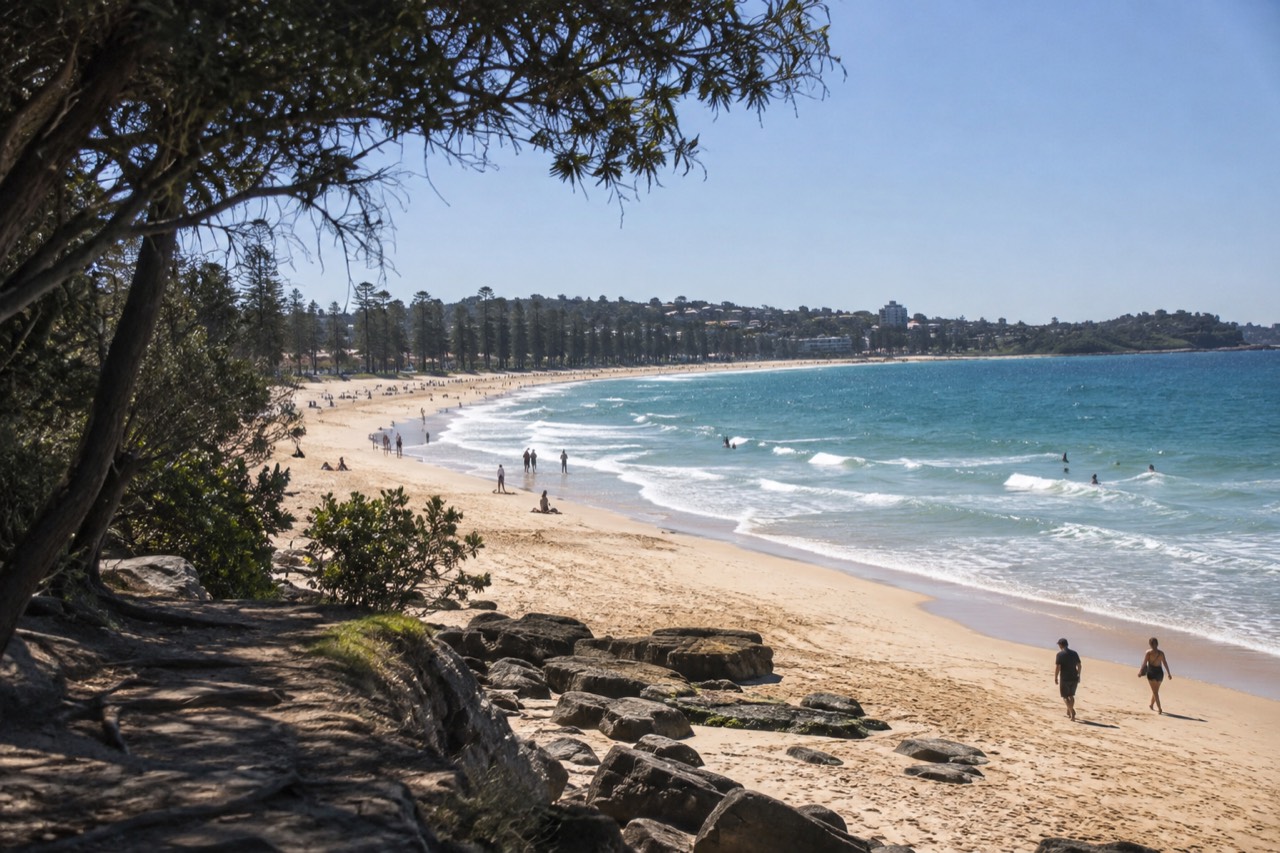
The Sydney Northern Beaches run about 30 kilometres from Manly to Palm Beach, reached by the F1 ferry from Circular Quay or the B1 bus line. Manly, Dee Why, Freshwater and Palm Beach are patrolled year-round or nearly so, whales pass close to shore from May to November, and a full day out here costs less than most harbour attractions.
What Exactly Are the Sydney Northern Beaches?
The Northern Beaches are the chain of surf beaches and headlands running roughly 30 kilometres north from Manly to Barrenjoey Head at Palm Beach, all inside the Northern Beaches Council area on Sydney's north side. Manly is the southern gateway and Palm Beach the far end, with Freshwater, Curl Curl, Dee Why, Collaroy, Narrabeen and Mona Vale in between. Locals treat it as a different world from Bondi and the eastern beaches, and in practical terms it is: quieter midweek, and it faces open ocean rather than the harbour.
The land here is that of the Gayamaygal and Garigal clans of the Eora Nation, and the coastline still carries Aboriginal place names and middens along its dunes and headlands. That history is older than anything else on this coast, and the national park at North Head protects part of it.
What surprises most visitors is the scale. This is not one beach but a dozen, each with its own surf break, its own surf club and its own crowd. Manly absorbs the tourists; the beaches further north absorb locals. A visitor with a full day can realistically see two or three of them, so the real planning question is which ones, and the answer depends on whether you want surf, calm water for swimming, or a long coastal walk.
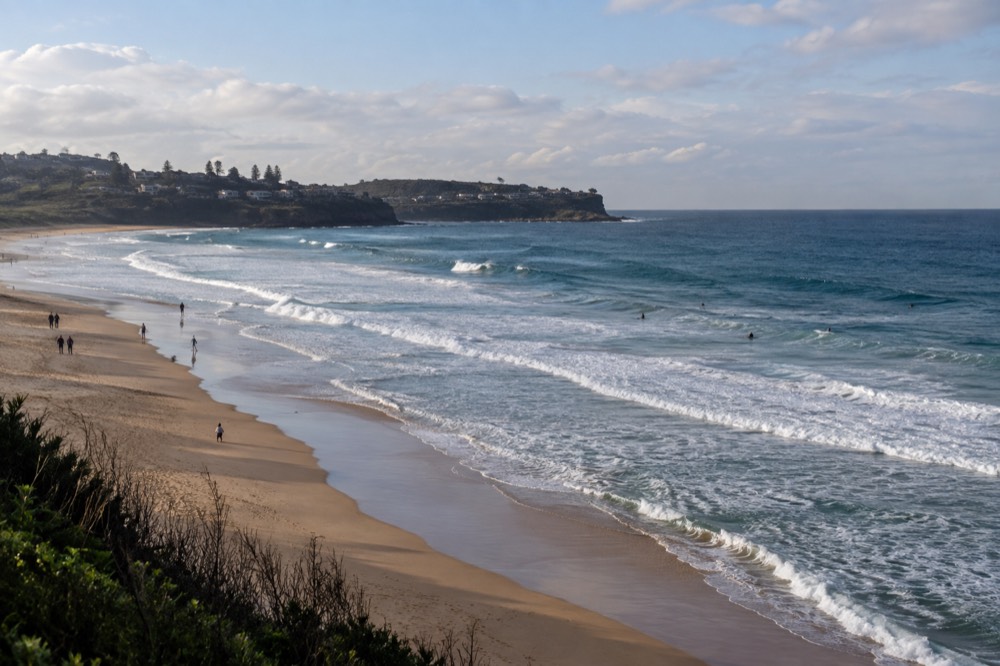
If you are weighing this coast against the eastern beaches, our Bondi Beach guide covers the other side of the city, and our broader best beaches in Sydney comparison puts both stretches side by side.
How Do You Get to the Northern Beaches from the City?
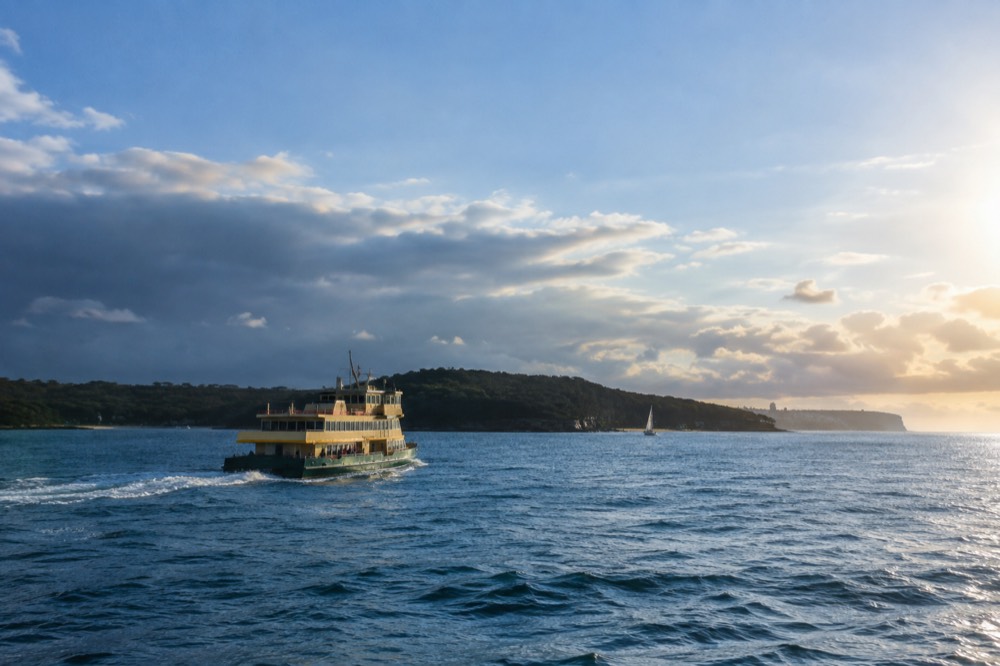
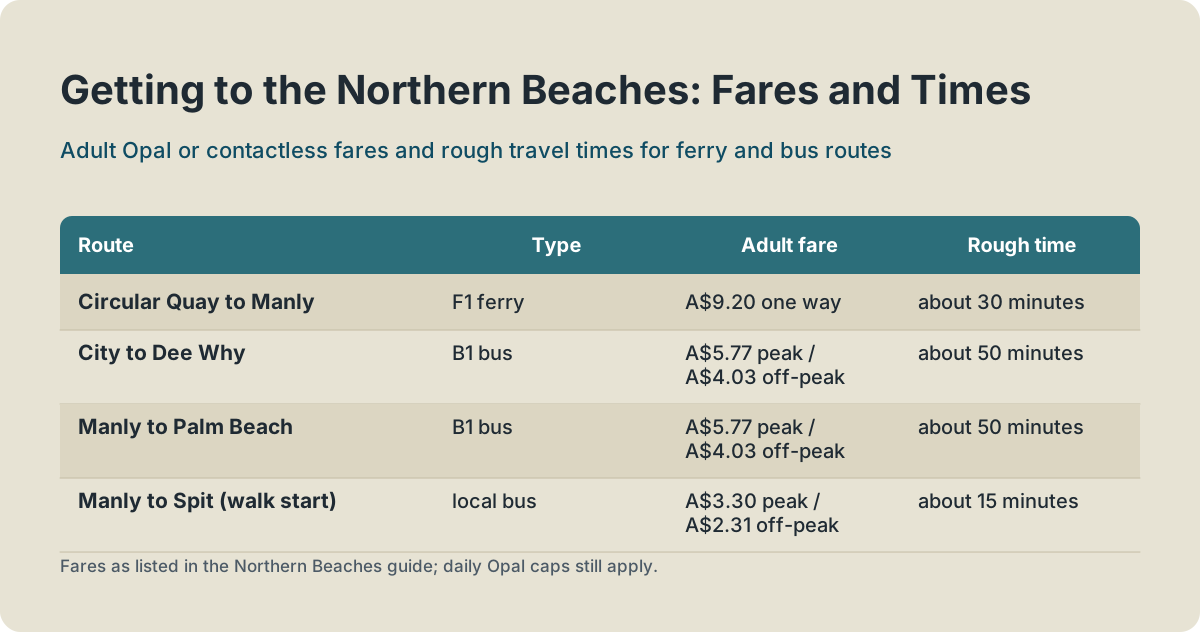
The two best routes are the F1 ferry from Circular Quay to Manly, which costs A$9.20 one way on an adult Opal or contactless card and takes about half an hour, or the B1 bus line, which runs from the city up the whole peninsula as far as Palm Beach. Ferries give you the harbour crossing and arrive in the middle of Manly; buses are the only sensible way to reach Dee Why, Narrabeen and Palm Beach.
The ferry is the famous one, and deservedly: the F1 from Circular Quay to Manly sits in the 9-plus-kilometre fare band at A$9.20 each way, and the daily Opal caps still apply, so a heavy sightseeing day can cost no more than the cap allows. A contactless credit card or phone is charged exactly the same as an Adult Opal card and earns the same caps, so there is no need to buy a card for a short visit. One trap: the privately operated Manly Fast Ferry accepts Opal through OpalPay, but its fares are different and the Opal caps do not apply to it, so check which vessel you are boarding. Transport for NSW explains how to pay for a ferry trip on its own fare pages.
Buses charge by distance too: an adult bus fare runs A$3.30 for a short hop up to A$5.77 for the longest trips, with a 30 percent off-peak discount on weekends and outside peak times. The bus ride to Palm Beach takes well over an hour from the city, so most people stay aboard and treat the trip as part of the day. Our manly ferry guide has the full detail on crossings, and our getting around Sydney page covers the wider network.
If you would rather see the harbour from the water with a commentary, a sightseeing cruise is the low-effort alternative: it runs about an hour and a half, morning or afternoon, and covers the harbour highlights while someone else handles the route.
For a full rundown of crossing options and timings, our page on how long the Sydney to Manly ferry takes answers the most common question people ask before boarding.
| Route | Type | Adult fare (Opal/contactless) | Rough time |
|---|---|---|---|
| Circular Quay to Manly | F1 ferry | A$9.20 one way | about 30 minutes |
| City to Dee Why | B1 bus | A$5.77 peak / A$4.03 off-peak | about 50 minutes |
| Manly to Palm Beach | B1 bus | A$5.77 peak / A$4.03 off-peak | about 50 minutes |
| Manly to Spit (walk start) | local bus | A$3.30 peak / A$2.31 off-peak | about 15 minutes |
Manly and Shelly Beach: Where Most Visits Start
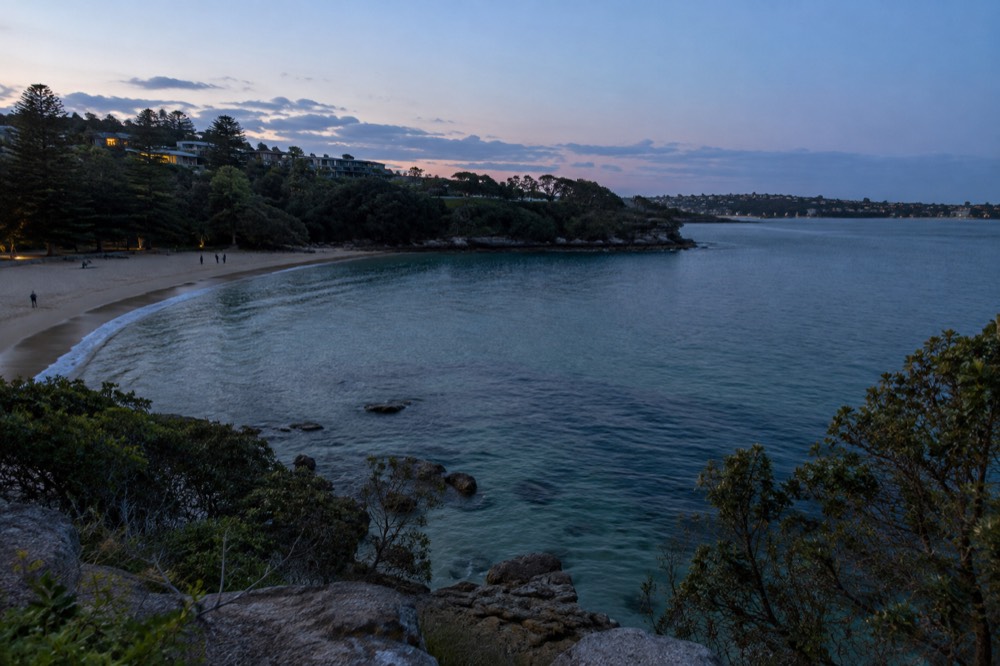
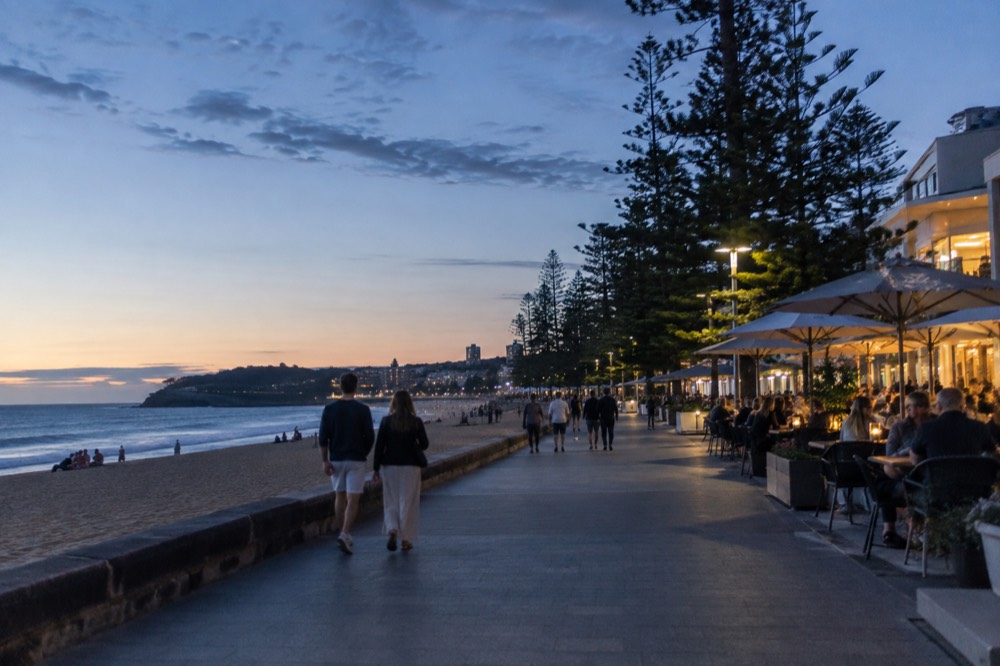
Manly is the Northern Beaches' transport hub and its most complete day out: a ferry terminal, a pedestrian Corso leading from harbour to surf, an ocean beach patrolled year-round by council lifeguards, and Shelly Beach, a calm, sheltered cove on the south side that is the safest swimming spot on the peninsula and the most popular place to snorkel. You can walk the whole thing end to end in twenty minutes. Most first-time visitors should start here.
The Corso is the spine of it. You step off the ferry at Manly Wharf, walk the pedestrian strip past cafes and surf shops, and about 400 metres later the ocean beach opens up in front of you. The surf side is patrolled year-round by professional lifeguards, which matters more than visitors realise: this is one of only a handful of Sydney beaches where the red and yellow flags go up every day of the year. Swim between them and nowhere else.
Shelly Beach, around the headland to the south, is the family and snorkelling choice. It faces west into the bay rather than east into the Pacific, so it is protected from the swell that makes the main beach a surf break, and the Cabbage Tree Bay aquatic reserve just offshore holds plenty of fish life in shallow water. A guided snorkelling tour of Manly and Shelly Beach runs with gear included, which saves bringing a mask in your luggage.
Our Manly Beach guide and Shelly Beach, Manly page cover both in depth, including where to eat along the Corso. For the question everyone eventually asks, is it worth going to Manly Beach gets a straight answer elsewhere on this site.
Freshwater, Dee Why and Curl Curl: The Locals' Stretch
Freshwater, Curl Curl and Dee Why are the three beaches immediately north of Manly, and they are where the tourist density drops away. Dee Why has moved to year-round lifeguard patrols from around May 2026, joining Manly as one of the few beaches on this coast flagged every day; Freshwater and Curl Curl run seasonal patrols. Dee Why has the best cafe strip of the three, Freshwater the most history, and Curl Curl the fewest facilities and the most local feel.
Freshwater carries a genuine historical claim: it is the beach where surfing was first demonstrated in Australia, and the point still breaks well today. It is a compact beach with a rock pool at the northern end and a grassy park behind the sand, which makes it an easy family stop. Curl Curl, just north, is longer and rawer, backed by dunes rather than a strip of shops, and it is the one locals pick when they want a swim without crowds.
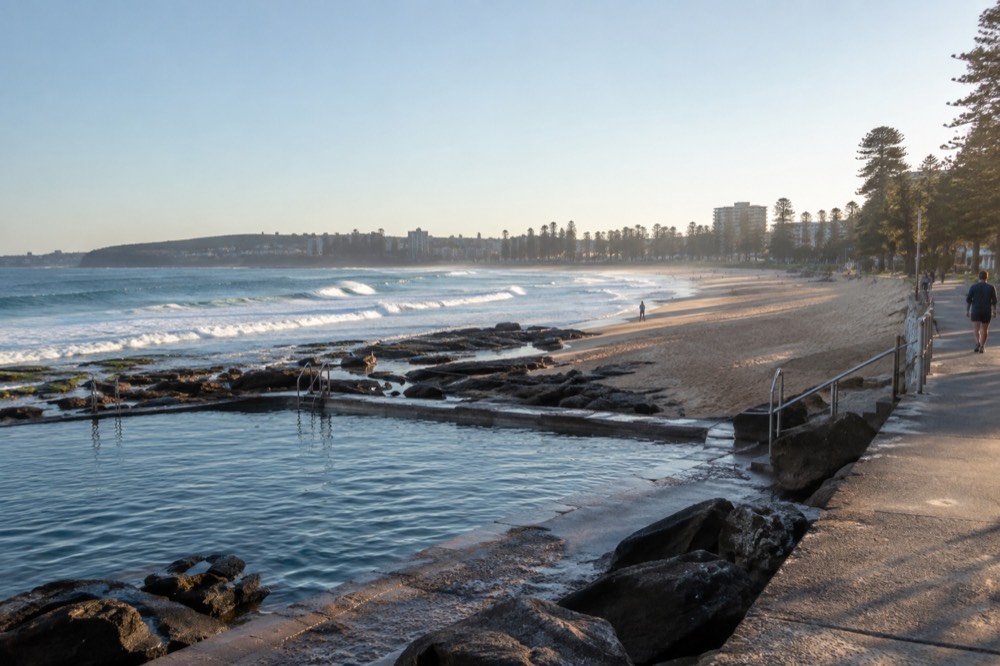
Dee Why is the practical centre of this stretch. The beach is long and reliable, the ocean pool at the southern end is one of the biggest on the coast, and the beachfront promenade has a solid run of cafes and a good fish and chip shop or two. The Ted Jackson Reserve behind the pool is a decent picnic spot. All three beaches sit on the B1 bus line a few minutes north of Manly, so they are easy to add to a Manly day if the ferry crowds get to you.
| Beach | Patrol | Character | Best for |
|---|---|---|---|
| Manly | Year-round lifeguards | Busy, full facilities | First visit, families |
| Shelly Beach | Calm cove, no surf break | Sheltered | Snorkelling, small kids |
| Freshwater | Seasonal patrols | Compact, historic | Surf history, rock pool |
| Curl Curl | Seasonal patrols | Open, fewer facilities | Quieter swims |
| Dee Why | Year-round from around May 2026 | Long beach, good cafes | Cafe days, ocean pool |
Is It Safe to Swim and Surf on the Northern Beaches?
Yes, on the patrolled beaches and between the red and yellow flags, which is the rule that matters everywhere on this coast. Manly is patrolled year-round, Dee Why moved to year-round patrols from around May 2026, and most other Northern Beaches run patrols roughly from late September to late April, generally 9am to 5pm and longer at peak times.
Outside patrol hours or outside the flags is where people get into trouble, and Surf Life Saving Australia records that every coastal drowning in its latest season happened outside the flags or outside patrol times.
Rip currents are the number one hazard on every surf beach here, and the official advice is simple. Swim at a patrolled beach, between the flags, during patrol hours. If you are caught in a rip, stay calm and conserve energy, raise an arm and call for help, float with the current, which may carry you back to a sandbank, or swim parallel to the beach toward breaking waves. Beachsafe, Surf Life Saving's own public safety site, publishes the official rip current guidance in full.
Two more things worth knowing. First, water quality: after heavy rain, the official advice is to stay out of the ocean for up to one day at surf beaches and up to three days at harbour and estuarine swim sites, so a stormy week should push your swim back rather than cancel it. Second, bluebottles arrive in the warmer months and after onshore winds; do not touch them in the water or on the sand, and if stung, leave the water, remove tentacles with seawater rather than bare hands, and use hot water around 45 degrees for up to 20 minutes.
If you want to learn to surf rather than just swim, the peninsula's surf schools are covered in our surfing lessons in Sydney guide, with the main Northern Beaches options listed alongside Bondi. The Northern Beaches Council's own beaches page is the live source for which flags are up on a given day.
Palm Beach, Whale Beach and the Far North
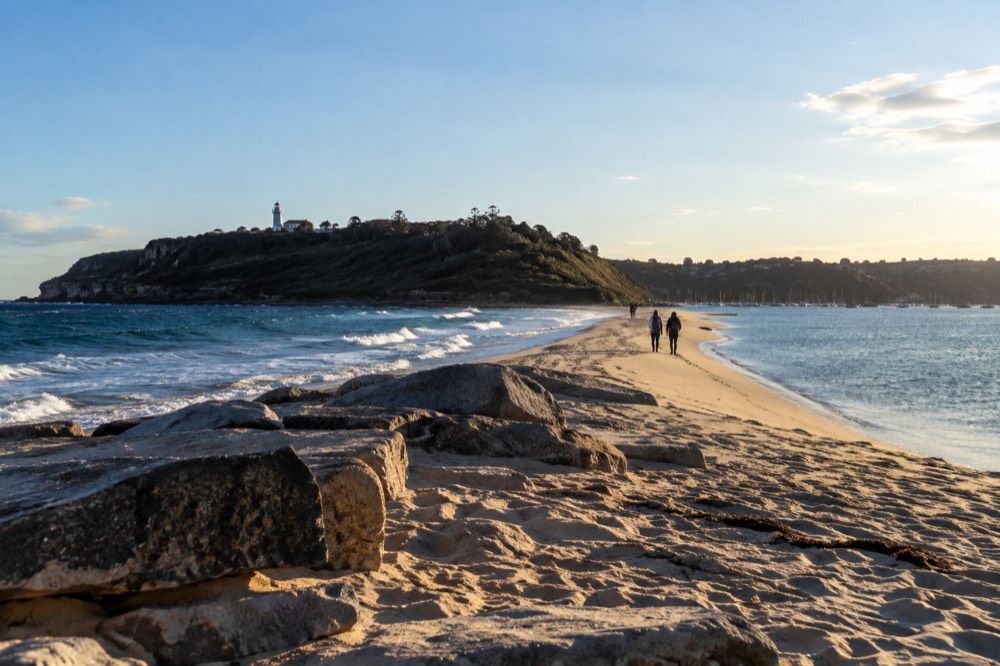
Palm Beach is the end of the line, about 90 minutes from the city by bus, a narrow sand spit with ocean surf on one side and the calm waters of Pittwater on the other, with the Barrenjoey Lighthouse walk above it. Whale Beach, just south, is smaller and quieter. The far northern beaches are a half-day or full-day trip of their own, not an add-on to Manly, and the reward is the least crowded good swimming on this coast.
The Barrenjoey Head walk up to the lighthouse is the reason most people make the trip. It is a steady climb on a formed track, a couple of kilometres each way, and the view from the top takes in the full spit, Pittwater's boats and the open ocean in one sweep. On the Pittwater side, the water is flat and family-friendly; on the ocean side, the surf is real and should be treated like every other break on this coast, flags and all.
Whale Beach is the local's alternative a few minutes back down the peninsula: a compact beach with one of the coast's better ocean pools at its southern end and very little else, which is exactly the point. Further south, Avalon, Bilgola and Newport string the coast together, each with a small beach, a surf club and a strip of shops. None of them are on the standard tourist route, which is a fair definition of their appeal.
Our Palm Beach guide covers the far north in detail, including the walk up to the lighthouse and where to eat when the bus finally lets you off.
Spit to Manly and the Other Coastal Walks
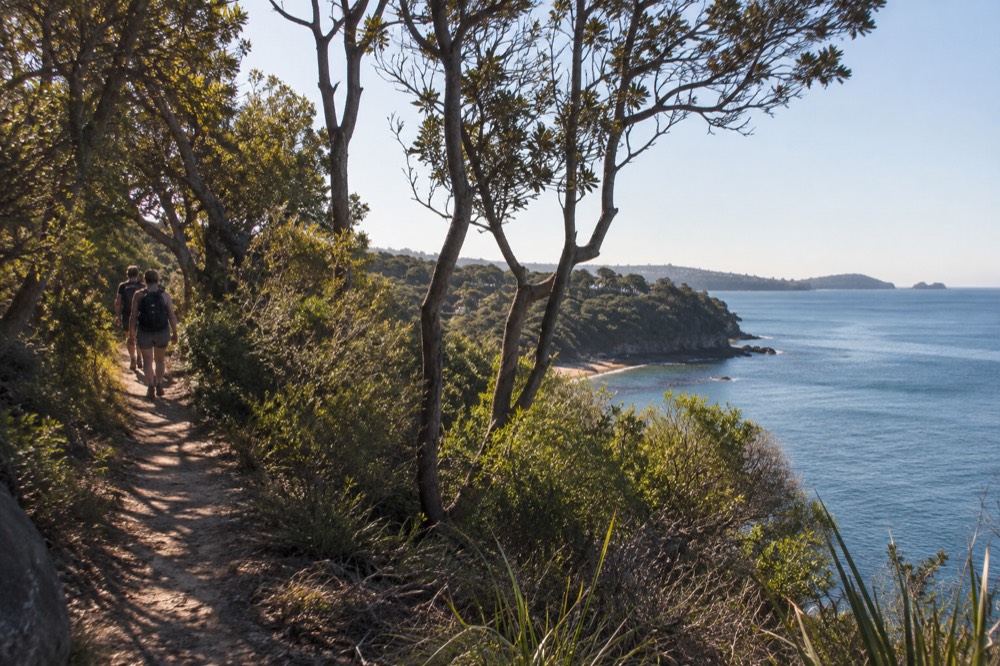
The Spit to Manly walk is the peninsula's signature walk, about 10 kilometres one way along harbour beaches, bush track and headland, taking three to four hours at a comfortable pace, and finishable with a ferry home from Manly. It is almost entirely inside Sydney Harbour National Park, it passes Aboriginal rock engravings near Grotto Point, and it never leaves calm-water views. For something shorter, the Manly to Shelly Beach path takes under half an hour.
The Spit Bridge end is the usual start, reached by a short bus ride from Manly, and the track rolls through Clontarf, Castle Rock and Reef Beach before the Grotto Point engravings and the climb around Dobroyd Head. The engravings are genuinely old and genuinely unprotected, so look and do not touch. The final stretch drops into Manly's harbour beach, where the ferry wharf and a swim at Shelly Beach both sit within ten minutes.
On the ocean side, the long-distance option is the Collaroy to Manly coastal path, which stitches the surf beaches together behind the dunes, and the shorter Cabbage Tree Bay walk between Manly and Shelly Beach doubles as a snorkel access path. Our Spit to Manly walk page has the full route, and Sydney's coastal walks ranks it against the Bondi to Coogee walk on the other side of the city.
For a different angle on the same water, a sunrise kayak tour departs from the harbour side and paddles the coves this walk looks down on, with all gear and a guide included.
When Should You Visit the Northern Beaches?
For swimming and surf, December through February is Sydney summer, with mean daily maxima around 25 to 26 degrees, but it is also peak season and the busiest the coast gets. For clear skies, August is statistically Sydney's clearest month with 13.4 mean clear days, ahead of any summer month, while February is its cloudiest at 5.3. June is the wettest month on the long-run average at 133.1 millimetres. For whales, the season runs May to November, peaking late June through July.
That climate detail inverts what most visitors assume. Sydney's rainfall peaks in autumn and early winter, not summer, and its clearest skies arrive in late winter, when the days are short but reliably bright. Summer beach weather comes with the most cloud of the year, along with the crowds. Spring, September to November, is the compromise most locals would pick: warm enough for the beach most days, before the summer peak, and right at the start of the whale season.
The whale season deserves its own sentence. An estimated 40,000-plus humpbacks migrate along the NSW coast each year, northbound roughly May to July and returning with calves closer to shore from August to November, and the headlands of this coast, especially around North Head and Barrenjoey, are legitimate land-based vantage points. NSW National Parks publishes the official whale migration facts, and our whale watching in Sydney guide covers the boat options, which run May to November only.
| Period | Mean max | Mean rainfall | What it means on the coast |
|---|---|---|---|
| December to February | 25.3-26.0 °C | 77.1-119.3 mm | Peak swimming, peak crowds, most cloud |
| March to May | 19.5-24.8 °C | 117.4-131.6 mm | Warm sea, quieter beaches, autumn rain |
| June to August | 16.4-17.9 °C | 80.2-133.1 mm | Clearest skies, whale peak, cold for swimming |
| September to November | 20.1-23.7 °C | 68.1-83.8 mm | Best balance: warm days, whales, fewer people |
What Does a Northern Beaches Day Actually Cost?
A Manly day is one of the cheapest full days out in Sydney: the ferry costs A$9.20 each way on an adult card, a few dollars more in bus fares if you push north, and nothing at all to use the beaches, the ocean pools at Dee Why and Freshwater, or the Spit to Manly walk. Food is the variable: a cafe breakfast and fish and chips will run to A$40-60 a person without trying.
The whole day can be done for under A$50 excluding food, which is why locals treat it as the default weekend.
The ferry fare sits inside the Opal daily caps, and the weekend and public holiday cap is lower than the weekday one, so a Saturday beach day is the cheapest day of the week to travel widely. There is no beach entry fee anywhere on this coast, and the ocean pools are free public facilities, unlike the club-run Bondi Icebergs on the eastern side. Surf school lessons and kayak tours are the main paid activities, and their live prices are on their listings.
| Item | Typical cost | Notes |
|---|---|---|
| F1 ferry, Circular Quay to Manly | A$9.20 each way | Inside Opal daily caps |
| B1 bus, Manly to Palm Beach | A$5.77 peak / A$4.03 off-peak | About 50 minutes |
| Ocean pool entry (Dee Why, Freshwater) | free | Council-run, cleaned weekly |
| Beach entry, all beaches | free | No entry fee anywhere on the coast |
| Barrenjoey Lighthouse walk | free | Formed track, a couple of km each way |
| Cafe breakfast plus fish and chips | A$40-60 per person | The main variable |
If you are budgeting a whole Sydney trip rather than one day, our Sydney trip cost breakdown and Sydney on a budget pages put the beach day in context. And if the weather turns against you, the Sydney rainy day itinerary is the page to open instead.
One more thing worth knowing before you plan: the whole Northern Beaches argument is really a question of how much coast you can trade against how much time you have. If your stay is short, a day trip further afield competes directly with this coast, and the Blue Mountains all-inclusive tour is the strongest of those rivals, with a local guide and the park entry situation handled for you. This site's own Sydney Travel Guide homepage lays out the other regions if you are still deciding.
Common Questions About the Sydney Northern Beaches
What are the Sydney Northern Beaches?
The chain of surf beaches and headlands running about 30 kilometres from Manly north to Palm Beach, inside the Northern Beaches Council area. Manly, Shelly Beach, Freshwater, Curl Curl, Dee Why, Collaroy, Narrabeen, Mona Vale, Newport, Whale Beach and Palm Beach are the main ones, all on open ocean except Shelly Beach, which faces the bay.
How do I get to the Northern Beaches without a car?
Take the F1 ferry from Circular Quay to Manly, A$9.20 one way on an adult Opal or contactless card, then use the B1 bus line to move up the peninsula as far as Palm Beach. Buses cost up to A$5.77 for the longest trips. No part of the coast needs a car.
Which Northern Beaches are patrolled year-round?
Manly is patrolled by council lifeguards every day of the year, and Dee Why moved to year-round patrols from around May 2026. Most other beaches on the peninsula run seasonal patrols, roughly late September to late April, generally 9am to 5pm. Swim between the red and yellow flags whenever they are up.
Is Manly or Palm Beach better for a day trip?
Manly for a first visit: the ferry is part of the experience, the beach is patrolled year-round, Shelly Beach gives calm water, and the eating options are dense. Palm Beach suits a second trip or a full day, because the bus ride is over an hour each way, and its rewards, the Barrenjoey Lighthouse walk and the quiet spit, need time.
Can you see whales from the Northern Beaches?
Yes, from May to November. Humpbacks pass this coast northbound roughly May to July and return with calves closer to shore from August to November, with the peak late June through July. Headlands around North Head and Barrenjoey are legitimate land-based vantage points, and boat tours run in the same season only.
How long does the Spit to Manly walk take?
About three to four hours at a comfortable pace for the roughly 10-kilometre one-way track, which runs through Sydney Harbour National Park past Aboriginal rock engravings near Grotto Point. Most people start at Spit Bridge and finish with a swim at Shelly Beach and the ferry home from Manly.