Getting Around Sydney: Transport, Fares and Day Trips Explained
Sydney runs on one of the easiest fare systems a visitor will meet: tap a card, ride everything. This guide covers what it costs, how the caps work, and when a bus, ferry or train is the smarter choice.
Short answer
Getting around Sydney is easiest with a contactless bank card or Opal card, which covers metro, trains, buses, ferries and light rail from A$3.03 to A$10.66 per trip with daily caps of A$9.65 to A$19.30. The ferry network doubles as sightseeing, and most headline areas are walkable once you arrive.
Sydney's public transport is built around one idea: a single tap-on, tap-off card that works on the metro, the suburban trains, every bus, the ferries and the light rail. You do not need to buy a ticket for each mode, you do not need to understand zones the way you do in London or Paris, and the daily and weekly caps mean a heavy sightseeing day costs less than a single BridgeClimb photo. The catch is that a handful of things sit outside the caps, and one of them, the airport station fee, catches almost every visitor on their first day.
This guide walks through the whole system: what to tap with, what each mode costs, how the caps protect your budget, how to get from the airport, and how to reach the Blue Mountains or the Hunter Valley without a car. Along the way it flags the traps, including the privately run Manly fast ferry that looks like a public ferry but does not honour the caps.
What Is the Best Way to Get Around Sydney?
The best way to get around Sydney is public transport with a contactless bank card or Opal card: the metro, trains, buses, ferries and light rail all accept the same tap-and-go payment and share the same caps. The ferry network is genuinely part of the sightseeing, not just a commute, and the CBD, The Rocks and Darling Harbour are compact enough that most days mix a ride with plenty of walking.
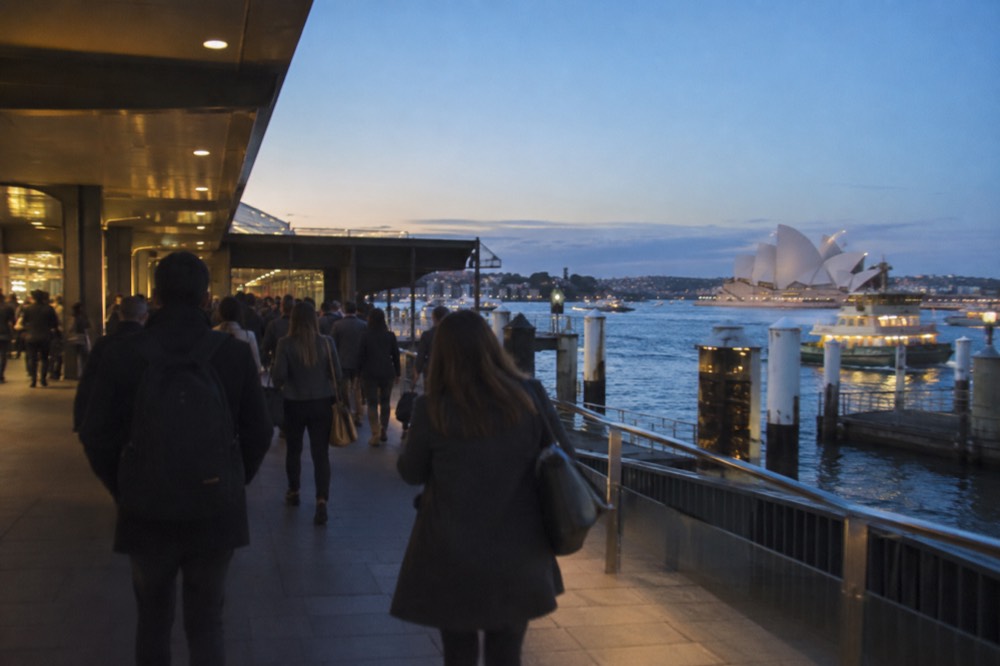
The honest answer has three layers. First, the geography: Sydney is a harbour city with a CBD squeezed onto a peninsula between Circular Quay and Central Station. The places most visitors want, The Rocks, the Opera House, the Royal Botanic Garden Sydney, Darling Harbour, are all within a 30 minute walk of each other. Second, the water: the harbour cuts the city in half, and the ferries are often faster than any road route across it. The F1 Manly ferry takes half an hour and passes the Opera House and the Harbour Bridge on the way out, which is why our Sydney ferries guide treats it as an attraction in its own right. Third, the sprawl: Bondi, Manly and the Northern Beaches sit well outside the walkable core, and that is where the buses, ferries and trains earn their keep.
A car is close to useless for a visitor staying in the CBD. Parking is expensive, the harbour crossings toll in one direction, and the places you would drive to, Katoomba, the Hunter Valley, Jervis Bay, are all served by trains, coaches or organised day trips. If you are weighing a rental, read do I need a car in Sydney first, because for most itineraries the answer is no.
Do Tourists Need an Opal Card in Sydney?
No, tourists do not need an Opal card: a contactless American Express, Mastercard or Visa card, or a phone or watch linked to one, is charged exactly the same adult fare and receives every benefit, including the daily and weekly caps and the off-peak discount. An Opal card is worth having mainly for children, concession holders or anyone who wants a physical card, and single-trip tickets are the worst option of the three.
The equivalence is the part many visitors miss. Transport for NSW charges a contactless card identically to an Adult Opal card: same fares, same caps, same transfer discount. There is no tourist premium. The only real differences are that a contactless card always pays adult fares, and that everyone in a group needs their own card, because two people cannot share one. If you travel with children who qualify for concession fares, a physical Opal card is the way to set that up, and our Opal card guide for visitors covers where to buy one and how to manage balances.
Single-trip tickets, sold at machines at metro, train, ferry and light rail stops, cost more than the tap-on fare and receive no benefits at all: no caps, no off-peak discount, no transfer discount. Treat them as a backup for a lost wallet, nothing more. One habit worth forming from your first ride: always tap off. If you forget, the system charges the maximum default fare for that mode, which on a long train line is real money.
How Much Do Sydney Trains, Buses and Ferries Cost?
Sydney fares are charged by distance, not by zone: metro and train trips run from A$3.03 off-peak to A$10.66 peak, buses and light rail from A$2.31 to A$5.77, and ferries A$7.35 or A$9.20, with the Manly ferry in the higher band. Daily caps of A$19.30 Monday to Thursday and A$9.65 Friday to Sunday, plus a A$50 weekly cap, stop the bill climbing however much you ride.
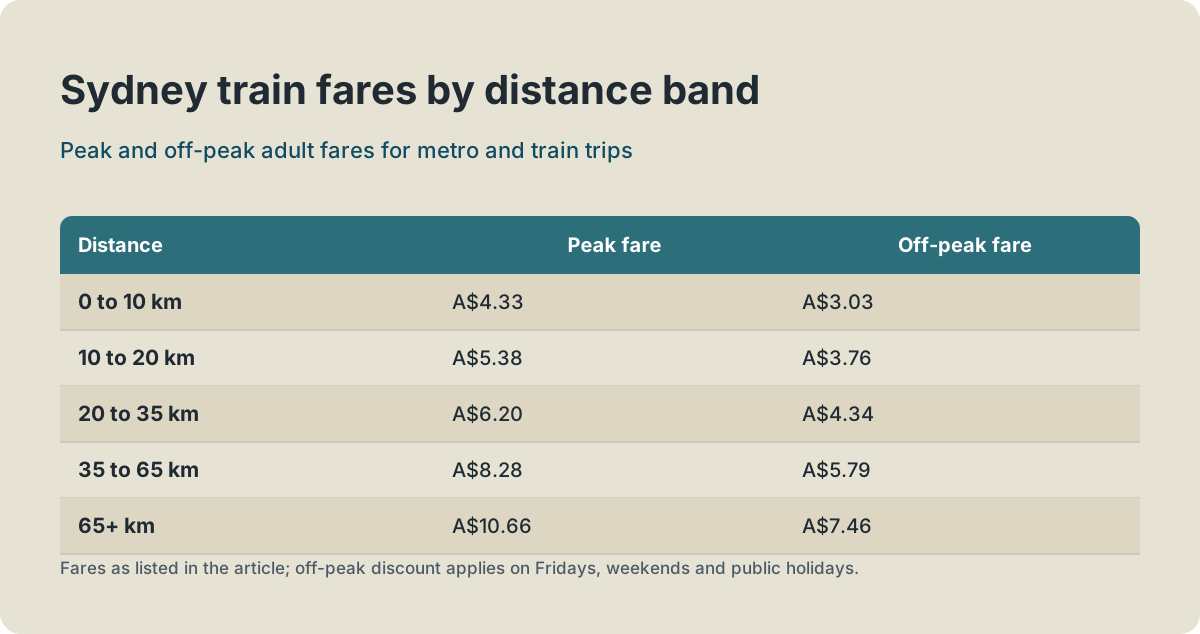
The full distance-band tables are published by Transport for NSW, and the numbers below are the current adult fares.
| Distance | Peak fare | Off-peak fare |
|---|---|---|
| 0–10 km | A$4.33 | A$3.03 |
| 10–20 km | A$5.38 | A$3.76 |
| 20–35 km | A$6.20 | A$4.34 |
| 35–65 km | A$8.28 | A$5.79 |
| 65+ km | A$10.66 | A$7.46 |
Buses and light rail use shorter bands, which reflects how they are actually used.
| Distance | Peak fare | Off-peak fare |
|---|---|---|
| 0–3 km | A$3.30 | A$2.31 |
| 3–8 km | A$4.49 | A$3.14 |
| 8+ km | A$5.77 | A$4.03 |
Ferries have no off-peak discount, only two bands.
| Distance | Adult fare |
|---|---|
| 0–9 km | A$7.35 |
| 9+ km | A$9.20 |
The off-peak discount is 30% and applies on Fridays, weekends, public holidays and outside peak times on metro, train, bus and light rail, but never on ferries. That creates a small piece of trip-planning logic: save the ferry rides for when you want them, and let the capped days absorb the rest.
The caps are where the system becomes generous.
| Cap | Amount | When it applies |
|---|---|---|
| Daily cap, high | A$19.30 | Monday to Thursday |
| Daily cap, low | A$9.65 | Friday, Saturday, Sunday, public holidays |
| Weekly cap | A$50 | Monday to Sunday week |
| Airport station access fee | outside both caps | separate weekly cap of A$37.75 |
Two things sit outside the caps and deserve a flag. The airport station access fee, covered below, is one. The privately operated Manly fast ferry is the other: it accepts an Opal card through OpalPay, but charges its own fares and honours none of the caps or transfer discounts. The public F1 ferry is the one that behaves normally, and the difference is explained in what is the difference between the Manly fast ferry and the regular ferry.
One more cap detail worth knowing: public holidays trigger the cheap A$9.65 daily cap, so a holiday Monday is the cheapest day of the week to ride widely. The NSW public holiday calendar is on the NSW Government site, and note that the first Monday in August, listed as Bank Holiday, is not a public holiday for most workers, so transport and attractions run normally.
How Do You Get from Sydney Airport to the City?
The train is the standard route from Sydney Airport to the city: it runs directly from Domestic and International stations to Central in about 13 minutes, but each adult trip carries a station access fee of A$18.61 on top of the normal fare, charged outside the daily caps. The 400 bus avoids the access fee entirely, and a taxi or rideshare is a flat alternative if you are three or four people with luggage.
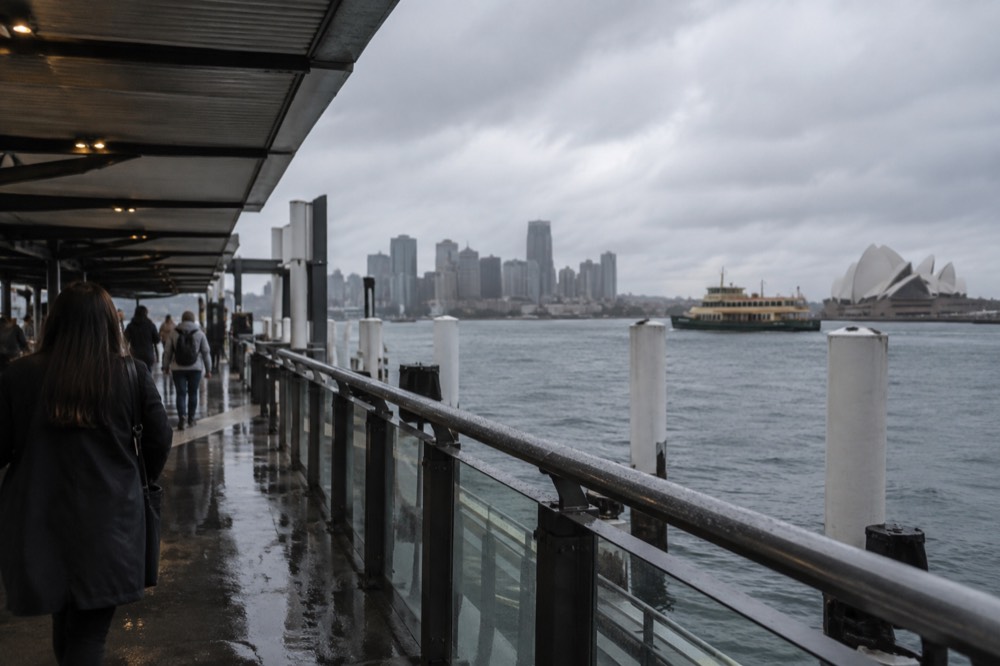
The access fee is the single most misunderstood charge in Sydney. It applies at both airport stations, it is added to whatever the distance-band fare already is, and it does not count toward the A$19.30 or A$9.65 daily caps, though it has its own separate weekly cap of A$37.75. The live figures are on the Transport for NSW airport page, and older guides that quote A$17.92 are quoting a superseded number.
| Option | Approximate cost for one adult | Notes |
|---|---|---|
| Train plus access fee | fare band plus A$18.61 | fastest to the CBD, access fee outside daily caps |
| 400 bus | normal bus fare only | no access fee, slower, good for southern suburbs |
| Taxi or rideshare | metered, varies with traffic | worth it for groups or late arrivals |
| Private transfer | fixed price on the listing | predictable, book ahead |
For a full comparison of every option, including the question of whether a taxi or a rideshare works out cheaper for your group size, see how to get from Sydney Airport to the city. If your trip starts or ends at Central, the train wins easily. If you are staying in Bondi or the eastern suburbs, the calculus changes, and a transfer or rideshare can be simpler.
Is Sydney a Walkable City?
Yes, the core of Sydney is very walkable: Circular Quay, The Rocks, the CBD, Darling Harbour, Barangaroo and the Royal Botanic Garden Sydney form a connected waterfront you can cover entirely on foot, with the Opera House to Hyde Park arc about 25 minutes end to end. The walkability breaks down at the water and the headlands, where Bondi, Manly and the Northern Beaches need a bus, ferry or train.
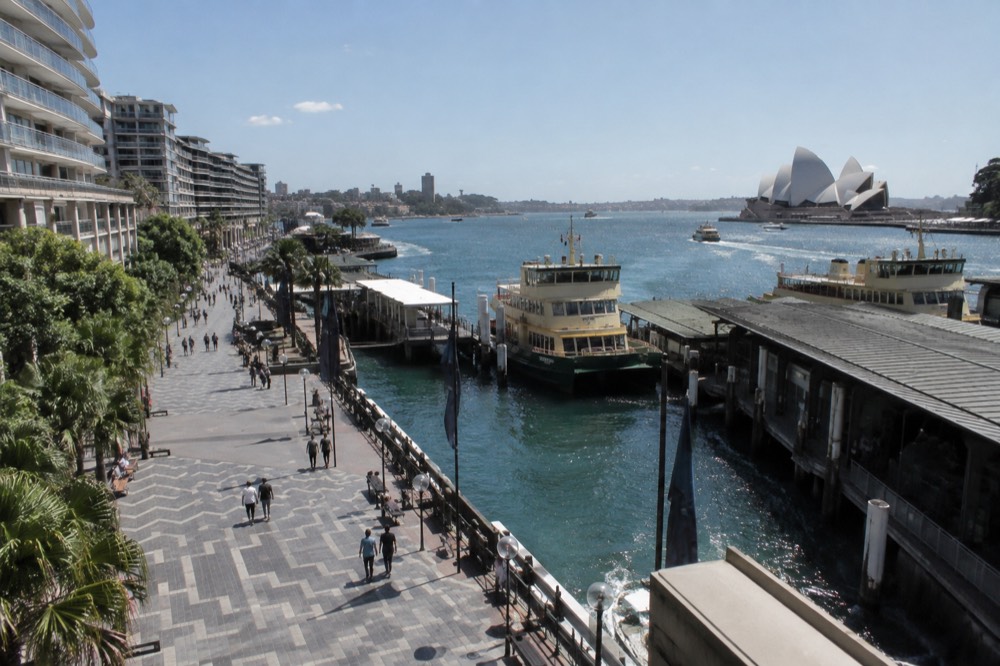
The geography rewards a simple rule: walk the peninsula, ride the water. The harbour itself is the obstacle and the attraction at once, and a ferry ride solves both problems, which is why the Manly ferry guide frames the F1 as the best-value sightseeing in the city at A$9.20 each way. For the eastern beaches, the Bondi bus from the CBD takes under half an hour, and once at Bondi the coastal walk to Bronte and Coogee takes over.
The metro deserves a mention here too, because it is the newest piece of the network and the one older guides get wrong. The M1 runs from Tallawong through the city to Sydenham, with fast, driverless trains and platform screen doors. The Sydenham to Bankstown extension was still in final testing, so a page telling you the metro reaches Bankstown is ahead of the timetable: check the live alerts before relying on it. For the visitor, the practical use is the North Shore and the city core stations at Martin Place, Gadigal and Barangaroo. More of these guides are collected on Sydney Travel Guide.
Should You Take a Sightseeing Bus or a Hop-on Hop-off Ferry?
A hop-on hop-off product makes sense on a short first visit or when you want the commentary: the Big Bus loop links the CBD and Bondi with live guiding, while a hop-on hop-off ferry pass covers the harbour stops, including Taronga Zoo and Manly, for less than the price of two single ferry fares. Neither beats the Opal-capped public network on pure cost, so buy them for the routing and the commentary, not the savings.
The public network will almost always be cheaper, but the hop-on hop-off products sell something the ferries do not: a designed loop with commentary, and the freedom to board at a wharf rather than a commuter terminal. The Big Bus Sydney and Bondi tour covers the two areas a first-time visitor most wants, and pairs naturally with a ferry ride back into the city.
On the water, the harbour ferry pass works as a loose, self-guided harbour tour: you can break the loop at Taronga Zoo, Watsons Bay or Manly, and the pass covers the rides between them.
If you would rather have one fixed hour on the water than a day of hopping, the standard sightseeing cruise from Circular Quay or Darling Harbour is the low-commitment option, running morning and afternoon departures.
How Do You Get to the Blue Mountains Without a Car?
The Blue Mountains are the easiest headline day trip from Sydney without a car: the train runs from Central to Katoomba in about two hours, the Blue Mountains National Park charges no entry fee outside the Glenbrook area, and Scenic World, the Three Sisters lookouts and Leura village are all reachable by foot, bus or the local explorer services once you are there. An organised day trip trades the train's flexibility for a guide, inclusions and no timetables.
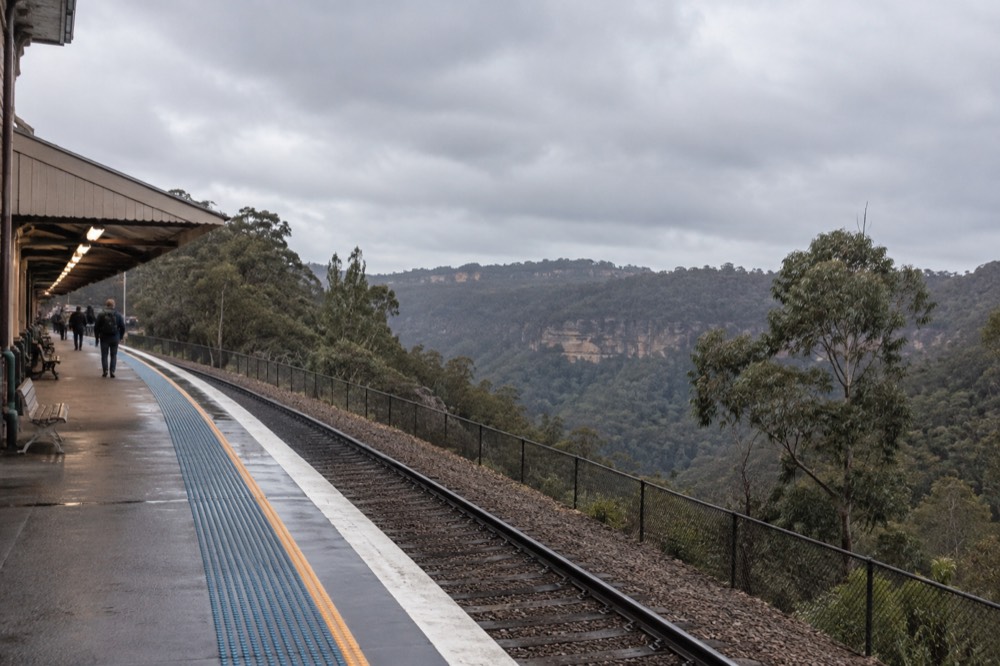
The train fare falls into the 65 km-plus band, so a return day trip is comfortably inside the A$50 weekly cap if you are in Sydney for a while, and the off-peak discount applies on weekends. The counterintuitive fact worth knowing is that the national park itself is free: the A$8 per vehicle daily fee applies only in the Glenbrook area, so a train traveller pays nothing to stand at Echo Point. Our Blue Mountains day trip guide covers the full car-free plan, and how to get to the Blue Mountains by train covers the timetable questions.
An organised tour is the other route, and for many visitors it is the better one: the all-inclusive Blue Mountains day trip runs about 10 hours with a local guide, Scenic World and wildlife stops built in, and no evening race back to Katoomba station.
The same car-free logic extends across the region. The Hunter Valley is reachable by train plus a connecting coach or tour, Port Stephens and Jervis Bay are coach territory, and Wollongong and Kiama sit on a spectacular coastal train line. The full list, with the trade-offs of each, is in day trips from Sydney without a car.
What About Taxis, Rideshares and E-scooters?
Taxis and rideshares are plentiful in Sydney and make sense for airport runs with luggage, late-night trips and groups of three or four splitting the fare, but they lose to the capped public network for solo daytime travel. E-scooters are the trap: privately owned scooters are illegal on NSW roads, footpaths, shared paths and bike lanes, and shared-scheme scooters only operate in limited trial areas at 20 km/h.
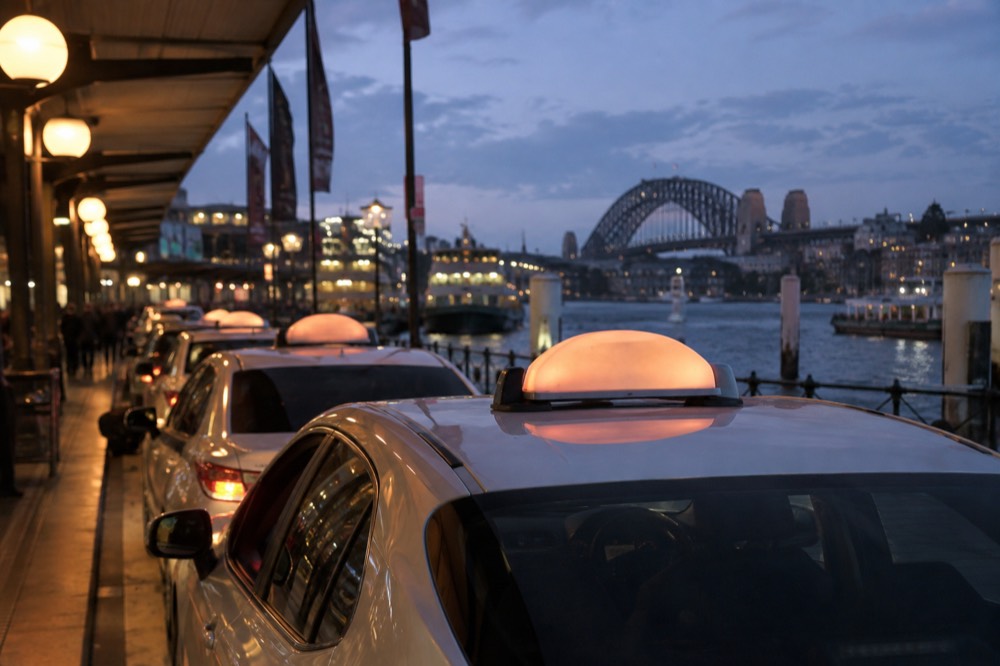
Rideshare pricing between the airport and the CBD is dynamic, so the honest planning advice is to compare the live quote against the train plus access fee for your group. Two people travelling light will almost never beat the train; four people with suitcases at 11pm often will. For the fare-by-fare comparison, is it cheaper to get a taxi or Uber from Sydney Airport works through the arithmetic.
The e-scooter rule catches visitors from countries where they are legal. In NSW a private scooter cannot be ridden on any road, footpath, shared path or bike lane, full stop, and hiring one only works inside designated trial zones. Leave the scooter, bring comfortable shoes.
Cycling, by contrast, is genuinely supported, with separated paths along the harbour foreshore and the Anzac Bridge approaches. Our cycling in Sydney guide covers the hire options and the best traffic-free routes.
Common Questions About Getting Around Sydney
Can I use my credit card instead of an Opal card in Sydney?
Yes. A contactless American Express, Mastercard or Visa card, or a linked phone or watch, is charged exactly the same adult fare as an Opal card and receives the same caps, off-peak discount and transfer discount. Each person needs their own card; two travellers cannot share one.
How much is the daily cap on Sydney public transport?
The adult daily cap is A$19.30 from Monday to Thursday and A$9.65 on Fridays, Saturdays, Sundays and public holidays, with a weekly cap of A$50 from Monday to Sunday. The caps cover metro, trains, buses, ferries and light rail, but not the airport station access fee, which has its own separate weekly cap of A$37.75.
How do I get from Sydney [Airport to the city](https://kiwitaxi.tpk.ro/TtV4BOjc)?
The airport train runs directly from Domestic and International stations to Central and the city stations, with an adult station access fee of A$18.61 charged on top of the fare and outside the daily caps. The 400 bus avoids the access fee, and taxis or rideshares suit groups with luggage.
Is the ferry to Manly included in the Opal cap?
The public F1 Manly ferry is: it is part of the Opal network, costs A$9.20 each way in the 9 km-plus band, and counts toward the daily and weekly caps. The privately operated Manly fast ferry accepts Opal cards through OpalPay but charges its own fares and honours no caps or transfer discounts.
Do I need a car to visit the Blue Mountains from Sydney?
No. The train from Central to Katoomba takes about two hours, the national park charges no entry fee outside the Glenbrook area, and local buses and the explorer services cover the lookouts and villages. Organised day trips are the alternative if you want a guide and inclusions without the timetable.
Are e-scooters legal in Sydney?
Privately owned e-scooters are illegal on NSW roads, footpaths, shared paths and bike lanes. Shared-scheme scooters operate only in limited designated trial areas, restricted to riders 16 and over at a maximum of 20 km/h on roads, so they are not a practical way for a visitor to get around.