Watsons Bay, Sydney: Ferry Rides, Swim Spots and a Half-Day Plan
Watsons Bay is the village at the harbour entrance, reached by a ferry ride most visitors remember longer than the sights they queued for. Here is how to do it: the transport, the swim spots, the food and the timing.
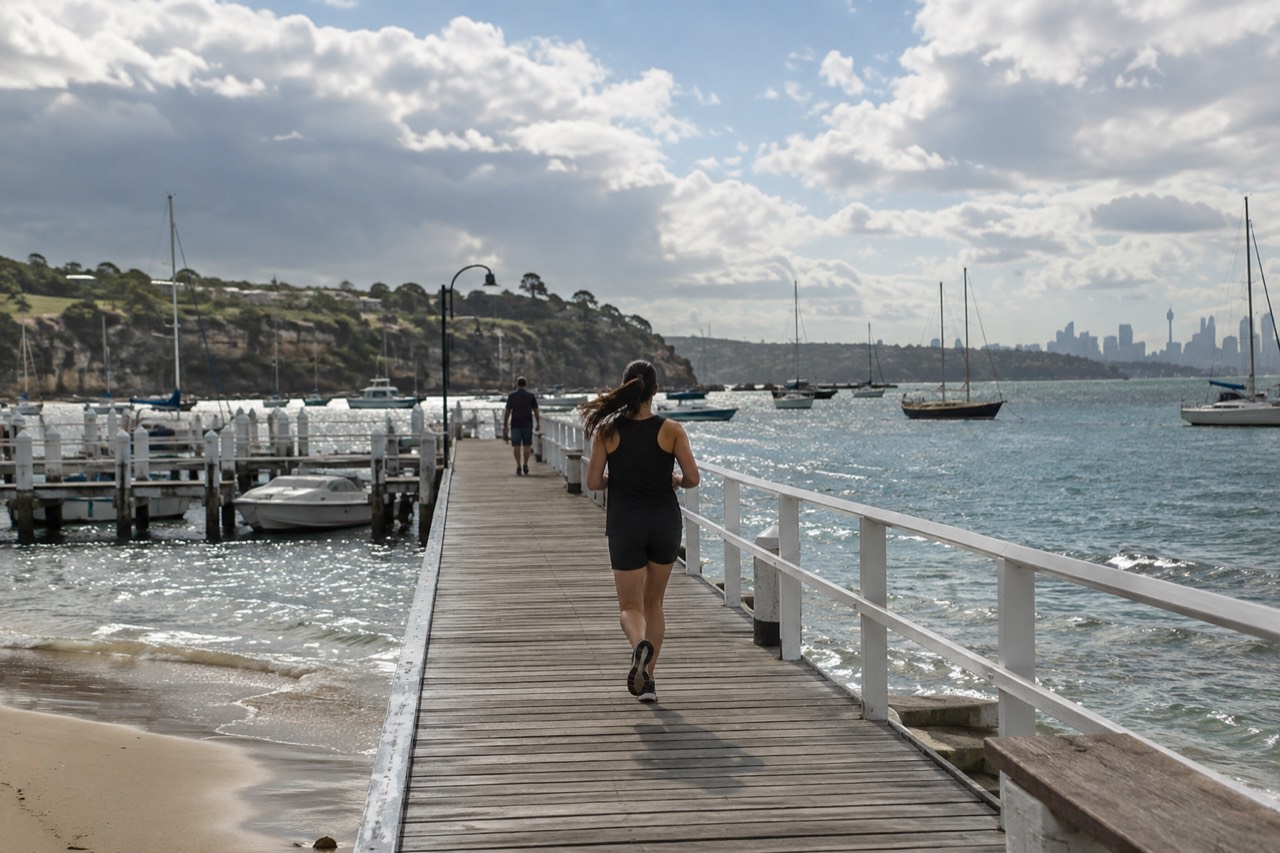
Short answer
Watsons Bay sits on South Head at the entrance to Sydney Harbour, about 30 minutes from Circular Quay by public ferry. An adult Opal ferry fare runs from $7.35 to $9.20 one way depending on distance band, and the village combines a working wharf, sheltered swimming beaches and ocean cliff walks in one short visit.
Watsons Bay is where Sydney Harbour meets the open ocean. The ferry from Circular Quay threads past the city skyline, the naval base at Garden Island and the sandstone cliffs of the harbour's northern arm, then deposits you at a village that has barely a dozen streets. On a clear afternoon there are few better value rides in the city, and the fare is capped like every other Opal trip. This guide from the Sydney Travel Guide desk covers how to get there, where it is safe to swim, what to eat, when to go and how to fold it into a half day.
Why Is Watsons Bay Worth Visiting?
Watsons Bay is worth visiting because it compresses four Sydney experiences into one small headland: a working harbour village, sheltered harbour beaches, dramatic ocean cliffs and one of the best ferry rides in the city. The public ferry from Circular Quay takes around half an hour and costs the same capped Opal fare as any other harbour trip. Once there, almost everything is within a short walk of the wharf.
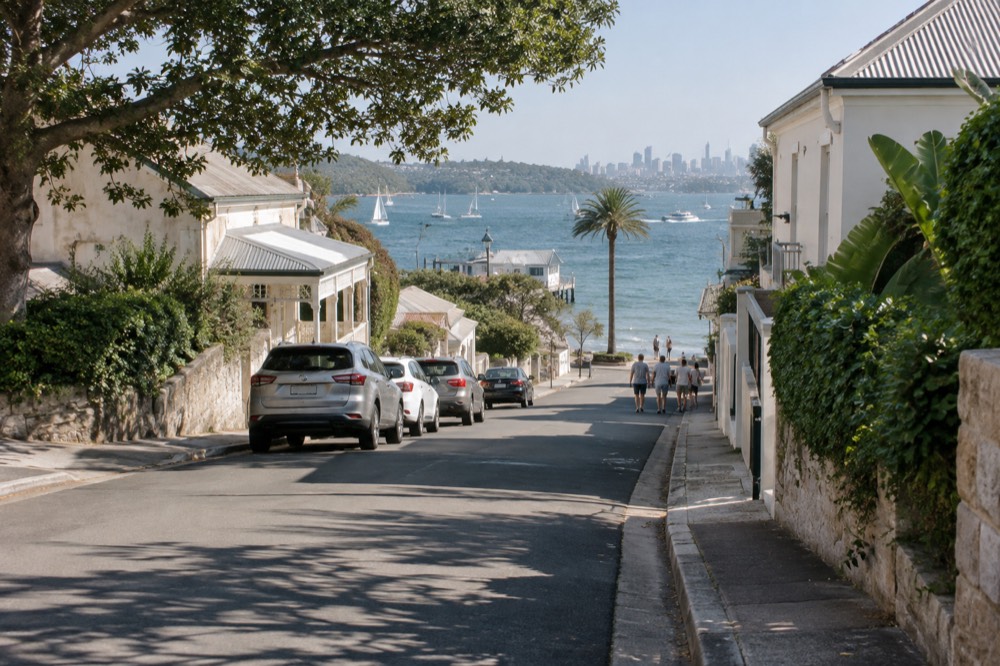
The bay itself is a narrow inlet on the South Head peninsula, the southern arm of land that forms the harbour's entrance. On one side you have flat, protected water where boats moor and families swim. On the other, a short walk over the headland puts you on cliff edges facing the Tasman Sea, with the horizon broken only by passing ships. Few places in Sydney offer both within ten minutes of each other, and fewer still arrive with a ferry ride attached.
The village keeps a low profile compared with Bondi or Manly, which is part of the appeal. Weekday mornings are quiet, the foreshore is mostly parkland and historic buildings, and the pace is set by the ferry timetable rather than by traffic. If your Sydney plan already includes the Bondi to Coogee coastal walk, Watsons Bay is the calmer eastern counterpart: same sandstone, same ocean light, a fraction of the crowds.
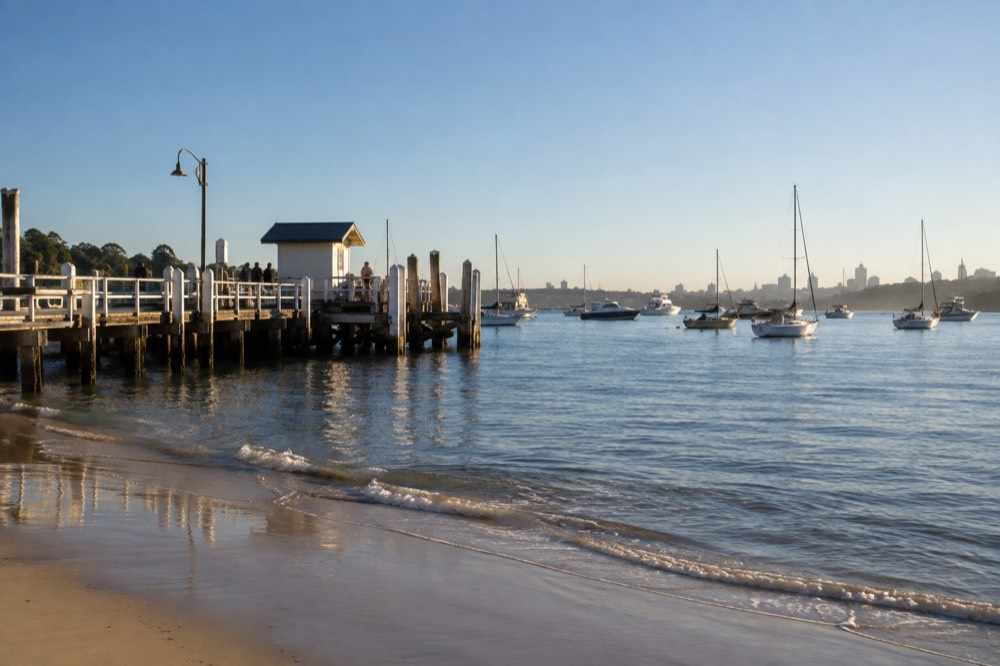
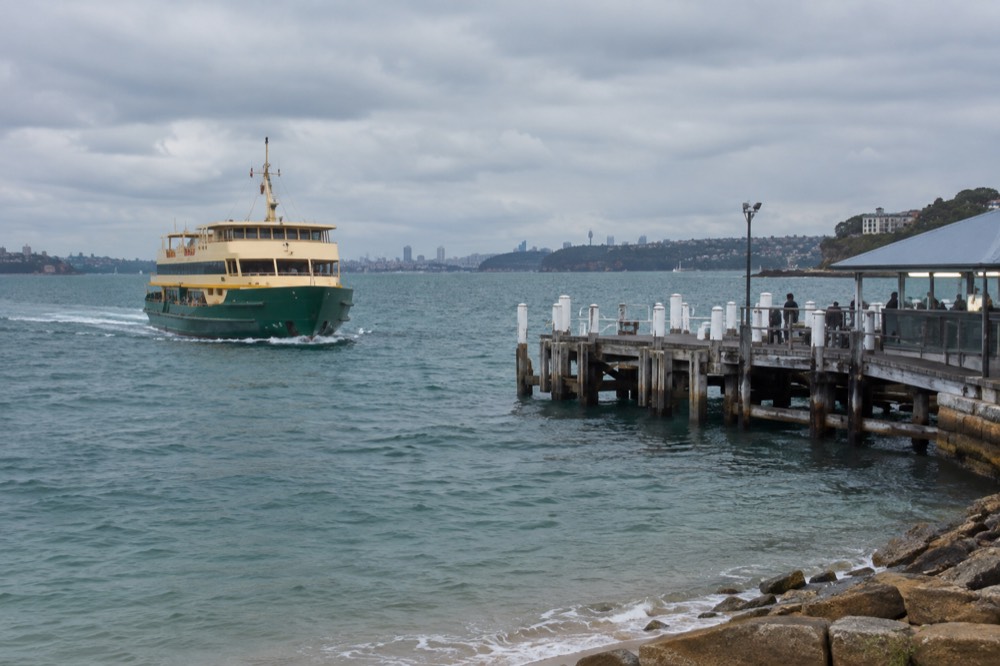
It is also one of the few Sydney destinations where the journey genuinely competes with the destination. The Manly ferry gets the headlines, but the Watsons Bay route passes closer to the harbour's working edges, including the naval docks and the headlands of the Northern Beaches in the distance. Bring a camera and sit on the eastern side of the vessel on the way out.
How Do You Get to Watsons Bay from the City?
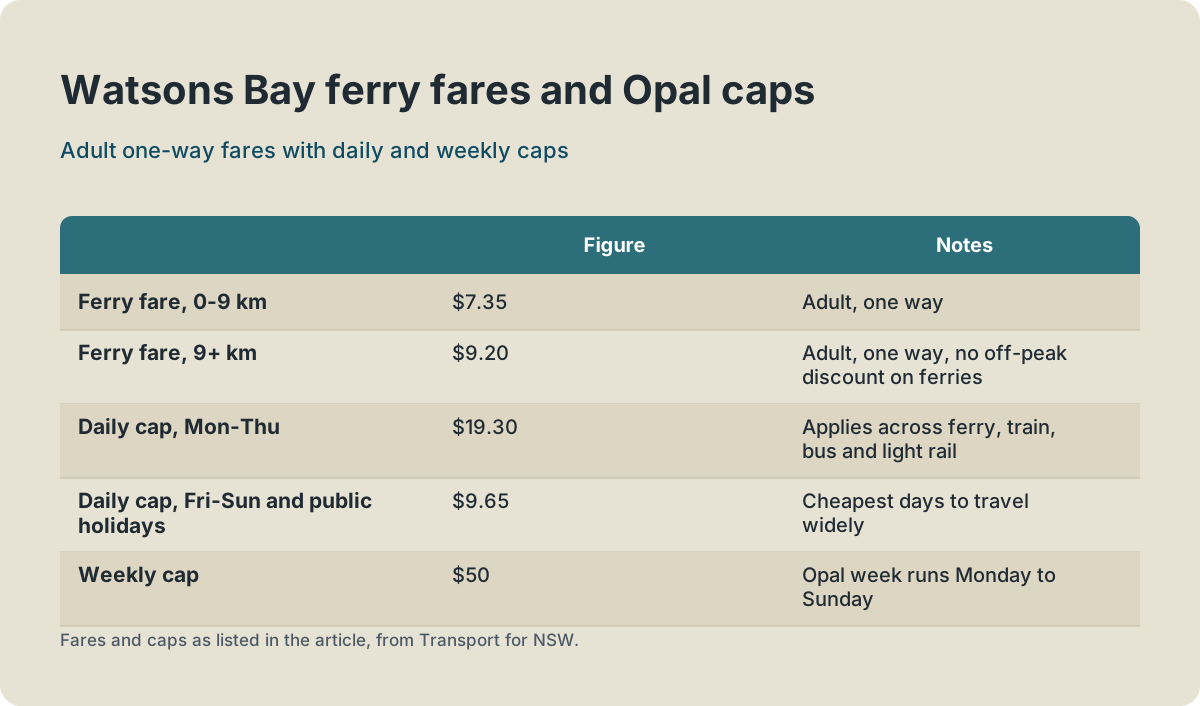
The public ferry from Circular Quay is the standard way to reach Watsons Bay, taking roughly 30 minutes, and it accepts Opal and contactless payment with the same caps as the rest of the network. Adult ferry fares run $7.35 for trips under 9 km and $9.20 for longer ones. Buses also run to the village, and driving is possible but parking is limited near the wharf on weekends.
Sydney Ferries operates the harbour routes numbered F1 to F10, all of which accept Opal with full benefits, including the daily and weekly caps. The ferry fare structure is simple: there is no off-peak discount on ferries, unlike trains and buses, so there is no cheaper time of day to travel. Check the exact fare for your trip in the Transport for NSW trip planner, because fares are distance-based.
| Payment detail | Figure | Notes |
|---|---|---|
| Ferry fare, 0-9 km | $7.35 | Adult, one way |
| Ferry fare, 9+ km | $9.20 | Adult, one way, no off-peak discount on ferries |
| Daily cap, Mon-Thu | $19.30 | Applies across ferry, train, bus and light rail |
| Daily cap, Fri-Sun and public holidays | $9.65 | Cheapest days to travel widely |
| Weekly cap | $50 | Opal week runs Monday to Sunday |
| Contactless card | Same as adult Opal | Earns caps and transfer discounts identically |
Two traps are worth flagging. First, the privately operated fast ferries on some harbour routes use OpalPay, which accepts the card but charges different fares and does not apply Opal caps or transfer discounts, a distinction covered in detail in our Sydney ferries guide. Second, tap off when you leave the ferry, or you can be charged a default fare. Contactless credit and debit cards work exactly like an adult Opal card, so most visitors never need to buy a card at all, a point we expand on in the Opal card guide.
If you are building a sightseeing day around the harbour rather than a single village visit, it can make sense to bundle Watsons Bay with the paid attractions back in the city centre. These are the options we would compare first:
The combo pass suits families planning two or more big attractions, the Tower Eye deck is the cheap skyline view, and the sightseeing cruise is the lazy alternative to doing the harbour by public ferry. Whichever way you go, book the paid attractions for a different day than your Watsons Bay afternoon, because the village rewards unhurried time and the last ferries back do not wait for slow dinners.
What Are the Best Things to Do at Watsons Bay?
The best things to do at Watsons Bay are the cliff-top walk along South Head, swimming at the sheltered harbour beaches, and eating fish and chips by the wharf. The Gap, an ocean-facing cliff lookout, and Camp Cove, a calm sandy cove popular with families, are the two signature stops. Everything is walkable from the ferry terminal, so no car is needed.
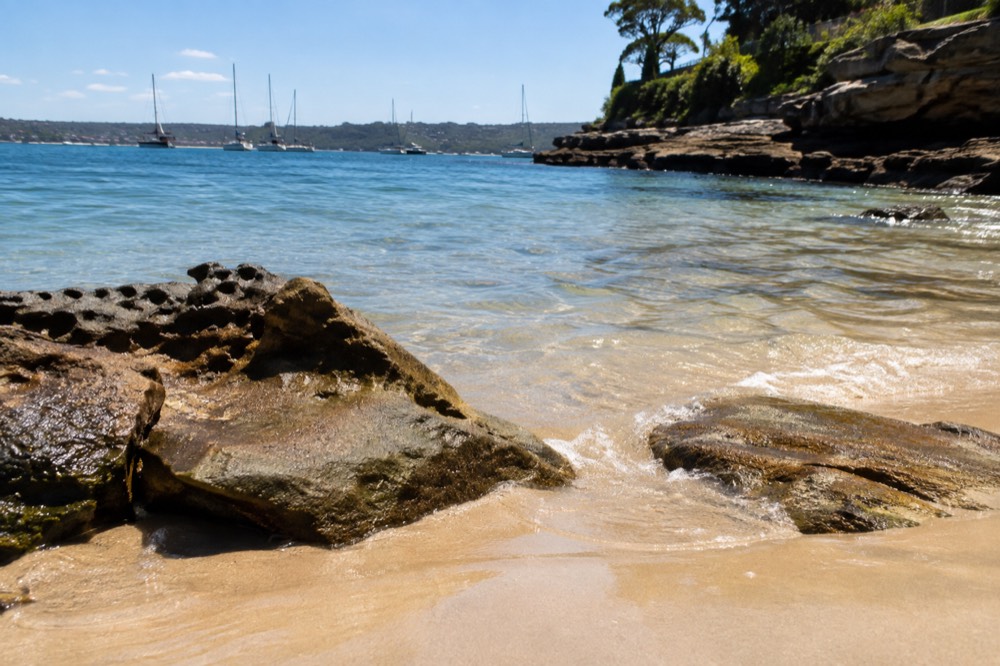
Start with the water. Camp Cove is the small, sheltered beach a short walk south of the wharf, with flat water that makes it one of the more reliable harbour swims in the city. It is the kind of beach where toddlers paddle and snorkellers work the rocky edges, and it sits inside the general footprint of Sydney Harbour National Park, though the fee-collecting points in that park are elsewhere, such as North Head at $5 per vehicle per day. Arriving by ferry, as most visitors do, avoids vehicle fees entirely.
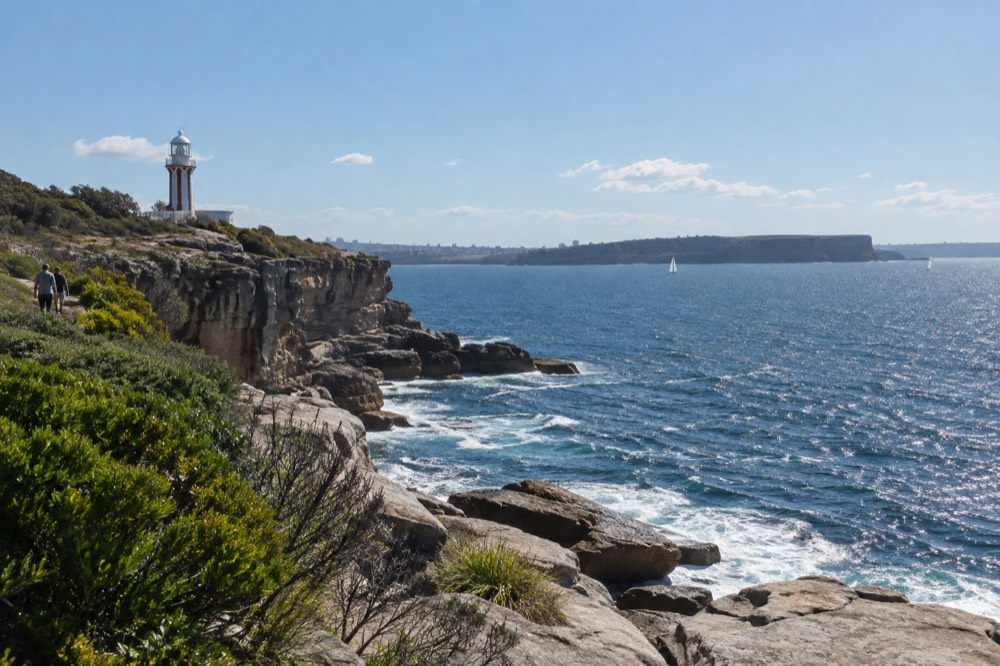
Then climb to the ocean side. The Gap is the cliff-edge lookout where the headland drops away to the open sea, and on a clear day you can watch ships queue for the harbour entrance. Walk the South Head track past old fortifications toward Hornby Lighthouse at the tip, a route that delivers both the ocean cliffs and, in season, whale sightings from land. NSW National Parks records the whale season along this coast as May to November, with the southern migration, when mothers travel close to shore with calves, running roughly August to November, and land-based vantage points sit inside Sydney Harbour National Park. More detail on timing is in our whale watching in Sydney guide.
Back at the wharf, the village itself takes an hour. The foreshore parkland is picnic-ready, the historic buildings around the old naval precinct photograph well, and the seafood kiosks near the ferry terminal do a brisk trade in the Sydney classic: paper-wrapped fish and chips eaten on the sand. If your appetite runs to a proper sit-down meal, the waterfront restaurants book out on summer weekends, so plan ahead or arrive off-peak.
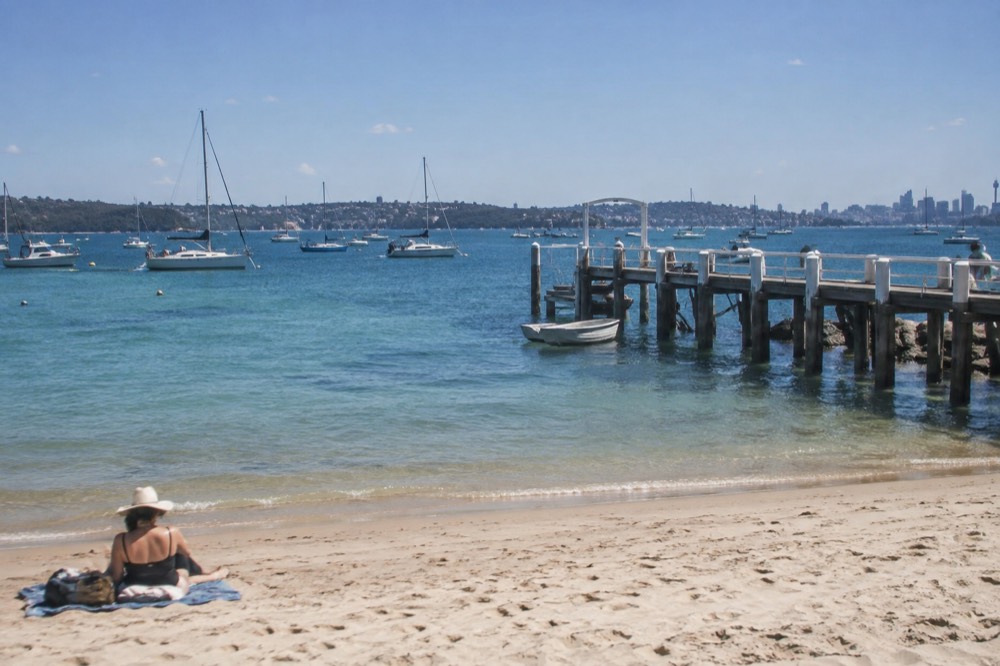
One upgrade worth considering if you fall for the harbour: coming back at sunset. The village faces west across the water toward the city, which makes the late ferry ride home a skyline view for the price of a regular fare. For a longer, catered version of the same idea, the sunset catamaran cruise below runs the same water in the golden hour with a drink in hand.
Can You Swim at Watsons Bay?
Yes, you can swim at Watsons Bay, mainly at Camp Cove and the harbour beaches, which are sheltered from ocean surf. The safety rules still apply: swim at patrolled beaches between the red and yellow flags during patrol hours, and check water quality after rain. Harbour swim sites carry a longer post-rain advisory than ocean beaches, up to three days after heavy rain.
The single most important thing to know about swimming anywhere in Sydney is the flags rule. Surf Life Saving Australia's advice is unambiguous: the red and yellow flags at a patrolled beach, during patrol hours, are the safest place to enter the water, and rip currents are the number one hazard on this coast. The official advice if caught in a rip is to stay calm, conserve energy, raise an arm and call for help, float with the current which may return you to a sandbank, or swim parallel to the beach toward breaking waves. The full guidance is published at Beachsafe's rip current page.
Patrol seasons and hours vary by beach and are set by councils, so never assume a beach is patrolled year-round unless the local council says so. Watsons Bay's harbour beaches are sheltered rather than surf beaches, which changes the risk profile, but it does not remove it, and harbour sites carry their own advisory: the NSW Government's Beachwatch program grades swim sites from Very Good to Very Poor, and its official advice is to stay out of the water while it rains and for up to one day after heavy rain at ocean beaches, but up to three days at estuarine and Sydney Harbour sites. Daily grades are published at Beachwatch.
| Swimming consideration | At Watsons Bay | What to do |
|---|---|---|
| Surf conditions | Harbour beaches are sheltered from ocean swell | Still check for currents and boat traffic |
| Patrol flags | Swim only where and when flags are flying | If no flags, treat the water as unpatrolled |
| After rain | Harbour sites carry up to a 3-day advisory | Check the Beachwatch grade before swimming |
| Bluebottles | More common in warmer months and after onshore winds | Do not touch them, in the water or on the sand |
| Ocean pools | Not at Watsons Bay itself, but common along the coast | See our best beaches guide for pool options |
If conditions look doubtful, the honest answer is to walk instead. The headland tracks are the backup plan that never closes, and the clifftop air is arguably the point of the place anyway. For a full rundown of flagged beaches across the city, see the best beaches in Sydney.
Where Do You Eat Around Watsons Bay?
Eating at Watsons Bay centres on seafood near the wharf: takeaway fish and chips on the sand, and sit-down waterfront restaurants a short walk up the hill. Bookings matter on summer weekends and public holidays, when ferry-borne crowds fill the waterfront tables. For cheaper options, bring a picnic, because the foreshore parkland is free and well placed for harbour views.
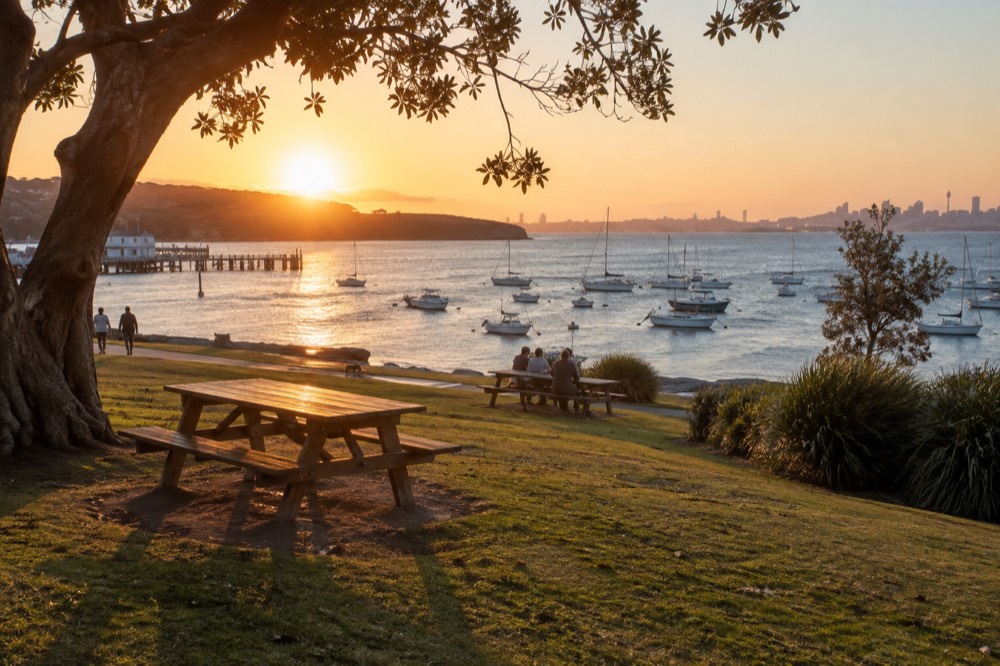
The classic move is the simplest one. Buy fish and chips at the kiosks near the ferry terminal, walk 50 metres to the sand or the parkland, and eat facing the water. It is not a secret, which means the queues at peak times are real; a weekday or a shoulder-season afternoon gets you the same food with none of the wait. Our Sydney food guide covers the broader scene if you want to plan meals beyond the bay.
Sit-down dining splits into two camps: the historic waterfront rooms that take bookings and fill first, and the casual cafes along the main street that turn over faster. Prices at the waterfront sit at the premium end for Sydney, which is the price of the view, and the honest budget alternative is a picnic from a supermarket or the weekend markets elsewhere in the city. The foreshore lawns are the equal of any paid table for the water itself.
Timing changes everything. The last ferries back to the city run earlier than most visitors expect, and dinner reservations should be checked against the timetable, or you are looking at a long bus ride or an expensive taxi. On a day trip that pairs the village with a harbour cruise, eat at the bay first and cruise after, because the dinner cruises depart from wharves closer to the city centre.
When Is the Best Time to Visit Watsons Bay?
The best time to visit Watsons Bay is a clear weekday outside the December-January school holidays, when the ferries are less crowded and the village keeps its working pace. Statistically, August is Sydney's clearest month, with 13.4 mean clear days, while February, the middle of peak season, is its cloudiest at 5.3. June is the wettest month on the long-run averages, at 133.1 mm of rain.
That climate picture surprises most visitors, and it is worth internalising before you plan a Sydney trip around a northern-hemisphere summer instinct. The Bureau of Meteorology's long-term normals for Sydney show rainfall peaking in autumn and early winter, not in summer, and the clearest skies of the year arriving in late winter. Peak tourist season is statistically the cloudiest time of year. These are long-run averages rather than forecasts, but they turn the usual planning logic on its head.
| Month | Mean max °C | Mean min °C | Mean rainfall mm | Mean clear days |
|---|---|---|---|---|
| January | 26.0 | 18.8 | 101.2 | 6.8 |
| February | 25.8 | 18.9 | 119.3 | 5.3 |
| June | 17.0 | 9.3 | 133.1 | 9.1 |
| August | 17.9 | 9.0 | 80.2 | 13.4 |
| November | 23.7 | 15.7 | 83.8 | 6.0 |
| December | 25.3 | 17.6 | 77.1 | 6.6 |
Daylight saving matters for ferry planning. NSW observes daylight saving from the first Sunday in October to the first Sunday in April, so summer evenings are long and the last ferries run later, while winter afternoons shorten fast and an afternoon visit should start by early afternoon. Whale season adds another layer: the northern migration runs roughly May to July and the southern, closer-to-shore migration runs August to November, so a winter visit to the South Head cliffs can outdeliver a summer one if whales are on your list.
If you would rather be on the water than watching it from the cliffs during whale season, the lunch and breakfast whale cruise below runs the same months the migration does. Sightings are never guaranteed, and any operator or guide that promises one is overpromising.
What Does a Half-day at Watsons Bay Look Like?
A workable half-day runs like this: ferry out mid-morning, walk the South Head track to the cliffs and lighthouse, swim or paddle at Camp Cove, eat fish and chips by the wharf, and ferry back before the afternoon peak. Allow four to five hours total, more in whale season or if you linger over a sit-down lunch. Comfortable walking shoes matter more than swimwear on most days.
The sequence matters less than the orientation. The wharf sits at the bottom of the village, the beaches are a short walk south, and the cliff walk climbs from the eastern side of the bay toward the ocean face. Doing the cliffs first means your swim comes after the exertion, and doing the beach first means the crowds from the midday ferries have thinned by the time you climb. Either works; what does not work is arriving after mid-afternoon in winter and expecting time on the headland before dark.
| Time | Activity | Notes |
|---|---|---|
| 10:00am | Ferry from Circular Quay | Sit on the eastern side for the harbour views |
| 10:45am | Walk the South Head track | Allow 60-90 minutes return from the wharf area |
| 12:30pm | Fish and chips by the wharf | Weekday queues move quickly |
| 1:30pm | Swim or paddle at Camp Cove | Check flags and the Beachwatch grade first |
| 3:00pm | Coffee and the foreshore parkland | Flat water, moored boats, easy photos |
| 4:00pm | Ferry back to the city | Check the last departure times for your date |
Families should note the practical advantages: the ferry is pram-friendly, the walk to Camp Cove is short and sealed for most of its length, and the beach is sheltered enough that small children can paddle without surf. Our Sydney with kids itinerary has more options in the same vein. Visitors with mobility needs should check the current ferry access advice, since wharf gangways vary with tides, and our accessible Sydney guide covers the network more broadly.
If Watsons Bay is one stop on a bigger harbour day, the sightseeing options below pair naturally with it: the combo pass for the aquarium and tower attractions back in the city, the observation deck alone if you only want the skyline view, and the sightseeing cruise if you would rather let someone else drive the harbour after your ferry out and back.
Common Questions About Watsons Bay
Can you catch a ferry to Watsons Bay?
Yes. Public Sydney Ferries run to Watsons Bay from Circular Quay, taking roughly 30 minutes, and Opal and contactless cards are accepted with the same daily and weekly caps as the rest of the network. Adult ferry fares run $7.35 for trips under 9 km and $9.20 for longer distances, with no off-peak discount on ferries.
Is Watsons Bay good for swimming?
Yes, mainly at Camp Cove and the other sheltered harbour spots, which are protected from ocean surf. Swim where flags are flying during patrol hours, and check the Beachwatch water quality grade, because harbour swim sites carry an advisory of up to three days after heavy rain, longer than ocean beaches.
How long should you spend at Watsons Bay?
Four to five hours covers the ferry ride, the South Head cliff walk, a swim and a meal. Add an hour or two in whale season, roughly May to November, if you want to watch for migrating humpbacks from the headland.
Can you see whales from Watsons Bay?
Sometimes, from the South Head cliffs, which sit inside Sydney Harbour National Park, one of the official land-based whale watching vantage points. The season runs May to November along the NSW coast, with the southern migration, when whales pass closer to shore with calves, running roughly August to November. Sightings are never guaranteed.
Do you need a car at Watsons Bay?
No. The ferry is the standard route in, the village is compact, and every signature stop, the cliffs, Camp Cove and the wharf eateries, is within walking distance of the terminal. Parking near the wharf is limited and fills early on weekends.
Is Watsons Bay good for families?
Yes. The ferry ride is half the fun, the walk to Camp Cove is short, and the sheltered beach suits paddling children. Bring the picnic option as a backup for the waterfront restaurants, which book out on summer weekends.