Sydney Food Guide: What to Eat, Where to Eat It
Sydney's food identity is built on immigration, a harbour and a coffee culture that out-punches cities three times its size. This guide covers the dishes to chase, the neighbourhoods to eat them in, and how to plan the eating around the rest of your trip.
Short answer
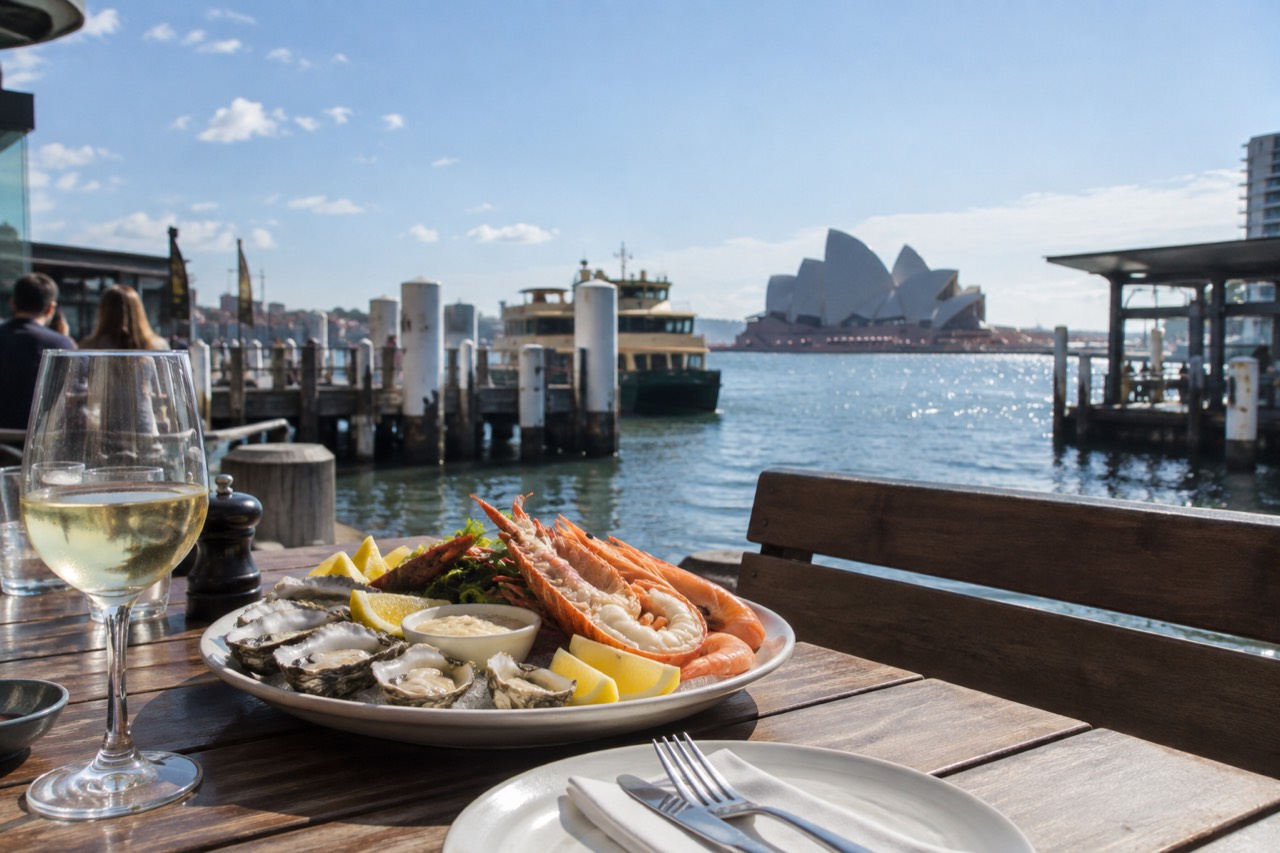
Sydney's signature foods are Sydney rock oysters, Barramundi and other fresh seafood, the chicken and avocado smash on sourdough, flat white coffee and laksa in Chinatown. Eat in Chinatown, Newtown, Surry Hills and at the Sydney Fish Market, and book a guided food tour if you want the tasting decisions made for you.
What Actually Defines Sydney Food?
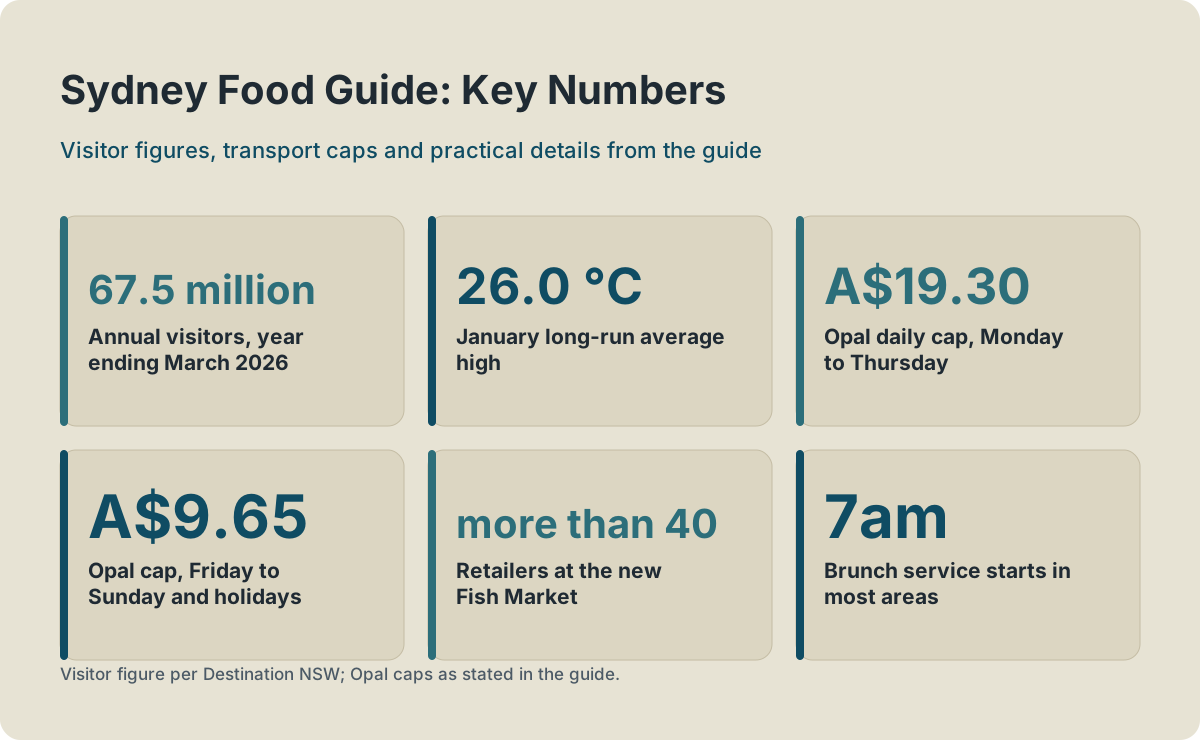
Sydney food is a harbour city's food: seafood pulled from clean water, produce grown within a few hours' drive, and cooking shaped by waves of immigration. The flat white was refined here, the rock oyster is native here, and the city's 67.5 million annual visitors in the year ending March 2026, per Destination NSW, eat across one of the most diverse restaurant scenes in the southern hemisphere. It is a city where a top-tier meal and a cheap noodle bowl sit five minutes apart.
The honest place to start is geography. Sydney sits on a drowned river valley, so the water is never far from the table. Oyster farming in New South Wales predates the restaurant industry, and the Sydney rock oyster, a smaller, mineral, almost creamy native species, appears on menus from fine dining rooms to beachside shacks. Fish arrives at the new Sydney Fish Market building at Blackwattle Bay, which opened to the public in January 2026 after the market's move from its old Pyrmont site, a change that catches out plenty of older guides.
The second defining force is immigration. Chinatown has been the anchor of Chinese cooking in the city since the late nineteenth century, but the last fifty years added Vietnamese enclaves in Marrickville and Cabramatta, Korean pockets around Pitt Street in the CBD, and a strong Lebanese and Greek presence across the inner west. The practical result for a visitor: you do not need to spend much to eat extremely well, and the best food is often a 15-minute bus ride from the harbour postcard view.
Third, and less obvious, is the climate. Sydney's long-run average tops out at 26.0 °C in January, so eating spills outdoors for most of the year. Cafes with pavement tables, beer gardens, hawker-style night noodle markets and harbourside picnics are not seasonal exceptions, they are the default setting. If you are planning around weather, our Sydney weather month by month guide breaks down when that outdoor eating is most reliable.
What Dishes Is Sydney Known For?
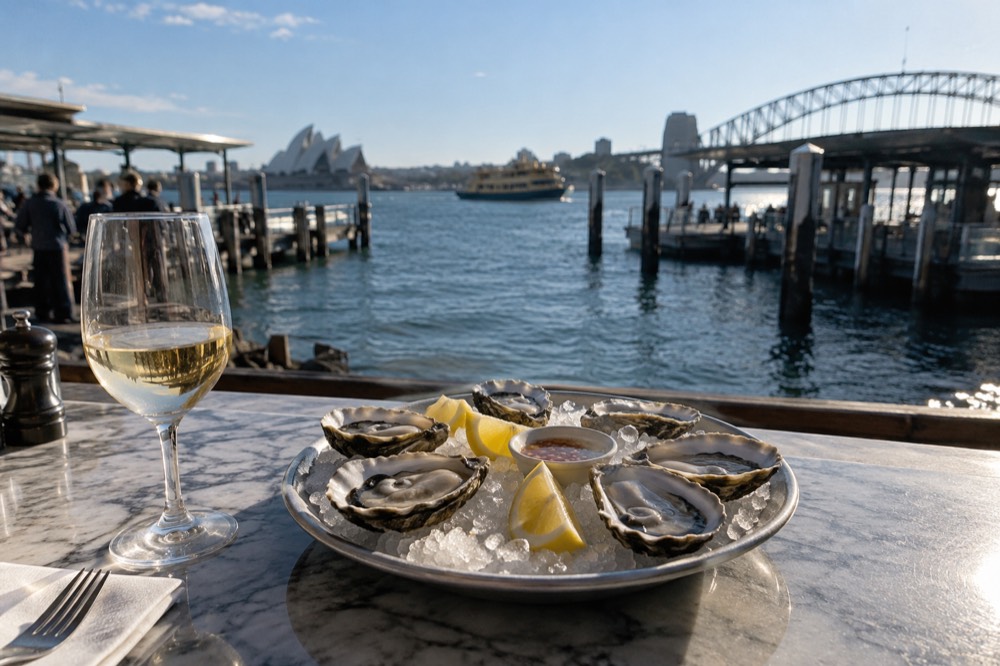
Five things define a Sydney food trip: Sydney rock oysters, fresh Australian seafood such as barramundi and blue swimmer crab, the avocado smash on sourdough, the flat white, and a bowl of laksa in Chinatown. Add a meat pie from a bakery and a pavlova-adjacent dessert and you have the full set. None of these require a booking or a big budget, and four of the six can be eaten within a ten minute walk of Circular Quay.
The rock oyster is the one you cannot replicate anywhere else. It is a native species, smaller than the Pacific oyster, with a metallic, almost briny finish that locals describe as tasting of the estuary. It appears by the half dozen on nearly every serious menu in the city. Seafood more broadly is the city's backbone: barramundi, snapper, mud crab and Balmain bugs, a slipper lobster found on the east coast, all turn up grilled, steamed or in a chilli dressing depending on which kitchen's heritage is doing the cooking.
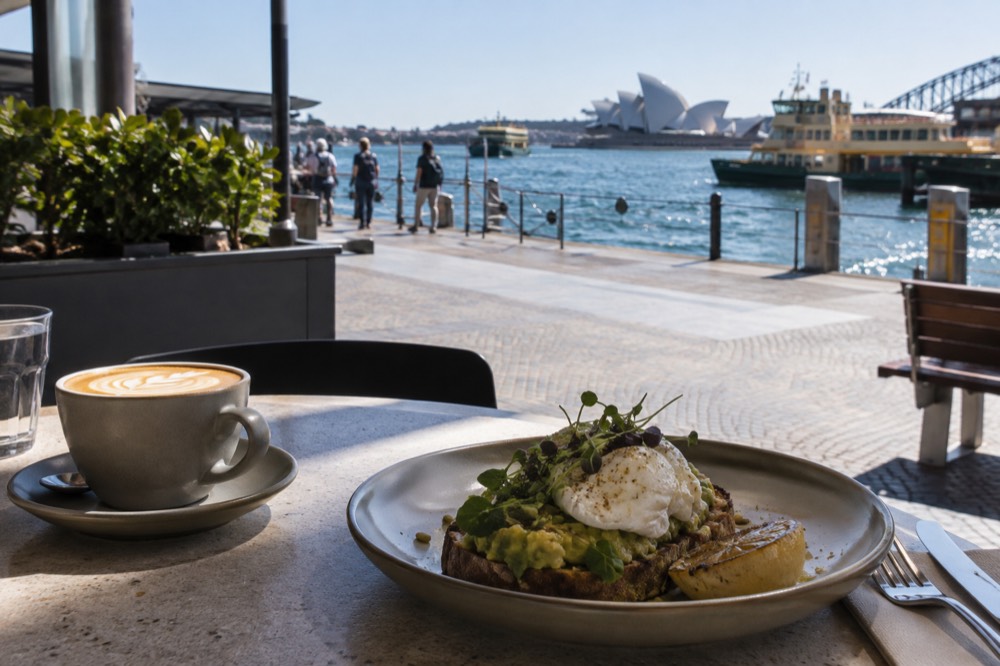
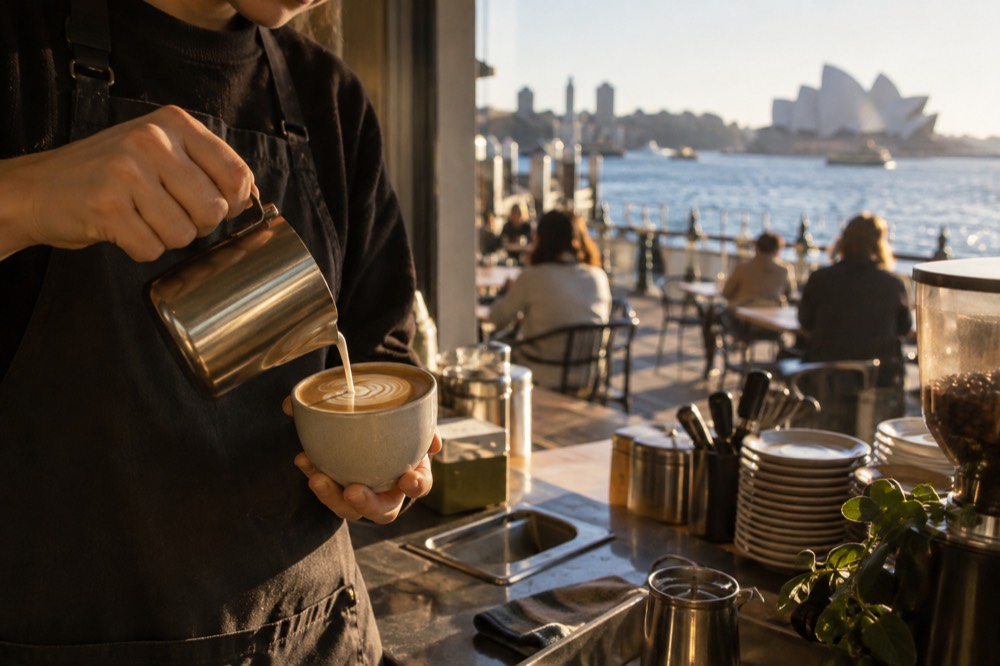
Then there is brunch. Sydney did not invent avocado on toast, but it industrialised it, and the "smash" (avocado, feta, poached egg, sourdough) is a genuine local institution served from 7am in most neighbourhoods. The flat white travels the world now, but Sydney's cafe culture is where it earned its polish; the city's coffee scene rewards a detour, and our Sydney coffee guide maps the roasters worth the walk.
The table below is the practical checklist: what to eat, what it is, and where in Sydney the best version concentrates.
| Dish or drink | What it is | Where to eat the best version |
|---|---|---|
| Sydney rock oysters | Small native oyster, mineral and creamy | Fine dining rooms, the Fish Market, oyster bars in the CBD |
| Barramundi | Native Australian fish, usually grilled or pan-fried | Seafood restaurants citywide, harbourside dining rooms |
| Balmain bugs | Slipper lobster, local delicacy | Serious seafood menus, the Fish Market |
| Avocado smash | Avocado, feta, poached egg on sourdough | Brunch cafes in Surry Hills, Bondi, Newtown |
| Flat white | Double-shot espresso with steamed milk | Independent roaster cafes everywhere |
| Laksa | Rich Malaysian noodle soup | Chinatown, plus dedicated laksa bars in the CBD |
| Meat pie | Handheld beef pastry, a national staple | Bakeries and pie shops, eaten standing up |
| Pavlova | Meringue, cream and fruit dessert | Bakeries and Sunday roasts |
If you would rather have the tasting decisions made for you, a guided food tour walks you through six stops in one sitting, which is the most efficient way to sample a city this spread out. A sit-down harbour dinner cruise covers the other half of the Sydney eating equation, the view, and a Blue Mountains day trip covers the produce side, since several of those all-inclusive tours stop at regional food and wine stops on the way to the mountains.
Which Neighbourhood Should You Eat In?
Chinatown for laksa and late-night dumplings, Newtown for cheap and varied global food, Surry Hills for brunch and wine bars, the Fish Market for seafood, and Darling Harbour for eating with a view. Each has a distinct personality and a distinct price band, and the Opal daily cap of A$19.30 from Monday to Thursday, or A$9.65 on Friday to Sunday and public holidays, makes a multi-neighbourhood crawl genuinely affordable.
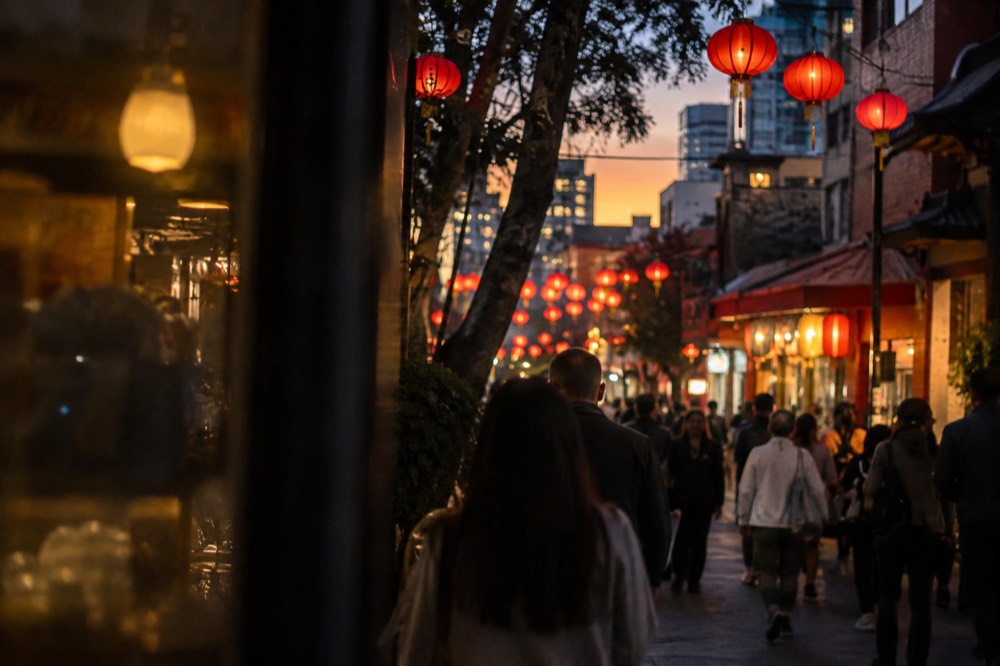
Chinatown is the essential one. Dixon Street's pedestrian mall holds the classic Cantonese and dumpling houses, and the night noodle markets that run there in some form most years pull huge crowds. Our Chinatown Sydney guide covers the individual institutions. Newtown, along King Street and Enmore Road, is where the eating is cheap, vegetarian-friendly and wildly international: Thai, Vietnamese, Ethiopian, pizza by the slice and one of the city's best laksa counters, all within a 30 minute walk. Our Newtown guide maps it.
Surry Hills is the brunch-and-wine-bar belt. Crown Street and its side streets hold the cafes that open early, the natural-wine rooms that open late, and the restaurants in between. Paddington, next door, plays the same game slightly more polished. For the full picture of where each pocket sits, our where to stay in Sydney guide pairs the eating neighbourhoods with the accommodation.
The Fish Market at Blackwattle Bay deserves its own half day. It opened in its new building in January 2026, with more than 40 retailers spanning wholesale, takeaway counters and sit-down dining, and it is the single best place in the city to eat rock oysters, sashimi and a paper tray of prawns at honest prices. Getting there is simple: the F10 Blackwattle Bay ferry joined the Opal network in 2026, so you can arrive by water.
| Neighbourhood | Signature eating | Best time to go | Getting there |
|---|---|---|---|
| Chinatown | Dumplings, laksa, night markets | Evening, especially Friday and Saturday | Light rail to Capitol Square, or a short walk from Town Hall |
| Newtown | Cheap global food, Thai, laksa | Lunch or dinner, any night | Train to Newtown station |
| Surry Hills | Brunch, wine bars, bistro dining | Weekend brunch, weeknight dinner | Train to Central, then a 10 minute walk |
| Fish Market, Blackwattle Bay | Oysters, sashimi, takeaway seafood | Morning to early afternoon | F10 ferry, or light rail to Fish Market stop |
| Darling Harbour | Dinner with water views | Sunset onwards | Light rail or ferry to Darling Harbour |
| Bondi | Beachside brunch, fish and chips | Weekend brunch after a swim | Train to Bondi Junction, then a bus |
If you are building the crawl around a single afternoon and want the structure handled, a guided tasting walk is the shortcut. This one covers six authentic tastings across the city centre, and free-cancellation terms are common on food tours in this market, so you can hold a slot early and firm it up when your plans settle.
Is Sydney Coffee and Brunch Really That Good?
Yes, and it is measurable. Sydney runs on independent roaster cafes rather than chains, the flat white is the default order, and brunch service on weekends runs from around 7am to mid-afternoon as a main meal rather than a snack. The city's cafe culture is a genuine reason to visit, not a tourist exaggeration, and the standard is consistent across neighbourhoods rather than concentrated in a few famous rooms.
The backstory matters less than the habit. Sydney's Italian and Greek migrant communities built the espresso culture in the middle of last century, and the third-wave roaster movement then pushed quality up again in recent decades. The practical upshot for a visitor is that a random corner cafe is very likely to serve a genuinely excellent flat white, and that ordering one is the local move. A "long black" is what much of the world calls an americano, and a "babycino" exists because the cafes are full of families.
Brunch is the other half of the ritual. Weekend brunch in Sydney is a social institution: queues form before 9am at the good rooms, menus run to poached eggs, thick sourdough, and things like corn fritters and chilli scrambled eggs, and the meal is expected to stretch past an hour. Our Sydney brunch spots guide names the specific rooms worth the wait, and our Sydney coffee guide does the same for the roasters.
Where Do Locals Actually Eat Cheap?
Newtown and Marrickville for Thai and Vietnamese, Chinatown for dumplings and laksa, the Fish Market for takeaway seafood, and the suburb-based food courts of the CBD for lunch under A$15. Sydney's cheap eating is as good as its expensive eating, and the inner west is where the locals spend their own money. The city's mid-market restaurant scene is genuinely strong, so a low budget costs you views, not flavour.
Marrickville is the one to know. It is the city's Vietnamese heartland and its craft-beer belt at the same time, a 20 minute train ride from Central, and the pho, banh mi and noodle shops there are the real everyday machinery of the city's food culture. Cabramatta, further out on the same line, is the deeper version of the same story and a legitimate half-day trip for anyone who eats seriously. Our Sydney on a budget guide folds these into a wider cheap-day plan.
Back in the centre, the CBD's food courts and basement arcades are where office workers actually lunch, and they hold some of the best value Japanese, Korean and Malaysian food in the city. The rule of thumb that holds across Sydney: if the queue is long and the seating is plastic, the food is usually excellent.
What About Markets and Street Food?
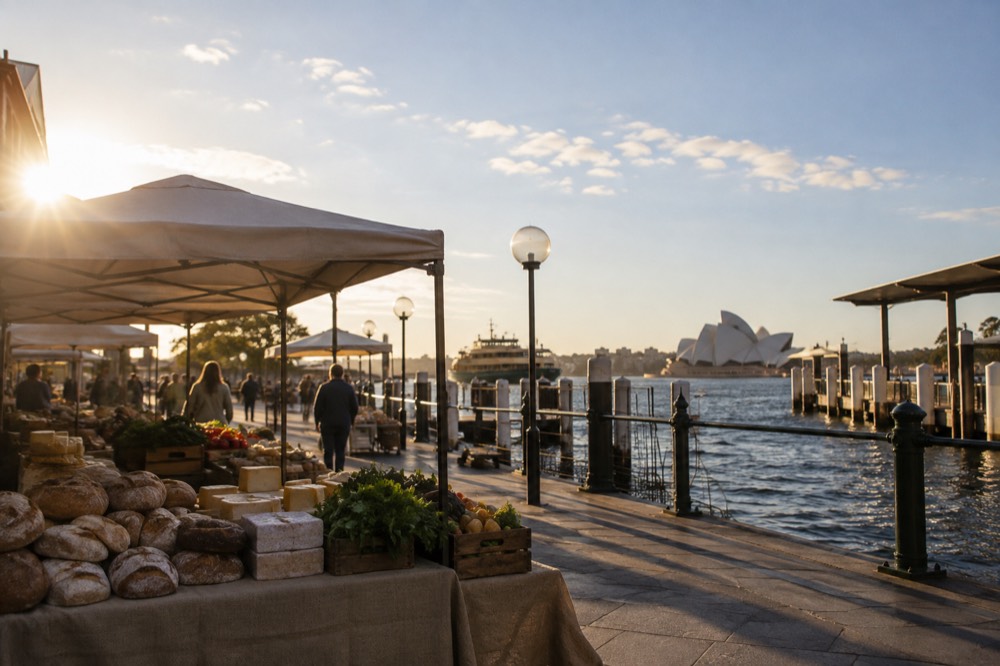
Sydney's market scene runs from the permanent Fish Market at Blackwattle Bay to weekend farmers' markets in Glebe, Orange Grove and the Entertainment Quarter, plus Chinatown's night noodle markets. There is no single permanent hawker centre like Singapore's, so the street-food experience here is scheduled rather than standing: you plan around market days rather than turning up and expecting one.
Glebe's Saturday market is the closest thing the inner city has to a food-and-bric-a-brac institution, with a strong food stall lineup alongside the books and vintage clothes, and our Glebe guide covers the neighbourhood around it. The Entertainment Quarter market near Moore Park runs on Wednesdays and Saturdays and is the big produce-and-street-food one. Orange Grove in Lilyfield, Saturday mornings, is where the chefs shop.
The night noodle markets are the marquee street-food event: a Chinatown-adjacent hawker-style festival that has run in most years, drawing huge crowds for dumplings, skewers and dessert stalls. Timing matters, so check the current year's dates before you plan around them. Our Sydney markets guide keeps the full calendar in one place.
How Do You Eat with a Harbour View Without Overpaying?
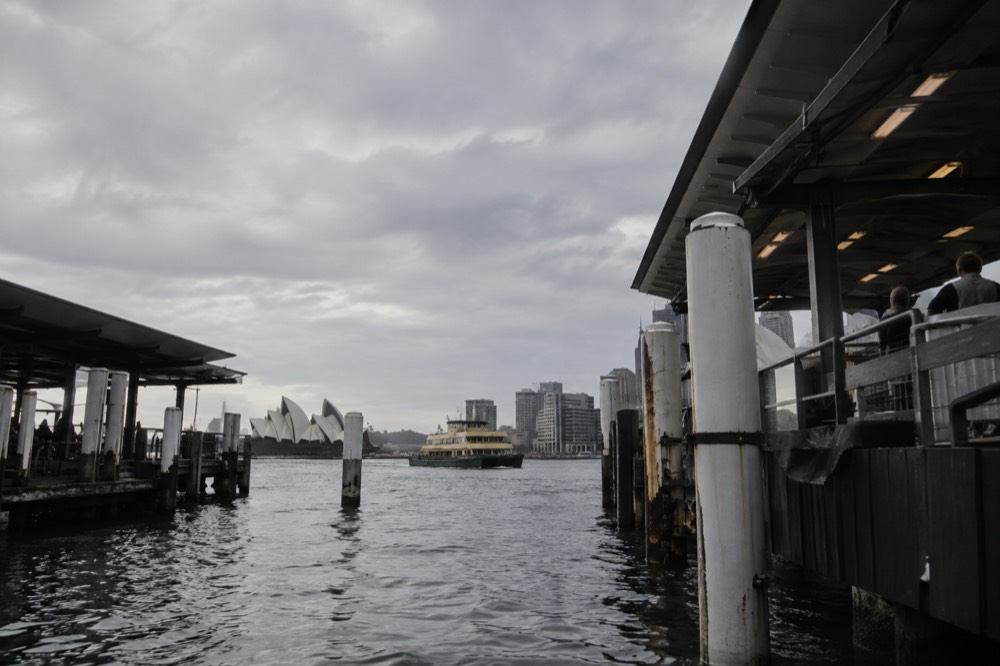
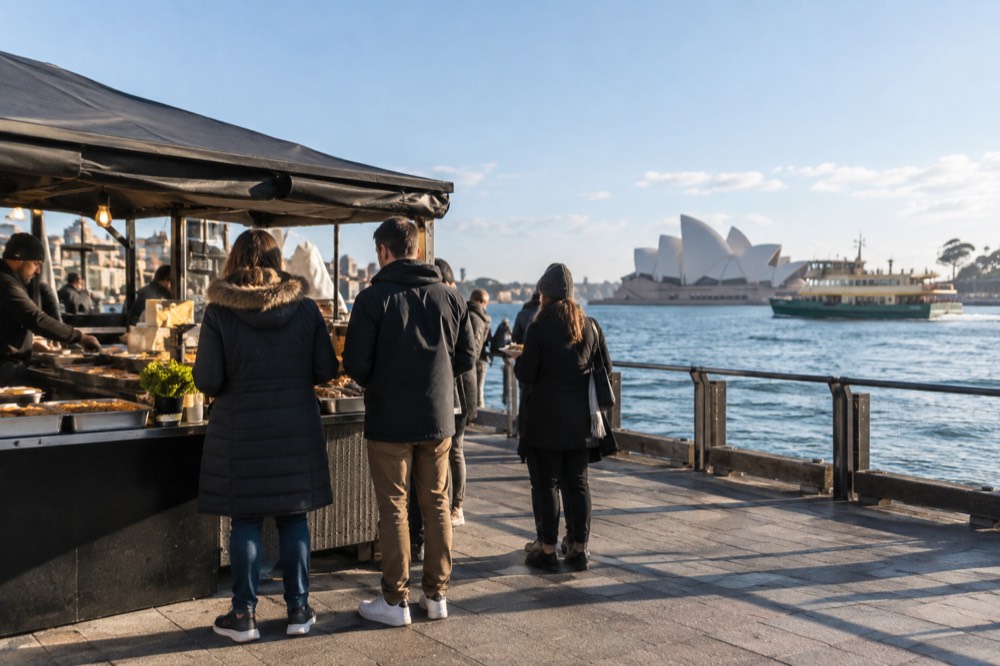
The cheap version is a picnic: buy seafood at the Fish Market or a bakery pie, and eat it in the Royal Botanic Garden, which is free to enter and open from 7am to sunset. The mid version is a waterfront pub in The Rocks or Woolloomooloo. The full version is a dinner cruise, and a three-course early dinner cruise from Darling Harbour costs less than most harbourside restaurant mains while moving you past the Opera House and Harbour Bridge.
The picnic option is genuinely good, not a consolation prize. The Royal Botanic Garden Sydney is free, wraps around Farm Cove, and puts the Opera House in the background of your lunch. Our Sydney picnic spots guide lists the other free waterfront lawns worth a blanket.
The pub tier is the local secret. Historic waterfront pubs in The Rocks and Woolloomooloo serve counter meals with water views at a fraction of the restaurant price, and the Woolloomooloo wharf itself holds some of the city's best-known seafood rooms if you do want to spend. For the structured version, the early dinner cruise below runs three courses from Darling Harbour with the sunset skyline on both sides, which is the most efficient way to combine the eating and the seeing.
Should You Book a Food Tour or Explore on Your Own?
Book a food tour if you are in Sydney for three days or fewer, if you want the history with the food, or if you are travelling solo and want a social structure. Explore on your own if you have five days or more, because the neighbourhoods above are easy to self-navigate and the Opal fare caps make the crawling cheap. The two are not exclusive: many visitors take a guided tasting walk on day one and then revisit their favourite stops.
The arithmetic favours a tour early in a short trip. A guided walk compresses six tastings and the stories behind them into one afternoon, and it front-loads your knowledge of the city's layout, which you then use for the rest of the stay. The trade-off is freedom: a tour moves at the group's pace and eats where the guide eats.
Doing it yourself rewards patience. Chinatown, Newtown and Surry Hills are each walkable in an hour, and the train fares between them sit in the A$4.33 to A$5.38 peak band, or A$3.03 to A$3.76 off-peak, per the Transport for NSW fare tables. The off-peak 30% discount applies on Fridays, weekends, public holidays and outside peak times, so a Saturday crawl is cheaper than a Tuesday commute.
| Trip by train or light rail | Adult fare | Notes |
|---|---|---|
| 0-10 km, peak | A$4.33 | Central to Newtown, most inner-city hops |
| 0-10 km, off-peak | A$3.03 | Same trips on Fri-Sun and public holidays |
| 10-20 km, peak | A$5.38 | City to Marrickville |
| 10-20 km, off-peak | A$3.76 | Same trip, discounted |
| Ferry 0-9 km | A$7.35 | No off-peak discount on ferries |
| Ferry 9+ km | A$9.20 | Includes the Manly ferry |
| Daily cap, Mon-Thu | A$19.30 | Applies network-wide |
| Daily cap, Fri-Sun and public holidays | A$9.65 | Public holidays are the cheapest big-travel days |
A contactless credit card or phone is charged exactly the same as an adult Opal card, with the same caps and discounts, so there is no need to buy a card just for the eating crawl. Our Opal card guide for visitors covers the details, and our getting around Sydney guide covers the rest.
The Blue Mountains day trip belongs in the food conversation too, because the good all-inclusive tours stop at regional produce and wine stops between Sydney and Katoomba, which turns the mountains into a food-and-scenery day rather than a scenery-only one. If your Sydney trip is food-first, that is the tour to spend your big day-trip budget on.
How Much Should You Budget for Eating in Sydney?
Plan on a wide band: a food court or noodle bowl lunch can come in under A$15, a cafe brunch lands in the A$20-30 range, a mid-range dinner runs A$40-70 a head, and fine dining climbs steeply from there. The saving levers are the cheap-eats neighbourhoods, the Fish Market, picnic lunches and the fact that brunch portions are big enough to skip lunch. Sydney is expensive at the top and cheap at the bottom, and most visitors can eat brilliantly at either end.
The single biggest lever is timing. Brunch portions in Sydney are large, and a 10am brunch plus a late dinner is a normal local pattern that quietly removes a meal a day from the budget. The second lever is water: Sydney tap water is safe to drink and free at every table, so nobody orders bottled water unless they want to.
The third lever is the market. The Fish Market's takeaway counters sell oysters, sashimi and cooked seafood at close to wholesale-adjacent prices, and eating there at lunch then having a light dinner is a pattern locals use constantly. Our is Sydney expensive guide puts food in the context of the whole trip budget, and our Sydney trip cost breakdown does the full arithmetic.
Common Questions About Sydney Food
What food is Sydney most famous for?
Sydney rock oysters, fresh local seafood like barramundi and Balmain bugs, the avocado smash on sourdough, the flat white, and laksa from Chinatown. Add a bakery meat pie and you have the city's core food identity, and most of it can be eaten without a booking.
Where should first-time visitors eat in Sydney?
Split your time between Chinatown for dumplings and laksa, Newtown for cheap global food, Surry Hills for brunch, and the Fish Market at Blackwattle Bay for seafood. A guided food tour on day one is an efficient way to sample the city before you revisit favourites on your own.
Is Sydney expensive for food?
It is expensive at the top and cheap at the bottom. Noodle bowls and food court lunches can come in under A$15, brunch runs A$20-30, and mid-range dinner starts around A$40-70 a head. The Fish Market and the inner west's cheap-eats suburbs keep the floor low without costing you flavour.
What is Sydney's best cheap-eating neighbourhood?
Newtown along King Street, and Marrickville further west, are the two locals actually use. Both sit on the train line, both hold dozens of Thai, Vietnamese and other global kitchens, and both price well below the harbourside dining belt.
Do you need to book restaurants in Sydney in advance?
For fine dining and popular weekend brunch rooms, yes, book ahead. For Chinatown, Newtown, food courts and the Fish Market, no booking is needed at all. A good pattern is to book one or two marquee dinners and leave the rest of the trip to walk-ins.
Is the Sydney Fish Market worth visiting?
Yes. The market moved to its new Blackwattle Bay building, opened to the public in January 2026, with more than 40 retailers spanning takeaway counters and sit-down dining. It is the best-value place in the city to eat oysters and fresh seafood, and the F10 ferry now connects it to the Opal network.
If you are pairing the eating with the rest of the trip, our Sydney food tour and tasting options page keeps the current tour details in one place, and the wider Sydney Travel Guide hub covers everything, from the Opera House to the Blue Mountains.