Where to Stay in Sydney: Best Areas by Trip Type
Sydney spreads its accommodation across a harbour, a string of surf beaches and a sprawl of inner suburbs, and the right choice depends less on star ratings than on what kind of trip you are taking.
Short answer
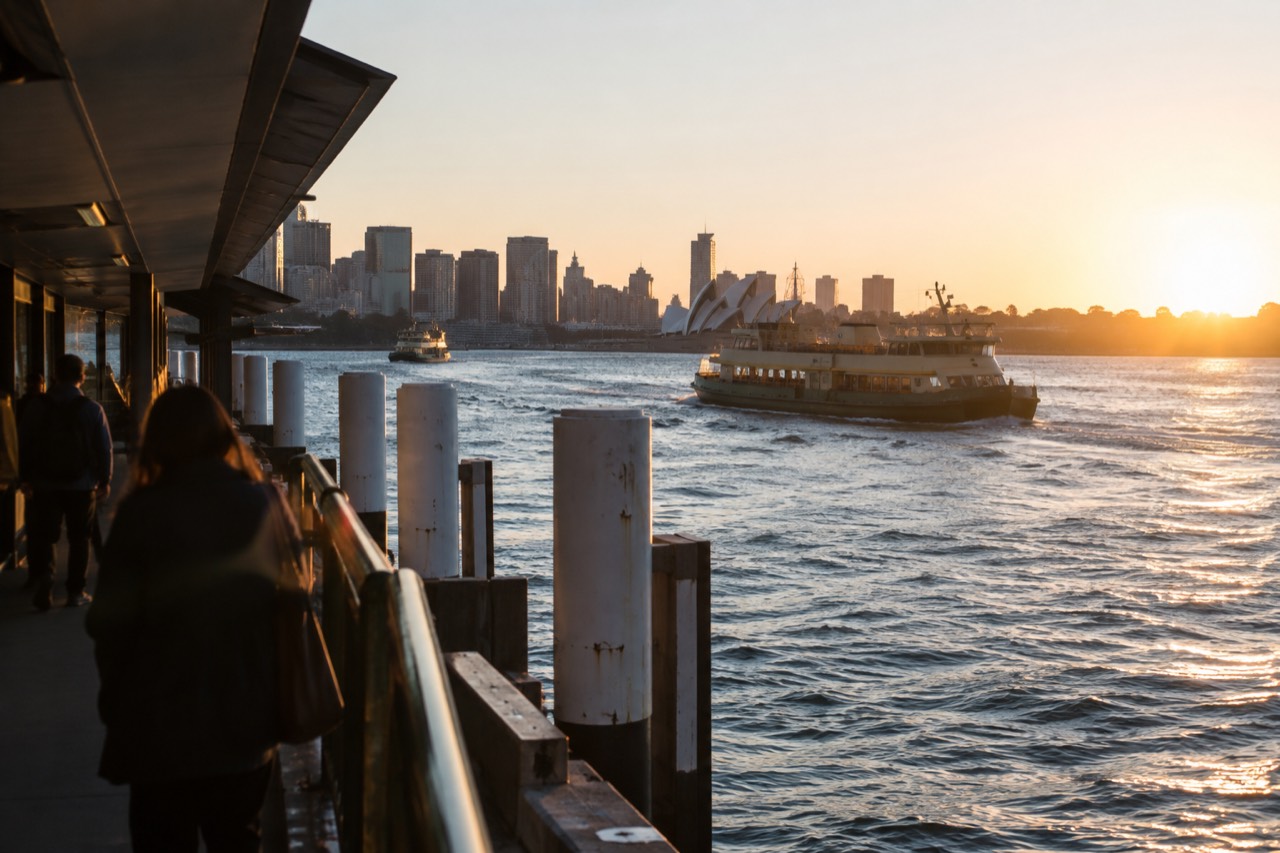
First-time visitors stay best in the Sydney CBD or The Rocks, where the Opera House, ferries and trains sit within walking distance. Beach lovers should base at Bondi or Manly, both on year-round-patrolled beaches, while food and nightlife travellers get more for their money in Surry Hills or Newtown. Budget stays cluster around Kings Cross, Potts Point and Parramatta.
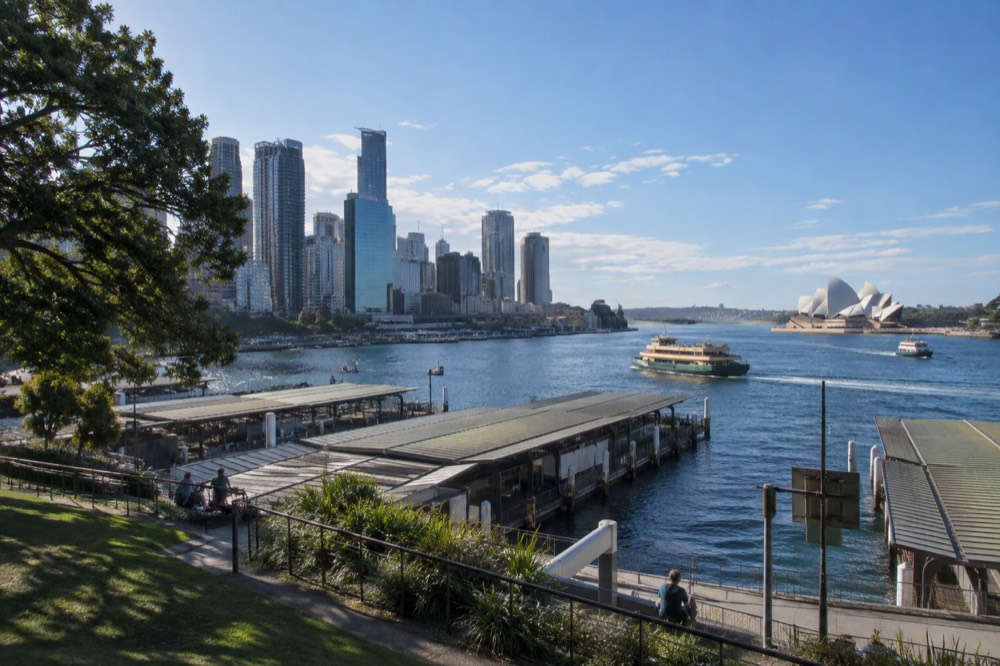
Sydney is not one city centre with suburbs trailing behind it. It is a harbour with a CBD on one shore, beach villages along the coast, and a chain of inner neighbourhoods, each with its own railway line, ferry wharf and character. Where you sleep changes how much of the city you actually see, because the distances that look small on a map are often cut by water that only a ferry or a long bridge crossing can get past.
The good news is that Sydney's public transport is cheap once you are on it, with capped daily fares, so the real decision is not "can I afford to stay far out" but "do I want to come home to a beach, a food strip or a harbour view". This guide compares the main areas honestly, with the transport numbers that actually matter, and matches each to a type of trip.
Which Area of Sydney Should You Stay In?
There is no single best area, but there is a best area for your trip. First-time visitors get the most from the CBD or The Rocks, where the Opera House, Circular Quay and two main ferry hubs are walkable. Beach trips belong at Bondi or Manly, food-focused trips at Surry Hills or Newtown, and longer, cheaper stays work well in Parramatta, twenty-five minutes from the centre by train.
The single biggest mistake visitors make is treating Sydney like a compact European capital. It is not. The distance from Bondi to Manly, two beaches in the same city, is about 15 kilometres as the crow flies but involves a bus, a ferry or a long drive around the harbour. Basing yourself in the wrong half of the city can add an hour of travel to every beach day or every museum day.
The second mistake is assuming the famous names are the only options. The Rocks is lovely and central but among the priciest beds in the city. Potts Point, one suburb east, has a village feel, café streets and a ten-minute bus ride to the CBD at a noticeably lower rate. Parramatta, Sydney's second centre, has its own food scene, its own ferry wharf and train lines, and hotel rates that make a week-long stay realistic.
Here is how the main areas compare before we go deeper on each.
| Area | Vibe | Best for | Key transport |
|---|---|---|---|
| Sydney CBD | High-rise, busy, everything central | First-timers, short trips | Town Hall, Wynyard, Circular Quay stations |
| The Rocks | Historic laneways, harbour edge | Harbour views, atmosphere | Circular Quay station and ferries |
| Darling Harbour | Family attractions, waterfront promenade | Kids, aquarium and zoo visits | Light rail and ferry |
| Bondi | Surf beach, backpacker to boutique range | Beach days, coastal walk start | Frequent bus corridor to the CBD |
| Coogee | Quieter beach, parkland, ocean pools | Families, calmer swimming | Buses to the CBD |
| Manly | Beach village, ferry commute | Ocean swimming, laid-back stay | F1 ferry, 30 minutes |
| Surry Hills | Cafés, small bars, design stores | Food and nightlife | Central station edge, light rail |
| Newtown | Alternative, cheap eats, live music | Budget and music trips | Newtown station |
| Potts Point / Kings Cross | Village feel near the city | Mid-range value | 20-minute walk or short bus |
| Parramatta | Second CBD, riverside, cheaper hotels | Longer stays, families | Train, light rail and ferry |
If your trip is three days or fewer, stay central and accept the price. Every hour saved on a short trip is worth more than the money saved on the room. On a trip of five days or more, a beach or inner-west base starts to pay for itself in both cost and quality of life.
Where Should First-time Visitors Stay in Sydney?
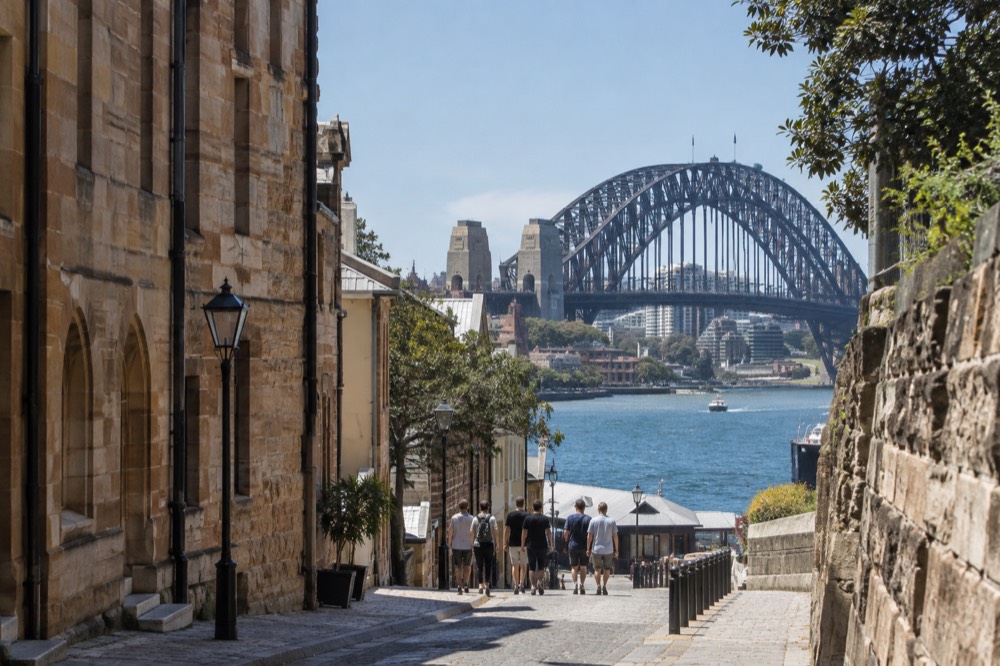
Stay in the Sydney CBD, ideally within a ten-minute walk of Town Hall, Wynyard or Circular Quay stations. From there the Opera House, the Royal Botanic Garden, The Rocks and the ferry wharves are all reachable on foot, and every train line in the city passes through the CBD. The Rocks is the atmospheric upgrade if the budget allows, and Potts Point is the value alternative a short bus ride east.
The logic is simple: a first trip to Sydney is mostly a first trip around its harbour, and the harbour's public transport hub is Circular Quay. From its wharves you can ferry to Manly, Taronga Zoo, Watsons Bay and Parramatta. Staying near that hub means the two or three experiences most first-timers want, a ferry ride, the Opera House and the coastal walk, all start minutes from your door.
The CBD itself is more than an office district. The western side around Darling Harbour holds the aquarium and family attractions, the Queen Victoria Building sits over Town Hall station, and Hyde Park and the Australian Museum anchor the eastern edge. General entry to the Australian Museum is free, which softens the cost of an expensive area, and the Art Gallery of New South Wales, also free to enter and open late on Wednesdays, is a short walk into the Domain.
Our Sydney for first-timers guide walks through the sights themselves, and the one day in Sydney itinerary shows how much you can cover on foot from a central base.
A central base also makes the weather work for you rather than against you. Sydney's long-run averages, published by the Bureau of Meteorology from a station record stretching back to 1858, show June is actually the city's wettest month at 133.1 mm of mean rainfall, wetter than any summer month, while August has the most clear days of the year at 13.4. If your dates fall in the cloudy, humid stretch of February, which averages just 5.3 clear days, having museums, galleries and indoor attractions within walking distance matters far more than in the crisp, clear days of late winter.
Where Can You Stay in Sydney on a Budget?
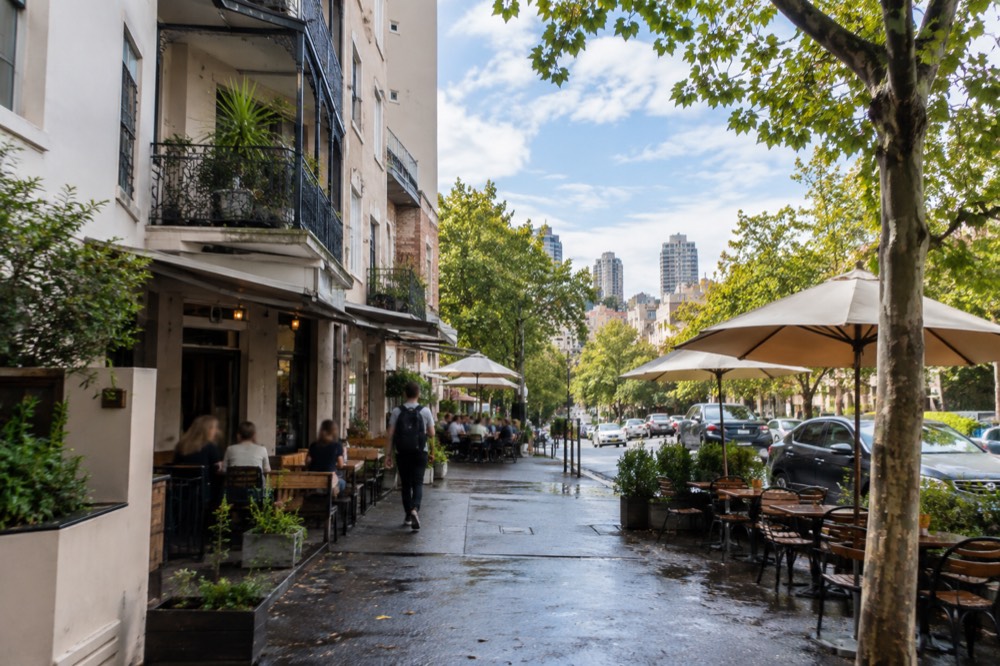
The cheapest well-located beds are in Kings Cross and Potts Point, one to two kilometres east of the CBD, where hostels and small hotels cluster around a train station. Newtown, on the inner-west train line, is cheaper again for apartments and eating out, and Parramatta offers the lowest hotel rates of any area with a fast, frequent train link to the city centre.
Sydney is an expensive city, but its budget geography is generous. Kings Cross station sits on the Eastern Suburbs line, which means a hostel bed there is a direct, roughly ten-minute train ride from the CBD at the standard distance-band fare. Potts Point, the quieter side of the same peninsula, adds boutique value: tree-lined streets, café culture and a walkable descent into Woolloomooloo and the harbour.
Further out, the trade-off shifts from time to money. Newtown's hostel and apartment rates sit below the eastern suburbs, and its main street is one of the cheapest places to eat in the city. Parramatta, about 23 kilometres west, is a genuine second centre with its own riverside dining, its own light rail line and ferry wharf, and hotel rates that make a family week affordable. The train from Parramatta to the CBD takes about 25 to 40 minutes depending on the service.
| Budget area | Typical nightly range vs CBD | Travel to CBD | What you give up |
|---|---|---|---|
| Potts Point / Kings Cross | Noticeably lower | Train, ~10 minutes | Harbour views, quiet at night |
| Newtown | Lower again | Train, ~10-15 minutes | Water, tourist sights nearby |
| Glebe | Similar to Newtown | Light rail or bus | Beach access |
| Parramatta | Lowest of the ten areas | Train, ~25-40 minutes | Everything central, daily |
| Coogee | Moderate | Bus only | Train and ferry access |
Note that the ranges above are relative, not quoted dollars: room rates in Sydney move with events, school holidays and the season, so treat any published nightly figure as a snapshot. The transport costs, by contrast, are fixed and capped, which is why this guide leans on them. A day of unlimited train, bus, ferry and light rail travel costs at most $19.30 from Monday to Thursday, and only $9.65 on Fridays, weekends and public holidays, per Transport for NSW's published fare caps. Our Sydney on a budget guide covers free sights and cheap eating in detail.
Where Should You Stay for the Harbour and the Beaches?
For a beach base, choose Bondi for surf, the coastal walk and the fastest CBD bus link, Manly for a ferry-commute lifestyle on the ocean, or Coogee for a calmer, family-friendly bay with free ocean pools. For harbour living without beach prices, look at Balmain or Woolloomooloo on the peninsula edges, or Watsons Bay at the harbour mouth for a quiet, upmarket stay.
Bondi needs little introduction, and its bus corridor to the CBD runs frequently, taking roughly 30 to 45 minutes depending on traffic. What matters more for swimmers is that Bondi is one of only a handful of Sydney beaches patrolled by professional lifeguards year-round: Waverley Council runs its beaches, Bondi, Bronte and Tamarama, with high-season patrols from 6am to 7pm daily between October and April, and reduced hours across winter. Swim between the red and yellow flags whenever you enter the water; rip currents are the number one hazard on this coast, and the official advice from Surf Life Saving's Beachsafe program is to stay calm, raise an arm and call for help, and float with the current rather than fighting it.
Manly is the other classic beach base, and the only one where your commute is a boat. The F1 ferry from Circular Quay takes about 30 minutes across the harbour, costs $9.20 one way in the 9-plus-kilometre fare band, and is regularly called the best-value tourist ride in the city. Manly is also patrolled year-round. The trade-off is the fare: at $9.20 each way, a couple doing a return ferry trip daily spends more on commuting than a CBD-based traveller spends on a capped day of all-network travel. Our Manly ferry guide and Bondi beach guide cover both bases in depth.
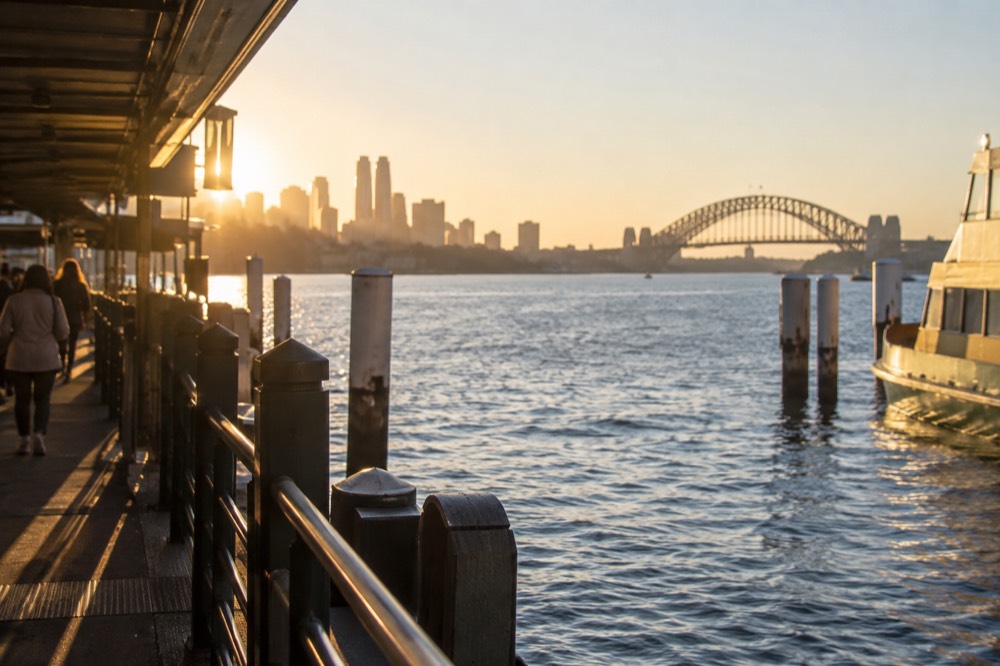
If you would rather look at the harbour than ride across it every morning, Woolloomooloo sits on a finger of water east of the CBD with marina-side dining and a short walk down to the gardens. Balmain, across the water on the northern edge of the inner west, is a heritage suburb of sandstone pubs reached by bus or the Blackwattle Bay ferry, which joined the Opal network in 2026. Watsons Bay, at the harbour entrance, is the quietest and most expensive of the three, reached by ferry or a bus ride through the Eastern Suburbs.
Which Neighbourhoods Are Best for Food and Nightlife?
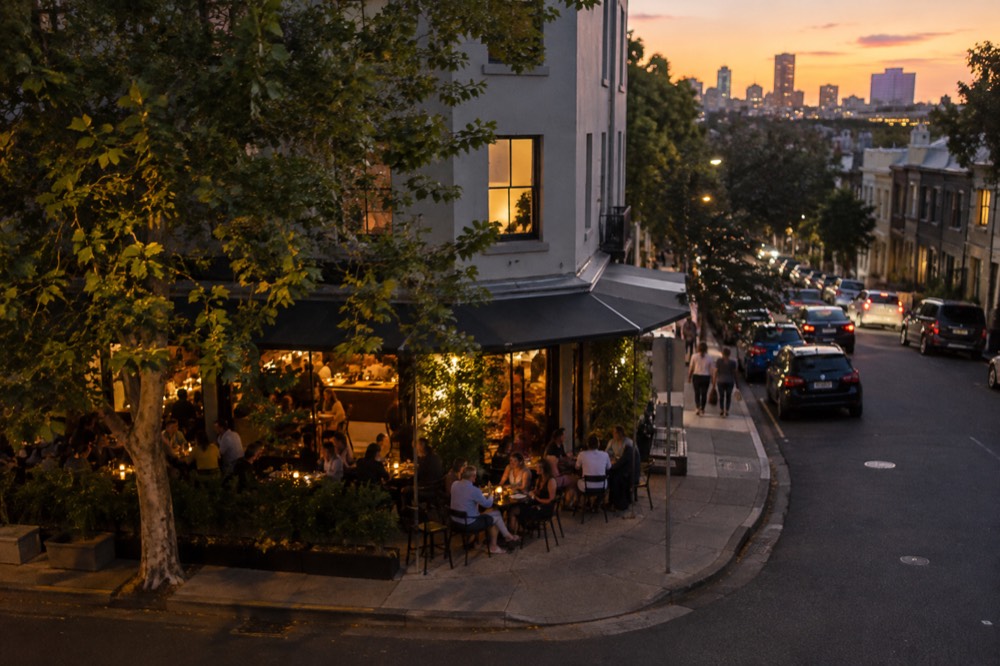
Surry Hills and Newtown are the city's two great food suburbs: Surry Hills for modern Australian dining, small bars and a short walk to Central station, Newtown for cheaper eats, Thai and vegan food, pubs with live music and a direct train line. Darlinghurst, between them, concentrates the small-bar scene, while the CBD's late-night action clusters around King Street Wharf and the casino precinct at Barangaroo.
Surry Hills is where Sydney's brunch culture is at its loudest, and the suburb's crown and terrace streets hold enough cafés, bakeries and restaurants that you could eat a different dinner every night for a week. It borders Central station, the city's biggest rail interchange, so the whole network opens up from your doorstep. Darlinghurst, immediately north, is denser and more nocturnal, with Oxford Street's bars and clubs running toward Kings Cross.
Newtown, further west along King Street's almost unbroken two-kilometre strip of eateries, is the value pick of the pair. A train from Newtown station reaches the CBD in around ten minutes. The suburb is also the heart of Sydney's live music scene, which our Sydney nightlife guide and live music guide map out venue by venue.
One honest caveat for night owls: Sydney's licensing landscape means many kitchens close by 10pm and bars by midnight to 1am, with a handful of late licences in the CBD and Kings Cross. A food-suburb base suits travellers who do their best eating between 6pm and 10pm, which is when these streets are at their best anyway. For a deeper dive into the eating itself, start with the Sydney food guide.
How Much Does Transport Cost from Each Area?
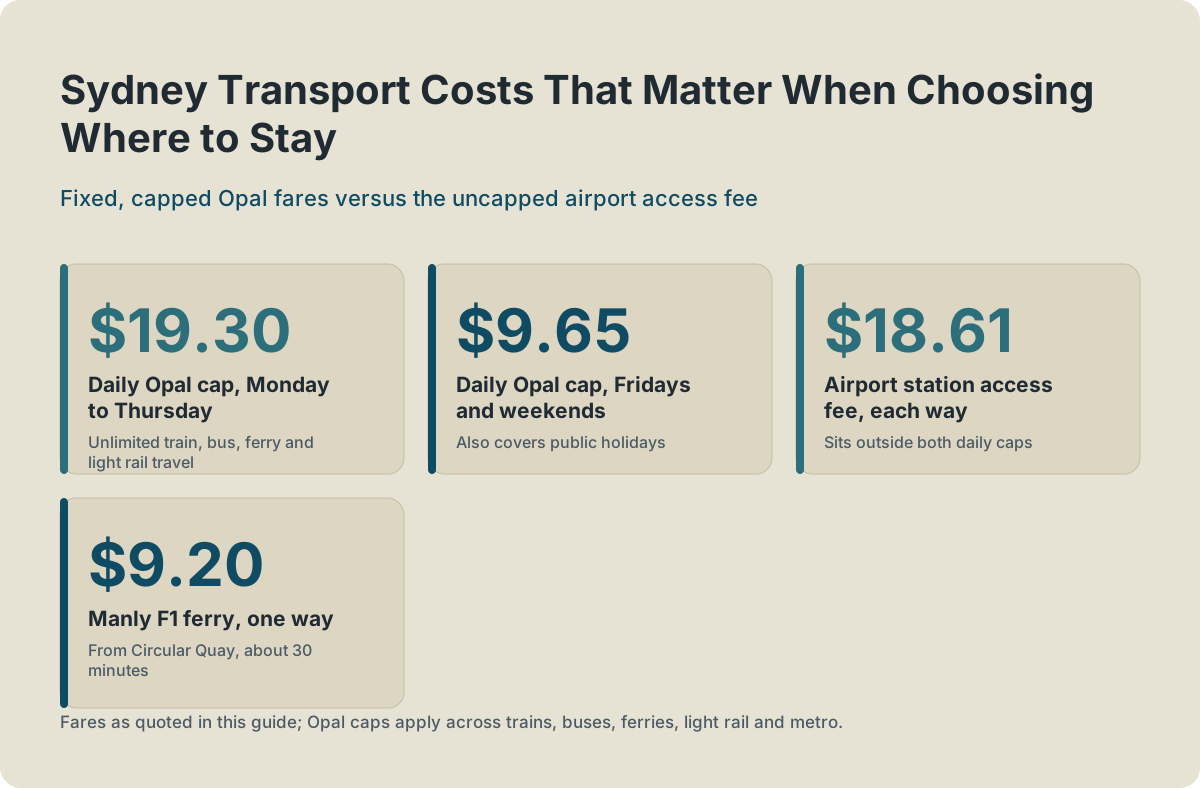
Less than you fear: Sydney's Opal system caps adult travel at $19.30 a day from Monday to Thursday and $9.65 a day on Fridays, weekends and public holidays, across trains, buses, ferries, light rail and metro alike. The one exception is the airport stations, which add a separate access fee of $18.61 each way that sits outside both caps, so an airport-adjacent hotel saves less than it first appears.
Those caps mean a beach commute is affordable: a Bondi-based traveller catching buses to and from the CBD all day pays no more than the cap, not a fare for every individual ride. Contactless credit and debit cards are charged exactly the same as an Opal card and earn the same caps, so most visitors never need to buy a card at all. Our Opal card guide explains the details, including the 30 percent off-peak discount that applies to trains, buses, light rail and metro on weekends and outside weekday peaks, but never to ferries.
| Fare type | Amount | Notes |
|---|---|---|
| Daily cap, Mon-Thu | $19.30 | All modes, network-wide |
| Daily cap, Fri-Sun and public holidays | $9.65 | The cheapest days to travel widely |
| Weekly cap | $50 | Opal week runs Monday to Sunday |
| Ferry fare, 0-9 km | $7.35 | Includes most harbour wharves |
| Ferry fare, 9+ km | $9.20 | The Manly F1 ferry band |
| Airport station access fee, adult | $18.61 each way | On top of the fare, outside both caps |
The airport fee deserves its own paragraph because it distorts hotel choice more than any other number. A family of four flying in and out pays the access fee, plus the train fare, four times each way, which is real money against the discount on an airport-area room. The 400 bus carries no station access fee at all, per Transport for NSW's airport page, and our Sydney airport to the city guide works through every option.
Where Should You Stay in Sydney with Kids?
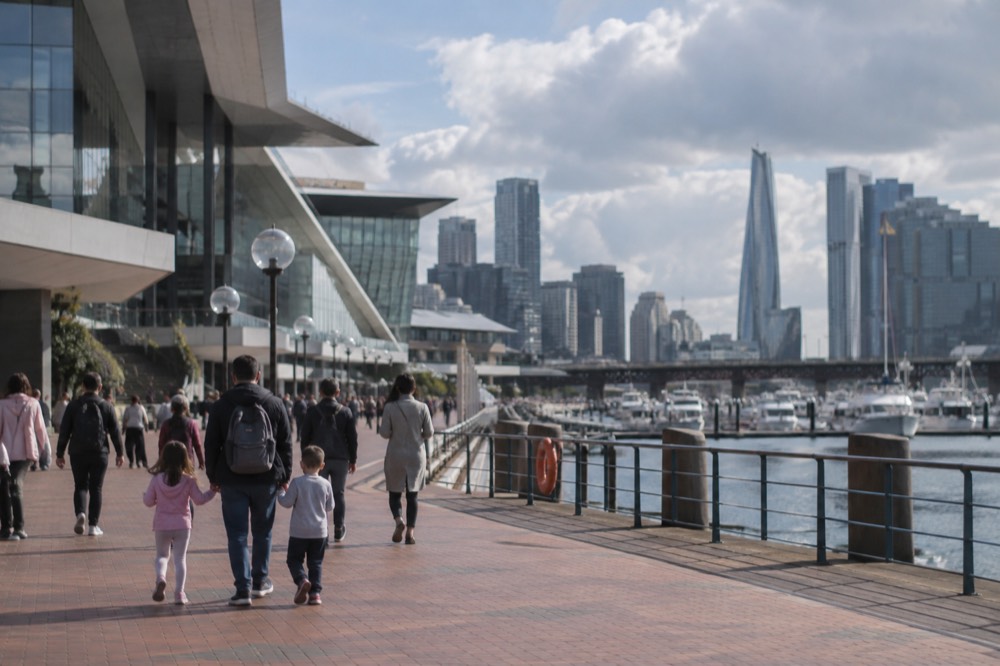
Darling Harbour and the wider CBD are the easiest family bases, with SEA LIFE Sydney Aquarium, the wildlife zoo, ferry wharves and the playgrounds of the harbour promenade in walking distance. Coogee is the best beach alternative, thanks to calmer surf, parkland behind the sand and free ocean pools, while Parramatta gives families the most space and the lowest rates for stays of a week or more.
Darling Harbour's appeal is concentration. The aquarium, the wildlife zoo, the maritime museum and a large playground sit within a few hundred metres of each other, and the light rail connects the precinct to Central station and the CBD. A family that buys a [multi-attraction pass](https://gocity.tpk.ro/rUvgw2vS) can walk between the headline sights without ever unfolding a pram on a bus.
At the beach end, Coogee beats Bondi for most families. The surf is gentler, the grassy reserve behind the sand makes picnic days easy, and the council maintains the free Bronte Ocean Pool nearby, cleaned weekly and open daily except cleaning days. Coogee is patrolled year-round by council lifeguards, with volunteers adding weekend and public-holiday coverage through the summer season. Our Sydney with kids itinerary and best beaches for families go further into the practical details.
One safety note that applies to every Sydney beach base, including this one: swim between the red and yellow flags during patrol hours, and stay out of the water while it is raining and for up to a day after heavy rain at ocean beaches, or up to three days after heavy rain at harbour and estuarine swim sites. That post-rain guidance comes from the NSW Government's Beachwatch program, which grades every swim site in the state, and it is the single most useful swimming rule most guides leave out.
Should You Stay North or South of the Harbour?
The North Shore, around North Sydney, Mosman and Chatswood, suits travellers who want quieter streets, harbour-side bushland and fast train links, at the cost of crossing the bridge or a tunnel for the CBD's dining. Staying south of the harbour keeps you closer to most tourist sights, but the north wins on calm, coastal walks in Sydney Harbour National Park and some of the city's best value in the off-peak.
Kirribilli, directly opposite the Opera House, is the north's postcard suburb: a village of cafés under the bridge's northern approach with arguably the best free view of the city skyline from its harbour walk. Mosman, further along the Middle Head peninsula, sits between Taronga Zoo and the national park's headlands, and Chatswood is the area's shopping and dining hub on a direct train line that reaches the CBD in about ten to fifteen minutes.
The practical difference is night-time. The North Shore quiets down early, and the last thing many travellers want after a late dinner in the city is a bridge crossing home. For a relaxed stay built around bushwalks, zoo days and harbour views, it is excellent. For a trip built around restaurants and bars, the south of the harbour wins on convenience alone.
What About Staying Near the Airport?
Only stay near Sydney Airport if you have an early departure or a one-night stopover, because the airport sits about 8 kilometres south of the CBD with no tourist attractions of its own. The airport train stations charge a separate access fee of $18.61 per adult each way on top of the fare, so an airport hotel saves less than it first looks, and the 400 bus, which carries no access fee, makes a CBD stay nearly as convenient.
The airport precinct is functionally a transport hub, not a neighbourhood. Its hotels serve the 6am international departure and the late arrival, and do that job well. But the arithmetic matters: the access fee applies at both Domestic and International stations, sits outside the daily and weekly fare caps, and applies to contactless payments just as it does to Opal cards. Two adults returning to the airport for a flight pay it twice each, in each direction.
For anything beyond a stopover, the CBD wins. The train from the airport to Central takes about 13 minutes once you are on it, so a central hotel is only half an hour from the terminal door. If you are weighing the whole cost of a Sydney trip, not just the room rate, our Sydney trip cost breakdown and is Sydney expensive guide put accommodation in context.
Sydney rewards a match between your base and your days. Pick the harbour for a first visit, the beach for a summer one, the food suburbs for a long weekend of eating, and the west for a slower, cheaper week, and let the capped fares handle the rest. The team behind Sydney Travel Guide rates a well-chosen suburb over a well-rated hotel almost every time.
Common Questions About Where to Stay in Sydney
Where should first-time visitors stay in Sydney?
In the CBD, close to Town Hall, Wynyard or Circular Quay stations. The Opera House, The Rocks, the Royal Botanic Garden and the ferry wharves are then walkable, and every train line passes through the city centre. The Rocks is the atmospheric upgrade and Potts Point the value alternative.
What is the cheapest area to stay in Sydney?
Parramatta has the lowest hotel rates of any area with a fast train link to the CBD, about 25 to 40 minutes away. Closer in, Kings Cross and Potts Point have the cheapest well-located hostel and small-hotel beds, and Newtown is the value pick on the inner-west train line.
Is it better to stay in Bondi or Manly?
Bondi suits surf, the coastal walk start and a frequent bus link to the CBD. Manly suits a relaxed ferry-commute lifestyle, with the F1 ferry taking about 30 minutes from Circular Quay at $9.20 one way. Both beaches are patrolled year-round by council lifeguards.
Should I stay near Sydney Airport to save money?
Usually not. The airport stations charge a separate access fee of $18.61 per adult each way on top of the fare, outside all fare caps, and the precinct has no tourist attractions. A CBD hotel is about half an hour from the terminal by train, and the 400 bus carries no access fee at all.
Can you get around Sydney without staying in the city centre?
Yes, easily. Adult travel is capped at $19.30 a day Monday to Thursday and $9.65 a day on Fridays, weekends and public holidays across every mode, including ferries. Contactless cards are charged the same as an Opal card, so a suburban base costs very little extra in transport.