Sydney Fish Market: A Visitor's Guide to the New Blackwattle Bay Site
The Sydney Fish Market left its old home and reopened in a purpose-built Blackwattle Bay building in January 2026. This guide covers the new site, the food worth queuing for, the ferry that now stops nearby, and how to fold the visit into a bigger day around the harbour.
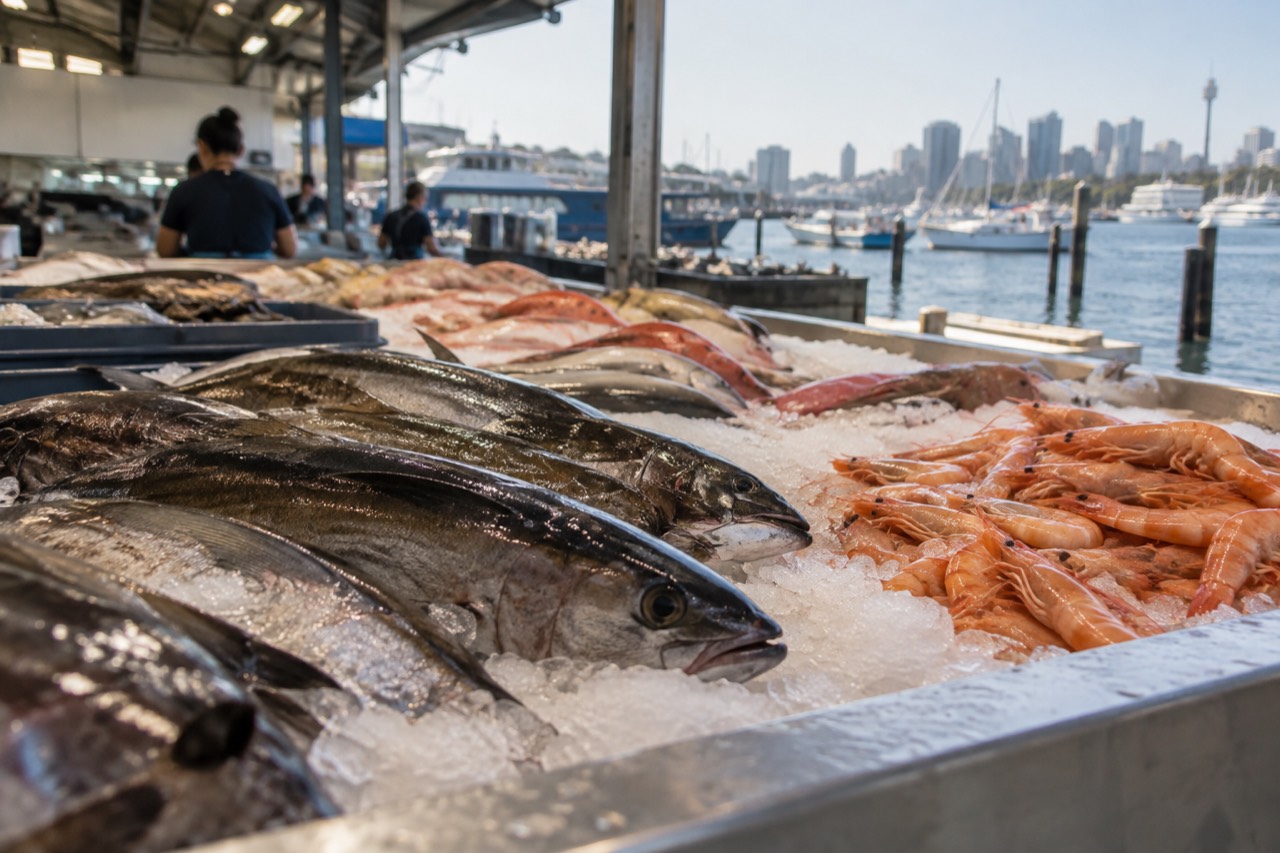
Short answer
The Sydney Fish Market now trades from a new purpose-built building on Blackwattle Bay, opened to the public in January 2026 with more than 40 retailers spanning wholesale and dining. Entry is unticketed, the F10 ferry wharf nearby joined the Opal network in 2026, and most visitors spend two to three hours eating their way through the halls.
The Sydney Fish Market is the largest seafood market in the southern hemisphere and one of the few places in Sydney where the working harbour and the eating harbour sit under the same roof. It is also, since January 2026, a moving target: the market packed up its old building and reopened in a new Blackwattle Bay complex, which means half the advice published online now points people to the wrong place. This guide, from the Sydney Travel Guide desk, covers the new site as it stands, with verified transport details and honest planning advice.
Where Is the Sydney Fish Market Now?
The Sydney Fish Market trades from a new purpose-built building on the Blackwattle Bay foreshore, opened to the public in January 2026. The NSW Government confirmed construction was complete in late 2025, and the site now hosts more than 40 retailers combining wholesale trading with public dining. The old market building nearby is no longer the destination; every direction you follow should end at the new Blackwattle Bay site.
The move was years in the making. The market's previous home had served Sydney for decades, but the new building was designed to bring the wholesale floors, the retail stalls and the sit-down eating into one modern complex on the water at Blackwattle Bay, the inlet that separates Pyrmont from Glebe. The NSW Government's own announcement of the completed construction is the clearest single record of the change, and it is worth reading before you go: construction complete at the new Sydney Fish Market.
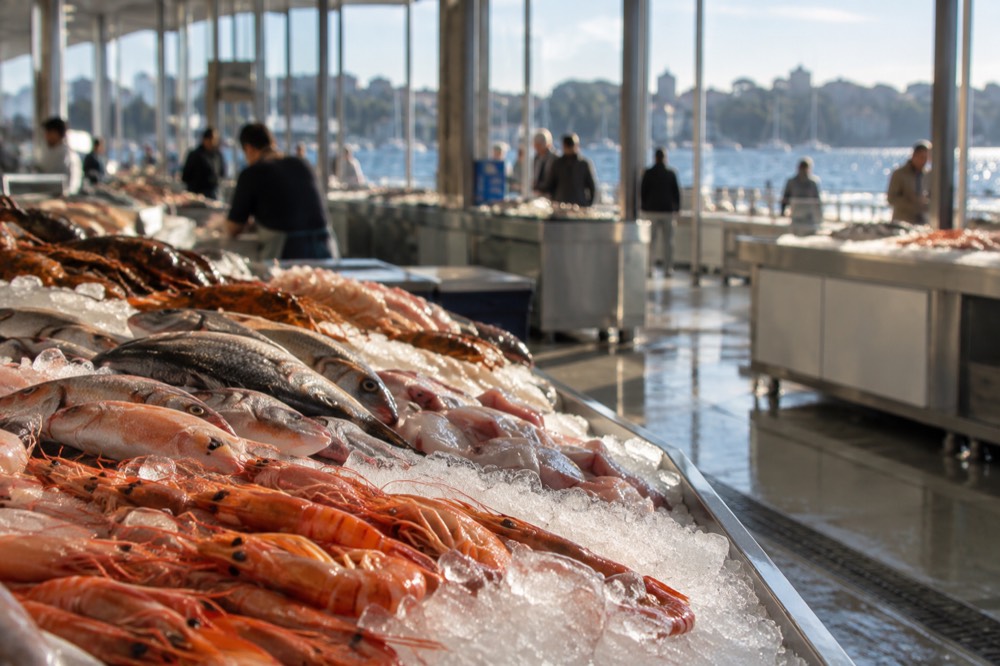
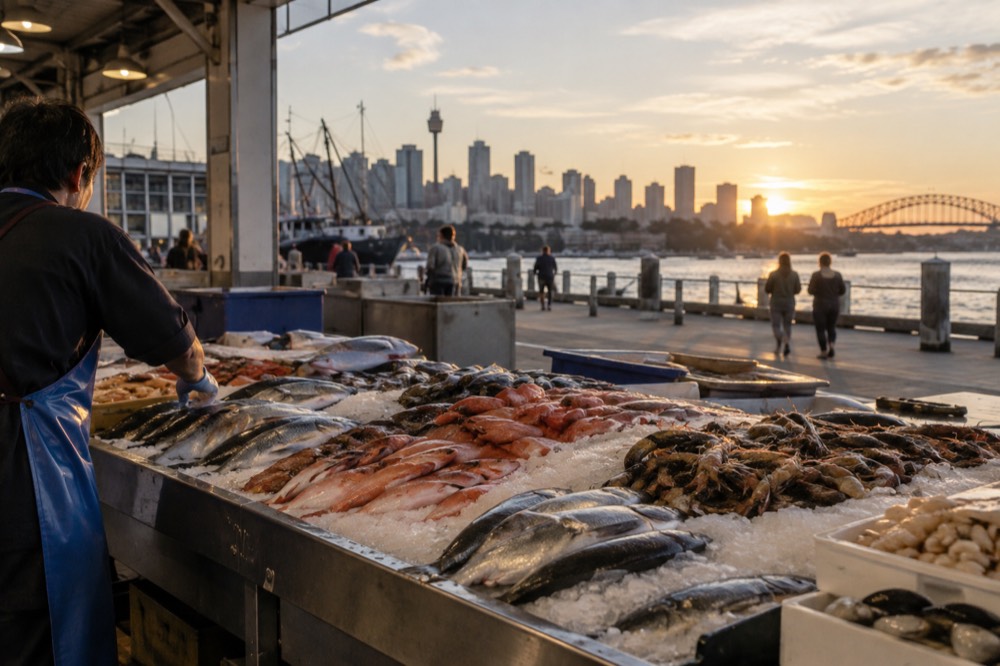
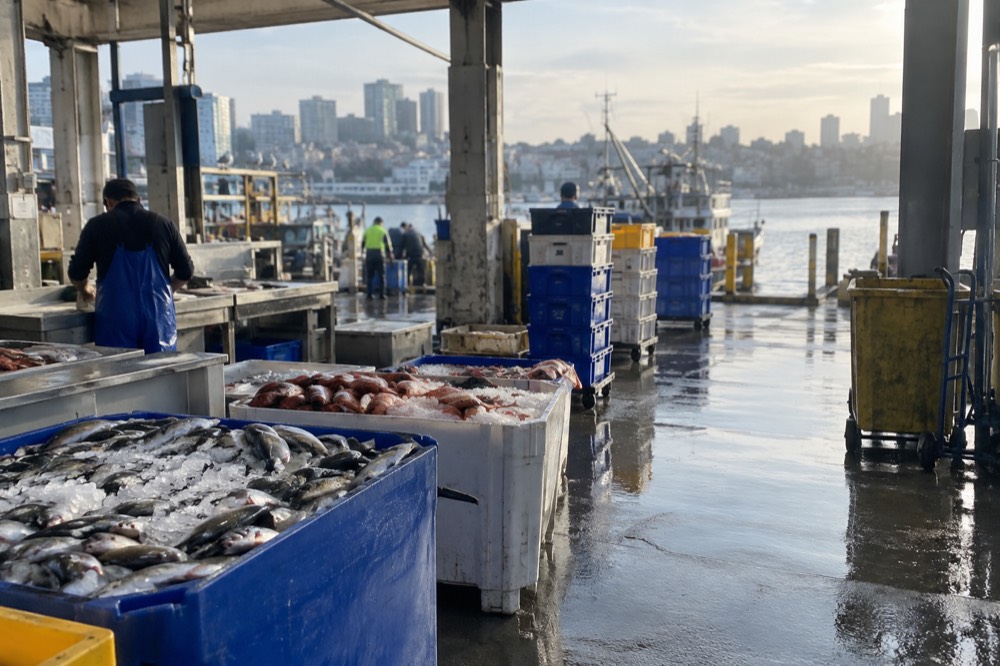
For a visitor, the practical difference is bigger than an address change. The new complex was built for crowds, with the wholesale and retail functions arranged so that the early-morning trade and the all-day tourist flow interfere with each other far less than they used to. The foreshore position also puts the market properly on the water, with the bay on one side and the Anzac Bridge skyline above it.
| The old market | The new Blackwattle Bay site | |
|---|---|---|
| Status | Superseded | Open to the public since January 2026 |
| Retailers | Long-standing stall lineup | More than 40 retailers |
| Format | Wholesale and retail mixed | Wholesale plus public dining precinct |
| Setting | Older foreshore buildings | Purpose-built complex on the bay |
| Getting there | Limited public transport options | New ferry wharf on the Opal network |
If you read an older guide that sends you to the previous site or describes a cramped morning scrum, treat it as history. The Darling Harbour precinct sits a short walk or ferry ride east, and the market now sits at the western end of the same stretch of working harbourfront.
How Do You Get to the Sydney Fish Market?
The Sydney Fish Market is reachable by ferry, light rail, bus and foot, and the ferry is the newest option: the F10 Blackwattle Bay service joined the Opal network in 2026, giving the market a wharf of its own for the first time. Light rail and bus connections serve the surrounding Pyrmont and Glebe streets, and walking from Darling Harbour takes most people well under half an hour.
The ferry is the change worth knowing about. Transport for NSW added the Blackwattle Bay ferry services to the Opal network in 2026, which means an ordinary Opal card or a contactless credit card now taps on and off with the same caps and transfer discounts that apply across the network. The official announcement of that change is here: Blackwattle Bay ferry services join the Opal network. If you have already read our Sydney ferries guide, this is the one route that was added most recently.
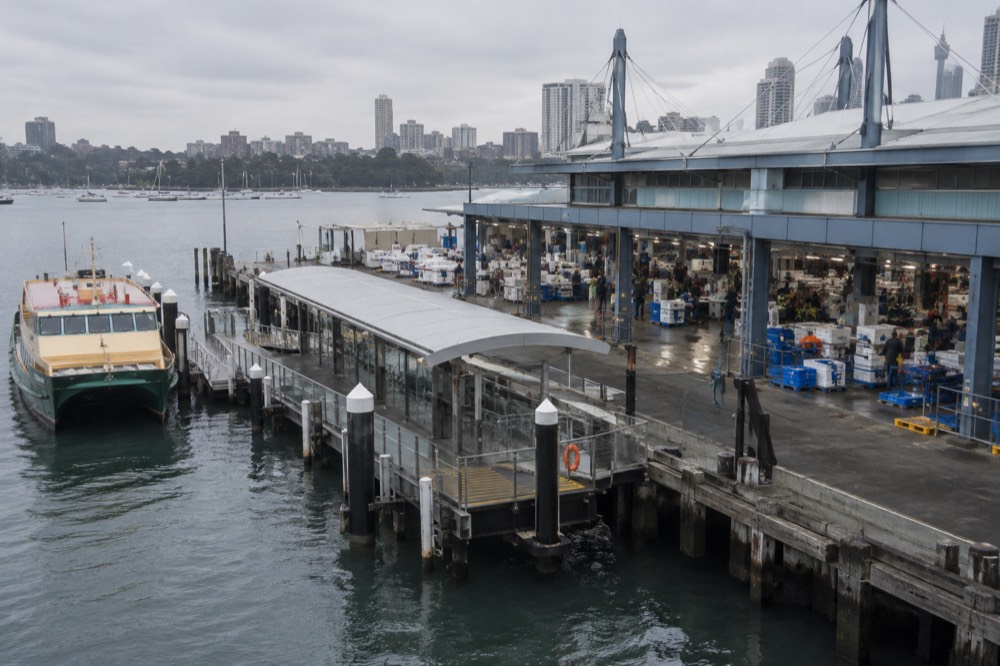
Every other option still works. The light rail runs through Pyrmont with stops within walking distance of the bay, buses serve the main roads on both the Pyrmont and Glebe sides, and the walk from Darling Harbour along the foreshore is flat and simple. Check the Trip Planner on the Transport for NSW site for the exact combination on your day, because wharf and stop details around a newly opened precinct settle in gradually.
| Way in | What it involves | Good for |
|---|---|---|
| F10 ferry | Opal or contactless tap on and off at the Blackwattle Bay wharf | Arriving the way the seafood does, by water |
| Light rail | Stops in Pyrmont within walking distance of the market | Coming from the CBD or Darling Harbour |
| Bus | Regular services on the main roads around Pyrmont and Glebe | Direct trips from areas the ferries miss |
| On foot | Flat foreshore walk from Darling Harbour | Combining the market with a harbour stroll |
Opal fares are distance-based and capped. An adult pays by distance band, the daily cap is $19.30 from Monday to Thursday and $9.65 from Friday to Sunday and on public holidays, and the weekly cap is $50. Full fare tables are published by Transport for NSW at the adult Opal fares page. Our Opal card guide for visitors explains the caps in plain language if this is your first day on the network.
If you are building the whole day around food rather than just the market, a guided option takes the logistics off your plate. These are the three tours we would shortlist for a Sydney food-and-sightseeing day:
What Should You Eat at the Sydney Fish Market?
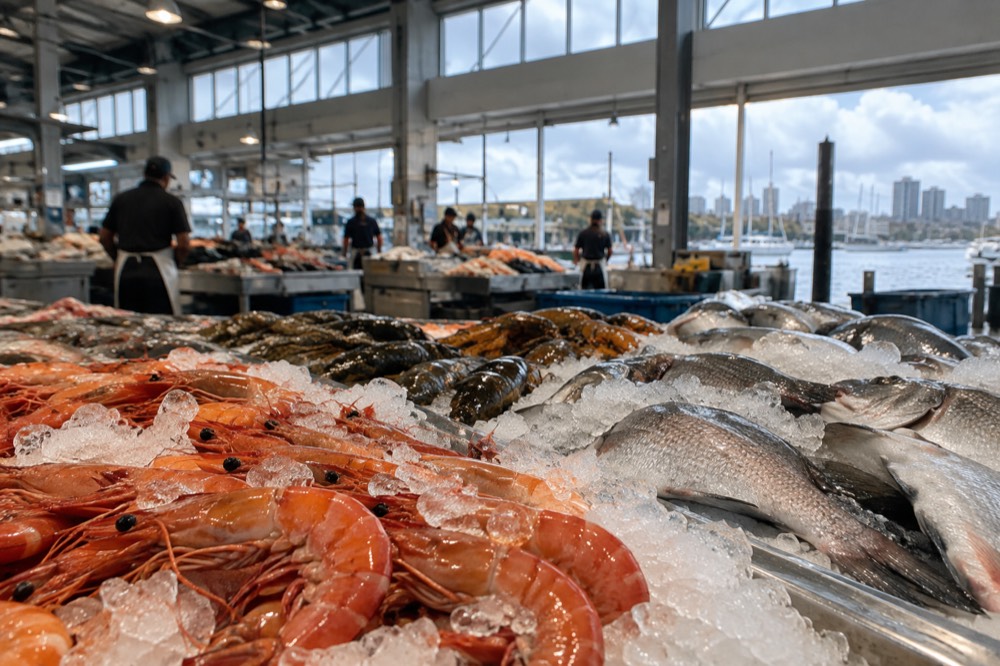
Eat what was unloaded that morning: Sydney rock oysters, sashimi-grade fish, prawns by the half kilo, and a proper fish and chips eaten on the foreshore. The new site's more than 40 retailers span raw seafood to eat-in dining, so the working strategy is to graze across several counters rather than order one big meal, and to buy a second round only after the first is finished.
The market's strength is the gap between the wholesale floor and your plate. Retailers at the new site sell everything from live crustaceans to ready-to-eat takeaway, and the seafood on sale is drawn from the same trading floor that supplies Sydney's restaurants. That is the whole point of the place: the fish is as fresh as it gets in this city without a fishing rod.
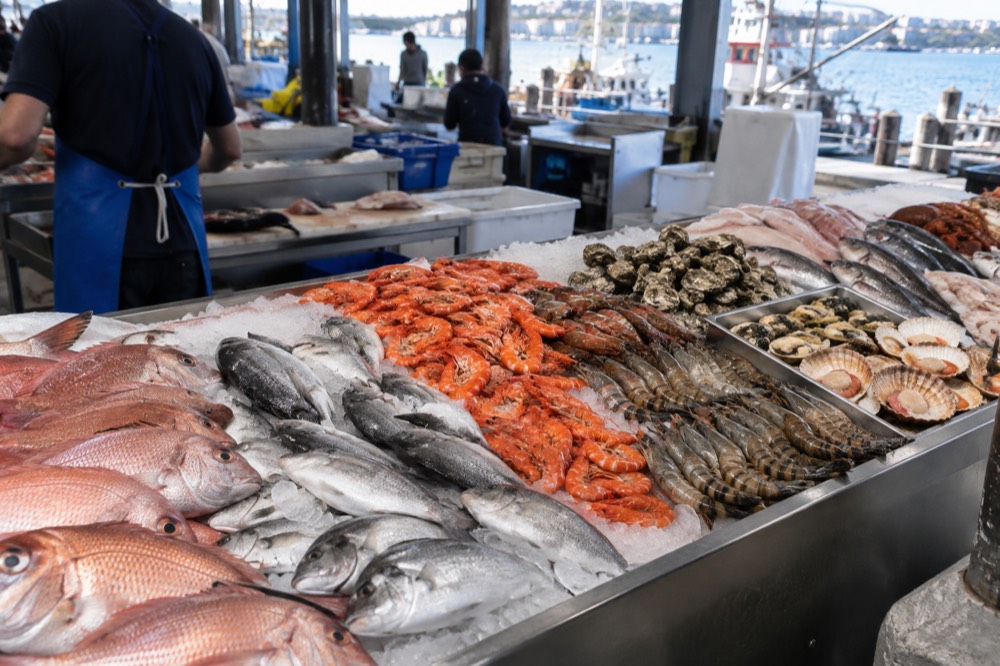
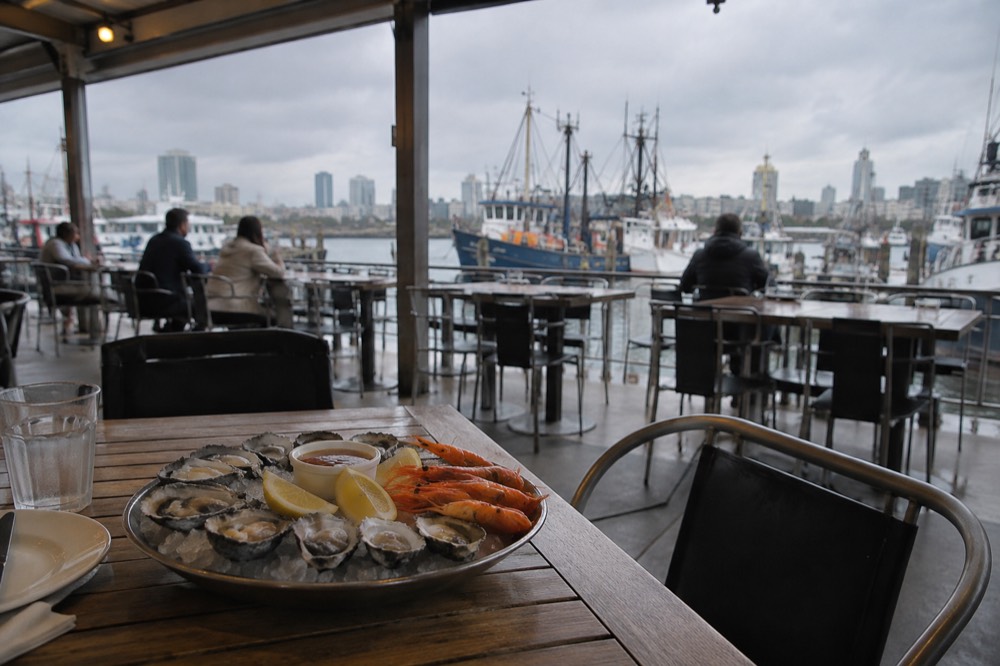
Order like a local rather than like a tourist in a hurry. Oysters are sold by the half dozen or dozen and shucked while you wait. Sashimi and poke-style bowls appear at several counters. Whole fish can be cleaned and cooked at some stalls, and the classic Sydney move is fish and chips or a prawn roll eaten outside looking at the bay. Bring cash and card both, since stall setups at a newly opened precinct vary, and expect weekend queues at the popular counters.
The market also anchors a bigger food scene. Sydney's broader eating culture is covered in our Sydney food guide, and the market is a natural companion piece to a crawl through Chinatown, which sits a short light rail trip away. If you would rather have the tastings chosen for you, the six-tasting Secret Food Tours walk is the established guided option in the city centre, and it pairs well with a market visit on a separate day.
When Is the Best Time to Visit the Sydney Fish Market?
Weekday mornings are the calmest time at the Sydney Fish Market, because the wholesale trade runs early and the tourist crowds build later. Weekends bring the biggest atmosphere and the longest queues. There is no bad season, since the market is indoors, but any time near a public holiday means crowds, and Sydney's public holidays run on their own calendar that is worth checking before you set a date.
The rhythm of a fish market rewards early risers. The wholesale side of the operation is a dawn business, and the first hours after the retail counters open are when the display cases look their best and the queues are shortest. By midday on a Saturday the aisles are full and the popular counters have waits. None of that is a reason to avoid it, since a busy market is part of the spectacle, but it changes what you should plan.
Sydney's public holiday calendar matters more here than most visitors expect. A holiday Monday turns the market into a weekend-scale crowd, and the NSW Government publishes the full list of holiday dates each year, including the oddities, like the August Bank Holiday that applies to banks only and is not a public holiday for most workers. Our Sydney public holidays and school holidays page breaks down which dates actually change the city's rhythm.
Weather barely matters, which is a genuine plus in a city where June, not a summer month, is statistically the wettest month of the year, averaging 133.1 mm of rain. The market halls are covered, the ferry wharf is close, and a wet day is arguably the best day to be indoors among the oyster counters. If rain does catch you elsewhere in the city, our Sydney rainy day itinerary has the full list of covered options.
How Much Does a Visit to the Sydney Fish Market Cost?
The market itself costs nothing to enter; you pay only for what you eat, so a visit can run from a $20 snack to an unlimited seafood feast. The transport is the predictable part: Opal fares are distance-based with a $9.65 daily cap on Fridays, weekends and public holidays, and the ferry, light rail and bus to the market all sit inside the same cap. Budget for food, not for tickets.
Seafood prices at the counters move with the catch, which is why no honest guide prints a fixed price list for the stalls. What you can plan precisely is the getting there. An adult Opal fare depends on the distance band travelled, ferries charge $7.35 for trips up to 9 km and $9.20 beyond, and every fare counts toward the daily and weekly caps. The chart below shows the fare structure that applies to every trip you make around the market.
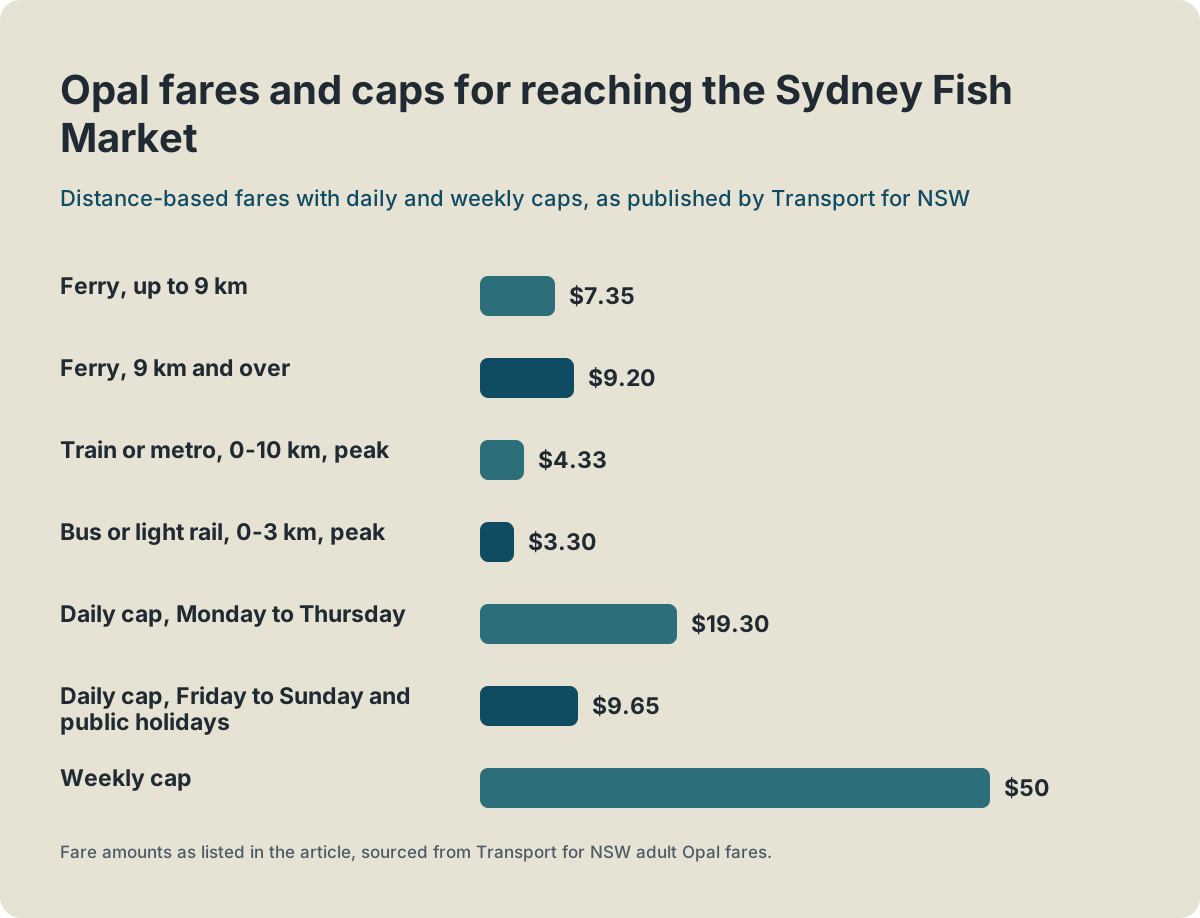
| Fare element | Amount |
|---|---|
| Ferry, up to 9 km | $7.35 |
| Ferry, 9 km and over | $9.20 |
| Train or metro, 0-10 km, peak | $4.33 |
| Bus or light rail, 0-3 km, peak | $3.30 |
| Daily cap, Monday to Thursday | $19.30 |
| Daily cap, Friday to Sunday and public holidays | $9.65 |
| Weekly cap | $50 |
The caps are the detail that changes behaviour. Once you hit the daily cap, further trips that day are free, so a morning at the market, a ferry to Darling Harbour and an evening trip back to your hotel can all land inside one capped day. Off-peak discounts of 30 percent apply on trains, metro, buses and light rail on Fridays, weekends and public holidays, though not on ferries.
Can You Combine the Fish Market with Other Sydney Sights?
Yes, easily: the market sits at the western end of a walkable harbourfront chain that runs through Pyrmont to Darling Harbour, and Glebe is just across the bay. A realistic day pairs a morning at the market with Darling Harbour's museums and ferries, or with a wander through Glebe's bookshops and cafes, finishing with a harbour cruise in the evening. You do not need a full day for the market alone.
The geography does most of the work. Blackwattle Bay sits between Pyrmont and Glebe, which means the market is a natural first or last stop on a day that also takes in the Darling Harbour precinct, the Queen Victoria Building (QVB) shopping streets, or the fish-and-chips-on-the-water ritual of Watsons Bay, which is a ferry ride in the other direction.
For the evening, the harbour dinner cruise from Darling Harbour is the natural bookend to a market morning, since it turns the same body of water into dinner theatre with the city lit up around you. Check availability if a three-course early dinner on the water sounds like the right finish.
If you would rather stay on dry land, the sightseeing cruise from Circular Quay is the shorter, cheaper way onto the water, and it connects neatly with the ferry you may already have used to reach the market. It runs in a morning or an afternoon departure, so it slots into either half of a market day without forcing a rewrite of your plan.
Is the Sydney Fish Market Worth Visiting?
For most visitors, yes, especially now the new building has made it a comfortable half-day rather than a chaotic errand. It is worth it if you actually like eating seafood, since the freshness gap between the market and a random city restaurant is real. It is skippable if you are vegetarian, short on time or only in Sydney for a single day, in which case the Opera House, the harbour and a beach deserve the hours more.
Honesty first: the market is a food destination, not a sightseeing one. Nobody should rank it above the Sydney Opera House or a ferry ride to Manly on a two-day itinerary. But as the third or fourth item on a longer trip, or as the anchor of a food-focused day, it delivers something the postcard Sydney cannot, which is the city's working waterfront doing its actual job while you eat the results.
The guided comparison is worth making. A food tour through the city centre, like the six-tasting Secret Food Tours walk, covers more ground and more cuisines in one organised sitting, and suits travellers who want the decisions made for them. The market suits travellers happy to wander, queue and choose. Many people do both on different days, and the pairing works because they barely overlap.
| Experience | Best for | Style |
|---|---|---|
| Sydney Fish Market | Seafood lovers who like choosing their own counters | Self-guided grazing |
| Guided food tour | First-time visitors who want tastings organised | Walk with a guide, multiple stops |
| Harbour dinner cruise | An evening finish with the city skyline | Seated, on the water |
| Ferry to Manly | A cheap, iconic harbour crossing | Self-guided, scenic transport |
For a longer stay, the market also makes a good launch point for a bigger day out. The all-inclusive Blue Mountains day trip with a local guide is the most popular full-day tour from Sydney, and a market breakfast followed by an early departure is a Sydney rhythm that works, though most people save the mountains for a day of their own. Our Blue Mountains day trip from Sydney guide covers the train and tour options in detail.
What Do Locals Know That Tourists Miss at the Fish Market?
Locals arrive early, buy at the counter rather than the cafe, and treat the market as a grocery run with lunch attached. They know the wholesale trade sets the pace of the morning, that weekend queues are for tourists and weekday counters are for everyone, and that the best seats are on the foreshore with the bay view. The visitor who copies the early-morning habit gets the best of both worlds.
The single biggest gap between a tourist visit and a local one is timing. The wholesale floor operates in the small hours, and the retail experience early in the day is calmer, colder and better stocked. By lunch the crowds arrive, and by mid-afternoon the best of the display cases has been sold. Arriving early is not a hack, it is simply how the building works.
The second gap is the ferry. Most visitors still arrive by light rail or bus because that is what the older guides said, and the F10 wharf means a water arrival is now as easy as a land one. Taking the ferry also drops you into the market with the harbour already in your day, which makes the later ferry to Darling Harbour or Circular Quay feel like a continuation rather than a new trip. Our getting around Sydney overview puts the market in the context of the whole network.
The third gap is the neighbourhood. Tourists treat the market as a destination and leave; locals know Glebe's cafes, bookshops and weekend markets sit across the bay, and that Pyrmont's foreshore walk connects the whole precinct to Darling Harbour on foot. Give the market two or three hours and give the neighbourhood one more, and you have a genuinely Sydney morning that no bus tour reproduces.
Whichever way you build the day, these three picks cover the food-led, water-led and mountains-led versions of a Sydney visit:
Common Questions About the Sydney Fish Market
Where is the Sydney Fish Market located?
The market trades from a new purpose-built building on the Blackwattle Bay foreshore, opened to the public in January 2026. The bay sits between Pyrmont and Glebe, west of Darling Harbour. Older guides that describe the previous site are out of date.
How do I get to the Sydney Fish Market by public transport?
Take the F10 ferry to the Blackwattle Bay wharf, which joined the Opal network in 2026, or use the light rail and bus services around Pyrmont and Glebe. All options accept Opal or contactless payment and count toward the daily fare caps.
How much does it cost to visit the Sydney Fish Market?
Entry costs nothing; you pay only for the food you buy. Transport is capped by the Opal system, with a $9.65 daily cap on Fridays, weekends and public holidays, so the ferry or light rail ride to the market is a small, predictable cost.
What should I eat at the Sydney Fish Market?
Sydney rock oysters shucked to order, sashimi-grade fish, prawns by the half kilo and a classic fish and chips on the foreshore are the core orders. With more than 40 retailers on the new site, grazing across several counters beats one big sit-down meal.
When is the best time to visit the Sydney Fish Market?
Weekday mornings, when the wholesale trade has just finished and the display cases are full. Weekends have the biggest atmosphere and the longest queues. The market is indoors, so weather matters less than at Sydney's beach attractions.
Is the Sydney Fish Market worth visiting on a short trip?
On a trip of three days or more, yes, as a half-day food stop paired with Glebe or Darling Harbour. On a one or two day visit, the Opera House, a ferry ride and a beach deserve the time more unless seafood is a priority for you.