Is It Cheaper to Get a Taxi or Uber from Sydney Airport?
Taxi or Uber from Sydney Airport: how each is priced, what changes the total, and the cheaper options most visitors never consider.
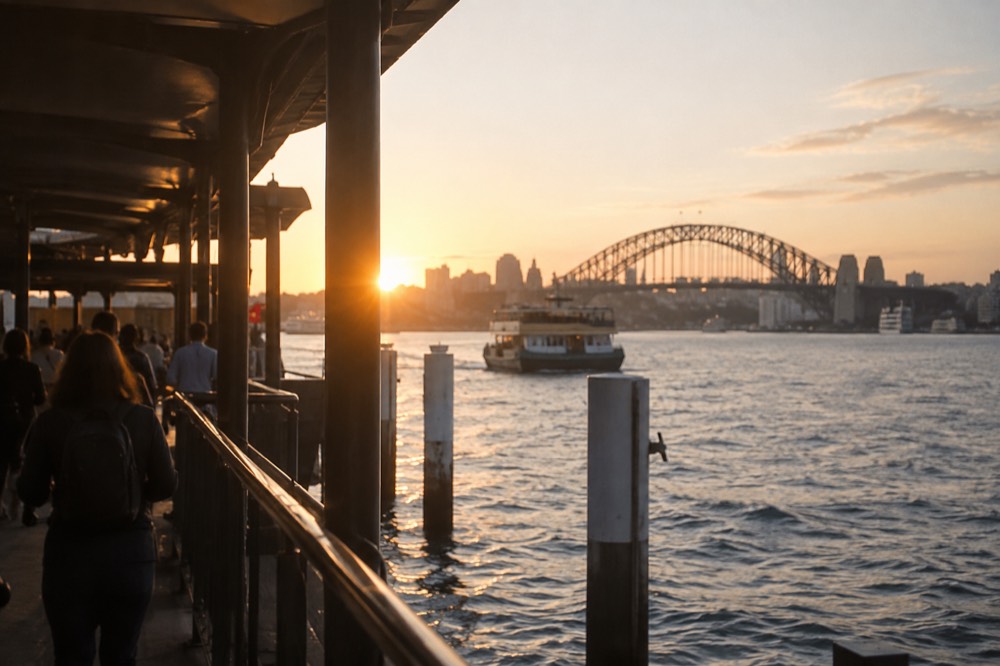
Sydney Airport sits about 8 kilometres south of the central city, and the first decision most arriving visitors make is how to cover that distance. The honest answer on taxi versus Uber is that neither is reliably cheaper in every scenario, because both are priced by time and demand rather than by a flat rate, and both are usually the two most expensive ways into town. What is fixed and knowable is everything around them: the airport's own access charges, the train alternative, and the daily caps that make public transport the better arithmetic for most trips.
Is It Cheaper to Get a Taxi or Uber from Sydney Airport?
There is no single winner, because neither option has a fixed fare. Sydney taxis run on a meter with an airport rank and a booking surcharge built in, while Uber prices surge with demand and adds its own airport pickup fee, so the same trip can cost differently by hour and by day. For a solo traveller heading straight to the central city, the train is cheaper than both, and for two or more people the gap narrows enough that a taxi or Uber becomes a reasonable convenience choice.
The comparison people actually want is a number, and the uncomfortable truth is that no official source publishes one. Taxi fares in New South Wales are set by a meter: a flag fall, a per-kilometre rate and a time component that climbs whenever the vehicle is crawling in traffic. Rideshare fares are set by an algorithm that reads demand in real time. Both models respond to the same trigger, the M5 and Southern Cross Drive corridors jamming at peak hour, and both pass that cost to you. A ride that takes 20 minutes at 10pm can take 45 minutes at 5pm with a bill to match.
What you can plan around is structure. Taxis line up at a rank outside each terminal, so there is no wait for a match and no cancellation lottery. Uber pickups at Sydney Airport are directed to zones that involve a short walk with luggage from some terminals, which is a genuine consideration after a long flight. On price alone, the two are close enough at quiet hours that the choice is convenience, and far enough apart in surge periods that checking both apps against the rank is the only reliable method.
How Taxi Fares from Sydney Airport Work
A Sydney taxi from the airport charges a metered fare plus a rank fee and, for the airport specifically, an additional surcharge that appears on the meter. The meter runs on distance and time, so the total depends on traffic as much as kilometres. Taxis do not surge, which is their one structural advantage over Uber: the price at 5pm on a Friday is the same meter rate, just slower.
The rank is the airport's official taxi channel. You join a queue under a supervisor, and vehicles are dispatched in order. There is no app, no matching algorithm and no dynamic pricing, which means the fare you pay is the fare the meter computes, governed by the NSW point-to-point transport regulator's fare framework. That predictability of method, if not of total, is why many travellers arriving at odd hours default to the rank: at 1am, with few drivers on the road, an Uber quote can be sobering while the taxi meter simply runs.
The trade-off is that a meter punishes congestion. Sydney's airport-to-city corridor is busiest on weekday mornings and the late-afternoon peak, and a taxi sitting stationary still accrues time-based charges. Travellers heading to the eastern beaches or the lower North Shore also pay for distance the train does not conveniently cover, which is where a taxi earns its keep. For destinations like Coogee or Kirribilli, a direct door-to-door ride competes well against a train plus a second leg.
The practical advice from Transport for NSW is that taxis and rideshare both carry airport access levies that the operator passes on, and that the train and the 400 bus do not. That official page is worth a read before you land, because it sets out every option with its charges in one place.
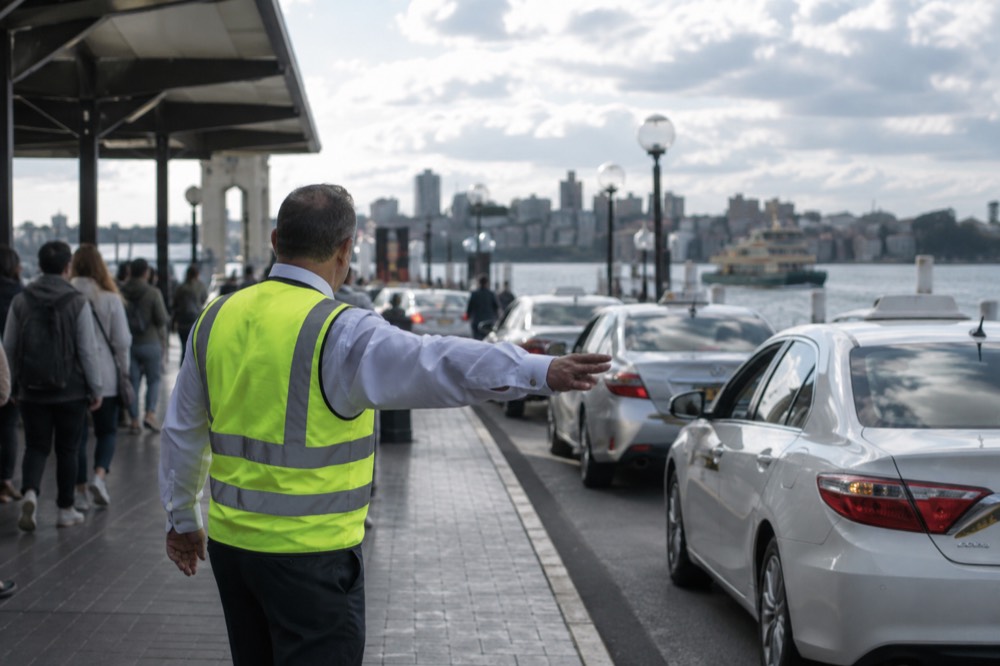
How Uber and Rideshare Pricing Works at Sydney Airport
Uber quotes a fare before you book, and that quote is dynamic: it rises and falls with driver supply and rider demand, and it includes an airport pickup component. The quote you see is locked when you accept it, so unlike a taxi there is no meter running in traffic, but the price you are quoted at 5.30pm can be multiples of the 11am quote for the identical trip.
The lock-in is the real difference. Once you accept a fare in the app, that number is what you pay, even if the M5 turns into a car park. A taxi meter, by contrast, keeps ticking through the same jam. So the two products invert depending on conditions: in heavy traffic, a pre-quoted Uber can beat a metered taxi; in surge conditions, the taxi rank is usually the safer bet for your wallet.
Sydney Airport also adds friction to rideshare pickups. Depending on the terminal, drivers collect passengers from designated zones that can mean a walk with your bags, and at busy periods the queue of waiting riders can outlast the taxi rank's steady throughput. There is also a smaller pool of drivers willing to wait inside [airport pickup](https://kiwitaxi.tpk.ro/TtV4BOjc) zones, which is part of why airport quotes run higher than equivalent city trips. None of this makes Uber a bad choice; it makes it a choice worth pricing against the rank before you commit.
A pattern worth knowing: solo arrivals and couples heading to the CBD are usually better served by the train, while families of three or four with luggage heading beyond a station can find a rideshare quote competitive once you add up multiple fares and transfers. If your plan for the first day is sightseeing rather than a hotel, it can also make sense to skip the door-to-door debate entirely and put the money toward getting around the city properly, which is where the hop-on hop-off options come in.
The Cheaper Alternatives Most Visitors Miss
The airport train is cheaper than any taxi or Uber for the central city, with a catch: the airport stations charge a station access fee of $18.61 per adult on top of the normal fare, outside the usual Opal caps. The 400 bus carries no access fee at all and connects to the train network at stations such as Bondi Junction and Wolli Creek, making it the genuine budget route.
That access fee is the single most misunderstood number in Sydney transport. Visitors read that the airport train is expensive, and it is, but the reason is a specific, published charge rather than the fare itself. Transport for NSW's own airport fares page sets it out: the access fee applies at both Domestic and International stations, is charged on top of the train fare, and sits outside the daily and weekly Opal caps, though it has its own separate weekly cap of $37.75. Even with the fee included, one adult to Central costs less than any taxi or Uber quote in normal conditions.
For two people travelling together the comparison tightens, because the access fee is per person while a taxi fare is per vehicle. A couple heading to the CBD may find a rideshare quote within reach of two train fares, and a family of four often comes out ahead in a car. This is the arithmetic worth doing on the tarmac: per-person fares versus per-vehicle fares, plus the destination. The train wins decisively for the CBD and loses relevance for anywhere the stations do not reach.
| Option | How it is priced | Airport access charge | Best for |
|---|---|---|---|
| Taxi | Meter: flag fall, distance, time | Rank and airport surcharges passed on | Odd hours, no app, fixed method |
| Uber / rideshare | Pre-quoted dynamic fare | Airport pickup fee in the quote | Traffic jams, comparing before booking |
| Airport train | Opal or contactless fare | $18.61 station access fee per adult, outside caps | Solo and CBD-bound travellers |
| 400 bus | Opal or contactless fare | None | Budget travellers, eastern suburbs connections |
The 400 bus deserves more attention than it gets. It runs between the airport and Bondi Junction, passing several stations where you can transfer, and because it is a regular route bus it carries no access fee whatsoever. Tap the same contactless card you would use on the train. It is slower and less glamorous, but for a traveller on a tight budget it is the cheapest legitimate way out of the airport, and Transport for NSW's visitor payment guide confirms contactless cards are charged exactly the same as an Opal card, caps included.
Which Should You Choose for Your Trip?
Choose the taxi rank if you arrive at an odd hour, have no app set up, or land during a surge. Choose Uber if you check the quote against the rank and it comes in lower, especially in heavy traffic. Choose the train if you are one or two people heading to the central city, and the 400 bus if the budget matters more than the clock.
The decision is really three questions. How many people are in your group, because per-vehicle pricing favours groups and per-person pricing favours solo travellers. Where are you going, because the train network's reach determines whether the access fee buys you anything useful. And what time is it, because both taxi meters and surge pricing are time-sensitive in opposite ways. A traveller landing at 6am on a Sunday heading to a CBD hotel should almost certainly be on the train. A family of four landing at 11pm in the rain heading to Coogee has a strong case for the rank.
For the days after arrival, the calculus changes entirely. Once you are in the city, the Opal caps do work that no taxi or Uber can, and a full day of ferries, trains and buses is capped at $9.65 on a Sunday while a single cross-town Uber can exceed that on its own. If your itinerary is the standard first-visit rotation of Circular Quay, Bondi, Manly and The Rocks, the ferries and trains cover almost all of it, and a hop-on hop-off bus handles the rest with commentary thrown in.
The Sydney and Bondi Big Bus hop-on hop-off tour is built for exactly this pattern: it links the city's main sights with Bondi over one or two days, with an optional harbour cruise, and spares you the per-trip ride-hailing decisions altogether.
For a fuller treatment of the arrival question, the airport to CBD transfer guide walks every option in detail, and the cheapest ways out of the airport piece covers the budget end. If you are weighing the train against the caps, the Opal daily cap and ferries explainer sorts out what counts. For the broader picture of getting around once you have landed, the airport to city guide and the getting around Sydney guide are the two pages worth reading on the plane. This article sits inside Sydney Travel Guide, a site that prices every transport claim against the official fare pages.
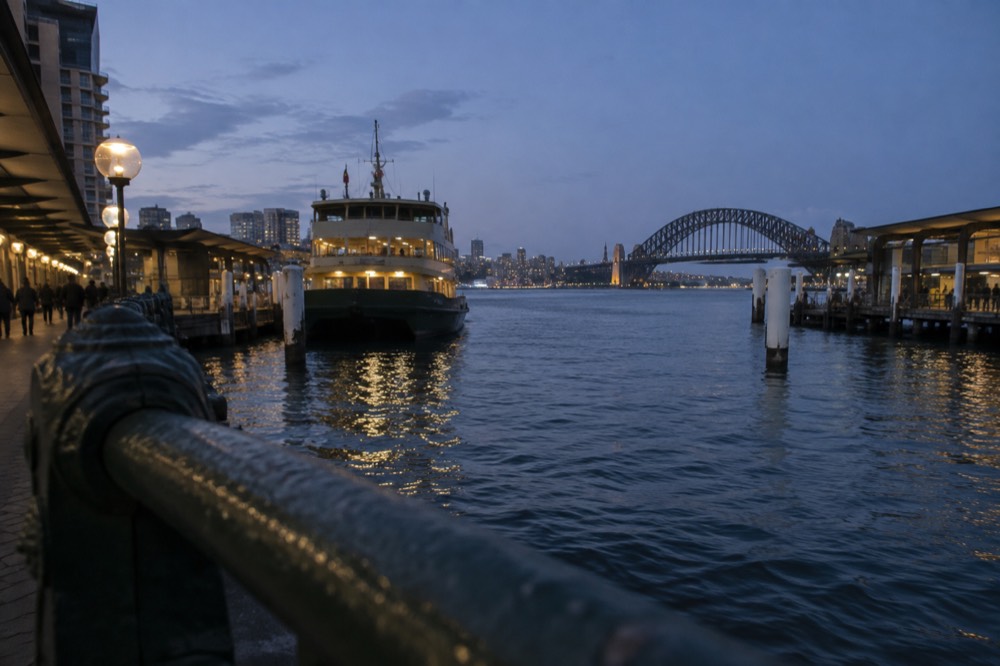
Whatever you decide at the kerb, the money you save on the transfer itself is best redeployed into the parts of the trip a fare cannot buy back. A day in the Blue Mountains, an attractions pass that bundles the aquarium and the tower, or a bus loop that connects the city to Bondi all cost less than a week of reflex ride-hailing, and each one replaces a trip you would otherwise have paid a surge price for.
Common Questions About Taxis and Uber from Sydney Airport
Is it cheaper to get a taxi or Uber from Sydney Airport?
Neither has a fixed fare, so neither is reliably cheaper. Taxis run on a meter with airport surcharges; Uber quotes a dynamic price that can surge. Compare the app quote against the rank at your arrival time, and remember the train is cheaper than both for most CBD-bound trips.
Does the airport train cost more than a normal Sydney train?
Yes. Both airport stations charge a station access fee of $18.61 per adult on top of the standard fare, and that fee sits outside the daily and weekly Opal caps. The 400 bus carries no access fee, which is why budget travellers use it.
Can I use a credit card instead of an Opal card?
Yes. A contactless Visa, Mastercard or American Express card, or a phone wallet, is charged exactly the same as an Adult Opal card, with the same caps, the same off-peak discounts and the same transfer benefits. Opal single trip tickets cost more and earn no benefits at all.
Do Uber fares from Sydney Airport include an airport fee?
Yes. The quote you see in the app includes the airport's pickup component, so airport trips price higher than equivalent city trips. The quote is locked when you accept it, so traffic after acceptance does not change your fare.
Is a taxi from Sydney Airport more expensive at night?
Taxi meter rates include higher charges for late-night periods, so the same trip costs more at night than midday. Uber surge pricing can be higher still at those hours if few drivers are on the road, which is why the rank is often the safer night bet.
How much is a taxi or Uber from Sydney Airport to the city?
There is no official published fare, because taxi meters and rideshare algorithms both price by distance, time and demand. The only fixed, published figures for the corridor are the train fare plus the $18.61 station access fee, which is why the train is the benchmark every other option should be measured against.