Sydney vs Melbourne: Which Australian City Should You Visit?
Sydney and Melbourne have been rivals for more than a century, and travellers inherit the argument the moment they plan an Australian trip. One is a harbour city built around water and light; the other is a laneway city built around coffee, art and sport. Here is how they actually compare, category by category.
Short answer
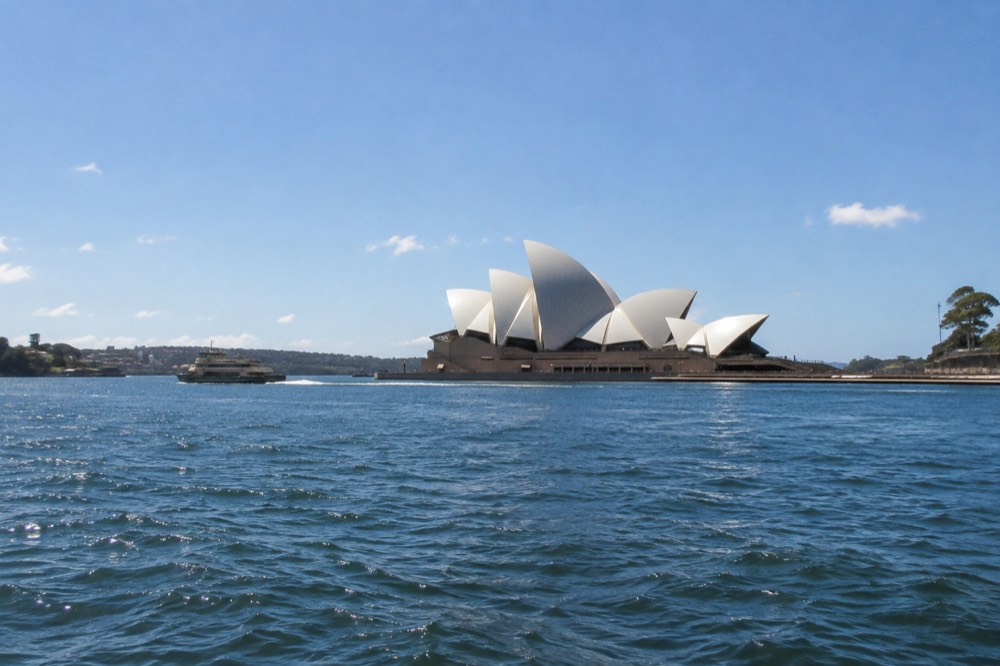
Sydney wins on natural setting: a working harbour, surf beaches inside the city, and the Opera House. Melbourne wins on food culture, laneway atmosphere and cheaper accommodation. Most first-time visitors with 4 or more days should see Sydney first; Melbourne rewards a second trip, or a long weekend of eating and wandering.
Ask an Australian which city is better and you will get an answer shaped by where they grew up. Ask a traveller, and the honest reply is that Sydney and Melbourne are not really competing: they are two different kinds of city that happen to share a coastline and a rivalry. Sydney is arranged around its harbour, all water, sandstone and sails. Melbourne is arranged around its laneways, all espresso, street art and four seasons in one day.
That distinction runs through every category below. This guide compares the two cities honestly, category by category, using verified Sydney figures and a clear-eyed account of what Melbourne does better. If you are still deciding after the verdict, the internal links at each decision point lead to deeper pages on this site.
Sydney vs Melbourne: Which City Should You Visit?
Choose Sydney if your trip is built around water, icons and photographs: the Opera House, the Harbour Bridge, surf beaches you can reach by ferry or bus, and whale watching from May to November. Choose Melbourne if your trip is built around food, coffee, galleries and laneway wandering, and you care less about a postcard skyline. With five days or fewer, one city beats splitting the trip between both.
The biggest mistake travellers make is trying to do both cities in one short trip. The flight between them takes about 90 minutes, but the [airport transfers](https://kiwitaxi.tpk.ro/TtV4BOjc), packing and half-days lost to transit eat a two-city itinerary alive. A five-day trip split between Sydney and Melbourne gives you roughly two usable days in each, which is enough to see the postcard sights and nothing else.
A better structure is to pick the city that matches what you actually want from the trip, then save the other for a return visit. Australia is far from everywhere, and most travellers who fall for one city come back for the other within a few years. If you want the fuller argument in question form, our Sydney or Melbourne comparison piece works through the same decision as a straight question-and-answer, and is Melbourne best or Sydney takes the Melburnian side seriously.
What Does Each City Do Best?
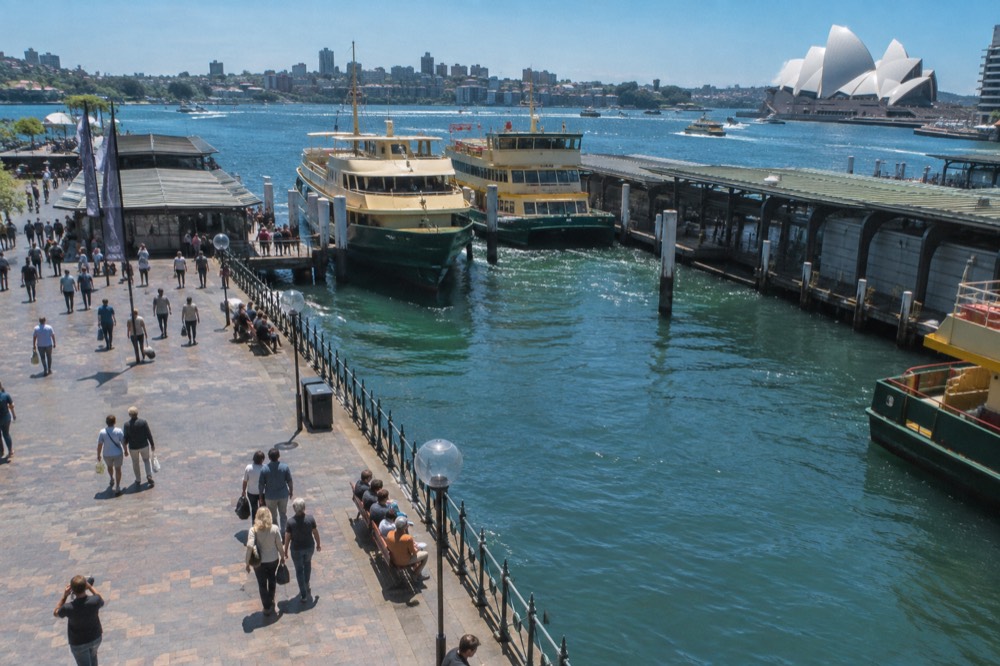
Sydney's single greatest asset is geography that no other Australian city has: a vast working harbour with a national park on its headlands, ocean beaches inside the suburban rail network, and the country's two most recognisable buildings facing each other across the water. Melbourne's greatest asset is culture at street level, where the laneways, the coffee, the galleries and the live music stack into a city that rewards aimless walking more than any other in Australia.
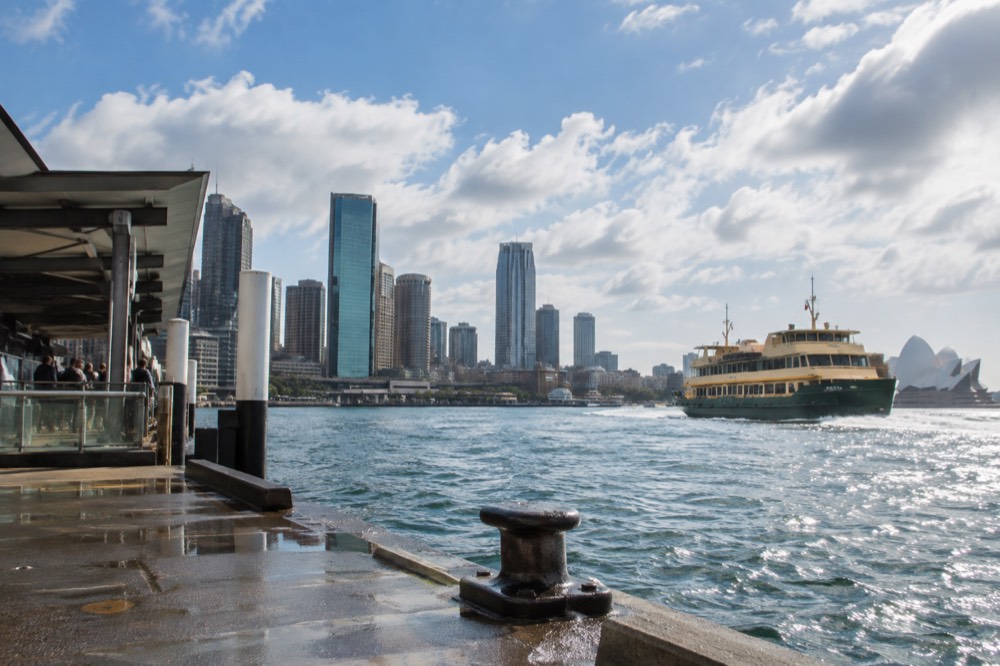
Sydney is a city you look at. The Sydney Opera House and the Sydney Harbour Bridge sit at the centre of a harbour that stretches west past Darling Harbour and north into bushland, and almost every visitor's first two days are spent circling that water by ferry, foot or bike. The official one-hour Opera House tour runs daily from roughly 9am to 5pm, and the guided version with entry included is the most-booked introduction to the building on this site.
Melbourne is a city you participate in. Its famous laneways, Hosier Lane most of all, are working alleys filled with murals, bars and espresso machines, and its strength is density: everything worth doing sits within a walk of everything else. Melbourne's gallery precinct, the MCG on match day, and a live music scene that punches far above the city's size all belong to that participatory character.
The honest summary is that Sydney's best experiences are set pieces and Melbourne's are textures. Neither approach is better; they just suit different travellers. Families and first-time visitors usually want set pieces. Food-led travellers, couples and repeat visitors to Australia usually want texture. The table below is the short version of every category that follows.
| Category | Winner | Why |
|---|---|---|
| Harbour and beaches | Sydney | Ocean beaches inside the fare network, ferries as transport |
| Food and coffee | Melbourne | Deeper laneway dining, better coffee floor |
| Weather | Sydney | Warmer, clearer, less changeable |
| Getting around | Draw | Sydney's ferries versus Melbourne's free tram zone |
| Cost | Melbourne | Cheaper central accommodation and cheap eats |
| Day trips | Sydney | Blue Mountains, Royal National Park, Hunter Valley |
| Nightlife | Melbourne | More depth, later licences |
How Do the Harbours and Beaches Compare?
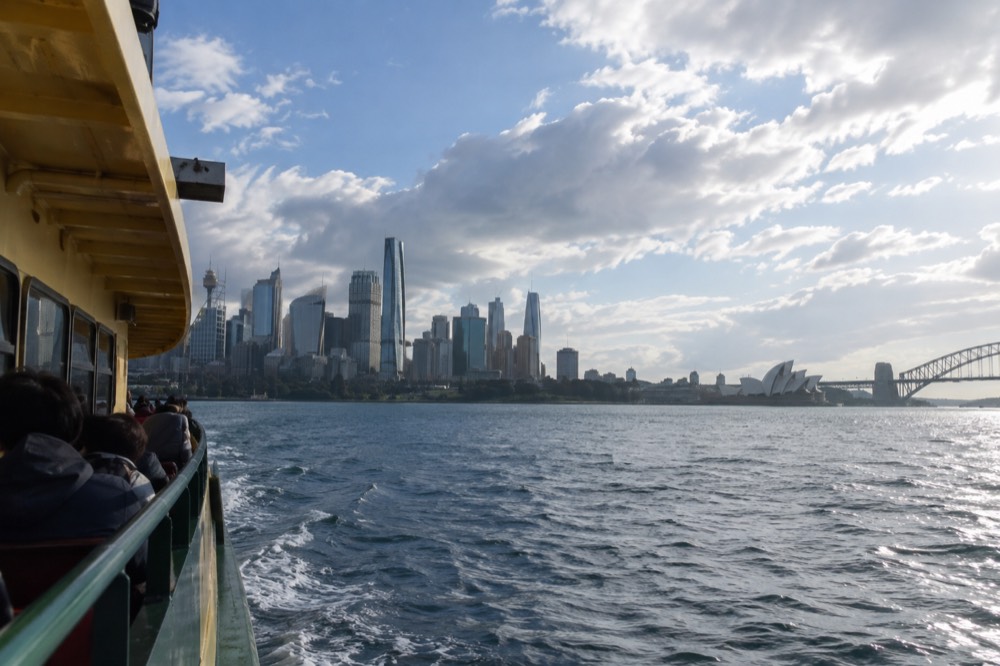
Sydney wins this category outright, and it is not close. Melbourne's Port Phillip Bay is pleasant but shallow and flat, while Sydney Harbour is a drowned river valley with ferries that double as commuter transport, and ocean beaches, Bondi, Manly, Coogee and their neighbours, inside the ordinary fare network. Melbourne has no equivalent: its famous beach, Brighton, is a bay beach without surf.
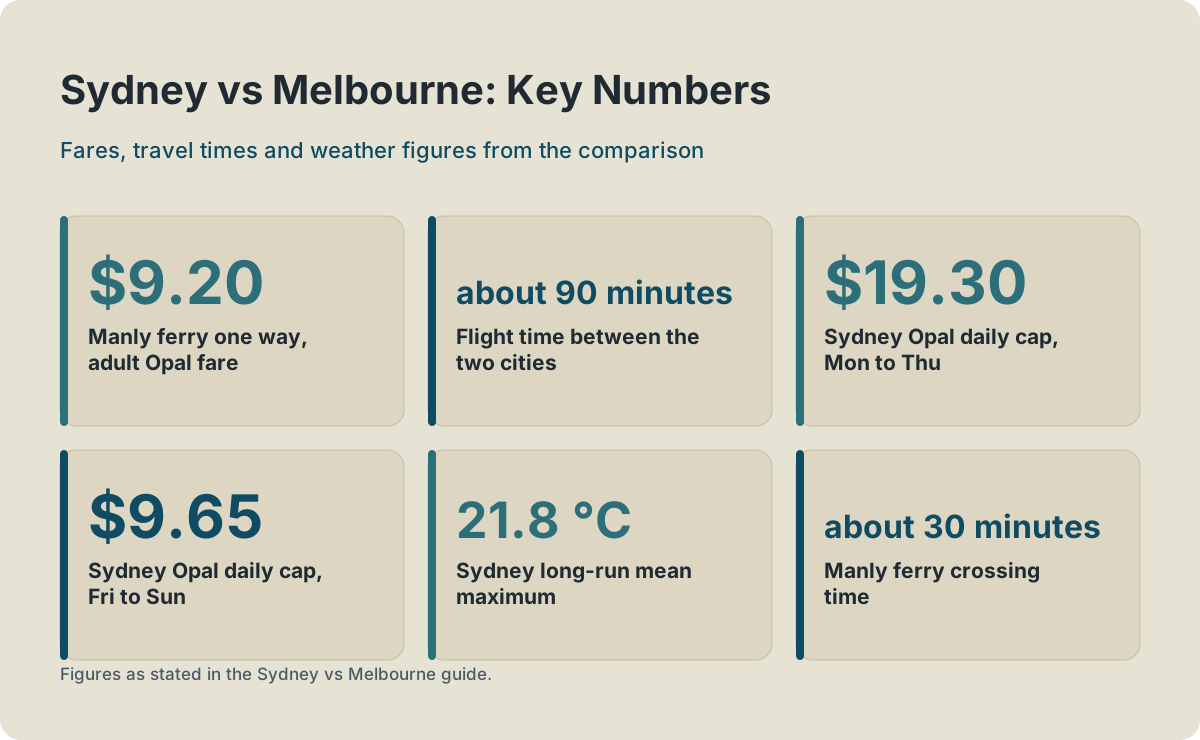
The Manly ferry alone settles the argument for many visitors. It costs $9.20 one way on an adult Opal fare, takes about 30 minutes across open harbour water, and passes the Opera House, Fort Denison and the heads on the way out. That is a commuter service. Melbourne's nearest equivalent, the ferry to Williamstown or Port Melbourne across the Yarra and bay, is a pleasant ride but not a journey anyone writes home about.
Sydney's beaches are also genuinely swimmable and patrolled. Bondi, Bronte, Tamarama, Coogee and Manly all have council lifeguards year-round, which most visitors assume is not true outside summer. The Bondi to Coogee coastal walk links four of them along sandstone cliffs in about two hours. Melbourne's surf beaches exist, but they are an hour or more out of the city at Torquay and the Bellarine, which is a day trip, not a morning.
| Beach | City | Patrol | Notes |
|---|---|---|---|
| Bondi | Sydney | Council lifeguards year-round | High season 6am-7pm, low season 7am-5:30pm |
| Manly | Sydney | Council lifeguards year-round | Reachable by the F1 ferry from Circular Quay |
| Coogee | Sydney | Council lifeguards year-round | Calmer southerly corner suits families |
| Bronte | Sydney | Council lifeguards year-round | Free ocean pool beside the beach |
| Brighton | Melbourne | Seasonal patrols | Bay beach, calm water, no surf |
The harbour sightseeing cruise in that selection is the cheapest structured way onto the water, running 90 minutes from Circular Quay morning or afternoon. If your Sydney days are built around the harbour, the Sydney harbour cruises guide compares every format from tall ships to jet boats.
Whale watching is another Sydney-only card, and it is seasonal: humpbacks migrate along the NSW coast from May to November, northbound roughly May to July and back with calves from August to November, with peak numbers late June through July, according to NSW National Parks. Melbourne has whale watching too, at Warrnambool, but it is a three-hour drive away.
Which City Has Better Food and Coffee?
Melbourne wins on depth and consistency: it is Australia's coffee capital by common consent and by the quality of its worst cup, its laneway dining scene covers more cuisines at a higher standard, and its cheap-eats floor is lower. Sydney wins on setting and seafood: harbourfront dining, the new Sydney Fish Market at Blackwattle Bay, and a stretch of beachside and waterfront restaurants Melbourne cannot match, because Melbourne has no equivalent waterfront.
Coffee is the clearest divide. Melbourne's espresso culture is a point of civic identity: the city's cafés roast their own, pull shots with visible care, and treat a bad flat white as a reputational emergency. Sydney's coffee is very good, and the Sydney coffee guide maps the best of it, but the floor is lower and the culture less uniform.
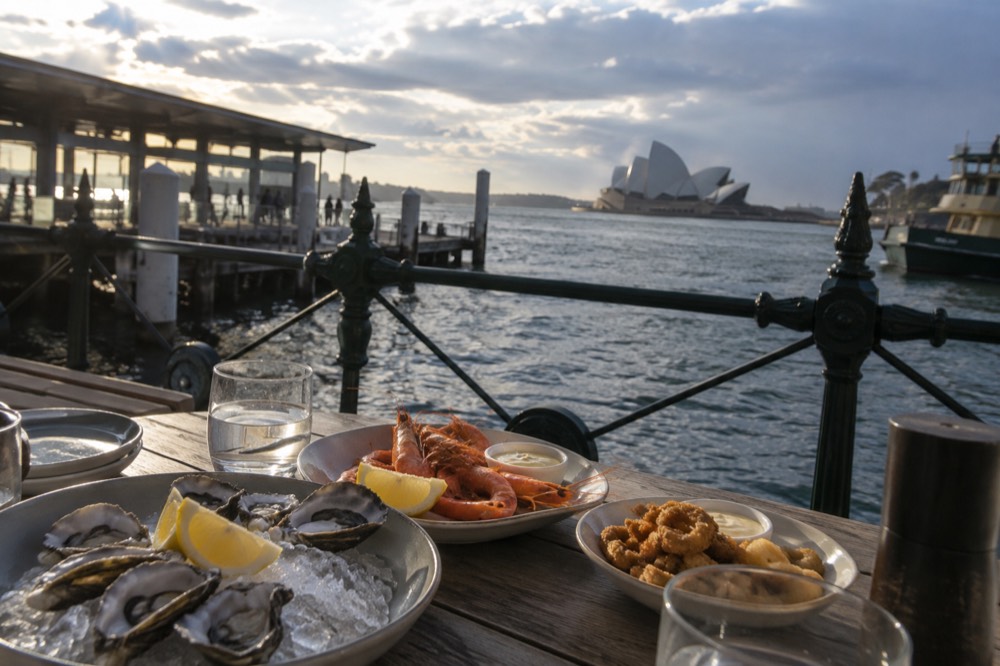
The Sydney food guide makes the case that Sydney's strength is produce and position: the fish market moved to its new Blackwattle Bay building in early 2026 and holds more than 40 retailers, and the city's Chinatown, Thai and Lebanese scenes are as strong as anything in Melbourne. But Melbourne's laneway density means you can eat brilliantly without ever researching where you are going, which is not a claim Sydney can make.
A guided tasting walk is the fastest way to read a food city, and Sydney's six-tasting Secret Food Tours run three and a half hours through the central streets. Melbourne runs equivalents in its laneways, and the honest verdict is that Melbourne's are marginally better while Sydney's are easier to book around a harbour day.
Nightlife splits the same way. Melbourne's bar scene, hidden entrances, rooftop layers, late licences, is the country's best. Sydney's nightlife recovered strongly after its lockout laws were scrapped and its harbour-lit rooftop bars have a view advantage no Melbourne rooftop can answer, but the depth still belongs to Melbourne.
How Does the Weather Compare?
Sydney is warmer, sunnier and more predictable: a long-run mean maximum of 21.8 °C across the year against Melbourne's famously changeable four-seasons-in-one-day climate, and August is Sydney's clearest month, with 13.4 mean clear days. Melbourne gets more rain days in winter, colder snaps, and hotter, drier heat in summer. For a visitor, Sydney's weather interferes with plans less often.
The counterintuitive fact most guides miss is that Sydney's own rainfall peaks in winter, not summer. June is Sydney's wettest month on the long-run averages, 133.1 mm, wetter than any summer month, while February, the middle of peak season, is its cloudiest. The Bureau of Meteorology's full normals table for Sydney Observatory Hill is the source for every figure in this paragraph, and the Sydney weather month-by-month guide works through what that means for planning.
| Month | Mean max °C | Mean min °C | Mean rainfall mm | Mean clear days |
|---|---|---|---|---|
| Jan | 26.0 | 18.8 | 101.2 | 6.8 |
| Feb | 25.8 | 18.9 | 119.3 | 5.3 |
| Jun | 17.0 | 9.3 | 133.1 | 9.1 |
| Jul | 16.4 | 8.1 | 96.3 | 12.0 |
| Aug | 17.9 | 9.0 | 80.2 | 13.4 |
| Dec | 25.3 | 17.6 | 77.1 | 6.6 |
Melbourne's weather reputation is earned. Sitting at the end of a vast plain with cold fronts sweeping off the Southern Ocean, it can move from 30 °C to 15 °C in an afternoon, and locals carry jackets in summer for a reason. Sydney sits further north, subtropical systems dominate, and its summer highs cluster around a mean maximum of 26.0 °C in January with high humidity.
Seasons are inverted in both cities, which catches northern-hemisphere visitors out: December, January and February are summer; June, July and August are winter. Sydney's winter is mild, mean maximum 17.0 °C in June, while Melbourne's winter genuinely feels like winter, with mean maximums in the low teens and real rain. If you are visiting in the Australian winter, Sydney is the safer choice, and the Sydney in winter guide covers what still works.
Which City Is Easier to Get Around?
Both cities are genuinely car-free, and both use the same tap-on, tap-off contactless system, so neither punishes a visitor. Sydney's advantage is that its ferries and its metro make the transport itself a sightseeing experience; Melbourne's advantage is the free tram zone covering its entire central grid. On fares, Sydney's Opal caps at $19.30 a day Monday to Thursday and $9.65 a day Friday to Sunday and on public holidays, with a $50 weekly cap.
Sydney's transport is described in full in the getting around Sydney and Opal card guides. The essentials for a comparison: a contactless credit card or phone works exactly like an adult Opal card, with the same caps and the same 30% off-peak discount on metro, train, bus and light rail on Fridays, weekends and public holidays. The airport station access fee, $18.61 for an adult on top of the train fare, sits outside those caps, which is the single most common fare surprise in the city. Transport for NSW publishes the full fare and cap tables.
| Sydney fare item | Amount |
|---|---|
| Manly ferry (F1), one way | $9.20 |
| Daily cap, Mon-Thu | $19.30 |
| Daily cap, Fri-Sun and public holidays | $9.65 |
| Weekly cap | $50 |
| Airport station access fee, adult | $18.61 |
| Off-peak discount, metro/train/bus/light rail | 30% |
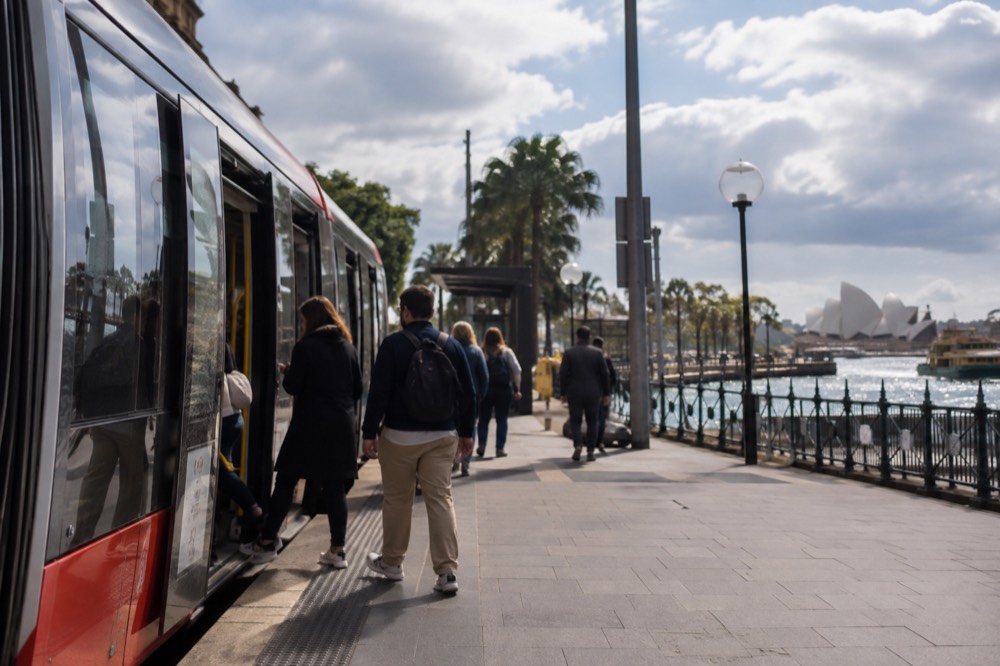
Melbourne's equivalent, the myki, is being phased over to contactless across the network, and its central Free Tram Zone means you can cross the whole CBD grid without paying at all. Melbourne's trams are also a pleasure: the City Circle tram is a free heritage loop past the main sights. Sydney has nothing like the free tram zone, but its ferries are the best-value sightseeing in either city, and its light rail and train network reaches Bondi, Manly by ferry connection and the Blue Mountains.
Walkability is close. Melbourne's flat, regular grid is easier to navigate; Sydney's harbour cuts the city into pieces and its hills are real. The trade-off is that Sydney's walking is scenic where Melbourne's is efficient, and the Sydney walking tours page maps the routes that make that pay off.
Which City Is Cheaper to Visit?
Neither city is cheap, but Melbourne is generally the cheaper stay: accommodation in central Melbourne typically runs below central Sydney's rates, and its cheap-eats floor is lower. Sydney's costs concentrate in the big set pieces, the BridgeClimb, harbour cruises, whale season, while its headline free sights, the Royal Botanic Garden, the Art Gallery of NSW's general entry, the Australian Museum, cost nothing at all.
The Sydney trip cost breakdown and Sydney on a budget pages carry the full accounting. The structural point for a comparison is that Sydney's paid attractions are bigger and more numerous, so a sightseeing-heavy Sydney week costs more than a comparable Melbourne week, but Sydney's free tier is also stronger: the Botanic Garden is free entry, open daily from 7am to sunset, and both the Art Gallery of New South Wales and the Australian Museum admit visitors to their general collections at no charge.
| Sydney sight | Cost | Notes |
|---|---|---|
| Royal Botanic Garden Sydney | Free | Open daily 7am to sunset |
| Art Gallery of New South Wales | Free general entry | Open Wednesdays until 10pm |
| Australian Museum | Free general entry | Open daily 10am-5pm |
| Manly ferry | $9.20 one way | Counts toward Opal caps |
| Taronga Zoo | $57 adult at the gate | From $51.30 online |
That combo pass is the Sydney answer to a Melbourne-style cheap week: four paid attractions, SEA LIFE Sydney Aquarium, Sydney Tower Eye, WILD LIFE Sydney Zoo and Madame Tussauds, on one ticket, valid across a 30 to 60 day window. The Sydney [attraction passes](https://gocity.tpk.ro/rUvgw2vS) compared page runs the maths on when it pays off.
Food and drink prices are broadly similar, and the typical meal cost question is answered in detail elsewhere on this site. Where Melbourne clearly wins is mid-range accommodation: its hotel stock is larger relative to demand, and its central apartment market is deeper, which matters for families.
Which City Has Better Day Trips?
Sydney's day trips are stronger and more varied: the Blue Mountains two hours west by train, the Royal National Park on the city's southern edge, the Hunter Valley wine country to the north, and Port Stephens and Jervis Bay for dolphins and sand. Melbourne's best day trip is the Great Ocean Road, which is genuinely world-class, but its second tier, the Yarra Valley, the Dandenongs, Mornington Peninsula, sits closer to Melbourne's level than above it.
The Blue Mountains day trip is the benchmark: Katoomba is about two hours from Central by train, the national park is free to enter except in the Glenbrook area, and the Three Sisters, Scenic World and the cliff-top walks fill a full day. Melbourne's train-accessible day trips, the day trips by train comparison covers Sydney's side, are thinner on the ground; the Great Ocean Road is almost always done by car or tour because the train does not follow the coast.
| Day trip | From | Travel time | Park or entry cost |
|---|---|---|---|
| Blue Mountains (Katoomba) | Sydney | About 2 hours by train | Free except Glenbrook, $8 per vehicle there |
| Royal National Park | Sydney | Under 1 hour by train | $12 per vehicle per day |
| Hunter Valley | Sydney | About 2 hours | Wine region, tasting fees vary |
| Great Ocean Road | Melbourne | About 1.5 hours to Torquay | Scenic drive, tour or car |
| Yarra Valley | Melbourne | About 1 hour | Wine region, tasting fees vary |

Sydney's second tier is where the gap widens. The Royal National Park is reachable by train and ferry, costs $12 per vehicle per day if you drive, and holds one of the country's great coastal walks. The Hunter Valley and Port Stephens round out a set of trips that covers mountains, wine, surf and dolphins. Melbourne can match the Yarra Valley against the Hunter, but it cannot match a national park inside the suburban fare zone.
For families, Sydney's day-trip roster plus its patrolled year-round beaches and zoo-by-ferry, Taronga Zoo across the harbour, make it the easier city with children. The Sydney with kids itinerary lays out the full case.
So Which Should You Choose?
Pick Sydney for a first visit to Australia, for any trip built around water, beaches, photographs or the Opera House, for winter travel, and for families. Pick Melbourne for a food-led long weekend, a second or third trip to Australia, art and live music, and cheaper central accommodation. If you have ten days or more, do both, Sydney first, and give Melbourne the eating-and-wandering half of the trip rather than the sightseeing half.
The order matters more than travellers expect. Sydney's set pieces front-load the wow and Melbourne's textures reward a slower rhythm, so Sydney-then-Melbourne consistently reads better than the reverse. Fly into Sydney, give it four or five days around the harbour, then fly south for the laneways.
One last planning note that applies to whichever city you pick: book the big-ticket Sydney items early. The how far in advance to book Sydney tours question is answered in detail on this site, but the short version is that BridgeClimb and whale-season cruises sell out first in peak periods.
If Sydney wins your coin toss, the pages linked through this guide, the itineraries, the harbour, the beaches and the food, will fill the days fast. And if Melbourne wins this time, Sydney will still be here, harbour first, on the next trip. This site is a Sydney Travel Guide, so its bias is declared; the facts above were written to survive the scrutiny of anyone who disagrees.
Common Questions About Sydney Versus Melbourne
Sydney vs Melbourne: which is better for tourists?
For most first-time tourists, Sydney. Its icons, harbour, beaches and ferry network deliver more per day for a short visit, and its winter is mild enough to travel year-round. Melbourne is better for tourists whose main interests are food, coffee, galleries and nightlife, or anyone on a second trip to Australia.
Is Sydney or Melbourne more expensive?
Central Sydney accommodation typically costs more than central Melbourne, and Sydney's paid attractions are bigger and more numerous, so a sightseeing-heavy week costs more. Melbourne is cheaper on hotels and cheap eats. Sydney's free tier, the Royal Botanic Garden, the Art Gallery of NSW and the Australian Museum's general entry, narrows the gap for budget travellers.
Which city has better weather?
Sydney. Its long-run annual mean maximum is 21.8 °C and its rainfall, though peaking in June at 133.1 mm on the averages, interferes with plans less often than Melbourne's changeable Southern Ocean climate. August is Sydney's clearest month; February is its cloudiest, despite being peak season.
Can you do Sydney and Melbourne in one trip?
Yes, with ten days or more: roughly four or five days in Sydney, a 90-minute flight, then three or four in Melbourne. With five days or fewer, pick one city. Splitting a short trip between both costs you the airport transfers and leaves too little time in either.
Which city is better for beaches?
Sydney, decisively. Bondi, Manly, Coogee, Bronte and Tamarama are ocean beaches inside the transport network, most patrolled year-round by council lifeguards. Melbourne's city beaches are calm bay beaches; its surf coast starts an hour away at Torquay.
Which city is better for families?
Sydney. Ferries as transport, Taronga Zoo across the harbour, patrolled year-round beaches, and free-entry museums give families more per day with less logistics. Melbourne suits families with older children who enjoy galleries, sport and food.