Which Is Better to Go, Sydney or Melbourne?
A straight comparison of Sydney and Melbourne for visitors: harbours versus laneways, weather, costs, transport and which city suits your trip.
Which Is Better to Go, Sydney or Melbourne?
Sydney is the better choice if your trip is short, your priority is iconic scenery, or you want beaches and the harbour at the centre of your visit. Melbourne is the better choice for a longer, slower, city-culture trip built around food, art and nightlife. Most first-time visitors to Australia choose Sydney for the landmarks, then add Melbourne by air if the itinerary allows. Neither city is objectively better; they do genuinely different jobs.
The honest answer depends on what you want from a trip, and the two cities rarely compete on the same terms. Sydney sells the physical city itself: a harbour that shapes everything, ocean beaches inside the suburbs, and two of the most recognisable buildings on earth. Melbourne sells what happens inside the city: the laneway bars, the live music, the gallery and theatre scene, the food culture that Sydneysiders quietly envy.
There is a reason this question gets asked so often, and it is not because the cities are similar. It is because most international itineraries have room for one of them, and the choice is real. This site covers Sydney in depth, so this comparison leans on what a Sydney visit actually costs and feels like, with Melbourne assessed on the things it is genuinely known for rather than on invented figures. For a deeper look at the matchup, see our Sydney versus Melbourne comparison guide.
What Sydney Does Better Than Melbourne
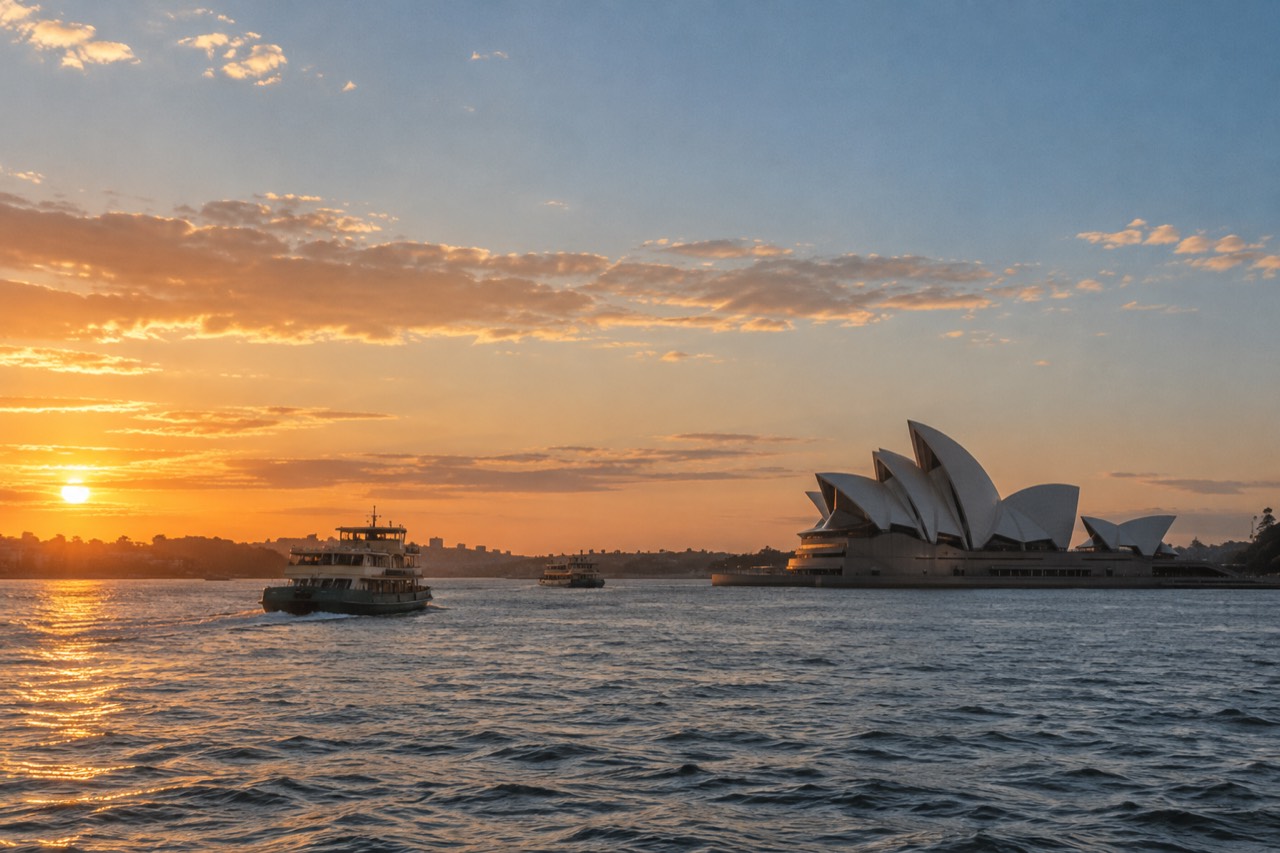
Sydney wins on natural setting, and it is not close. A working harbour sits in the middle of the city, ocean beaches like Bondi and Manly are reachable by public transport, and the coastal walks between them are free. Melbourne has no equivalent: its nearest ocean beaches are a long tram or car ride from the centre, and its waterfront is a river, not a harbour. For scenery, Sydney is the clear pick.
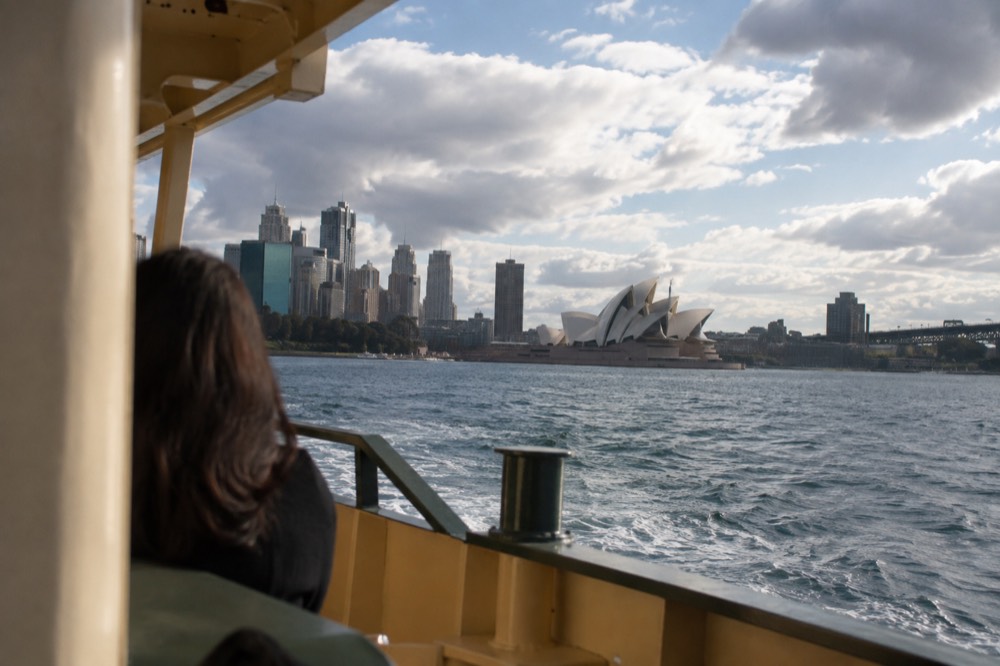
The harbour is the difference. Sydney Ferries run routes F1 to F10 from Circular Quay, and a ferry ride is both transport and sightseeing in one. The Manly ferry costs $9.20 one way on an adult Opal or contactless card, and it is arguably the best-value 30 minutes of sightseeing in the country. Melbourne's Yarra River carries small ferries and water taxis, but nothing that functions as a commute and a cruise at once.
Sydney also wins the landmark contest outright. The Sydney Opera House and the Sydney Harbour Bridge are in the same postcode, walkable from each other, and visible from dozens of free vantage points around Circular Quay, The Rocks and Kirribilli. Melbourne's most photographed structure is a set of laneways and a riverfront plaza, which tells you what kind of city it is: the appeal is atmospheric, not monumental.
If your trip is three days or fewer, that concentration matters. You can walk the Harbour Bridge, tour the Opera House, ferry to Manly and still have time for a swim at Bondi, all without a car. Our one day in Sydney itinerary shows how much fits into a single well-planned day.
Here is how the two cities split on the things visitors actually decide on:
| What you want | Better city | Why |
|---|---|---|
| Iconic landmarks and photos | Sydney | Opera House and Harbour Bridge, walkable from each other |
| Beaches you can swim at | Sydney | Bondi, Manly, Coogee and more, on public transport |
| Harbour and water views | Sydney | A working harbour with nine ferry routes from Circular Quay |
| Coffee and laneway bars | Melbourne | The laneway cafe and bar culture is the city's core identity |
| Live music and theatre | Melbourne | A denser, later-running inner-city venue scene |
| Art galleries and street art | Melbourne | Laneway street art and a strong gallery circuit |
| Day trips by train | Sydney | Blue Mountains and Royal National Park, both rail-linked |
For a first taste of the harbour without committing to a full cruise, the sightseeing cruise below runs morning or afternoon from Circular Quay and is one of the cheapest ways onto the water. It pairs neatly with a wander through The Rocks on the same morning, and the observation deck and guided walk alongside it round out the classic first-day set.
What Melbourne Does Better Than Sydney
Melbourne wins on city culture: its laneway cafes, bars, live music venues, galleries and street art are denser and more central than Sydney's, and its inner city rewards aimless wandering in a way Sydney's does not. It is also the stronger pick for sport, with a major stadium precinct and a packed events calendar. If your ideal day is food, coffee and a gallery rather than a beach, Melbourne is the better city.
The laneway culture is real and specific. Melbourne's CBD is a grid sliced by narrow service lanes that have been colonised by espresso bars, cocktail lounges and street art, and the best of them are within a ten-minute walk of each other. Sydney has its own equivalents in Surry Hills, Newtown and Darlinghurst, but they are spread across suburbs rather than stacked in the centre.
Melbourne's food reputation is earned rather than marketed. The city's cafe scene set the standard that the rest of Australia followed, and its restaurant density per inner-city block is genuinely higher than Sydney's. Sydney's own food scene is excellent and broader than it gets credit for, and our Sydney food guide covers it properly, but Melbourne is the stronger food-first destination.
Sport is the other Melbourne advantage. The Melbourne Cricket Ground anchors a stadium precinct that hosts Australian Rules football through winter and a calendar of major events the rest of the year, and the city's sporting identity runs deeper than Sydney's. Sydney answers with its own big moments, including New Year's Eve fireworks that draw up to a million people to the harbour foreshore, but week to week, Melbourne is the sporting city.
One honest caveat: Melbourne's weather is worse for visitors. It sits further south, and it is known locally for four seasons in one day. Sydney's climate is warmer and more reliable on average, which matters more than most itinerations allow for.
Which City Is Cheaper to Visit?
Neither city is cheap, and the difference between them is smaller than the internet claims. Sydney's accommodation is typically the most expensive in Australia, but its best experiences are unusually cheap: the Royal Botanic Garden and the Australian Museum are free, the ferry network doubles as sightseeing, and the Opal daily cap is $9.65 on Fridays, weekends and public holidays. Budget on similar daily costs in either city, with Sydney slightly ahead on lodging and slightly ahead on free sights.
Transport is where Sydney's numbers are genuinely good. Opal fares are distance-based, and the caps do the work for a visitor: $19.30 a day Monday to Thursday, $9.65 a day from Friday to Sunday and on public holidays, and $50 a week, network-wide. A contactless credit card or device is charged exactly the same as an Opal card and earns every benefit, so there is no need to buy a card at all. Transport for NSW publishes the full fare and cap tables.
| Sydney transport cost | Amount (adult) |
|---|---|
| Daily cap, Monday to Thursday | $19.30 |
| Daily cap, Friday to Sunday and public holidays | $9.65 |
| Weekly cap, Monday to Sunday | $50.00 |
| Manly ferry (F1), one way | $9.20 |
| Off-peak discount, metro/train/bus/light rail | 30% |
| Airport station access fee (on top of the fare) | $18.61 |
The airport access fee is the one trap worth knowing: it is charged on top of the train fare at both airport stations and sits outside the daily and weekly caps, with its own separate weekly cap. The 400 bus carries no access fee at all. Our Sydney airport to the city guide covers the options in full.
Food costs are broadly comparable between the two cities, and Melbourne's cheaper restaurant scene is offset by Sydney's cheaper and better free activities. If cost is the deciding factor, the difference will be your [accommodation](https://booking.tpk.ro/ndznHj9h) line, not your daily spending once you arrive. One planning note on the harbour cruise: it runs to a timetable, and the operator's listing carries the live session times, so it is worth checking availability for the morning or afternoon departure that suits your first day before you lock the rest of the itinerary around it.
Which Has Better Weather?
Sydney is warmer and sunnier on average, and the gap is biggest in winter. Sydney's long-run average maximum is 21.8 °C across the year against July and August means of 16.4 and 17.9 °C, while Melbourne sits cooler in every season. But Sydney's weather has a counterintuitive quirk: June is its wettest month at 133.1 mm on average, wetter than any summer month, and February, in peak season, is its cloudiest month with just 5.3 mean clear days.
Those figures come from the Bureau of Meteorology's long-term normals for Sydney at Observatory Hill, published on its climate averages page. The surprise in the table is that August, deep in winter, is Sydney's clearest month, with 13.4 mean clear days, more than any summer month. Peak tourist season is statistically the cloudiest time of year, and late winter has the most blue sky.
| Month | Mean max °C | Mean min °C | Mean rainfall mm | Mean clear days |
|---|---|---|---|---|
| January | 26.0 | 18.8 | 101.2 | 6.8 |
| February | 25.8 | 18.9 | 119.3 | 5.3 |
| June | 17.0 | 9.3 | 133.1 | 9.1 |
| August | 17.9 | 9.0 | 80.2 | 13.4 |
| December | 25.3 | 17.6 | 77.1 | 6.6 |
Melbourne's reputation for changeable weather is deserved: it is further south, cooler in every month, and prone to rapid swings. Neither city is a reliable winter beach destination, but Sydney's winter is genuinely pleasant for walking and sightseeing, and its clearest skies arrive then. If you are chasing warmth, both cities are at their best between December and February, which is Australian summer; if you are chasing clear skies and thin crowds, Sydney in August is the sleeper pick. Our best time to visit Sydney guide breaks the year down month by month.
Can You Combine Both Cities in One Trip?
Yes, and it is the best answer if your itinerary allows. The flight between Sydney and Melbourne takes roughly 90 minutes, with dozens of daily services, so three or four days in each city is a realistic and popular structure. If you only have time for one, pick Sydney for scenery and landmarks or Melbourne for culture and food, and plan the other for a second trip. Trying to day-trip between them is not realistic.
The two cities sit a long way apart, and the train between them is a slow regional journey, not a commuter option. Flying is the practical link, and the route is one of the busiest in the country. That makes a split trip easy: Sydney first for the harbour and the beaches, then Melbourne for the laneways, or the reverse.
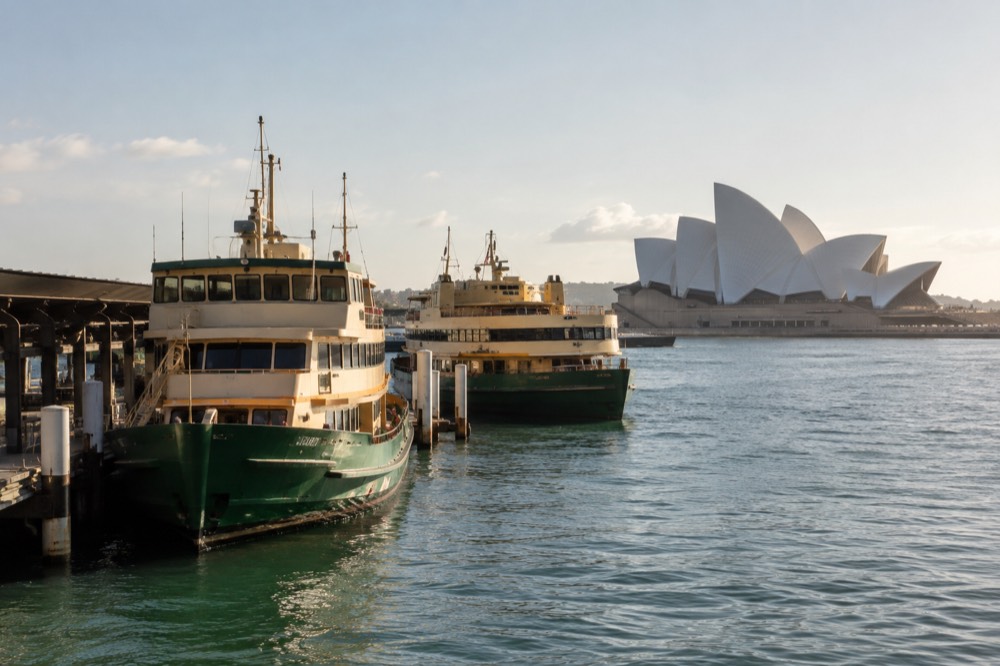
If you land on Sydney, the classic first-day structure is the one that shows off what Melbourne cannot match: a walk through The Rocks, a ferry across the harbour, and a viewpoint or two that costs nothing. The sightseeing cruise below is the cheapest of the three, and it earns its place on a first day precisely because it costs so little for so much harbour.
For a longer Sydney stay, our three days in Sydney itinerary adds the Blue Mountains and the Northern Beaches, and the Sydney Travel Guide homepage collects the rest of the city's planning pages in one place.
Common Questions About Sydney or Melbourne
Which is better to go, Sydney or Melbourne?
For a short first trip focused on landmarks, beaches and the harbour, Sydney. For a longer trip built around food, coffee, galleries and nightlife, Melbourne. If you have a week or more, do both; the flight between them takes about 90 minutes.
Is Sydney more expensive than Melbourne?
Accommodation in Sydney is typically the most expensive in Australia, but daily costs once you arrive are similar. Sydney's transport is capped at $9.65 a day on Fridays, weekends and public holidays, and several of its best sights, including the Royal Botanic Garden and the Australian Museum, are free.
Which city has better weather?
Sydney, in every season. Its annual mean maximum is 21.8 °C against Melbourne's cooler averages, and its winter is mild enough for comfortable sightseeing. The quirk is that June is Sydney's wettest month and February its cloudiest, so late winter, in August, is statistically its clearest time.
Do I need a car in Sydney or Melbourne?
No for either. Sydney's trains, ferries, buses and metro cover the visitor city well, and Melbourne's tram network is the largest in the world. In Melbourne, the free City Circle tram loops the CBD. In Sydney, a contactless credit card is charged the same as an Opal card and earns the same caps.
Which is better for families?
Sydney, on balance. Taronga Zoo, the ferry network, the coastal walks and the beaches give children more variety, and the harbour itself is an attraction. Melbourne answers with its aquarium, its laneway culture for older kids and the MCG for a sporting day out.
How many days do I need in each city?
Three days covers Sydney's essentials well and four is comfortable. Melbourne works in three days for the CBD and laneways, with a fourth for a day trip such as the Great Ocean Road. Our how many days do you need in Sydney guide breaks this down in detail.
If the comparison has settled on Sydney, these are the three experiences that show the city at its best without stretching a budget: the harbour sightseeing cruise, the Tower Eye observation deck and the guided walk through The Rocks.