Is Melbourne Best or Sydney?
An honest comparison of Melbourne and Sydney for visitors: harbour, climate, food, culture, cost and which city deserves your limited days.
Is Melbourne Best or Sydney?
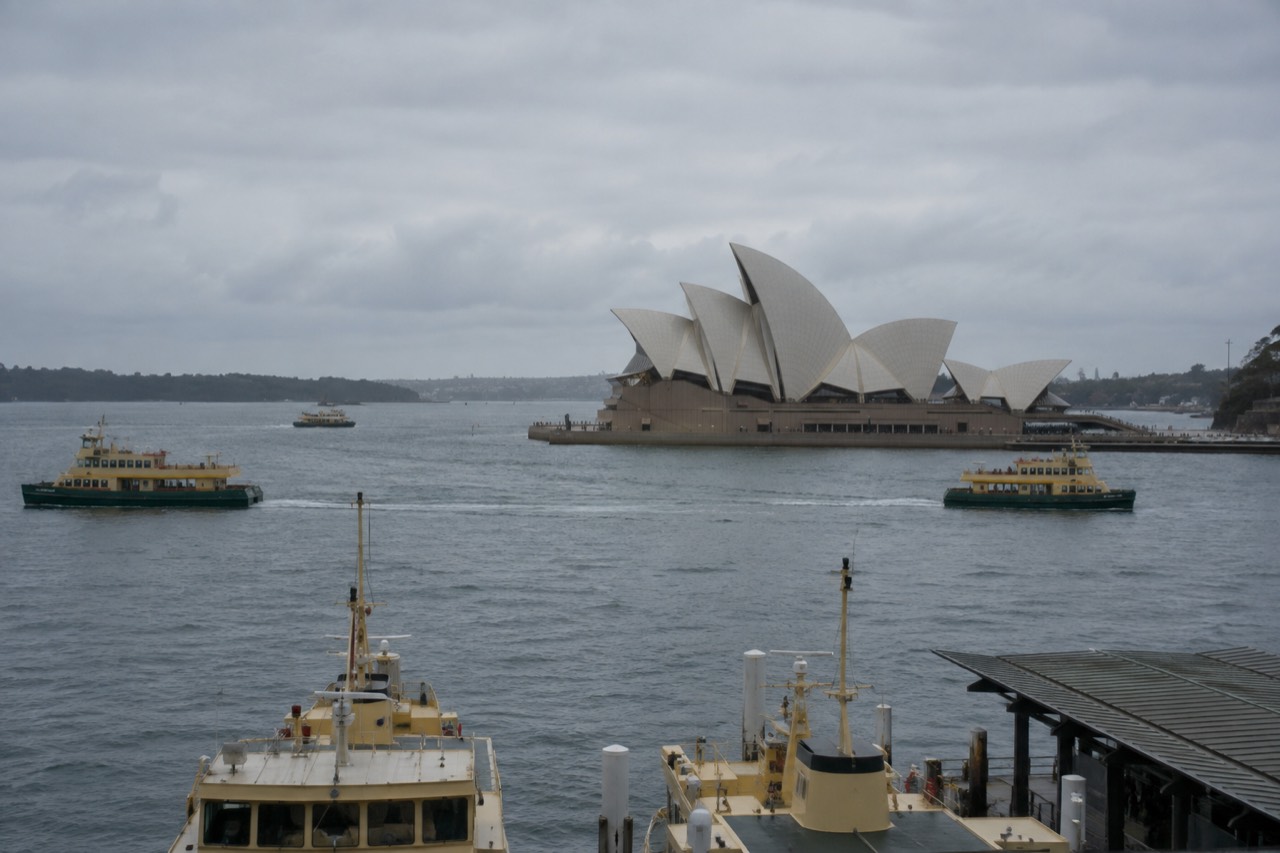
Neither city is "best" in any absolute sense, and anyone who claims otherwise is selling you their own taste. For a trip of one to five days built around water, icons and reliable swimming weather, Sydney is the stronger choice. For a longer stay organised around food, live music, galleries and laneway wandering, Melbourne earns its reputation. The honest answer is that they are different products, and the harbour is the one thing Melbourne cannot match.
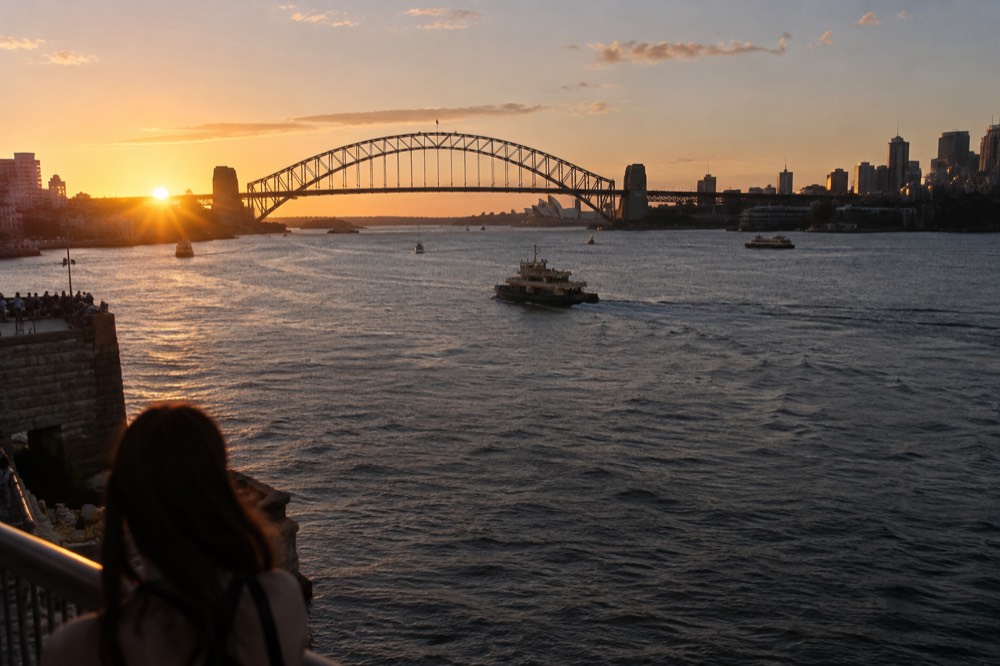
The question usually arrives loaded. Melbourne's advocates point to its coffee, its culture and its consistently ranked liveability, and they are not wrong about any of it. Sydney's advocates point to the harbour, and they are not wrong either. A city where the Opera House, the Harbour Bridge, Taronga Zoo Sydney and more than a dozen ferry routes all sit on one working waterway is playing a different game from a city whose greatest asset is its street life.
What a visitor needs is not a winner but a decision rule. This page compares the two cities on the things that actually shape a trip: the setting, the weather, the food, the culture, the cost and the length of your stay. It is written from the Sydney side of the desk, so the Sydney facts are precise and the Melbourne observations are kept to what can be said honestly without invented figures.
Which City Suits Your Trip Better?
Match the city to your itinerary, not to a ranking. If your list is Opera House, beaches, a harbour cruise and a coastal walk, Sydney fits it in fewer days and with less travelling between stops. If your list is restaurants, bars, galleries and wandering without a fixed plan, Melbourne rewards that style more generously. Sydney is a city of set pieces; Melbourne is a city of discoveries. Both styles are valid, and most travellers already know which one they are.
Sydney's structure is concentrated. Circular Quay is the hinge: ferries to Manly and Taronga Zoo Sydney depart from there, The Rocks and the Opera House sit on either side of it, and the Royal Botanic Garden Sydney, which is free to enter, runs along the waterfront behind it. You can fill three days without ever being more than a few kilometres from that point. The Sydney vs Melbourne guide on this site works through the head-to-head in more detail if you want the long version.
Melbourne spreads its rewards out. The CBD's laneways, the Fitzroy and Collingwood food strips, the gallery precinct and the inner-north live music rooms are all real, but they demand time and a willingness to plan around neighbourhoods rather than landmarks. A first-time visitor with four days will see the best of Sydney. A first-time visitor with four days in Melbourne will leave with a list of things they missed.
| Factor | What Sydney offers | What Melbourne offers |
|---|---|---|
| Defining feature | A natural harbour with ferries, beaches and icons on one waterway | Laneways, arcades and a dense inner-city street culture |
| Signature sights | Sydney Opera House, Sydney Harbour Bridge, Bondi, Taronga Zoo Sydney | Street art lanes, Queen Victoria Building's Melbourne counterpart shopping, MCG on match days |
| Water and beaches | Ocean beaches and harbour coves, patrolled year-round at Bondi, Bronte, Tamarama, Coogee, Manly and Dee Why | Bay beaches, calmer and cooler, not surf coast |
| Best trip length | 2 to 5 days covers the essentials comfortably | 4 days or more rewards the pace |
| Weather character | Clear winter skies, wettest month is June, hottest in December to February | Known for changeable weather in any season |
One structural point worth knowing before you book anything: Sydney's visitor economy is enormous and mostly domestic. Destination NSW recorded 67.5 million visitors to Sydney in the year ending March 2026, of whom 63.6 million were domestic travellers, while the 3.9 million international visitors stayed far longer, over 70% of all visitor nights. Sydney is a city Australians keep coming back to, which says something about how it performs as a repeat destination.
What Does Sydney Do Better?
Sydney wins on setting, and it is not close. The harbour gives the city a spatial drama Melbourne cannot replicate: a bridge you can climb, an opera house you can tour, beaches inside the city, and a ferry network that doubles as public transport and sightseeing at once. The winter weather is also better than Melbourne's, with August averaging 13.4 clear days, the most of any month. If your trip is short and icon-driven, Sydney delivers more per day.
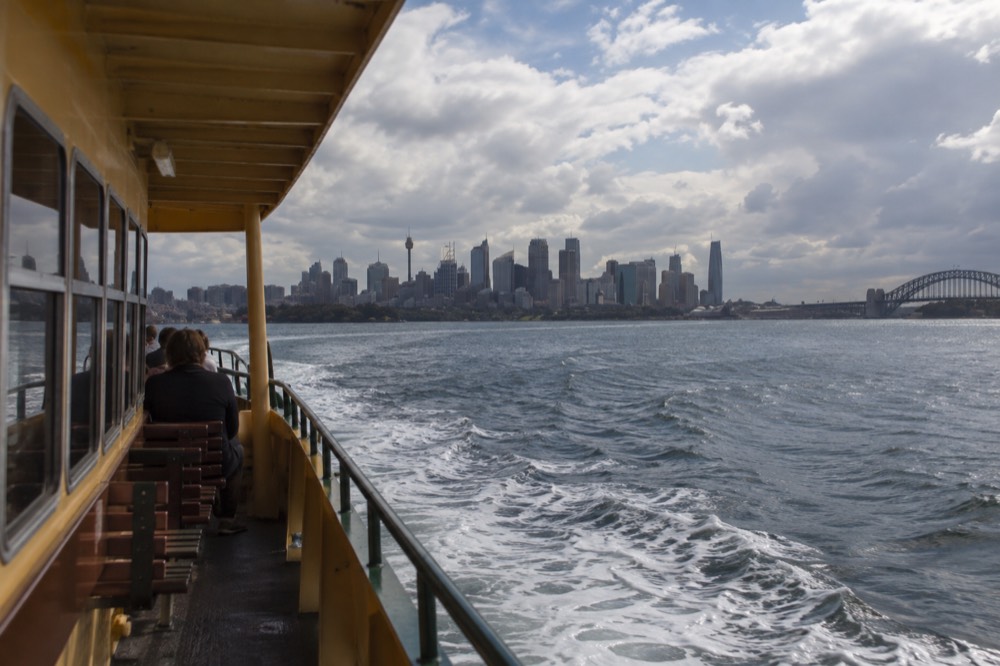
Start with the water. The public ferry network runs routes F1 to F10 with full Opal benefits, and the Manly ferry costs $9.20 one way in the 9+ km band, a fare that buys one of the world's better commuter views. A sightseeing cruise covers the same water in a loop if you would rather sit and be narrated at, and the morning and afternoon departures from Circular Quay make it an easy first-morning orientation move. The harbour cruises guide compares the formats, from the cheap loop to sunset catamarans and tall-ship dinners.
Then the beaches. Bondi, Bronte, Tamarama, Coogee, Manly and, since around May 2026, Dee Why are patrolled year-round by council lifeguards, which means a winter swim between the red and yellow flags is a real option rather than a rumour. The Bondi to Coogee coastal walk links several of them in one afternoon. Melbourne has no equivalent: its bay beaches are pleasant but placid, and the surf coast sits a drive away at Torquay and beyond.
The climate comparison surprises people. Sydney's long-run averages from the Bureau of Meteorology show June as its wettest month at 133.1 mm, wetter than any summer month, while August is its clearest with 13.4 mean clear days against February's 5.3. Peak tourist season, in other words, is statistically the cloudiest time of year, and late winter has the best skies. Melbourne's reputation for four seasons in a day is earned, and its winter is genuinely grey in a way Sydney's usually is not.
What Does Melbourne Do Better?
Melbourne wins on food density, live music, galleries and the pleasures of a city built for walking without a destination. Its laneway bar culture, its coffee and its theatre scene have a depth Sydney matches only in patches. Melbourne also hosts the major events calendar many travellers plan around, from the Australian Open to the Grand Prix. If your trip is about evenings more than mornings, Melbourne is the better stage.
Say it plainly, because Sydney partisans rarely do: Melbourne's food and drinking culture is the more consistent of the two. Sydney's restaurant scene is excellent at the top end and strong along the harbour, but Melbourne's mid-range is denser, cheaper and open later. The coffee reputation is not a myth either; the city's espresso culture is genuinely embedded rather than performed for visitors.
Culture stacks up similarly. Melbourne's gallery and theatre precinct is compact and coordinated, and its live music room count is the largest in the country. Sydney answers with the Opera House's own program, the Art Gallery of New South Wales, free to enter and open until 10pm on Wednesdays, and the Museum of Contemporary Art Australia at The Rocks. If your trip hinges on seeing a specific show, check both cities' programs before [booking flights](https://aviasales.tpk.ro/Kg1hHgcX); the venue, not the city, should decide.
Events are Melbourne's quiet trump card. Travellers who time a visit around the Australian Open in January, or a winter AFL match at the MCG, are really choosing Melbourne, and that is a legitimate way to answer this question. Sydney's big draws, Vivid Sydney in late May to mid-June and New Year's Eve on the harbour, are spectacular but concentrated into two windows. The Sydney events calendar lays out the year if you want to weigh Sydney's windows against Melbourne's.
Which Is Better for a Short Trip?
For a trip of three days or fewer, Sydney is the better bet, because its highlights cluster around one harbour and one transport hub. You can do the Opera House, a ferry, a beach and The Rocks without ever planning a route longer than twenty minutes. Melbourne's rewards are distributed across neighbourhoods, so a short visit samples rather than satisfies. With five days or more, the gap closes, and Melbourne's depth starts paying off.
Distance is the hidden variable. Sydney's icon list sits within a rough triangle of Circular Quay, Bondi and Darling Harbour. Melbourne's equivalent list spreads across the CBD, Fitzroy, Carlton, St Kilda and Southbank, which means trams, transfers and more decisions per day. Short trips punish decision fatigue, and Sydney simply asks fewer questions.
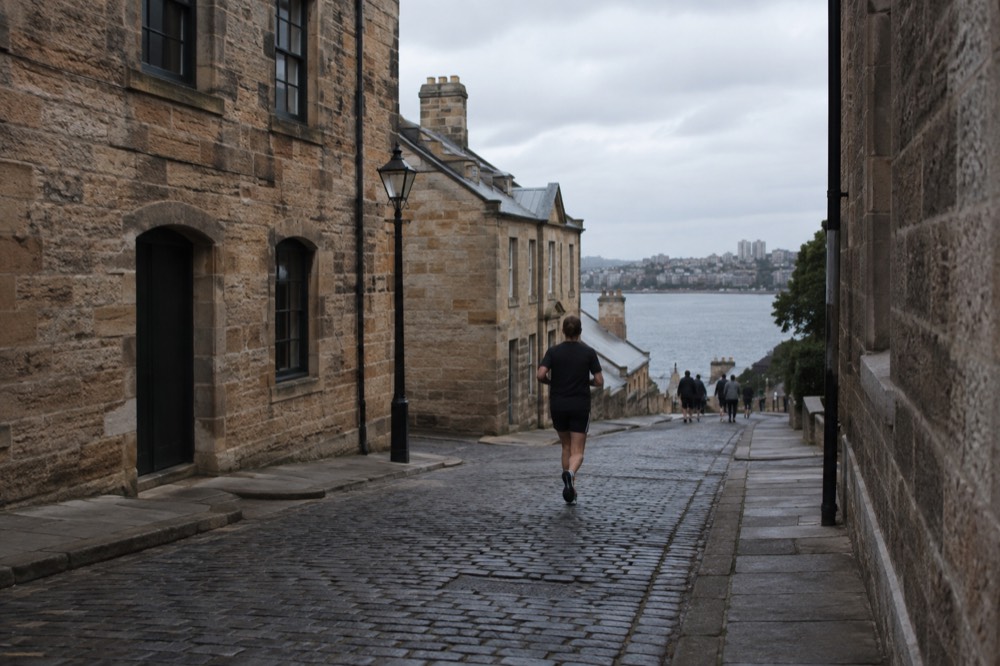
The walking-tour test makes the same point. Sydney's The Rocks guided walking tour compresses the city's colonial history into ninety minutes in one compact neighbourhood, and the Sydney Tower Eye gives you the whole geography in a single glance from 309 metres up, which is a genuinely useful thing to do on day one so the rest of the map makes sense. Melbourne's best walking is self-guided and open-ended, which is a better use of day four than day one.
When Is the Best Time to Visit Either City?
Visit Sydney between October and November or in March to April for warm water without peak-season crowds; both cities are at their busiest and priciest across December to February. Sydney's shoulder seasons are the smart pick: April averages a 22.5 °C daily maximum, October 22.2 °C, and both sit outside the cloudiest months. For Melbourne, aim for March to May, when its changeable weather is at its most stable and the event calendar is full.
The counterintuitive part belongs to Sydney's winter. The Bureau of Meteorology's long-run normals for Observatory Hill show August as the clearest month of the year, 13.4 mean clear days, ahead of July's 12.0, while February, the middle of summer, is the cloudiest at 5.3. June is the wettest month at 133.1 mm, wetter than any summer month, so the old assumption that winter means rain and summer means sun is backwards in both directions. A Sydney winter trip trades swimming for clear skies and low prices, and the year-round patrolled beaches mean even that trade is partial.
Whale watching is another seasonal marker worth planning around if it appeals: humpbacks migrate along the NSW coast from May to November, peaking late June through July, and Sydney runs whale cruises through that window. Melbourne has no equivalent on its bay. If a winter trip is on the table, Sydney in July offers clear skies, whales and empty coastal paths, which is a combination worth taking seriously.
Common Questions About Melbourne vs Sydney
Is Melbourne best or Sydney?
Neither is objectively best. Sydney wins for short, icon-driven trips built around the harbour, beaches and reliable clear winter skies; Melbourne wins for food, live music, galleries and longer, wandering itineraries. Pick by trip style, not by ranking.
Is Melbourne cheaper than Sydney?
Generally yes, modestly. Melbourne's mid-range dining and inner-city [accommodation](https://booking.tpk.ro/ndznHj9h) tend to cost less than Sydney's harbour-adjacent equivalents, though both cities share the same national cost base. Sydney's biggest bargains are structural: free entry to the Royal Botanic Garden Sydney, the Australian Museum and the Art Gallery of New South Wales, and a ferry network that doubles as sightseeing.
Which city has better weather?
Sydney, on the long-run averages. Its winters are clearer than its summers, with August averaging 13.4 clear days, and its summer mean maximum of 26.0 °C in January suits beach days. Melbourne is cooler and famously changeable in every season.
Can you swim in Sydney in winter?
Yes, at the right beaches. Bondi, Bronte, Tamarama, Coogee, Manly and Dee Why are patrolled by council lifeguards year-round, and ocean pools including Bronte Ocean Pool and the North Bondi Children's Pool are free. Always swim between the red and yellow flags.
Which city is better for a first visit to Australia?
Most first-timers get more from Sydney, because its highlights concentrate around one harbour and a short trip covers them well. Melbourne makes a stronger second city, when you have enough days to explore its neighbourhoods properly.
Is Sydney or Melbourne better for families?
Sydney, usually. Taronga Zoo Sydney, the ferry network, patrolled beaches and the coastal walks give children more variety per day. Melbourne's family appeal leans on museums and the zoo, which are excellent but less tied to the city's setting.
If you are still weighing the two, the practical move is to read the best time to visit Sydney breakdown and check it against your travel dates. The city that fits your month, your length of stay and your appetite for water will usually answer this question for you, and it is this desk's honest view that the harbour makes Sydney the safer bet for a first Australian trip. For everything the city offers once you have decided, Sydney Travel Guide keeps the full playbook.