Cockatoo Island: Sydney Harbour's World Heritage Island, Explained
Cockatoo Island sits in the middle of Sydney Harbour with a convict past, a shipbuilding past and some of the best harbour views in the city. Here is how to get there, what it costs and what to do once you step off the ferry.
Short answer
Cockatoo Island is a UNESCO World Heritage listed island in Sydney Harbour, reached by public ferry from Circular Quay using an Opal card, with a one-way adult fare of A$7.35 in the 0-9 km band. Entry to the island itself is free. Allow at least half a day for the convict precinct, dockyard and harbour views.
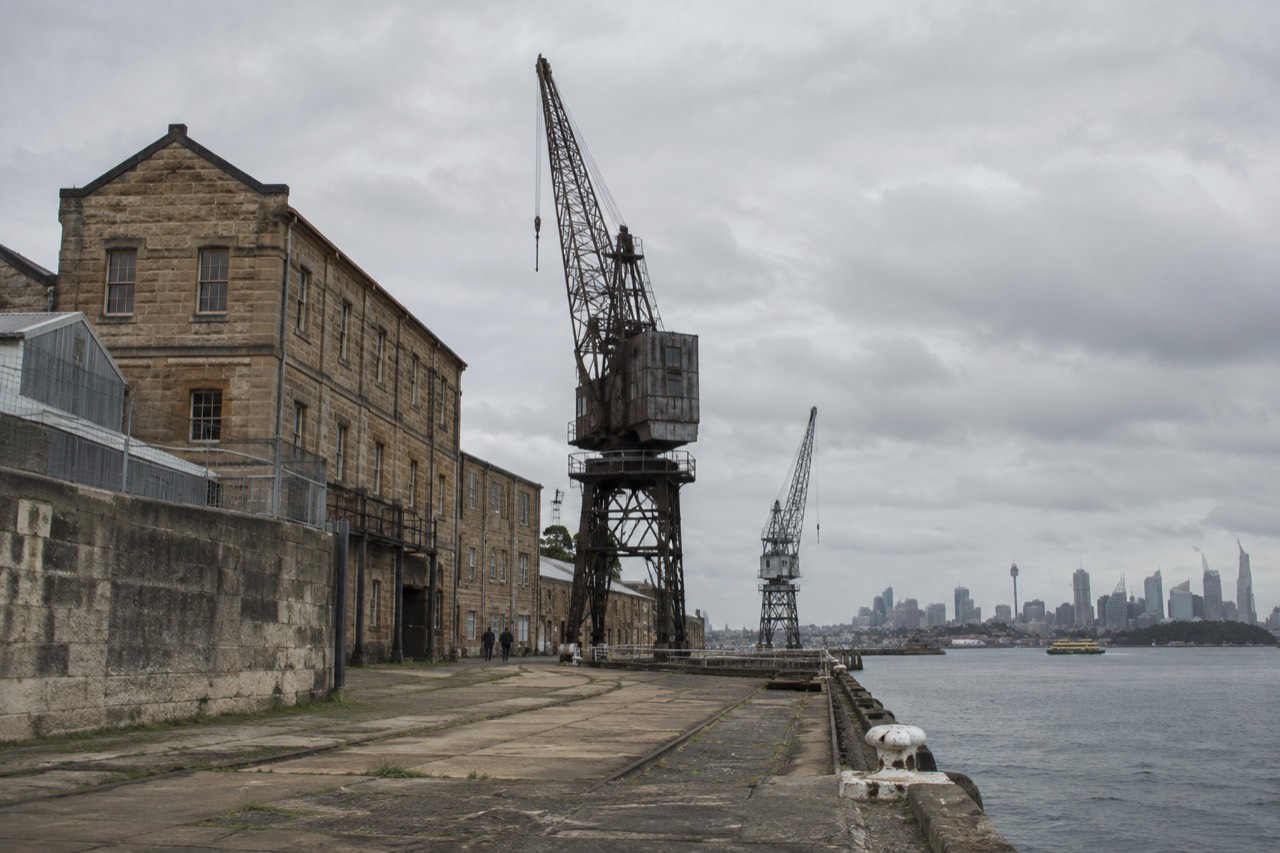
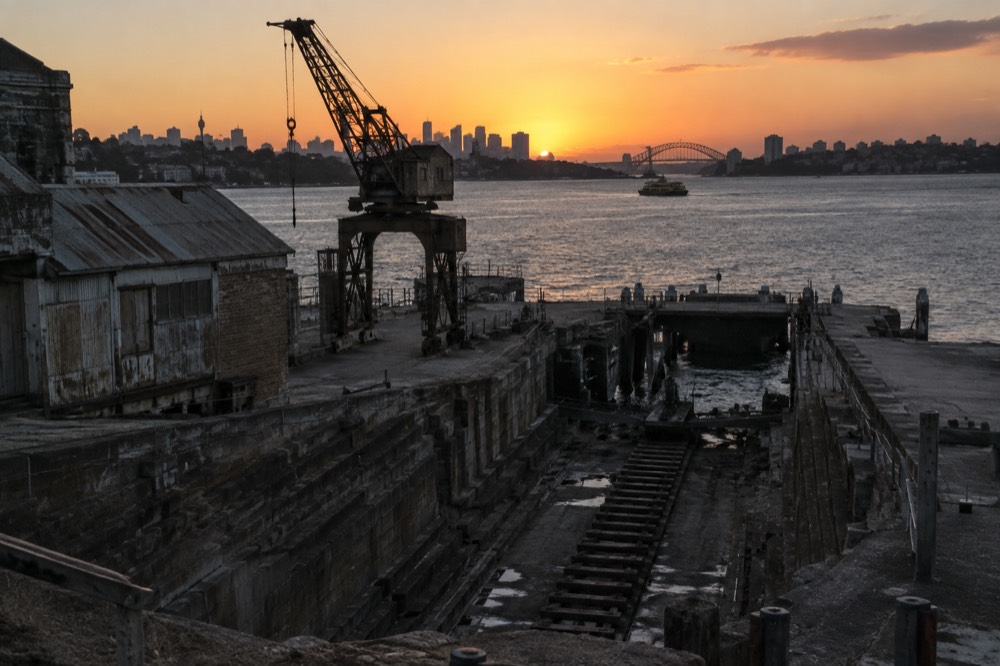
Cockatoo Island is the largest island in Sydney Harbour and one of the strangest half-day trips the city offers. A short ferry ride from Circular Quay lands you on a sandstone island that served successively as a convict penal establishment, a reformatory school and one of Australia's major shipyards, and the layers were never demolished. Convict-built grain silos stand beside slipways where warships were fitted out. Industrial cranes lean over grassy camping terraces. The harbour wraps around all of it, and because the island sits between Balmain and Woolwich on the water and Lane Cove on the north, the skyline views from its western edge are the kind people usually pay a cruise for.
The island is managed as part of Sydney's collection of harbour islands open to the public, and unlike most of the city's headline sights it is free to walk onto once you are there. This guide from Sydney Travel Guide covers how to get there, what the ferry actually costs, what you are looking at once you arrive, and how long to give it.
What Is Cockatoo Island?
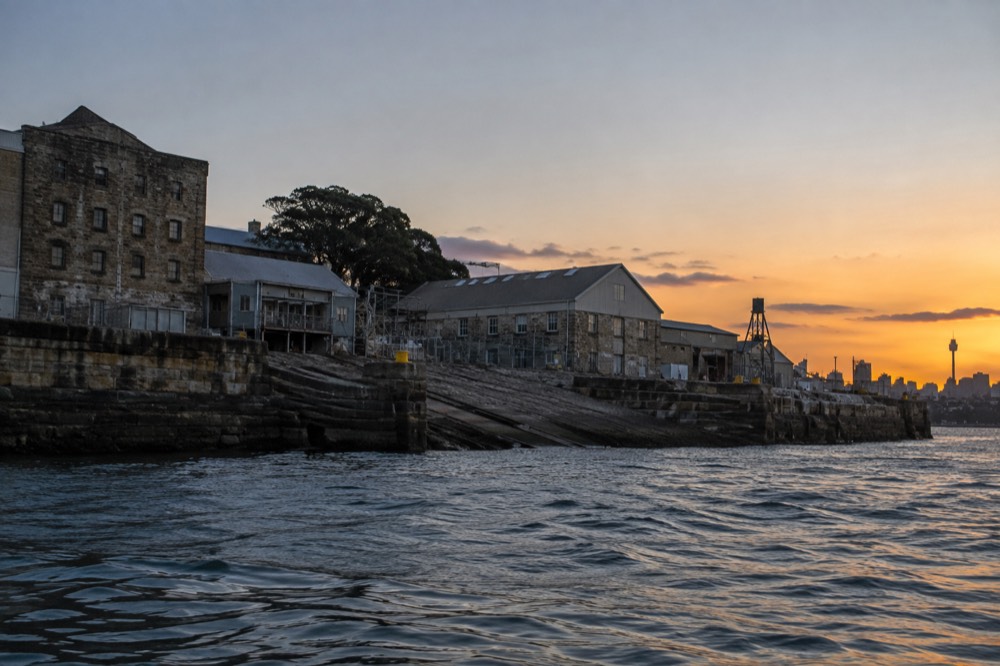
Cockatoo Island is a UNESCO World Heritage listed island in Sydney Harbour, about a 20 to 30 minute ferry ride from Circular Quay. It began as a convict penal establishment, later became a reformatory and then a shipyard that built and refitted vessels for over a century, and today it is open to the public as a heritage precinct with free entry. Most of the dockyard structures are still standing. The island is the largest in the harbour, and its listing is part of the Australian Convict Sites serial World Heritage inscription, which places it alongside sites like the Hyde Park Barracks on the mainland. Where the Barracks tells the city's convict story in a building, Cockatoo Island tells it in an entire landscape, one where the prison era and the industrial era are physically stacked on top of each other. You can stand in the solitary confinement cells, walk up a flight of stairs and be inside a turbine shop.
That layering is the reason the island rewards a visit more than most heritage sites. The shipyard closed and the site was handed to the Sydney Harbour Federation Trust, which opened it to the public rather than redeveloping it. The result is an island that feels genuinely unfinished, in a good way. Grass grows between the rails of old crane tracks, and the sandstone convict buildings at the island's plateau are some of the most atmospheric ruins in the city. For context on Sydney's wider convict history, our guide to the Hyde Park Barracks World Heritage site covers the other half of that story.
How Do You Get to Cockatoo Island?
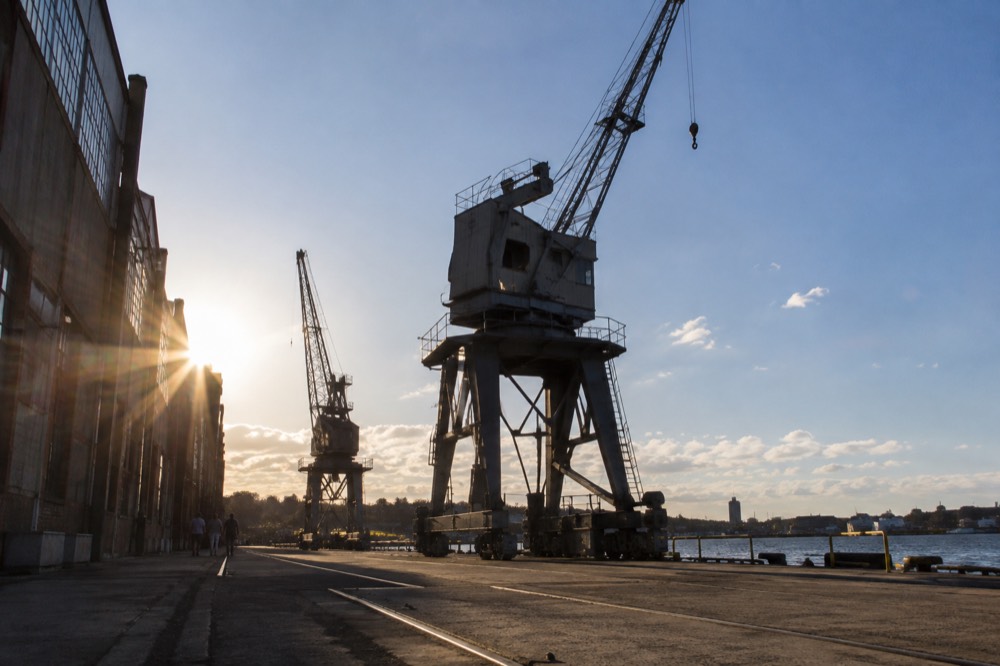
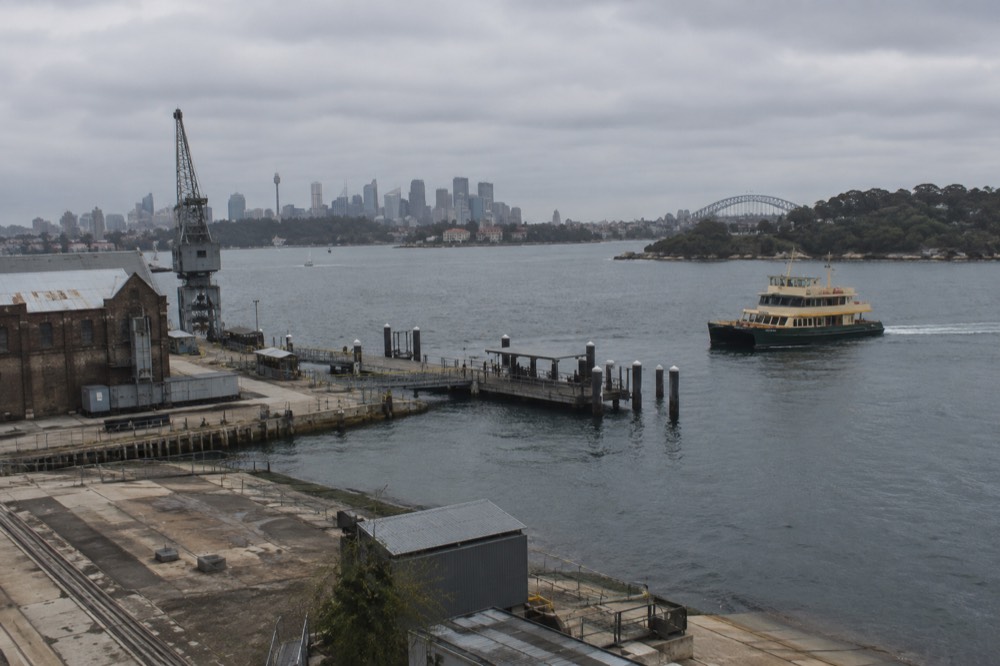
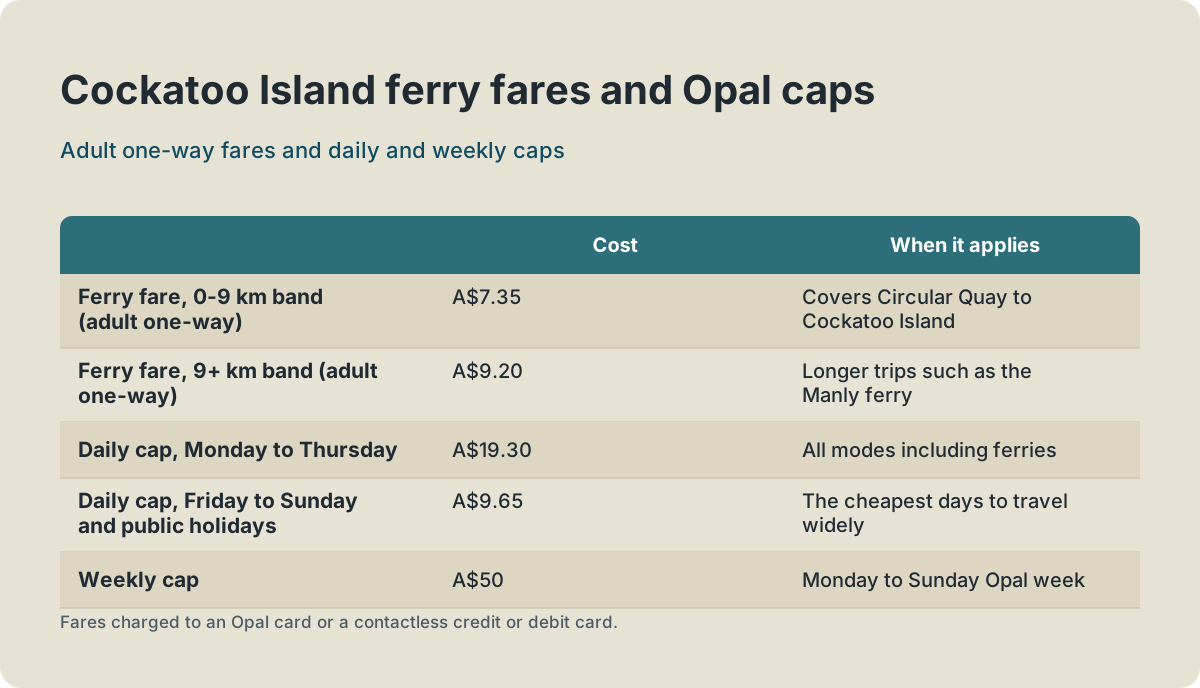
The only public way to reach Cockatoo Island is by ferry, and Sydney Ferries services call at the island's wharf on routes that also serve the Parramatta River. From Circular Quay the trip takes roughly 20 to 30 minutes. An adult one-way ferry fare is A$7.35 in the 0-9 km distance band, charged to an Opal card or a contactless credit or debit card, and daily fare caps apply. Ferries are the island's only access, which is part of the point. The trip up the harbour is the first half of the experience, passing Balmain, Woolwich and the river suburbs before the island's cranes appear. You can plan the exact service and check live timetables on the Transport for NSW ferry pages.
Tap on with an Opal card or, just as easily, with the same contactless card you carry at home. Contactless payment is charged identically to an Adult Opal card and earns every benefit, including the caps and the transfer discount. The one trap to know about is the privately operated fast ferry network, which accepts Opal cards through OpalPay but charges different fares with no Opal caps or transfer discounts, so for this trip stick to the public Sydney Ferries services. Our Sydney ferries guide covers the whole network, and the Opal card guide for visitors explains the payment system end to end.
| Ferry fare band (adult) | One-way fare | Notes |
|---|---|---|
| 0-9 km | A$7.35 | Covers most harbour hops, including Circular Quay to Cockatoo Island |
| 9+ km | A$9.20 | Longer trips such as the Manly ferry; ferries have no off-peak discount |
Fares are set by Transport for NSW and reset with each annual fare determination, so treat these as the current fare year's figures rather than permanent prices. The adult Opal fares page carries the live tables for every mode.
Getting to the island is also the natural moment to decide whether you want to see the harbour from a scheduled ferry or from a dedicated sightseeing cruise, and the options below are the ones worth comparing.
A sightseeing cruise and a ferry to Cockatoo Island are not the same product, but they overlap more than you might think. The ferry gives you the transport plus the island; a cruise gives you the water-level commentary and a loop of the harbour without a stop. Some visitors do the island by ferry in the morning and a harbour cruise at sunset, which is a genuinely good pairing.
What Does a Visit to Cockatoo Island Cost?
Entry to Cockatoo Island itself is free, so your only compulsory cost is the ferry fare, A$7.35 each way for an adult in the 0-9 km band, capped by Opal's daily limits of A$19.30 Monday to Thursday or A$9.65 on Fridays, weekends and public holidays. There is no island admission fee, no booking needed for a day visit, and the island's heritage areas are open to walk freely. In practice that makes Cockatoo Island one of the cheapest substantial half-days in Sydney. A family of four travelling on a Sunday pays no more than the weekend daily cap per adult, and children travel cheaper again on Opal. The only extra costs are optional: food from the island's cafes, any paid exhibition or event ticket, and camping if you decide to stay the night.
| Opal cap | Amount | When it applies |
|---|---|---|
| Daily cap, Monday to Thursday | A$19.30 | All modes including ferries |
| Daily cap, Friday to Sunday and public holidays | A$9.65 | The cheapest days to travel widely |
| Weekly cap | A$50 | Monday to Sunday Opal week |
The caps matter here more than they do for most attractions because the island trip almost always combines with other ferry riding. If you ferry to Cockatoo Island in the morning, continue up the Parramatta River or back to Darling Harbour afterwards, the daily cap quietly absorbs the extra legs. Public holidays carry the cheaper cap, so a holiday Monday is one of the best value days to build a multi-ferry itinerary around the harbour. Our Sydney on a budget guide lists the other free and near-free sights worth folding into the same day.
If your trip is bigger than one island, it is worth knowing how the paid attractions stack up before you buy anything. A multi-attraction pass can beat individual tickets if your list includes the aquarium, the tower or the zoo, and the Sydney attraction passes compared guide runs the maths on when that works.
What Can You Actually See on the Island?
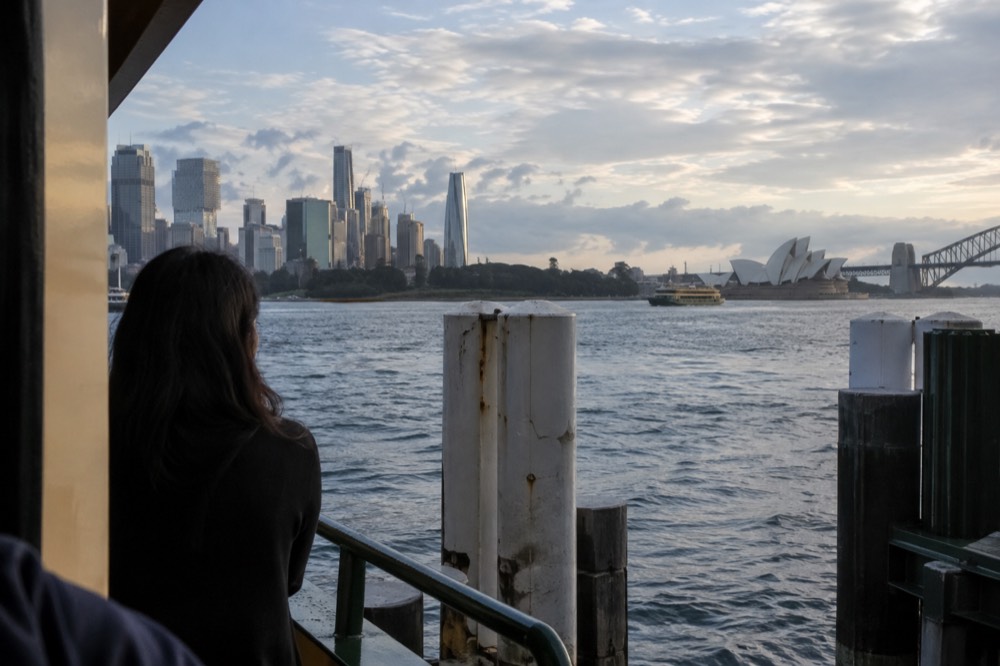
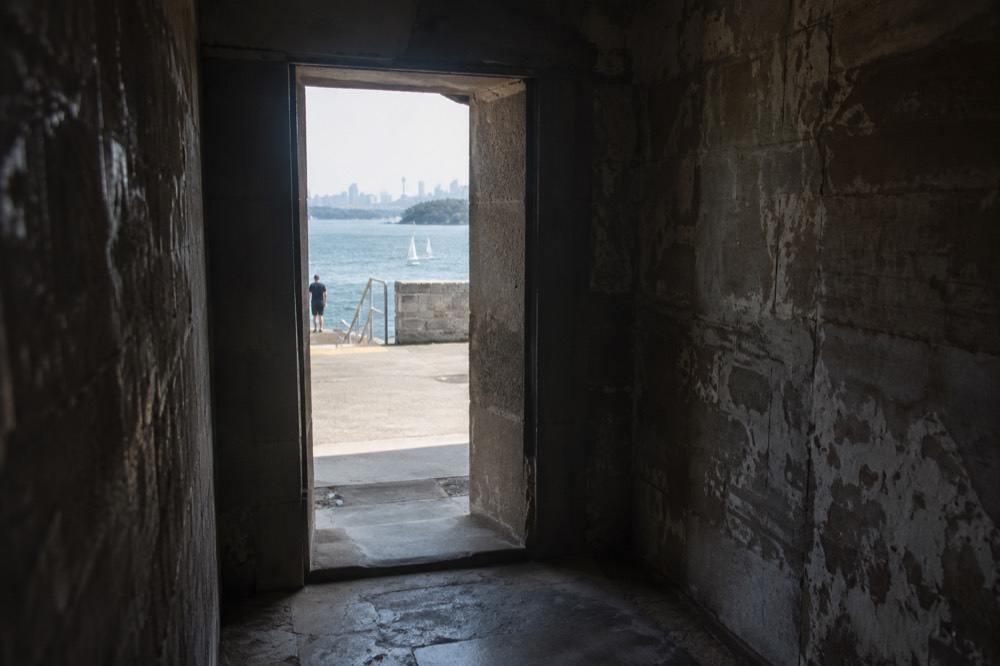
The island splits into two main layers: the raised convict precinct on the island's plateau, with solitary confinement cells, guardhouses and the convict-built grain silos, and the dockyard below, with slipways, cranes, workshops and two enormous dry docks carved into the sandstone. Both are free to walk through. Interpretive signage across the site explains what each structure was for, and the views west over the harbour come free with the walk. The convict precinct is the World Heritage heart of the visit. The sandstone buildings are small, dark and remarkably intact, and standing inside a solitary cell with the harbour glittering through the doorway is the single most memorable moment most visitors take away. The grain silos, cut directly into the rock by convict labour to store the colony's grain, are among the earliest surviving structures of their kind in Australia.
Below the plateau the shipyard takes over. The island's shipbuilding era left dry docks, slipways, crane tracks and towering workshop buildings, and much of the heavy machinery is still in place. Walking the lower level feels closer to a preserved industrial site than a museum, and that contrast, a prison above a factory, is exactly what makes the island unusual. Give the lower level time; visitors who only walk the convict precinct miss half the story. For more of the city's industrial and maritime past, the Cockatoo Island companion guide on the harbour islands pairs well with a look at our Sydney hidden gems roundup.
The island also hosts rotating art installations, exhibitions and events, including major festivals that periodically transform the site, so what is open on any given day varies. Check the island's own visitor information before you travel if a specific exhibition matters to your visit, because installations open and close through the year. The permanent heritage fabric is always there; the temporary layer is the variable.
How Long Should You Spend on Cockatoo Island?
Allow three to four hours on the island itself for a proper visit, plus ferry travel each way, which makes it a comfortable half-day trip of five to six hours door to door from Circular Quay. A quick visit of 90 minutes covers the convict precinct and one viewpoint, but the dockyard level and the western edge of the island reward the extra time, and the island's cafes make lingering easy. The island is bigger than it looks from the ferry. Walking the full circuit of the plateau and the dockyard, with stops to read signage and take in the views, takes most people a couple of hours at a relaxed pace. Add time if you are visiting with children, who tend to treat the industrial level as an adventure playground, or if an exhibition is on.
Half a day is the sweet spot for most itineraries. Pair a morning on the island with an afternoon in The Rocks or Darling Harbour, both a single ferry ride away, and you have a day that mixes heritage, harbour and city without any backtracking. Our 1 day in Sydney itinerary shows how a harbour island stop fits into a tight schedule, and the day trips from Sydney without a car guide collects other car-free options if the island whets your appetite.
Can You Stay Overnight on Cockatoo Island?
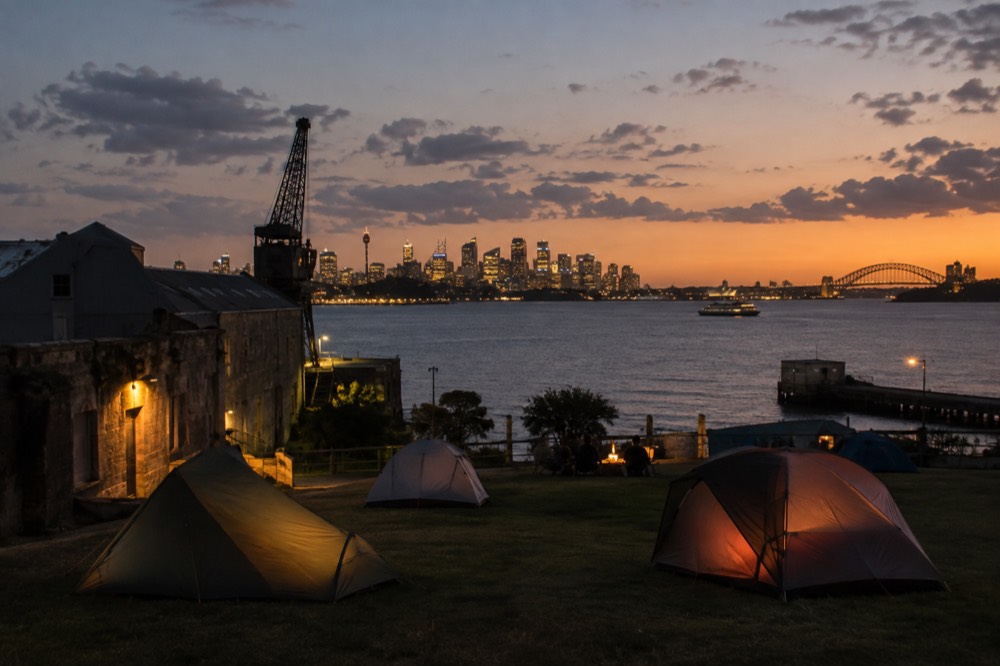
Yes. Cockatoo Island offers camping and glamping on the plateau, with harbour views from the tent sites, and it is one of the very few places you can sleep overnight on Sydney Harbour. Rates and availability change seasonally, so check the island's own booking pages for current pricing. Day visitors do not need to think about any of this, but an overnight stay turns the island into something rarer: a World Heritage site that empties out after the last ferry leaves. Camping here is a Sydney institution in miniature. The sites sit on the island's upper plateau looking toward the Harbour Bridge, and the experience of the island after dark, when the day trippers are gone and the city glitters across the water, is the reason people book it. Facilities are shared and the setup is more "harbour campground" than resort, which suits the site's character. Book well ahead in the December to February summer months and around festival periods, when sites sell out first.
When Is the Best Time to Visit?
The most pleasant months to visit are autumn and spring, March to May and September to November, when Sydney's mean daily maximums sit in the low 20s Celsius and rainfall is moderate. Winter visits work too: August is statistically Sydney's clearest month, with a long-run average of 13.4 clear days, and the island's open walking terrain suits crisp, dry weather. February is the cloudiest month on average, despite being peak season. That last point surprises people. Sydney's climate record, kept by the Bureau of Meteorology at Observatory Hill since the 1850s, shows that the city's clearest skies arrive in late winter, while the middle of the peak tourist season is its cloudiest time. June is the wettest month on average, with 133.1 mm of mean rainfall, wetter than any summer month. None of this ruins a summer visit, but it does mean a winter ferry ride to the island is a better bet than the brochures imply.
| Season | Months | Mean daily max | Mean monthly rainfall | What it means for the island |
|---|---|---|---|---|
| Summer | December to February | 25.3-26.0 °C | 77.1-119.3 mm | Warmest water views; busiest ferries; cloudiest skies on average |
| Autumn | March to May | 19.5-24.8 °C | 117.4-131.6 mm | Comfortable walking; rain picks up toward June |
| Winter | June to August | 16.4-17.9 °C | 80.2-133.1 mm | Clearest skies of the year; pack a layer; June is the wettest month |
| Spring | September to November | 20.1-23.7 °C | 68.1-83.8 mm | Mild and drier; good balance of crowds and weather |
Daylight matters too. Sydney observes daylight saving from the first Sunday in October to the first Sunday in April, so summer ferries run home in bright evening light while winter visits want an earlier start. The Bureau of Meteorology's climate averages for Sydney are the source for the figures above, and our Sydney weather month by month guide applies them to trip planning in detail.
Is Cockatoo Island Worth the Ferry Ride?
For most visitors, yes, and especially if you have already seen the Opera House and the Bridge and want something with a different story. The island combines free entry, World Heritage convict history, industrial ruins you can walk through freely, and some of the best harbour views in Sydney, all for the price of a ferry fare. It suits history buffs, photographers and families better than it suits visitors who want polished, curated attractions. The honest caveat is that the island is a heritage site, not a theme park. Signage is good but there is no single flagship exhibit, and people who want a guided narrative get more from booking one of the island's guided tours than from walking solo. If your Sydney time is limited to a single weekend, our 2 days in Sydney itinerary helps you decide whether the island earns a slot ahead of Bondi, Manly or the Blue Mountains.
For photographers the answer is simpler: the island is one of the best per-hour investments in the city. The mix of sandstone, rusted steel, water and skyline gives you three completely different shoots in one small landmass, and the golden hour from the western edge is a fixture in our Sydney photography spots guide.
Common Questions About Cockatoo Island
Is Cockatoo Island free to enter?
Yes. Entry to the island and its heritage precincts is free for day visitors. Your only compulsory cost is the ferry fare, A$7.35 each way for an adult in the 0-9 km band, subject to Opal daily caps. Paid extras, such as guided tours, exhibitions and camping, are optional.
How do I get to Cockatoo Island from Circular Quay?
Take a Sydney Ferries service on the Parramatta River routes from Circular Quay; the trip takes roughly 20 to 30 minutes. Tap on with an Opal card or contactless card. Check the Transport for NSW trip planner for live timetables, as service frequency varies by day and time.
How long does a visit to Cockatoo Island take?
Plan on three to four hours on the island plus ferry travel each way, so five to six hours door to door. A brisk 90-minute visit covers the convict precinct and one viewpoint, but the dockyard level and the western waterfront reward staying longer.
Can you stay overnight on Cockatoo Island?
Yes. The island offers camping and glamping on the plateau with harbour views, and it is one of the few places you can sleep overnight on Sydney Harbour. Rates and availability change seasonally, so check the island's booking pages for current pricing and book ahead in summer.
Is Cockatoo Island suitable for kids?
Generally yes. Children take to the open walking terrain and the industrial machinery well, and the ferry ride is half the fun. Keep an eye on them around the dock edges and the dry docks, which are unfenced in places, and note the island involves a fair amount of walking and stairs.
Is Cockatoo Island accessible for wheelchairs and prams?
Partly. The lower dockyard level and wharf area are relatively flat, but the convict precinct sits on a plateau reached by stairs and steep paths, and some heritage surfaces are uneven. Check the island's accessibility information before visiting with a wheelchair or pram, and see our [accessible Sydney guide](/guides/accessible-sydney/) for the wider picture.
If the island has won you over, the natural next move is to see the rest of the harbour properly, and these are the three options most visitors pair with it.
One last planning note: the ferry home is the part people forget to plan. Check the last departure time before you wander off toward the western edge, because after the final ferry the only people left on Cockatoo Island are the campers, and they booked that on purpose.