Sydney Hidden Gems: The Spots Most Visitors Walk Straight Past
Sydney's headline attractions absorb the crowds, which leaves a whole second city of free museums, harbour islands and quiet pools sitting almost empty a short ferry ride away.
Short answer
Sydney's best hidden gems include Wendy's Secret Garden at Lavender Bay, the free ocean pool at Bronte, Cockatoo Island, the free-entry Australian Museum and Art Gallery of New South Wales, the Glebe and Woolloomooloo neighbourhoods, and the Spit to Manly walk. Most cost nothing, and nearly all sit within 30 minutes of Circular Quay by ferry, train or bus.
Most itineraries for Sydney read the same: Opera House, Harbour Bridge, Bondi, done. Yet the city keeps a second layer that rarely makes those lists, and much of it is free. The Australian Museum charges nothing for general entry. The Royal Botanic Garden Sydney, one of the most expensive pieces of real estate the harbour touches, is free to walk into every day from 7am. A short ferry ride from Circular Quay sits an island that functioned as a prison, a reformatory and a shipyard, and now charges a modest fee to camp on.
This guide gathers the spots that locals actually use, with the costs, transport and timing that make them work. The pattern that emerges is consistent: Sydney hides its best material in plain sight, one street or one ferry stop beyond where the crowds stop walking.
What Are Some Hidden Gems in Sydney?
The strongest hidden gems in Sydney are Wendy's Secret Garden at Lavender Bay, the free Bronte Ocean Pool, Cockatoo Island, the free-entry Australian Museum and Art Gallery of New South Wales, the fish markets at Blackwattle Bay, the Glebe and Woolloomooloo neighbourhoods, and the Spit to Manly walk. Almost all are free or under A$20, and every one sits within about 30 minutes of the city centre by public transport.
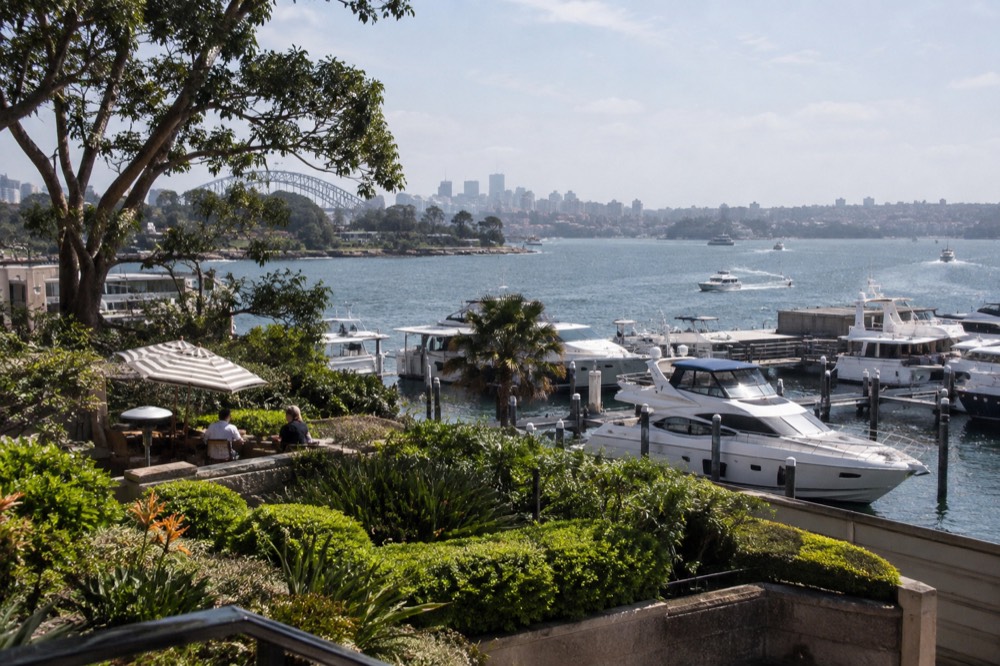
The common thread is harbour geography. Sydney's waterfront wraps in and out of coves and peninsulas, so a five-minute walk in the wrong direction from a famous spot often lands you somewhere empty. Wendy's Secret Garden is the classic case: it sits directly across the water from the Opera House, on the North Shore side of the harbour at Lavender Bay, a ten-minute walk from Milsons Point station. The view is the one every postcard uses, and most days there are a handful of people in it.
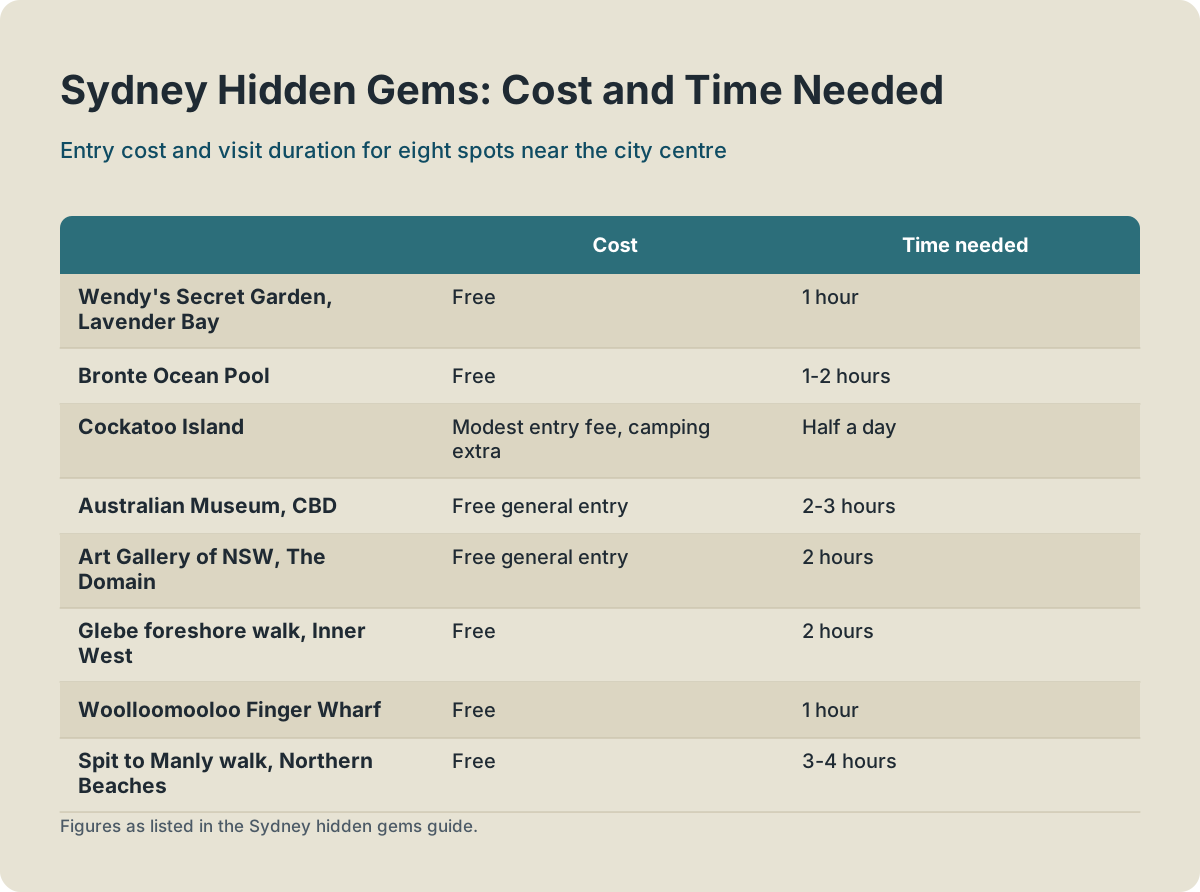
The list below is deliberately mixed. Some entries are free, some cost a few dollars, and one or two reward a half-day rather than an hour. What none of them require is a car.
| Hidden gem | Where | Cost | Time needed |
|---|---|---|---|
| Wendy's Secret Garden | Lavender Bay, North Shore | Free | 1 hour |
| Bronte Ocean Pool | Bronte Beach, eastern beaches | Free | 1-2 hours |
| Cockatoo Island | Sydney Harbour, F3 ferry | Modest entry fee, camping extra | Half a day |
| Australian Museum | 1 William Street, CBD | Free general entry | 2-3 hours |
| Art Gallery of NSW | The Domain, CBD | Free general entry | 2 hours |
| Glebe foreshore walk | Inner West, light rail | Free | 2 hours |
| Woolloomooloo Finger Wharf | Eastern edge of the CBD | Free | 1 hour |
| Spit to Manly walk | Northern Beaches | Free | 3-4 hours |
Which Harbour-side Secrets Do Locals Keep to Themselves?
The best harbour secrets are Wendy's Secret Garden at Lavender Bay, the Barangaroo reserve on the western CBD edge, Woolloomooloo Finger Wharf, and Cockatoo Island, the former prison and shipyard in the middle of the harbour. All four are free or nearly free, and three of them are best reached by ferry, which means the journey itself becomes part of the visit.
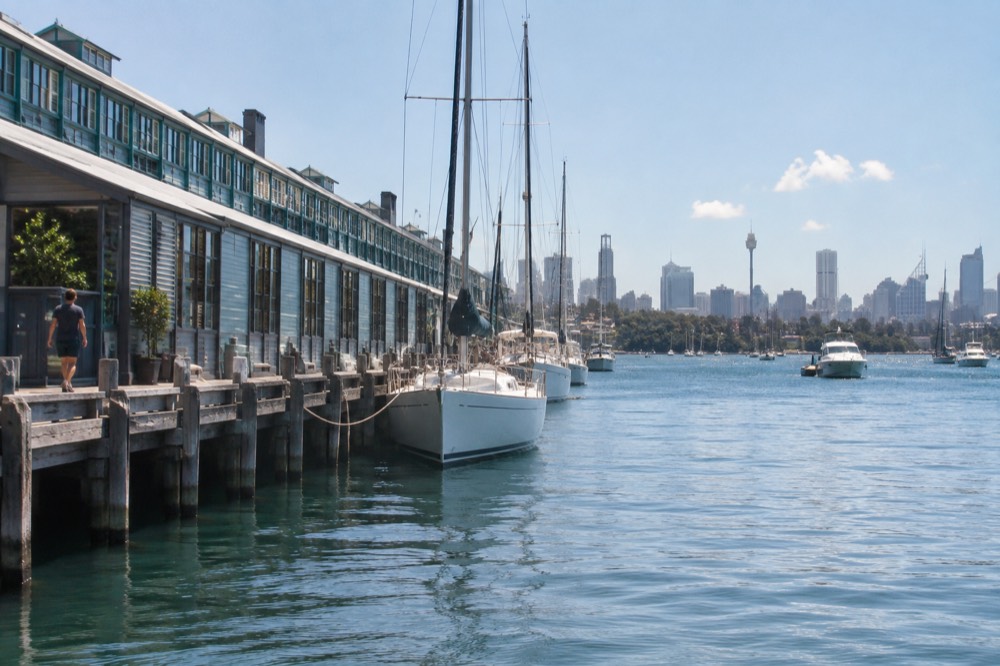
Woolloomooloo is the easiest to reach and the most overlooked. The Finger Wharf is one of the largest timber-piled wharves in the world, and the walk out along it, past working boatyards and heritage facades, ends at a view of the Garden Island naval base. The surrounding streets hold some of the last old pub corners near the city, and it is a flat ten-minute walk from the eastern edge of Hyde Park. Our Woolloomooloo guide maps the walk and the pubs in detail.
Barangaroo sounds like a development name because it is one, but the reserve at its northern end is a genuine reconstruction of the pre-colonial harbour shoreline, planted with around 75,000 native species and built from sandstone cut on site. It is the one place in the CBD where you can walk on what the harbour edge actually looked like. It is free, open at all hours, and usually close to empty on weekday mornings.
Cockatoo Island is the deepest cut. The largest island in the harbour, it ran as a convict prison, then a girls' reformatory, then one of Australia's biggest shipyards, and the layered remains of all three are still standing. You can walk through the convict-era silos and the enormous turbine hall in the same hour, then camp overnight in a spot with the city skyline glowing across the water. The Cockatoo Island guide covers the ferry routes and the camping options. The F3 ferry from Circular Quay takes about 25 minutes and Opal fares apply, with the adult ferry rate at A$7.35 for the shorter distance bands.
Seeing the harbour from the water ties these shoreline spots together, and a sightseeing cruise is the cheapest way to do it without committing a whole afternoon. For travellers who would rather eat their way through the backstreets than ride past them, a guided food tour through Chinatown and the city's quieter laneways covers ground you would struggle to find alone.
Which Free Museums and Galleries Do Visitors Skip?
Sydney's two headline museums, the Australian Museum and the Art Gallery of New South Wales, both charge nothing for general entry, and both sit within a ten-minute walk of the CBD. The Art Gallery stays open until 10pm on Wednesdays, the Australian Museum is open daily 10am to 5pm, and only major special exhibitions carry a ticket fee at either venue.
The Australian Museum, opposite Hyde Park near Museum station, holds the state's natural history and First Nations collections, and its general entry is free, daily except Christmas Day. The Art Gallery of New South Wales, up in The Domain, is also free for general entry, and its Wednesday late night is the detail worth planning around: the gallery runs until 10pm every Wednesday, which turns a tourist visit into something closer to a local evening out. Full details for both are in our Australian Museum guide and Art Gallery of New South Wales guide.
Two warnings matter here. The Powerhouse Museum at Ultimo has been closed since February 2024 for a major redevelopment and is not expected back until around 2029, so any older list still recommending it is wrong. Its replacement at Parramatta, Powerhouse Parramatta, is scheduled to open on 7 November 2026, which will add a genuinely new museum to the western side of the city.
The fish market is the third free-to-enter stop in this set. The new Blackwattle Bay building puts the wholesale floor, the retailers and the dining terraces on one site, and the F10 ferry now lands there, so you can arrive by water and eat your way back. Our Sydney Fish Market guide has the transport detail.
| Venue | General entry | Hours | Closed |
|---|---|---|---|
| Australian Museum | Free | 10am-5pm daily | Christmas Day |
| Art Gallery of New South Wales | Free | 10am-5pm, Wednesdays to 10pm | Good Friday, Christmas Day |
| Royal Botanic Garden Sydney | Free | 7am to sunset daily | Never |
| Sydney Fish Market, Blackwattle Bay | Free to enter | Retail and dining hours vary | Varies by retailer |
| Powerhouse Ultimo | Closed since February 2024 | Reopening around 2029 | Currently closed |
| Powerhouse Parramatta | Scheduled to open 7 November 2026 | To be confirmed | Not yet open |
Where Are Sydney's Quiet Beaches and Ocean Pools?
Sydney's quietest swimming spots are the ocean pools: Bronte Ocean Pool and the North Bondi Children's Pool are free and council-run, while Clovelly and Wylie's at Coogee offer calm, sheltered swimming. Bronte, Tamarama, Coogee and Manly are patrolled year-round, but patrol hours are longer from October to April, and every ocean pool can close in big swell.
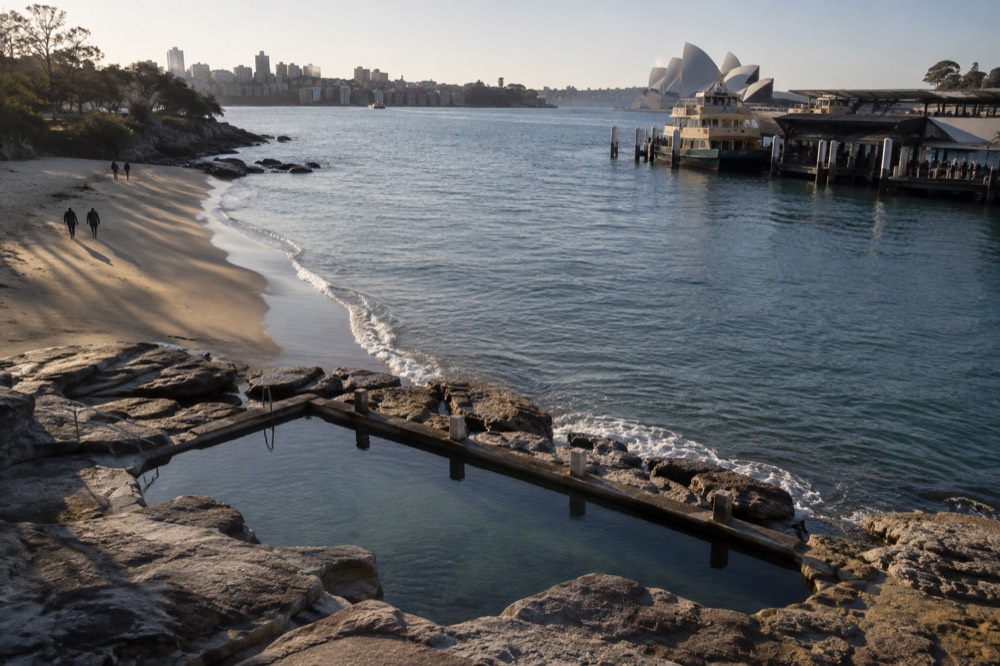
Ocean pools are the single most underused feature of the Sydney coast. Carved into the sandstone at the southern end of most beaches, they hold seawater through the tide cycle and give you a swim with no rips and no surf. Bronte's pool is free, as is the North Bondi Children's Pool, both maintained by the council and cleaned weekly. Bondi Icebergs, the famous one, is a separate club-run pool and charges an access fee, which is the distinction most visitors miss. Clovelly, Wylie's at Coogee and Mahon at Shelly Beach round out the set.
The safety rules still apply, even in a pool that looks tame. Swim at a patrolled beach, between the red and yellow flags, during patrol hours. Rip currents remain the number one hazard on this coast, and the official advice from Beachsafe is unambiguous: stay calm, conserve energy, raise an arm and call for help, and float with the current, which may return you to a sandbank. Never swim at an unpatrolled beach, and never assume a quiet stretch of sand is safe because nobody is on it.
Water quality is the second check. NSW Beachwatch grades swim sites from Very Good to Very Poor, and the official advice after heavy rain is to stay out for up to one day at ocean beaches and up to three days at harbour and estuarine sites. The daily grades are published at beachwatch.nsw.gov.au, and checking them takes thirty seconds.
| Pool or beach | Cost | Patrolled | Notes |
|---|---|---|---|
| Bronte Ocean Pool | Free | Bronte patrolled year-round | Council-run, cleaned weekly |
| North Bondi Children's Pool | Free | Bondi patrolled year-round | Shallow, suits families |
| Bondi Icebergs | Access fee applies | Adjacent beach patrolled year-round | Club-run, 50m pool |
| Clovelly | Free | Seasonal patrols at the beach | Very sheltered, popular with snorkellers |
| Wylie's, Coogee | Access fee applies | Coogee patrolled year-round | Historic baths |
| Mahon Pool, Maroubra | Free | Seasonal patrols | Rock pool, can close in swell |
Which Hidden Neighbourhoods Reward a Detour?
Glebe, Newtown, Woolloomooloo and Balmain are the neighbourhoods most worth adding, each sitting within 20 minutes of the city by bus, light rail or ferry. Glebe pairs a weekend market with a foreshore wetlands walk, Newtown holds the city's grungiest live music and second-hand shops, and Balmain delivers pubs and harbour views without a tour bus in sight.
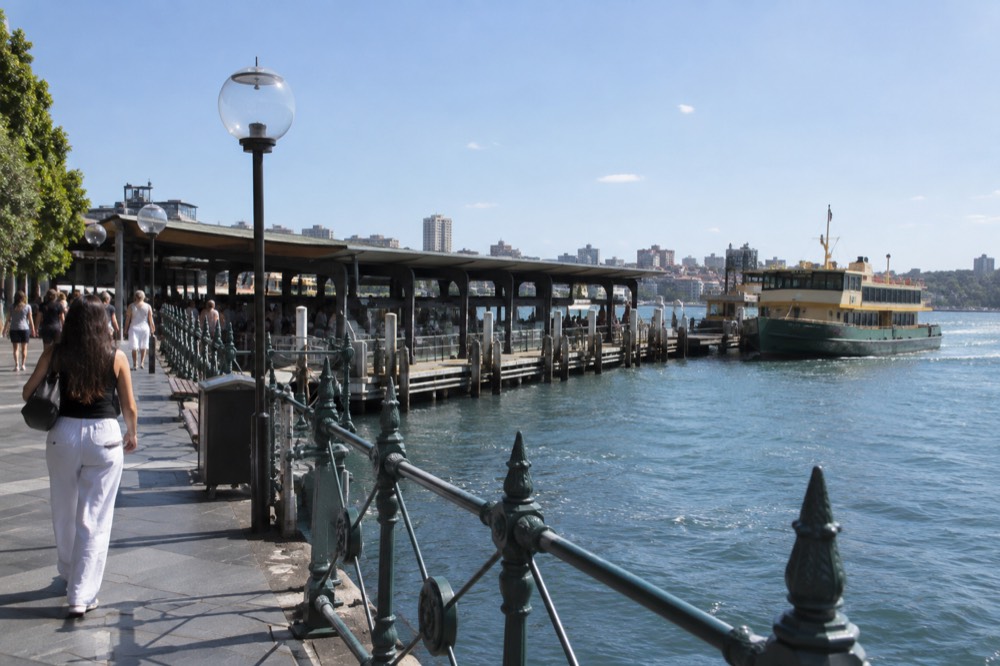
Glebe is the easiest sell. The Glebe Foreshore Walk runs about two kilometres from the tram sheds at Jubilee Park around Blackwattle Bay to the fish market, through wetlands and parkland with the Anzac Bridge overhead. The Glebe Markets run on Saturdays at the school grounds on Derby Place. It is a short light rail ride from Central, and the Glebe guide covers the walk, the market and the bookshops on Glebe Point Road.
Newtown is the city's counter-culture spine, a long stretch of King Street dense with second-hand record stores, Thai restaurants and the odd mural of international fame. It is on the train line from Central, roughly ten minutes, and it is where Sydney's live music scene lives when the inner city gets too expensive for it. Our Newtown guide lists the venues worth checking ahead of time.
Balmain sits across the harbour on the North Shore side of the Anzac Bridge, reachable by ferry from Barangaroo or by bus from the city. Its pub heritage is genuine, and the weekend streets are full of locals rather than visitors. For a different flavour again, Potts Point and Darlinghurst, on the eastern edge of the city, pack art deco apartment blocks, small bars and serious coffee into a walkable grid.
| Neighbourhood | Best for | Getting there | Time needed |
|---|---|---|---|
| Glebe | Markets, foreshore walk, bookshops | Light rail from Central | Half a day |
| Newtown | Live music, vintage shops, cheap eats | Train from Central, 10 minutes | Half a day |
| Balmain | Heritage pubs, harbour views | Ferry from Barangaroo, 10 minutes | An afternoon |
| Woolloomooloo | Wharf walk, old pubs | Walk from Hyde Park, 10 minutes | 1-2 hours |
| Potts Point | Art deco streets, small bars | Train to Kings Cross | An evening |
What Secret Walks and Lookouts Exist Beyond the Postcard Spots?
The Spit to Manly walk is Sydney's best-kept walking secret, a 10-kilometre harbour track through Sydney Harbour National Park that most visitors never hear about, while the Pylon Lookout inside the Harbour Bridge's south-east pier costs a few dollars and gives you bridge-level views without a climb. Both are reachable by public transport, and neither requires a guide.
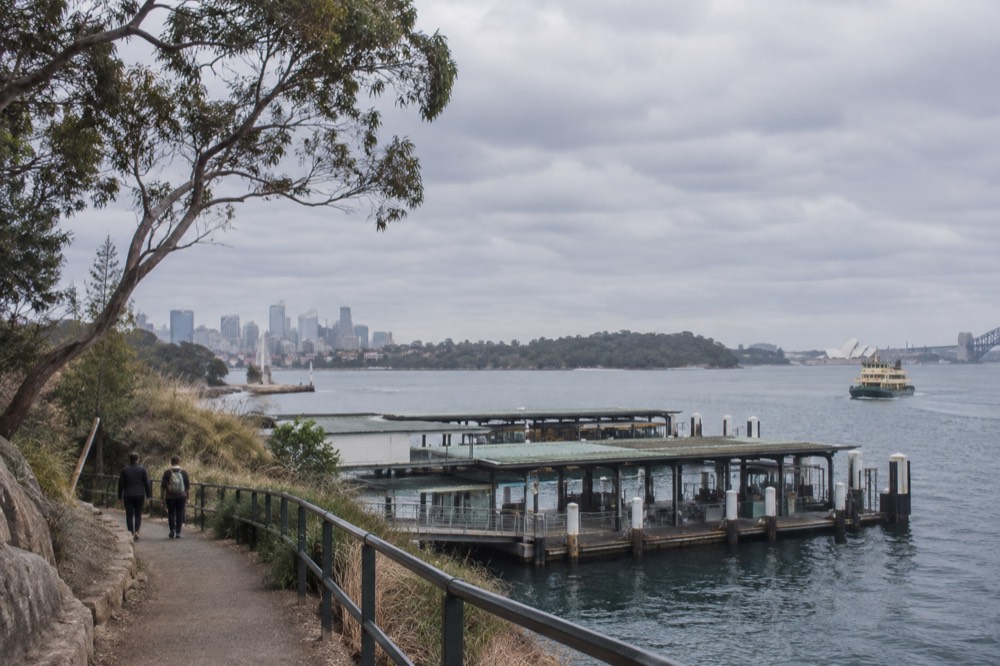
The Spit to Manly walk is the one locals guard lightly. It threads Aboriginal engravings, quiet coves and pockets of national park bushland along the northern shore, and you finish at Manly with a ferry ride home. There is no entry fee, no booking and no guide required, though the track does close sections occasionally for maintenance, so check alerts before you go. Our Spit to Manly walk guide has the route, the ferry connections and the swimming stops.
The Pylon Lookout is the bridge's other secret. The four granite piers at the Sydney Harbour Bridge's ends look like solid decoration, but the south-eastern one contains a staircase, a small museum and an open viewing deck roughly halfway up the bridge, at a fraction of the cost and none of the fitness requirements of a full climb. The Pylon Lookout guide covers it. For free high views instead, Observatory Hill in The Rocks and the sandstone ledges around Mrs Macquarie's Point cost nothing and sit close to the big attractions.
A little further out, the Ku-ring-gai Chase National Park at the city's northern edge holds the largest concentration of Aboriginal rock engravings in the region, plus a $12-per-vehicle entry fee that vanishes entirely if you arrive by ferry from Palm Beach side or on foot. Our Ku-ring-gai Chase guide explains the access options.
If you would rather be on the water than above it, a sunrise kayak on the harbour reaches corners no ferry route touches, including the sheer sandstone of the northern coves, and the early light is the quietest time on the water all day.
When Is Sydney at Its Quietest and Most Surprising?
Sydney is at its quietest in the shoulder months of May, August and September, and the statistics back a counterintuitive claim: August is Sydney's clearest month with a long-run average of 13.4 clear days, while February, in the middle of peak season, is its cloudiest with 5.3. June is actually the wettest month of the year, averaging 133.1 mm of rain, wetter than any summer month.
This is the piece of information gain most guides get wrong. Visitors assume an Australian city peaks in summer and fades through winter, but the Bureau of Meteorology's long-run averages for Sydney, drawn from a record spanning more than 160 years at Observatory Hill, tell a different story. Peak season is statistically the cloudiest time of year, and late winter delivers the most reliable clear skies. The days are shorter in August, with a long-run average of 7.1 daily sunshine hours against January's 7.1, but the sky itself is more dependable.
The practical read for a hidden-gems trip: February and March carry the most rain days, June the most total rain, and August the best odds of a clear day for a coastal walk or a harbour ferry ride. May, September and October sit in the sweet spot, with fewer crowds, tolerable water for the ocean pools and clear days in the high single digits on average. The full month-by-month picture, including what it means for beach days, is in our Sydney weather month-by-month guide and the wider best time to visit Sydney analysis.
Whale watching is the other seasonal secret. The migration runs May to November along this coast, with the southern return, cows and calves closer to shore, peaking from August to November, and NSW National Parks puts the eastern Australian humpback population at an estimated 40,000-plus animals. A land-based lookout in Sydney Harbour National Park costs nothing, and our whale watching in Sydney guide lists the vantage points.
| Month | Mean max °C | Mean rainfall mm | Mean clear days | Crowd level |
|---|---|---|---|---|
| February | 25.8 | 119.3 | 5.3 | Peak |
| April | 22.5 | 126.5 | 9.1 | Moderate |
| June | 17.0 | 133.1 | 9.1 | Low |
| August | 17.9 | 80.2 | 13.4 | Low |
| September | 20.1 | 68.1 | 10.9 | Low |
| November | 23.7 | 83.8 | 6.0 | Building |
An after-dark walk through The Rocks is another side of the city most itineraries skip: the true crime tour runs 90 minutes through the colonial-era lanes and tells the stories the heritage plaques leave out.
How Do You Reach the Hidden Gems Without a Car?
Every spot in this guide is reachable by ferry, train, light rail or bus, and a contactless credit card pays the same adult fare as an Opal card with the same daily caps: A$19.30 Monday to Thursday and A$9.65 on Fridays, weekends and public holidays. The weekly cap is A$50, the off-peak discount of 30% applies on Fridays and weekends, and a public holiday is the cheapest day to travel widely.
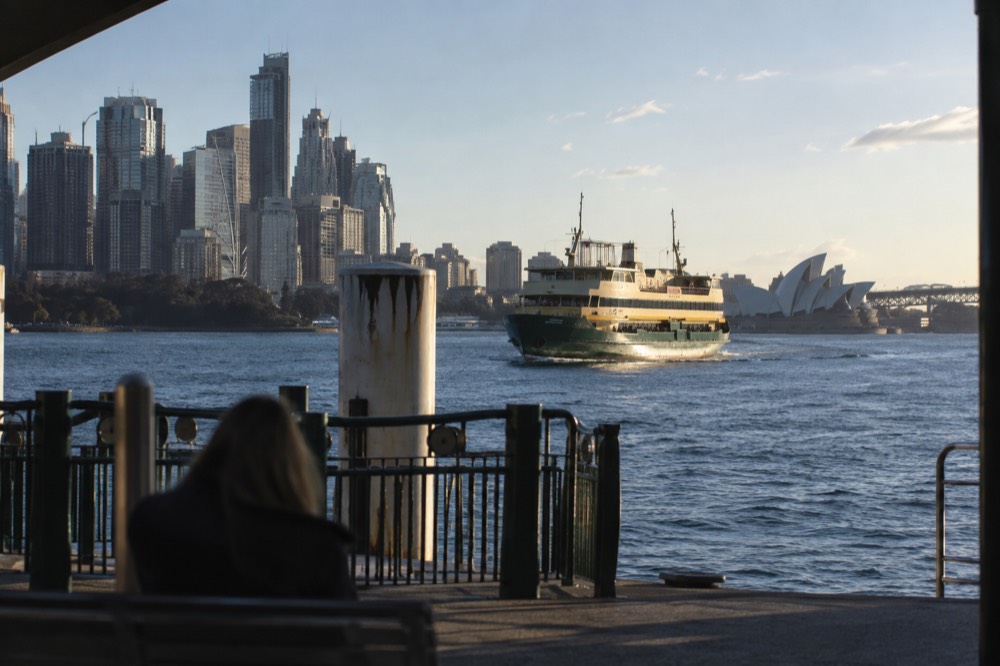
The ferry is the hidden-gems vehicle. The F3 route serves Cockatoo Island, the F1 crosses to Manly for the Spit walk's finish, the F2 reaches Taronga Zoo's wharf and the northern shore coves, and the F10 now lands at Blackwattle Bay for the fish market and Glebe. Full fare and route detail is in our Sydney ferries guide and the Opal card guide for visitors.
Two traps are worth repeating. The privately operated Manly Fast Ferry accepts Opal cards through OpalPay, but its fares differ and the Opal caps and transfer discounts do not apply on it, so a visitor who thinks they have hit the daily cap keeps getting charged. And the airport stations carry a separate access fee on top of the train fare, outside both the daily and weekly caps, which is why the Sydney Airport to the city guide usually recommends comparing the train against the 400 bus, which carries no access fee at all.
| Gem | Best route | Approximate adult fare |
|---|---|---|
| Wendy's Secret Garden | Train to Milsons Point | Short train band, off-peak from A$3.03 |
| Cockatoo Island | F3 ferry from Circular Quay | A$7.35 ferry band |
| Glebe | Light rail from Central | Short light rail band |
| Manly, Spit walk finish | F1 ferry from Circular Quay | A$9.20 ferry band |
| Sydney Fish Market | F10 ferry or light rail | Ferry or light rail band |
| Balmain | Ferry from Barangaroo | A$7.35 ferry band |
One honest note on the pass: the hidden gems above cost almost nothing, so a [multi-attraction pass](https://gocity.tpk.ro/rUvgw2vS) only earns its keep if you are also doing the paid headline acts, SEA LIFE, the Tower Eye and their stablemates, in the same trip. Price the pass against what you will actually visit, not what you hope to.
Which Hidden Gems Suit a Rainy Day?
The best rainy-day hidden gems are the Art Gallery of New South Wales on a Wednesday evening, the Australian Museum's free galleries, the Queen Victoria Building's ornate interior, and the State Library's heritage reading rooms and exhibitions, all free to enter and all within a short walk of one another in or near the CBD.
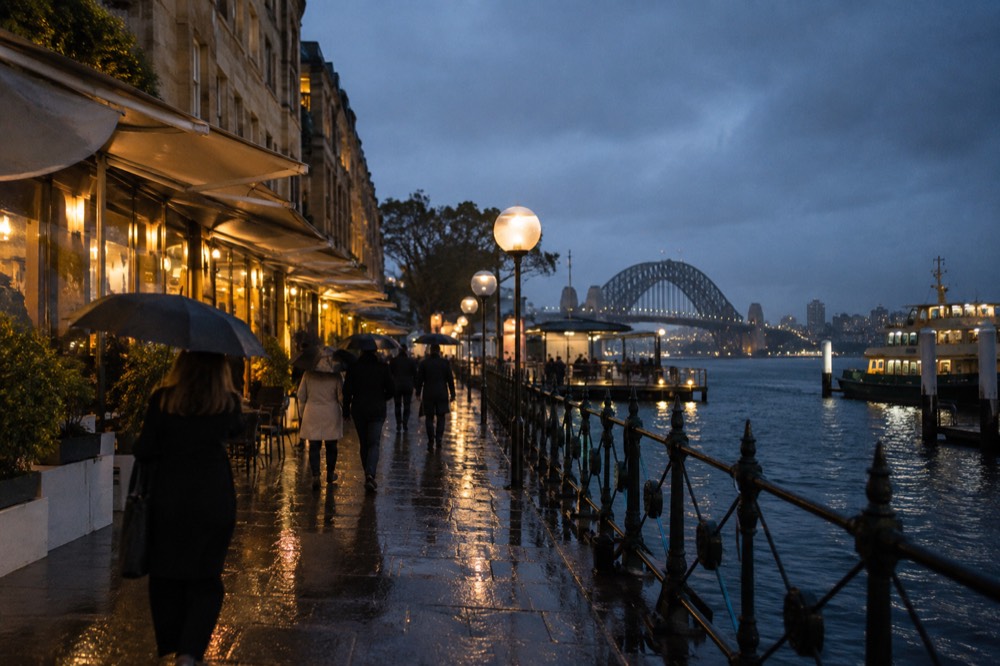
Rain in Sydney is not the disaster visitors fear, partly because the heaviest rain is concentrated: June averages 133.1 mm but spreads over fewer heavy days, and the long-run pattern shows rain on roughly 99.5 days a year, about one day in four. When a wet day lands, the free galleries cover two to three hours each, the Queen Victoria Building is a shopping arcade worth seeing as architecture even if you buy nothing, and the State Library on Macquarie Street runs free exhibitions in one of the city's most beautiful rooms.
The full wet-weather plan, including which harbour activities still run in drizzle and which pools close in big swell, is in our Sydney rainy day itinerary. The short version: morning in a gallery, lunch at the fish market's covered hall, afternoon in a pub with heritage bones, and the rain usually breaks by late afternoon anyway.
If the forecast has already pushed you toward the indoor attractions, this is exactly the trip shape where a combo pass makes sense: several covered, ticketed venues, visited across a couple of days, with the harbour walk saved for the clear morning that follows.
Whichever mix you settle on, the underlying logic of this whole guide holds: Sydney's famous layer is worth seeing, and the layer underneath it is free, quiet and one ferry stop away. More orientation for a first visit is on the Sydney Travel Guide homepage, and the things to do in Sydney roundup covers the headline acts this guide deliberately skips.
Common Questions About Hidden Gems in Sydney
What are some hidden gems in Sydney?
Wendy's Secret Garden at Lavender Bay, the free Bronte Ocean Pool, Cockatoo Island, the free-entry Australian Museum and Art Gallery of New South Wales, the Glebe foreshore walk, Woolloomooloo Finger Wharf, the Pylon Lookout and the Spit to Manly walk. Most are free, and all are reachable by ferry, train, light rail or bus within about 30 minutes of the city centre.
Are Sydney's museums free?
The Australian Museum and the Art Gallery of New South Wales both offer free general entry, with only major special exhibitions ticketed. The Royal Botanic Garden Sydney is also free. The Powerhouse Museum at Ultimo is closed until around 2029, and its Parramatta replacement is scheduled to open on 7 November 2026.
What is the quietest time to visit Sydney's hidden spots?
May, August and September combine low visitor numbers with the most reliable weather. August is statistically Sydney's clearest month, averaging 13.4 clear days, while February, in peak season, is its cloudiest at 5.3. June is the wettest month of the year, averaging 133.1 mm of rain.
Can you swim at Sydney's ocean pools for free?
Bronte Ocean Pool and the North Bondi Children's Pool are free and council-run. Bondi Icebergs, Clovelly and Wylie's at Coogee are club-managed and charge access fees. All pools can close in big swell or for cleaning, and the official advice is to swim at patrolled beaches between the red and yellow flags.
Do you need a car to reach Sydney's hidden gems?
No. Every spot in this guide is reachable by public transport, and a contactless card pays the same adult fares as an Opal card with the same caps: A$19.30 a day Monday to Thursday, A$9.65 on Fridays, weekends and public holidays, and A$50 a week. The ferry network reaches most of the harbour-side gems directly.
Is Cockatoo Island worth visiting?
Yes, for anyone with an interest in history or photography. The island holds layered convict, reformatory and shipyard remains, is reachable by the F3 ferry in about 25 minutes, and is one of the few places in Sydney where you can camp overnight with the city skyline across the water.