4 Days in Sydney: A Complete First-Timer Itinerary
Four days is the sweet spot for Sydney: enough time for the harbour icons, the eastern beaches and one proper day trip, without rushing a single one of them.
Short answer
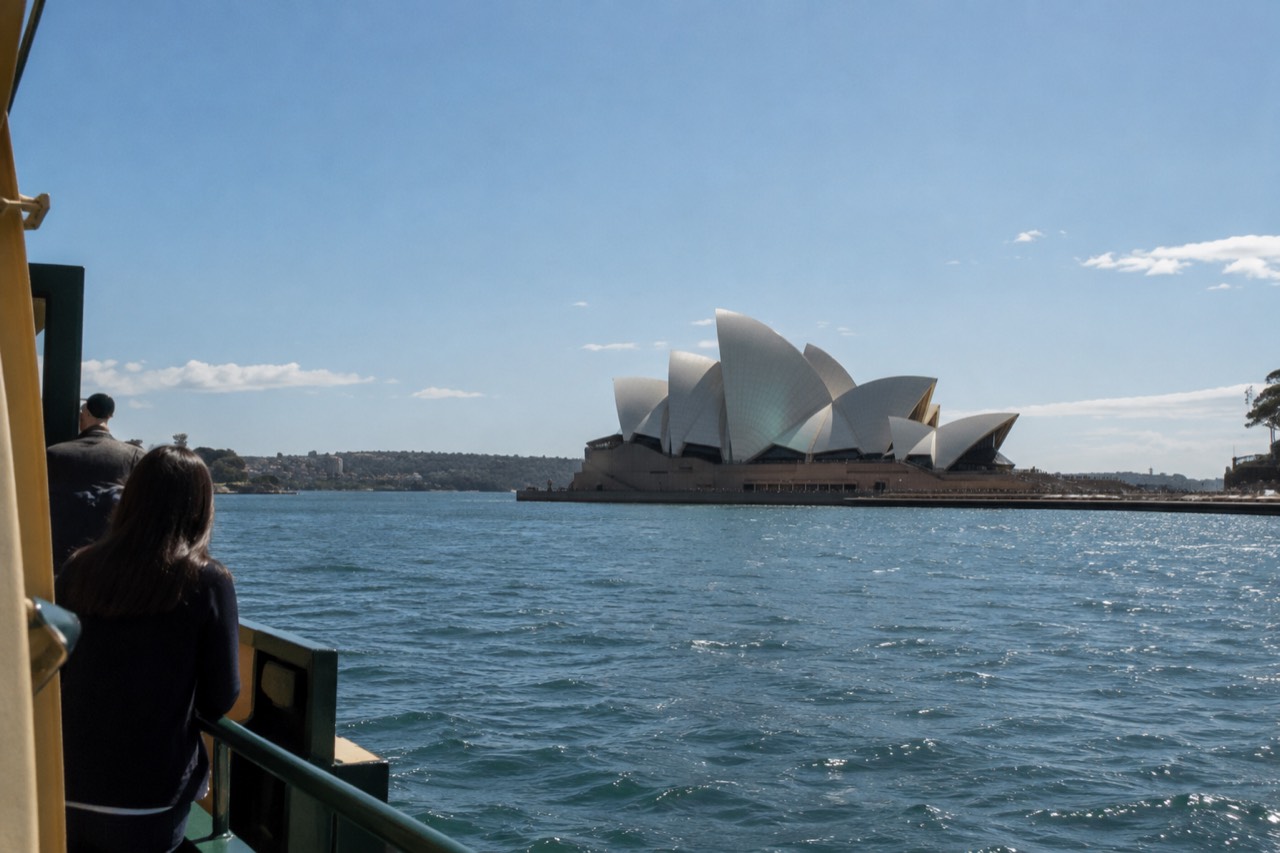
Four days is enough to see Sydney properly. Day 1 covers Circular Quay, The Rocks and an Opera House tour. Day 2 takes in a harbour cruise and Taronga Zoo. Day 3 is the Bondi to Coogee coastal walk. Day 4 is a Blue Mountains day trip. Budget from US$120 a person a day excluding hotels, and buy Opal or use contactless to travel.
Four days is the length of trip Sydney is built for. The city's headline icons cluster around one harbour, its best walk runs along one coastline, and its most famous day trip sits at the end of one train line, so a well-shaped four days leaves room for all three plus the neighbourhoods most first visits skip. This itinerary assumes no car, because you do not need one, and it front-loads the icons so a wet day later in the week costs you a beach walk rather than the Opera House.
One planning note before the days themselves: Sydney's seasons are inverted from the northern hemisphere. December through February is summer, June through August is winter, and June is statistically the city's wettest month, wetter than any summer month on the long-run averages. If your four days fall in winter, swap Day 3 and Day 4 so the coastal walk lands on whichever day has the better forecast.
Is 4 Days in Sydney Enough?
Four days is enough for a satisfying first visit: the Opera House and Harbour Bridge up close, a harbour cruise, Taronga Zoo, the Bondi to Coogee coastal walk and one full-day trip to the Blue Mountains all fit without a rushed morning anywhere. What four days does not give you is the Hunter Valley, the South Coast and a slow second pass at the city's neighbourhoods, so treat this as the confident first visit rather than the only one you will ever make.
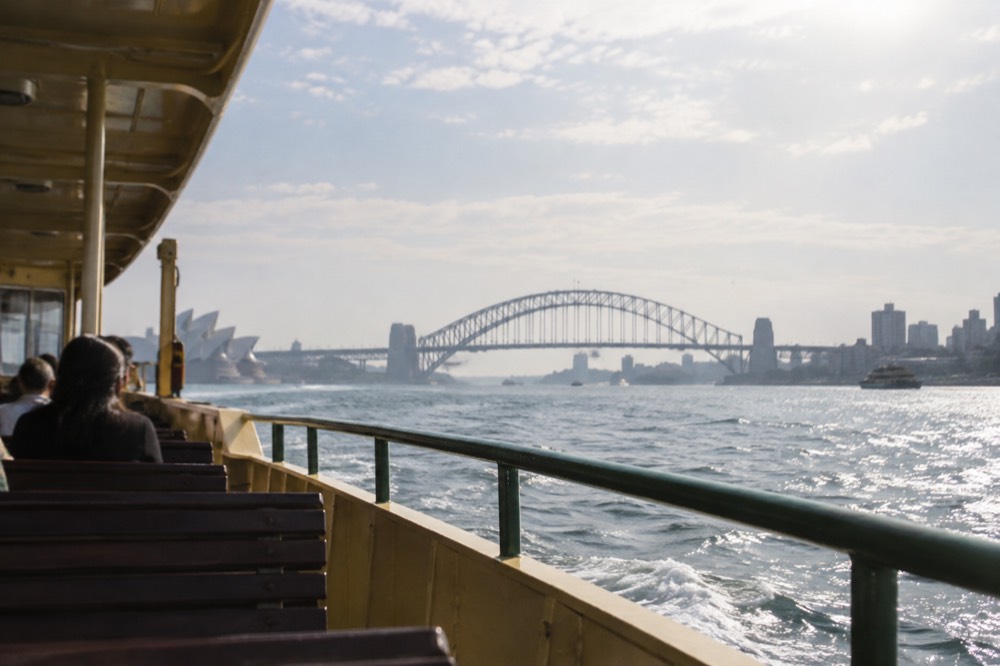
The shape of the four days matters more than the exact order. Sydney rewards a harbour day, a water-and-wildlife day, a coast day and a mountains day, in roughly that sequence, because the first two are compact and weather-tolerant while the last two depend more on conditions. The Blue Mountains lookouts are at their best in the clearest weather, and on the long-run averages August is Sydney's clearest month while February, peak tourist season, is its cloudiest, which is worth knowing when you pick which day to commit to the mountains.
Here is the whole plan at a glance, then each day in detail.
| Day | Theme | Anchor sights | Time on feet |
|---|---|---|---|
| 1 | Harbour icons | Circular Quay, The Rocks, Opera House tour, Harbour Bridge walkway | 3-4 hours walking |
| 2 | Water and wildlife | Harbour cruise, Taronga Zoo, Manly or the North Shore | 2-3 hours walking |
| 3 | Eastern beaches | Bondi, the coastal walk to Coogee, ocean pools | 3-4 hours walking |
| 4 | Blue Mountains | Katoomba, the Three Sisters, Scenic World, lookouts | 2-3 hours walking |
A note on how this site works: this itinerary is one of a series, and the shorter versions, one day in Sydney and 2 days in Sydney, cover the same ground in compressed form if your trip shrinks. The Sydney Travel Guide homepage collects the whole site if you want to branch off later.
Day 1: Circular Quay, the Rocks and the Opera House
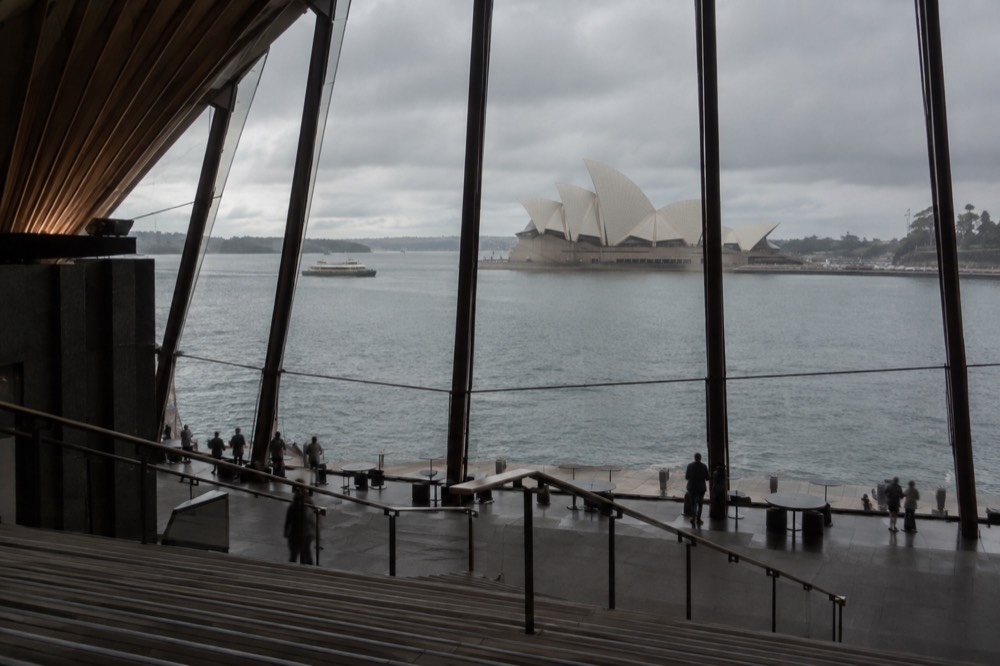
Start at Circular Quay by 9am, walk west through The Rocks, then take a one-hour guided Opera House tour before lunch, and finish by walking the Harbour Bridge pedestrian walkway for free in the late afternoon. This single day delivers the three images most visitors come for, costs almost nothing in transport because everything is within a short walk of the quay, and ends with the best free view in the city.
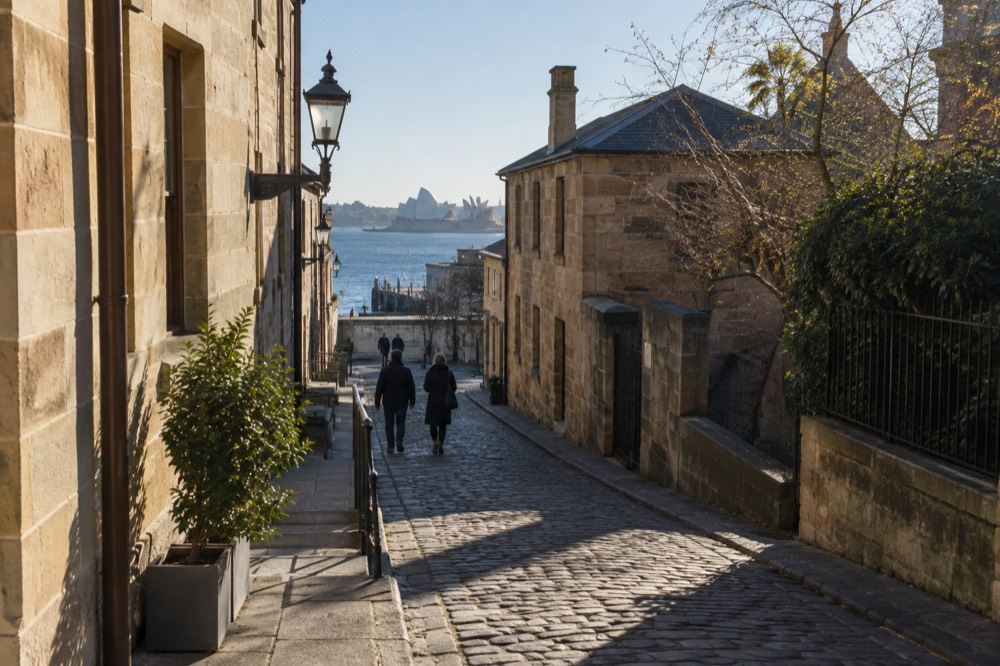
Circular Quay is the transport hub the whole first day hangs on. Ferries, trains and light rail all meet here, and the foreshore walk east to the Opera House takes about ten minutes. Walk it early: the light on the sails is at its best in the morning, and the tour queues are shortest before 11am. The Circular Quay guide has the full rundown of the wharves and the ferry routes if you want detail.
The Rocks, immediately west of the quay, is Sydney's oldest neighbourhood and worth an hour of laneway wandering before any ticketed activity. A guided walking tour of The Rocks costs from US$36.57 and runs 90 minutes, which is a reasonable spend on day one because it orients you for everything after. If you would rather self-direct, the The Rocks area guide maps the sandstone lanes, the weekend markets and the viewpoints over Dawes Point.
For the Opera House itself, a guided tour is the one day-one expense genuinely worth making. The standard tour runs about an hour, goes inside the theatres when rehearsal schedules allow, and explains the building's fraught construction history, which the exterior alone never tells you. The official tour pages do not publish a fixed price because pricing moves by date and session, so treat the live listing as the source of truth.
After the tour, lunch around the quay or in The Rocks, then cross to the Harbour Bridge. The pedestrian walkway on the eastern side is free, open to the public, and takes about 20 minutes each way from the stairs near Cumberland Street to the northern pylon. The Harbour Bridge guide covers the walkway, the Pylon Lookout and the climb options in full; the short version is that walking over is free, the Pylon Lookout is a cheap mid option, and the full BridgeClimb experience is a three-hour commitment best booked for a different day than this one.
If your legs still work at 5pm, ride the Big Bus loop instead of walking back: the hop-on hop-off circuit links The Rocks, the CBD, Darling Harbour and Kings Cross on one ticket, and using it as a sightseeing ride on day one doubles as your orientation for the rest of the trip. The Sydney sightseeing buses guide compares the routes and ticket options.
Day 2: A Harbour Cruise, Taronga Zoo and the North Shore
Day 2 goes on the water. Take a 90-minute harbour sightseeing cruise in the morning, ferry to Taronga Zoo for the afternoon, and return via the zoo's own wharf with the city skyline facing you the whole way. The cruise and the zoo ferry are separate tickets, but the zoo entry-plus-ferry bundle is the better buy, and the whole day sits inside the Opal daily cap if you use contactless to tap on.
Sydney Harbour is best understood from its surface, not its shore. A sightseeing cruise from Circular Quay loops the main harbour, the eastern bays and under the bridge in about 90 minutes, and it is the cheapest structured way to see the waterfront mansions, the naval yards and the headlands in one sitting. The Sydney harbour cruises guide compares the morning and afternoon departures, the lunch cruises and the sunset options, and the honest answer for most visitors is that a plain sightseeing loop beats the more expensive dining cruises on value.
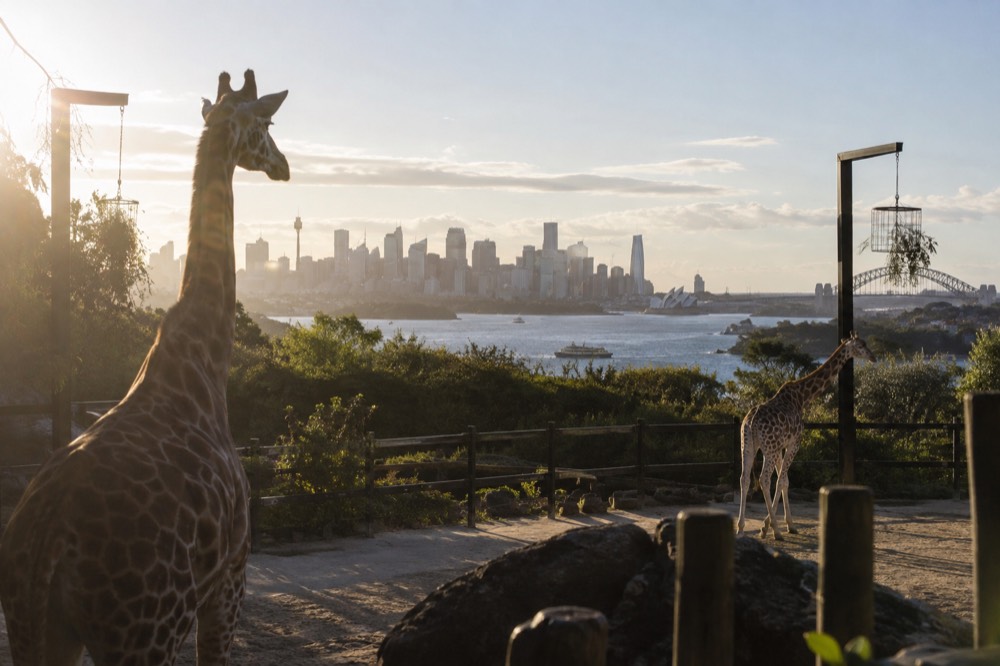
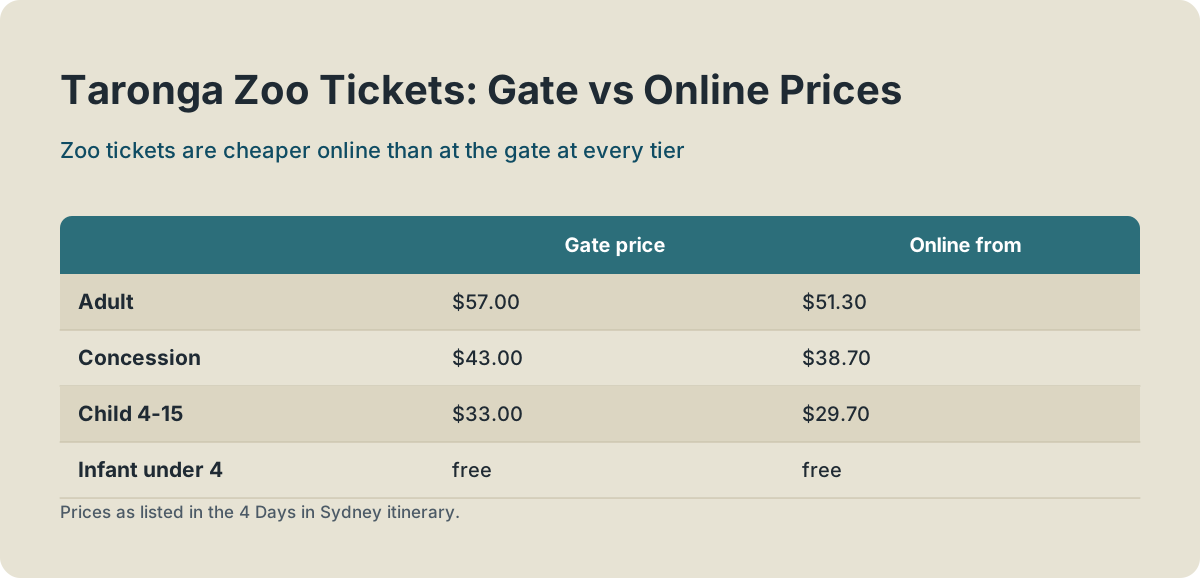
Taronga Zoo is the afternoon, and the ferry crossing is half the reason to go. The zoo faces the city from the north shore, so the skyline sits behind the animals at several exhibits, and the ferry from Circular Quay takes about 12 minutes. Zoo tickets are cheaper online than at the gate at every tier: adults pay $57.00 at the gate or from $51.30 online, children 4-15 pay $33.00 at the gate or from $29.70, and infants under 4 are free, per the zoo's own ticket prices page. The zoo is open 365 days a year, 9:30am to 5pm from September to April and 9:30am to 4:30pm from May to August.
| Taronga Zoo ticket | Gate price | Online from |
|---|---|---|
| Adult | $57.00 | $51.30 |
| Concession | $43.00 | $38.70 |
| Child 4-15 | $33.00 | $29.70 |
| Infant under 4 | free | free |
The bundle worth knowing about is zoo entry plus the return ferry from Circular Quay, which is sold as one product and undercuts buying the ferry and the zoo entry separately. The Taronga Zoo guide compares the ticket options, including that bundle, and covers the cable car from the wharf up to the entrance, which is the better direction to ride it: up the hill by cable car, then walk downhill through the exhibits.
If the zoo does not appeal, the same day shape works with Manly instead: ferry to Manly, the Corso, Shelly Beach and the snorkelling off the headland, all covered in the Manly ferry guide. Either way you finish the day on the north shore side of the harbour at sunset, which is the side with the postcard view.
Day 3: Bondi to Coogee and the Eastern Beaches
Day 3 is the coastal walk: take the train and bus to Bondi, walk the 6 kilometre Bondi to Coogee cliff path with stops at Tamarama and Bronte, swim at an ocean pool rather than the surf if the flags are not up, and bus back to the city from Coogee. The walk itself takes 2 to 3 hours at sightseeing pace, costs nothing, and is the single best free experience in Sydney.
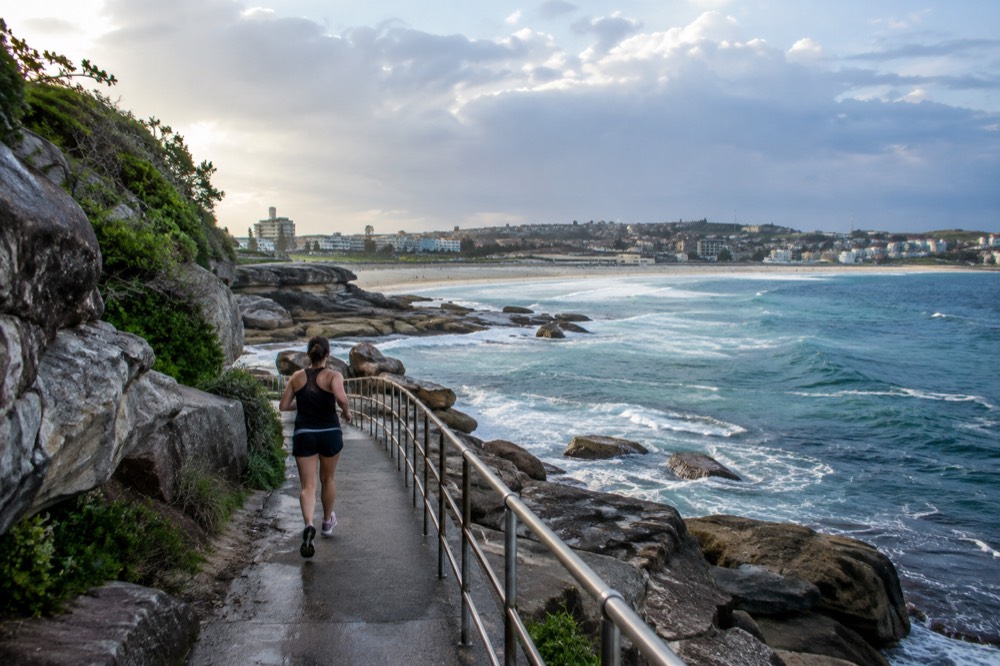
Getting to Bondi is a train to Bondi Junction then a bus to the beach, about 40 minutes from the city centre all up. Start early in summer: the walk has almost no shade, and Sydney's UV index reaches extreme levels of 11 and above in December through February, with protection advised whenever the index passes 3, which it does for most of the year even in winter. The Bondi Beach guide covers the beach itself, the Icebergs pool and the bus routes.
The walk is the reason this day exists. Six kilometres of cliff path, four beaches, two ocean pools and one cemetery with the best-positioned headstones in Australia. The full directions, the best direction to walk it in and the water-stop logistics are in the Bondi to Coogee coastal walk guide; the short version is that Bondi to Coogee, not the reverse, keeps the sun behind you in the morning and puts the two best swimming stops, Tamarama and Bronte, in the middle where you want them.
Swim between the red and yellow flags, and only when lifeguards are on patrol. That is not a formality: Surf Life Saving Australia's National Coastal Safety Report 2025 recorded 154 coastal drowning deaths nationally, every one of them outside the flags, outside patrol hours or at unpatrolled locations. Bondi, Bronte, Tamarama and Coogee all have professional council lifeguards year-round, which is unusual and worth using, but hours change with the season, so check the signs at each beach. If the surf looks wrong or the patrol is not on, the ocean pools are the safer alternative: Bronte Ocean Pool and the North Bondi Children's Pool are free and council-run, while Bondi Icebergs is a separate club-managed 50 metre pool with an access fee. After heavy rain, the official Beachwatch advice is to stay out of the water for up to one day at ocean beaches and up to three days at harbour swim sites, so check the daily grade before you swim.
If you would rather learn to surf than walk, Bondi runs two-hour lessons for any level with boards included, from US$70.86, and the surfing lessons in Sydney guide compares the operators and the times of day worth booking.
Finish the day in Coogee with dinner, or bus back to the city via Bondi Junction. The Coogee Beach guide covers the return routes and the park behind the beach, which is the best free picnic spot on this whole coastline.
Day 4: The Blue Mountains, or the Inner City If the Weather Turns
Day 4 is a full-day trip to the Blue Mountains: train from Central to Katoomba, about two hours, then the Three Sisters lookout, Scenic World and the cliff-top walks between them. Entry to the Blue Mountains National Park is free except in the Glenbrook area, so a train-based day trip pays no park fee at all, and Katoomba's lookouts are a 10 minute walk from the station.
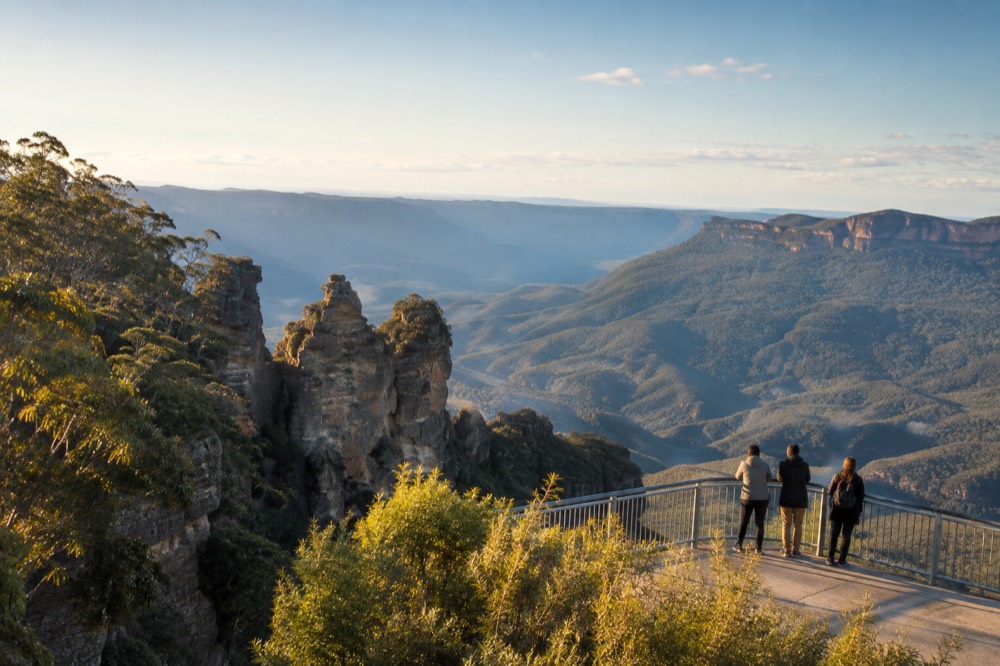
The train is the honest way to do the mountains. It leaves Central Station roughly every 30 minutes, takes about two hours to Katoomba, and drops you within walking distance of the town centre and the Three Sisters. The Blue Mountains day trip guide covers the train times, the bus from Katoomba station to Scenic World, and the walking loops; the Katoomba and the Three Sisters guide goes deeper on the lookouts themselves. Note that several tracks and roads around the mountains have scheduled works and closures through late 2026, including Mount Hay Road and the Jenolan Karst Conservation Reserve, so check the NPWS alerts page before you lock in a route.
The counterintuitive fee fact is worth repeating because most guides get it wrong: the Blue Mountains National Park charges $8 per vehicle per day only in the Glenbrook area, at the park's eastern edge. Katoomba, Blackheath, Wentworth Falls and the Three Sisters carry no park entry fee, and arriving by train avoids vehicle fees at every Sydney park. Scenic World is a separate private operator and is ticketed, and its prices are dynamic, so let the live listing carry the number. The Scenic World guide explains what each of its four rides includes and which are worth it.
If four days of forecasts say the mountains day will be fogged in, and in the mountains that happens, swap in an inner-city day instead: the Royal Botanic Garden Sydney, which is free to enter and open from 7am to sunset, the Art Gallery of New South Wales, also free and open until 10pm on Wednesdays, and the Australian Museum, free for general entry. The Sydney rainy day itinerary was built for exactly this swap.
If you would rather not manage trains and lookouts yourself, the all-inclusive small-group day tours from Sydney handle the transport, lunch and entry fees in one price. The day trips from Sydney without a car guide compares the guided and self-guided versions of this day honestly.
Where to Stay for a 4-Day Visit
Stay in the CBD around Circular Quay or The Rocks, or across the harbour in Kirribilli or North Sydney, for days 1 and 2; anywhere on the city side keeps every ferry, train and bus in this itinerary within a 15 minute walk. Budget travellers should look at the hostels around the CBD and Potts Point, families at Darling Harbour, and anyone wanting nightlife at Newtown or Surry Hills, accepting a longer commute to the ferries.
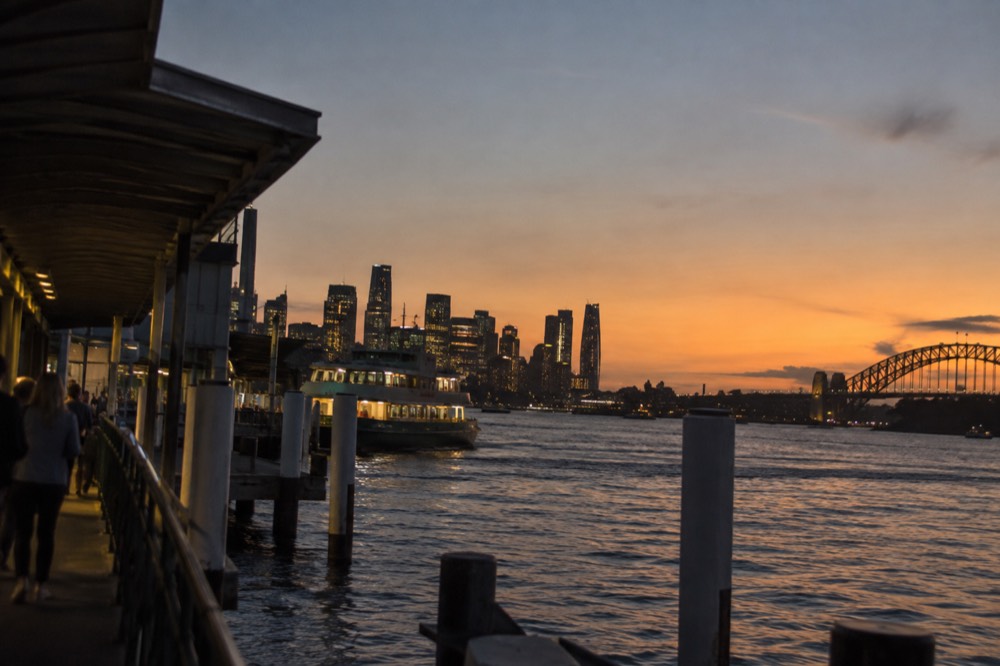
The single most useful rule: stay somewhere you can walk to a train station or a ferry wharf. Every day in this itinerary starts on public transport, and the Opal and contactless caps mean the transport itself is cheap wherever you base yourself. The full neighbourhood-by-neighbourhood comparison, with the honest trade-offs on price, noise and commute times, is in the [where to stay](https://booking.tpk.ro/ndznHj9h) in Sydney guide; the Sydney on a budget guide adds the cheaper corners of each area.
| Neighbourhood | Best for | Walk to ferry or train | Trade-off |
|---|---|---|---|
| Circular Quay / The Rocks | Harbour views, day 1 on foot | Under 10 minutes | Highest prices |
| CBD | Transport, shopping, short walks | Under 10 minutes | Quiet at weekends |
| Potts Point / Woolloomooloo | Budget and boutique hotels | 10-15 minutes | Ferry needs a bus leg |
| Darling Harbour | Families, aquarium zone | 15 minutes | Touristy dining |
| Newtown / Surry Hills | Nightlife, food, inner-west vibe | 10 minutes | Longest commute to ferries |
What 4 Days in Sydney Costs
Budget from US$120 per person per day excluding accommodation for a comfortable version of this itinerary: about US$15-25 a day on transport inside the Opal caps, US$40-60 on food, and US$30-60 on one paid activity a day. The Opera House tour, the harbour cruise and the surf lesson are the three spends that earn their place; the BridgeClimb, at around A$375 for an adult weekday Summit climb, is the one optional splurge that can double a day's budget.
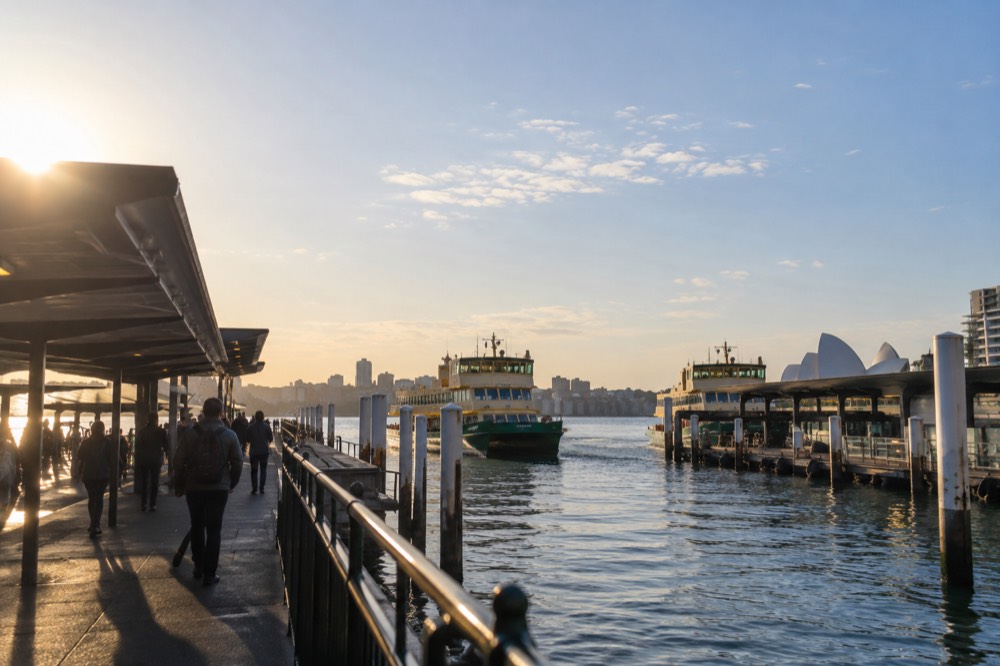
Transport is the easiest line to control. Opal and contactless are charged identically, with a $19.30 daily cap Monday to Thursday, a $9.65 cap on Fridays, weekends and public holidays, and a $50 weekly cap, all per the official Transport for NSW fares page. Ferries count inside those caps, including the Manly ferry at $9.20 one way, which is one of the great value ferry rides anywhere. The one trap is the airport: the train from either airport station carries a separate station access fee of $18.61 on top of the fare, outside the daily caps, so the 400 bus, which carries no access fee, is the budget alternative. The Sydney airport to the city guide works through the options.
| Daily cost item | Budget | Comfortable |
|---|---|---|
| Transport (Opal/contactless, capped) | $9.65-19.30 | $9.65-19.30 |
| Food (breakfast, lunch, dinner) | US$40 | US$60-80 |
| One paid activity | US$25-40 | US$40-70 |
| Total per person per day | about US$90 | about US$120-150 |
Accommodation is the variable that dwarfs everything else, and it swings by season: Sydney's peak is the December-January school holidays, while the winter months of June through August are the cheapest to book and, despite being cooler, offer the city's clearest skies on the long-run averages. The best time to visit Sydney guide and the Sydney trip cost breakdown cover both ends of this in detail.
Booking: What to Lock in Before You Fly
Book three things before you leave home: the Opera House tour, any Blue Mountains day tour, and the BridgeClimb if you are doing it, because all three sell out on peak days. The harbour cruise, the zoo and the surf lesson can be booked a day or two ahead, and transport needs no booking at all, since contactless cards work everywhere Opal does with identical fares and caps.
The BridgeClimb in particular is the one to plan around: the Summit experience runs about three hours total, roughly two of them on the bridge, and the operator's indicative rates for the current fare year put an adult weekday Summit climb at A$375, weekend at A$385, with a $35 per person surcharge from 25 December to 4 January. Those are the operator's own indicative figures and they move with demand, so treat the live listing as the price. The BridgeClimb Sydney guide compares the climb tiers and the cheaper Pylon Lookout alternative.
For the multi-attraction days, the four-attraction combo pass covering SEA LIFE Sydney Aquarium, Sydney Tower Eye, WILD LIFE Sydney Zoo and Madame Tussauds is worth a look if your itinerary already includes two or more of those venues; the Sydney [attraction passes](https://gocity.tpk.ro/rUvgw2vS) compared guide runs the numbers against single tickets. Note that SEA LIFE's own pricing is dynamic with no published fixed list, so the pass comparison is the only place those numbers make sense side by side.
If the hop-on hop-off bus has earned its place in your plan after day 1's orientation ride, it links the CBD, Bondi and the harbour stops on one ticket with an optional cruise add-on, and free cancellation means you can hold it early and decide later.
Common Questions About 4 Days in Sydney
Is 4 days enough for Sydney?
Yes, for a first visit. Four days covers the Opera House and Harbour Bridge, a harbour cruise, Taronga Zoo, the Bondi to Coogee coastal walk and a Blue Mountains day trip without rushing. What it does not cover is the Hunter Valley, the South Coast and a second pass at the inner-city neighbourhoods, so plan a return trip rather than squeezing a fifth region into this one.
What is the best 4 day itinerary for Sydney?
Day 1: Circular Quay, The Rocks and an Opera House tour. Day 2: a harbour cruise and Taronga Zoo. Day 3: the Bondi to Coogee coastal walk. Day 4: the Blue Mountains by train, or the inner city if the mountains are fogged in. That order front-loads the weather-tolerant icons and leaves the forecast-dependent days flexible.
Do I need a car for 4 days in Sydney?
No. Every day in this itinerary runs on trains, ferries, buses and light rail, all under the Opal and contactless caps of $19.30 a day Monday to Thursday and $9.65 on Fridays, weekends and public holidays. A car adds parking costs and gains you almost nothing inside the city, and the Blue Mountains are reachable by train in about two hours.
How much money do I need for 4 days in Sydney?
Budget from US$120 per person per day excluding accommodation for a comfortable version: US$9.65-19.30 a day on capped transport, US$40-80 on food, and US$25-70 on one paid activity. The optional splurge is the BridgeClimb at around A$375 adult weekday for the Summit, which would roughly double a single day's budget.
What should I skip if I only have 4 days?
Skip the Hunter Valley and any overnight stays outside the city, since both eat a full day or more. Also skip driving: the Blue Mountains work better by train on a four-day trip. If a wet day forces a choice, drop the coastal walk before the mountains, because the cliff path has no shelter and the harbour activities have plenty.
What is the best month for a 4 day trip to Sydney?
On the long-run climate averages, the shoulder months are the sweet spot: April and May bring mild temperatures and falling crowds, while August is Sydney's clearest month with 13.4 mean clear days, and June is its wettest at 133.1 mm, wetter than any summer month. Peak summer, December to February, is warm but statistically the cloudiest time of year.