Unique Things to Do in Sydney: Experiences Most Visitors Miss
Sydney's postcard list is short and everyone does it. This guide is for the experiences that sit just off that list: a harbour told through Gadigal stories, a kayak at sunrise, a crime walk through The Rocks, and the free icons most visitors assume are ticketed.
Short answer
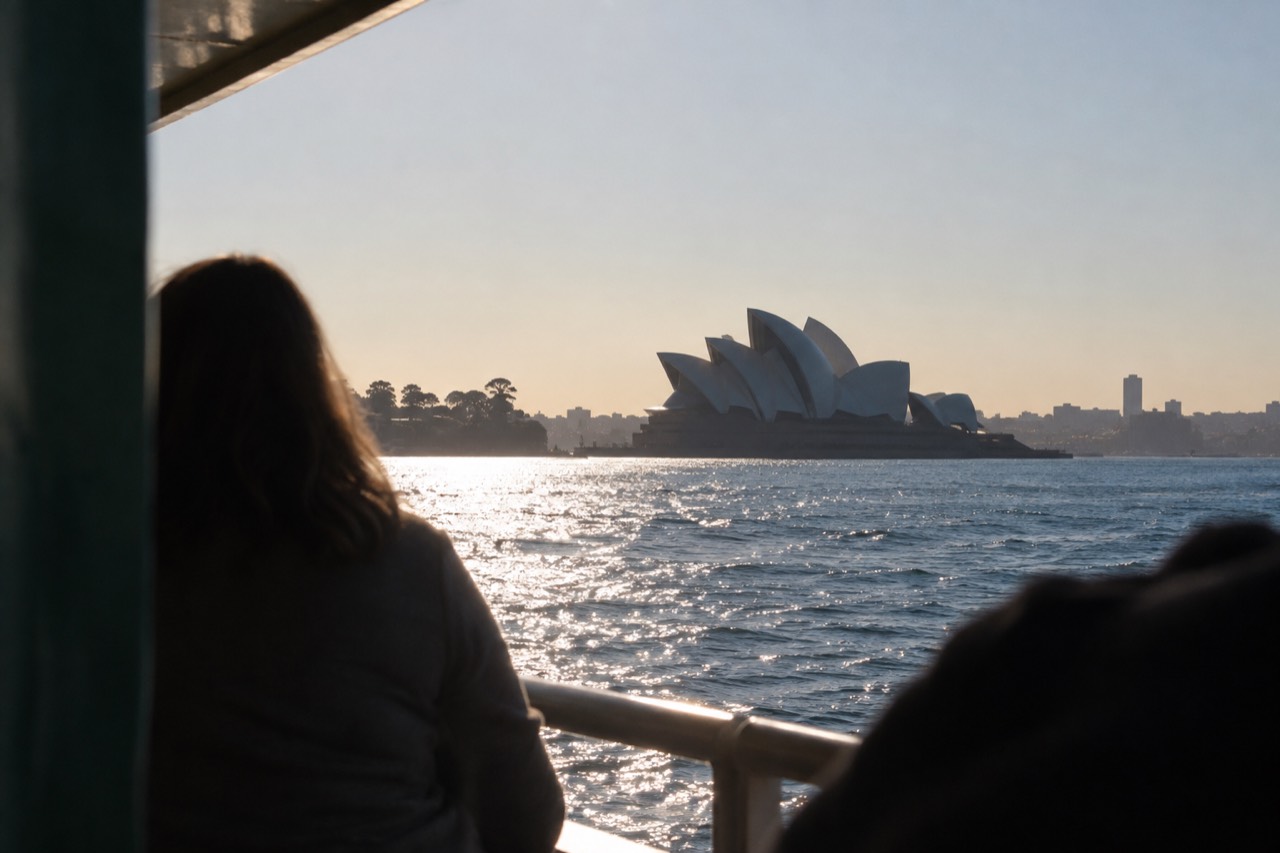
Sydney's genuinely unique experiences are its Aboriginal cultural cruise on Clark Island, a sunrise kayak on the harbour, the true crime and ghost walks of The Rocks, and its free major institutions: the Royal Botanic Garden and the Art Gallery of New South Wales both cost nothing. Whale season runs May to November, and Vivid Sydney lights the city for 23 nights in late May and June.
Sydney welcomed 67.5 million visitors in the year ending March 2026, and the overwhelming majority of them photographed the same three things: the Opera House, the Harbour Bridge and Bondi. Nothing wrong with that. But a city this old, this watery and this culturally layered has a second layer that most itineraries never touch, and that second layer is where the memorable trips live.
This guide walks through it. Some of what follows is bookable, some of it is free, and one or two items are things locals genuinely do on weekends. Where a price exists in the facts we hold, we state it. Where it does not, we say so plainly rather than guessing.
What Does "Unique" Actually Mean in Sydney?
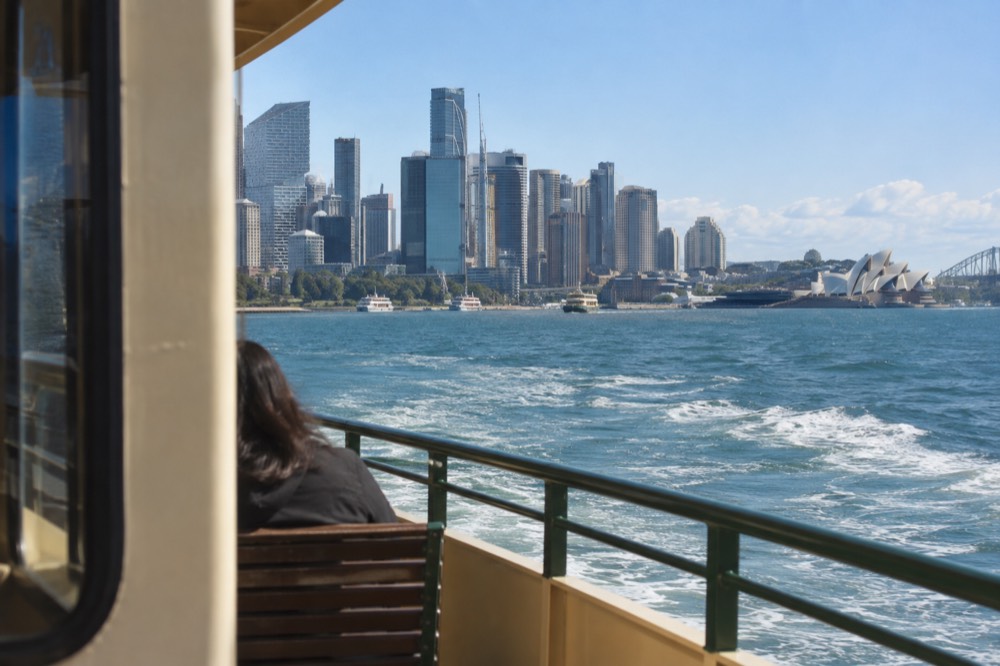
Unique in Sydney means three things: experiences that exist nowhere else in the world, experiences that most of the 67.5 million annual visitors never find, and experiences that are genuinely local rather than tourist-shaped. An Aboriginal cultural cruise on the same water the Gadigal people worked for millennia is unique by any definition. So is a free entry policy at a world-class botanic garden that visitors assume is ticketed.
The test we applied to every item below is simple. Could you do it, or a close equivalent, in Melbourne, London or San Francisco? If yes, it did not make the list. That rules out generic sunset cruises, standard hop-on buses and the usual observation-deck formula, all of which have their place but none of which are reasons to travel.
It also means being honest about what "unique" is not. The Bondi to Coogee coastal walk is spectacular, but it is free, unsigned in parts, and walked by thousands daily; our Bondi to Coogee coastal walk guide covers it properly. What follows is the stuff you have to choose on purpose.
| Experience | Why it is unique | Bookable? |
|---|---|---|
| Aboriginal cultural cruise, Clark Island | The only indigenous-led harbour cruise in the city | Yes, 2 hours |
| Sunrise kayak on Sydney Harbour | The harbour at dawn, before the ferry fleet starts | Yes |
| True crime walk, The Rocks | Real colonial cases on the streets where they happened | Yes, 1h 30m |
| Rocks ghost tour | The only dedicated after-dark ghost walk in the CBD | Yes, 2 hours |
| Royal Botanic Garden | Free entry to a harbourside garden visitors assume is paid | No, just walk in |
| Whale watching from the harbour | Humpbacks pass Australia's biggest city May to November | Yes, seasonal |
| Vivid Sydney | 23 nights of light art across a 6.5 km walk | Free, late May to mid-June |
Where Do You Find Aboriginal Sydney?
Sydney is on the land of the Gadigal people of the Eora Nation, and the deepest unique experience in the city is the Aboriginal cultural cruise that lands on Clark Island in the middle of the harbour. It runs about two hours, is led by indigenous guides, and there is nothing comparable offered anywhere else on this coastline. Treat it as the spine of a genuinely different Sydney trip.
The harbour is not just scenery here. It is a working landscape with names, stories and practices that long predate the bridge, and a cruise that stops at Clark Island gives you the water the way the Eora Nation saw it: as a highway, a food source and a meeting place. The experience is small-scale by design, which is part of why it stays under most visitors' radar.
The same principle runs through the Burrawa climb, an Aboriginal-guided BridgeClimb that shares Gadigal perspectives from the top of the structure that now defines the harbour. Both are modest operations and neither is cheap, but if cultural depth is what you are after, they are the two products in the city that deliver it.
For context on the wider city, our Sydney hidden gems guide collects the quieter corners, and the Sydney Opera House guide covers the building itself. The cultural cruise, though, is the one to build a day around.
Can You See the Harbour Before the City Wakes Up?
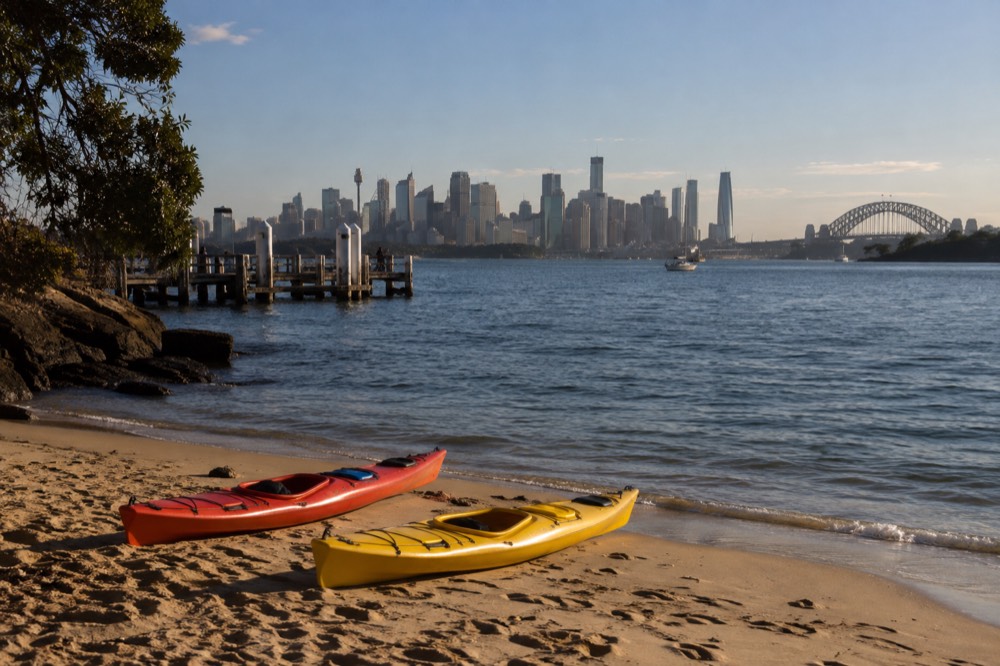
Yes, and the sunrise kayak tour is the way to do it. It launches in the half-dark and puts you on the water at first light, when the harbour is glassy and the ferry fleet has not yet started. Paddling is beginner-friendly, all gear is supplied, and the angle you get on the Opera House and the bridge, from sea level, is one almost nobody photographs.
There is a practical reason this works: Sydney's ferry network, the busiest thing on the water, starts early but not that early, and the harbour's famous chop comes with the afternoon wind. Dawn is the calmest window of the day, which is also why the tour exists at all. Our kayaking in Sydney guide covers the self-guided options if you would rather rent than join a group.
The sunrise kayak sits at the premium end of the water-sport range, and it earns it. You are out for roughly the full dawn window, with guides who know the bays, and the group sizes stay small. If your budget is tighter, the jet boat thrill ride covers the same harbour at a different speed for less money, and the Sydney jet boat rides guide compares them.
What Happens in Sydney After Dark?
The Rocks after dark is the city's most underused theatre. A true crime walk runs 90 minutes through the colonial lanes where the cases actually happened, and a separate ghost tour spends two hours on the district's darker history. Between them, an evening in Australia's oldest neighbourhood becomes something no other Australian city can replicate, because the streets themselves are the set.
The true crime walk is the stronger of the two for most visitors: real cases, real locations, and a guide who works with the archive rather than the legend. It is a walking pace, it starts and finishes in The Rocks, and it pairs naturally with dinner in the same streets, which our Sydney bars and pubs guide can point you at.
The ghost tour covers the supernatural end of the same district, from haunted hotel cellars to the old hospital grounds. It is a smaller operation and reviews are thin on the ground, so go for the subject, not the social proof. The Rocks also rewards simply being walked at night; our things to do in Sydney at night guide has the full after-dark map, and The Rocks guide covers the district by day.
If you would rather build your own evening, the same lanes work without a guide: start at Circular Quay after sunset, walk up George Street into the sandstone courts, and finish at a small bar. The guided versions simply unlock the stories, and the true crime walk in particular earns its fee on the cases alone. The full index of guides sits on Sydney Travel Guide.
Which Sydney Icons Turn Out to Be Free?
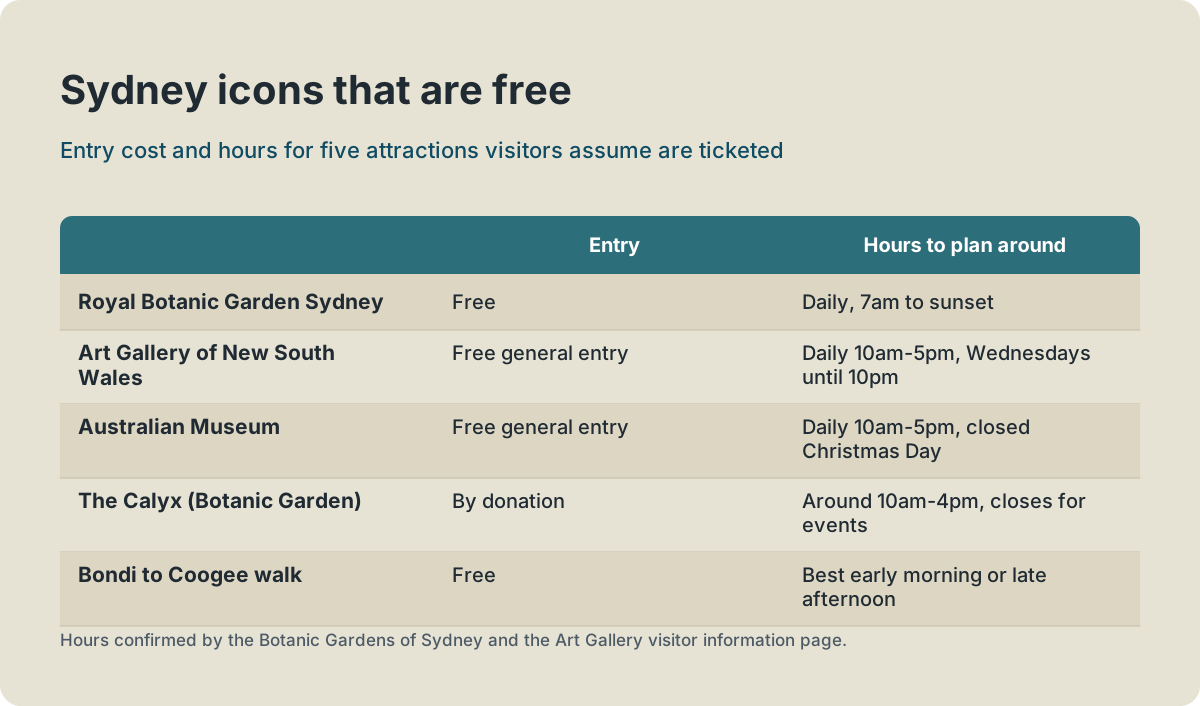
Two of Sydney's headline attractions cost nothing. The Royal Botanic Garden Sydney, which wraps around the harbour directly east of the Opera House, has free entry and opens at 7am daily, and the Art Gallery of New South Wales is free for general entry, open until 10pm every Wednesday. The Australian Museum is also free for general entry. Visitors routinely assume all three are ticketed, and that assumption costs them a full afternoon.
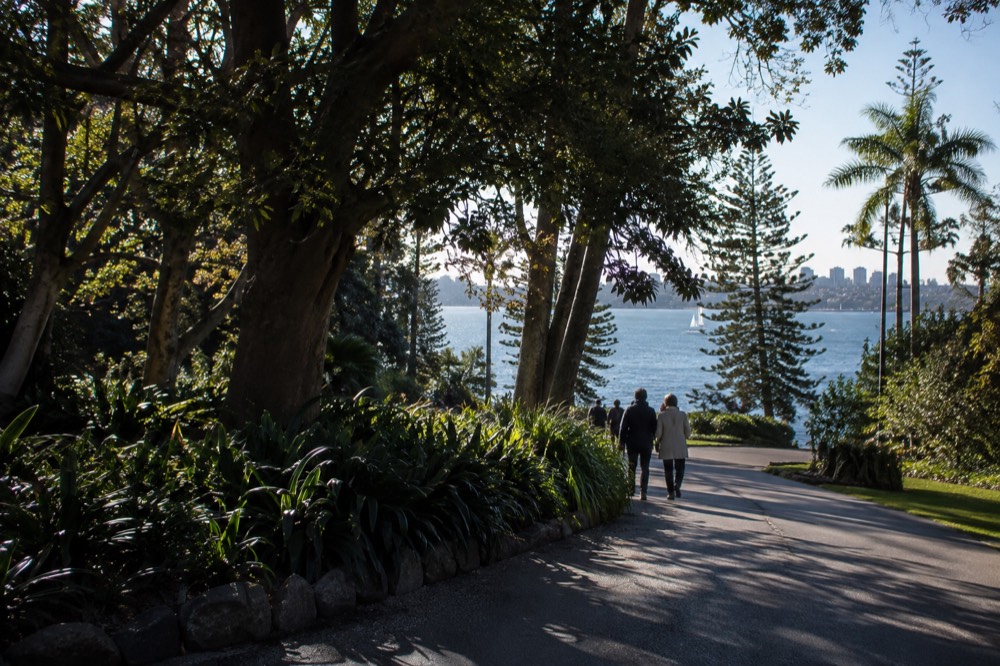
The garden is the easiest free win in the city. It sits on the walk between the Opera House and Mrs Macquarie's Point, so most visitors pass through it anyway, but few realise entry costs nothing and the gates open at 7am, hours before the tour buses arrive. The Calyx, its exhibition space, runs on a donation basis and can close for private events. The Botanic Gardens of Sydney confirm free entry and daily hours on their official site.
The Art Gallery's Wednesday late night is the detail worth planning around. A 10pm close on one weekday means you can spend the daylight on the harbour and still see the collection properly, and the gallery's own visitor information page confirms the hours. The Australian Museum, opposite Hyde Park, is free for general entry and closes only on Christmas Day; special exhibitions are ticketed separately.
| Free icon | Entry | Hours to plan around |
|---|---|---|
| Royal Botanic Garden Sydney | Free | Daily, 7am to sunset |
| Art Gallery of New South Wales | Free general entry | Daily 10am-5pm, Wednesdays until 10pm |
| Australian Museum | Free general entry | Daily 10am-5pm, closed Christmas Day |
| The Calyx (Botanic Garden) | By donation | Around 10am-4pm, closes for events |
| Bondi to Coogee walk | Free | Best early morning or late afternoon |
Our free things to do in Sydney guide extends this list, but the three institutions above are the ones that most change a day's shape, because they are major attractions, not fillers.
What Is Unique to Sydney's Seasons?
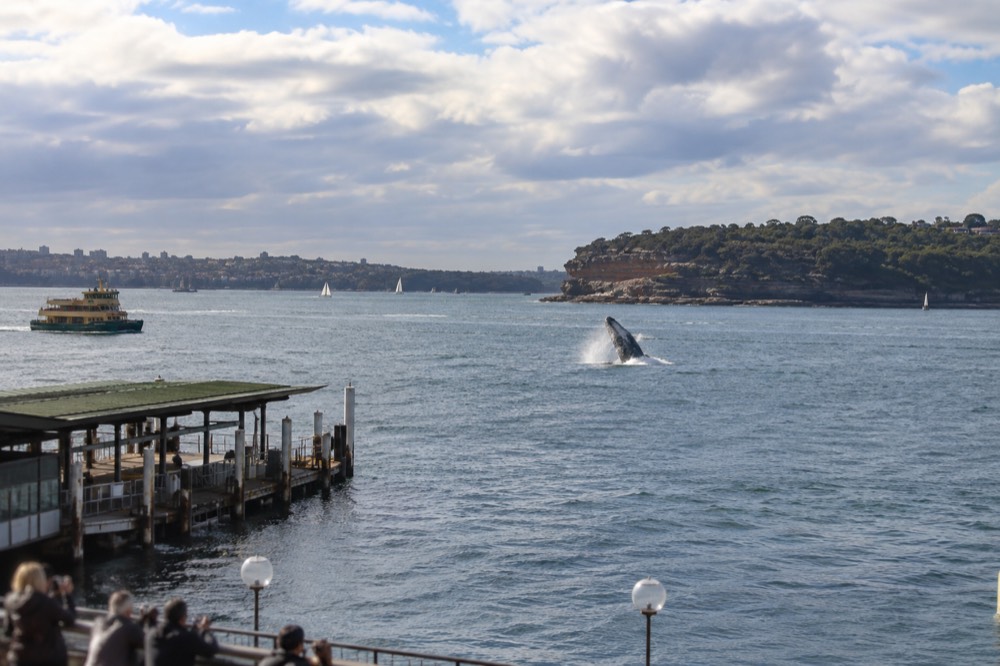
Two seasonal events give Sydney a claim no other city has. Humpback whales migrate past the harbour between May and November, with the peak in late June and July, and Vivid Sydney turns the city into a 23-night light festival from late May, with more than 80% of it free. Time a trip around either and you get a city that week-by-week visitors never see.
The whale season is the stranger fact. An estimated 40,000-plus humpbacks migrate along the NSW coast each year, and boats leave Sydney itself for the watching grounds, so you do not need to drive anywhere to be among them. The season runs May to November: the northbound migration is roughly May to July, and the return with calves, closer to shore, is roughly August to November. Sightings are never guaranteed, and any operator implying otherwise is overselling. Our whale watching in Sydney guide has the full seasonal breakdown.
Vivid Sydney is the other one. The 2026 edition ran 22 May to 13 June, and the 2027 dates are already published: 28 May to 19 June. The light walk stretches 6.5 km around the harbour and is free, and the 2025 festival drew 2.53 million visitors, so the crowds are real but so is the payoff. Our Vivid Sydney guide covers how to do it without being trampled.
There is a counterintuitive fact worth knowing here, and it is one of the most genuinely useful things in this whole guide: June is Sydney's wettest month, at 133.1 mm on the long-run average, wetter than any summer month, while August has the most clear days of any month, 13.4 on average. February, in the middle of peak season, is statistically the cloudiest. If you want clear skies and whales, late winter beats the height of summer.
What Food Experiences Exist Only in Sydney?
Sydney's food identity is its harbour-side produce culture and its mash of immigrant kitchens, and the unique way in is a guided tasting walk through the small restaurants visitors never find alone. The six-tasting food tour runs about three and a half hours and covers the ground a first-time visitor would need a week and good luck to find. Beyond tours, the new Sydney Fish Market building is the biggest change to the city's food map in a decade.
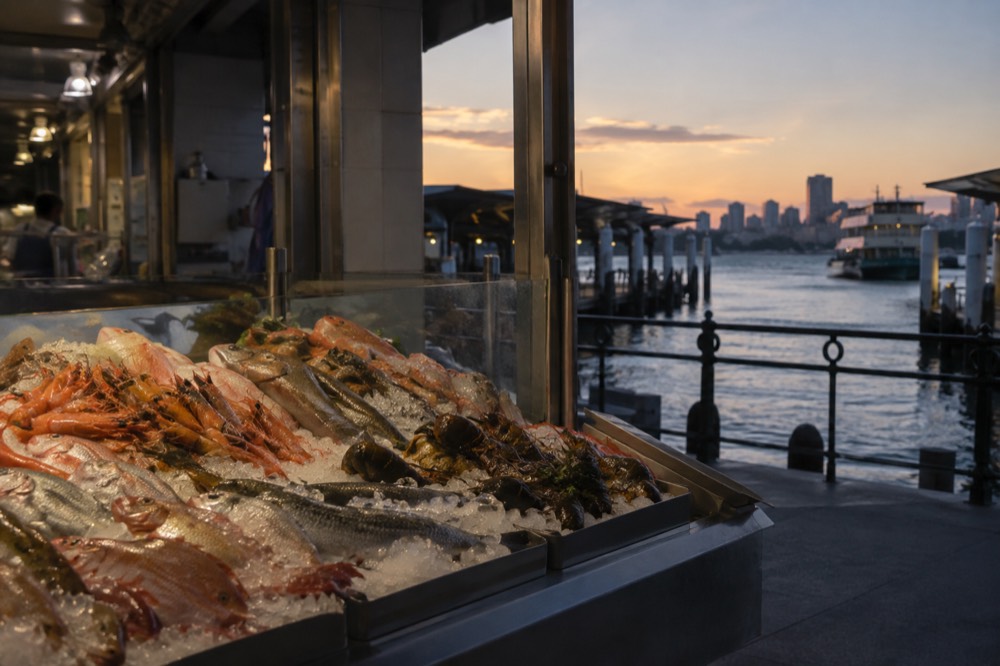
The fish market moved to a new Blackwattle Bay building that opened to the public in January 2026, with more than 40 retailers under one roof. It is the largest fish market in the southern hemisphere and it is now a dining destination in its own right, not just a wholesale shed. Our Sydney fish market guide covers getting there, and the Sydney food guide has the wider restaurant map.
A tasting tour earns its place on a unique-things list because of what it unlocks: the dumpling houses of the Haymarket edge, the coffee roasters and the small bars that do not appear on any visitor map. You can assemble the same crawl yourself with research, but the guide-to-kitchen-owner relationships are the part you cannot buy.
How Do You Plan a Day Around the Unique Stuff?
Pair one bookable experience with one free icon each day, and use the Opal card caps to move cheaply between them. The daily cap is $19.30 Monday to Thursday and $9.65 on Friday, Saturday, Sunday and public holidays, so a public holiday is the cheapest day to travel widely. A morning kayak, a free garden afternoon and an evening crime walk is a full, strange, very Sydney day.
The arithmetic matters more than most guides admit. Ferry trips count toward the same caps as trains and buses, and the Manly ferry, the single best value ride in the city, costs $9.20 one way in the 9 km-plus band. The Opal card guide for visitors explains the whole system, including the airport station access fee, which sits outside the caps.
The [multi-attraction pass](https://gocity.tpk.ro/rUvgw2vS) is the piece that frees your days up. It bundles the big-name sights into one booking, which clears your schedule for the dawn paddles and the ghost lanes, and it costs less than the attractions bought separately in most combinations. The Sydney attraction passes compared guide runs the numbers against paying individually.
| Sample day | Morning | Afternoon | Evening |
|---|---|---|---|
| Water day | Sunrise kayak tour | Royal Botanic Garden, free entry | Sunset catamaran cruise |
| Culture day | Aboriginal cultural cruise | Art Gallery of NSW, free, open late Wednesdays | True crime walk, The Rocks |
| Whale season | Whale watching cruise | Taronga Zoo by ferry | Dinner at the fish market |
| Festival window | Vivid light walk preview | Harbour sightseeing cruise | Vivid installations after dark |
What Should You Book Ahead, and What Can You Leave Open?
Book the small-group experiences ahead: the Aboriginal cultural cruise, the sunrise kayak and the BridgeClimb all run limited numbers and sell out first. Leave the free icons open, since the garden and the galleries need nothing but a walk-in, and leave ordinary sightseeing flexible. The one trap is Vivid and New Year's Eve: both draw crowds in the millions, and both punish anyone who arrives without a plan.
The size rule explains the booking rule. The cultural cruise and the Burrawa climb are deliberately small operations; a 2-hour harbour cruise with a cultural guide cannot absorb a busload. The kayak tours are similarly capped by gear. The big-ticket items, by contrast, run all day every day, and the hop-on network never fills, so the only reason to pre-book those is price, not access. Our advice on timing and pre-booking is laid out in the how far in advance to book Sydney tours post.
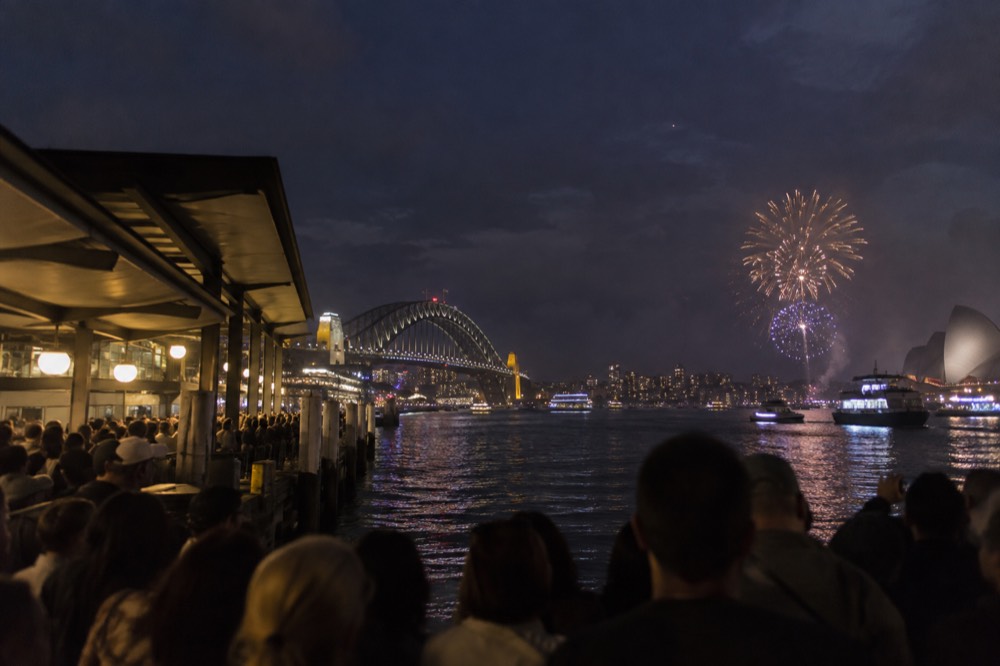
New Year's Eve is its own category. Up to a million people gather on the foreshore for the 9pm family fireworks and the midnight display, and the free vantage points, most of them unticketed, reach capacity hours early. The Sydney New Year's Eve guide maps the free spots with their capacities so you are not improvising at 8pm.
Where Do the Unique Experiences Sit on a Budget?
The unique end of Sydney spans from free to premium. The garden, the galleries and the coastal walks cost nothing; the walking tours sit under US$40; the sunrise kayak and the food tour are mid-range; and the BridgeClimb products, including the Burrawa climb, are the premium tier. A traveller can build a genuinely distinctive three days without touching the top tier at all, because the free layer is unusually strong here.
The point this site exists to make is that "unique" and "expensive" are not the same word in Sydney. The single most distinctive experience in the city, an Aboriginal perspective on the harbour, costs about what a standard dinner cruise does. The dawn kayak costs less than a BridgeClimb. And the free layer, the garden at 7am, the gallery on a Wednesday night, the fish market at lunch, is stronger than in almost any comparable city.
| Tier | Experiences | Notes |
|---|---|---|
| Free | Botanic Garden, Art Gallery of NSW, Australian Museum, coastal walks, Vivid light walk | Garden opens 7am daily |
| Low | True crime walk, ghost tour, sightseeing cruise | Walking tours under US$40 |
| Mid | Aboriginal cultural cruise, kayak tours, food tour, whale cruises in season | May to November only for whales |
| Premium | BridgeClimb, Burrawa climb, luxury sailing lunch | Dynamic pricing by date |
For the wider money picture, including what a full day in the city costs across meals and transport, the Sydney trip cost breakdown does the arithmetic line by line.
Common Questions About Unique Things to Do in Sydney
What is the most unique thing to do in Sydney?
The Aboriginal cultural cruise with the Clark Island tour is the most distinctive experience in the city. It is the only indigenous-led harbour cruise offered in Sydney, it runs about two hours, and it frames the harbour through Gadigal and Eora perspectives that no other product touches.
What can you do in Sydney for free that feels unique?
The Royal Botanic Garden Sydney has free entry, opens at 7am daily and closes at sunset, and the Art Gallery of New South Wales is free for general entry and stays open until 10pm on Wednesdays. The Australian Museum is also free for general entry. All three are major institutions, not fillers.
When is the best time for unique experiences in Sydney?
May to November covers whale season, with the peak in late June and July, and late May to mid-June covers Vivid Sydney, which is more than 80% free. August is statistically Sydney's clearest month, 13.4 mean clear days on the long-run record, so late winter is the sleeper window.
Is the sunrise kayak tour worth it?
It is the best water-level view of the harbour you can get. The tour launches before the ferry fleet starts, supplies all gear and suits beginners, and the dawn window is the calmest part of the day on this water. It sits at the premium end of the water-sport range, and most travellers who do it rank it among the trip's highlights.
Are the Rocks walking tours actually unique?
Yes, because the district itself is the attraction. The Rocks is Australia's oldest surviving colonial neighbourhood, and the true crime walk and the ghost tour both work directly off the streets where the events happened. No other Australian city has a comparable historic stage this close to its harbour icons.
Do you need to book Sydney's unique experiences in advance?
Book the small-group ones: the Aboriginal cultural cruise, the sunrise kayak and the Burrawa climb all run limited numbers and sell out first. The free icons need no booking at all, and the big sightseeing products run all day, so those can be left open.