Vivid Sydney: A Complete Guide to the Festival of Light
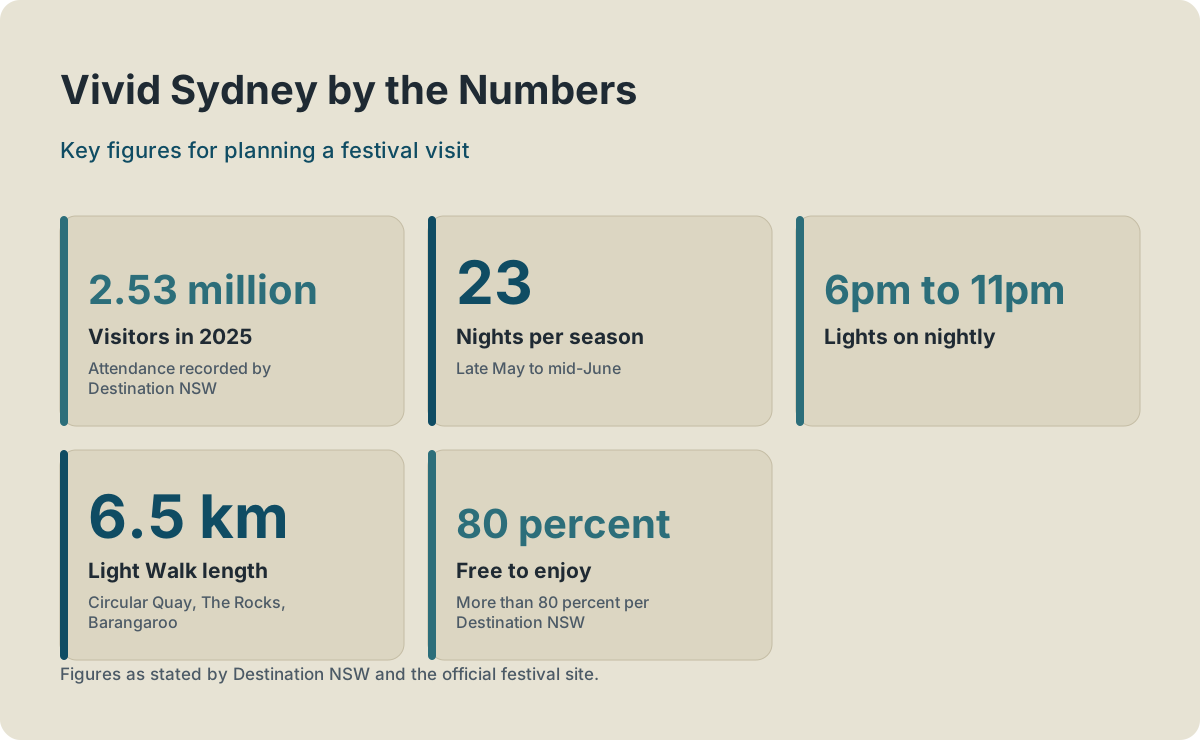
Vivid Sydney turns the harbour city into a 23-night canvas of light, music and ideas each winter, and more than 80 percent of it costs nothing. This guide covers the confirmed dates, the best free vantage points, the winter weather nobody warns you about, and how to move between precincts without paying full fare caps.
Short answer
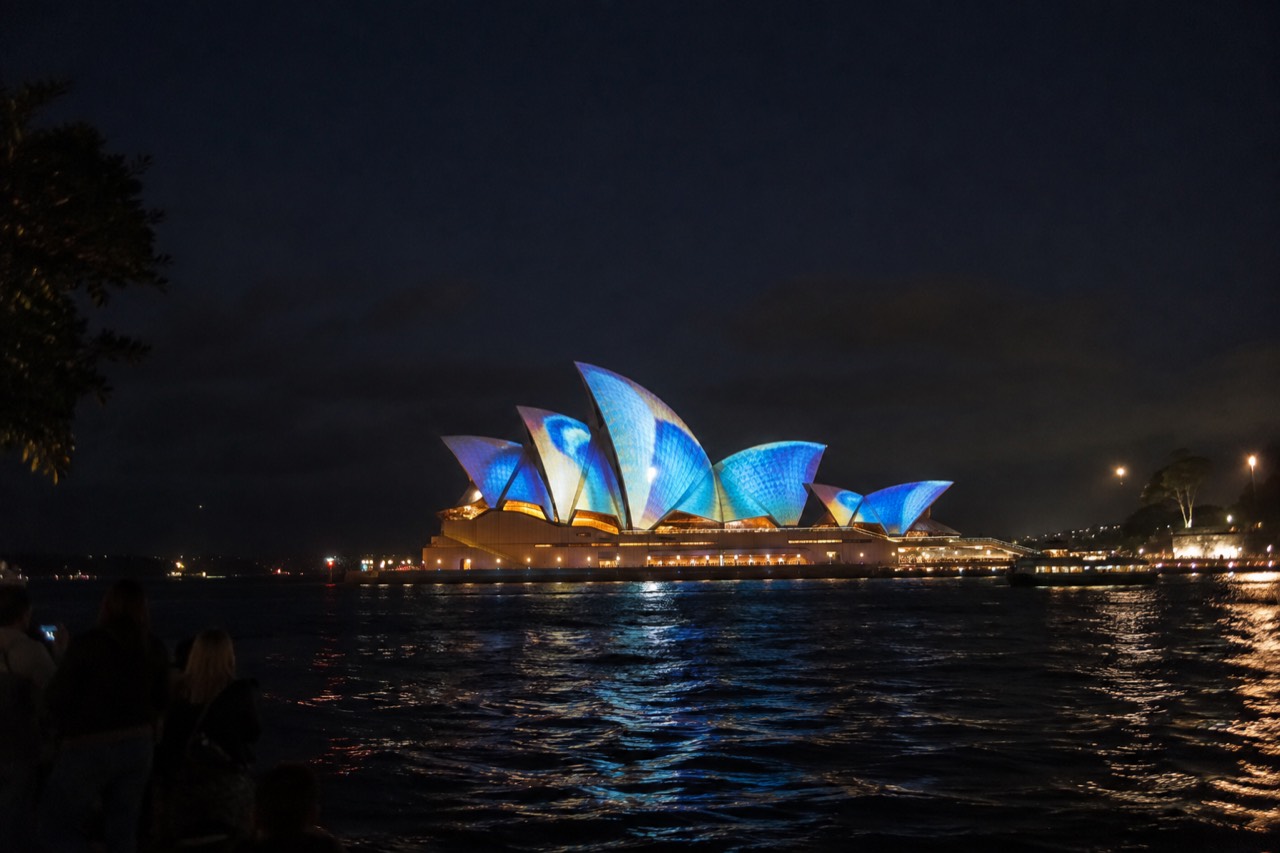
Vivid Sydney runs for 23 days each late autumn and winter. The 2026 edition ran 22 May to 13 June; the 2027 edition is scheduled for 28 May to 19 June. Lights switch on around 6pm and run to about 11pm, more than 80 percent of the program is free, and the 6.5 km Light Walk links the installations around Circular Quay, The Rocks and Barangaroo.
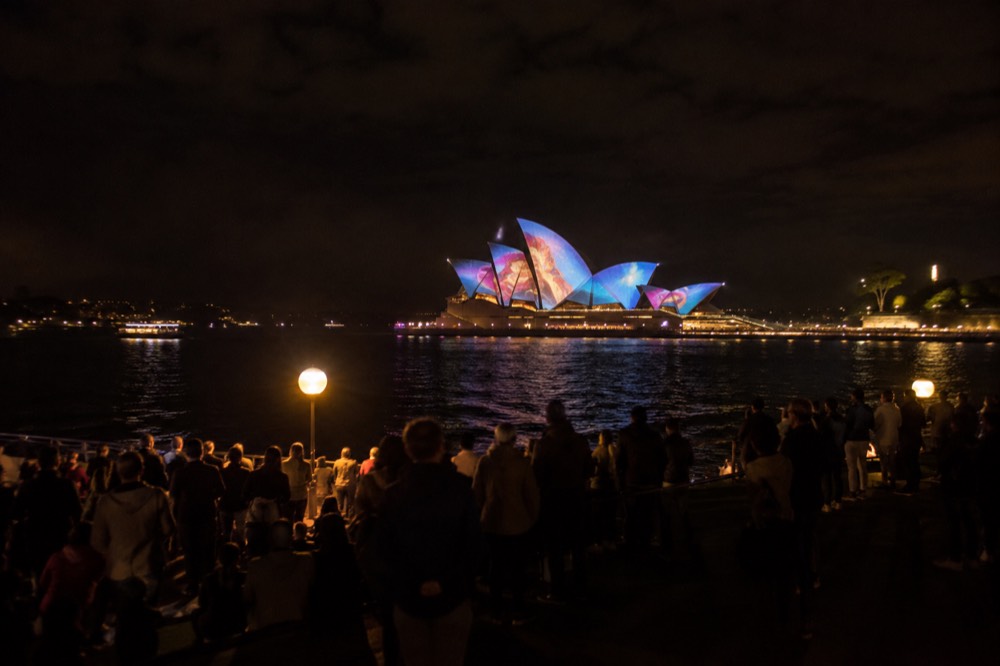
Every southern-hemisphere winter, Sydney does something that confuses first-time visitors in the best way: it leans into its coldest, shortest days and throws a festival that drew 2.53 million people in 2025. Vivid Sydney is a festival of light, music and ideas, staged across roughly three weeks in late May and June, when the city gets dark early enough for building-sized projections to shine from about 6pm. The Opera House sails become a screen, the Harbour Bridge gets its own light treatments, and a 6.5 km walking route stitches the installations together.
What surprises most travellers is the price. Destination NSW, the festival's government backer, states that more than 80 percent of Vivid is free to enjoy, including the entire Light Walk. The ticketed portion lives in the music, ideas and food strands. This guide lays out the confirmed dates, the vantage points worth walking to, the winter weather reality that most coverage glosses over, and the transport arithmetic that makes festival nights cheaper than ordinary ones. It is written by Sydney Travel Guide as a planning document, not a love letter: there are crowds, there is rain, and there are ways around both.
What Is Vivid Sydney and When Does It Run?
Vivid Sydney is an annual festival of light, music and ideas held in Sydney over roughly 23 days in late May and June. Lights illuminate each evening from about 6pm to 11pm, the bulk of the program is free, and the 2025 edition drew 2.53 million visitors according to Destination NSW. The festival centres on the harbour foreshore, from Circular Quay and The Rocks through Barangaroo and beyond.
The festival has three strands. Vivid Light is the famous part: large-scale projections and installations mapped onto the Opera House, the Museum of Contemporary Art, heritage buildings in The Rocks and towers along the harbour. Vivid Music fills venues with live performances, and Vivid Ideas runs talks and panels, with a food program layered across both. The 2026 edition was the first in recent memory to expand into daytime programming, so the festival is no longer purely a after-dark affair.
The event is staged in winter on purpose. Sydney's June days are short, with a mean of just 5.5 hours of daily sunshine on the long-run record, which means darkness arrives early and the lights can start at 6pm without waiting for a late sunset. The festival also pulls visitors into a season the city would otherwise be quiet, and the 2.53 million attendance figure from 2025 shows it works.
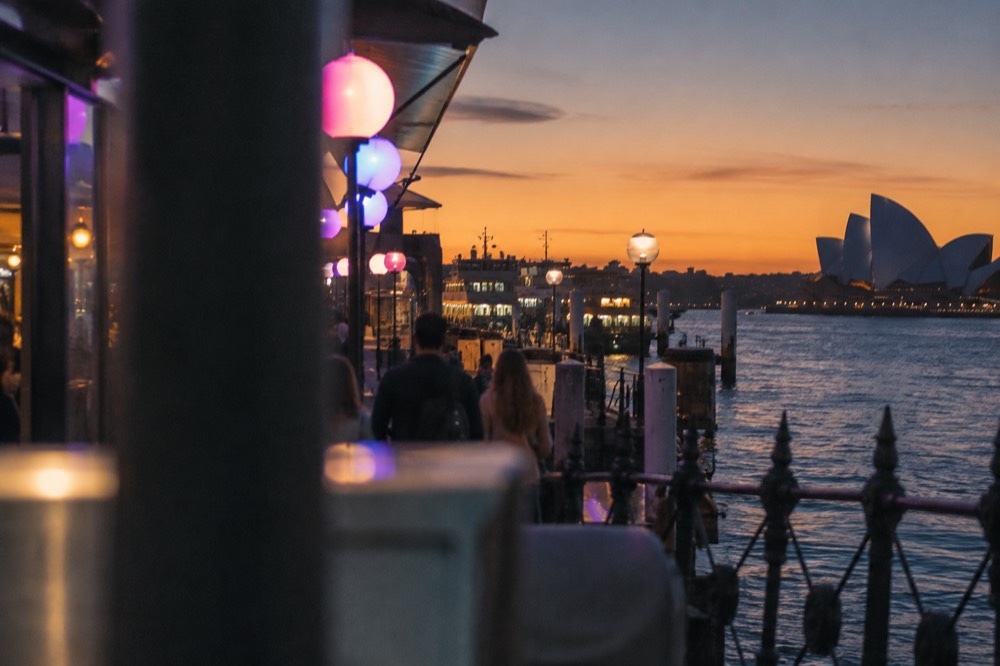
For context on how the festival sits in the city's year, our Sydney events calendar guide maps every major annual event by month, and the things to do in Sydney at night guide covers the rest of the after-dark city once the lights go out at 11pm.
What Are the Confirmed Vivid Sydney Dates?
Vivid Sydney 2026 ran from 22 May to 13 June, a 23-night season, and the 2027 edition is scheduled for 28 May to 19 June 2027, again 23 days. Lights run from about 6pm to 11pm nightly. The 2027 dates are published on the official festival site but remain a future event, so treat them as scheduled rather than locked.
Both recent editions confirm the pattern: a late-May opening, a finish in mid-June, and the King's Birthday public holiday falling inside the window. In 2026, King's Birthday landed on Monday 8 June, squarely inside the festival, which matters for transport pricing, covered below.
| Edition | Dates | Nights | Notes |
|---|---|---|---|
| Vivid Sydney 2025 | May to June 2025 | 23 | 2.53 million attendance recorded by Destination NSW |
| Vivid Sydney 2026 | 22 May to 13 June 2026 | 23 | First recent edition with daytime programming |
| Vivid Sydney 2027 | 28 May to 19 June 2027 (scheduled) | 23 | Published on the official site; subject to change |
The official festival site, vividsydney.com, is the source for the 2027 dates and will carry the full program announcement closer to the event. Destination NSW's newsroom published the 2026 dates and the day-and-night expansion announcement for that edition.
Planning around the festival has one more wrinkle: the dates sit just before the end of the NSW daylight saving period is relevant, because it has already ended. Clocks went back on the first Sunday of April, so the whole festival runs on standard time, dark by early evening, which is exactly why the lights can start at 6pm. If you are pairing Vivid with a broader winter trip, our Sydney in winter guide covers what the rest of the season looks like.
Where Are the Best Free Vantage Points for the Vivid Lights?
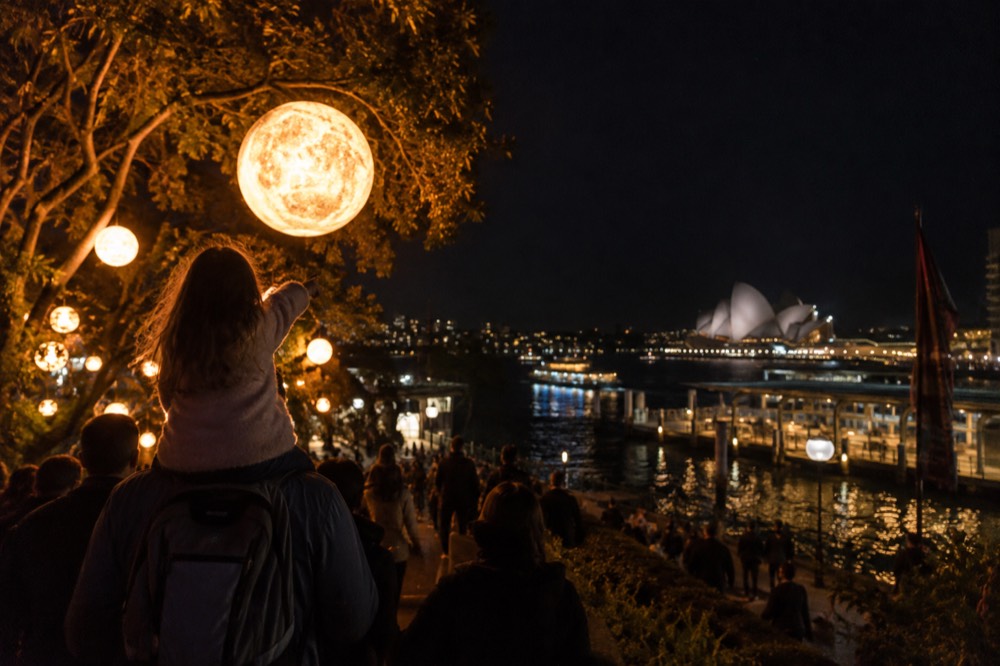
The core free viewing is the 6.5 km Vivid Light Walk, which links the major installations around Circular Quay, The Rocks, Barangaroo and the harbour foreshore. The Opera House sails projection is the headline sight, best viewed from the Circular Quay promenade or the Overseas Passenger Terminal side. More than 80 percent of the festival is free, including this entire walk.
The walk is the festival's spine. It carries you past the Opera House projection, through the historic laneways of The Rocks where heritage buildings become screens, along the quay, and out to Barangaroo's newer waterfront. You do not need a ticket for any of it. The crowd is densest at the eastern end near the Opera House in the first hour after switch-on, so walking the route in reverse, starting at Barangaroo and finishing at the sails, spreads the thinnest crowds at the start and saves the headline sight for last.
| Vantage area | What you see | Crowd level | Best timing |
|---|---|---|---|
| Circular Quay promenade | Opera House sails projection up close | Heaviest | After 8pm, once first-hour crowds thin |
| Overseas Passenger Terminal | Sails and quay skyline across the water | Moderate | Any time after switch-on |
| The Rocks laneways | Heritage-building projections and installations | Moderate | Mid-evening, weeknights |
| Barangaroo waterfront | Installations and skyline views west | Lightest | Early, then walk east |
| Kirribilli or North Sydney shore | Bridge and skyline from the north side | Light | Ferry across, then walk |
The north shore option is underused. A ferry to Kirribilli or Milsons Point puts you on the far side of the harbour with the bridge and the lit city in one frame, and the crowds are a fraction of the quay-side density. Our best lookouts in Sydney guide lists several of these angles for the rest of the year, and the Sydney Harbour cruises guide covers seeing the lights from the water instead.
Seeing the festival from a boat is a genuinely different experience, and a harbour cruise during the festival weeks passes the lit foreshore at eye level. The sightseeing cruise below runs mornings and afternoons rather than at night, but it is a low-cost way to learn the harbour's geography before you walk it after dark.
How Much Does Vivid Sydney Cost?
Nothing for the light. The Light Walk, the projections and the installations are free, and Destination NSW states that more than 80 percent of the entire festival is free to enjoy. You pay only for ticketed Vivid Music, Ideas and Food events, plus your own food and transport. A family can do a full Vivid evening on the cost of dinner and Opal fares alone.
The free-to-paid split is the festival's defining economics. The light installations, which are what most visitors come for, carry no ticket, no booking and no queue beyond the crowd itself. The ticketed strand is real but optional: music performances in venues across the city, the ideas program of talks, and food events that range from cheap to expensive.
| Festival strand | Cost | Booking needed |
|---|---|---|
| Vivid Light Walk and installations | Free | No |
| Opera House sails projection viewing | Free | No, just position yourself |
| Vivid Music performances | Ticketed, prices vary by event | Yes, per event |
| Vivid Ideas talks | Ticketed, prices vary by event | Yes, per event |
| Vivid Food events | Mixed, some free tastings, some ticketed | Some |
If your Vivid trip also includes the city's paid indoor attractions, a multi-attraction pass can cut the combined cost. The four-attraction combo pass below bundles SEA LIFE Sydney Aquarium, the Sydney Tower Eye, WILD LIFE Sydney Zoo and Madame Tussauds into one ticket, valid 30 to 60 days, which comfortably spans a festival visit plus a few extra days. Our Sydney attraction passes compared guide runs the full maths on when a pass beats individual tickets.
One cost trap does not exist: there is no visitor levy or tourist tax in NSW, and none has been announced, so the only mandatory extra spend is transport. The Sydney on a budget guide has the wider cheap-city playbook if the festival is one stop on a longer, careful trip.
What Is the Weather Really Like During Vivid Sydney?
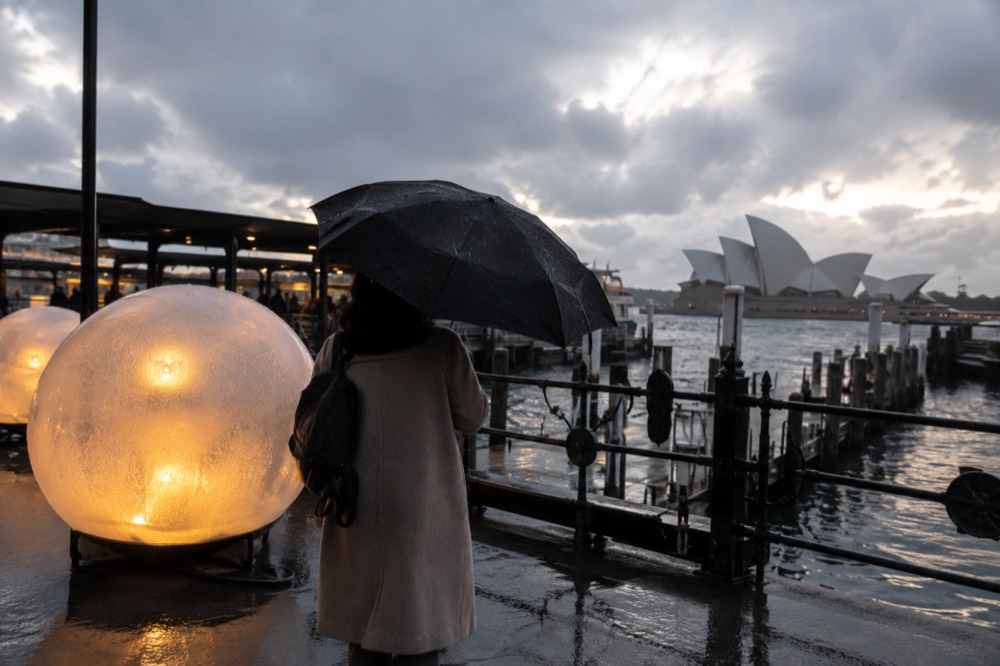
Cool and wet, and that is the honest version. Vivid runs in late May and June, and June is Sydney's wettest month on the long-run record, averaging 133.1 mm of rain, more than any summer month. The June mean maximum is 17.0 °C and the mean minimum 9.3 °C, so festival nights feel cold, and a rain layer matters more than the brochures suggest.
This is the part of Vivid coverage that usually gets softened into "Sydney is mild year-round", and the Bureau of Meteorology's long-term normals for Sydney say otherwise. Rainfall peaks in autumn and early winter, not summer. June averages 133.1 mm across 8.8 rain days, May averages 117.4 mm, and July 96.3 mm. Anyone planning three festival nights should expect at least one to be wet.
The counterweight, and it is a genuinely useful one, is that winter skies are clearer than summer skies. August records the most clear days of any month, 13.4 on average, and July is second with 12.0, while February, in the middle of peak tourist season, records the fewest at 5.3. June itself averages 9.1 clear days, more than January's 6.8. Winter rain in Sydney tends to come in shorter, sharper bursts, and the skies between them are often clean.
| Month | Mean max °C | Mean min °C | Mean rainfall mm | Rain days | Clear days |
|---|---|---|---|---|---|
| May | 19.5 | 11.6 | 117.4 | 8.6 | 9.5 |
| June | 17.0 | 9.3 | 133.1 | 8.8 | 9.1 |
| July | 16.4 | 8.1 | 96.3 | 7.4 | 12.0 |
The full monthly breakdown, including the sunshine and clear-day figures, comes from the Bureau of Meteorology's long-term climate averages for Sydney, a 162-year record. Pack for the numbers above: a proper jacket, a rain layer and closed shoes for standing around on cold foreshore concrete. The Sydney weather month by month guide extends the table across the whole year.
How Do You Get Around During Vivid Sydney?
Use Opal or contactless and let the daily caps work for you. The adult daily cap is $9.65 on Fridays, Saturdays, Sundays and public holidays, versus $19.30 Monday to Thursday, and the weekly cap is $50. Contactless cards are charged identically to an Adult Opal card, so most visitors never need to buy a physical card at all. King's Birthday, a public holiday, falls inside the festival window.
That $9.65 weekend cap is the quiet bonus of a Vivid trip. Festival weekends mean multiple ferry and train hops between precincts, and once you hit the cap, further journeys that day cost nothing more. The King's Birthday public holiday inside the festival window also charges the $9.65 cap, not the weekday rate, so a Monday of festival hopping is a capped day too.
| Payment | What it costs | Caps and discounts |
|---|---|---|
| Contactless card or device | Same as Adult Opal fare | Full caps, transfers, off-peak |
| Adult Opal card | Distance-based fare | Full caps, transfers, off-peak |
| Opal single trip ticket | More than Opal | No caps, no discounts, no transfers |
The fares and caps are published by Transport for NSW on its adult fares page. Two ferry cautions matter during Vivid: the privately operated Manly Fast Ferry accepts OpalPay but outside the caps and transfer discounts, so it can quietly cost more than you expect, and you must tap off, or you are charged the default maximum fare. The Opal card guide for visitors and the Sydney ferries guide cover the mechanics in full.
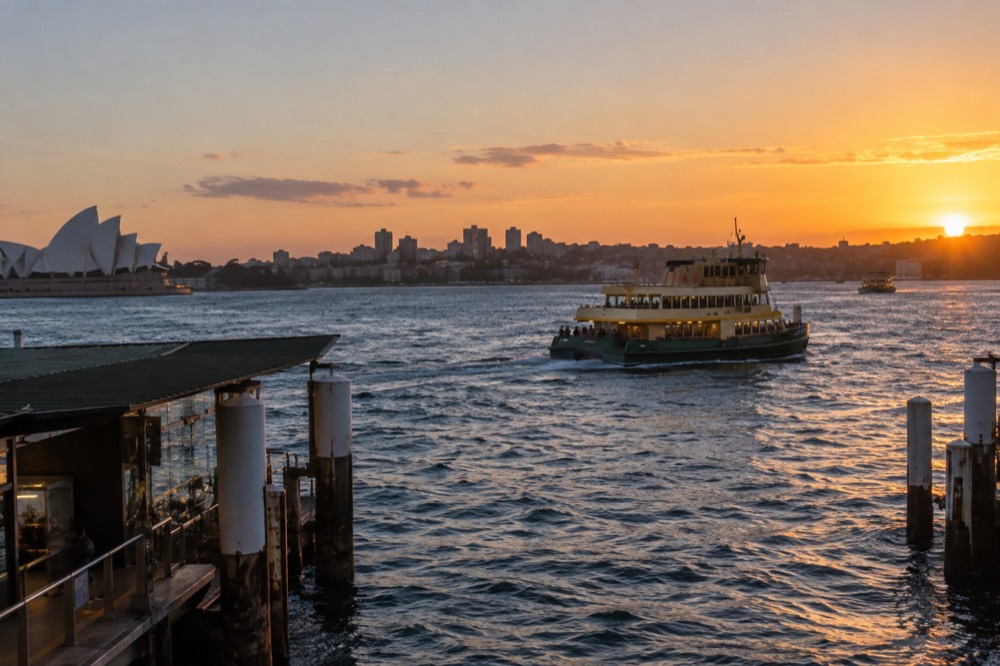
Roads around the foreshore are congested and parking is scarce on festival nights, and private e-scooters remain illegal on NSW roads, footpaths and shared paths, so they are not an option. Trains and ferries are the festival's circulatory system. The getting around Sydney guide compares every mode, and the Sydney trains for visitors guide explains the network you will actually use.
Where Should You Eat During Vivid Sydney?
Eat before the lights or bring patience. Foreshore restaurants fill fast from 6pm, and the smart pattern is an early dinner from 5pm or a late one after 9pm, with the middle of the walk for snacking from festival food stalls. The Vivid Food strand layers ticketed and free food events across the festival, so check the program for the nights you are there.
The festival has changed the dining calculus around Circular Quay and The Rocks for three weeks each year. Venues that are normally bookable on the day need reservations days ahead during Vivid, especially Friday and Saturday nights. The Rocks pub scene, covered in our Sydney bars and pubs guide, is the most reliable fallback because pub kitchens serve late and take walk-ins, but even those fill.
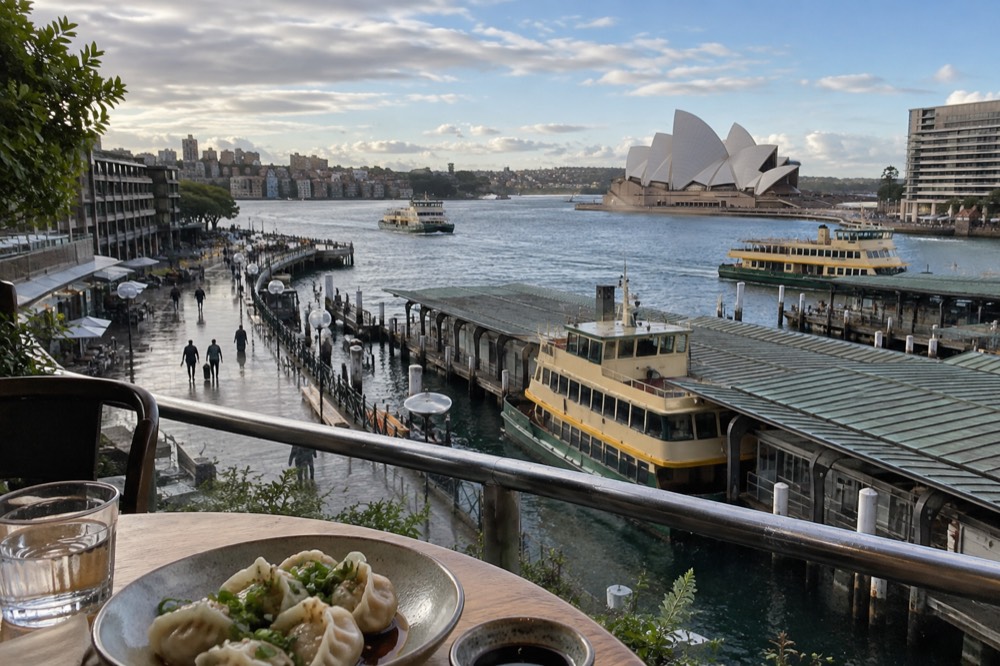
A food tour is one way to eat well during the festival without gambling on reservations. The six-tasting walk below runs through central Sydney with a guide who handles the venue choices, which during festival weeks is worth real money in avoided queue time. Our Sydney food guide maps the city's eating neighbourhoods more broadly if you would rather plan your own route.
The new Sydney Fish Market at Blackwattle Bay, which opened in its new building in January 2026, is a daytime option if you are pairing the festival's expanded daytime program with a proper feed before the lights. The Sydney Fish Market guide covers getting there.
Is Vivid Sydney Good for Families and First-time Visitors?
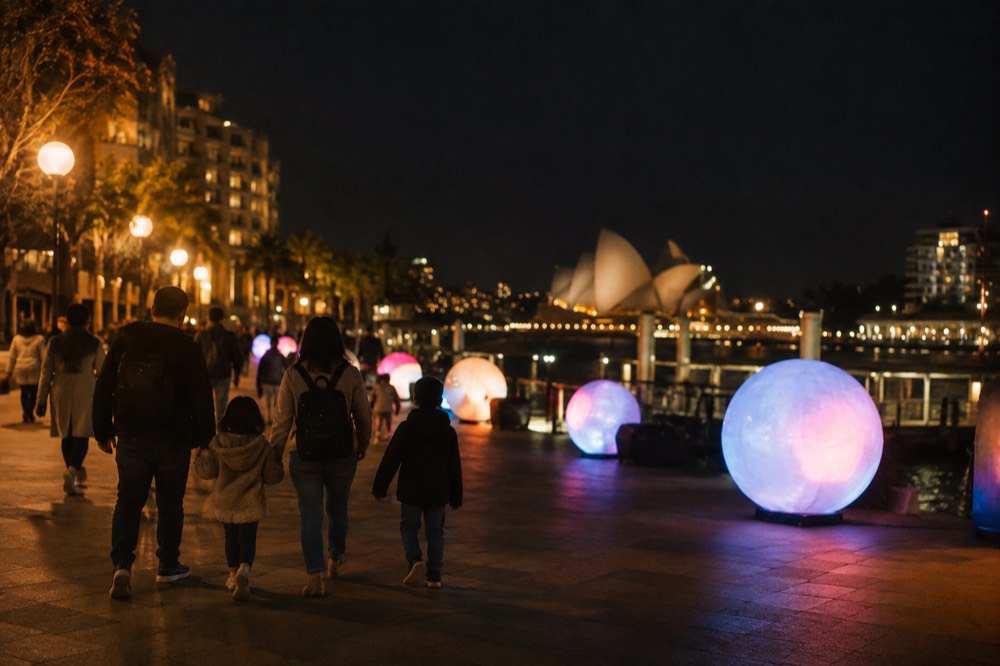
Yes, and it is one of the best first-night activities in the city. The Light Walk is free, stroller-friendly along the foreshore, and the 6pm switch-on means young children see the full spectacle before a late bedtime. First-time visitors get the Opera House, the Harbour Bridge and the harbour skyline all lit at once, which is Sydney's single most concentrated sightseeing hour.
The 6pm start is the family-friendly detail that matters most. In summer, Sydney's light shows and late sunsets push evening activities past 8pm, which is useless with tired children. Vivid's winter scheduling means the full experience runs 6pm to 11pm, and a family can do a satisfying two hours, 6pm to 8pm, and be home early. Weeknights are thinner than weekends, and the Barangaroo end of the walk is the calmest stretch with small children.
For first-time visitors, Vivid compresses the city's greatest hits. The walk passes the Opera House, The Rocks, the harbour foreshore and Barangaroo in one evening, and the Sydney for first-timers guide frames the rest of what the city offers beyond the festival route. If you are visiting with children beyond festival nights, the Sydney with kids itinerary has the daytime half of the trip.
Accessibility along the foreshore route is good, with lift access at Circular Quay stations and mostly flat promenades, and the accessible Sydney guide details the city's wheelchair access more precisely. One caution for all visitors: festival nights are dense with people, so keep valuables secured and agree a meeting point if your group splits; the is Sydney safe for tourists guide covers the general picture.
What Else Should You Know Before You Go?
Book accommodation early, expect road closures near the foreshore, and plan for rain without cancelling. Vivid draws 2.53 million people over 23 nights, so harbour-view rooms and central hotels price up and fill early for festival weekends. Roads around Circular Quay and The Rocks are heavily managed on peak nights, making trains and ferries the only sensible mode.
A few closing specifics make the difference between a good Vivid trip and a great one. Book your hotel months ahead for festival dates, and read the [where to stay](https://booking.tpk.ro/ndznHj9h) in Sydney guide for the neighbourhood trade-offs before you commit. If you are extending the trip, the 3 days in Sydney itinerary slots a festival night into a full first visit, and the Sydney Opera House guide is worth reading before you stand under the sails, since the building's interior tours run during the day and the projection is best understood with context.
Common Questions About Vivid Sydney
What are the Vivid Sydney 2027 dates?
The 2027 edition is scheduled for 28 May to 19 June 2027, a 23-day season published on the official festival site. Treat the dates as scheduled rather than final until the full program is announced, which historically happens closer to the event.
Is Vivid Sydney free?
More than 80 percent of the festival is free, including the entire 6.5 km Light Walk, the Opera House sails projection and the foreshore installations. Vivid Music, Ideas and some Food events are ticketed, with prices varying by event.
What time do the Vivid lights turn on?
Lights typically run from about 6pm to 11pm each night of the festival. The 6pm start is possible because the festival runs in winter on standard time, when Sydney gets dark early.
Where is the best place to watch Vivid Sydney?
The Circular Quay promenade gives the closest view of the Opera House sails projection, but it is the most crowded in the first hour after switch-on. Walking the Light Walk in reverse, starting at Barangaroo and finishing at the sails, spreads out the crowds. The north shore around Kirribilli offers bridge and skyline views with far fewer people.
Is Vivid Sydney worth visiting in the rain?
Usually yes, because the projections are bright and the rain in Sydney's winter often comes in short bursts rather than sustained downpours. June is Sydney's wettest month on the long-run record, averaging 133.1 mm, so pack a rain layer and check the forecast rather than hoping.
How crowded does Vivid Sydney get?
The 2025 edition drew 2.53 million visitors across 23 days, and peak weekend nights around Circular Quay are dense. Weeknights, the later hours after 8pm, and the Barangaroo end of the walk are all noticeably calmer.