Sydney Trains for Visitors: Fares, Lines and How to Actually Use Them
Sydney's suburban train network is the backbone of getting around, and most visitors can ride it on a tap of an ordinary credit card. This guide covers the fares, the caps, the airport trap and the lines worth knowing.
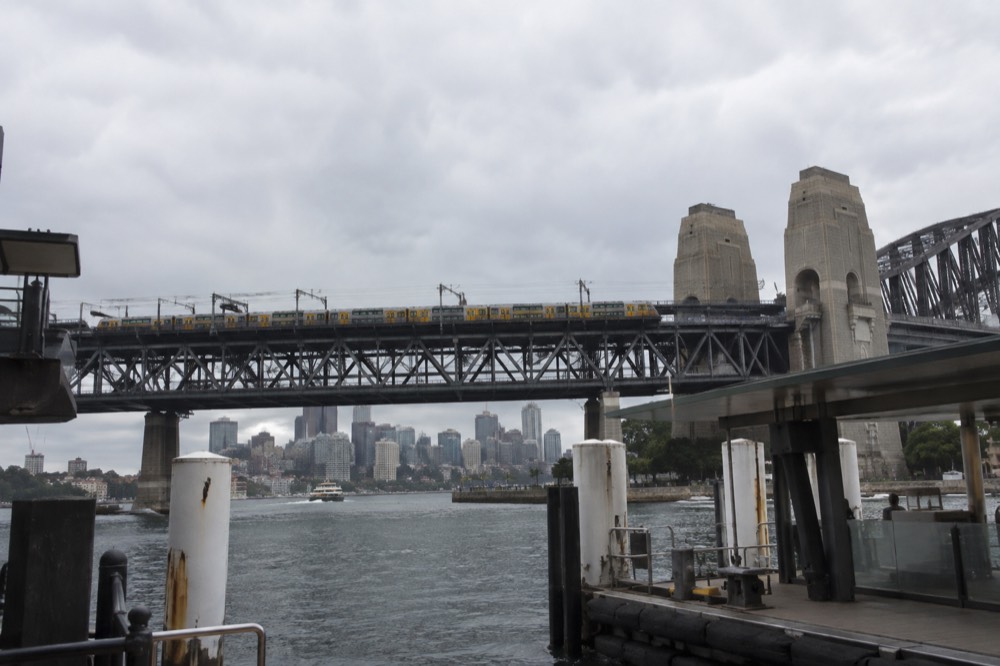
Short answer
Sydney's trains and metro use distance-based Opal fares from $4.33 peak for a short trip, capped at $19.30 a day Monday to Thursday and $9.65 from Friday to Sunday. A contactless credit or debit card charges exactly the same as an Opal card, so most visitors never need to buy one. The one trap is the airport: a station access fee of $18.61 applies on top of the fare at both airport stations.
Sydney runs one of the larger suburban rail networks in the southern hemisphere, and visitors use it constantly whether they planned to or not. The airport train, the ferry connections at Circular Quay, the Blue Mountains line out of Central: all of it is the same system, with the same fares, the same tap-on tap-off card and the same daily caps. Get your head around it once and the whole city gets cheaper.
The short version is friendly. Fares are distance-based, they are capped every day, and a contactless credit or debit card is charged identically to the local Opal card, with every cap and discount included. The long version has a few genuine traps in it, and this guide walks through all of them, from the airport station access fee to the private fast ferry that quietly opts you out of the caps.
How Do Sydney Trains Work for a First-time Visitor?
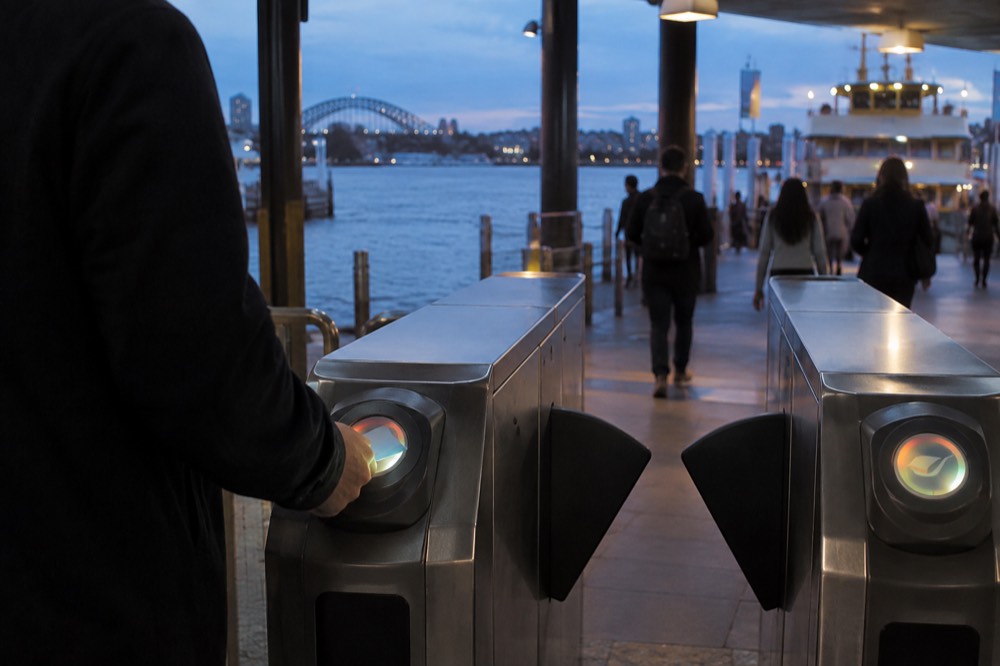
Sydney's trains are a tap-on, tap-off suburban network centred on the City Circle, a loop of underground stations around the CBD. You tap a contactless bank card or an Opal card on a reader at the station gate, ride, and tap off at the far end. There are no paper tickets to buy for most trips, no zones to calculate, and the fare is worked out from the distance you travelled. Fares are capped daily and weekly, so a heavy day of sightseeing cannot run away from you.
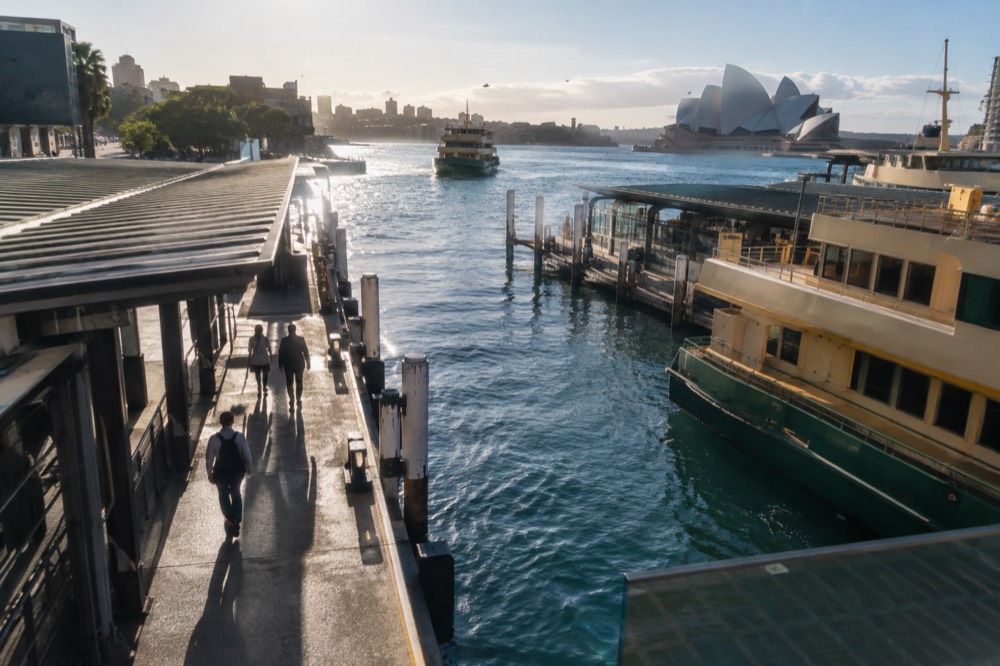
The network's centre of gravity is the City Circle: Central, Town Hall, Wynyard, Circular Quay, St James and Museum, six stations that ring the CBD, most of them underground. Nearly every visitor trip starts at one of those. Central is the interchange for the intercity and regional lines, including the Blue Mountains line, and it is also where the Sydney Metro meets the suburban network at Central and Sydenham.
From the City Circle, lines fan out to the suburbs and beyond. The ones a visitor is most likely to ride are the Eastern Suburbs line to Bondi Junction for Bondi Beach, the North Shore line across the harbour bridge to Milsons Point and North Sydney, the Inner West line to Newtown and Petersham, and the Blue Mountains line from Central to Katoomba. The full network map is on the Transport for NSW trip planner, and every station entrance has a printed copy.
A note on the basics of getting around the city more broadly: trains are one leg of a system that also includes ferries, buses and light rail, all on the same card and all inside the same caps. If you are still deciding whether you need a car at all, the do I need a car in Sydney question has a short answer for most visitors, and this site's getting around Sydney guide puts trains in context against the ferries and buses.
What Do Sydney Train and Metro Fares Cost?
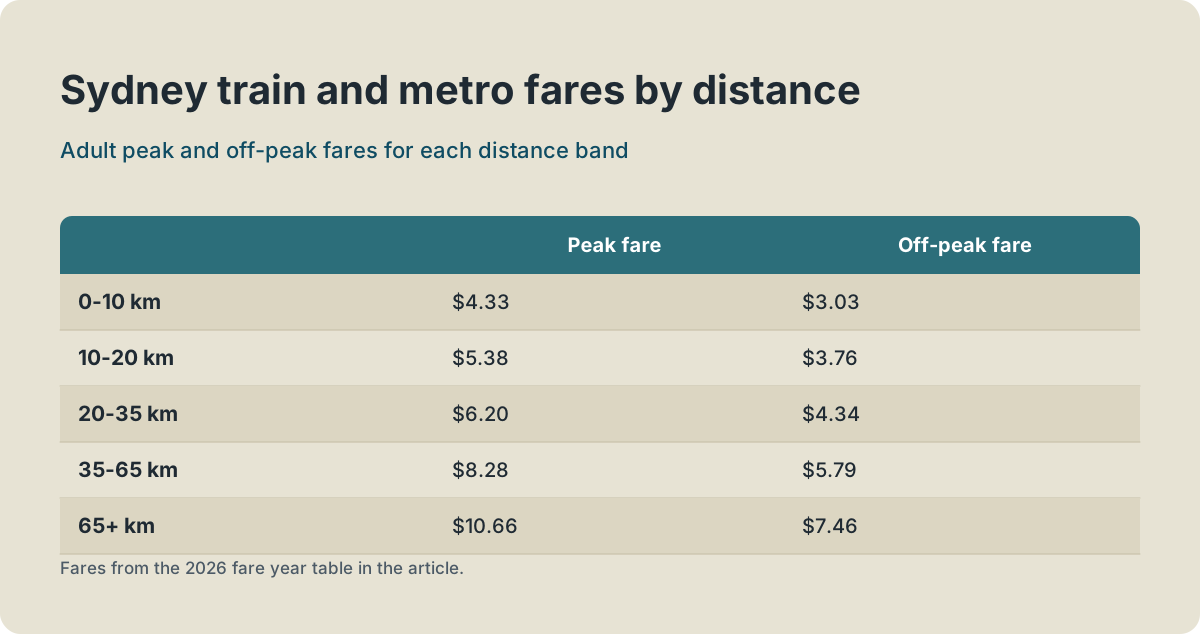
An adult train or metro fare is set by distance, from $4.33 for a trip under 10 km down to $3.03 off-peak, rising to $10.66 peak for anything over 65 km. Off-peak is 30% cheaper and applies on Fridays, weekends, public holidays and outside weekday peak hours. Every fare is capped: $19.30 a day Monday to Thursday, $9.65 a day from Friday to Sunday, and $50 a week. In the 2026 fare year, a public holiday is the cheapest day to travel widely.
The distance bands are published by Transport for NSW, and they are worth reading once because they explain a lot about what a Sydney day trip costs. Here are the adult metro and train bands:
| Distance | Peak fare | Off-peak fare |
|---|---|---|
| 0-10 km | $4.33 | $3.03 |
| 10-20 km | $5.38 | $3.76 |
| 20-35 km | $6.20 | $4.34 |
| 35-65 km | $8.28 | $5.79 |
| 65+ km | $10.66 | $7.46 |
Two things follow from that table. First, the jump from the 35-65 km band to the 65+ km band is small, so a long day trip by train is genuinely cheap: a return trip to Katoomba in the Blue Mountains, both ways in the 65+ km band, is under $22 peak, and less off-peak. Second, off-peak pricing rewards flexibility. The 30% discount applies on metro, train, bus and light rail on Fridays, weekends and public holidays, plus outside peak windows on weekdays. Ferries never get the off-peak discount.
The caps are the part most visitors underuse:
| Cap | Amount | When it applies |
|---|---|---|
| Daily cap | $19.30 | Monday to Thursday |
| Daily cap | $9.65 | Friday, Saturday, Sunday, public holidays |
| Weekly cap | $50 | Monday to Sunday week |
| Airport access fee | $18.61 | On top of the fare, both airport stations |
| Airport access weekly cap | $37.75 | Separate from the $50 weekly cap |
Read that middle row again. From Friday morning to Sunday night, and on every public holiday, you can ride trains, metro, buses, ferries and light rail all day for $9.65 total. A visitor doing a big Saturday of Circular Quay, Manly by ferry, Bondi by train and the Blue Mountains is hard pressed to exceed it. The best ways for visitors to pay page on Transport for NSW sets out the same rules in full.
If your plans for the weekend are more about sights than stations, the bus-and-cruise option below covers the stops the rail network does not reach, with the same free-cancellation flexibility most Sydney listings carry.
One more fare rule that saves real money: inter-modal transfers. Tap from a train to a bus, or a bus to a ferry, within 60 minutes, and the second trip is discounted by $2 for adults. It is applied automatically to contactless and Opal payments alike, and it is one of several reasons the site's Opal card guide for visitors is worth a read before your first tap.
Should You Use an Opal Card or Tap Your Credit Card?
For almost every visitor, tapping a contactless credit or debit card, or a phone wallet, is the better choice. Contactless payments are charged exactly the same as an Adult Opal card and receive every benefit: the daily and weekly caps, the off-peak discount and the transfer discount. The only reasons to buy an Opal card are concession eligibility, travelling with children who need child fares, or wanting a physical souvenir. Opal single trip tickets cost more and receive no benefits at all.
The equivalence is not a marketing line, it is the published fare rule. A contactless American Express, Mastercard or Visa card, or the same card in a phone or watch, is billed at Adult Opal rates with the caps applied. There is no registration, no deposit to recover and nothing to return at the airport. If your card works at a Sydney cafe, it works on the train.
The exceptions are real, though. Children and students need concession fares, which contactless cannot deliver, so families should get child or youth Opal cards. The same applies to seniors and pensioners with eligible Australian concession cards. And a single trip ticket, the paper backup sold at machines at some stations, is the worst of all worlds: it costs more than the Opal fare and receives no caps, no discounts and no transfer benefit. Treat it as an emergency option only.
One trap deserves its own paragraph: tap off, every time. If you exit a station without tapping off, the system charges you the maximum default fare for the trip it thinks you took. The reverse trap is double-tapping: if you tap your card twice in quick succession at the same reader, the second tap can register as a new trip. And two people can never share one card; every traveller needs their own, because the system reads a card, not a group. The can two people use one Opal card question is answered in full elsewhere on this site, and the answer is a firm no.
If you would rather skip the fare mechanics entirely for a day of sightseeing, the hop-on hop-off bus below runs the Bondi route the train only half covers, and the operator's listing carries free cancellation.
How Do You Get from Sydney Airport to the City by Train?
The airport train runs from both the Domestic and International stations directly to Central in about 13 minutes, but it carries a station access fee of $18.61 per adult on top of the normal fare, charged to Opal and contactless alike. That makes a couple's airport transfer cost around $50 in total. The fee sits outside the daily and weekly caps and has its own separate weekly cap of $37.75, and the 400 bus avoids it entirely.
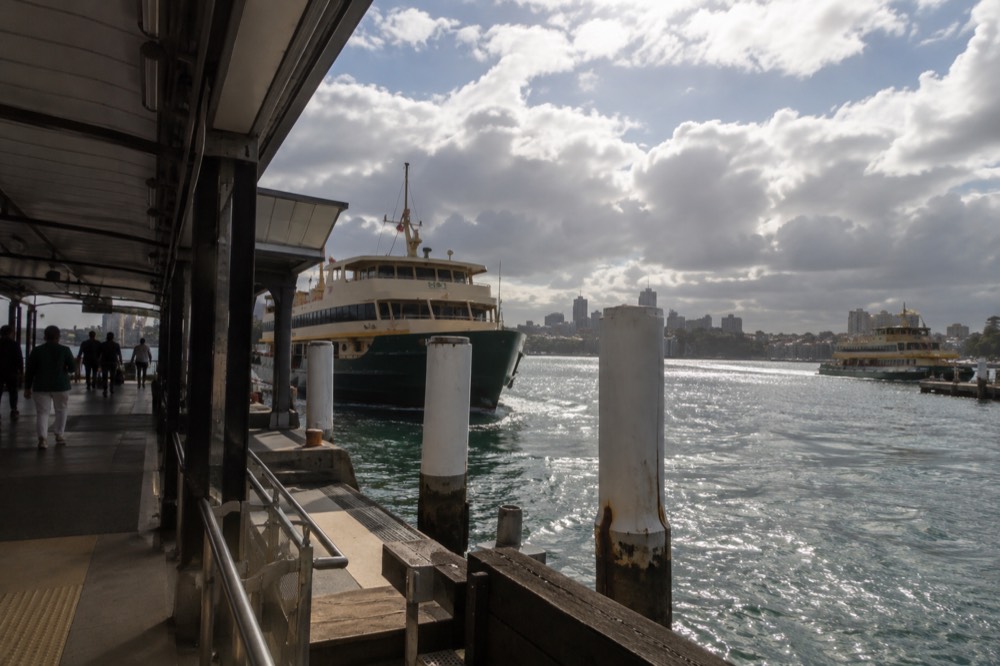
The access fee is the single most misunderstood number in Sydney transport content, so it is worth being precise. Older guides, and even the 2025 fare determination, quote $17.92. The live Transport for NSW page in the 2026 fare year says $18.61 for an adult, $16.64 for a child, youth, concession, senior or pensioner, and $19.00 if you insist on a single trip ticket. It is charged at both airport stations, in both directions, on top of the train fare itself, and it is excluded from the ordinary daily and weekly caps.
| Ticket type | Airport access fee | Separate weekly cap |
|---|---|---|
| Adult | $18.61 | $37.75 |
| Child/Youth | $16.64 | $33.83 |
| Concession, Senior/Pensioner | $16.64 | $33.83 |
For a solo traveller arriving once and leaving once, the train is still often the right call: it is fast, frequent and immune to traffic. For a couple or family, the arithmetic changes. Two adults pay the $18.61 access fee four times across an arrival and a departure, before a single city fare is counted. The alternatives are the 400 bus, which connects the airport to Bondi Junction and the Eastern Suburbs line with no access fee at all, or a taxi or rideshare. The full comparison, including taxi and rideshare costs, lives in the site's Sydney Airport to the city guide, and the narrower is the airport train free in Sydney question is answered plainly: no, and the fee is the reason.
The station access fee weekly cap of $37.75 matters to one specific traveller: someone making multiple airport trips in a week, such as a visitor flying out of Sydney twice. For everyone else it is a number to be aware of and never pay twice.
If the fare arithmetic is making your eyes glaze, there is a simpler way to see the city on your first day: the hop-on hop-off bus below stops at the major sights, runs a route the train only partly covers, and the listing lets you cancel for free if your plans change.
Which Train Lines and Stations Do Visitors Actually Use?
Six City Circle stations carry most visitor trips: Central, Town Hall, Wynyard, Circular Quay, St James and Museum. From them, the lines worth knowing are the Eastern Suburbs line to Bondi Junction, the North Shore line across the harbour to Milsons Point, the Inner West line to Newtown, and the Blue Mountains line from Central to Katoomba. Circular Quay station is the ferry interchange for Manly and Taronga Zoo, and Wynyard is the walk-in point for The Rocks and Barangaroo.
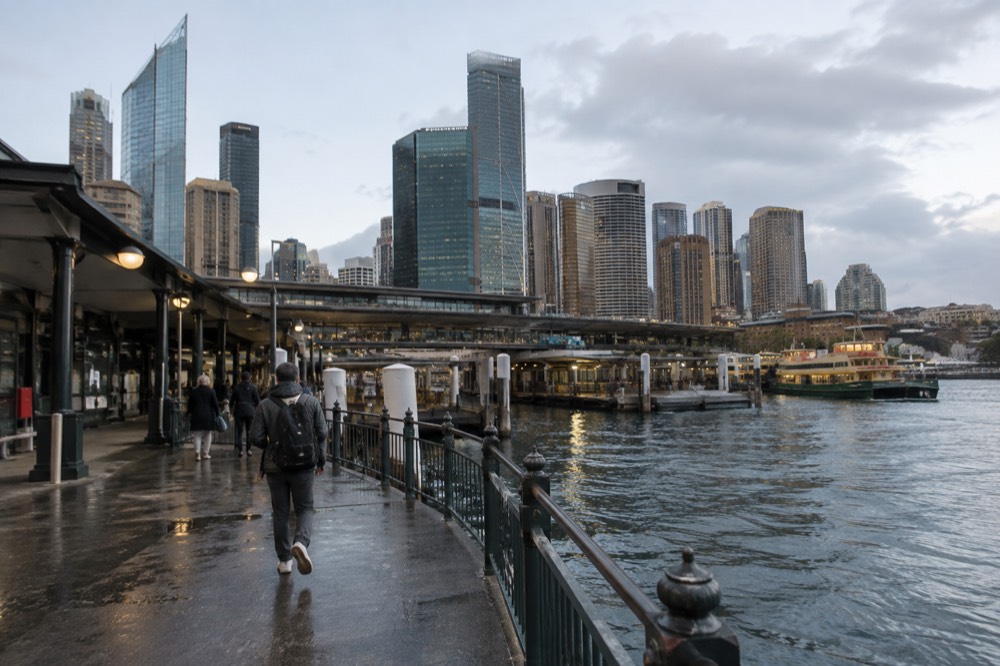
Here is the practical map of which station serves which visitor purpose:
| Station | What it gets you |
|---|---|
| Circular Quay | Ferries to Manly, Taronga Zoo and Watsons Bay; the Opera House and Royal Botanic Garden on foot |
| Wynyard | The Rocks, Barangaroo and the harbour bridge walk |
| Town Hall | Queen Victoria Building, Hyde Park and the shopping spine of the CBD |
| Central | Blue Mountains line, metro interchange, light rail to the Inner West |
| Bondi Junction | Bondi Beach by connecting bus, the Eastern Suburbs line terminus |
| Milsons Point | Luna Park, North Sydney and the north side of the harbour bridge |
Two connections deserve a note. Bondi Beach has no train station of its own: the Eastern Suburbs line ends at Bondi Junction, and the last leg is a bus or a 25-minute walk downhill. Visitors who expect a "Bondi Beach station" are the most common confused tourists on the network. Second, Milsons Point is the station for experiencing the harbour bridge from underneath and beside it; walking across the bridge from there to Wynyard, or the reverse, is free and takes about 20 minutes, and the is it worth walking over the Sydney Harbour Bridge question gets a full answer elsewhere on this site.
The ferry interchange at Circular Quay is where trains and ferries meet, and it is the single most useful transfer point in the city. The F1 Manly ferry, the F2 Taronga Zoo ferry and the F3 Parramatta River ferry all leave from there, and every one of them is inside the same Opal caps as the train that brought you. The site's Sydney ferries guide covers the routes in detail, and the Manly ferry guide covers the best-value ride on the network.
What Is the Sydney Metro and Where Does It Go?
The Sydney Metro M1 runs from Tallawong in the north-west to Sydenham in the inner south, through the CBD in modern driverless trains with platform screen doors, and it is fully inside the Opal fare system and caps. It opened to Sydenham in August 2024. The extension from Sydenham to Bankstown was not open: it had finished trial running and was targeting a late-2026 opening, pending final approvals. Any guide that says the metro reaches Bankstown today is wrong.
For most visitors the metro matters in two places. One, it is the fastest way across the CBD's north-south spine, with stations at Martin Place, Pitt Street under the city centre and Central, and it connects to the existing train network at Central, Town Hall-adjacent Martin Place and Sydenham. Two, it serves the new Powerhouse Parramatta area indirectly, and the Western Sydney Airport line, when it opens alongside passenger flights from late October 2026, will be a separate metro service to the new airport.
The metro's fares are identical to the train fares in the table above, and the metro gets the same off-peak discount, unlike ferries. There is nothing different to learn once you are inside the gates, other than that the trains are driverless, the platforms have screen doors, and the trains run at high frequency through the day.
A second change worth knowing for planning: the Parramatta Light Rail L4 line between Westmead and Carlingford opened in December 2024, and light rail fares are in the same bands as buses, shown below. Light rail is the right tool for the Inner West and parts of the south-eastern CBD, and the site's Sydney light rail guide covers it in full.
| Distance | Bus and light rail peak | Off-peak |
|---|---|---|
| 0-3 km | $3.30 | $2.31 |
| 3-8 km | $4.49 | $3.14 |
| 8+ km | $5.77 | $4.03 |
The ferry bands, for completeness, have no off-peak discount:
| Distance | Adult ferry fare |
|---|---|
| 0-9 km | $7.35 |
| 9+ km | $9.20 |
The Manly ferry sits in the 9+ km band at $9.20 one way, which is why so many locals call it the best-value tourist ride in the city. One caveat: the privately operated Manly Fast Ferry accepts Opal through the OpalPay system, but it charges different fares and, importantly, the Opal caps and transfer discounts do not apply on it. Look for the public F1 ferry, not the fast one, if you are counting on the $9.65 weekend cap.
Which Day Trips Can You Do from Sydney by Train?
The Blue Mountains is the headline train day trip: Central to Katoomba is in the 65+ km fare band at $10.66 peak or $7.46 off-peak each way, and the Blue Mountains National Park charges no entry fee except at Glenbrook, so a car-free day trip costs barely more than the train fare. Other realistic rail day trips include Kiama and Wollongong on the South Coast line, the Central Coast, and Parramatta by train or ferry. Every one of them is inside the same weekly cap.
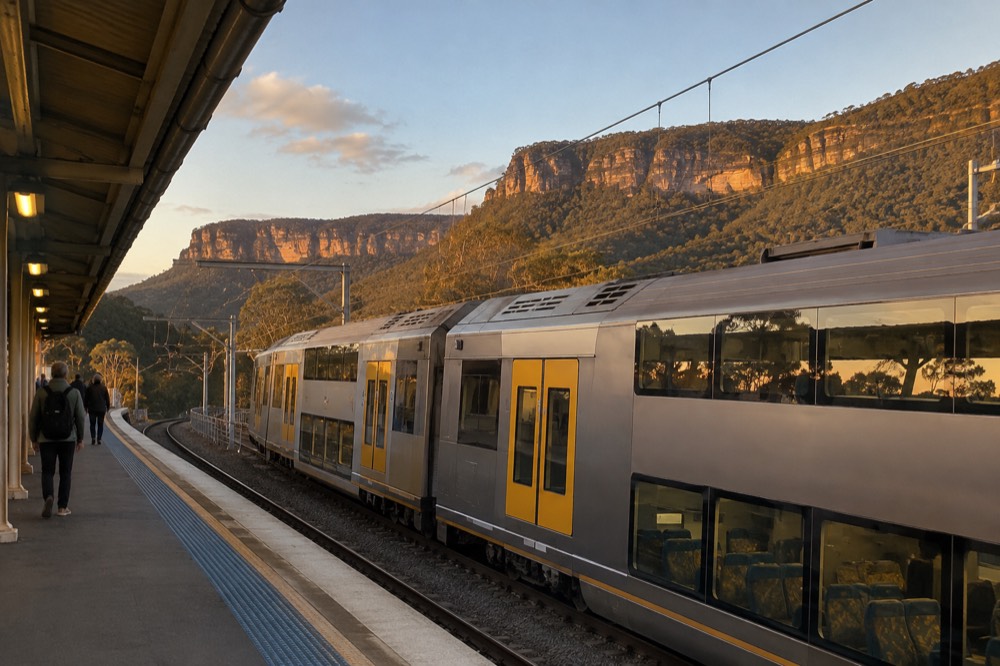
The Blue Mountains line is the one to plan around. It runs from Central through the western suburbs to Katoomba, with stops at Wentworth Falls and Leura, and the fare arithmetic is genuinely favourable: both directions sit in the 65+ km band, so a return trip is under $22 at peak and under $15 off-peak. Once there, the national park is free to enter except at the Glenbrook area near the bottom of the mountains, where a vehicle fee applies, a detail confirmed on the NSW National Parks fees page. Arriving by train avoids vehicle fees entirely, and the site's Blue Mountains day trip guide covers what to do when you step off at Katoomba.
A word of caution for hikers: several Blue Mountains tracks and roads have closures running through late 2026, including Mount Hay Road and parts of the walking network around Leura. Check the live NPWS alerts before you commit to a specific trail.
The South Coast line runs from Central to Wollongong and on to Kiama, both in the 65+ km band, and Kiama's blowhole is a short walk from its station. The Central Coast line runs north to Gosford and beyond. Parramatta is reachable by train on the T2 or by ferry on the F3, and it is having a moment: the new Powerhouse Parramatta museum is scheduled to open on 7 November 2026, and the Parramatta guide covers the rest of the city's second centre.
For trips where the train only gets you part of the way, a guided day tour can be better value than it first looks, because the Blue Mountains' best lookouts and walking tracks are scattered beyond walking distance of Katoomba station. The all-inclusive option below bundles transport, guiding and entry costs into one price.
The full list of car-free options, including the Jervis Bay and Port Stephens coach days, is in the site's day trips from Sydney by train guide, and the broader day trips from Sydney round-up covers the ones that need wheels.
What Mistakes Do Visitors Make on Sydney Trains?
The four common mistakes are: not tapping off and being charged the default maximum fare; sharing one card between two travellers, which the system does not allow; riding the private Manly Fast Ferry on OpalPay and assuming the caps apply, which they do not; and budgeting airport transfers without the $18.61 station access fee. All four are avoidable in the first five minutes of your trip, and none of them is refunded after the fact.
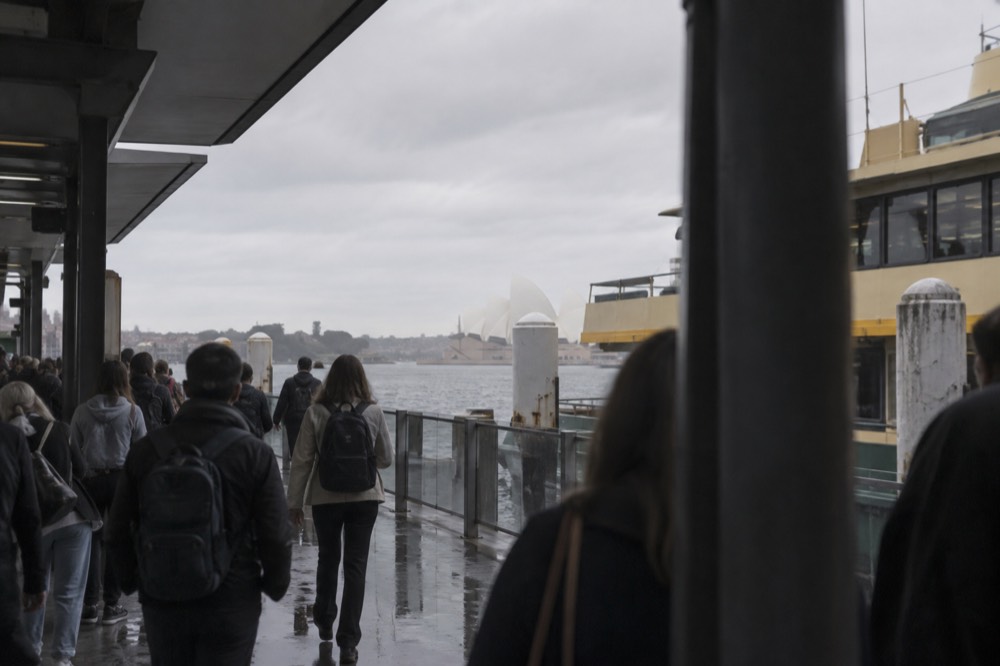
Beyond the big four, a handful of smaller points of etiquette and law are worth knowing. Private e-scooters are illegal on NSW roads, footpaths, shared paths and bike lanes, so do not plan a train-plus-scooter day; the shared-scooter trials run in limited designated areas only. Eating is tolerated but messy trains are frowned on, and peak hours, roughly 7 to 9am and 4 to 6.30pm on weekdays, are when you will stand. The double-decker cars have stairs, so if you have luggage, board near the doors and use the lower deck.
Accessibility is decent on the suburban network: every City Circle station has lifts, and the metro is fully step-free. The site's accessible Sydney guide covers the details, including which ferry wharves are the reliable ones.
Night travel exists but thins out. Trains run through the evening and into the late night, with reduced frequency after midnight, and the is Sydney safe at night question is answered elsewhere on this site with the same sourced approach. For night-specific sightseeing, the things to do in Sydney at night guide has the after-dark options.
If your trip is short and your priorities are the harbour, Bondi and the eastern beaches rather than the rail map, this trio covers the three most common ways visitors spend a Sydney day: a hop-on hop-off bus for the sights, a [multi-attraction pass](https://gocity.tpk.ro/rUvgw2vS) for the rainy-day indoor stops, and a Blue Mountains day tour for the one big excursion.
One last budget note before the questions. Sydney's public transport is, by global standards, cheap for what it covers, and the $9.65 weekend cap is the single best deal in the city. The site's Sydney on a budget guide ranks the caps against the other free and cheap things to do, and the Sydney trip cost breakdown puts a daily transport figure in the context of meals, beds and tickets. This Sydney Travel Guide page is one of a set; the others are linked through each section above.
Common Questions About Sydney Trains
Can I tap my credit card instead of an Opal card?
Yes. A contactless American Express, Mastercard or Visa card, or a phone wallet, is charged exactly the same as an Adult Opal card and receives every benefit: daily caps, the weekly cap, off-peak discounts and the transfer discount. Buy an Opal card only if you need child, youth or concession fares.
Is the airport train included in the daily cap?
No. The airport station access fee of $18.61 per adult is charged on top of the train fare and sits outside the daily and weekly caps, with its own separate weekly cap of $37.75. The train fare itself does count toward the caps; the access fee does not.
How much is the train from Sydney Airport to Central?
The train fare is the standard 0-10 km band fare, $4.33 peak or $3.03 off-peak, plus the $18.61 airport station access fee, so around $23 peak for an adult one way. The 400 bus avoids the access fee entirely and connects to the Eastern Suburbs line.
What is the cheapest way to get around Sydney?
Tap a contactless card and travel on Fridays, weekends and public holidays, when the daily cap is $9.65 instead of $19.30. A public holiday is the cheapest day to travel widely, because the reduced cap applies network-wide across trains, metro, buses, ferries and light rail.
Does the Sydney Metro go to Bankstown?
Not yet. The M1 runs from Tallawong to Sydenham and opened to Sydenham in August 2024. The Sydenham to Bankstown extension completed trial running and was targeting a late-2026 opening pending final approvals, so any timetable or guide showing it as open should be treated as out of date.
Can two people use one Opal card?
No. The system reads one card per traveller, and a second tap on the same card at the same reader will not register a second fare. Every person in your group needs their own card or their own contactless device, including children travelling on child fares.