Can Two People Use One Opal Card?
No, one Opal card covers one traveller. Here is why the rule exists, what happens if you try to share, and the contactless workaround most visitors use instead.
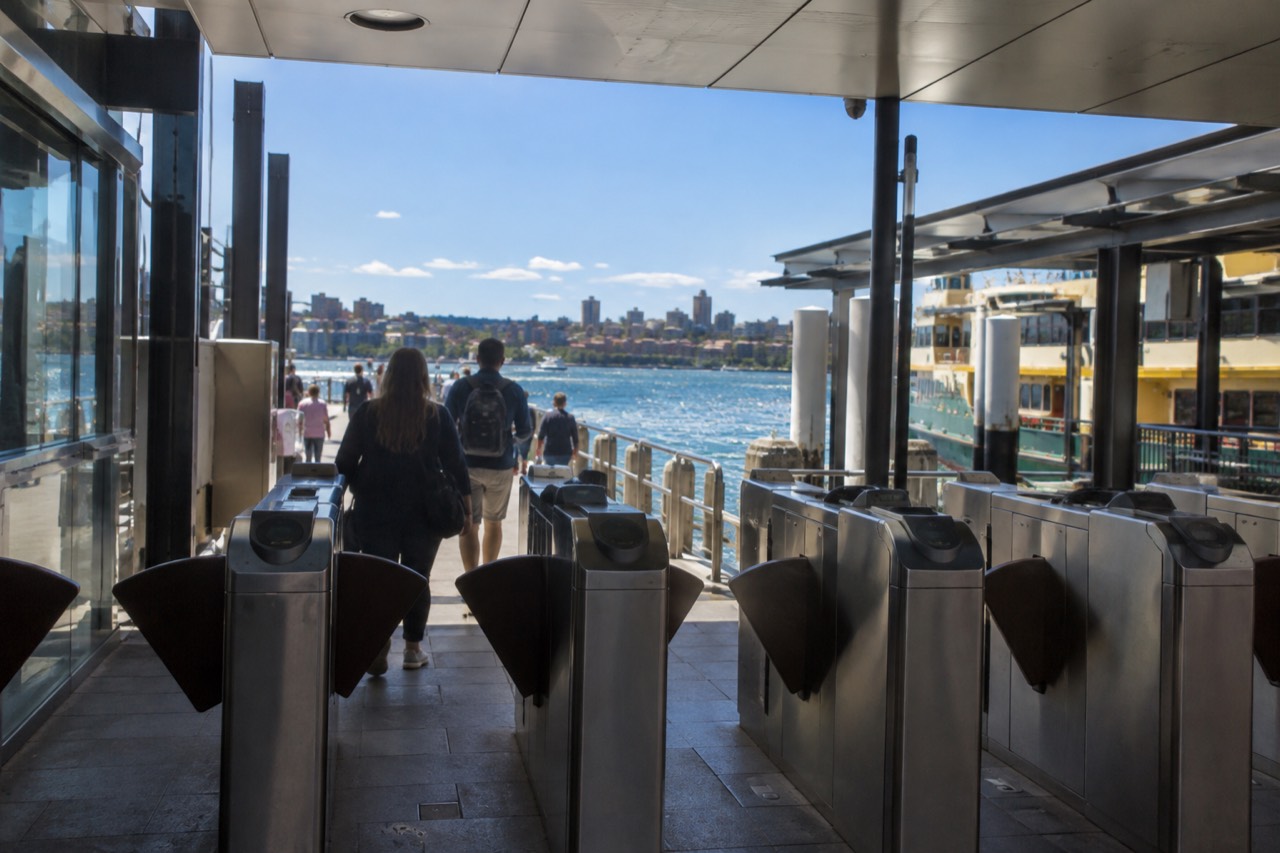
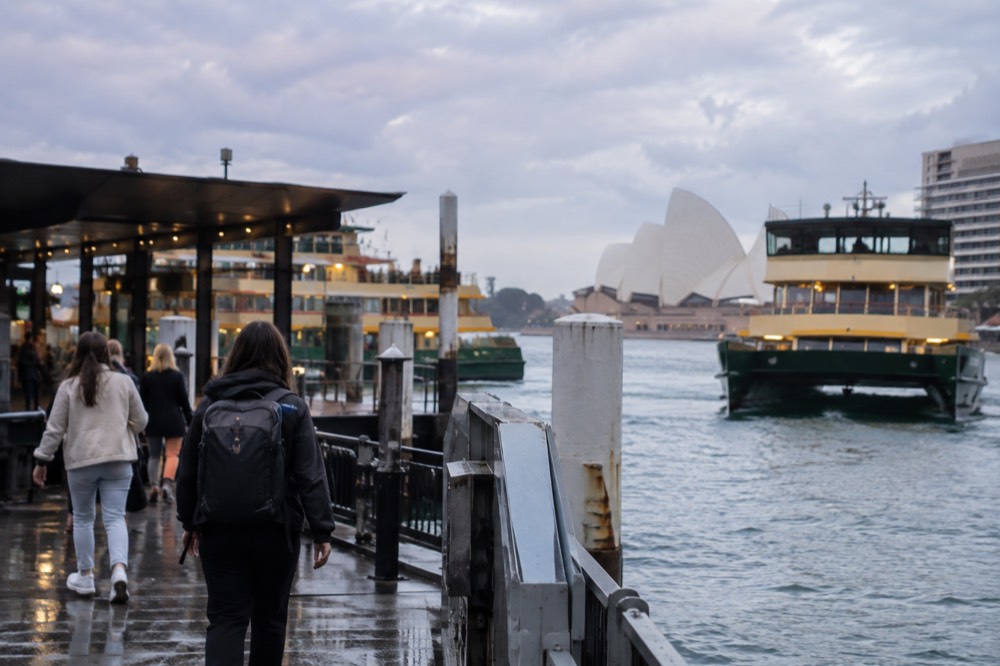
Sydney's Opal card system is built around a simple assumption: one card, one person. Transport for NSW, which runs the network, prices fares, caps and discounts per card, and every one of those benefits assumes the card is being tapped by a single traveller across the day. The moment two people try to ride on one card, that assumption breaks, and it breaks in the traveller's disfavour. This page answers the question directly, explains what actually happens at the gate if you try it, and gives the workaround that has made the whole issue close to irrelevant for most visitors since contactless payment arrived.
Can Two People Use One Opal Card?
No. An Opal card is valid for one person only, and Transport for NSW prices everything on that basis. Each traveller needs their own card, or their own contactless bank card or device, to tap on and tap off. Fares, daily caps, the weekly cap and the transfer discount are all calculated per card, so two people sharing one card are charged full adult fares twice on the same tap and never accumulate the cap either of them has paid for.
The reason is mechanical rather than bureaucratic. An Opal card is a stored-value ticket tied to a single account and a single tap history. When you tap on at a train station, the reader opens one journey on that card. It cannot open two. If a second person walks through the same gate behind you without tapping their own card, they are travelling without a valid ticket, which carries a fine if an inspector checks. The system is not designed to refuse the second person at the gate, which is exactly why this mistake catches people out: nothing beeps, nothing blocks, and the problem only surfaces later, on a fare check or on the fare statement.
The rule applies just as strictly to contactless payment. A credit card, a debit card or a phone in a wallet app is treated exactly like an Adult Opal card, and one device means one traveller. Two people cannot ride on the same phone, even though both could pay from the same bank account if each carries a separate physical card.
Why the Per-card Rule Actually Costs You Money
Sharing one card between two travellers does not split costs, it roughly doubles them. Every tap is charged as a separate adult journey, but both taps land on the same card's history without building either person's cap correctly, and neither traveller gets the off-peak or transfer discounts they would earn on their own card. In practice, two people on one card pay full fare for every trip and often more than two people with two cards would pay.
The detail that trips people up is the daily cap. Opal caps how much a single card can be charged per day: A$19.30 Monday to Thursday and A$9.65 on Fridays, weekends and public holidays, with a A$50 weekly cap. Those caps are per card. A card that is tapped twice at every gate is accumulating journeys twice as fast, but the cap only protects one person's worth of travel. The maths stops resembling a shared ticket and starts resembling two people paying full price while one of them also loses their discount entitlements.

There is also a compliance angle that matters more than the money. A traveller who passes through a gate without tapping a valid card of their own is, in the eyes of the network, travelling fare-free, and NSW Revenue conducts random inspections on trains, ferries, light rail and buses. "But my partner tapped" is not a defence; the fine is issued to the person who cannot show a valid tap for their own journey. For the price of one extra Opal card, or nothing at all if both travellers use contactless, the entire risk disappears.
Here is how the per-card rules work in practice:
| Rule or benefit | How it applies | What sharing one card does |
|---|---|---|
| Daily cap (A$19.30 Mon-Thu, A$9.65 Fri-Sun) | Per card, per day | Double-tapping burns the cap on one traveller's worth of protection |
| Weekly cap (A$50) | Per card, Monday to Sunday | Shared card hits the cap early but covers only one person's trips |
| Off-peak 30% discount | Per card, per tap timing | Second traveller's taps may be charged peak even when travelling off-peak |
| Transfer discount within 60 minutes | Per card | Only one traveller's transfer counts |
| Airport station access fee (A$18.61 adult) | Per card, per station, on top of the fare | Charged twice on one card, outside both daily and weekly caps |
If the whole reason you were considering a shared card is to simplify a day of sightseeing, there is a cleaner option: a hop-on hop-off sightseeing bus runs on one booking rather than a stack of taps. The Sydney and Bondi Big Bus tour, with an optional harbour cruise, covers the CBD and Bondi on a single ticket, and the four-attraction combo pass bundles SEA LIFE Sydney, the Sydney Tower Eye, WILD LIFE Sydney Zoo and Madame Tussauds the same way. For a Blue Mountains day trip, the all-inclusive small-group tour handles transport entirely, no Opal card in sight.
What Happens at the Gate If You Try Anyway
Nothing stops you, and that is the trap. Opal gates open on a valid tap and do not detect or refuse a second person walking through behind it, so the system silently lets an unticketed traveller board. The failure only appears later: the second person has no valid journey recorded, and if a revenue officer inspects, that traveller faces a fine regardless of how many times their companion tapped.
Think of the gate as a checkpoint, not a headcount. It verifies that one card has tapped on; it does not count bodies. On a bus, where passengers board at the front and tap the driver's reader, the driver may notice two people and one tap and say something, but on trains, ferries and light rail there is often no staff member positioned to catch it. This is why experienced Sydney travellers treat "the gate opened" as meaningless: the gate opens for the card, never for the person.
The fare-check risk is real and routine. Officers on Sydney trains carry handheld readers that show exactly which cards tapped on at which station and when. A traveller with no tap of their own cannot produce one retroactively. The fine is substantially more than the cost of the fares involved, and arguing the shared-card case at the platform does not change the outcome, because the rule is not ambiguous: one card per person, every person taps.
The Easy Fix: One Contactless Card or Device Each
You do not need to buy two Opal cards. Since contactless payment parity, each traveller can simply tap their own credit card, debit card, phone or watch and be charged exactly what an Adult Opal card would pay, with every cap and discount included. Most visitors to Sydney now never touch a physical Opal card at all, and the per-person rule is the main reason the contactless option exists.
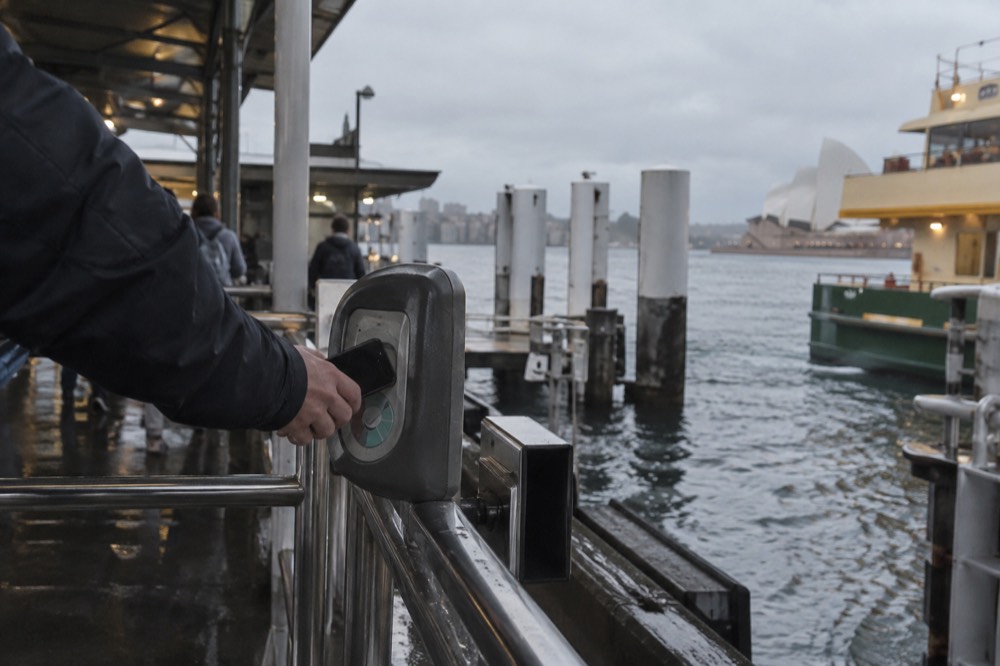
The parity is exact and official. Transport for NSW confirms that a contactless card or device is charged the same adult fare as an Opal card and receives every benefit: the daily and weekly caps, the off-peak discount and the transfer discount. The only things a physical Opal card still does that contactless cannot are concession-related: child, youth, senior and pensioner fares require an actual concession Opal card, so a family with kids will still buy Opal cards for the children while the adults tap their own bank cards. That is the one scenario where a purchase is genuinely necessary.
Two practical cautions. First, do not let two travellers take turns tapping the same physical bank card: the system reads the card, not the hand, and alternating taps on one card produces the same broken cap maths as sharing an Opal card. Second, remember the exception: the privately operated Manly Fast Ferry accepts OpalPay, which charges differently and does not extend Opal caps or transfer discounts, while the public F1 Manly ferry runs on full Opal terms. If you are heading to Manly, the public ferry is the one where contactless parity holds.
Where the One-card Rule Has Real Edge Cases
Most travellers just need one card each, but three situations deserve care: children, who need concession Opal cards rather than contactless; airport trips, where the A$18.61 station access fee applies per card on top of the fare; and the Manly Fast Ferry, a private service where OpalPay works but caps and discounts do not. Get those three right and the rest of the network is straightforward tap-on, tap-off travel.
Children are the big one. Contactless payment is always charged at full adult rates, so a child tapping a parent's spare bank card pays adult fares all day. Child and youth Opal cards exist precisely for this, and they cost nothing beyond the stored value you load. Families should buy concession Opal cards for the kids at the airport or any convenience retailer on arrival, then let the adults ride contactless. The same applies to seniors and pensioners, whose concession rates are card-linked and cannot be replicated by a bank card.
The airport is the other trap. Both Domestic and International stations charge the access fee on top of the normal train fare, per traveller, per card, and that fee sits outside the daily and weekly caps with its own separate weekly cap. Two travellers sharing one card would still be charged two access fees, because the fee attaches to the journey, not the card's cap. The 400 bus from the airport precinct carries no station access fee at all, which is why budget travellers sometimes prefer it, and it is covered in detail in how to get from Sydney Airport to the city.
For everything else, the network is forgiving. Tap on, tap off, and the caps look after themselves. If you want the full fare mechanics, caps and band tables in one place, the Opal card guide for visitors breaks down every fare band, and checking your Opal card balance explains how to audit what each card has actually been charged, which is the fastest way to confirm nobody in your group has been riding unticketed. This whole site, Sydney Travel Guide, keeps the current fare-year figures on file so you do not have to trust a stale number.
Common Questions About Sharing an Opal Card
Can two people use one Opal card?
No. One Opal card covers one traveller, and every fare, cap and discount is calculated per card. Each person needs their own Opal card or their own contactless bank card or device to tap on and tap off.
Can my partner tap their phone and I tap the same account's card?
Yes, that works. The system reads the card or device, not the bank account behind it, so two separate cards or devices from the same account are treated as two separate travellers, each earning their own caps and discounts.
Do children need their own Opal card?
Yes, if you want child fares. Contactless payment always charges adult rates, so children need a Child or Youth Opal card to receive concession pricing. The cards themselves are cheap and available at retailers across the city.
Is contactless really the same price as an Opal card?
Yes, for adults. A contactless card or device pays identical fares to an Adult Opal card and receives the same daily and weekly caps, the off-peak discount and the transfer discount. Concession fares still require a concession Opal card.
What happens if the second person does not tap at all?
They are travelling without a valid ticket. Opal gates do not count people, so nothing stops them boarding, but a revenue inspection will fine the traveller who cannot show a tap of their own, regardless of how many times their companion tapped.
Can we share one card on the Manly ferry?
No, and the Manly routes deserve extra care. The public F1 ferry runs on full Opal terms, one tap per traveller, while the private Manly Fast Ferry accepts OpalPay with different fares and no Opal caps or discounts on either service for a shared card.