How Do I Check My Opal Card Balance?
How to check an Opal card balance in Sydney: at card readers, on the Opal Travel app, online and at machines, plus fare caps and what happens when the balance runs low.
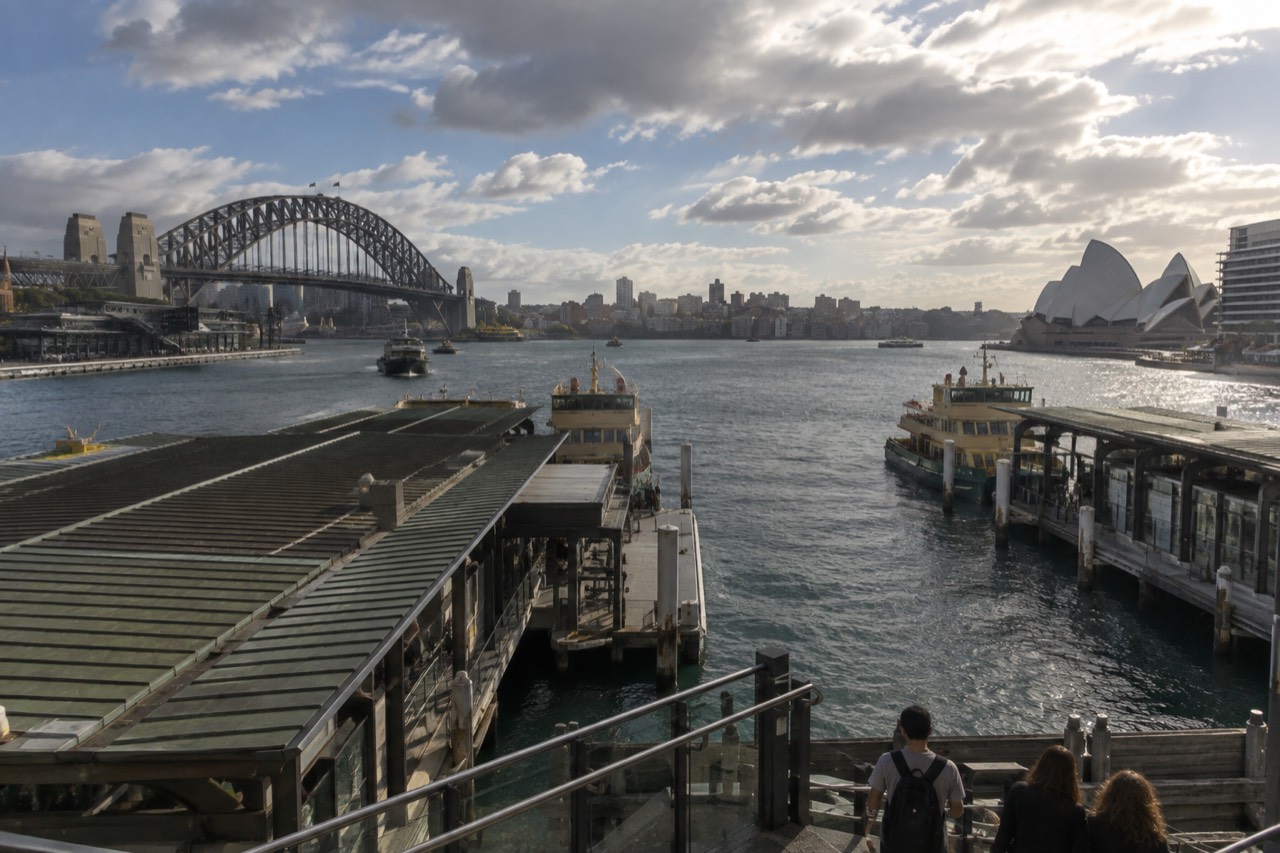
The fastest balance check in Sydney costs nothing and takes about two seconds: tap your Opal card on any card reader at a train, metro, ferry or light rail stop and the screen shows your remaining balance before the gate opens. That works mid-trip, but it does not help you plan. This page runs through every way to see what is left on the card, from the Opal Travel app to machines and online accounts, and then explains how the fare caps change the maths. A card with A$10 on it can still cover a full day of travel, because the network stops charging you once the daily cap is reached.
How Do I Check My Opal Card Balance?
The quickest method is to tap your Opal card on any card reader at a station, wharf or light rail stop: the screen on the gate or pole displays your balance the moment the card is read. Beyond that, you can check in the Opal Travel app on your phone, through an online Opal account, or at Opal top-up machines and selected retailers. Each method shows the same figure, and none of them charges a fee.
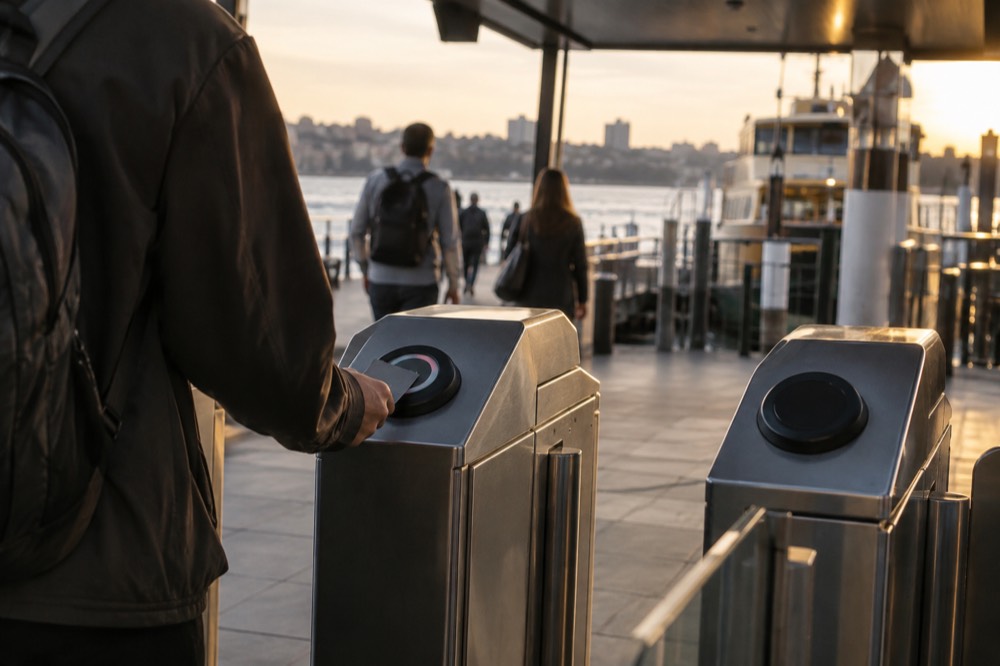
The tap-and-see method is the one most visitors stumble into without trying. Every Opal reader, whether it is a train gate at Circular Quay, a pole reader on a ferry wharf or a validator on a light rail platform, flashes the card's balance on its small screen as it processes the tap. The display also tells you whether the tap was accepted. If you are already standing on the platform it is the easiest check there is.
The limitation is obvious: you have to be at a reader. If you want to know the balance before you leave the hotel, or before deciding whether to top up, the Opal Travel app is the better tool. It links to your card, shows the current balance, lists recent trips with their individual fares, and can top up the card from a saved payment card. An online Opal account through the Opal website does the same from a laptop, and the trip history there is useful for working out whether you are close to a cap.
Opal machines at stations and many wharves round out the options. They show the balance when you tap the card on the reader panel, and they are also where you top up with cash or a card if the app is not your thing. Selected convenience stores and newsagents also display the balance when they process a top-up.
| Method | What it shows | Where it works | Best for |
|---|---|---|---|
| Tap on any card reader | Balance at that moment | Train, metro, ferry and light rail stops | A quick check mid-journey |
| Opal Travel app | Balance, trip history, top-up | Anywhere with mobile data | Checking before you travel |
| Online Opal account | Balance, trip history, auto top-up settings | Any browser | Reviewing fares after the day |
| Opal top-up machine | Balance, top-up, recent activity | Stations and major wharves | Topping up with cash |
| Retailer top-up | Balance during the transaction | Selected convenience stores | Cash top-up away from a station |
One habit worth forming early: check the balance after you tap off, not only when you tap on. Tap-off is when the final fare for the trip is deducted, so the balance shown at the end of a journey is the accurate one. If you forget to tap off you are charged the maximum default fare instead, which is exactly the situation the transport authority warns about when it tells passengers to always tap off.
How Do the Daily and Weekly Caps Change How Much You Need on the Card?
Adult Opal fares are capped at $19.30 a day from Monday to Thursday and $9.65 a day on Fridays, Saturdays, Sundays and public holidays, with a weekly cap of $50 from Monday to Sunday. Once you reach a cap, further trips that day cost nothing extra, so a card does not need hundreds of dollars on it. Around $20 to $30 is enough for most visitors' travel days.
The caps are the reason a low balance matters less than you might fear. Transport for NSW sets the caps network-wide across metro, train, bus, ferry and light rail, so a day of hopping between Circular Quay, Manly and Parramatta stops generating charges once the daily cap is hit. The Friday-to-Sunday cap is half the weekday one, which makes weekends the cheapest days to travel widely. Public holidays also get the $9.65 cap, so a holiday Monday is a bargain travel day.
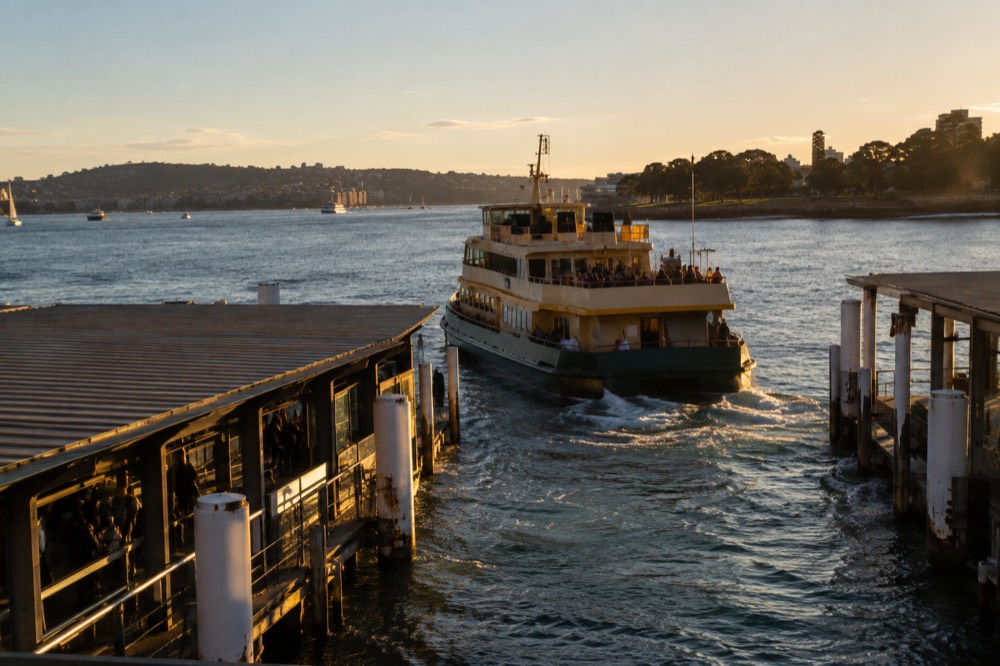
The weekly cap of $50 runs Monday to Sunday and sits on top of the daily ones. If you travel hard early in the week, later trips in the same week can end up free once the weekly total is reached. The opal card guide for visitors explains how the two caps interact in more detail.
A 30% off-peak discount applies on metro, train, bus and light rail on Fridays, weekends, public holidays and outside peak times, which slows how fast you approach a cap. Ferries are excluded from the off-peak discount, so a day built around harbour crossings burns through the cap faster than a day on the trains. The guide to Sydney ferries covers which routes fall inside the capped network.
| Cap | Amount | When it applies |
|---|---|---|
| Daily cap, Mon to Thu | $19.30 | All modes, network-wide |
| Daily cap, Fri to Sun and public holidays | $9.65 | All modes, network-wide |
| Weekly cap | $50 | Monday to Sunday Opal week |
| Off-peak discount | 30% off | Metro, train, bus, light rail only |
Contactless credit and debit cards, and phone wallets, are charged exactly the same as an Adult Opal card and receive every one of these benefits, a point Transport for NSW makes plain on its visitor fares page. That matters for balance checks too: with a contactless card there is no balance to check at all, because the fare lands on your bank statement instead.
If your sightseeing day is mostly above ground rather than underground, a hop-on hop-off bus ticket takes the Opal maths out of the picture entirely.
The Sydney and Bondi Big Bus hop-on hop-off tour runs on its own ticket rather than the Opal network, so a full day of hopping between the city and Bondi costs nothing in fares.
What Happens If My Opal Balance Runs Out Mid-trip?
An Opal card can go into a small negative balance for one trip, so you will not be stranded at the gate: the reader still lets you on, and the shortfall is recovered the next time you top up. You cannot start a second trip while the balance is negative, so the practical rule is to top up as soon as you notice the figure on the reader dropping below a few dollars.
The negative-balance allowance is deliberately small, enough to get you home rather than enough for a weekend. It exists because Transport for NSW would rather let a passenger complete a journey than leave them stuck at a gate with an empty card. The moment the card goes negative, though, the next tap-on will be declined, and you will need to top up at a machine, in the app or at a retailer before travelling again. Everything else covered here is indexed on Sydney Travel Guide.
The trap worth knowing about is the airport. The Sydney Airport station access fee sits outside both the daily and weekly caps and is charged on top of the normal train fare, at $18.61 for an adult with its own separate weekly cap. A card holding what looks like enough for a capped day can still be short at the airport gate because of that extra fee. The airport to city guide covers the cheaper alternatives, including the 400 bus, which carries no station access fee at all.
Auto top-up, set up in the app or online, removes the problem entirely: when the balance falls below a threshold you choose, the card is recharged from a linked payment card automatically. It is the sensible choice for a longer stay. For a short visit, topping up in modest amounts works fine, because the caps limit how much any single day can cost you.
Do I Even Need an Opal Card, or Can I Just Tap My Bank Card?
For most short visits, a contactless credit or debit card or a phone wallet is all you need: it is charged identically to an Adult Opal card and receives the same caps, transfers and off-peak discounts. The reason to still carry an Opal card is eligibility, because child, concession and senior fares require a physical Opal product, and single-trip tickets cost more and earn no benefits at all.
The equivalence is exact and official. Tap the same contactless card or device every time and the system treats it as one passenger's Adult Opal card, applying the daily and weekly caps as it goes. Mixing cards breaks the cap arithmetic, because each card is tracked separately; two travellers cannot share one card either, since the system reads it as one person making impossible simultaneous journeys. The question of whether tourists need an Opal card comes down to fare type and convenience, not price.
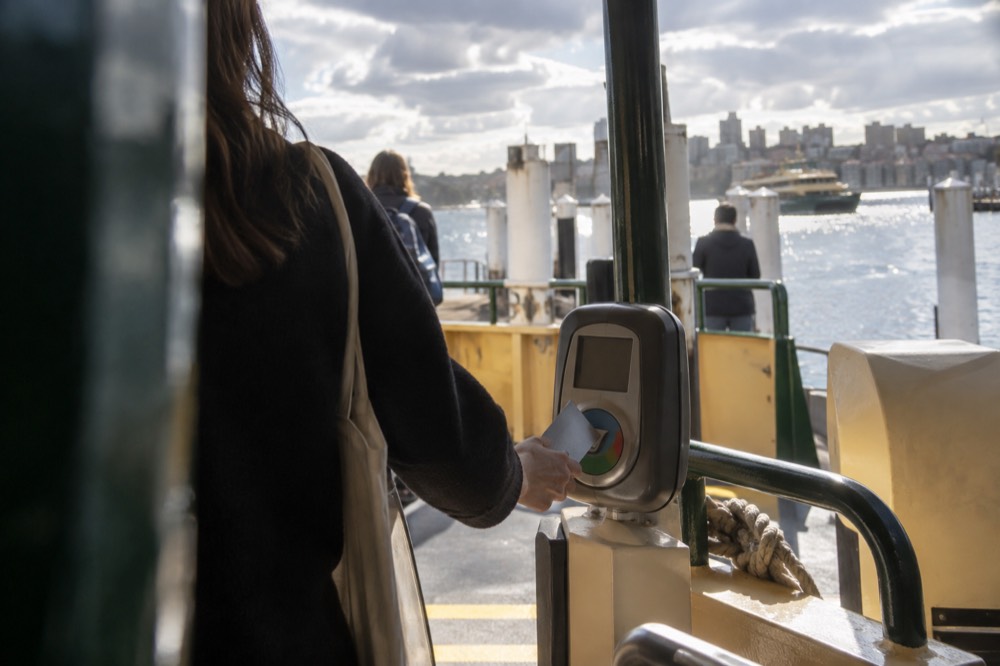
The one place the two options genuinely differ is visibility. An Opal card shows its balance on every reader screen and in the app, so you always know where you stand. A contactless card buries the charges in your bank statement, which is tidy until you want to check whether you have hit the daily cap. The Opal Travel app can track a linked contactless card's travel too, which closes most of that gap.
| Payment method | Same fares as Opal | Caps apply | Balance visible on readers | Who it suits |
|---|---|---|---|---|
| Adult Opal card | Yes | Yes | Yes | Longer stays, frequent top-ups |
| Contactless card or device | Yes, Adult rates | Yes | No, charges on bank statement | Short visits, adults |
| Opal single-trip ticket | Higher price | No | n/a | Emergency backup only |
| Child, concession or senior Opal | Discounted rates | Yes | Yes | Eligible travellers only |
Whatever you decide, it is worth reading how the whole fare system fits together before your first tap, and this site's getting around Sydney guide is the place to start.
How Much Should I Keep on My Opal Card for a Day of Sightseeing?
For an adult sightseeing day, around $20 is enough on a weekday and around $10 is enough on a Friday, weekend or public holiday, because those are the daily cap amounts and travel beyond them is free. Keep a small buffer on top for the airport fee if a station trip is on your list, since the $18.61 access fee sits outside the caps. Checking the balance at any reader tells you instantly whether you are covered.
The buffer matters more than the base amount. A card sitting at exactly the cap figure can still come up short if you pass through an airport station, board a privately operated fast ferry where Opal benefits do not apply, or forget to tap off and cop a default fare. Ten extra dollars on the card costs you nothing if you do not spend it, and Opal balances do not expire.
For planning bigger days out, remember that some of Sydney's best experiences do not run on the Opal network at all. The Blue Mountains all-inclusive day trip carries its own ticket, from US$190.19, and covers transport, guiding and entries in one price, which makes a pleasant change from watching a balance tick down.
The same logic applies to the multi-attraction combo pass, which bundles SEA LIFE Sydney Aquarium, Sydney Tower Eye, WILD LIFE Zoo and Madame Tussauds into one ticket from US$35.84: one purchase, no per-tap arithmetic on the way in.
A reasonable weekly plan for a visitor staying in the city: load about $50, which is the weekly cap, enable auto top-up as insurance, and check the balance on any reader whenever curiosity strikes. The tap-off screen after your last trip of the day is the most useful check of all, because it shows both the fare just charged and what remains before the next top-up.
Common Questions About Checking Your Opal Card Balance
How do I check my Opal card balance?
Tap the card on any Opal reader at a train, metro, ferry or light rail stop and the screen shows the balance, or open the Opal Travel app, log in to an online Opal account, or use an Opal top-up machine. All methods show the same figure and none charges a fee.
Can I check my Opal balance without the app?
Yes. Any card reader displays the balance when you tap, and Opal machines at stations and major wharves show it too. Selected retailers also display the balance when processing a top-up.
Does checking my balance cost anything?
No. Balance checks are free on every reader, machine and in the app. You are only charged when you actually travel or top up.
Why is my balance lower than I expected?
Check your tap-off history in the app or online. Forgetting to tap off triggers the maximum default fare instead of the correct one, and airport station trips add a $18.61 access fee that sits outside the daily and weekly caps.
Can two people share one Opal card?
No. The system reads a card as a single passenger, so a second person tapping the same card within minutes will be declined. Each traveller needs their own card or their own contactless device.
Does my Opal balance expire?
No, the money stays on the card. If you return to Sydney on a later trip the card and its balance still work, though any very old card may need replacing at a machine.