Is It Worth Walking Over the Sydney Harbour Bridge?
Yes, and it is free. A practical guide to the bridge walkway: where to get on, what you actually see, and how the walk compares with the Pylon Lookout and BridgeClimb.
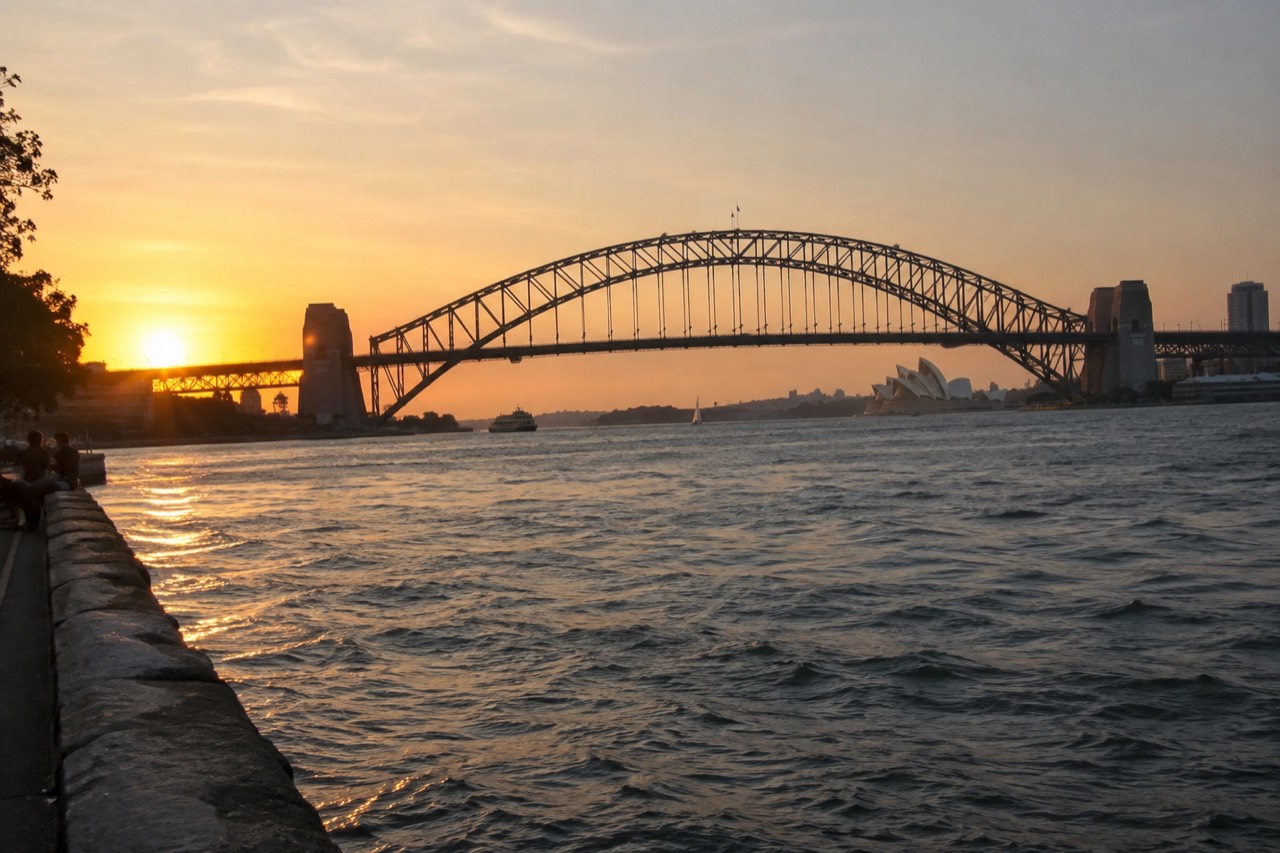
Is It Worth Walking Over the Sydney Harbour Bridge?
Yes, unreservedly. The pedestrian walkway on the eastern side of the bridge is free, needs no booking and no fitness test, and it delivers the single best close-up view of the Sydney Opera House from land. The crossing itself is short, but most people stretch it to half an hour with photo stops, and it conveniently links The Rocks on the south side with Kirribilli and Milsons Point on the North Shore.
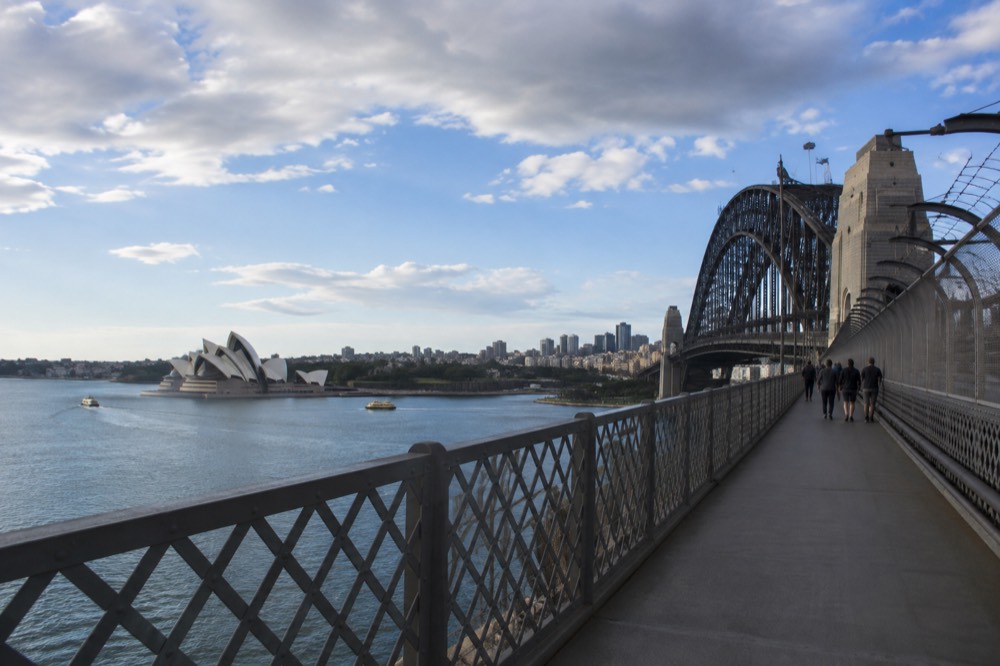
The walkway sits on the eastern, Opera House side of the bridge deck, which is the whole reason it is worth doing. Trains rumble across the western side, but pedestrians get the postcard angle: the Opera House, Circular Quay, the ferries cutting white wakes below, and the harbour opening out toward the heads. On a clear evening this is the view that Sydney postcards are made of, and it costs exactly nothing.
There is a bicycle path on the western side, so walkers and riders are separated, and you never share a lane with traffic. The deck is fenced and flat, so it suits strollers, wheelchairs and anyone who would never describe themselves as a hiker. If you are planning a first visit and working through the classics, the bridge walk belongs on the same shortlist as the Sydney Harbour Bridge guide and the Opera House itself.
One honest caveat: you are on a working road bridge, so it is loud, and in peak hour the deck vibrates slightly underfoot. Some people love that, the sheer engineered scale of the thing. Others find it a bit much and are happier at the rail. Either way, it is a fifteen minute stroll that most visitors remember longer than attractions they paid for.
Where Do You Start the Walk, and Which Direction Is Better?
Start from The Rocks, on the southern side, and walk north to Kirribilli. The southern stairs climb from Cumberland Street in The Rocks, and the descent drops you at the northern end beside Milsons Point, Luna Park Sydney and the Kirribilli dining strip. Walking south to north puts the Opera House behind your shoulder at the start and the open harbour ahead of you the whole way, and the ferry or train back is easy from the far end.
The southern access point is the one most visitors miss. From the historic laneways of The Rocks, you take the stairs or lift up to deck level at Cumberland Street, and suddenly you are above the rooftops with the harbour spread out. It feels like a secret entrance, even though thousands of people use it every day.
Walking northbound also ends you in the better spot. Kirribilli has one of the great free view benches in Sydney at the end of Jeffrey Street, looking straight back at the Opera House and the city skyline. Milsons Point wharf is a short walk away for a ferry back to Circular Quay, and Milsons Point station sits under the bridge for the train back to the city.
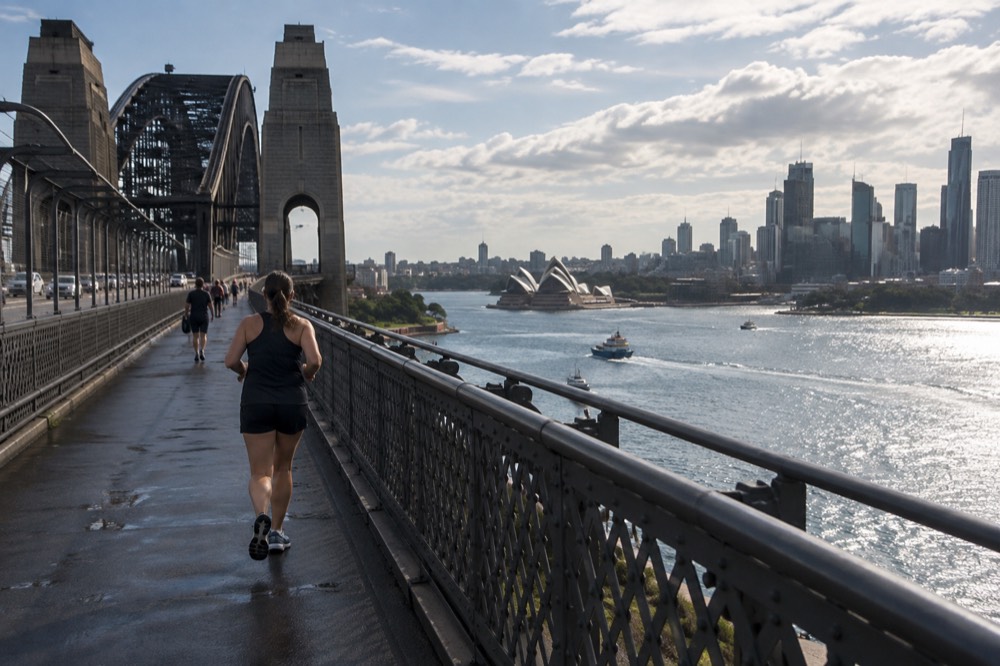
If you would rather do it in reverse, that works too. Milsons Point and the Kirribilli side are quieter in the morning, and walking south delivers the Opera House view as a finale rather than an opening act. The only wrong direction is the one that skips it entirely. There is more on the surrounding neighbourhoods in our overview of things to do in Sydney.
Is the Free Walk as Good as the BridgeClimb or the Pylon Lookout?
They are three different experiences, not three prices for the same one. The free walkway gives you the harbour view from deck level and costs nothing. The Pylon Lookout, inside the south-east pylon, adds height, a small museum about the bridge's construction and an enclosed viewing deck for a modest door fee. BridgeClimb takes you over the top of the arch on a guided climb, a three hour commitment with harnesses, breathalyser checks and the best view of the city you can buy.
The free walk is the one we would never skip. The Pylon Lookout is the sensible middle option: it suits anyone who wants a higher vantage point without climbing gear, it is inside the stone tower so it is fine in wind or drizzle, and its exhibits cover the bridge's Depression-era construction story. We do not publish its door price here because it changes, but it is a fraction of any climb. There is a full rundown in our Pylon Lookout guide.
BridgeClimb is the splurge, and the night climb is the one most worth the money. The city lights from the top of the arch after dark are the version of the view you cannot get any other way, and the night departures are calmer than the daytime ones. The full experience runs about three hours, roughly two of them on the bridge itself, and you are clipped to a safety line the whole way. If you are weighing it up, our piece on whether the BridgeClimb is worth it goes deeper on cost and fitness.
The honest summary: walk the deck first, free, and decide from there. Plenty of people do the walk, love it, and book a climb for a later trip. Some do the walk and feel completely satisfied. Both are reasonable outcomes, and only one of them costs anything.
How Do You Get Back After Crossing, and What Does It Cost?
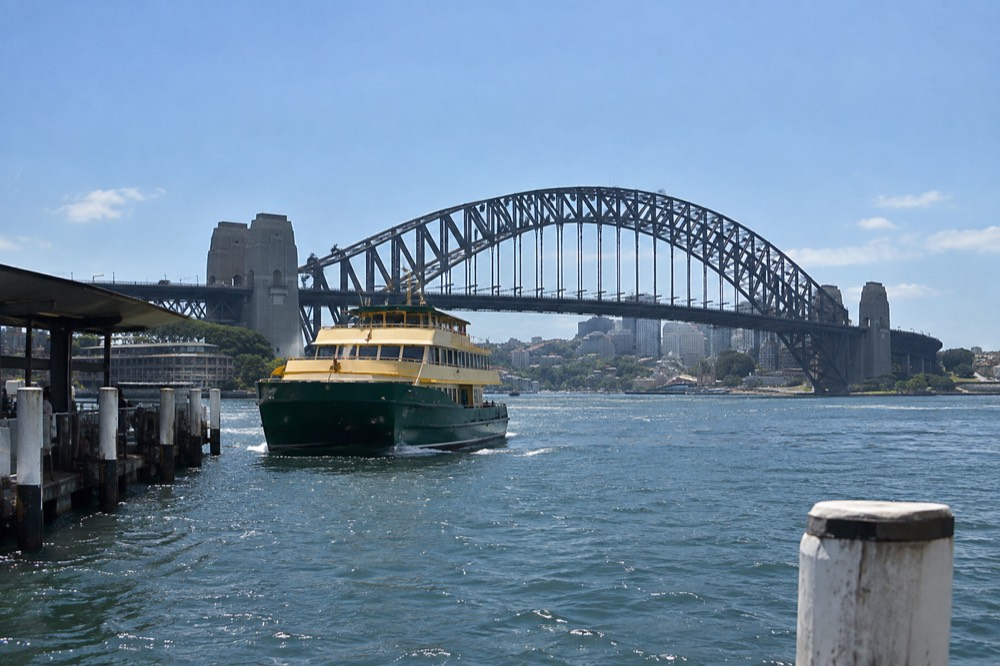
From the northern end you have two cheap options: the train from Milsons Point station back to the city, or the ferry from Milsons Point wharf to Circular Quay. Both take the Opal card or a contactless card, and both are capped by the Opal daily caps of A$19.30 Monday to Thursday and A$9.65 from Friday to Sunday. The ferry is the better ride; the train is the faster one.
Here is what the return leg costs straight from the Transport for NSW fare tables:
| Return option from Milsons Point | Approximate fare | Notes |
|---|---|---|
| Train to the city (short distance band) | A$4.33 peak, A$3.03 off-peak | Off-peak discount applies on metro and train from Friday to Sunday and outside peak times |
| Ferry to Circular Quay (0-9 km band) | A$7.35 | No off-peak discount on ferries |
| Walk back over the bridge | Free | Doubles your time on the deck, and the view is different in each direction |
A contactless credit or debit card is charged exactly the same as an Adult Opal card, with the same caps and discounts, so you do not need to buy a card for one crossing. The one trap worth knowing: the private fast ferry operators accept the Opal card through OpalPay but charge different fares with none of the caps, so check which vessel you are boarding. Our Opal card guide for visitors covers the whole system, and the current fare tables are published at Transport for NSW.
When Is the Best Time of Day to Do the Walk?
Late afternoon into sunset is the best window, because the low sun lights up the western side of the Opera House and the city starts turning on its lights while you are still on the deck. Early morning is the quiet alternative, with far fewer people and soft light on the water. Midday works but is the least flattering light and the busiest. Avoid the walk in heavy rain, since the deck is exposed and offers no shelter.
There is a seasonal wrinkle most guides never mention: Sydney's clearest skies arrive in late winter, not summer. Bureau of Meteorology records show August averages 13.4 clear days, the most of any month, while February, the middle of peak season, averages just 5.3, the fewest. If you are visiting in the Australian winter months of June to August, your odds of a crisp, clear crossing are genuinely better than in summer, and the light on the harbour is sharper. The long-run climate averages are published by the Bureau of Meteorology.
One safety note that applies to the whole harbour: if you are combining the walk with a swim, remember that ocean and harbour swim sites should be avoided while it is raining and for up to a day after heavy rain at ocean beaches, or up to three days at harbour swim sites. The bridge walk itself is fine in almost any weather, but the harbour beaches below it are not.
A final practical thought on crowds. The walkway is at its busiest in the hour before sunset in summer and during Vivid Sydney in late May and June, when the light installations pull huge crowds to both shores. If you want the deck almost to yourself, go before 9am on a weekday: the commuters are on the trains below you, the tour groups have not yet assembled in The Rocks, and the harbour is at its calmest. You can check what is running during your dates in our Sydney events calendar.
Common Questions About Walking Over the Sydney Harbour Bridge
Is it worth walking over the Sydney Harbour Bridge?
Yes. The eastern walkway is free, requires no booking, and gives the best land-based close-up view of the Opera House in the city. It takes most people about half an hour with photo stops and connects The Rocks with Kirribilli and Milsons Point.
Is walking over the Sydney Harbour Bridge free?
Yes, completely. The pedestrian walkway on the eastern side is a public path with no gate, ticket or time limit. You only pay if you choose to add the Pylon Lookout or a guided climb.
Which side of the bridge do pedestrians walk on?
The eastern side, facing the Opera House and Circular Quay. Cyclists use a separate path on the western side, so walkers never share a lane with bikes or vehicles.
How long does the walk take?
The crossing itself is a short, flat stroll, and most visitors spend around 30 minutes including stops. Allow more time if you plan to browse the Pylon Lookout or linger at the Kirribilli viewpoints at the northern end.
Can you see the Opera House from the bridge walk?
Yes, and it is the signature view of the walk. The eastern walkway looks straight down the harbour at the Opera House, Circular Quay and the ferry traffic, which is exactly why the free walk is worth doing.
Is the bridge walk better at night or during the day?
Late afternoon into sunset gives you both the lit Opera House and the city lights coming on, and it is the most popular time. Early morning is quieter and cooler. The walkway is open at night and the deck is lit, but go with others and stick to the path.
If you take the crossing and want more, the Sydney Travel Guide hub has the rest of the harbour covered, from ferry routes to the best free viewpoints.