Is It Worth Doing the Sydney BridgeClimb?
An honest assessment of the Sydney BridgeClimb: what the 3-hour experience involves, who it suits, who should skip it, and how it compares with the free and cheaper ways to see the harbour from on high.
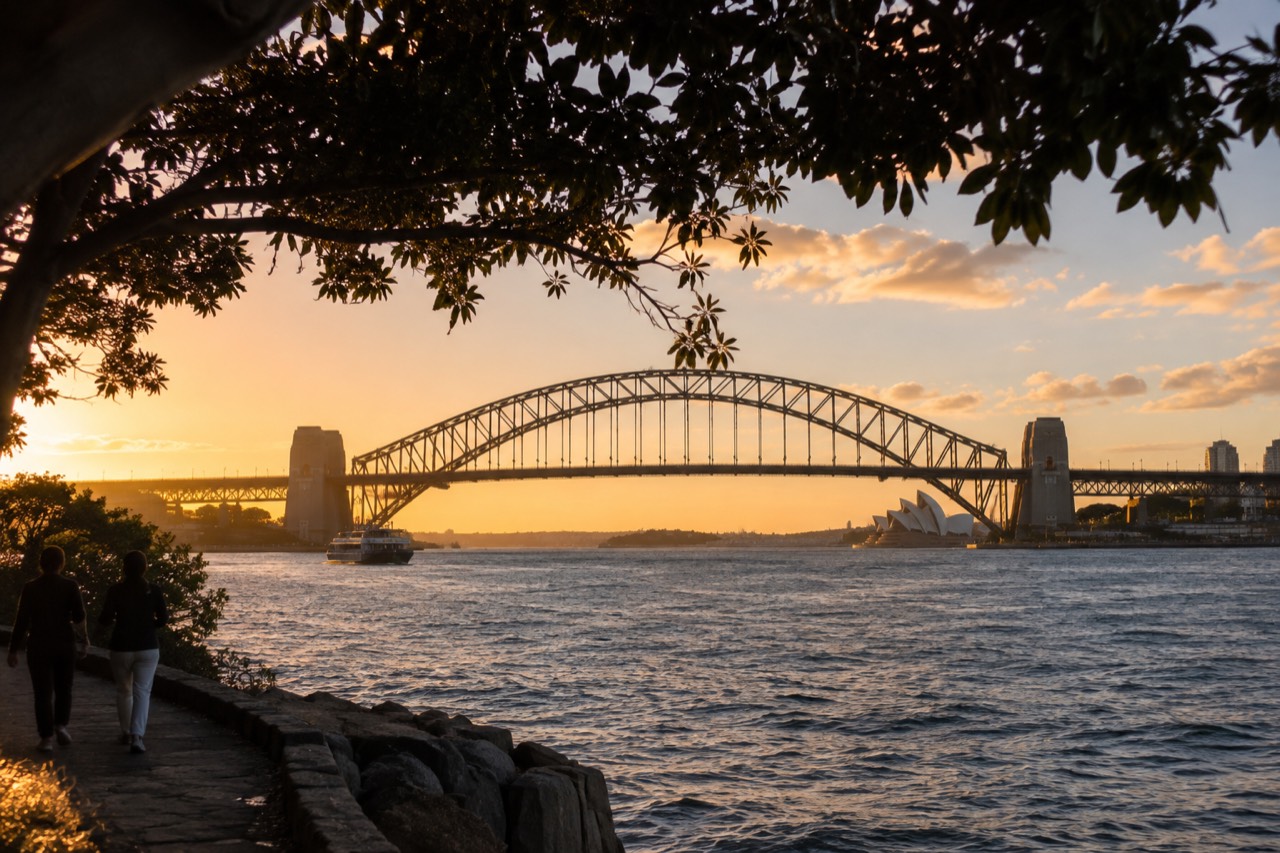
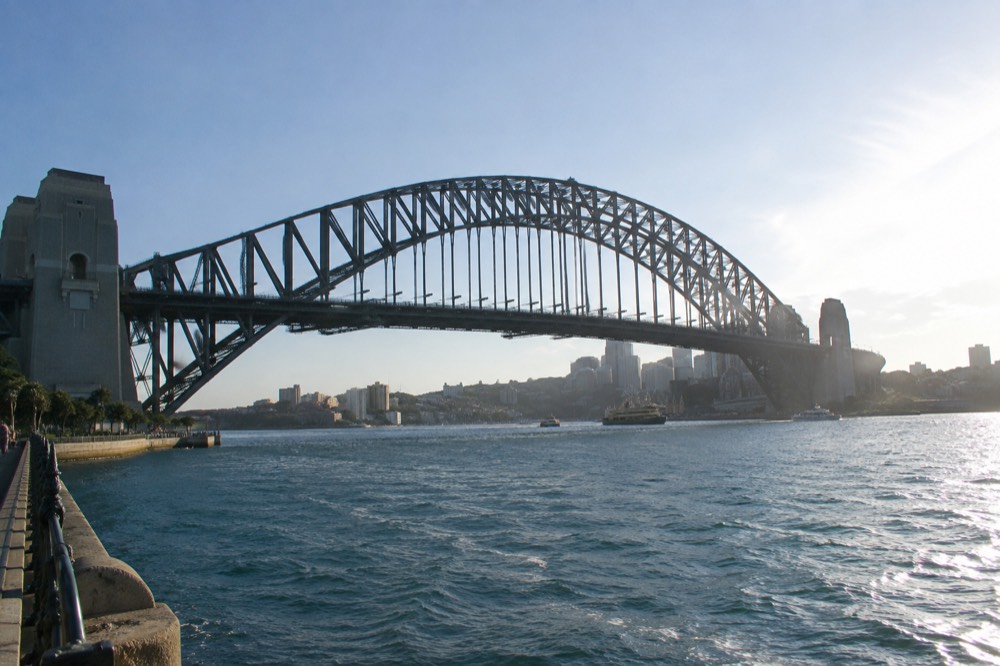
The Sydney Harbour Bridge carries trains, cars, cyclists and pedestrians across the harbour every day, and almost all of them pay nothing for the view. The BridgeClimb asks a premium for the one thing none of them get: standing on top of the arch, clipped to a fixed line. Whether that is worth it depends less on the money and more on what kind of traveller you are. This page answers the question straight, then breaks down what the climb involves, who it suits, and what the alternatives cost.
Is It Worth Doing the Sydney BridgeClimb?
For most visitors with the budget and reasonable fitness, yes: it is a genuinely distinctive experience that no other Sydney activity replicates, and the summit view over the harbour and Opera House is the best in the city. It is not worth it if you are scared of heights, travelling with children under eight, or would rather spend the money on two or three other experiences. The full outing runs about three hours, with roughly two of them on the bridge itself.
The honest case for the climb is scarcity. You cannot get to the top of the arch any other way. The pedestrian walkway below is free, the Pylon Lookout is a cheaper indoor alternative, and neither puts you above the deck with the whole harbour spread out beneath you. Reviews on the live listing are consistently strong across a very large base, which is unusual for something this expensive.
The honest case against it is equally simple. It is a lot of money for roughly two hours on the structure, in a city where ferries, coastal walks and free lookouts already deliver extraordinary views. If you are ambivalent before booking, that ambivalence usually survives the climb.
What Does the Sydney BridgeClimb Actually Involve?
The standard Summit climb runs about three hours end to end, of which roughly two are spent on the bridge. You walk in a small group with a trained guide, permanently attached to a fixed safety line, over catwalks, ladders and the upper arch to the summit high above the water. There is no free climbing, no edges to negotiate unaided, and no way to detach from the line.
The experience starts at the operator's centre in The Rocks with a briefing, a breath test for alcohol, and a change into a climb suit that clips over your own clothes. Everything loose comes off: watches, jewellery, phones. You cannot take your own photos on the bridge, which frustrates some climbers, though the operator photographs the group and the images are sold afterwards. Cameras are mounted on the route and the guide controls when you stop.
Departures run across the day: dawn (limited), day, twilight and night. Twilight costs more and books out first because it straddles sunset. Night climbs see the city lit up but lose the detail in the water and the distant headlands. The guide narrates the bridge's history as you go, and the pacing is gentle: steady walking, short ladder sections, frequent stops. Fitness requirements are modest, and our page on how fit you need to be to climb covers them in detail.
One point worth knowing before you commit: the operator's own factsheet quotes indicative rates for the 2026-27 period, with weekday and weekend pricing differing, a cheaper child rate for ages 8 to 15, and a per-person peak surcharge from 25 December to 4 January. Rates move with date, time and demand, so treat any figure you see as a starting point rather than a fixed price.
| Climb option | Duration | When it runs | Best for |
|---|---|---|---|
| Summit Day | ~3 hours total | Daytime departures | First-time visitors wanting the classic view |
| Summit Twilight | ~3 hours total | Around sunset | Photographers; books out first |
| Summit Night | ~3 hours total | After dark | City lights, cooler conditions |
| Burrawa Aboriginal climb | ~3 hours | Scheduled departures | An Indigenous-guided telling of the harbour's story |
| UnderBridge Walk | Shorter, below deck | Daytime | Cheaper option, no summit, no ladders |
The Burrawa climb deserves a separate mention. It is an Indigenous-led experience that takes the same route while telling the story of the harbour from the perspective of the Gadigal people of the Eora Nation, and it is one of the only ways to hear that history told on the structure itself. Its review base is very small, so we recommend it on its merits rather than on ratings.
How Does the BridgeClimb Compare with Cheaper Harbour Views?
The free pedestrian walkway across the bridge deck costs nothing and takes about 15 minutes each way; the Pylon Lookout is a small one-off fee for a museum and viewing deck partway up the south-east pylon; the BridgeClimb is the only option that reaches the summit of the arch. If your goal is a good photo of the Opera House, the free options do most of the work. If your goal is the experience of being on top of the bridge, nothing else substitutes.
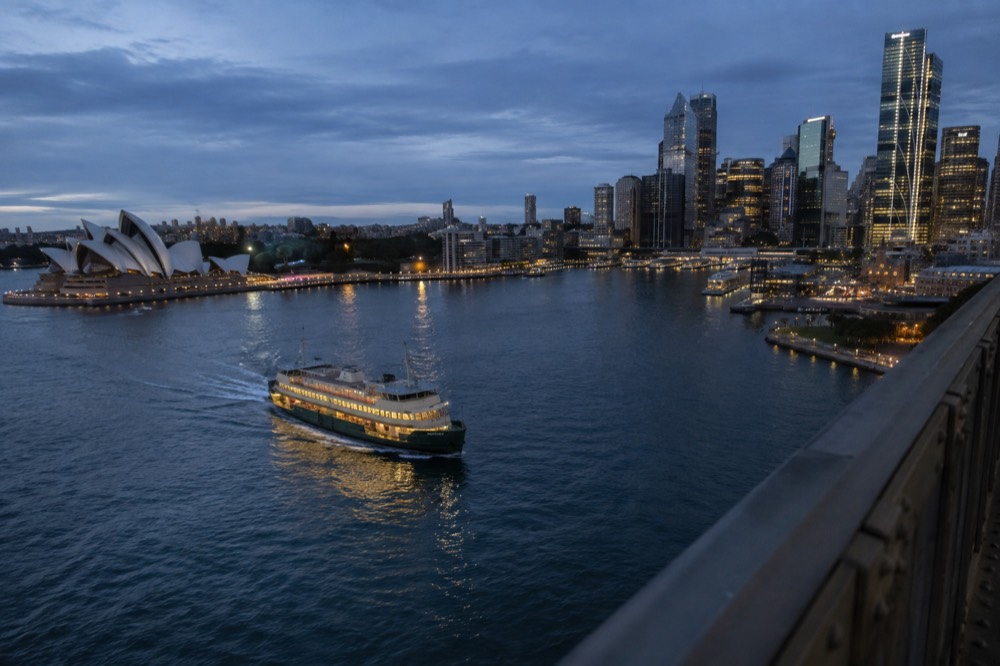
The free walkway is genuinely good, and Sydneysiders use it daily without ever paying a cent. You look down on the ferries threading out of Circular Quay, straight across at the Opera House, and along the harbour to the heads. Our guide to walking over the Sydney Harbour Bridge covers the access stairs from both ends. The Pylon Lookout, covered in its own page on the Pylon Lookout at Sydney Harbour Bridge, adds an exhibition on the bridge's construction and an enclosed deck, which is a real advantage in wind or rain.
The difference is position. From the deck and the pylon you are inside the bridge's silhouette. From the summit you are above it, with the arch falling away on both sides and nothing between you and the horizon but air. That is what the money buys, and only you can decide whether it matters.
If the summit is out of budget but you still want paid elevation, the observation deck at Sydney Tower Eye offers a different geometry entirely: the whole city and harbour from the tallest structure in the centre, indoors, for a fraction of the cost. It appears in the selection above alongside the climb and a full Blue Mountains day trip, which is the other way many travellers weigh the same money.
Who Should Skip the BridgeClimb?
Skip it if you have a genuine fear of heights, since the route includes open catwalks and ladder sections with the water visible below; if anyone in your group is under eight, the operator's minimum age; or if you would rather spend the same money on a full-day experience. The safety line means the climb is physically safe, but no harness removes the sensation of exposure.
Travellers who consistently report disappointment share a pattern: they booked because the climb is famous, not because they wanted it. If the idea of standing above the arch makes you uneasy rather than excited, trust that instinct before you pay. The money funds a full Blue Mountains day trip with a local guide instead, and that comparison is not rhetorical: many visitors do exactly that swap and report no regrets.
Time-poor travellers should also think twice. Three hours is a large block of a short Sydney stay. If you have two days or fewer, an Opera House tour, a ferry to Manly and a coastal walk will collectively cost less and fill the same time with more variety. Our 2 days in Sydney itinerary shows what that trade-off looks like in practice.
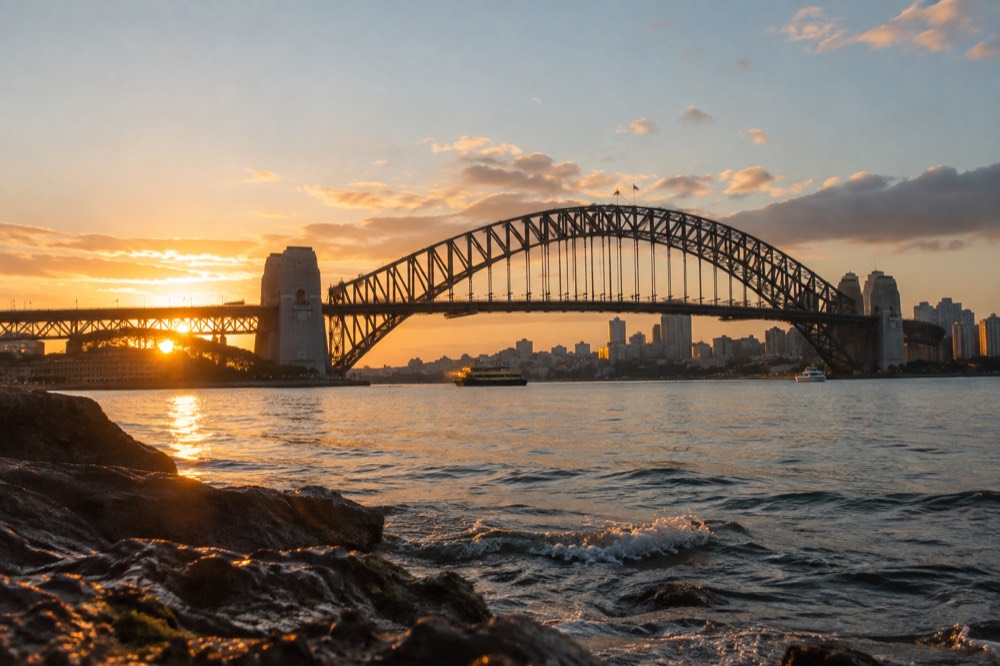
Weather matters more than most guides admit. The climb runs in rain, and you will get wet. June is Sydney's wettest month on the long-run averages, wetter than any summer month, while August has the most clear days of any month and February the fewest. A winter morning climb is statistically more likely to give you the clear view a summer one promises. Our page on the best time to visit Sydney has the month-by-month detail.
How to Book the BridgeClimb and When to Go
Book ahead rather than turning up: twilight departures sell out first, especially in the December and January school holidays, and the operator's calendar is the only place with live availability and the current rate. Dawn climbs run in limited numbers, so they need the most advance planning. Public holidays are worth watching too, because Opal travel caps drop on those days if you are pairing the climb with a ferry or train day.
The climb runs in almost all weather, with only electrical storms and extreme winds stopping it, and the operator decides on the day. If you want a specific departure, book it as early as you can; our page on how far in advance to book Sydney tours gives general guidance, and the BridgeClimb sits at the stricter end because group sizes are small.
Getting there is simple: the climb centre is in The Rocks, a short walk from Circular Quay, and trains to Milsons Point on the north side put you at the other end of the bridge. Fares and caps are on the Transport for NSW fares page at transportnsw.info, and public holidays carry the cheaper weekend daily cap, per the official NSW public holidays list at nsw.gov.au.
A practical note on timing your day: a morning climb leaves the afternoon free for the ferry and coastal walks that cost almost nothing, and The Rocks itself rewards an hour of wandering afterwards. This desk's wider coverage of the harbour and its walkways, including the free crossing and the eastern stairways, sits in the Sydney Travel Guide bridge and walking-tour pages.
Common Questions About the Sydney BridgeClimb
Is it worth doing the Sydney BridgeClimb?
For most travellers with the budget and no fear of heights, yes. The summit of the arch is the one view in Sydney you cannot get any other way, and the experience is well organised and consistently well reviewed. If you are ambivalent, under time pressure or travelling with young children, the free walkway and a ferry will serve you nearly as well for a fraction of the cost.
How long does the Sydney BridgeClimb take?
About three hours in total, of which roughly two are spent on the bridge structure. The remaining time covers briefing, suiting up, breath testing and the walk to and from the base. Allow half a day in your itinerary.
Is the Sydney BridgeClimb scary?
The fixed safety line means you cannot fall, but the route includes open catwalks and ladders with the water visible below, and exposure is a real sensation. Climbers with mild unease usually settle within the first 20 minutes. Anyone with a genuine fear of heights is better served by the Pylon Lookout or the free deck walkway.
Can you climb the Sydney Harbour Bridge for free?
Not the arch. The pedestrian walkway across the deck is free and open to everyone, and it delivers excellent views, but the summit is only reachable on the paid, guided climb.
What is the best time of day for the BridgeClimb?
Twilight climbs catch sunset and book out first. Dawn runs in limited numbers and offers the calmest conditions and softest light. Night climbs trade detail for city lights. Statistically, winter mornings offer clearer skies than February, which is Sydney's cloudiest month on the long-run averages.
What should you wear for the BridgeClimb?
The operator supplies a climb suit that clips over your clothes, plus headwear and a harness. Wear enclosed, comfortable shoes, and dress for the weather since the climb runs in rain. All loose items, including phones and watches, must be left behind, so travel light to the centre.