How Fit Do You Need to Be to Climb Sydney Harbour Bridge?
A plain answer to how fit you need to be for the Sydney Harbour Bridge climb, including the real physical demands, who can and cannot climb, and easier alternatives.
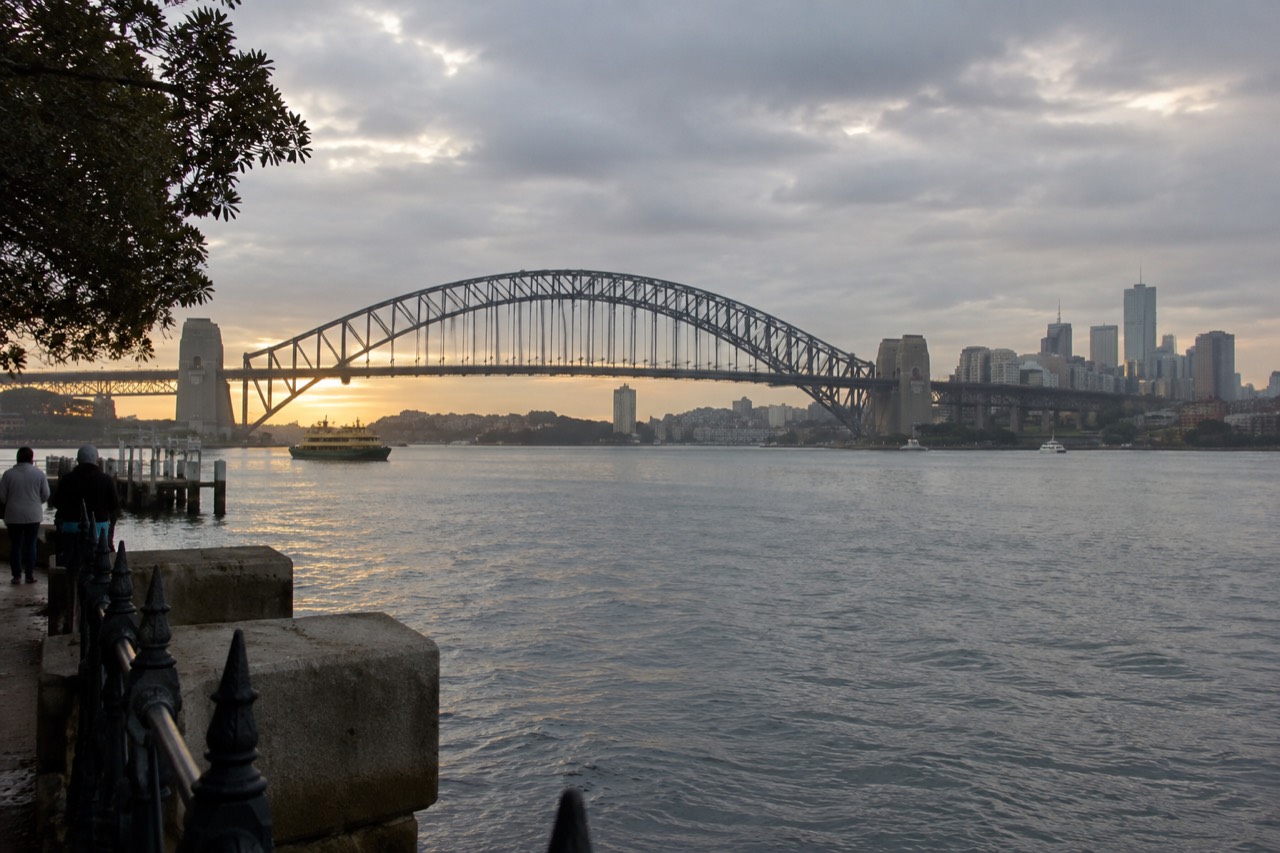
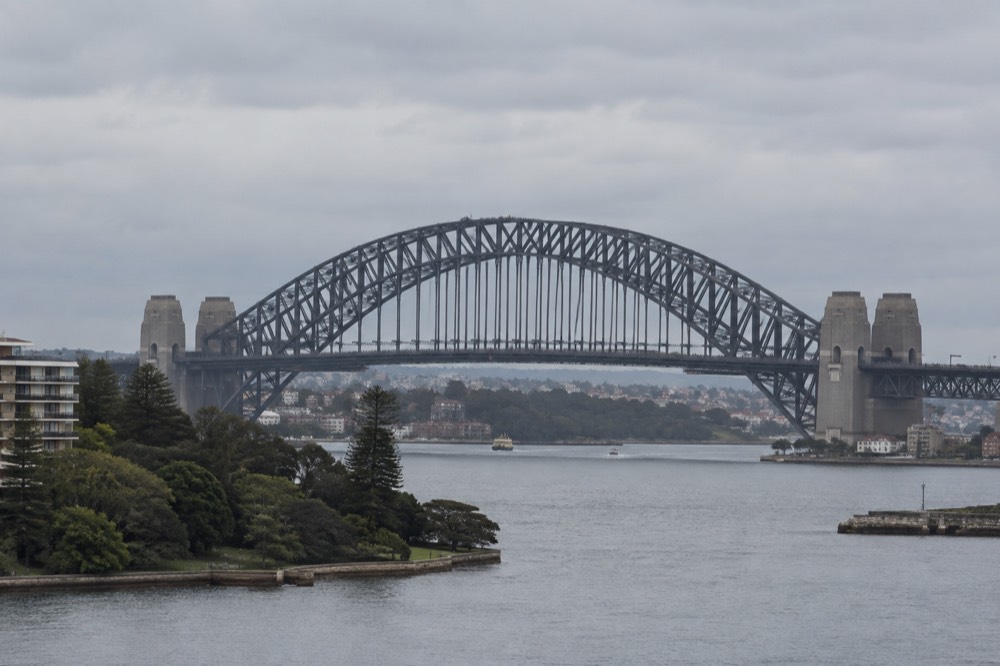
Roughly two hours of steady walking on ladders, catwalks and the curved top of an arch, in a full-body suit, attached to a fixed rail the whole way. That is what the Sydney Harbour Bridge climb actually is. It is not a rock climb and it is not a mountaineering route, but it is also not a stroll, and the operator screens every climber for health, age and alcohol before letting anyone near the ladder. This page, published by Sydney Travel Guide, sets out the honest physical picture so you can judge for yourself.
How Fit Do You Need to Be to Climb Sydney Harbour Bridge?
You need to be comfortable with about two hours of continuous moderate walking, including steep ladder sections and uneven arch slopes, high above the water. No climbing technique, grip strength or prior experience is required, and the pace is set by the slowest climber in the group. Most people of average health who can manage a hilly two-hour walk and are not troubled by heights can complete the Summit climb without difficulty.
The honest answer is "moderately fit", not "very fit". The route to the top of the arch involves a series of ladders, stretches of open-mesh catwalk where you can see the water below, and the long curve of the upper arch itself, which is steeper than it looks from the shore. What the climb does not involve is any free climbing, any exposure without a harness, or any need to pull your own body weight up a rock face. You are connected to a fixed safety rail from the moment you leave the briefing room until the moment you come back down, and you cannot fall off the bridge even if you wanted to.
The physical demands that surprise people are rarely the legs. They are the heat inside the climb suit on a summer afternoon, the sustained grip on ladder rungs, and the mental load of looking down through mesh walkways. If you can climb a long flight of stairs without stopping to rest, and you can walk uphill for an hour at a conversational pace, your fitness is very likely enough. If you are booking the BridgeClimb Sydney Summit Night, the physical requirements are identical to the daytime climb; only the view changes.
What the Climb Actually Involves, Physically
The full Summit experience runs about three hours door to door, of which roughly two hours are spent on the bridge itself. That time is almost all walking: ladders up through the inner structure, catwalks across the deck, then the long climb along the upper arch to the summit, the highest point of the span above the harbour. There are stops for photos and a breather, and the guide sets a pace the whole group can hold.
The operator's own factsheet describes the Summit climb as about three hours total with roughly two hours on the bridge, and that split matters for your planning. The first half hour is briefing, breath testing and suiting up on the ground. Everything after that is on your feet. The ladders are the most physically demanding single element: they are steep, they are in an enclosed section of the bridge's inner steelwork for part of the way, and you climb them while attached to the rail, which slows your rhythm slightly. There is no way to skip them.
| Section of the climb | What your body is doing | How demanding it feels |
|---|---|---|
| Briefing and suiting up | Standing, ~30 minutes on the ground | Easy |
| Ladder ascent | Steep ladder climbing, continuous grip | Moderate, the hardest part for most |
| Lower catwalks | Walking on open mesh above the roadway | Easy to moderate, mentally harder than physically |
| Upper arch to the summit | Sustained uphill walking on a curved steel surface | Moderate, steady effort |
| Summit and descent | Standing, photos, then a long downhill walk | Easy, but knees feel the descent |
Two things make the climb easier than its reputation suggests. First, the group moves together, and guides routinely slow the pace, split rests and adjust for the least confident climber, so nobody is racing. Second, the suits are equipped for the weather, with fleeces and rain jackets clipped in for cold or wet days, so the conditions are managed even if the effort is not. What is not managed for you is your own preparation, which is why the practical steps in the section below are worth taking seriously.
If you are weighing the climb against other big-ticket Sydney experiences, it helps to see them side by side. The night climb pairs naturally with a Blue Mountains day trip on a longer itinerary, and the Opera House tour is the obvious low-effort alternative for a traveller who wants an iconic interior without three hours on their feet. Each is bookable on its own, and none requires the others.
Who Can and Cannot Do the BridgeClimb?
Children must be at least 8 years old to climb, and climbers aged 8 to 15 must be accompanied by an adult. The operator's indicative child rates apply to ages 8 to 15. There is no fixed upper age limit, but every climber must pass a breath test and declare health conditions, and the operator can decline anyone it judges unable to complete the climb safely, including for pregnancy beyond a certain stage.
The screening is real and it happens on the day. You blow into a breathalyser before you suit up, and a zero reading is required. You are asked to declare conditions that matter at height and under sustained exertion: heart conditions, uncontrolled blood pressure, epilepsy, dizziness or vertigo, and any medication that affects balance or alertness. Declaring something does not automatically exclude you, but hiding something does put you and your group at risk, and the guides do send people home. The operator's own guidance is the authority here, since the bridgeclimb.com site is the primary source for its health and safety rules.
Vertigo deserves its own sentence, because it is the most common reason otherwise fit people hesitate. The catwalks are open mesh, and you can see the traffic and the water directly below your feet for long stretches. Some climbers find this fades within ten minutes as the rail and the guide's pacing take over; others find it does not fade at all. If you know open mesh walkways are a problem for you, the Pylon Lookout, covered below, gives you a genuine bridge-top view with solid floors and no harness.
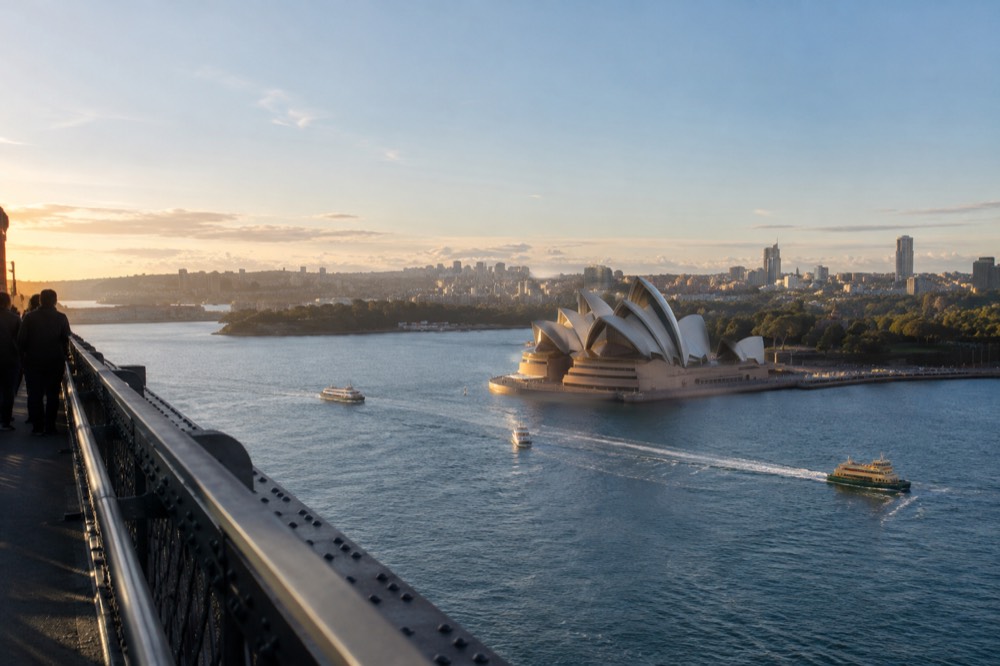
Wondering Whether to Book the Climb at All?
Free cancellation is available if you change your mind about the heights. Check availability for the Summit Night climb before your travel dates fill up.
Pricing is dynamic, which is worth understanding before you compare options. The operator's published indicative rates for the 2026 to 2027 period put the Summit Day climb from around A$375 for an adult on a weekday, higher on weekends, with a per-person peak surcharge from late December to early January, and other experiences such as the UnderBridge Walk priced lower. Treat those as indicative, not quoted: actual prices move with date, time and demand, and the live listing for each product carries the current figure. If budget rather than fitness is the constraint, our Sydney trip cost breakdown puts the climb in the context of a whole visit.
How to Prepare for the Climb
Prepare the way you would for a two-hour hilly walk: build up stair and uphill endurance in the weeks before, wear the lace-up rubber-soled shoes the operator requires, eat and hydrate normally beforehand, skip alcohol entirely on the day, and book a morning or twilight session in summer to avoid the worst heat inside the suit. None of this is extreme; all of it measurably improves the experience.
Footwear is the one hard rule you can act on today. The operator requires closed, lace-up, rubber-soled sports or walking shoes, and it will not let you climb in sandals, dress shoes or anything with a heel. If you are travelling light and only own trainers with smooth soles, buy or pack something with real grip, because the arch surface and the ladders are steel and can be slick in drizzle. Everything else you need, including the suit, headwear, gloves and a radio headset, is provided, and lockers hold your belongings while you are on the bridge.
| Weeks before | What to do | Why it helps |
|---|---|---|
| 4 to 2 weeks out | Two or three walks a week with stairs or a sustained hill | Builds the exact endurance the ladders and arch demand |
| The week before | One longer walk, 90 minutes plus, at conversational pace | Confirms your pacing without tiring you out |
| The day before | Normal meals, normal sleep, no heavy alcohol | The breath test is zero-tolerance and fatigue shows on the arch |
| On the day | Eat normally, drink water, arrive early, lace-up shoes on | Steady blood sugar and no rushing at check-in |
Heat is the underestimated variable. December, January and February are Sydney's summer, and inside a climb suit on the upper arch, an afternoon session can feel far hotter than the forecast suggests. The suits are vented and gear is adjusted for conditions, but if you have any doubt about how you handle heat, book the first morning departure or a twilight slot and let the sun do less work on you. Our Sydney in summer guide covers the seasonal detail, and the general fitness picture holds year-round: winter mornings are cold and windy up there, which most climbers find easier than summer heat.
One more preparation note that costs nothing: go easy on the evening before. The breath test surprises people who assume a single glass of wine at dinner will pass. It will not, and a failed test on the day means no climb and, in most booking conditions, no refund. Treat the climb like a morning flight, not a night out.
Easier Alternatives If the Climb Sounds Like Too Much
If the full climb is beyond your fitness, your comfort with heights or your budget, two real alternatives exist: the Pylon Lookout, a museum and viewing platform inside the bridge's south-east pylon reached by ordinary stairs, and simply walking across the bridge's pedestrian walkway, which is free and gives you the same harbour panorama from deck level. Neither requires a suit, a harness or a booking.
The Pylon Lookout is the closest substitute for the summit experience. You climb regular internal stairs to a viewing platform well above the roadway, with glass-free views over the harbour, and a small museum about the bridge's construction along the way. It is not published as a fixed-price attraction, so check its current admission on the official pylon site, but it is a fraction of the cost of the climb and takes under an hour. The walkway across the deck is free entirely, runs from The Rocks side toward the North Shore, and pairs naturally with the Sydney Harbour Bridge guide for the full picture of viewpoints and access points.
There is also a middle option worth naming. The UnderBridge Walk experience stays beneath the deck rather than climbing the arch, which removes the exposure almost entirely while keeping the engineering story; the operator's indicative rates price it well below the Summit. And if the question behind your question is really "is the climb worth it at all", our longer treatment of that trade-off sits in is it worth doing the Sydney BridgeClimb, with the same honesty about cost and fitness.
For anyone who wants a physical Sydney experience but not this one, the choices are wide. Our Sydney coastal walks guide covers routes from easy to demanding, and getting to the bridge itself by public transport is straightforward, with train services to Circular Quay or Wynyard a short walk from the check-in point and full fare and cap details on the official Transport for NSW fares page.
The Summit Night climb remains the flagship for a reason: the physical bar is moderate, the safety system is thorough, and the view of the illuminated harbour from the top of the arch is one Sydney gives you no other way. If your fitness is anywhere near average and your head is right about heights, the answer to the question in the title is that you are very likely fit enough already.
Common Questions About Climbing Sydney Harbour Bridge
How fit do you need to be to climb Sydney Harbour Bridge?
You need moderate fitness only: roughly the level required for a two-hour hilly walk and a long flight of stairs. No climbing experience or technique is needed, the pace is set by the group, and you are attached to a safety rail for the entire climb. Most people of average health complete it comfortably.
How long does it take to climb Sydney Harbour Bridge?
The full Summit experience runs about three hours from check-in to finish, with roughly two hours of that spent on the bridge itself. The exact split is confirmed in our dedicated guide to [how long it takes to climb the Sydney Harbour Bridge](/answers/how-long-does-it-take-to-climb-the-sydney-harbour-bridge/).
Can you climb Sydney Harbour Bridge if you are afraid of heights?
Many people with mild unease about heights do complete the climb, because the fixed rail and the guide's pacing build confidence quickly. However, the catwalks are open mesh with visible drops below, so genuine vertigo is a real obstacle. The Pylon Lookout, reached by ordinary indoor stairs, is the better choice if open mesh is a dealbreaker.
Is there an age limit for the BridgeClimb?
Climbers must be at least 8 years old, and those aged 8 to 15 must climb with an accompanying adult. There is no fixed upper age limit; screening is by health declaration and the operator's judgement on the day, not by age alone.
Can you climb Sydney Harbour Bridge for free?
No. Every guided climb to the arch is a ticketed commercial experience, and there is no free or self-guided way onto the upper structure. Walking across the bridge's pedestrian walkway is free, and the Pylon Lookout is a cheap viewing alternative, but the arch itself is pay-to-climb only.