Day Trips from Sydney by Train: Where the Rail Lines Actually Take You
Sydney's train network reaches the Blue Mountains, the South Coast and the city's own western heart, and the Opal weekly cap means a full day of rail travel can cost less than a single restaurant main.
Short answer
The best train day trips from Sydney are Katoomba in the Blue Mountains (about two hours from Central), Kiama on the South Coast (about two hours), Wollongong (about 90 minutes) and Parramatta (about 30 minutes). Adult fares are capped at $50 a week and $19.30 a day Monday to Thursday, or $9.65 a day from Friday to Sunday, so a return rail day trip is genuinely cheap.
Sydney is one of the few Australian cities where a visitor genuinely does not need a car. The suburban and intercity rail network pushes west into the Blue Mountains, south to Wollongong and Kiama, and along the harbour to Parramatta, and the fare system is capped in a way that rewards exactly the kind of traveller who wants to spend a whole day somewhere else. An adult Opal card, or a contactless credit card tapped the same way, is capped at $50 for a Monday-to-Sunday week, and at $9.65 a day from Friday through Sunday and on public holidays. That is less than many people spend on coffee.
This guide walks through the destinations the trains actually reach well, what each one offers, and what the rail journey itself costs and takes. It also flags the one famous day trip the train only partly solves, the Royal National Park, and the trips where a coach tour does the job the rails cannot. Everything here is written from official Transport for NSW fare tables and National Parks fee schedules, not from folklore.
What Day Trips from Sydney Can You Do by Train?
Six destinations work well as rail day trips: Katoomba in the Blue Mountains, Wollongong, Kiama, Parramatta, the Central Coast, and the Blue Mountains satellite towns of Blackheath and Wentworth Falls. All sit on frequent lines from Central station, and none needs a car once you arrive. Katoomba is roughly two hours away, Kiama about two hours, Wollongong about 90 minutes and Parramatta about half an hour on the express.
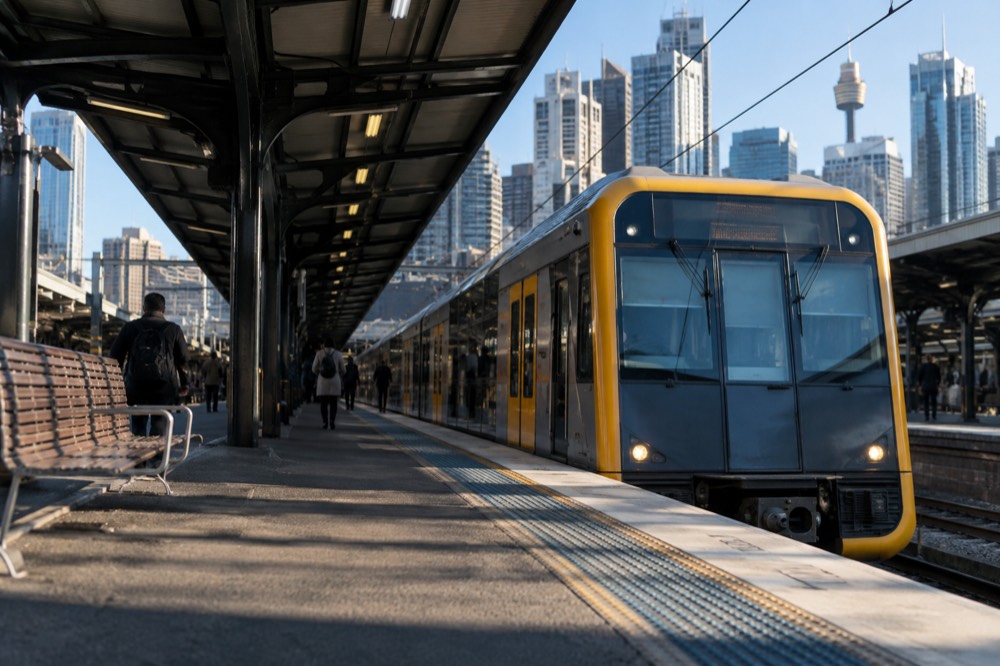
The Blue Mountains Line from Central is the headline act. It climbs from the Cumberland Plain into the sandstone escarpment, and the window seat on the left-hand side coming up from Emu Plains is one of the best free views in the country: the line threads a gorge with the highway far below. Katoomba is the main gate for the Three Sisters and Scenic World, and the town itself is walkable from the station in about ten minutes. If you want our full treatment of the area, read the Blue Mountains day trip guide, and the Katoomba and Three Sisters guide covers the town in detail.
The South Coast line runs from Central through Wollongong and on to Kiama. Wollongong gives you a city beach, a harbour and the start of the Sea Cliff Bridge drive if you have booked a tour onward, and Kiama gives you the blowhole, a small town centre and coastal walks. Kiama is a genuine two-hour ride, so it is a full day out rather than a half-day dash.
Closer in, Parramatta is half an hour by express train or a slower, prettier hour by ferry up the Parramatta River. It is Sydney's second CBD, with a colonial heritage precinct, the new Powerhouse museum building and a large food scene. For a broader look at car-free options beyond the rail network, our day trips without a car guide covers coaches and ferries too.
Here is the whole picture in one table:
| Destination | Line from Central | Roughly | What it is known for |
|---|---|---|---|
| Parramatta | T1 Western / T2 | 30 min express | Heritage sites, food, riverside |
| Wollongong | South Coast Line | 90 min | City beaches, harbour, escarpment backdrop |
| Kiama | South Coast Line | 2 hours | The blowhole, coastal walks, dairy country |
| Katoomba | Blue Mountains Line | 2 hours | Three Sisters, Scenic World, lookouts |
| Blackheath | Blue Mountains Line | 2 hr 15 min | Quieter lookouts, Govetts Leap |
| Central Coast (Gosford) | Central Coast Line | 1 hr 20 min | Waterways, beaches, Brisbane Water |
How Do You Pay for a Train Day Trip, and What Does It Cost?
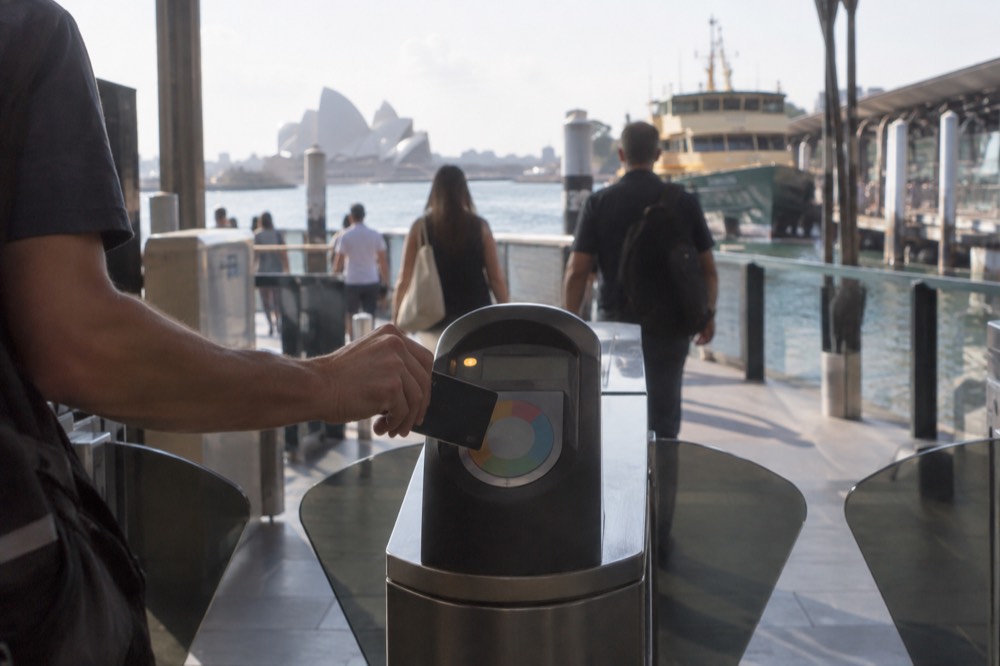
Tap a contactless credit or debit card, a phone, or an Opal card at the gate: they are charged identically, with the same caps and the same off-peak discounts. An adult day of travel is capped at $19.30 Monday to Thursday and $9.65 from Friday to Sunday and on public holidays, with a $50 weekly cap. The one exception is the airport stations, which add a separate access fee of $18.61 that sits outside every cap.
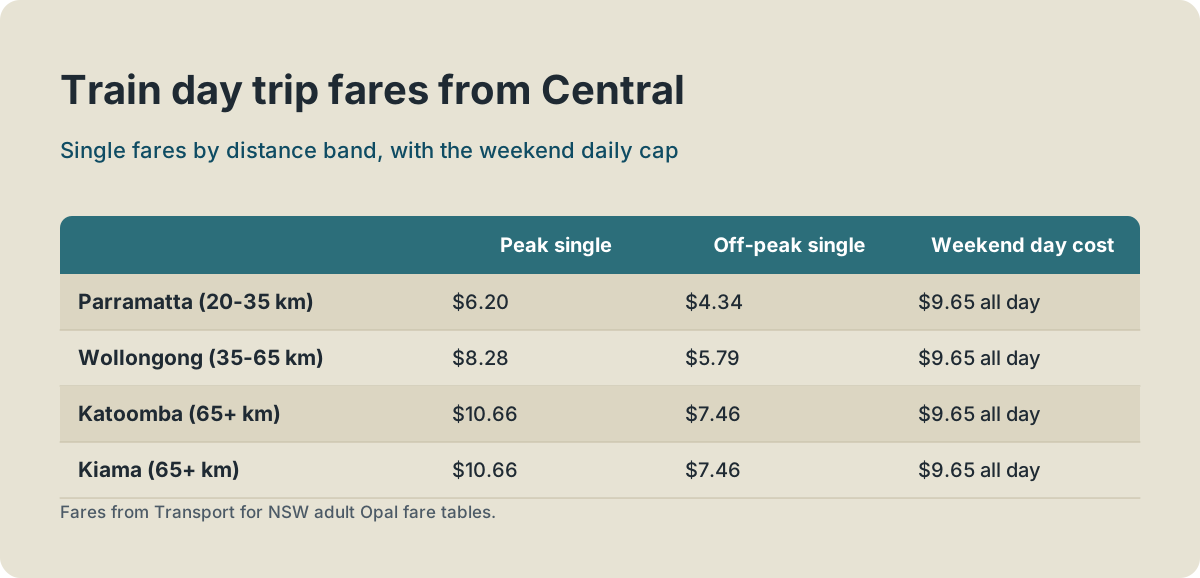
The fare tables published by Transport for NSW are distance-based. A metro or train trip of 10 to 20 km costs $5.38 peak and $3.76 off-peak; 20 to 35 km is $6.20 peak and $4.34 off-peak; and anything over 65 km, which covers Katoomba and Kiama, is $10.66 peak and $7.46 off-peak. A 30% off-peak discount applies on Fridays, weekends, public holidays and outside weekday peak times on metro, train and bus, though not on ferries.
Two things follow from that for a day tripper. First, a long return trip to the mountains on a Saturday costs two off-peak $7.46 fares, but the daily cap of $9.65 cuts even that: you pay $9.65 for the whole day no matter how many trains you catch. Second, the weekly $50 cap means a visitor doing three or four rail days in one week stops paying after about the fifth long trip. There is no cheaper way to see this much of New South Wales.
| Trip from Central | Peak single | Off-peak single | Weekend day cost (capped) |
|---|---|---|---|
| Parramatta (20-35 km) | $6.20 | $4.34 | $9.65 all day |
| Wollongong (35-65 km) | $8.28 | $5.79 | $9.65 all day |
| Katoomba (65+ km) | $10.66 | $7.46 | $9.65 all day |
| Kiama (65+ km) | $10.66 | $7.46 | $9.65 all day |
One trap worth naming: buy an Opal single trip ticket from a machine and you get none of this. No caps, no off-peak discount, no transfer discount. Contactless or an Opal card is always the right answer. If you are still deciding between the two, our Opal card guide for visitors compares them in detail, and the Sydney trains guide explains the network itself.
Is the Blue Mountains the Best Train Day Trip from Sydney?
Yes, for most visitors it is, and the train is the cheapest way there. Katoomba is about two hours from Central on the Blue Mountains Line, the walk from the station to the Three Sisters lookout area is under an hour through town and bush track, and park entry is free everywhere except Glenbrook. The catch is time: the last comfortable return service leaves early evening, so you get roughly six hours on the mountain.
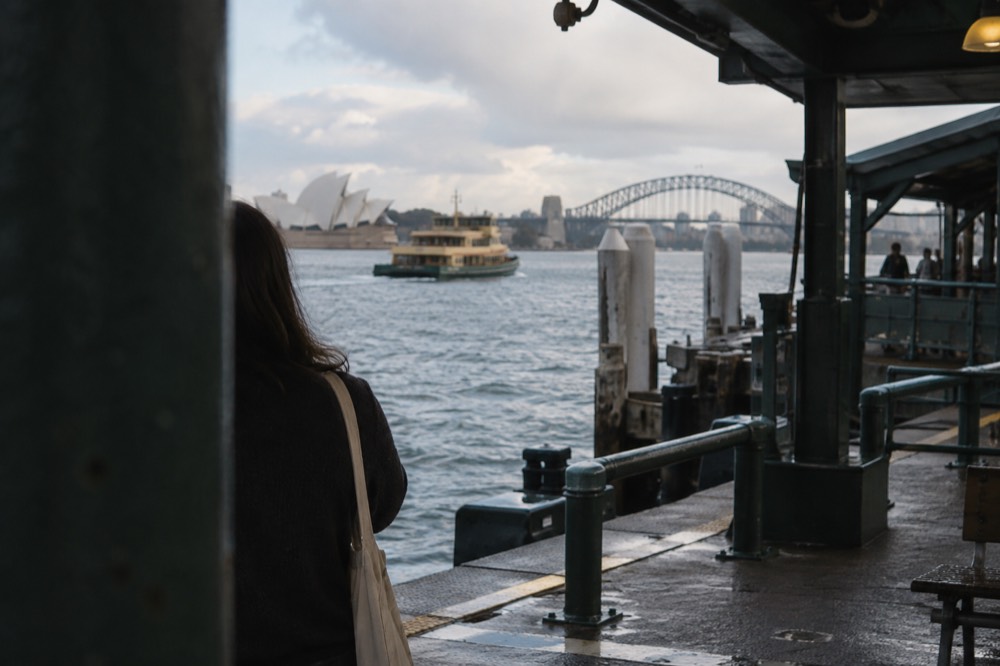
The Blue Mountains National Park charges no entry fee outside the Glenbrook area at the foot of the range, a fact confirmed on the National Parks fee schedule. Katoomba, Blackheath, Wentworth Falls and the Three Sisters cost nothing to enter on foot or by train. Scenic World is a separate private operator and is ticketed, but the lookouts themselves, Echo Point, Govetts Leap, Sublime Point, are free public spaces.
The practical shape of the day is simple. Arrive Katoomba mid-morning, walk the main street to Echo Point for the Three Sisters, take the cliff-top path toward the Scenic World end of town, and decide there whether the cableway and railway are worth it for you or whether the free Prince Henry Cliff Walk fills the afternoon better. If you would rather not manage the logistics yourself, the all-inclusive day tour below handles Scenic World, Featherdale Wildlife Park and lunch, with the train option left for travellers who prefer full independence.
The trade-off is worth spelling out before you commit either way. The train costs $9.65 on a weekend and gives you Katoomba's free lookouts, but Featherdale Wildlife Park sits off the rail line at Blacktown, so a rail day means choosing between the escarpment and the koalas. A tour vehicle visits both in one loop, which is precisely what the fare difference buys.
Two honest caveats. The Blue Mountains has had track and road closures through 2026, including works around Mount Hay Road and sections of the Federal Pass track, so check the National Parks alerts page for the specific week you travel. And winter days are short: in June the sun sets before 5pm, and the mountains are several degrees colder than the city, so a warm layer is not optional even when Central is basking at 17 °C.
Which South Coast Trips Work by Train?
Wollongong and Kiama both work well. Wollongong is about 90 minutes from Central on the South Coast Line, with the station a flat 15-minute walk to the beachfront. Kiama is about two hours, and its famous blowhole is a 20-minute walk from the station through the town centre. Both towns are compact enough that a train arrival plus walking shoes covers a full day.
Wollongong suits a slower day: North Beach and the harbour lighthouse, the flagged swim area in season, and the escarpment forming a wall of green behind everything. The Wollongong and Sea Cliff Bridge guide covers how to see the bridge itself, which needs a bus or a tour from the station, since the rail line runs inland of it.
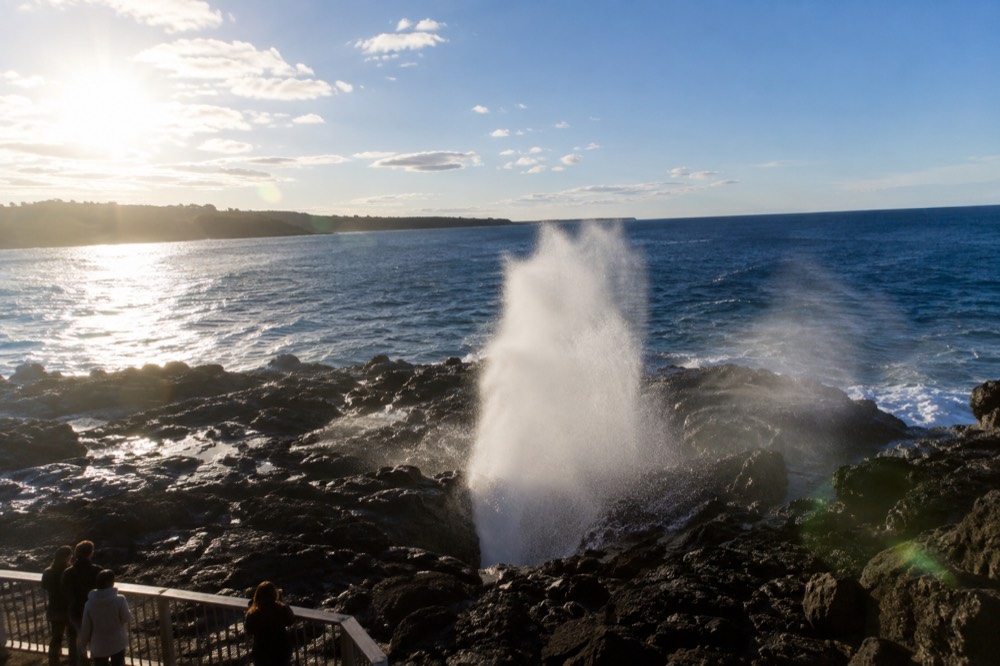
Kiama is the more distinctive destination. The blowhole performs best with a south-easterly swell, which no timetable can promise, but the coastal walk south toward Werri Beach and the little harbour make the trip worthwhile even on a calm day. Our Kiama blowhole guide has the full rundown, including which end of town to start from.
Swim safety applies on the coast as much as in the city: swim between the red and yellow flags, at a patrolled beach, during patrol hours. Wollongong's council beaches are professionally patrolled, but hours and seasons vary by beach, so check locally on the day rather than assuming. After heavy rain, the official Beachwatch advice is to stay out of ocean beaches for up to a day, and out of harbour and estuarine swim sites for up to three days.
Can You Get to the Royal National Park by Train?
Partly, and this is the one famous day trip where the train alone does not finish the job. The rail line stops at Waterfall, Engadine and Cronulla on the park's edges, but the park's highlights, the Figure Eight Pools, Wedding Cake Rock and Wattamolla, sit several kilometres from any station. You can combine a train with a long walk or a bus, but most visitors are better served by a coach tour or by driving.
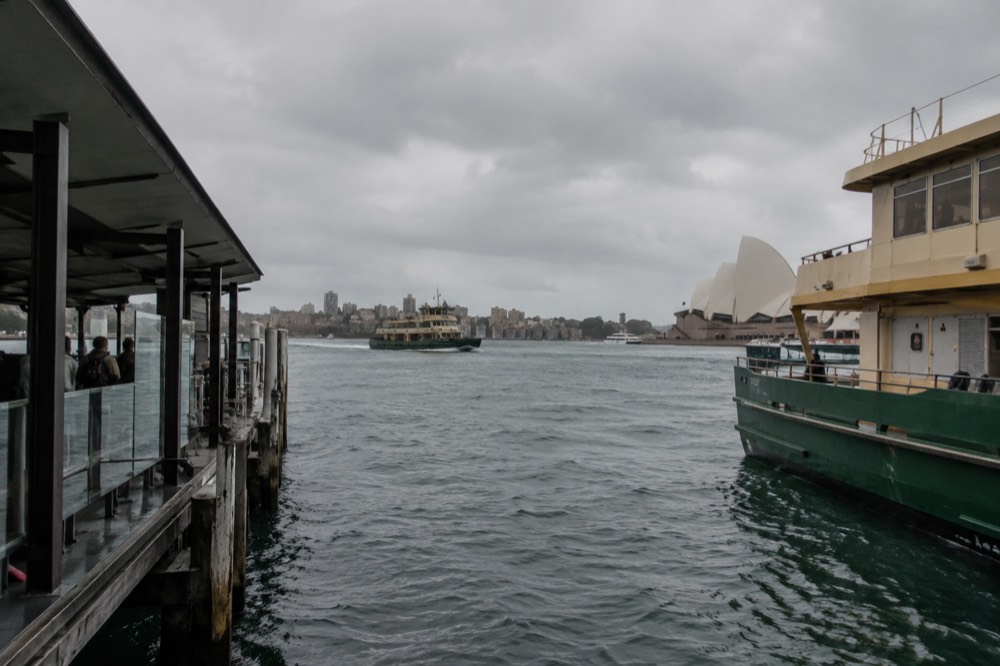
The park entry fee is $12 per vehicle per day, and it is charged at the vehicle, not per person: arriving on foot or by train avoids it entirely at almost every Sydney park. That is a genuinely underused fact for rail travellers, even if the walk from Waterfall station to the Coast Track is a serious half-day commitment in itself. The Royal National Park guide maps the access options properly, including which station serves which trailhead.
If the Figure Eight Pools are the goal, note two things: the pools are only safe near low tide and calm conditions, and the walk involves an exposed rock shelf that has injured people who ignored that. This is a place to follow the National Parks alerts page closely, not a place for improvisation at the wrong tide. The full index of guides sits on Sydney Travel Guide.
What About Parramatta and the City's Own West?
Parramatta is the easiest rail day trip of all: about 30 minutes from Central on an express service, or a scenic hour up the river by ferry. It delivers heritage buildings, a large dining scene and the new Powerhouse museum, without a single long-haul timetable. For a visitor with a spare half day rather than a full one, it is the best answer.
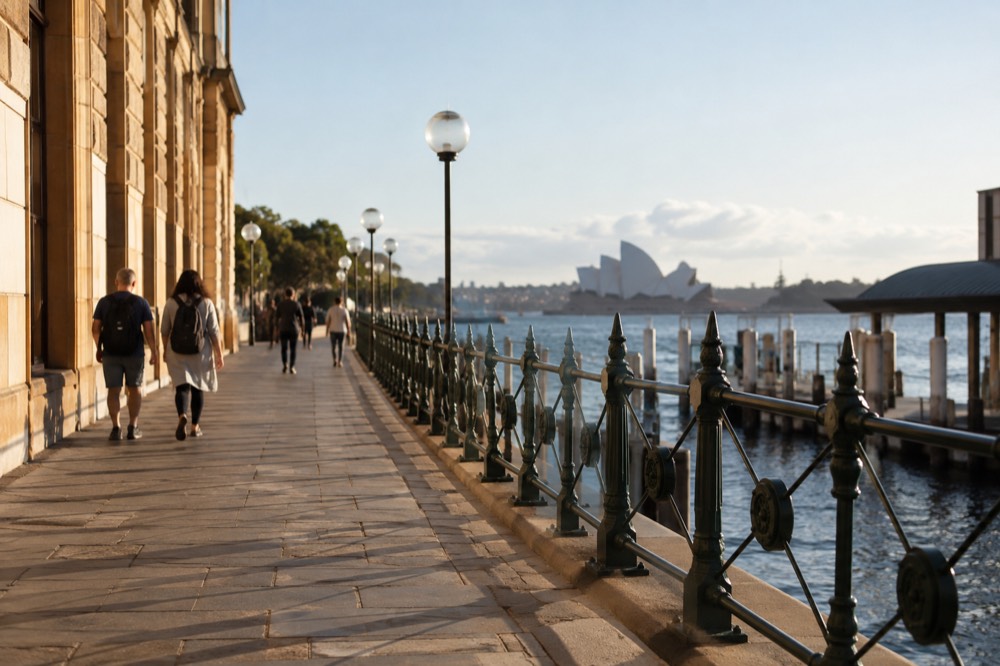
Parramatta's appeal is that it is a real second city rather than a tourist town. Old Government House sits in Parramatta Park, the riverside dining strip runs for kilometres, and the Powerhouse's new Parramatta building was scheduled to open to the public on 7 November 2026, a date worth checking before you build a day around it. Note the contrast with its sibling: Powerhouse Museum Ultimo has been closed to the public since February 2024 and is not due back until around 2029, so a guide listing it as open is out of date.
The ferry option deserves a mention even in a train guide, because the Parramatta River route is one of the great harbour journeys and costs nothing beyond the Opal ferry fare. The Parramatta guide covers both legs, and the Sydney ferries guide explains how ferry fares differ from train fares, including the fact that ferries carry no off-peak discount.
Is a Train Day Trip Cheaper Than a Booked Tour?
On raw fare alone, almost always yes: a weekend rail day to Katoomba or Kiama costs $9.65 total under the daily cap, while organised day tours start from the US$90 range and climb well past US$200 for premium itineraries. But the comparison is honest only if you value your planning time at zero and skip the paid attractions. A train day that adds Scenic World tickets and lunch closes much of the gap.
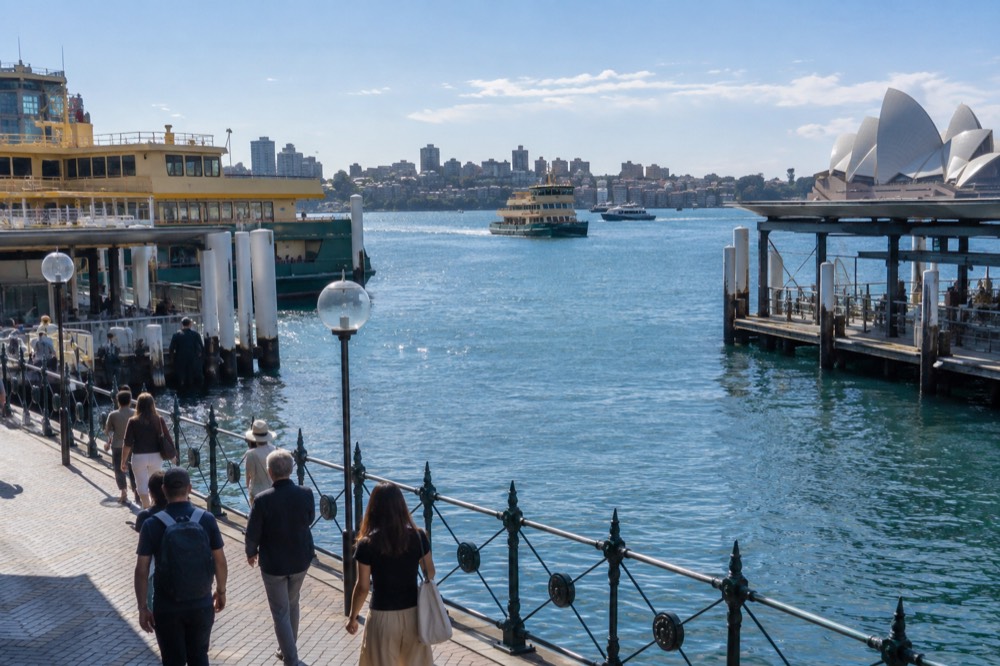
The fair way to frame it is this: the train buys you the destination, the tour buys you the itinerary. A Katoomba train day means you choose your own lookouts, eat where you like and keep the day flexible, but you manage every transfer yourself and you will not see Featherdale, which sits off the rail line at Blacktown. A coach tour compresses Scenic World, a wildlife park and lunch into one vehicle with no timetable anxiety, at a price that reflects a full day of someone else's labour and a driver's wage.
| Factor | Train day trip | Organised day tour |
|---|---|---|
| Weekend fare or price | $9.65 capped | From the US$90 range upward |
| Itinerary control | Entirely yours | Fixed, timed |
| Blue Mountains lookouts | Free, walk-in | Included, chosen for you |
| Wildlife park stop | Not reachable by train | Usually included |
| Risk if a train is delayed | You absorb it | Operator absorbs it |
| Best for | Independent travellers | First-timers, tight schedules |
For wine regions the train argument collapses entirely. The Hunter Valley has no passenger rail line, so a Hunter Valley day trip means a coach, a car or a booked small-group tour, and the premium option below is the comfortable way to do it without driving.
What Should You Pack and Plan for a Rail Day Trip?
Pack for the destination's climate, not Sydney's. The Blue Mountains sit about 1,000 metres higher than the city and run several degrees colder, the South Coast is windier than it looks from the train window, and winter days end before 5pm. Bring a warm layer, water, sunscreen and a paper or offline timetable, and check the last return service before you commit to a sunset.
Three planning habits separate a good rail day from a stranded one. Check the last few return services in the morning, not at 5pm when you are tired, because intercity frequencies thin out in the evening and a missed service can mean an hour's wait. Tap off at your destination and again at Central, because an untapped exit is charged as the maximum default fare. And check service alerts on the day, since weekend trackwork is common on the Blue Mountains and South Coast lines and buses sometimes replace trains for part of the route.
The sun needs respect here in a way northern visitors underestimate. Sydney's UV index passes the protection threshold of 3 on most days of the year, and reaches extreme levels of 11 or more in summer, meaning sunscreen matters even on a cool mountain morning. The Bureau of Meteorology's long-run averages also hold a surprise for anyone planning around weather: June is Sydney's wettest month at 133.1 mm on average, wetter than any summer month, while August is its clearest, with 13.4 mean clear days against February's 5.3. Peak season is statistically the cloudiest time of year, and late winter is when the skies open up.
One last habit: keep your contactless card or Opal card in the same pocket all day. The single most common self-inflicted cost on Sydney's network is the default fare charged to a passenger who tapped on and wandered off without tapping off, and it is entirely avoidable.
For a shorter horizon than the mountains, the zoo-and-ferry combination above is the low-effort alternative: a ferry across the harbour, a full zoo on a hillside with skyline views, and a return by water, all on capped Opal travel plus one ticket. It is not a rail day trip in the strict sense, but it scratches the same itch for a traveller with only half a day.
Common Questions About Day Trips from Sydney by Train
Can you do a Blue Mountains day trip from Sydney by train?
Yes, and it is the most popular rail day trip of all. Trains run from Central to Katoomba in about two hours on the Blue Mountains Line, Echo Point is a walkable distance from the station, and park entry is free outside Glenbrook. A weekend day of travel costs $9.65 under the Opal daily cap.
How much does a train day trip from Sydney cost?
Long trips beyond 65 km, which covers Katoomba and Kiama, cost $10.66 peak or $7.46 off-peak each way for an adult, but daily caps of $19.30 Monday to Thursday and $9.65 Friday to Sunday mean a full day of travel never exceeds that cap. A weekly cap of $50 applies across the whole network.
Do you need an Opal card for a Sydney train day trip?
No. A contactless credit or debit card, or a phone wallet, is charged exactly the same as an adult Opal card and receives every benefit, including caps and off-peak discounts. Opal single trip tickets from machines are the only option to avoid, as they cost more and receive no benefits.
Is Kiama or Wollongong a better train day trip?
Kiama is the more distinctive destination, with the blowhole, a small town centre and coastal walks about 20 minutes from the station. Wollongong is closer at about 90 minutes and suits a beach-and-harbour day. Both are about the same fare under the daily cap.
Can you get to the Hunter Valley by train from Sydney?
No. The Hunter Valley has no passenger rail line, so a day trip there means a coach tour, a private car or a [self-drive](https://discovercars.tpk.ro/FvKIyzXW). The rail network's wine country answer does not exist, and guides suggesting otherwise are wrong.
What is the cheapest day for train day trips from Sydney?
Fridays, Saturdays, Sundays and public holidays, when the daily cap drops to $9.65 and the 30% off-peak discount applies to trains as well. A public holiday is the cheapest possible day to travel widely in Sydney.