Sydney Day Spas and Wellness: Where to Unwind and What It Costs
Sydney pairs a serious day spa scene with an unusual amount of free wellness: ocean pools, harbourside gardens and coastal walks that cost nothing at all. This guide covers both, plus what treatments usually cost and when to go.
Short answer
A one-hour massage in Sydney usually runs A$90-160 and a full spa day package A$200-400, while some of the city's best wellness is free: the Royal Botanic Garden Sydney charges no entry, Bronte Ocean Pool is free, and the Bondi to Coogee coastal walk costs nothing. Plan spa bookings ahead for weekends and use winter's clear skies for the outdoor side.
What Does a Sydney Day Spa Visit Actually Look Like?
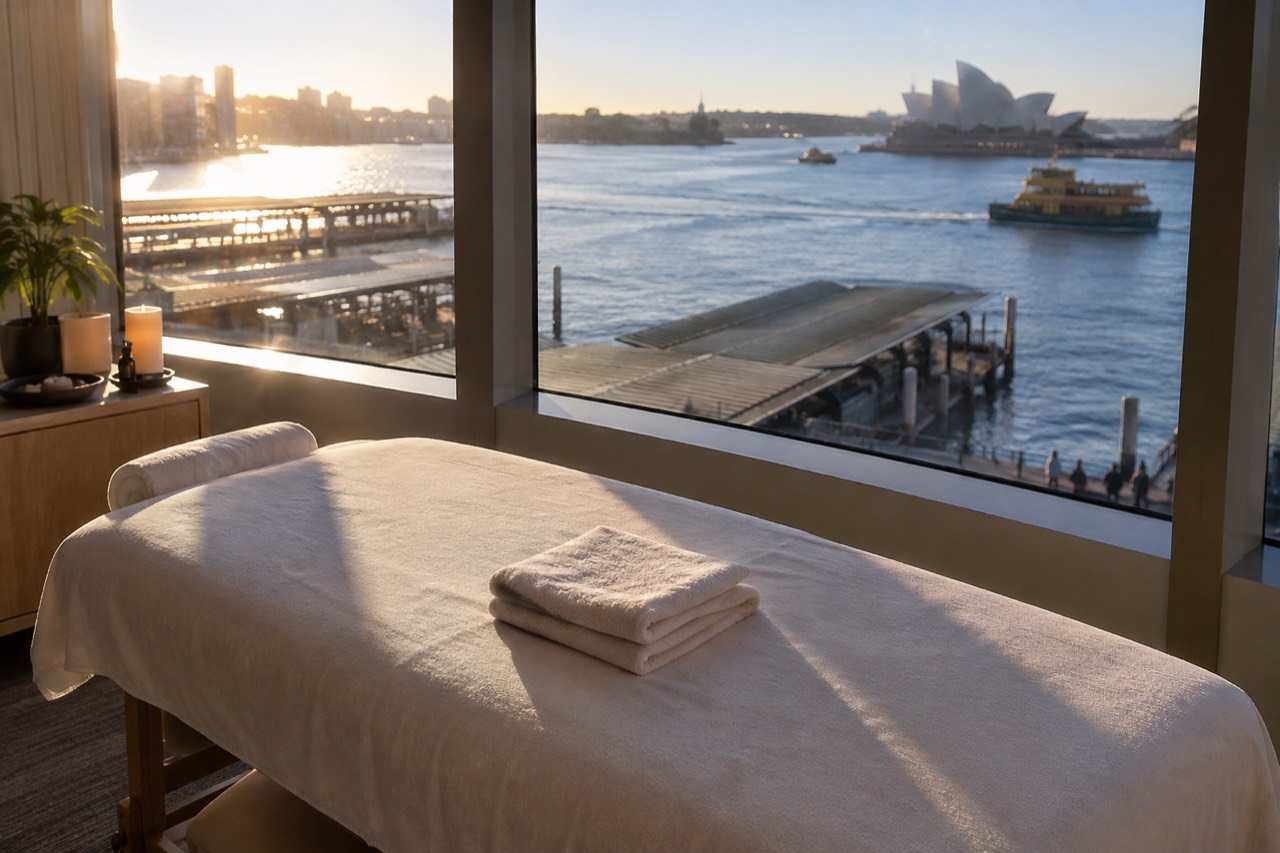
Most Sydney day spas are compact, urban and built around a single treatment or a two-to-three-hour block rather than a full resort day. You book a time, arrive 10-15 minutes early, and the city's harbour light does a lot of the atmosphere work. Expect a mix of dedicated spas in Paddington and Surry Hills, hotel spas in the CBD and Darling Harbour, and wellness studios in the Eastern Suburbs.
Sydney's spa culture is smaller-scale than Bali's or Thailand's, and that shapes what you should book. Rather than one sprawling destination spa, the city offers dozens of independents, each with a signature: remedial massage clinics that bulk-bill nothing but take health-fund receipts, hammam-style bathhouses, float tanks and hydrotherapy rooms. A "spa day" here is usually one or two treatments plus a walk, a swim or a long lunch, which suits a city where the harbour itself is the main relaxation draw.
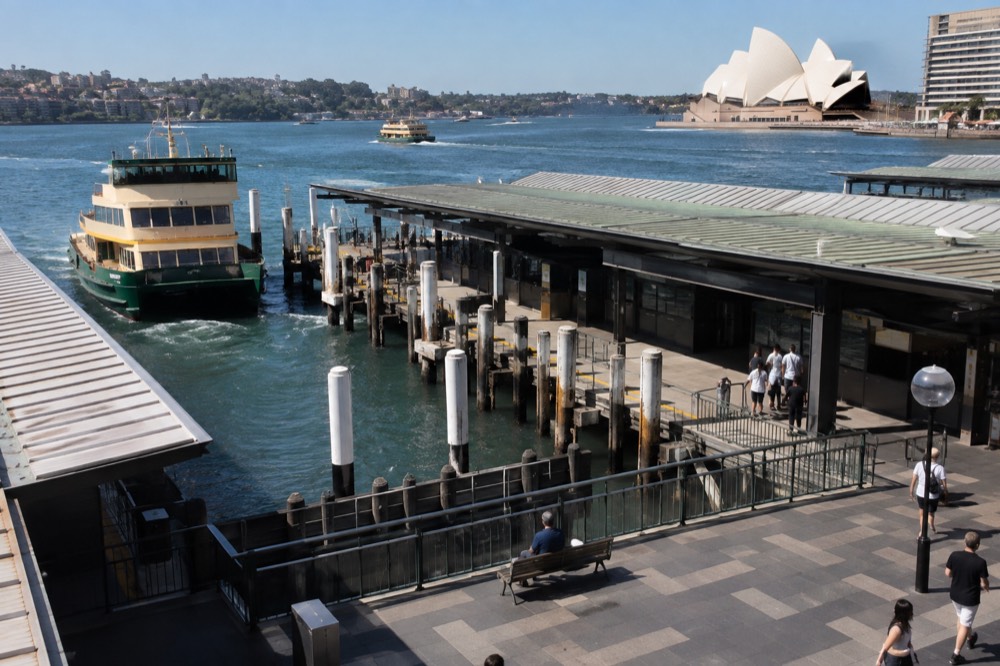
That hybrid model is genuinely useful for a visitor. You can book a 60-minute massage near Circular Quay, spend the afternoon wandering the Royal Botanic Garden Sydney, and consider the day a proper wellness itinerary without ever buying a resort package. The garden's entry is free, which surprises many first-time visitors who assume Sydney's headline harbourside green space must be ticketed.
It also means timing matters more than venue choice. Weekday mornings are quiet and often easier to book; Saturday is the most competitive slot in the week. If a spa is the centrepiece of your day rather than a filler, book it before you leave home, the same way you would a restaurant.
One more framing point before the practicalities. Sydney's wellness scene divides cleanly into paid indoor treatments and free outdoor infrastructure, and the locals who use both well treat them as one system rather than two separate worlds. The massage fixes the body the coastal walk tired out; the ocean pool wakes you up for the evening. This guide is organised around that pairing, because it is how the city actually works, and because it is the difference between a good wellness day in Sydney and an expensive one.
Which Sydney Neighbourhoods Have the Best Day Spas?
Paddington and Surry Hills carry the strongest concentration of independent spas and wellness studios, the CBD and Darling Harbour hold the hotel spas, and the Eastern Suburbs around Bondi blend both with a surf-and-recovery focus. Each area suits a different kind of day, so pick the neighbourhood before you pick the venue.
Paddington's terrace-lined streets hold small, design-forward spas that book out weekends early. Surry Hills adds yoga studios, float centres and massage clinics within a short walk of good coffee, which matters when the after-treatment ritual is half the point. The Paddington and Surry Hills guides cover the wider neighbourhood if you want to build a full day around the booking.
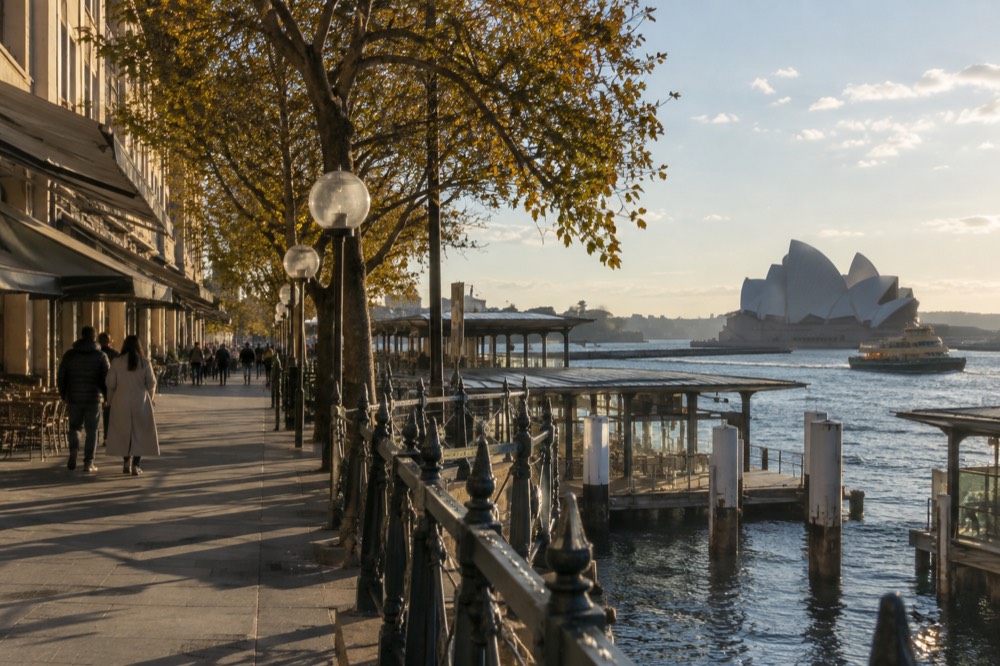
Hotel spas in the CBD and Darling Harbour trade character for convenience: pools, saunas and longer opening hours a short walk from most visitor accommodation. Around Bondi and Coogee the offering tilts toward sports massage, sauna and cold-plunge recovery, aimed at the surf crowd but open to anyone.
The Eastern Suburbs recovery scene has a flavour worth understanding before you book. These venues are built for people who have just spent two hours in the surf, so the treatments are firm, the sessions are shorter, and the plunge pools are genuinely cold rather than decorative. If your Sydney trip involves a lot of walking, and most do, that sports-recovery style can be more useful than a soft relaxation massage, and it is usually priced at the lower end of the city's range.
If your spa day is really a "see the city, then collapse" day, the neighbourhood choice gets easier: stay central, book late afternoon, and let the morning carry the sightseeing. These three experiences all work as the morning half of that plan.
The pass in that band suits a structured morning of big attractions, the harbour cruise is the slower option, and the food tour is the one to pick when a long walk and a feast sounds more restorative than any treatment table.
How Much Does a Day Spa in Sydney Cost?
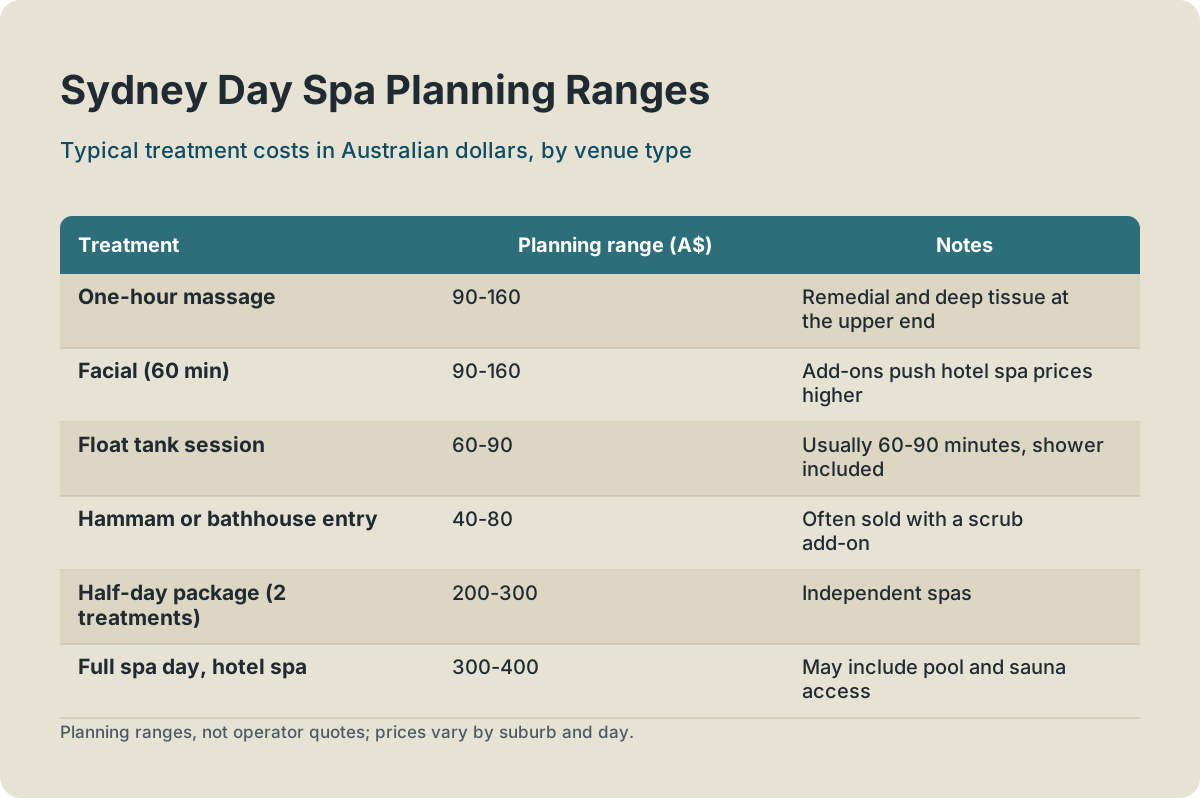
Budget A$90-160 for a one-hour massage, A$90-160 for a facial and A$60-90 for a float or sauna session as planning ranges, with full spa day packages typically starting around A$200 and reaching A$300-400 in hotel spas. Prices vary by suburb and day, so treat these as a floor-check when you book, not a quote.
These are planning ranges, not operator promises: the venue confirms the real price. What the ranges are useful for is deciding the shape of the day. A single massage plus free harbour time is a A$90 day. A hotel-spa package with lunch is a A$300-plus day, and Sydney has enough free wellness to make the expensive version optional rather than default.
| Treatment or session | Typical planning range (A$) | Notes |
|---|---|---|
| One-hour massage | 90-160 | Remedial and deep tissue at the upper end |
| Facial (60 min) | 90-160 | Add-ons push hotel spa prices higher |
| Float tank session | 60-90 | Usually 60-90 minutes, shower included |
| Hammam or bathhouse entry | 40-80 | Often sold with a scrub add-on |
| Half-day package (2 treatments) | 200-300 | Independent spas |
| Full spa day, hotel spa | 300-400 | May include pool and sauna access |
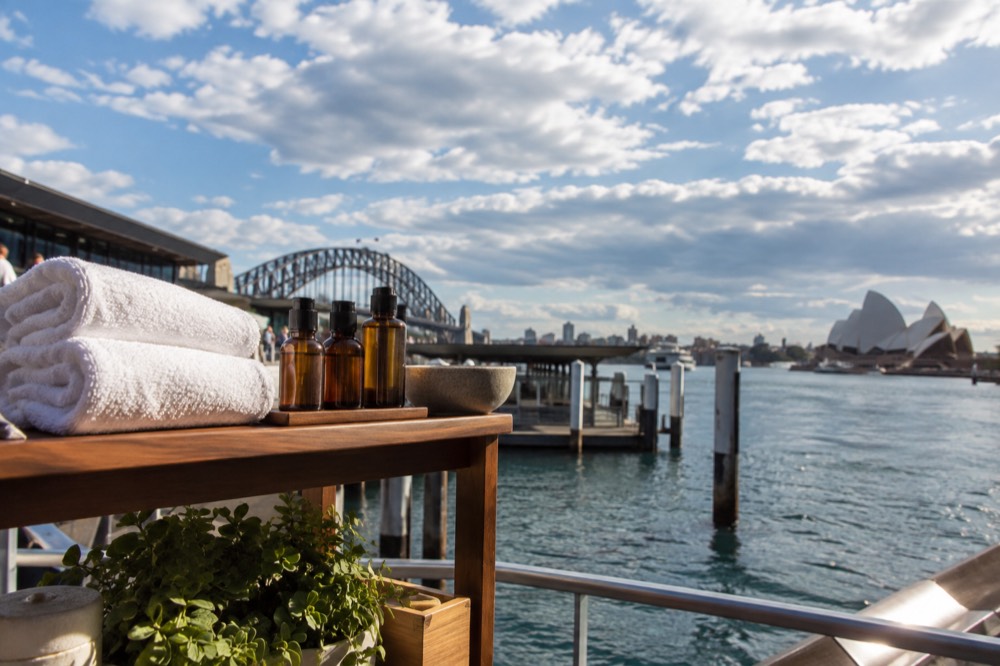
One cost trap worth naming: weekend and late-afternoon slots are frequently priced above weekday mornings, and some independents add a surcharge for premium oils or extended time. Ask for the total, including any booking fee, when you reserve.
A second trap is the package that sounds like a day but is really two hours. Read the inclusions list carefully: some "spa day" packages are a 60-minute massage plus a 30-minute facial with afternoon tea, which is a fine product but not a day. If you want the full-day version, the hotel spas are the reliable place to find it, and the pool and sauna access is usually the part that justifies their higher pricing.
What Free Wellness Options Does Sydney Have?
Sydney's best free wellness is the water and the walks: Bronte Ocean Pool and the North Bondi Children's Pool are free council-run ocean pools, the Royal Botanic Garden Sydney charges no entry, and the Bondi to Coogee coastal walk costs nothing but effort. Add harbour beaches and parklands and a restorative day can be built for the price of a coffee.
The ocean pools deserve the headline. Waverley Council maintains Bronte Ocean Pool and the North Bondi Children's Pool as free public pools, cleaned weekly, while Bondi Icebergs is a separate club-managed 50-metre pool with its own access fees. Swimming laps with the Pacific rolling in beside you is the most Sydney recovery session there is, and at Bronte it costs nothing.
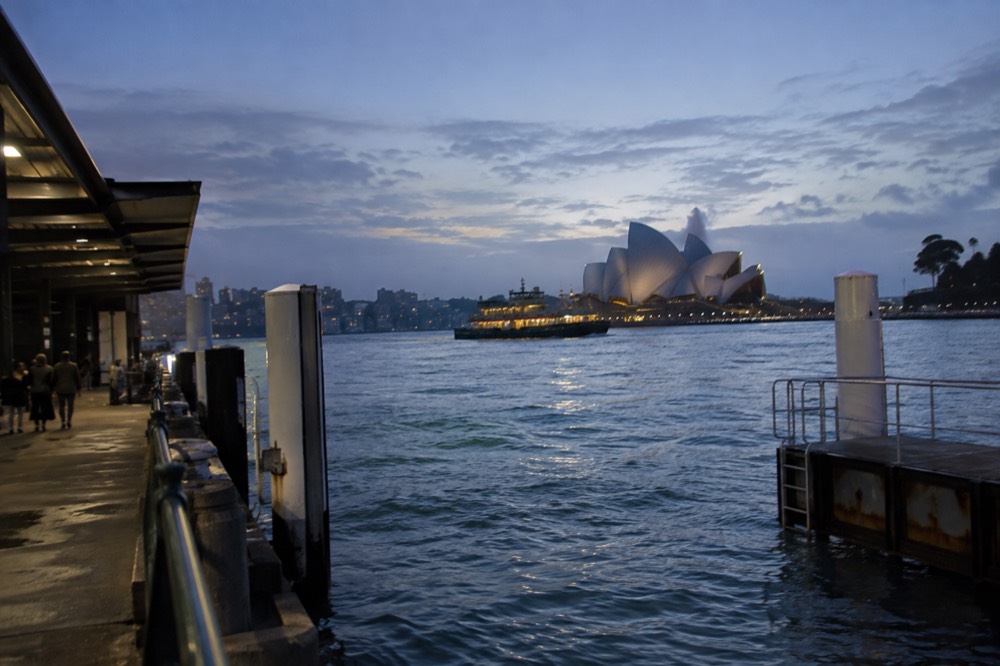
Swim between the flags at patrolled beaches and inside the pools' own walls, and check water-quality advice after rain: the official Beachwatch guidance is to stay out of ocean beaches for up to a day after heavy rain, and up to three days at harbour swim sites. The Bondi Beach guide covers patrol hours in detail, and the best beaches in Sydney guide lists the year-round patrolled options: Bondi, Bronte, Tamarama, Coogee, Manly and Dee Why.
The garden is the other free anchor. Entry to the Royal Botanic Garden Sydney is free and it opens from 7am, so an early walk along Farm Cove before the crowds is a legitimate wellness activity with the Opera House as backdrop. The free things to do in Sydney guide collects more in the same spirit.
| Free wellness option | What it is | Where |
|---|---|---|
| Bronte Ocean Pool | Free council ocean pool, cleaned weekly | Bronte, Eastern Suburbs |
| North Bondi Children's Pool | Free shallow ocean pool | North Bondi |
| Royal Botanic Garden Sydney | Free entry, opens 7am daily | Farm Cove, CBD edge |
| Bondi to Coogee walk | Roughly 6 km clifftop path | Eastern beaches |
| Spit to Manly walk | Harbourside bush track | Northern side |
| Ocean swimming at patrolled beaches | Free, between the red and yellow flags | Various |
The walks deserve as much planning as the treatments. The Bondi to Coogee stretch is the famous one, but the Spit to Manly walk on the northern side is quieter, shaded for much of its length and finishes at a beach with a year-round patrol, which makes it the better summer choice. The spit-to-manly-walk guide covers the route, and the Sydney coastal walks guide ranks the full set. Neither costs a cent, and both deliver the tired-muscle satisfaction that makes an evening massage feel earned rather than indulgent.
When Is the Best Time of Year for a Spa and Wellness Trip to Sydney?
August is the standout: it averages 13.4 clear days a month, the most of any month, and 17.9 °C mean daily maximums, which is T-shirt walking weather with winter spa prices. June is the trap, with 133.1 mm of rain on average, Sydney's wettest month, wetter than any summer month.
That June figure catches almost everyone out. Visitors assume the Australian summer, December through February, must be the wet, cloudy season, but the Bureau of Meteorology's long-run averages for Observatory Hill show the opposite: February averages just 5.3 clear days, the fewest of the year, while August and July sit at 13.4 and 12.0. Peak tourist season is statistically the cloudiest time to visit.
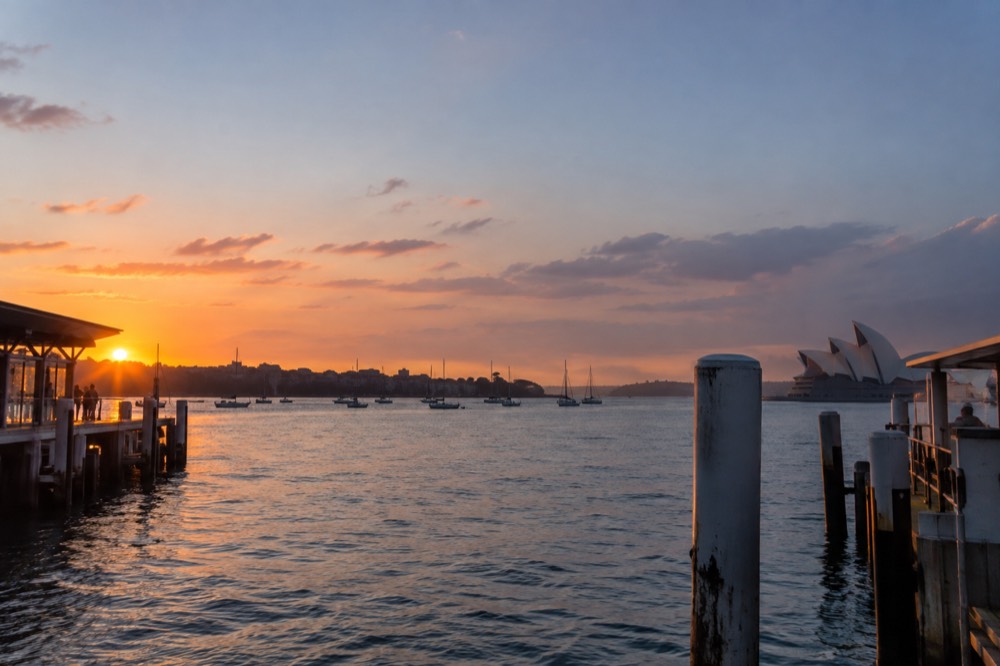
For a spa-and-wellness itinerary this matters twice over. Winter, June to August, is when indoor treatments are most appealing and when the clear-skied August days let you pair a massage with a coastal walk without overheating. Summer, December to February, is when the ocean pools and beaches earn their keep, but also when UV hits extreme levels of 11 and the cloud cover is at its worst. The best time to visit Sydney guide works through the trade-offs month by month.
| Season | Months | Mean daily max | Mean rainfall (wettest month) | Mean clear days (best month) | Best for |
|---|---|---|---|---|---|
| Summer | Dec-Feb | 25.3-26.0 °C | 119.3 mm (Feb) | 5.3-6.8 | Ocean pools, beaches, early walks |
| Autumn | Mar-May | 19.5-24.8 °C | 131.6 mm (Mar) | 9.1-9.5 | Long coastal walks, spa weekends |
| Winter | Jun-Aug | 16.4-17.9 °C | 133.1 mm (Jun) | 12.0-13.4 | Spa treatments, clear August days |
| Spring | Sep-Nov | 20.1-23.7 °C | 83.8 mm (Nov) | 8.1-10.9 | Garden walks, harbour swims |
The UV point is worth planning around even for a spa-focused trip: protection is advised whenever the UV index reaches 3 or above, and Sydney clears that threshold for most of the year, with extreme summer readings. A morning treatment followed by a shaded garden walk is the sensible summer pattern.
Can the Harbour Itself Be the Wellness Experience?
Yes, and it is the most Sydney version of it: a sunrise kayak on the harbour, a slow morning ferry to Manly, or a one-hour sightseeing cruise all deliver the water-and-sky effect a spa tries to recreate indoors. None of them requires a wetsuit, and the sunrise option starts before most spas open.
The harbour sunrise kayak tour is the strongest wellness-for-effort trade in the city's bookable experiences. Paddling out before the city fully wakes, with the Opera House and Harbour Bridge in the frame, is the kind of quiet, physical, low-noise morning that spa brochures try to describe. It runs about three hours all up and suits beginners.
If dawn is too ambitious, the water still works. The Manly ferry is a crossing that locals treat as a commute and visitors correctly treat as a cruise, and the Manly ferry guide covers the timetable side. For a booked, sit-down version, a morning or afternoon sightseeing cruise runs the same harbour at a slower pace than the kayak and finishes near the CBD's spa belt, which makes an easy pairing.
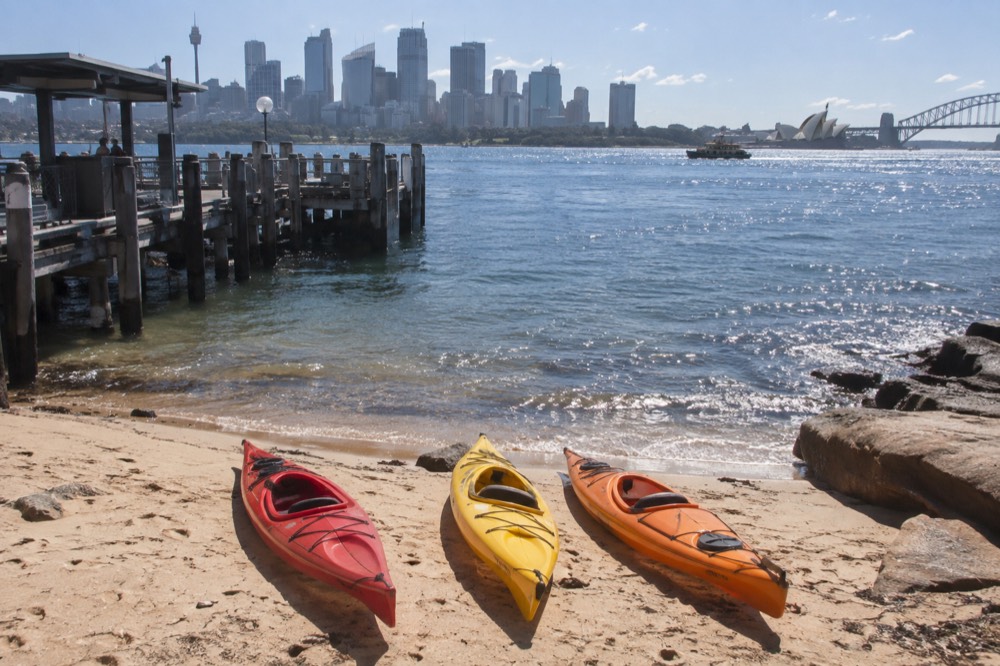
The kayaking in Sydney guide covers more paddling options, including the Spit to Manly side, if the sunrise session sells you on the format.
How Do You Combine a Spa Day with Sightseeing?
Book the treatment for late afternoon, keep the morning for one big sight, and let the spa be the recovery rather than the event. In Sydney that usually means attractions before 2pm, a massage at 4pm, and dinner within walking distance, which is exactly the shape a multi-attraction pass supports.
The pass approach works because Sydney's major indoor attractions cluster: the observation deck, the aquarium and the wildlife zoo can share a day without a car. Doing two of them in the morning leaves the afternoon free, and the pass pricing tends to beat buying singles when you use it for more than one site. The sydney-attraction-passes-compared guide breaks down when that maths holds.
A second structure suits food-forward travellers: a long morning walk, a guided food tour as the midday event, then a short massage or float in Surry Hills before evening. The Sydney food guide covers the restaurant side of that evening, and the things to do in Sydney at night guide picks up after dark.
A third structure, for visitors staying in the Eastern Suburbs, flips the order: ocean pool at 7am, the coastal walk mid-morning, lunch in Bondi, then a sports massage in the afternoon when the muscles actually need it. This is the version locals would recognise, and it costs the least of any day in this guide once you drop the booked sightseeing.
Whatever the shape, one rule protects the day: never book a massage immediately before a boat or a bus tour. Motion after a treatment is the fastest way to undo it.
What Spa Etiquette and Practical Tips Matter in Sydney?
Arrive 10-15 minutes early, expect to pay when you book rather than at the desk, and tip is genuinely optional in Australia, unlike the United States. Bring swimwear for any bathhouse or hydrotherapy booking, and note that private e-scooters are illegal in NSW, so plan the trip to the spa on foot, ferry or train.
Tipping confuses visitors most. Australia does not have a tipping economy in the American sense, and spa staff do not expect a tip, though nobody objects to rounding up for exceptional service. The tipping and etiquette in Sydney guide covers the wider rules, including restaurants.
| Situation | What to do | Why |
|---|---|---|
| Booking | Reserve 2-3 days ahead for weekends | Saturday slots fill first |
| Arrival | 10-15 minutes early | Consultation and robe change |
| Payment | Often taken at booking | Small independents manage no-shows this way |
| Tipping | Optional, not expected | Australian wage structure |
| Bathhouse visits | Bring swimwear and sandals | Shared wet areas require both |
| Getting there | Walk, ferry, train or bus | Private e-scooters are illegal on NSW roads and paths |
The transport point is a real one: the rules on private e-scooters in NSW are strict, and riding one to a spa is not an option. The getting around Sydney guide covers the Opal card and contactless options, and the opal-card-guide-for-visitors guide explains the caps that make a ferry-plus-train spa day cheap.
A few smaller courtesies help too. Most Sydney spas ask you to switch your phone off entirely rather than to silent, because treatment rooms in terrace buildings are small and sound carries. If you are booking a float tank, avoid caffeine for a couple of hours beforehand; the session is designed to remove stimulation, and a coffee works directly against it. And if you have a remedial massage booked after a long travel day, say so at the consultation, because the therapist will work shoulders and lower back differently for someone off a 14-hour flight than for someone off a coastal walk.
What Should Your Sydney Wellness Itinerary Actually Be?
For most visitors the best version is one booked treatment, one free water or garden session, and one walk, spread across two days rather than crammed into one. A massage in Paddington, a morning at Bronte Ocean Pool and the Bondi to Coogee walk is the classic shape, and it costs under A$200 per person outside the spa fee.
Sydney rewards the unhurried version. The city's wellness strength is not luxury, it is the free harbour infrastructure sitting next to a competent, fairly priced spa scene, and the travellers who enjoy it most are the ones who treat the spa as one instrument in a small orchestra rather than the whole concert.
If you are planning the wider trip, the Sydney Travel Guide hub collects the neighbourhood and itinerary pages, and the 3 days in Sydney itinerary has room for a spa afternoon on day two. For the budget picture, the Sydney trip cost breakdown shows where a spa day fits in a realistic daily spend.
Before you lock the plan in, these are the three bookable experiences that pair best with a wellness-focused Sydney stay.
Common Questions About Sydney Day Spas and Wellness
How much does a massage cost in Sydney?
A one-hour massage usually runs A$90-160 as a planning range, with remedial and deep-tissue work at the upper end and hotel spas above that. The venue confirms the exact price when you book, and weekday mornings are often cheaper than weekend slots.
Do you tip at a day spa in Sydney?
Tipping is optional and not expected in Australia. Spa staff are paid full wages, so nobody will chase a tip, though rounding up for outstanding service is never unwelcome. Budget the treatment price as the full price.
What is the best month for a spa and wellness trip to Sydney?
August is the pick: it averages 13.4 clear days, the most of any month, with a 17.9 °C mean daily maximum, so a massage pairs cleanly with a coastal walk. June is the wettest month on average at 133.1 mm, so keep more of that day indoors.
Are Sydney's ocean pools free?
Some are, some are not. Bronte Ocean Pool and the North Bondi Children's Pool are free council-run pools, while Bondi Icebergs is a club-managed 50-metre pool with its own access fees. Clovelly, Wylie's and Mahon pools sit nearby along the coast.
Can you swim at Sydney beaches in winter?
Yes, and the year-round patrolled options are Bondi, Bronte, Tamarama, Coogee, Manly and Dee Why. Always swim between the red and yellow flags during patrol hours, and check Beachwatch water-quality advice after rain before getting in.
Should you book a Sydney spa before you arrive?
Book weekend and late-afternoon slots before you leave home, since those fill first, especially in Paddington and Surry Hills. Weekday mornings can usually be arranged a day or two ahead, and many venues take the full payment at booking.