Newcastle NSW: The Coastal Day Trip from Sydney
Newcastle NSW is one of the easiest coastal escapes from Sydney: a direct intercity train, a walkable harbour, ocean pools and beaches, and Opal fares that barely dent a daily cap.
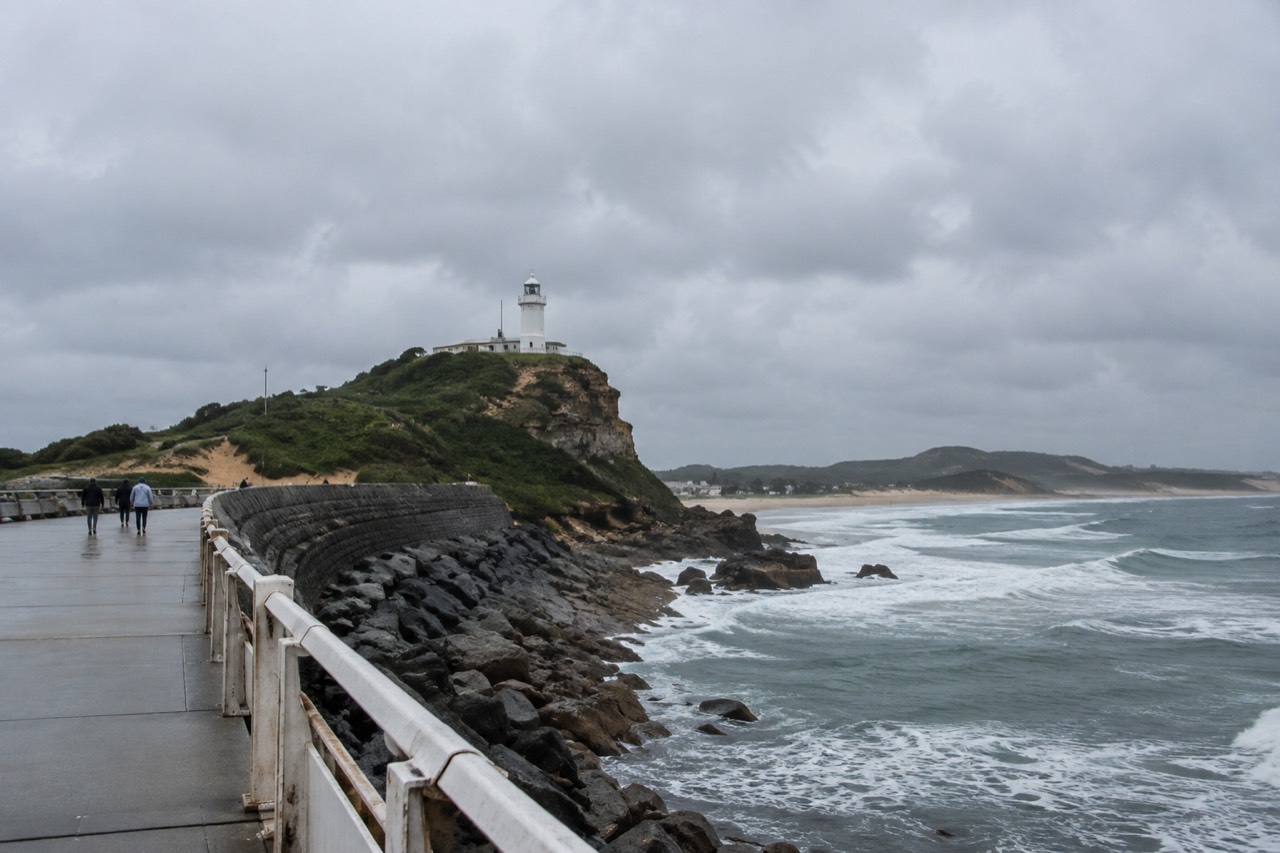
Short answer
Newcastle NSW is a straightforward day trip from Sydney: the intercity train runs direct from Central, an adult one-way fare sits in the top Opal distance band at $10.66 peak or $7.46 off-peak, and the city's harbour, coastal walk and ocean pools are all free to enjoy. It suits travellers who want coast without a hire car.

Newcastle NSW is the second-oldest city in the state and, for Sydney visitors, one of the least effortful escapes on the map. You tap on with the same card you use in the city, ride a train up the coast, and step out within walking distance of a working harbour, ocean pools and a cliff-top coastal walk. No hire car, no booking window, no tour bus. This page lays out the fares, the realistic one-day plan, the swimming safety rules that actually matter on this coast, and how Newcastle stacks up against the other big day trips from Sydney, with the numbers sourced from Transport for NSW and the safety bodies that patrol these beaches.
What Is the Best Way to Get from Sydney to Newcastle?
The train is the best way to Newcastle NSW for almost every visitor. Intercity services run from Central Station toward Newcastle, you pay with the same Opal card or contactless bank card you already use in Sydney, and the one-way adult fare sits in the top distance band at $10.66 peak or $7.46 off-peak. Driving gives you flexibility for the beaches south of the city, but parking near the waterfront is the usual city-centre headache, so the train wins for a single-day visit.
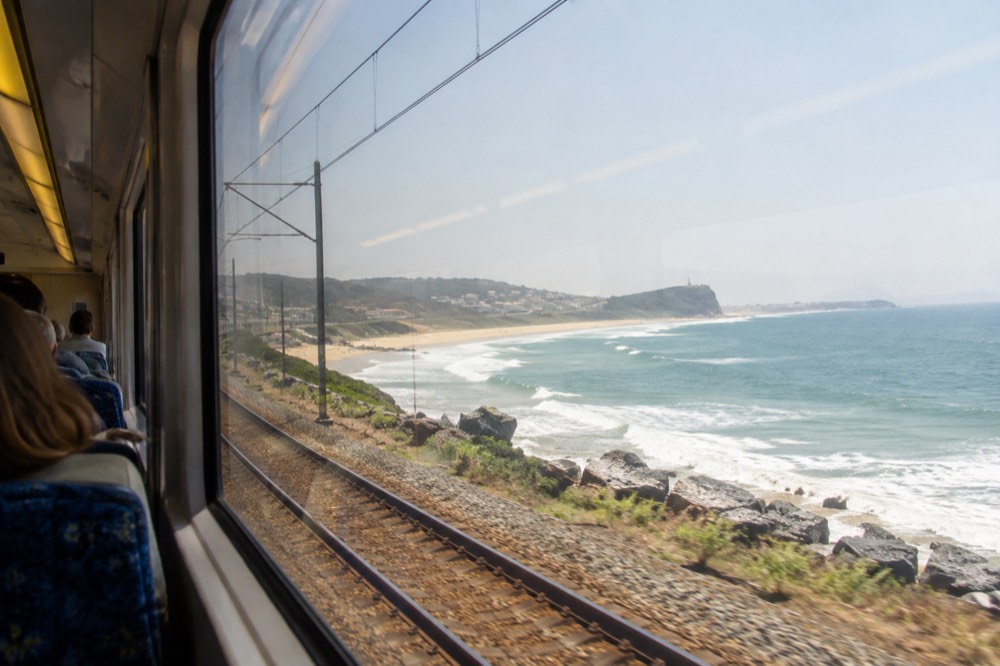
The rail route hugs the water for long stretches, and the fare system is the same one explained in our guide to Sydney trains for visitors: tap on at the start, tap off at the end, and the distance between the stations sets the price. Newcastle falls in the 65-plus kilometre band, which is the highest on the Opal table, yet it is still cheaper than most single-day tour transport and it counts toward your weekly cap.
A few practical points worth knowing before you ride:
- Contactless is equivalent. A tapped credit card, debit card or phone wallet is charged exactly the same as an Adult Opal card and earns every benefit, including caps and the off-peak discount. There is no need to buy a card for one trip, though the Opal card guide for visitors explains when a physical card still helps.
- Off-peak is 30 percent cheaper. The discount applies on intercity trains on Fridays, weekends, public holidays and outside weekday peak windows, which makes Saturday and Sunday the cheapest days to head north.
- Tap off, always. Missing the tap-off charges the default maximum fare, an easy mistake after a long day on the coast.
The full fare picture, including the caps that matter for a day trip, is set out in the next section.
How Much Does the Train to Newcastle Cost?
An adult one-way trip from Sydney to Newcastle costs $10.66 at peak times and $7.46 off-peak, the top of the Opal distance bands, and it counts toward the daily and weekly caps. The daily cap is $19.30 Monday to Thursday and $9.65 on Fridays, weekends and public holidays, so a return trip on a Saturday costs no more than $9.65 total for the whole day of travel. A public holiday is therefore the cheapest day to do this trip.
Transport for NSW publishes the full adult Opal fare table, and the bands that matter for a Newcastle trip are these:
| Opal distance band (train) | Peak adult fare | Off-peak adult fare |
|---|---|---|
| 0-10 km | $4.33 | $3.03 |
| 10-20 km | $5.38 | $3.76 |
| 20-35 km | $6.20 | $4.34 |
| 35-65 km | $8.28 | $5.79 |
| 65+ km (Newcastle sits here) | $10.66 | $7.46 |
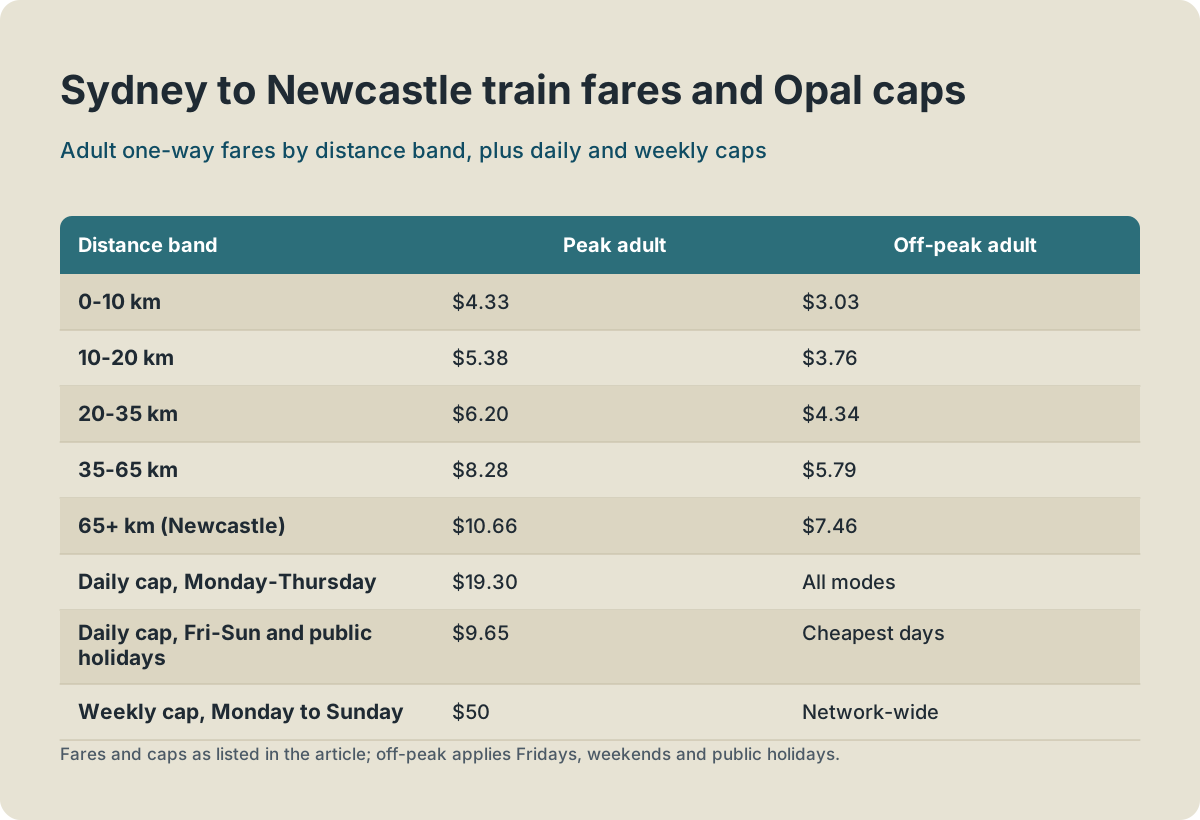
The caps are what make this trip genuinely cheap. Here is how they apply to a Newcastle day:
| Cap type | Amount | When it applies |
|---|---|---|
| Daily cap, Monday-Thursday | $19.30 | All metro, train, bus, ferry and light rail |
| Daily cap, Fri-Sun and public holidays | $9.65 | The cheapest days for a Newcastle return |
| Weekly cap | $50 | Monday to Sunday, network-wide |
One trap worth naming: the off-peak discount does not apply to ferries, so if you build a Sydney harbour ferry into the same week, that leg is charged flat. And if you are still weighing up whether a car makes more sense for your whole trip, our do I need a car in Sydney piece covers the trade-offs in detail.
Newcastle is one of several worthwhile escapes that need no vehicle at all, and it belongs on any list of day trips from Sydney by train. If you prefer to have the whole day organised for you, the options below are the strongest all-inclusive departures from Sydney.
Is Newcastle Worth a Day Trip from Sydney?
Yes, if you want coast, history and a walkable city centre in one day, and you are happy organising it yourself. Newcastle NSW delivers a working harbour, ocean pools, a clifftop walk and a compact cafe strip within a short radius of the station, all free to reach on foot. It is not worth it if your priority is marquee sights or guided commentary, because Newcastle rewards wandering, and the travel time each way eats into the day.
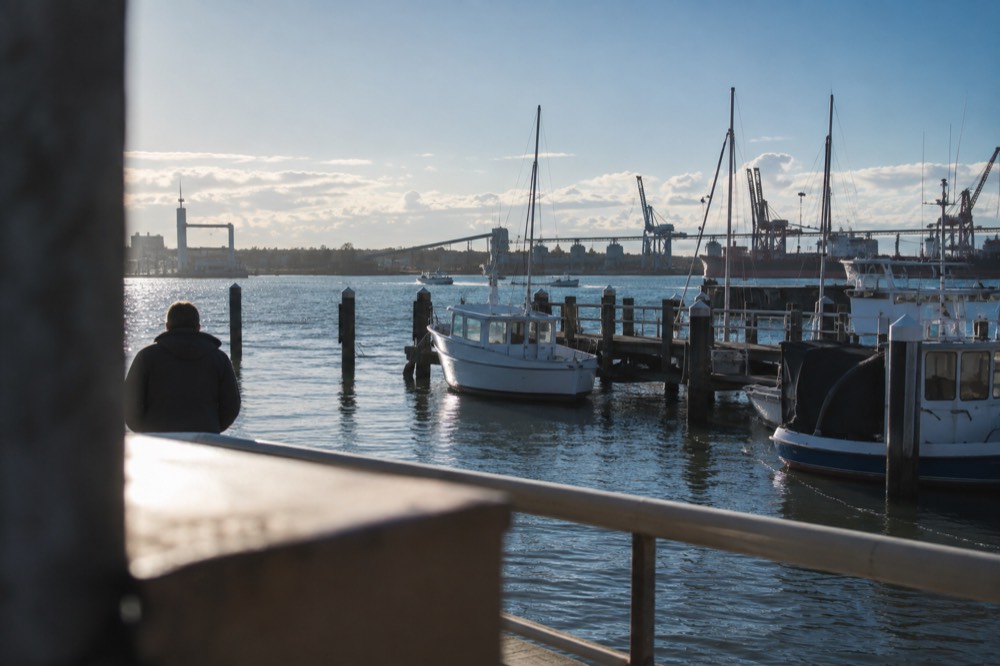
The honest framing is that Newcastle is a city rather than a theme park. Its appeal is cumulative: a swim at an ocean pool, a walk along the cliff line, lunch near the harbour, a browse through the east end's heritage streets. Travellers who enjoy Sydney's coastal walks will recognise the register immediately, just with fewer people on the path.
What Newcastle does better than almost any other easy escape:
- It is a beach city with a coal-ship harbour. Tankers queue offshore while swimmers use the ocean pools below the headland, a contrast you do not get anywhere in Sydney proper.
- The scale is walkable. The station, harbour, beaches and the coastal walk link up on foot, so the day has no transport decisions in it after you step off the train.
- The price is a train fare. Entry to the beaches, the ocean pools and the coastal walk costs nothing, which makes it a natural fit for anyone planning free things to do in Sydney style days beyond the city.
The question of whether to organise the day yourself or hand it to an operator is a fair one, and it depends on how much of the planning you enjoy.
What Should You Actually Do with One Day in Newcastle?
Plan the day around three anchors: the harbour foreshore near the station, the cliff-top coastal walk linking the beaches south of the city, and an ocean-pool swim at either end. Everything is free, everything is on foot, and the walk is the spine of the day. Do the walk before lunch while your legs are fresh, swim in an ocean pool rather than the open surf if you are unsure of conditions, and finish with a slow afternoon around the harbour before the return train.
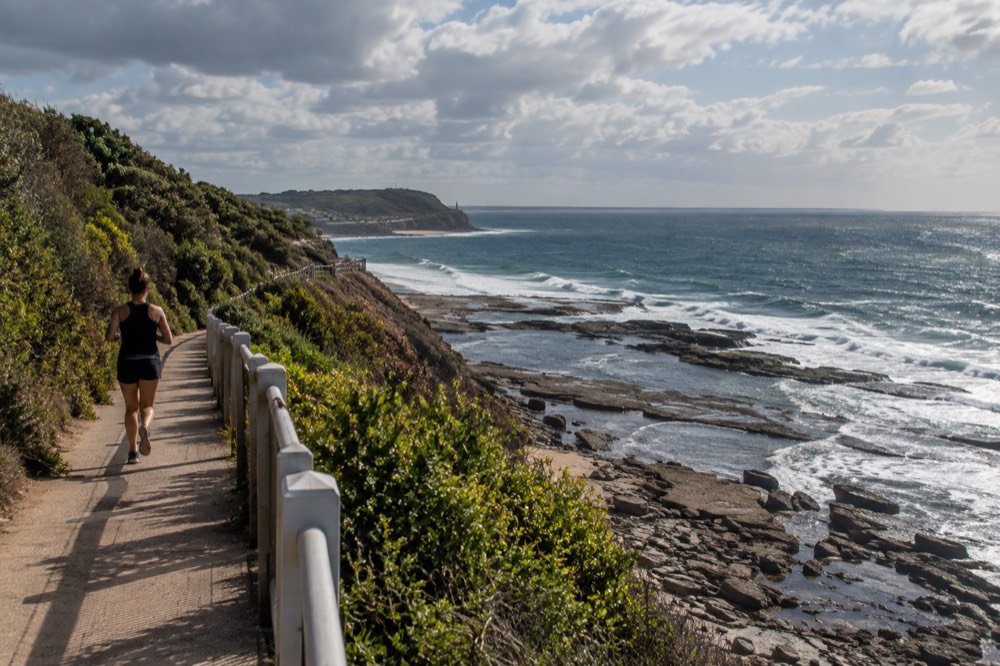
A realistic schedule, built for the train traveller:
| Time | Plan | Notes |
|---|---|---|
| Morning | Train from Central to Newcastle | Off-peak fares apply on weekends; tap on and off |
| Late morning | Harbour foreshore and headland walk | Free, starts near the station |
| Midday | Coastal walk between the beaches | Allow a couple of unhurried hours |
| Early afternoon | Ocean pool swim and lunch | Ocean pools are the safer option in unfamiliar surf |
| Late afternoon | East end cafes, then the return train | Check the last comfortable departure before you sit down |
Two cautions shape the day. First, swimming: this coast carries the same rip-current risk as Sydney's beaches, and the rule is identical, swim between the red and yellow flags at a patrolled beach during patrol hours, and if a beach is not patrolled at that time of day or year, an ocean pool is the sensible alternative. Patrol seasons and hours vary beach to beach, so treat any unpatrolled stretch as a walking view, not a swim. Second, timing: the return journey is the thing people get wrong. Work out your last preferred train early in the day, then relax, because the single biggest avoidable mistake on a Newcastle trip is discovering the timetable while the sun is setting over the harbour.
If the weather turns, Newcastle's cafe strip and harbour-side indoor options cover a wet morning, but a full wet day is better spent with our Sydney rainy day itinerary and a shorter outing.
Can You Swim at Newcastle's Beaches?
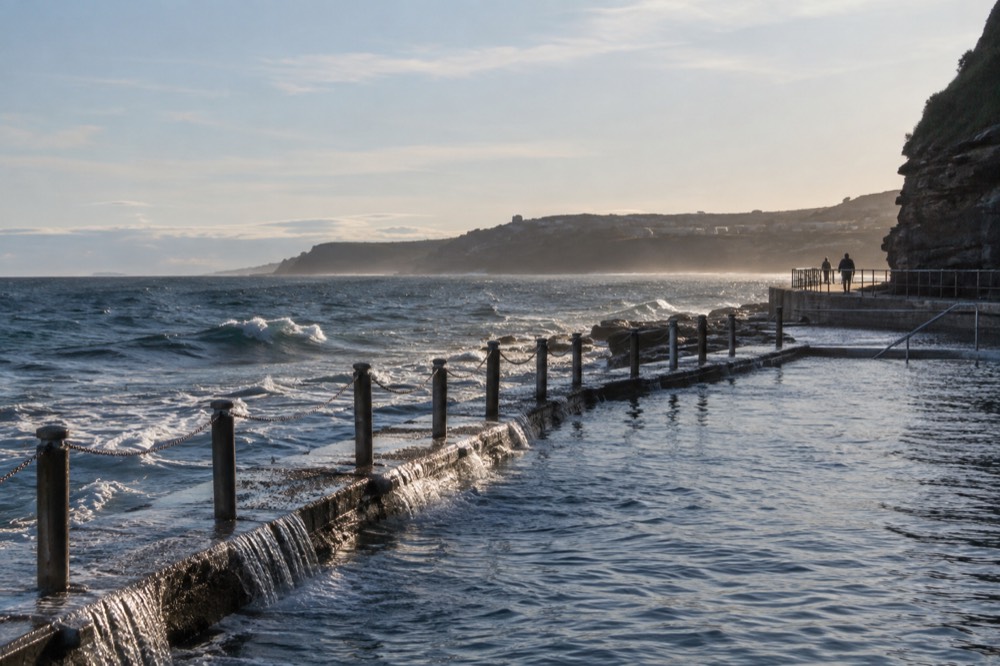
Yes, but with the same rules that apply on every NSW beach: swim between the red and yellow flags, at a patrolled beach, during patrol hours. Rip currents are the number one hazard on this coast, and patrol seasons and hours vary by beach, so check locally before you swim. Ocean pools are the safer alternative when a beach is unpatrolled, and after heavy rain stay out of the water for up to one day at ocean beaches and up to three days at harbour or estuarine swim sites.
The official rip current advice from Beachsafe, Surf Life Saving's public safety site, is blunt: stay calm, conserve energy, raise an arm and call for help, float with the current which may return you to a sandbank, or swim parallel to the beach toward breaking waves. The prevention message is simpler still: STOP, check for rips; LOOK, for other dangers; PLAN, how to stay safe. The safest sentence on this page is that there have been no recorded coastal drowning deaths between the flags in recent seasons.
The post-rain rule deserves more attention than it gets. NSW's Beachwatch program grades swim sites on water quality, and its official advice is to stay out of the water while it is raining and for up to one day after heavy rain at ocean beaches, or up to three days at estuarine and harbour swim sites. Check the live grades at Beachwatch before you swim anywhere in or around Newcastle.
Ocean pools are the genuinely NSW answer to uncertain surf, and Newcastle has them along its coast the way Sydney does at Bondi Icebergs and Bronte. They are not risk-free, they can close in big swell, but they remove the rip problem entirely, which is why this guide keeps pointing to them as the default swim for a visitor on a one-day trip. If you would rather build your coastal day around surf lessons closer to Sydney, our surfing lessons in Sydney guide covers the bookable options at Bondi.
When Is the Best Time of Year to Visit Newcastle?
May to November is the best window if whales are on your list, because the NSW humpback migration runs along this coast through those months, with the southern migration, mothers and calves closer to shore, from August to November and the peak around late June and July. For weather, the long-run averages for the region favour the shoulder months: Sydney's own records show June is its wettest month while August is its clearest, and the same broad pattern holds along the coast.
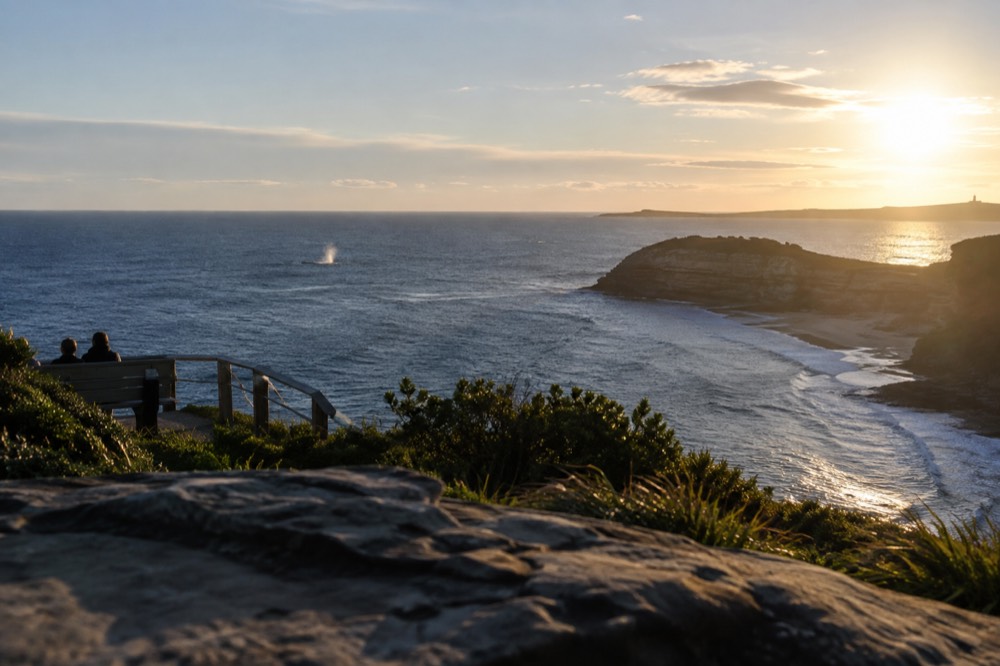
NSW National Parks publishes the whale migration facts, and the numbers are striking: an estimated 40,000-plus humpbacks migrate along the NSW coast each year, a population and recovery estimate rather than a count of whales passing any one headland. Land-based vantage points along the coast, including headlands in the region's national parks, are the free way to watch, and the southern migration's mother-and-calf pairs travel closer to shore than the northbound leg. A sighting is never guaranteed, and no honest guide will promise one.
For the weather, the Bureau of Meteorology's long-run climate averages for Sydney carry a counterintuitive lesson that applies to the whole central coast: June averages 133.1 mm of rain, wetter than any summer month, while August averages the most clear days of the year at 13.4 and February the fewest at 5.3. Peak tourist season is statistically the cloudiest time of year on this coast, and late winter is statistically the clearest. Plan accordingly, and remember daylight saving: NSW clocks move forward on the first Sunday of October, so late-season trips have long evenings for the coastal walk.
One seasonal note on the water itself: bluebottles are common in NSW waters in the warmer months and after onshore winds. Do not touch them on the sand or in the water; if stung, leave the water, remove tentacles with seawater rather than bare hands, immerse the sting in hot water around 45 °C for up to 20 minutes, and seek a lifeguard if the reaction is severe.
How Does Newcastle Compare with the Other Big Day Trips from Sydney?
Newcastle is the pick for a self-guided, low-cost coast day; the Blue Mountains is the pick for scenery and organised tours; the Hunter Valley is the pick for food and wine; and Port Stephens is the pick for dolphins and dunes. Newcastle costs the least, at a capped train fare, while the guided trips carry higher prices but include transport, food and commentary, which is what you are paying for when planning feels like work.
The comparison in brief:
| Day trip | Best for | Self-guided? | Typical cost |
|---|---|---|---|
| Newcastle NSW | Coast, ocean pools, walking | Yes, train the whole way | Capped train fare |
| Blue Mountains | Lookouts, waterfalls, Scenic World | Train possible, tours easier | Train fare or tour price |
| Hunter Valley | Wineries, long lunch | Hard without a car | Tour price |
| Port Stephens | Dolphins, sand dunes | Not practical by train | Tour price |
Our broader day trips from Sydney guide ranks the full field, and the best day trip from Sydney without a car question is answered by the same logic: Newcastle and the Blue Mountains are the two you can genuinely do on a train ticket.
If the Blue Mountains is calling instead, the all-inclusive local-guide departure below is the strongest organised version of that trip, with transport, entry fees and lunch handled so the day runs on rails.
For a day that mixes native wildlife, waterfalls and wine country in one loop out of the city, the wildlife, waterfalls and wine tour below covers a lot of ground that would be impossible to replicate on public transport in a single day.
And if your actual appetite is less "escape the city" and more "see the city efficiently", a hop-on hop-off bus covering Sydney and Bondi is the low-effort alternative to a long day north, with the option to add a harbour cruise.
Common Questions About a Newcastle Day Trip from Sydney
How do I get from Sydney to Newcastle NSW?
Take the intercity train from Central Station toward Newcastle and pay with the same Opal card or contactless bank card you use in Sydney. The adult one-way fare sits in the top Opal distance band at $10.66 peak or $7.46 off-peak, and it counts toward the daily and weekly caps.
How much does the train to Newcastle cost?
An adult one-way fare costs $10.66 at peak times and $7.46 off-peak. The daily cap of $9.65 applies on Fridays, weekends and public holidays, so a weekend return trip costs no more than that for the whole day's travel.
Is Newcastle NSW worth a day trip from Sydney?
Yes, for a self-guided day of coast, harbour and walking. Newcastle's beaches, ocean pools and clifftop walk are free and walkable from the station, though the travel time each way means it suits travellers happy to organise their own day.
Can you swim at Newcastle's beaches?
Yes, but only between the red and yellow flags at a patrolled beach during patrol hours, which vary by beach and season. Ocean pools are the safer alternative in unfamiliar conditions, and after heavy rain stay out of the water for up to one day at ocean beaches and up to three days at harbour or estuarine sites.
When is the best time to visit Newcastle from Sydney?
May to November if you want a chance of seeing whales from the coast, with the peak around late June and July and mother-and-calf pairs closer to shore from August to November. For weather, the long-run regional averages favour the shoulder and late-winter months, which are clearer than peak summer.
Do I need a car for a Newcastle day trip?
No. The train runs direct from Central, and Newcastle's harbour, beaches, ocean pools and coastal walk are all within walking distance of the station. A car only helps if you plan to explore beaches beyond the city on the same day.
Before you plan the day, it is worth reading the wider transport picture on Sydney Travel Guide, because the same Opal card, the same caps and the same tap-on rules run the whole network, and knowing them turns a Newcastle trip into a cheap one. Pack the sunscreen, check the patrol flags before you swim, and give the coastal walk the hours it deserves.