Luna Park Sydney: Rides, Entry and How to Visit the Harbour's Vintage Funfair
Luna Park Sydney sits directly under the Sydney Harbour Bridge on the North Shore, a heritage funfair with one of the best harbour-side positions in the city. Here is how entry works, how to get there, and how to plan the day.
Short answer
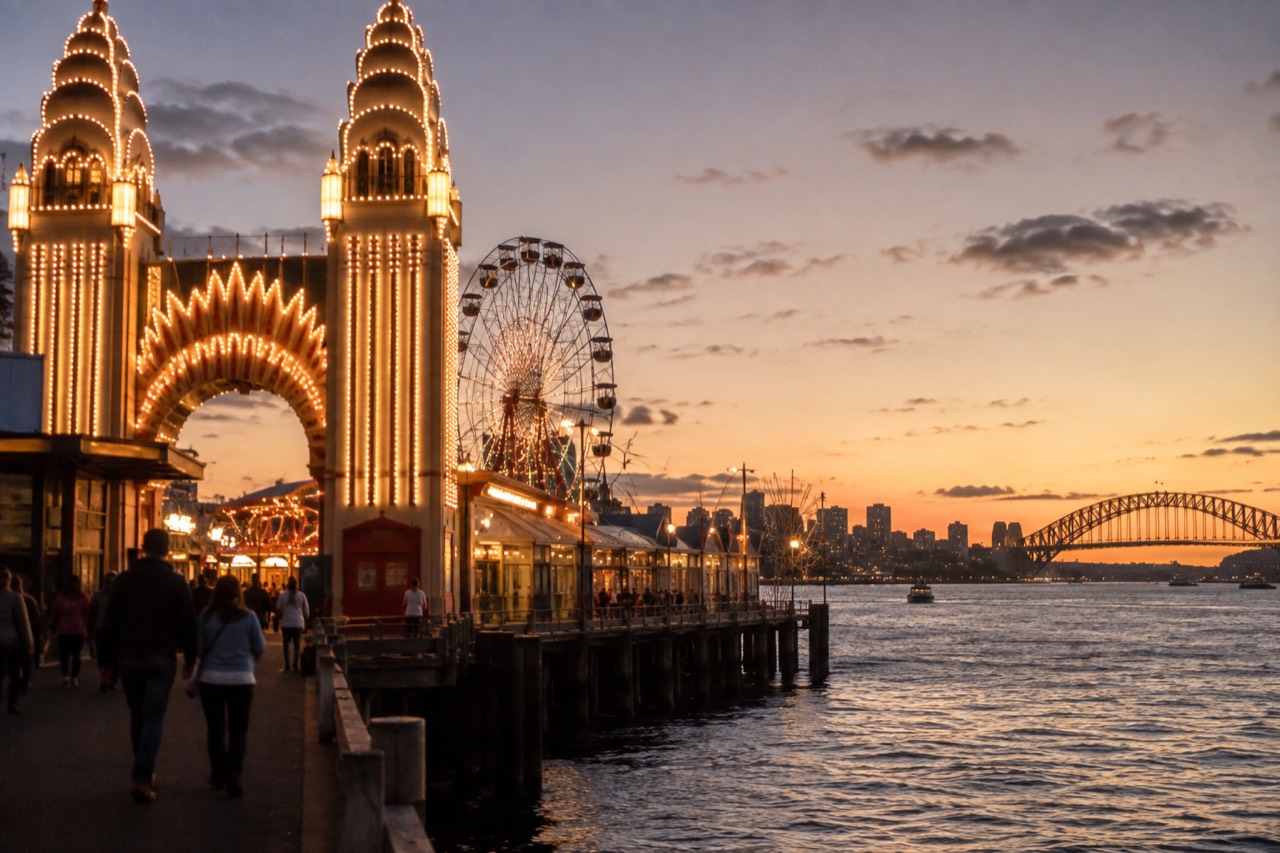
Luna Park Sydney is a heritage amusement park at Milsons Point, on the northern shore of Sydney Harbour directly beside the Harbour Bridge. Entry to the park itself is free, and rides are paid separately, with pricing set dynamically by the operator. It is a 3 minute walk from Milsons Point station or a short ferry ride from Circular Quay, and it pairs naturally with a harbour cruise or a trip up the Sydney Tower Eye.
The giant laughing face at Milsons Point is one of the most recognisable entrances in Australia, and it stares straight across the water at the Sydney Opera House. Luna Park Sydney is that rare thing, a heritage amusement park that still operates in the middle of a major city, wedged between the northern approach of the Sydney Harbour Bridge and the ferry wharves of the North Shore. This guide covers the practical questions: how entry and ride pricing actually work, the cheapest ways to get there, what the park is like with kids, and how to fold it into a wider Sydney itinerary. For the full spread of the city's headline sights, start with the Sydney Travel Guide homepage and work outward.
What Is Luna Park Sydney, and Why Does It Matter?
Luna Park Sydney is an amusement park at Milsons Point on Sydney's North Shore, sitting on the harbour foreshore immediately beside the northern end of the Sydney Harbour Bridge. It is a heritage-listed funfair rather than a modern theme park: entry to the grounds is free, rides are paid separately, and the whole park compresses into a compact waterfront site. The Ferris wheel and the entry face are visible from the harbour, the bridge walkway and the water, which makes the park as much a landmark as a destination.
That position is the point. Very few amusement parks in the world sit inside the postcard view of a major city, and Luna Park's Ferris wheel turns with the Opera House and Circular Quay in the background. The park is deliberately old-fashioned in spirit: a painted entry face, mid-century ride signage and a scale that means you can see the whole site in a single loop. It is not a full-day resort park in the mould of a big international theme park, and travellers who arrive expecting one are the ones who leave disappointed. Treat it as a two to three hour experience, or as an evening stop when the lights come on, and it earns its place.
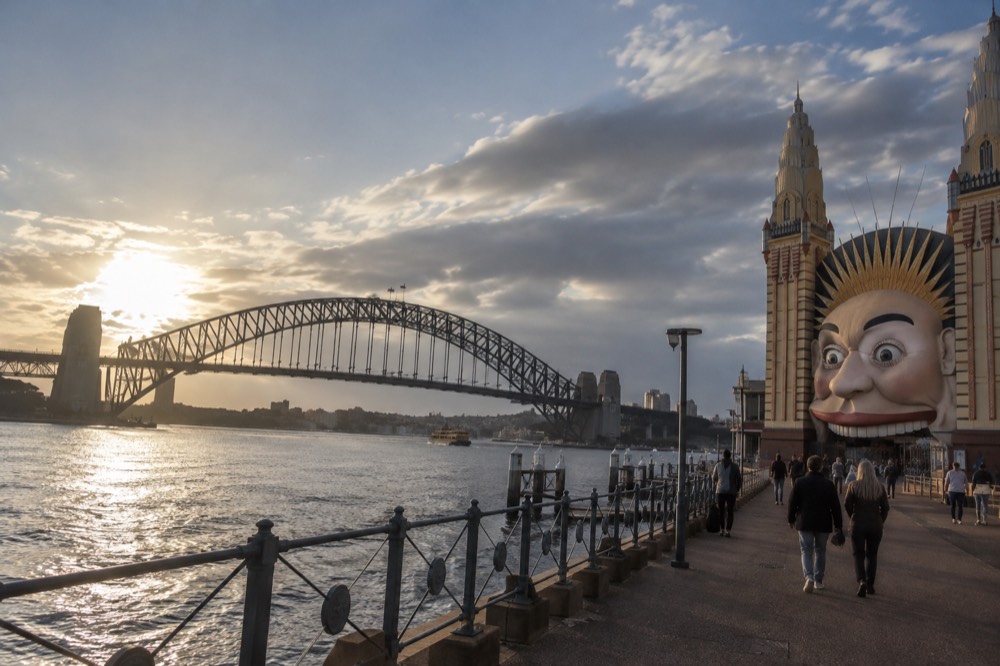
The park also gives the North Shore a purpose. Most first-time visitors never cross the harbour except for Manly, which leaves Kirribilli, Milsons Point and the bridge's northern walkway underused. Luna Park is the anchor that makes that side of the water worth crossing, especially in the early evening when the city lights up behind the rides. If you are building a first trip, our Sydney itinerary for first timers slots the North Shore into day two.
How Do You Get to Luna Park from the City?
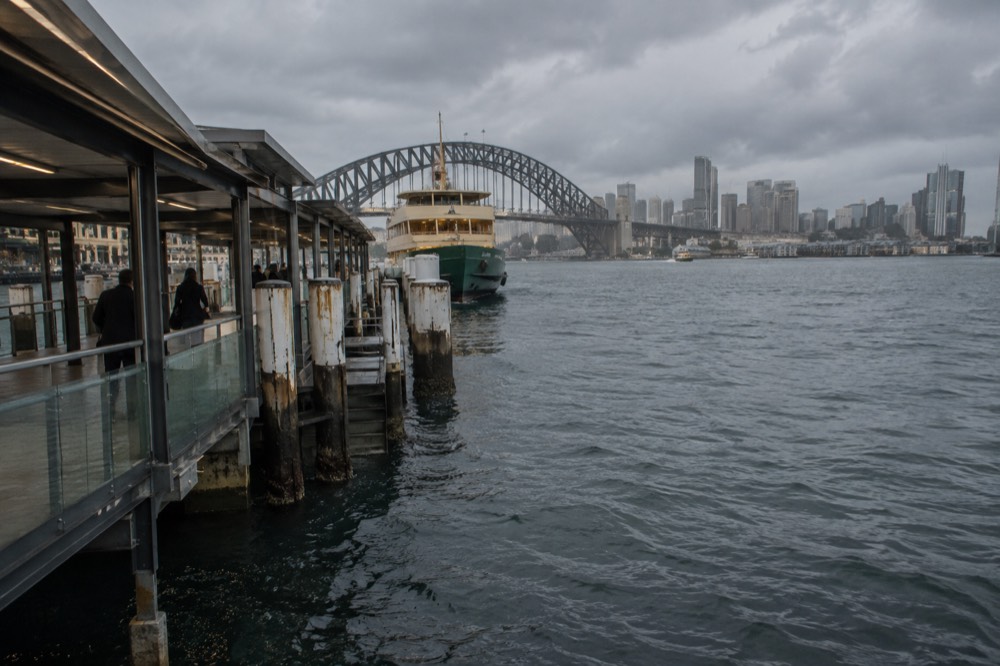
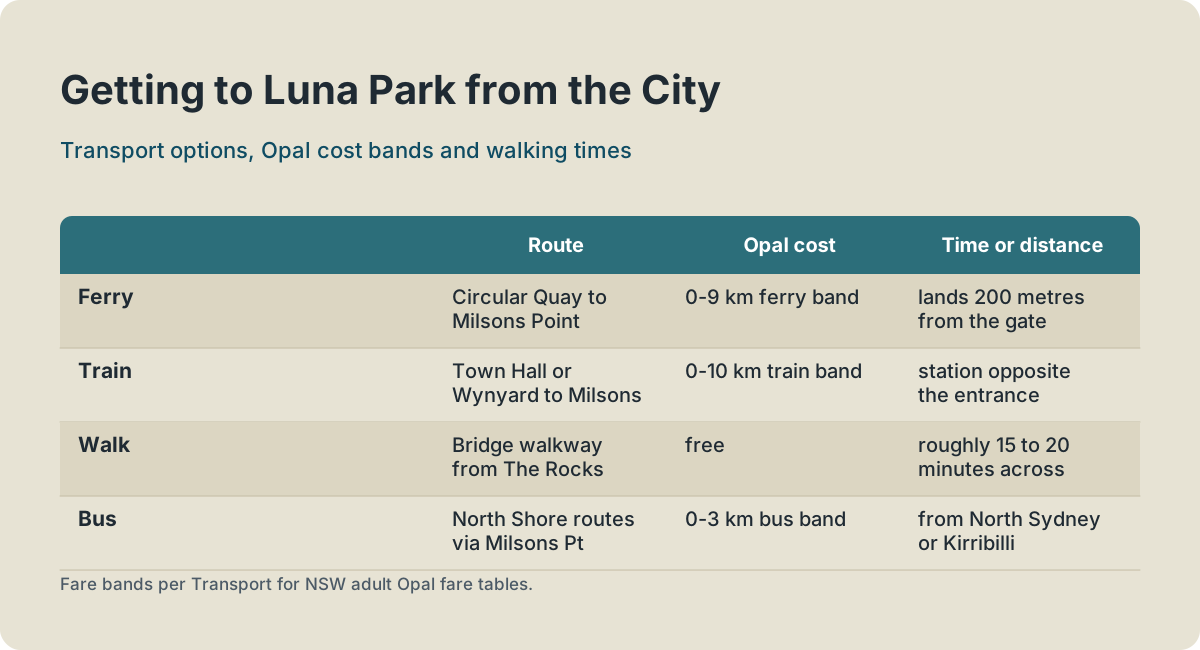
The easiest way to reach Luna Park is the ferry from Circular Quay to Milsons Point wharf, which lands about 200 metres from the park's entrance, or the train to Milsons Point station, which exits directly opposite. The ferry is the better choice on a first visit because the approach across the harbour is part of the experience. Walking is also possible: the Harbour Bridge's eastern pedestrian walkway lands at the northern end within easy reach of the park, roughly 15 to 20 minutes from The Rocks.
Both wharf and station sit inside the standard Opal fare system, so a contactless card or an Opal card covers the trip with the same caps and discounts. Transport for NSW publishes the ferry payment rules and the full adult fare tables on its own site, and those pages carry the live figures. The short ferry hop from Circular Quay falls in the 0 to 9 km band, which is the cheapest ferry fare on the network, and the train from Town Hall or Wynyard to Milsons Point is similarly a short-distance trip. The daily caps apply as normal, so a day that includes the ferry, a train and a bus stops costing more once the cap is hit.
| Option | Route | Approximate Opal cost | Why choose it |
|---|---|---|---|
| Ferry | Circular Quay to Milsons Point wharf | 0-9 km ferry band | Harbour approach, lands 200 metres from the gate |
| Train | Town Hall or Wynyard to Milsons Point station | 0-10 km train band | Fastest option, station is opposite the entrance |
| Walk | Harbour Bridge walkway from The Rocks | free | Best views, roughly 15 to 20 minutes across |
| Bus | North Shore routes via Milsons Point | 0-3 km bus band | Useful from North Sydney or Kirribilli |
The walk deserves a special mention because it costs nothing and delivers the single best sequence of views in the city: you leave The Rocks, climb the bridge's eastern walkway, watch the Opera House shrink behind you, and descend at Milsons Point with the park's face in front of you. Our guide to walking the Sydney Harbour Bridge covers the walkway access points and which side to use. Coming back, the ferry at dusk, with the rides lit up behind you, is one of Sydney's quiet free experiences.
If you are planning a wider week and want the transport detail in one place, the Opal card guide for visitors explains caps, contactless payments and the airport station fee.
Do You Have to Pay to Enter Luna Park, and How Does Ride Pricing Work?
Entry to Luna Park's grounds is free: you can walk in, look at the heritage entry face, take photos and soak up the atmosphere without buying anything. Rides are paid separately, and the operator prices ride passes dynamically, so the cost moves with demand, school holidays and session type. The park's own website is the only reliable source for current ride pricing, and it should be checked close to your visit date.
This free-entry model matters for how you plan. A family can split up: one adult takes the non-riding members into the park for the atmosphere and the photos, while riders buy a pass. Visitors who just want the view can walk through, ride nothing, and still get the two best pictures of the day, the face from outside and the skyline from inside the park. The dynamic pricing also means the same pass can cost different amounts on a Tuesday in term time and a Saturday in the school holidays, which is why no honest guide prints a fixed ride price.
What the park does publish is the structure: ride passes rather than individual tickets are the standard way to ride, and there are height requirements on the bigger rides, meaning small children may be limited to a narrower set. Check the operator's site for the current pass options, the height rules and any session times before you commit a full day. School holidays in New South Wales change both crowds and prices sharply, and our guide to Sydney public holidays and school holidays gives you the term-date context to plan around.
One planning note that saves money: Luna Park is not part of Sydney's multi-attraction combo passes. If your trip is attraction-heavy, the Sydney attraction passes compared guide shows which four attractions the big pass covers and where the break-even point sits.
What Are the Rides and the Park Actually Like?
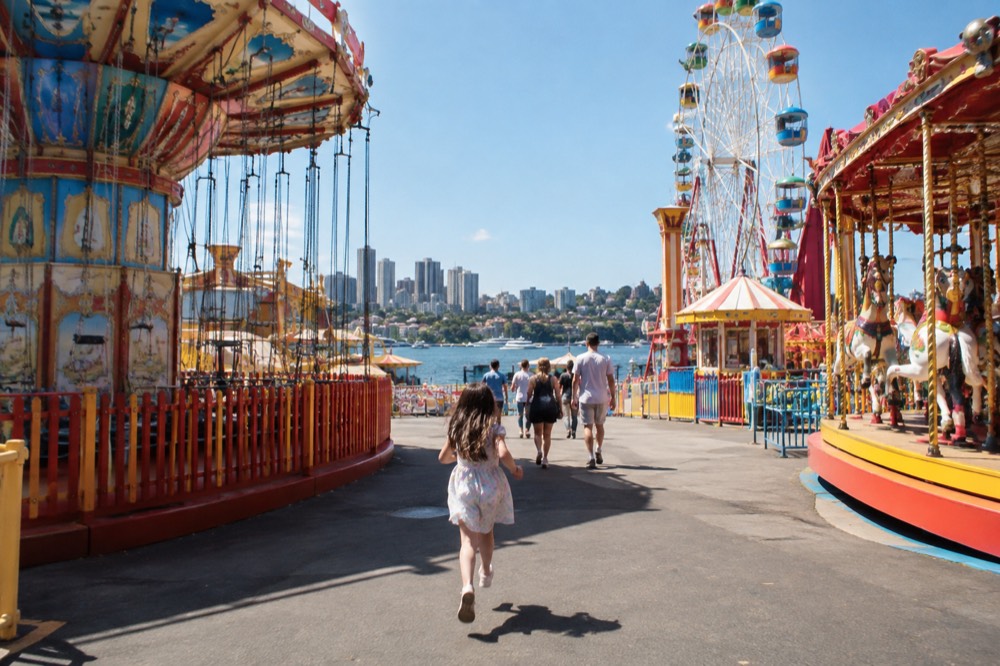
Luna Park is a compact, heritage-scale park: a Ferris wheel with harbour views, a classic wooden-flavoured rollercoaster, a range of spinning and family rides, and sideshow games under vintage signage, all inside a site you can cross in five minutes. It is louder, brighter and more nostalgic than a modern theme park, and the ride lineup skews toward thrill and family rather than immersive theming. Expect queues on peak days and a fast-moving, carnival-style atmosphere rather than a curated experience.
The Ferris wheel is the signature. From the top you look straight down the harbour toward the Opera House and the city skyline, and it is one of the few places in Sydney where the view comes bundled with a ride. The coaster is the park's thrill anchor and the item most likely to have a queue on weekends. Around them sit the mid-tier rides, the dodgem-style and spinning attractions, and the children's section, which is genuinely well suited to under-eights. The whole site is flat and small, which makes it one of the easiest attractions in Sydney to manage with small children: nothing is more than a couple of minutes' walk from anything else.
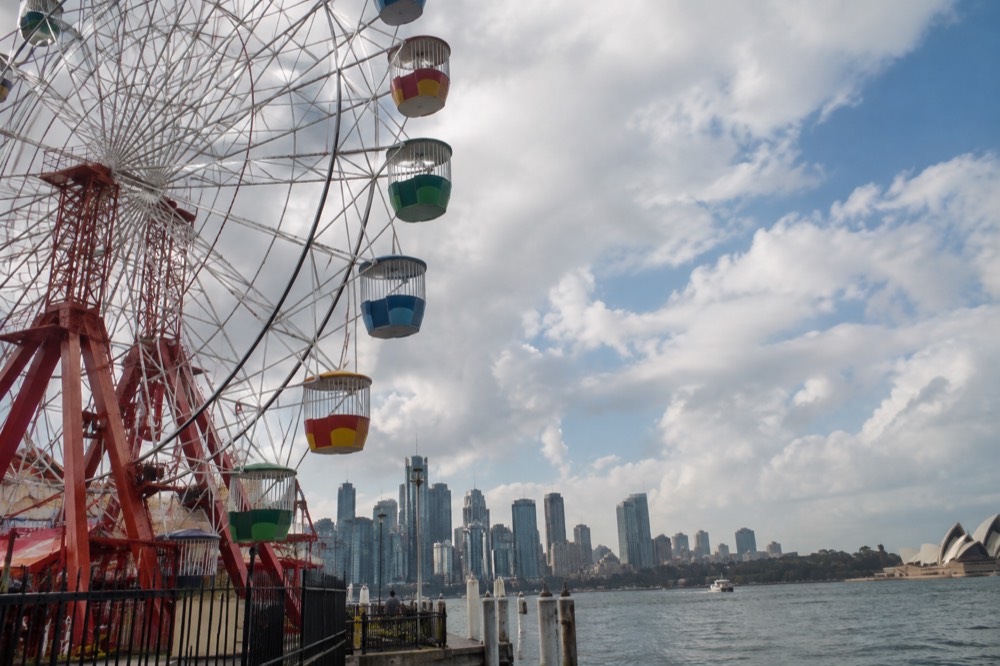
Honest expectations are the difference between loving this park and feeling short-changed. It is not a full-day destination for teenagers raised on international theme parks, and it is not trying to be. It works best in three modes: a two-hour family visit in the late afternoon, an evening lights-on stop after a North Shore walk, or a nostalgic add-on to a harbour day. Families planning a full kid-focused trip should read our Sydney with kids itinerary, which positions the park against Taronga Zoo, the aquarium and the beaches.
Is Luna Park Good for Kids and Families?
Yes, and it is one of the most practical attractions in Sydney for families with children aged roughly 4 to 12. The park is small, flat and fully walkable, the ride range covers both thrill-seekers and small children, and entry is free, so parents of non-riding toddlers pay nothing to be there. The two genuine constraints are height restrictions on the bigger rides and crowd levels during NSW school holidays, which can stretch queues badly.
The free-entry structure makes the park unusually low-risk for families. A parent with a child who is too small for the main rides has not paid for a ticket they cannot use, and grandparents or non-riding family members can come along at no cost. The compact site also means you never lose sight of older kids for long, which is not true of the bigger zoos and wildlife parks. Against that, the park offers little shade in summer afternoons, and the ride lineup will under-serve confident teenagers who want the intensity of a major theme park.
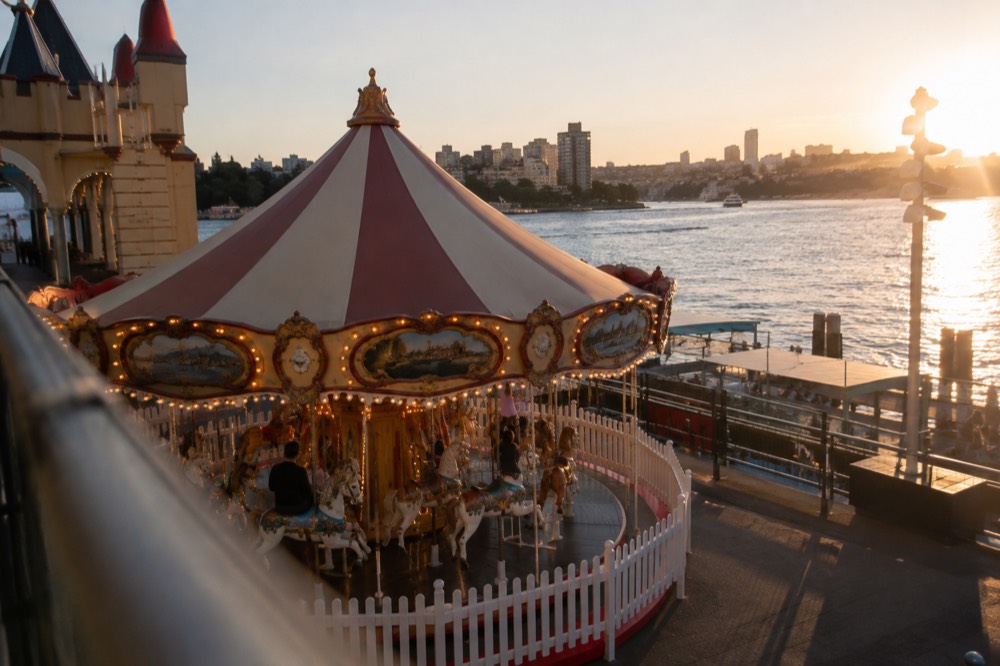
For a family week, the strongest pairings are Taronga Zoo, which is a short ferry ride away on the same wharf network, and SEA LIFE Sydney Aquarium across the water at Darling Harbour. The zoo comparison detail is in our Taronga Zoo guide, including the zoo-plus-ferry ticket that saves buying the ferry separately. If your children are beach age rather than ride age, the best beaches in Sydney guide will serve you better than a second hour at the funfair.
When Is the Best Time to Visit Luna Park?
The best time to visit Luna Park is a weekday afternoon outside NSW school holidays, arriving in the last daylight hour so you get the park in daylight and lit up at night. For weather, Sydney's long-run averages favour the cooler months: June is actually the city's wettest month while August is its clearest, so the shoulder and winter months often deliver more usable sky than the peak summer season. Evenings and weekends bring the biggest crowds.
That climate detail surprises most visitors. The Bureau of Meteorology's long-run averages for Sydney show June with 133.1 mm of mean rainfall, the wettest month of the year, while August records the most clear days of any month, 13.4 on average, and February the fewest, 5.3. Peak tourist season, the December to February summer, is statistically the cloudiest time of year in Sydney. None of this ruins a summer visit, but it does mean a winter or spring trip is not the compromise visitors from the northern hemisphere assume it is. The Bureau publishes the full Sydney climate normals for anyone who wants the whole table.
| Month | Mean daily max | Mean rain days | Notes for the park |
|---|---|---|---|
| December | 25.3 °C | 7.9 | Peak season, school holidays, biggest crowds |
| February | 25.8 °C | 9.0 | Cloudiest month on average, humid |
| April | 22.5 °C | 8.9 | Shoulder season, mild, good balance |
| June | 17.0 °C | 8.8 | Wettest month on average, smallest crowds |
| August | 17.9 °C | 7.1 | Clearest skies of the year, cool evenings |
| October | 22.2 °C | 7.9 | Warm again, spring school-holiday spikes |
Daylight saving matters here too. NSW runs on daylight saving from the first Sunday in October to the first Sunday in April, which pushes summer sunset past 8pm and means an evening visit in those months is comfortably warm. In winter the park experience shifts earlier: the lights come on sooner, the harbour views at dusk arrive before dinner, and you will want a jacket. The seasonal detail is unpacked in our best time to visit Sydney guide.
What Is Luna Park Like at Night?
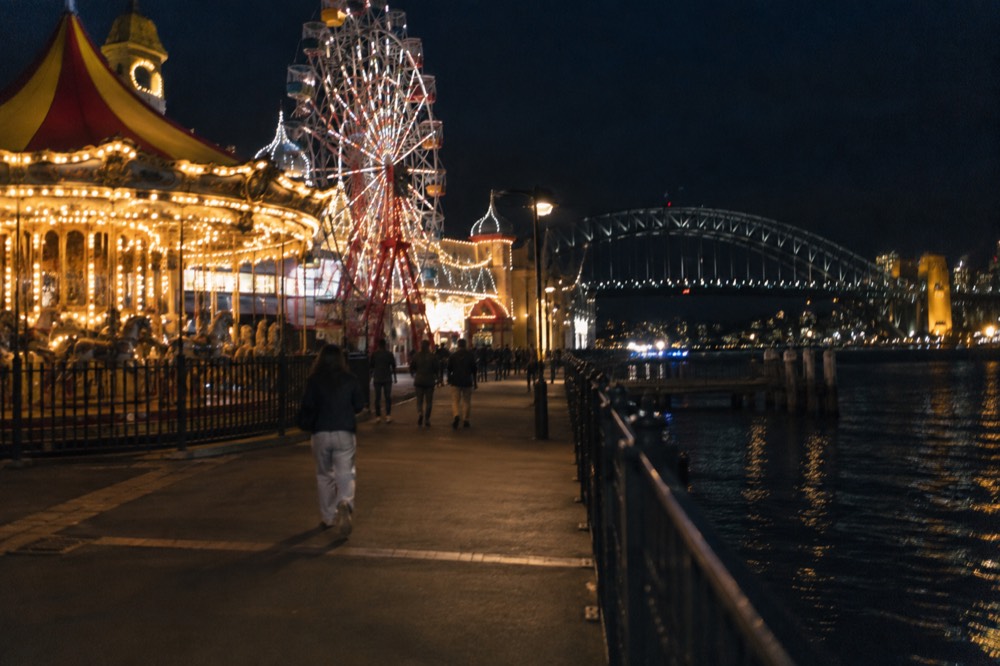
At night Luna Park becomes one of the best free-view experiences in Sydney: the rides light up, the heritage face glows, and the park's lights sit in the foreground of the harbour bridge and the city skyline. Even if you never enter, the view from Milsons Point wharf or the Kirribilli side at night is a genuine Sydney highlight. The park's own evening opening hours vary by season and demand, so check the operator's site before planning a night ride.
The night version of this park is arguably better than the day version. The rides' lighting gives the North Shore a landmark that answers the Opera House across the water, and the position under the bridge means every photograph carries the bridge's structure in frame. For photographers this is one of the stops on the standard harbour circuit: Luna Park at night, then Kirribilli for the Opera House view, then the ferry home. Our Sydney photography spots guide places it in that sequence.
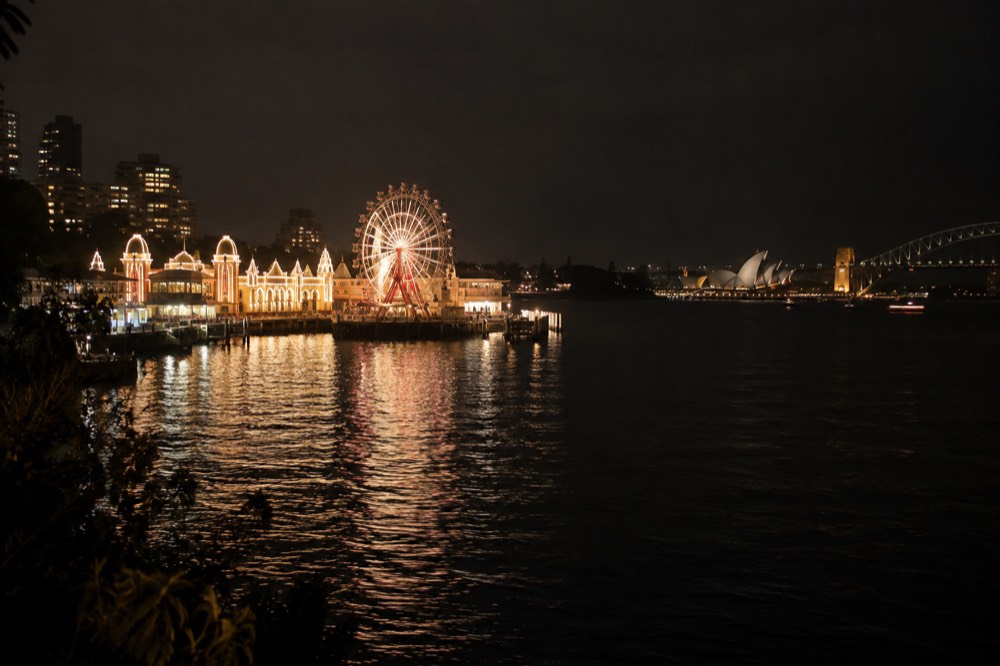
Night is also when the park fits an adults' itinerary. The things to do in Sydney at night guide slots the Milsons Point lights between dinner in The Rocks and a nightcap in the city, and the ferry or train home runs late enough on weekends to make it practical. One caution: the park's own opening hours are seasonal and event-driven, and it sometimes closes for private events, so an evening trip should be confirmed against the operator's schedule the same day.
How Do You Pair Luna Park with the Rest of the Harbour?
The strongest pairing is a half-day North Shore loop: walk the bridge from The Rocks, visit Luna Park, then take the ferry from Milsons Point back to Circular Quay, which turns the park into one leg of a circular harbour tour. Add Kirribilli's viewpoint and Lavender Bay on foot, or cross to Taronga Zoo on the same ferry network. For a bigger sightseeing day, a harbour cruise and the Sydney Tower Eye both combine naturally with an evening at the park.
The geography does the work. Luna Park sits within a 10 minute walk of Kirribilli, Lavender Bay and the bridge's northern lookouts, so the park anchors a walkable corner of the North Shore that most visitors skip entirely. The ferry wharf at Milsons Point then connects you onward: back to Circular Quay in a few minutes, or onward along the North Shore wharves. A sightseeing cruise that departs from Circular Quay fits the same day, because you can cruise in the morning, ferry to Milsons Point in the afternoon, and be under the park's lights by evening. The sightseeing cruise runs from US$28.53 and is the cheapest structured way to see the harbour from the water.
| Pairing | Distance or link | Best combined plan |
|---|---|---|
| Harbour Bridge walk | walkway lands at Milsons Point | Walk over from The Rocks, park, ferry back |
| Kirribilli and Lavender Bay | short walk east | Photos, harbour-side lunch, then the park |
| Taronga Zoo | ferry from Milsons Point area | Zoo in the morning, park in the late afternoon |
| Sydney Tower Eye | ferry to Circular Quay, short walk | Tower in the morning, park at night |
| Harbour sightseeing cruise | departs Circular Quay | Cruise the harbour, then ferry to Milsons Point |
The Sydney Tower Eye pairing deserves a line of its own. The observation deck gives you the whole city spread out below, including a top-down view of the very bridge and park you will stand under later, and the deck's advance pricing is materially cheaper than the walk-up rate on the operator's own price table. Seeing the harbour from above in the morning and from inside the funfair at night is a genuinely good one-two. Check availability for the deck if that pairing appeals.
For the wider North Shore picture, including Manly and the Northern Beaches ferry links, read the Sydney Northern Beaches guide. If you are weighing the funfair against the city's other paid attractions, the is the Sydney attractions pass worth it article runs the numbers on the four-attraction combo.
What Should You Know Before You Go?
Check the operator's site on the day: opening hours are seasonal and the park sometimes closes for private events or weather. Bring a contactless card rather than cash, since the surrounding transport is fully tap-on. Avoid NSW school holidays if you dislike queues, and plan to arrive in the last daylight hour so one visit covers the park in both daylight and lights-on mode. The park is flat, compact and stroller-friendly, but shade is limited on hot afternoons.
A few practical notes round it out. The park's food is carnival-standard, and the smarter move is to eat in Kirribilli or McMahons Point before entering, then use the park for rides and photos. Rain is not a dealbreaker for the surrounding walk, but rides close in strong wind and storms, which matters more in June, the wettest month on the long-run averages. If you are visiting across the December to January school holidays, book nothing on arrival day: the bridge walk, the park and the ferry are all things you want to do with slack in the schedule.
Common Questions About Luna Park Sydney
Is entry to Luna Park Sydney free?
Yes, entry to the park grounds is free. You only pay for rides, which are sold as passes priced dynamically by the operator. Check the park's own website for current pass pricing and session times.
How do I get to Luna Park from Circular Quay?
Take the ferry to Milsons Point wharf, which is about 200 metres from the entrance, or the train one stop to Milsons Point station, which exits opposite the park. Both accept contactless payment under the standard Opal fares and caps.
How long should I spend at Luna Park?
Plan for two to three hours. The park is compact and the ride lineup is quickly covered, so it works best as a late-afternoon or evening stop combined with the Harbour Bridge walk or a ferry trip, rather than as a full-day destination.
Is Luna Park good for young children?
Yes, for roughly ages 4 to 12. The site is flat and small, there is a dedicated children's ride section, and non-riding family members pay nothing to enter. Height restrictions apply on the bigger rides, so check the operator's height rules before buying passes.
When is Luna Park least crowded?
Weekdays outside NSW school holidays, especially in the late afternoon. School holidays, weekends and event nights bring the biggest queues, and the park's own opening hours vary seasonally, so confirm the schedule on the day.