Sydney Gardens and Parks: The Complete Visitor Guide
Sydney's park network is unusually generous: the flagship Royal Botanic Garden is free, the lawns wrap around the harbour, and the clearest skies of the year arrive in August, not summer.
Short answer
Sydney's best gardens are mostly free. The Royal Botanic Garden Sydney charges nothing and opens 7am to sunset daily, the Australian Museum and Art Gallery of NSW are also free, and the Blue Mountains National Park is free outside Glenbrook. Only a handful of sites, such as The Calyx's donation entry and Taronga Zoo, cost anything at all.
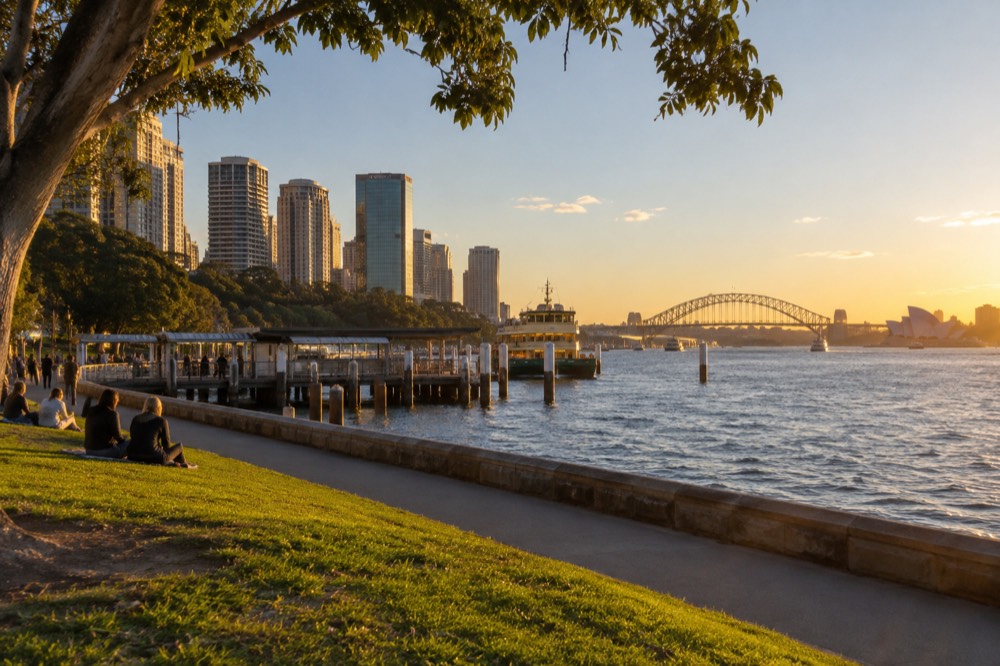
Sydney is a city that hides its biggest freebie in plain sight. The Royal Botanic Garden Sydney, the harbourside stretch of green that wraps around the Opera House and Farm Cove, charges nothing for entry and opens from 7am to sunset every day of the year. Many visitors walk straight through it between the Opera House and Mrs Macquarie's Chair without realising they are inside one of the oldest botanic gardens in the southern hemisphere.
That sets the tone for the whole park network. The Royal Botanic Garden Sydney is free, Hyde Park and The Domain are free, Barangaroo's headland park is free, and even the Blue Mountains National Park charges nothing outside the Glenbrook area. This guide covers which gardens and parks are worth your time, what they cost, when to go, and how to fit several of them into a single day on foot.
Which Sydney Gardens and Parks Are Actually Free?
Almost all of them. The Royal Botanic Garden Sydney is free and opens 7am to sunset daily, Hyde Park and The Domain cost nothing, and Barangaroo Reserve is free as well. The Australian Museum (daily 10am-5pm) and the Art Gallery of New South Wales (daily 10am-5pm, Wednesdays to 10pm) both offer free general entry. The only common charges are The Calyx's donation entry, ticketed temporary exhibitions, and the national parks that levy a per-vehicle fee.
The free list surprises people who assume a city this expensive must ticket its flagship garden. The official garden page states it plainly: entry is free, and the gates open at 7am every morning, with closing time tied to sunset so it shifts through the year. In December and January that means the garden stays open until around 8pm; in mid-winter it closes closer to 5pm.
The Calyx, the garden's glasshouse exhibition space, is entry by donation rather than free outright, and it can close for private events or in extreme heat. If a specific exhibition matters to your visit, check the garden's what's-on listings before you go.
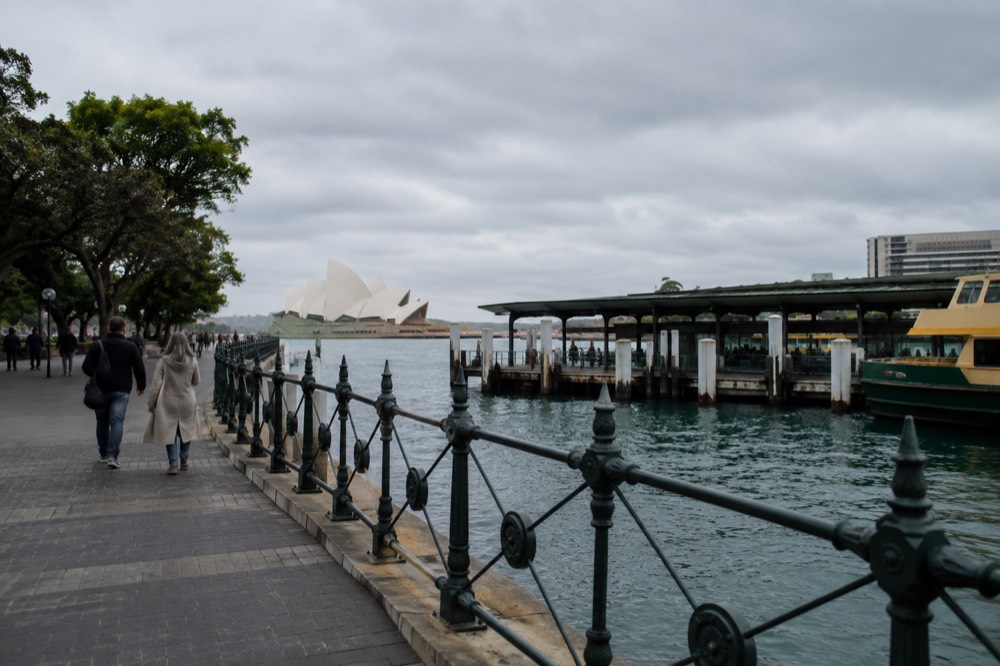
The pattern repeats across the cultural institutions that sit inside or beside the parks. The Australian Museum is free for general entry, open daily 10am to 5pm and closed only on Christmas Day, with major temporary exhibitions ticketed separately. The Art Gallery of New South Wales, on the edge of The Domain, is also free for general entry and stays open until 10pm on Wednesdays, a detail almost nobody publishes. Which exhibitions carry a fee changes through the year, so treat the ticketed list as moving rather than fixed.
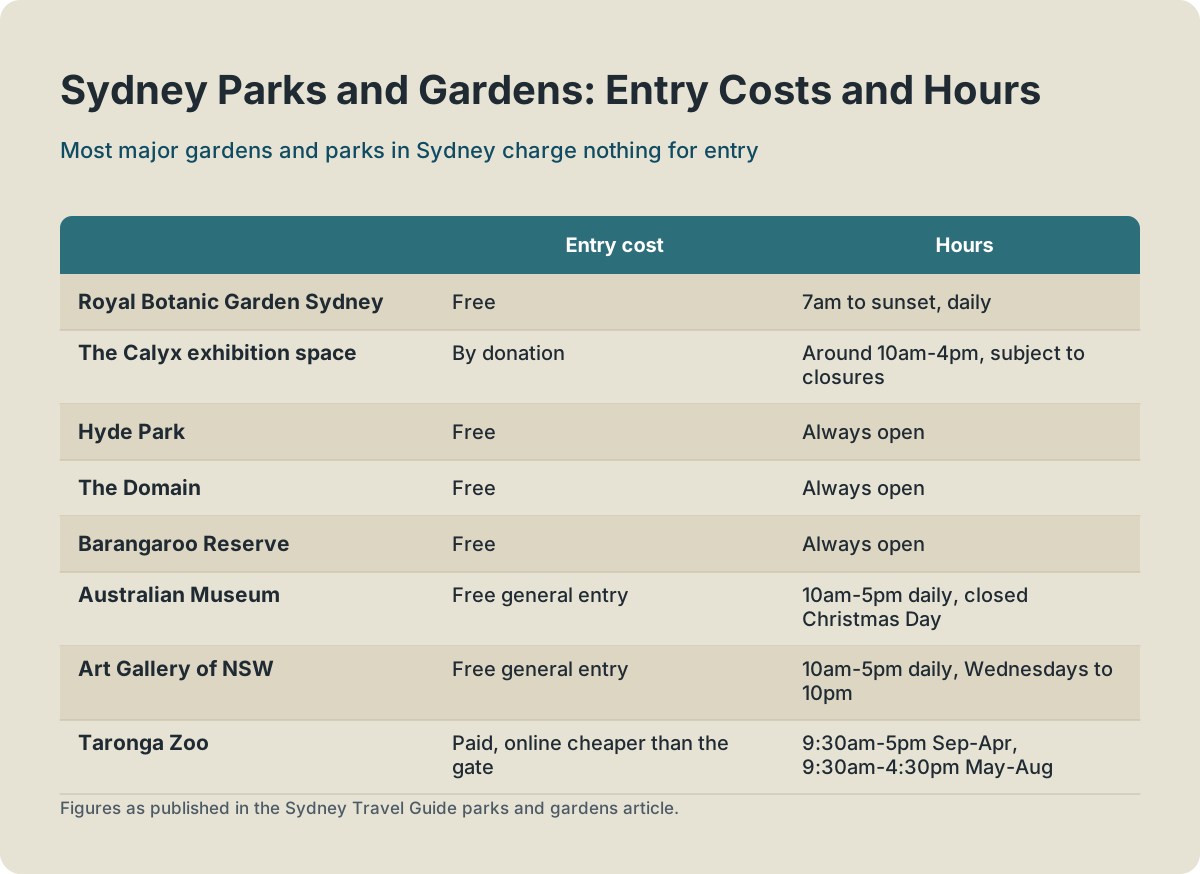
Here is how the main free and paid sites stack up:
| Site | Entry cost | Hours (where published) |
|---|---|---|
| Royal Botanic Garden Sydney | Free | 7am to sunset, daily |
| The Calyx exhibition space | By donation | Around 10am-4pm, subject to closures |
| Hyde Park | Free | Always open |
| The Domain | Free | Always open |
| Barangaroo Reserve | Free | Always open |
| Australian Museum | Free general entry | 10am-5pm daily, closed Christmas Day |
| Art Gallery of NSW | Free general entry | 10am-5pm daily, Wednesdays to 10pm |
| Taronga Zoo | Paid, online cheaper than the gate | 9:30am-5pm Sep-Apr, 9:30am-4:30pm May-Aug |
One more freebie worth knowing: the national parks. The Blue Mountains National Park charges $8 per vehicle per day, but only in the Glenbrook area. Katoomba, Blackheath, Wentworth Falls and the Three Sisters carry no park entry fee at all, a fact that catches out day-trippers who budget for one. Fees are per vehicle, so arriving by train or on foot avoids them at almost every Sydney park.
What Are the Best Parks in Sydney's City Centre?
The three that matter are the Royal Botanic Garden, Hyde Park and The Domain, all walkable from Circular Quay in under 30 minutes. The botanic garden is the headline act: free entry, harbour frontage, and the Opera House at its northern tip. Hyde Park is the formal city-centre avenue of fig trees between the Australian Museum and St Mary's Cathedral, and The Domain is the open lawn that hosts the Art Gallery of NSW on its eastern edge.
Start at the Opera House and walk south. The route takes you through the botanic garden's northern reaches, past Farm Cove's curved seawall, and up to Mrs Macquarie's Chair, the carved sandstone bench with the single best framed view of the Opera House and Harbour Bridge together. The whole walk is about 1.5 kilometres of flat, sealed path, and it costs nothing.
Hyde Park is smaller and more formal: a central avenue lined with mature fig trees, a fountain at the Archibald Memorial end, and the Anzac Memorial at the southern end. It functions as the city's lunch lawn, and it sits directly opposite the Australian Museum, which makes the pair an easy half-day combination. The park is a 10-minute walk from Town Hall station.
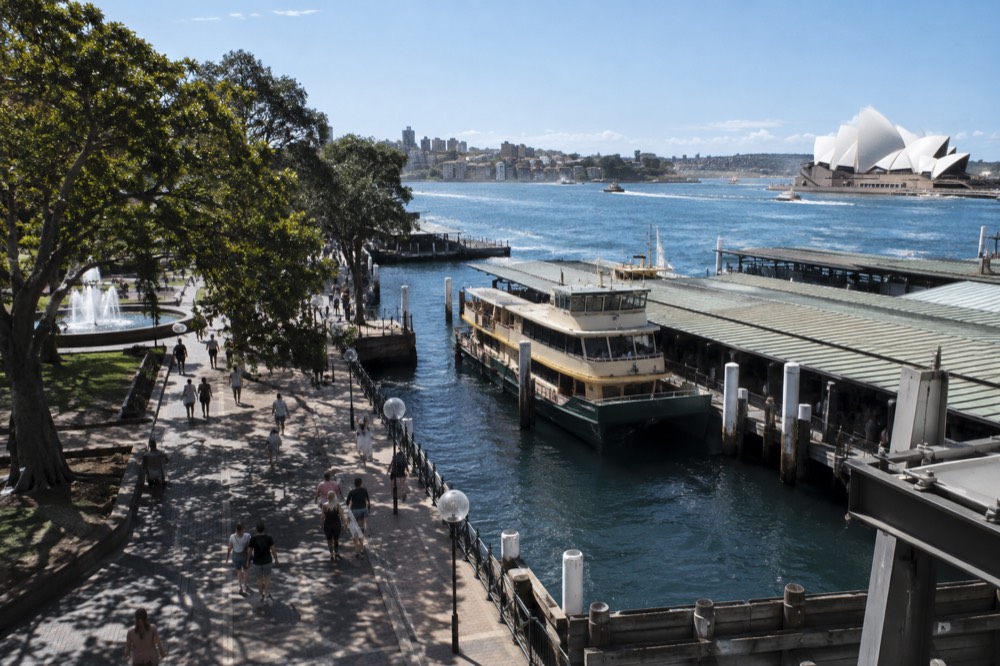
The Domain is the connective tissue between them. It is a broad open parkland that separates the botanic garden from the Art Gallery, and it hosts large free public events through the year, including open-air screenings during festival season. On any ordinary day it is simply a big, pleasant lawn with harbour glimpses.
If you are pairing the gardens with the paid icons, a [sightseeing pass](https://gocity.tpk.ro/rUvgw2vS) can make sense. The four-attraction combo pass bundles the Tower Eye, SEA LIFE, WILD LIFE and Madame Tussauds, and it suits families who want the observation-deck view over the garden rooftops plus a rainy-day backup.
The Tower Eye is the natural companion to a garden day for one reason: it shows you the shape of the green network from 250 metres up. From the observation deck you can trace the botanic garden's outline, see Hyde Park's fig avenue cutting through the CBD towers, and pick out the harbour coves you walked past an hour earlier. Book ahead rather than on the day; the operator's own price table shows advance tickets come in well below the walk-up rate, and children under 16 must be accompanied by an adult.
Where Can You Picnic or Laze by the Harbour?
Barangaroo Reserve is the best modern option, a rebuilt headland of sandstone terraces directly west of Circular Quay, about a 15-minute walk from the botanic garden. The Royal Botanic Garden's lawns and The Domain both allow relaxed use, and the Sydney picnic spots guide covers the full spread of foreshore options. Bring your own food: none of these parks have a required spend, and the free entry makes the whole outing a genuine budget day.
Barangaroo is the newest of the major parks, built on the site of old container wharves and opened as a sandstone-block headland with stepped lawns, native planting and a harbour-edge walking circuit. It connects to Darling Harbour in one direction and to the southern end of the Harbour Bridge in the other, so it slots neatly into a foreshore walk. Unlike the botanic garden it has almost no shade trees yet, which makes it a morning or late-afternoon spot in summer rather than a midday one.
The botanic garden's lawns are the classic choice, and the free things to do in Sydney roundup rightly puts the whole precinct near the top. You can picnic on the Farm Cove lawns with the Opera House in view, then walk five minutes to the Art Gallery for the afternoon. On Wednesdays the gallery's late opening turns that into an evening: picnic until sunset, then inside until 10pm at no cost.
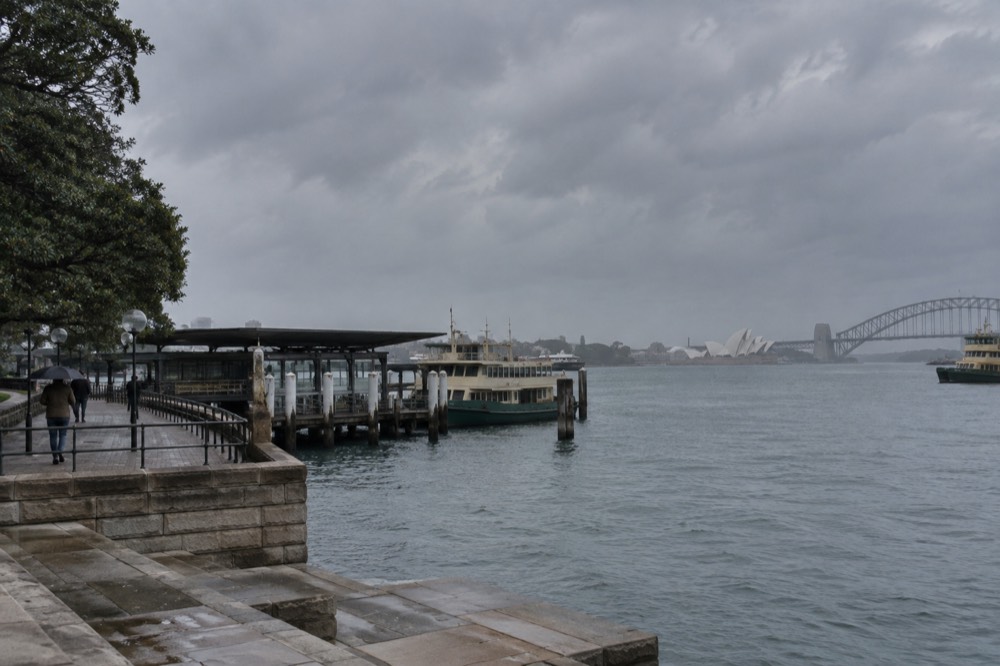
A harbour picnic day pairs well with a water view from offshore. The morning and afternoon sightseeing cruises depart from Circular Quay and Darling Harbour, run about 90 minutes, and give you the foreshore parks from the water, which is the only angle from which you can see the botanic garden, The Domain and Barangaroo in one sweep. Other pages covering the same trip are gathered on Sydney Travel Guide.
If a cruise sounds appealing but you want to keep the budget honest, weigh it against the free alternatives first. The Manly ferry costs a few dollars on Opal and delivers a full harbour crossing with the same skyline, so the cruise is really about the guided commentary and the loop route rather than the view alone. Families with several paid attractions on their list, though, will usually come out ahead bundling them, and that is exactly what the combo pass below is for.
For food to carry into the park, the Sydney food guide maps the delis and bakeries worth detouring for, and the Rocks weekend markets sit a short walk from the botanic garden's northern gate. If you would rather have the eating organised for you, the Secret Food Tours six-tasting walk covers Chinatown and the city's food history in about three and a half hours, and it finishes close enough to the botanic garden to end the day on a free lawn.
Which Gardens Are Worth Travelling Outside the CBD For?
The Blue Mountains lookouts and the Royal National Park are the two big excursions, and both are cheaper than visitors expect: the Blue Mountains National Park is free outside Glenbrook, and the Royal National Park charges $12 per vehicle per day. Closer in, Centennial Parklands in the eastern suburbs and the harbourside pockets of the North Shore, such as the foreshore walks around Kirribilli and Mosman, fill a half day without a long trip.
The Blue Mountains is the standout. The Katoomba and Three Sisters guide covers the lookouts, and the park's fee structure is the pleasant surprise: no entry charge at Katoomba, Blackheath or Wentworth Falls, only $8 per vehicle in the Glenbrook area near the park's eastern edge. Arriving by train from Central sidesteps even that. Check the live NPWS alerts before you go, because several tracks and roads in the mountains have staged closures running into late 2026.
The Royal National Park, the world's second-oldest national park, sits an hour south of the city and charges $12 per vehicle per day, with an extra per-person charge only for vehicles over eight seats. The Royal National Park guide covers the coastal walk and the Figure Eight Pools, and the day trips from Sydney by train page handles the car-free options.
Here is the fee picture for the parks a visitor actually drives to:
| Park | Vehicle entry fee | Cheapest way in |
|---|---|---|
| Blue Mountains NP (Glenbrook area only) | $8 per day | Train to Katoomba, no fee |
| Royal National Park | $12 per day | Train to Cronulla plus ferry/walk |
| Ku-ring-gai Chase NP | $12 per day | Ferry to Manly and walk |
| Sydney Harbour NP: North Head | $5 per day | Ferry to Manly plus short bus |
| Sydney Harbour NP: Bradleys Head | $8 per day | Ferry to Taronga Zoo wharf |
| Lane Cove NP | $8 per day | Bus from Chatswood |
The Sydney Harbour National Park fragments are the underrated ones. Bradleys Head, a short ferry hop from Circular Quay, has a headland amphitheatre with a direct view down the harbour to the Opera House, and Chowder Bay near Mosman threads bush tracks around military-era buildings. Neither takes more than a couple of hours, and both are covered in the Sydney ferries guide since the ferry ride is half the experience.
Closer to the centre, Centennial Parklands deserves more attention than it gets from visitors. It is a large Victorian-era park in the eastern suburbs with a grand circular drive, horse-riding stables, dedicated cycle paths and wide barbecue lawns, and it sits between Paddington and Randwick, a short bus ride from Oxford Street. Locals treat it as their running and picnic ground, and on weekends the cycling loop fills with families. It makes a good half-day pairing with the Paddington terrace streets or the Centennial Parklands-adjacent eastern suburbs coastline.
When Is the Best Time of Year to Visit Sydney's Gardens?
August is the statistical sweet spot: it has the most clear days of any month in Sydney, 13.4 on average, against February's 5.3, and the gardens are quiet. Spring (September to November) brings the flowering season and rising temperatures, while summer (December to February) is peak tourist time and, counterintuitively, the cloudiest part of the year. June is the wettest month, with 133.1 mm of rain on average.
That June figure is the fact most Sydney content gets wrong. The long-run Bureau of Meteorology averages for Observatory Hill show rainfall peaking in autumn and early winter, not summer: June averages 133.1 mm, more than any summer month, while September averages just 68.1 mm. February, the middle of peak season, is the cloudiest month of the year. If you are coming for garden photographs rather than beach weather, the data points you at late winter and spring.
Temperatures are mild enough for park visits year-round. The long-run averages run from a January mean maximum of 26.0 °C to a July mean maximum of 16.4 °C, with overnight lows rarely below 8 °C. Rain falls on about 99.5 days a year, roughly one day in four, so a garden day is a safe bet most of the time. The best time to visit Sydney guide unpacks the trade-offs month by month.
| Month | Mean max °C | Mean rainfall mm | Mean clear days |
|---|---|---|---|
| January | 26.0 | 101.2 | 6.8 |
| February | 25.8 | 119.3 | 5.3 |
| April | 22.5 | 126.5 | 9.1 |
| June | 17.0 | 133.1 | 9.1 |
| August | 17.9 | 80.2 | 13.4 |
| September | 20.1 | 68.1 | 10.9 |
| November | 23.7 | 83.8 | 6.0 |
One planning note that matters for garden days: UV. Sydney exceeds the protection threshold of UV index 3 for most of the year and reaches extreme levels of 11 or more in summer, so shade and sunscreen belong in your kit even on an overcast February afternoon, not just at the beach. The Bureau of Meteorology publishes the climate averages behind these figures at its Observatory Hill station page.
What Can You Do in Sydney's Parks Besides Walking?
Plenty. The botanic garden runs paid tours and free seasonal events, The Domain hosts large open-air gatherings and festival screenings, Centennial Parklands is the city's cycling and horse-riding hub, and the harbour parks carry Aboriginal heritage sites and colonial-era fortifications. Cycling tours run two to five hours and cover the foreshore parks in a way walking cannot, and the coastal walks thread through beachside parkland the whole way.
The cycling in Sydney guide covers the bike network, and a guided bike tour is a genuinely efficient way to see the botanic garden, Hyde Park, The Domain and Barangaroo in a single morning, since the flat foreshore paths link all four. Tours run from two to five hours and supply the bike and helmet.
For the structured version of the same ground, the Sydney walking tours page compares the guided options, including the Rocks walks that start at the botanic garden's northern edge. The Rocks itself, covered in the dedicated Rocks guide, is a heritage precinct rather than a park, but its sand laneways and harbour terraces read as an extension of the green network.
Beyond the city core, the options widen fast. The Bondi to Coogee coastal walk passes through beachside parks and ocean pools at every beach, the Manly and Shelly Beach area wraps a marine reserve in parkland, and the Sydney hidden gems guide collects the small harbourside gardens that never make the itineraries. Whale season adds a seasonal bonus: from May to November, humpbacks pass the headlands of the harbour and Royal national parks, with the southbound migration bringing mothers and calves closer to shore from August to November.
If your park days need a paid anchor, the trio below covers the main combinations: the attraction pass for the indoor icons, the harbour cruise for the water angle, and the food tour for the eating.
Common Questions About Sydney Parks and Gardens
Is the Royal Botanic Garden Sydney free?
Yes, entry is free and the garden opens from 7am to sunset daily. The Calyx exhibition space inside the garden is entry by donation and can close for private events or extreme heat.
What is the best park in Sydney's city centre?
The Royal Botanic Garden is the standout: free entry, harbour frontage, and the Opera House at its northern tip. Hyde Park and The Domain sit within a 15-minute walk and complete the central green network.
When is the best month to visit Sydney's gardens?
August has the most clear days of any month, 13.4 on average, while June is the wettest with 133.1 mm of rain. September and October combine low rainfall with spring flowering and warming temperatures, which suits garden visits well.
Does the Blue Mountains National Park charge entry?
Only in the Glenbrook area, at $8 per vehicle per day. Katoomba, Blackheath and Wentworth Falls carry no entry fee, and arriving by train avoids the charge entirely.
Can you picnic in Sydney's parks?
Yes. The botanic garden lawns, The Domain, Hyde Park and Barangaroo Reserve all welcome picnics and none charges entry. Bring your own food, since the surrounding outlets are where the cost sits.
Are Sydney's parks patrolled or supervised?
The city parks are unsupervised but busy and generally safe during daylight. For harbour swimming spots near parkland, follow the Beachwatch advice: stay out of the water for up to one day after heavy rain at ocean beaches and up to three days at harbour swim sites.