Sydney Zoo at Bungarribee: A Complete Visitor Guide
Sydney Zoo at Bungarribee is the newer of Sydney's two major zoos, set in the Western Sydney Parklands and built around wide, flat walkways and a strong focus on Australian native animals. This guide covers how to get there, how it compares with Taronga Zoo, and how to plan the day.
Short answer
Sydney Zoo sits at Bungarribee in the Western Sydney Parklands, roughly 40 kilometres west of the Sydney CBD, and is best reached by car or by train to a nearby station plus a connecting bus. It is the newer of Sydney's two major zoos, with flat, pram-friendly paths and a strong Australian native animal focus. Taronga Zoo, by contrast, is 12 minutes by ferry from Circular Quay.
Sydney has two major zoos, and most visitors only ever hear about one of them. Taronga Zoo, perched on the harbour's north shore with a postcard view of the Opera House, gets the ferry, the postcards and the crowds. Sydney Zoo at Bungarribee, out in the Western Sydney Parklands near Eastern Creek, is the newer, flatter, quieter alternative, and for some travellers it is genuinely the better pick. This Sydney Travel Guide page walks through what Sydney Zoo is, how to reach it without a car, how it stacks up against Taronga, and how to build a full day around it.
What Is Sydney Zoo at Bungarribee?
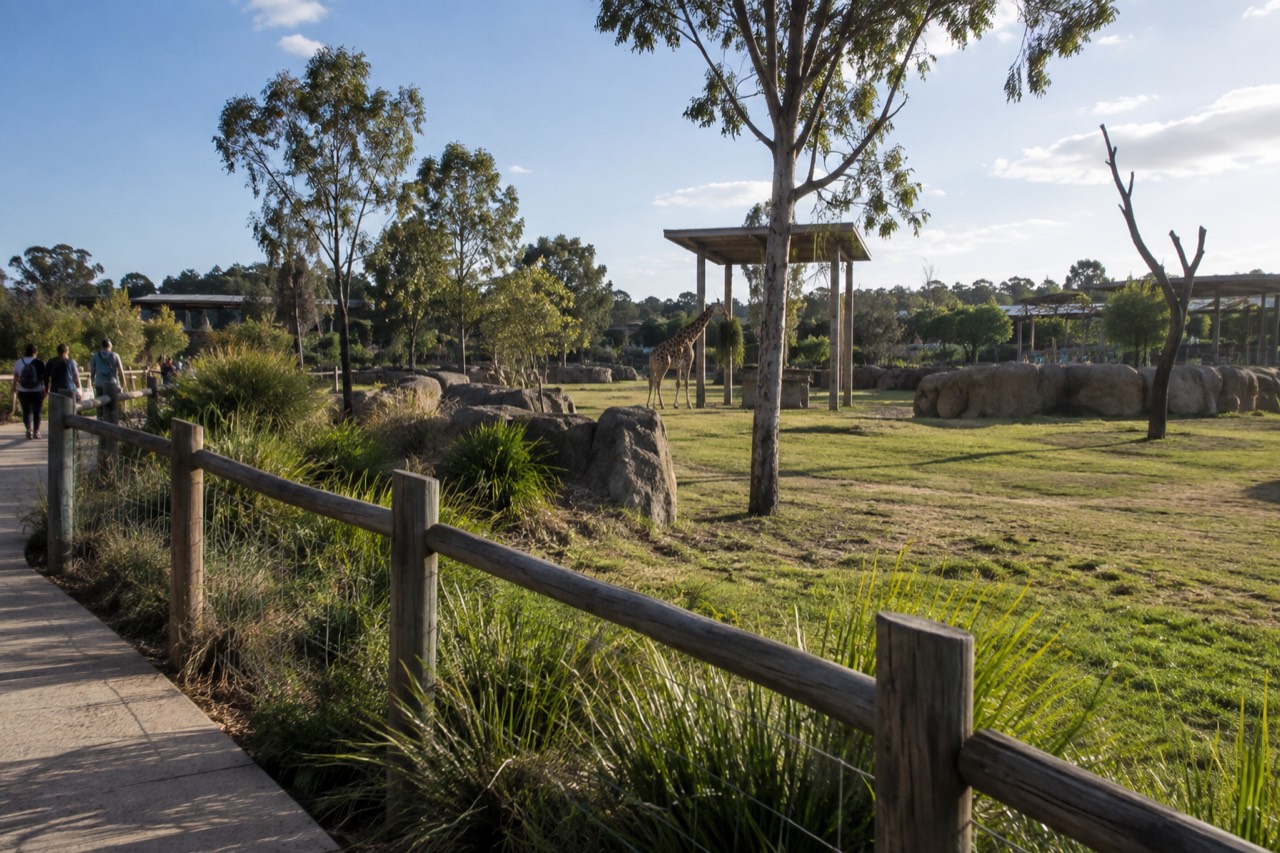
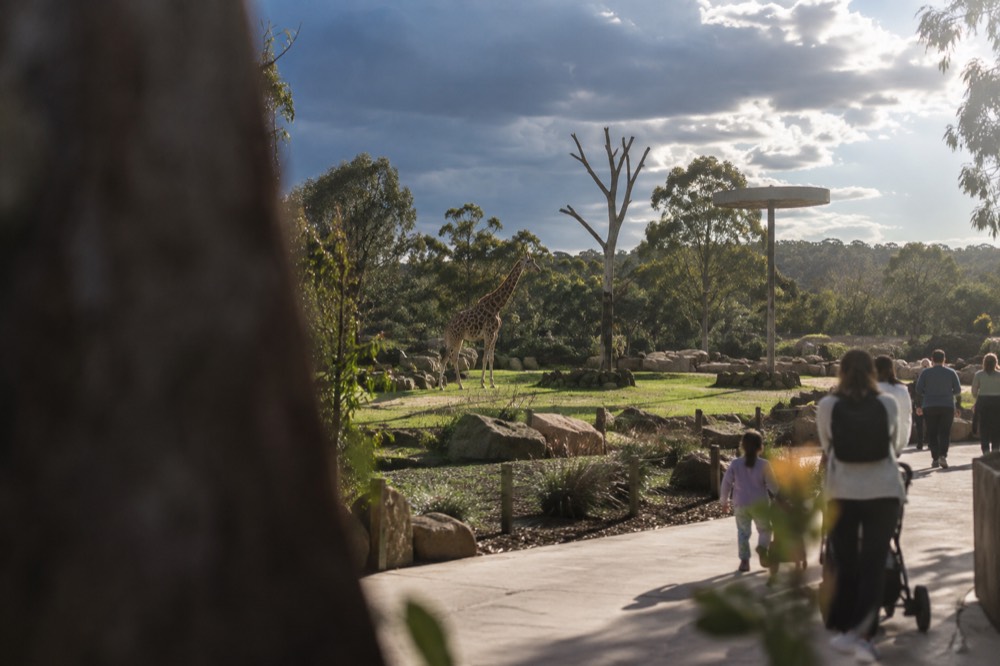
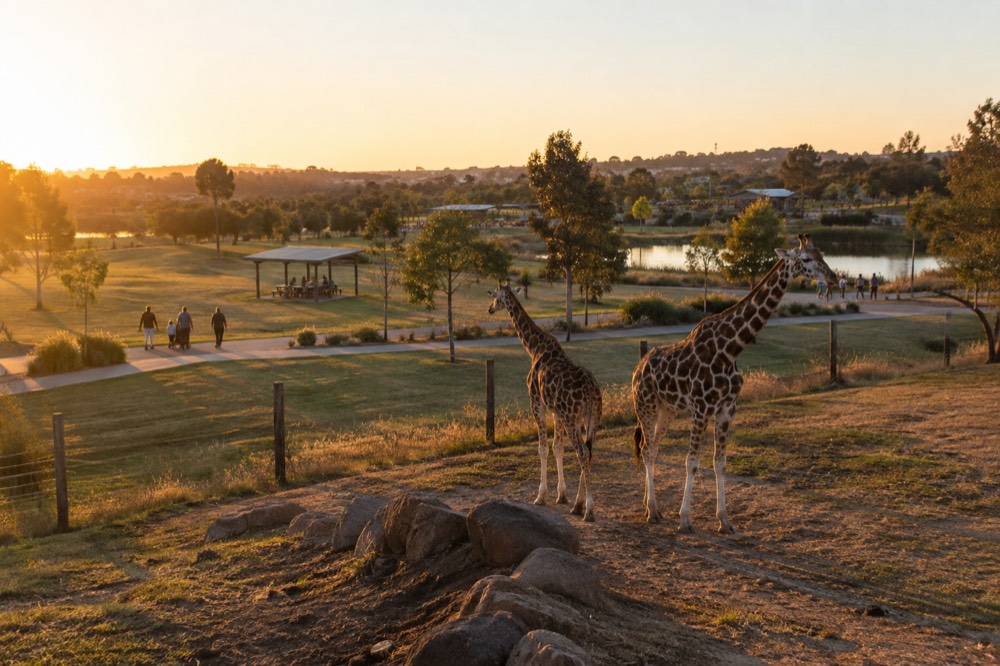
Sydney Zoo is a modern, purpose-built animal park in the Western Sydney Parklands at Bungarribee, near Eastern Creek and Blacktown, and it is the newer of Sydney's two major zoos. Unlike Taronga, which climbs a harbourside hill, Sydney Zoo was designed on flat ground with wide, accessible paths, which makes it noticeably easier with prams, wheelchairs or tired children. Its layout separates Australian native animals from exotic species, and the Australian section is the part most visitors come for.
It is a full-scale zoo, not a wildlife park or a petting zoo, and it holds its own against the harbour institution on its own terms.
The zoo's setting matters more than most guides acknowledge. Bungarribee sits inside the Western Sydney Parklands, a vast corridor of parkland, cycling tracks and picnic grounds that stretches across the city's west. That means a Sydney Zoo day can be more than a zoo day: the surrounding parklands have barbecue facilities, walking and cycling paths, and plenty of open space that costs nothing to use. Visitors who treat the zoo as a standalone box to tick tend to underuse the area around it.
The name causes real confusion, and it is worth clearing up early. "Sydney Zoo" is not the same as Taronga Zoo Sydney, and it is not the same as WILD LIFE Sydney Zoo in Darling Harbour either. Three animal attractions carry the word Sydney in their names, and search results mix them constantly. If you are planning around public transport, ticket prices or opening hours, confirm you are looking at the Bungarribee park's own information, because the three zoos have different locations, different prices and very different characters.
For a sense of how the three compare in character, see our Sydney attraction passes compared guide, and for the Darling Harbour option read the WILD LIFE Sydney Zoo page.
How Do You Get to Sydney Zoo from Central Sydney?
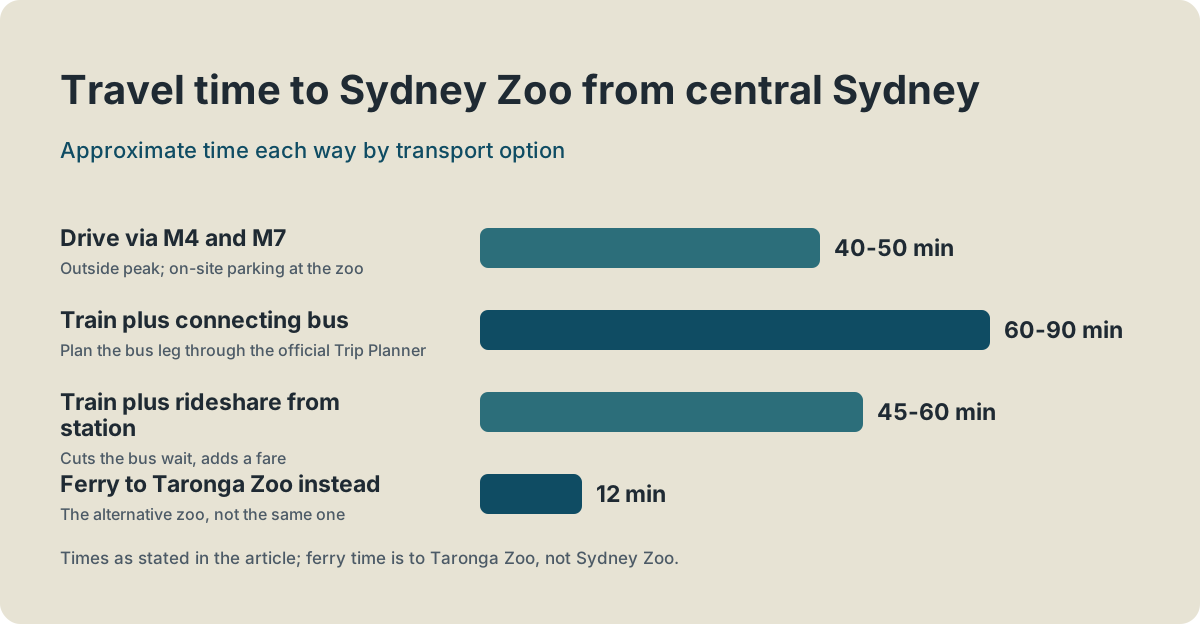
Sydney Zoo is about 40 kilometres west of the Sydney CBD, and the practical options are driving via the M4 and M7, or taking a train to a nearby western line station and connecting by bus. There is no ferry and no metro line to Bungarribee, and the Sydney Metro does not yet reach the area. Driving takes roughly 40 to 50 minutes outside peak hours, and the zoo has on-site parking.
By public transport, plan on the trip taking well over an hour each way, so treat it as a half-day commitment at minimum and plan the rest of your day around that travel time.
The driving route is straightforward. From the city, the M4 Motorway runs west, and the M7 orbital motorway passes close to the zoo itself. Traffic on the M4 heavy in the morning peak between roughly 7am and 9am, so a departure after 9:30am usually means a clearer run. On the way back, the afternoon peak builds from around 4pm. If you are staying in the city without a car, weigh the total travel time against the alternative of visiting Taronga instead, which is a 12-minute ferry ride from Circular Quay.
Public transport to the zoo involves a train to a station on the western or Richmond line, then a connecting bus toward the parklands. Routes and timetables change, so the honest advice is to plan the exact connection through the Transport for NSW Trip Planner, which is the state's official journey planner. Tap on with an Opal card or a contactless credit card and the same fares and daily caps apply across train and bus. The adult daily cap is A$19.30 Monday to Thursday and A$9.65 on Fridays, weekends and public holidays, and a public holiday is the cheapest day to travel widely because of that lower cap.
If you are weighing a car-free Sydney trip generally, read day trips from Sydney without a car, and for the full fare and cap breakdown see the Opal card guide for visitors.
| Transport option | Approximate time each way | Notes |
|---|---|---|
| Drive via M4 and M7 | 40-50 min outside peak | On-site parking at the zoo |
| Train plus connecting bus | 60-90 min | Plan the bus leg through the official Trip Planner |
| Train plus rideshare from station | 45-60 min | Cuts the bus wait, adds a fare |
| Ferry to Taronga Zoo instead | 12 min from Circular Quay | The alternative zoo, not the same one |
Sydney Zoo or Taronga Zoo: Which Should You Visit?
Visit Taronga Zoo if you are short on time, staying in the city, or want the harbour view and ferry ride; visit Sydney Zoo if you have a car, a full day, young children, or a specific interest in Australian native animals in a flat, modern setting. Taronga is 12 minutes by ferry from Circular Quay and has the Opera House as a backdrop. Sydney Zoo is a deliberate trip out west, but it is newer, less crowded and easier to walk. Neither is objectively better, they are different products.
The honest comparison is one Sydney visitors ask constantly, and there is a full head-to-head in is Taronga Zoo or Sydney Zoo better for a day out. The short version: Taronga wins on location, views and the ferry experience, and its animal collection is broader overall. Sydney Zoo wins on accessibility, crowd levels and the price of a calmer day. Taronga's harbourside slope is genuinely steep in places, and families with prams or visitors with mobility needs often find the flat Bungarribee layout a relief.
Price is where the two diverge most clearly, at least on the Taronga side, where the prices are published. Taronga Zoo's own ticket page lists adult entry at A$57 at the gate and from A$51.30 online, with children 4 to 15 at A$33 at the gate and from A$29.70 online, and infants under 4 free. Booking online is roughly 10 per cent cheaper at every tier, which is a real, sourced saving worth acting on. Sydney Zoo does not publish a fixed price in a comparable way, so check its own ticketing page for the current rate before you commit.
| Sydney Zoo at Bungarribee | Taronga Zoo Sydney | |
|---|---|---|
| Location | Western Sydney Parklands, near Blacktown | Mosman, on the harbour's north shore |
| Getting there | Car, or train plus bus | Ferry, 12 min from Circular Quay |
| Terrain | Flat, wide paths | Sloping hillside with views |
| Crowd levels | Usually quieter | Busy, especially in school holidays |
| Ticket prices | Dynamic, check the zoo's own page | Adult A$57 gate, from A$51.30 online |
| Best for | Families, native animals, easy walking | First-timers, harbour views, ferry ride |
Taronga's full price details are on the official Taronga ticket prices page. If you decide on Taronga, the entry-plus-return-ferry ticket from Circular Quay is the simplest way to buy both legs at once.
The ferry ride to Taronga is itself part of the attraction, and it is covered in detail in the Taronga Zoo guide. The adult ferry fare falls in the 9-plus-kilometre Opal band at A$9.20 one way, and the F2 route runs from Circular Quay. If you are deciding between the two zoos with kids in tow, the Sydney with kids itinerary builds both options into full-day plans.
What Animals Will You Actually See at Sydney Zoo?
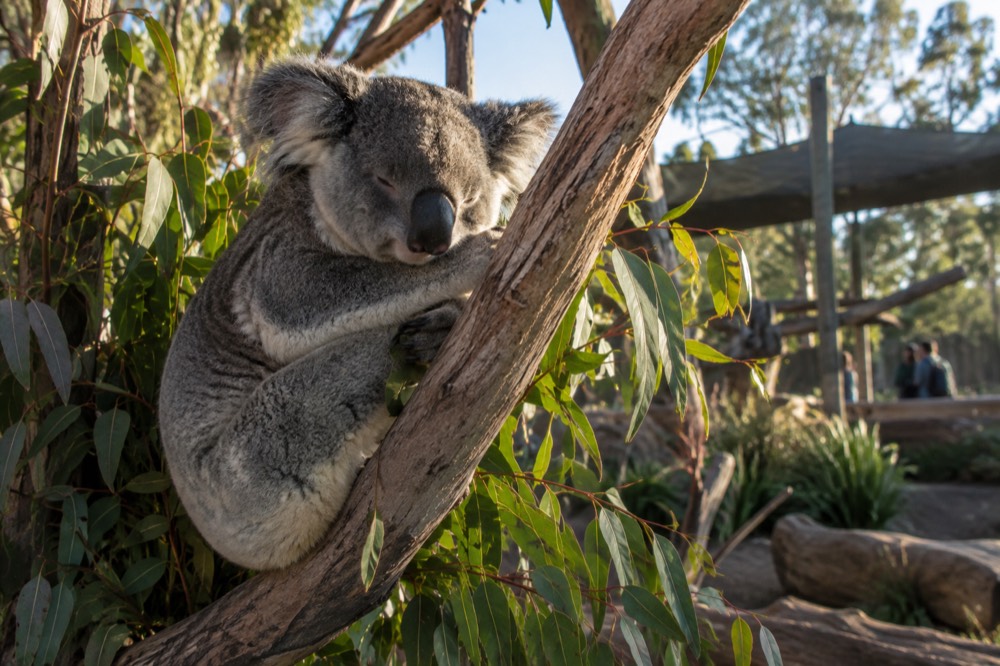
Sydney Zoo's headline draw is its Australian native collection: koalas, kangaroos, wombats, dingoes, emus and cassowaries, presented in a dedicated Australian section that is the zoo's centrepiece. The exotic side adds the usual big-hitter species, including lions, elephants, primates and reptiles, but the native section is what distinguishes it from a generic city zoo. Visitors whose main goal is Australian animals, especially animals you cannot reliably see wild near the city centre, get the most value here, and the native precinct is where the zoo's identity actually lives.
Plan your walking route around it rather than treating it as one stop among many.
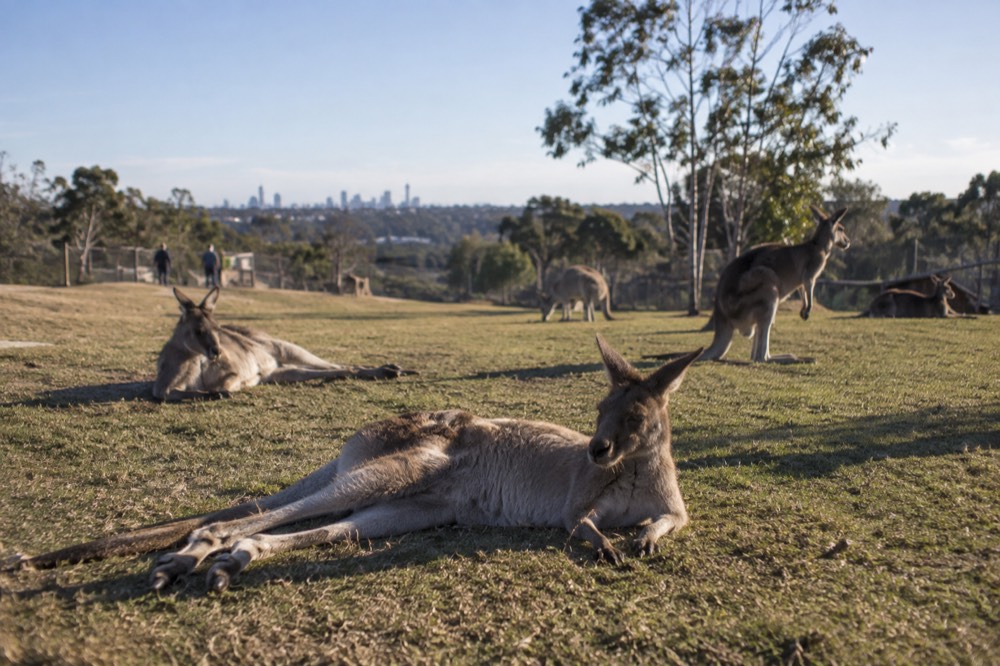
The native-versus-exotic split is worth understanding before you go. The zoo's Australian precinct is organised by habitat, moving through arid-country and woodland zones, and it is where keepers run the talks and encounters that most families remember. The exotic precincts sit on the other side of the park. If your time is limited, do the Australian section first, both because it is the zoo's strongest material and because the keeper talks cluster in the middle of the day.
For context on where else you can see native animals around the city, the question can you see kangaroos near Sydney has a full answer, and where can you see koalas in Sydney covers the koala options specifically. The short answer is that wild sightings near the CBD are unreliable, which is exactly why a native-focused zoo earns its ticket. For a wilder, guided version of the same idea, a dedicated wildlife day tour is the strongest option.
The all-inclusive wombat and kangaroo day tour from Sydney is built around exactly this interest, with a 5.0 rating across 1,239 reviews, from US$182.14, and it takes native animal viewing out of the city entirely for a 10-and-a-half-hour day.
How Much Time Should You Allow, and When Is the Best Time to Visit?
Allow four to five hours for Sydney Zoo itself, plus travel time, and treat the surrounding parklands as optional extra hours. A full Sydney Zoo day, with travel from the CBD, is realistically a six-to-eight-hour commitment door to door, so do not schedule a harbour dinner for the same evening unless you are driving. The best time to visit is a weekday outside school holidays, arriving at opening, because animals are most active in the cooler morning hours and the parklands carparks fill later in the day.
Keeper talks cluster late morning, so an opening-time arrival puts you in the strongest precinct at its liveliest.
Season matters more than most visitors expect, and Sydney's climate data explains why. The Bureau of Meteorology's long-run averages for Sydney show June as the city's wettest month, with 133.1 mm of mean rainfall, wetter than any summer month, while August is its clearest month, with 13.4 mean clear days, and February its cloudiest, with 5.3. Peak tourist season in December and January is statistically cloudier than midwinter. For a zoo day, which is almost entirely outdoors, that inverts the usual tourist instinct: late winter and early spring are, on average, the most reliable clear-weather windows in Sydney.
Summer visits need the standard Sydney sun precautions. The UV index in Sydney exceeds the protection threshold of 3 for most of the year and reaches extreme levels of 11-plus in the December-to-February summer, so hats, sunscreen and shade breaks are not optional even on a cloudy February day. In the June-to-August winter, mean maximums sit around 16 to 18 degrees Celsius, which is comfortable walking weather but bring a layer for the morning.
| Season | Mean daily max | What it means for a zoo day |
|---|---|---|
| Summer (Dec-Feb) | 25.3-26.0 °C | Hot and statistically cloudy, extreme UV, go early |
| Autumn (Mar-May) | 19.5-24.8 °C | Mild, April among the clearer months |
| Winter (Jun-Aug) | 16.4-17.9 °C | June wettest, August clearest month of the year |
| Spring (Sep-Nov) | 20.1-23.7 °C | Warm, low rainfall, high UV by mid-morning |
Is Sydney Zoo Good for Families and Kids?
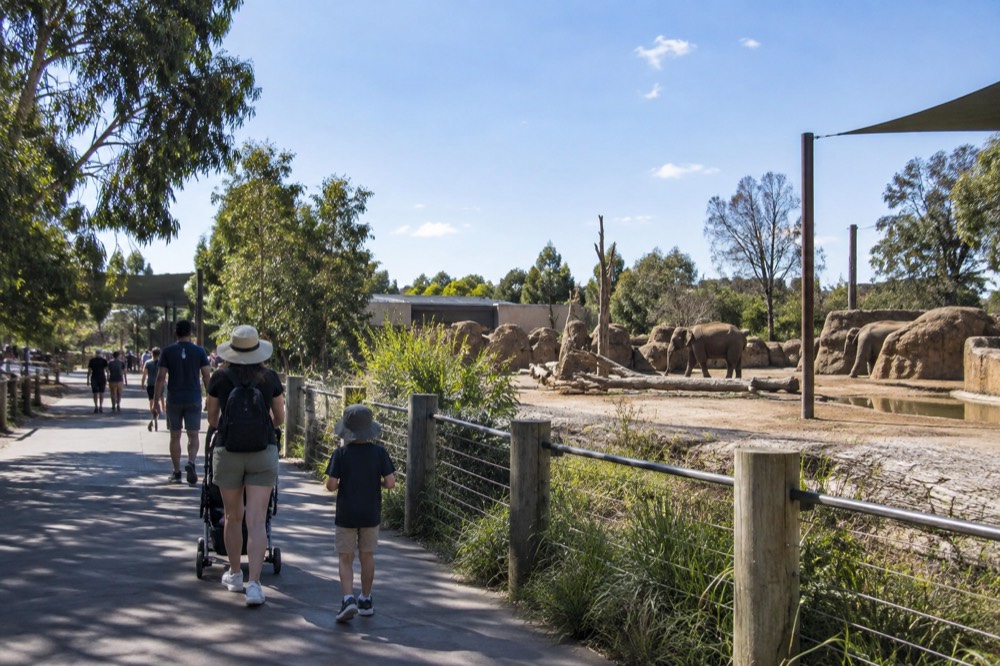
Yes, Sydney Zoo is one of the easier big attractions in Sydney for families, mainly because the Bungarribee site is flat, wide and modern, with short walking distances between enclosures. The layout suits prams and small legs far better than Taronga's sloping harbourside paths, and that difference is the single biggest family advantage it holds. Keeper talks and close-up native animal encounters anchor the middle of the day, and the surrounding parklands give children a free place to run when the zoo itself is done.
Expect a calmer day than the harbour zoo delivers, with shorter queues for food and facilities.
The crowd factor matters for families more than for anyone else. Taronga in school holidays is a genuinely busy place, with ferry queues and congested paths around the popular exhibits. Sydney Zoo's relative obscurity among tourists is, for a family, its best feature. Weekday visits outside the NSW school holiday periods are noticeably quiet, and the NSW public holidays and school holidays calendar is worth checking before you pick a date, because a public holiday visit also means the cheaper A$9.65 Opal daily cap if you are using trains and buses.
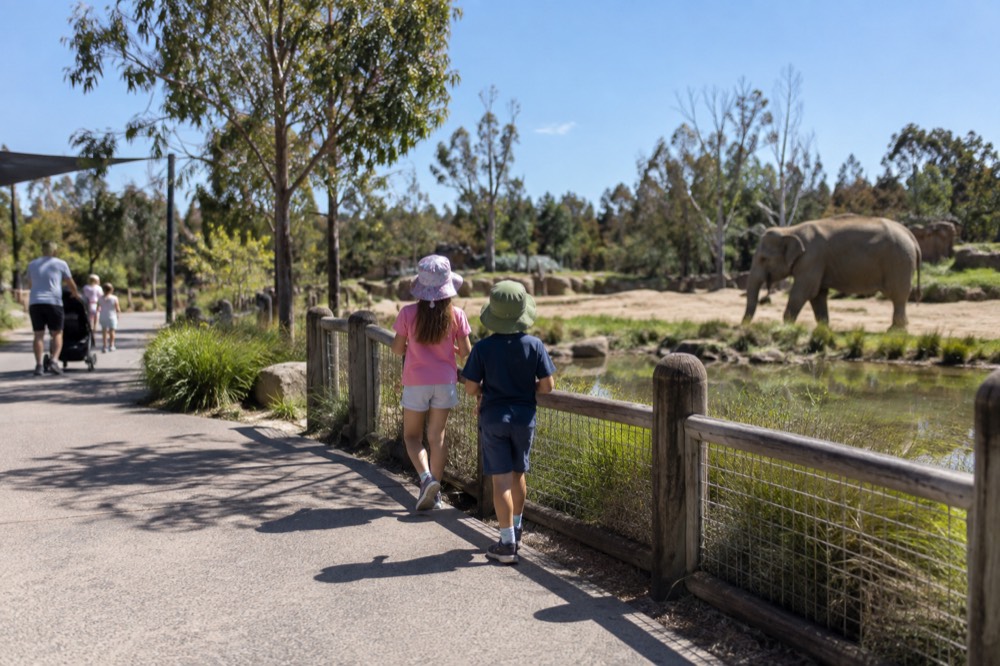
For wider family planning, the Sydney with a toddler guide covers nappy-change facilities, quiet rooms and stroller logistics across the city, and the question of which Sydney beach is best for families pairs well if you are splitting your trip between a zoo day and a beach day. If your children are animal-obsessed, pairing Sydney Zoo with the SEA LIFE Sydney Aquarium on a separate day covers land and water species without repeating yourselves.
What Else Is Around Bungarribee and the Western Sydney Parklands?
The Western Sydney Parklands around Bungarribee contain more than 50 kilometres of cycling and walking tracks, picnic grounds with free barbecues, and large off-leash and open lawn areas, all free to use. The parklands stretch in a long corridor through Sydney's west, and the zoo sits inside it rather than beside it.
A family with a car can easily turn a two-hour zoo visit into a full day without spending another dollar, which is not true of the harbour-side attractions, where every extra hour tends to cost money. Pack a picnic and plan to linger.
This is the part of a Sydney Zoo trip that most itineraries ignore. If you have made the drive west, the marginal cost of a long picnic lunch in the parklands is zero, and the tracks suit everything from toddler balance bikes to serious road cycling. The parklands' own cycling in Sydney coverage on this site explains the track network in detail. For a wider sense of what Sydney's west offers, the Parramatta guide covers the region's dining and heritage, and Parramatta is a sensible lunch stop on the drive back toward the city.
One forward-looking note if your trip extends beyond the zoo day: Powerhouse Parramatta, the new western campus of the Powerhouse Museum, is scheduled to open on 7 November 2026. The Powerhouse's long-standing Ultimo site in the CBD has been closed since February 2024 for a major redevelopment and is not due back until around 2029, so an older guide that sends you to Ultimo is wrong. The Powerhouse Museum page tracks what is open and when.
What Does a Sydney Zoo Day Cost Compared with Other Animal Attractions?
A Sydney Zoo day costs the ticket price plus transport, and unlike Taronga, Sydney Zoo does not publish a fixed public price list, so check its own ticketing page before budgeting. For comparison, Taronga Zoo's published prices run from A$51.30 online for adults and A$29.70 for children, and the SEA LIFE Sydney Aquarium and WILD LIFE Sydney Zoo both use dynamic, date-based pricing.
As a rough planning range, expect a Sydney animal attraction ticket to land somewhere between A$30 and A$60 per adult, and always confirm the live figure before you travel rather than budgeting from a number you read in an older guide.
The transport maths is the other half of the budget. Driving to Bungarribee costs fuel and tolls on the M4 and M7, and tolls on Sydney's motorways add up faster than most visitors expect. By public transport, the Opal daily cap of A$19.30 Monday to Thursday, or A$9.65 on Fridays, weekends and public holidays, is the ceiling on train-plus-bus travel, and contactless cards are charged exactly the same as Opal with the same caps. A family of four travelling on a Sunday caps at four times A$9.65, which is often cheaper than the tolls and petrol of driving.
| Cost component | Sydney Zoo day | Taronga Zoo day |
|---|---|---|
| Adult entry | Dynamic, check the zoo's page | From A$51.30 online, A$57 at gate |
| Child entry (4-15) | Dynamic, check the zoo's page | From A$29.70 online, A$33 at gate |
| Transport from CBD | Fuel and M4/M7 tolls, or Opal train plus bus | Ferry A$9.20 each way, within Opal caps |
| Parking | On-site at the zoo | Paid parking at the zoo or arrive by ferry |
| Hidden extra | Parklands around it are free | Sky Safari cable car is separately ticketed |
If the budget question is really a whole-trip question, the is Sydney expensive guide and the Sydney trip cost breakdown page put attraction spending in the context of accommodation, food and transport across a full visit. For multi-attraction plans, the Sydney attraction passes compared guide explains when a pass beats individual tickets, which depends almost entirely on how many Merlin-owned city attractions you plan to stack.
One more comparison worth naming: if your interest in animals is really an interest in Australian wildlife in wild settings, a Blue Mountains day trip that includes Featherdale Wildlife Park covers native animals plus scenery plus transport in a single booked day, with the deluxe small-group version rated 4.9 across 258 reviews, from US$167.51 for a 10-hour tour.
Planning the Day: A Suggested Sydney Zoo Itinerary
A practical Sydney Zoo day starts with a 9am departure from the CBD, an 10am arrival at Bungarribee, the Australian native section first, lunch in the parklands, and the exotic precincts after midday, heading back to the city by 3pm to beat the afternoon peak. That shape front-loads the best of the zoo into the hours when animals are active, uses the free parklands for lunch instead of paying for food inside, and puts you back on the motorway before the M4 slows to a crawl.
Adjust the times to your own pace, but keep the order, because the order is doing most of the work in this plan.
The order matters because of animal behaviour and crowd build. Native species such as kangaroos, wombats and koalas are most active in the cooler morning, and koalas in particular sleep through the warmest hours. Keeper talks cluster late morning, so arriving at opening gives you the quietest hour in the best precinct, then the talks, then lunch. The exotic side is more forgiving in the afternoon, and the walk out passes the parklands' picnic grounds if you want a final play stop before the drive.
If you decide during planning that the travel time to Bungarribee does not fit your itinerary, the harbour alternative is the entry-plus-ferry Taronga ticket, which combines the zoo and the 12-minute ferry crossing from Circular Quay in one booking, rated 4.61 across 1,461 reviews, from US$57.19 for the day.
Common Questions About Sydney Zoo
Is Sydney Zoo the same as Taronga Zoo?
No. Sydney Zoo at Bungarribee is a separate, newer park in the Western Sydney Parklands near Blacktown, while Taronga Zoo Sydney is in Mosman on the harbour's north shore, 12 minutes by ferry from Circular Quay. They have different owners, different prices and different layouts. Sydney Zoo is flat and modern, Taronga is sloped with harbour views.
How far is Sydney Zoo from the Sydney CBD?
Roughly 40 kilometres west of the city centre, near Eastern Creek and Blacktown. Driving takes about 40 to 50 minutes outside peak hours via the M4 and M7. By public transport, allow well over an hour each way using a train plus a connecting bus.
Can you get to Sydney Zoo by public transport?
Yes, but it is a two-leg trip. Take a train to a station on Sydney's western lines and connect with a bus toward the parklands, planning the exact connection through the official Transport for NSW Trip Planner. There is no ferry or metro service to Bungarribee. Opal and contactless cards both work, with the same daily caps.
Which is better, Sydney Zoo or Taronga Zoo?
It depends on your priorities. Taronga wins on location, harbour views and the ferry ride, and its collection is broader. Sydney Zoo wins on flat accessible paths, smaller crowds and its Australian native focus. Families with prams and visitors with a full day and a car often prefer Bungarribee, while first-time visitors short on time usually prefer Taronga.
How long do you need at Sydney Zoo?
Allow four to five hours for the zoo itself, plus travel time each way. Keeper talks and the native animal section fill the middle of the day, and the surrounding Western Sydney Parklands can extend the visit with free picnic grounds and cycling tracks if you have the time.
Does Sydney Zoo have koalas and kangaroos?
Yes. The Australian native section is the zoo's centrepiece and includes koalas, kangaroos, wombats, dingoes, emus and cassowaries. It is the strongest reason to make the trip west, since reliable wild sightings of these species close to the city centre are hard to come by.