Is Taronga Zoo or Sydney Zoo Better for a Day Out?
A straight comparison of Taronga Zoo and Sydney Zoo for visitors: location, animals, ticket prices, transport and which one suits your day.
Is Taronga Zoo or Sydney Zoo Better for a Day Out?
For most visitors, Taronga Zoo is the better day out: it sits on the harbour at Mosman, you reach it by ferry from Circular Quay, and the skyline views across the water are part of the experience rather than a bonus. Sydney Zoo at Bungarribee, about 40 kilometres west of the city centre, is the better pick only if you are staying in Western Sydney, have a car, or want a modern, flat, pram-friendly park without the ferry leg. They are different products, not rivals.
Taronga has been the default Sydney zoo for decades, and the reason is not just the animals. The site climbs a hillside above the harbour, and the ferry approach gives you a arrival by water that no other zoo in Australia can match. Sydney Zoo opened much more recently out at Bungarribee, near Eastern Creek, on flat open parkland, with wide boardwalk-style habitats and a layout designed for easy walking. If your day out is really a Sydney harbour day with animals attached, Taronga wins. If your day out is a zoo day, full stop, and you are already out west, Sydney Zoo is a genuinely good park that costs less time in transit.
The honest summary is this: international visitors and first-timers should do Taronga, locals and families based in the west often prefer Sydney Zoo, and anyone choosing between them should decide on transport first and animals second. Both have koalas, both have kangaroos, only one has a ferry.
What Is the Actual Difference Between the Two Zoos?
The core difference is setting and access: Taronga is a 28-hectare harbourside site at Mosman reached by a 12-minute ferry from Circular Quay, while Sydney Zoo is a flat, modern park at Bungarribee in Western Sydney, reached by car or by train plus bus. Taronga trades on its harbour views and its ferry arrival; Sydney Zoo trades on newer facilities, level walking and easier parking. Animal collections overlap heavily at the Australian end and diverge at the exotic end.
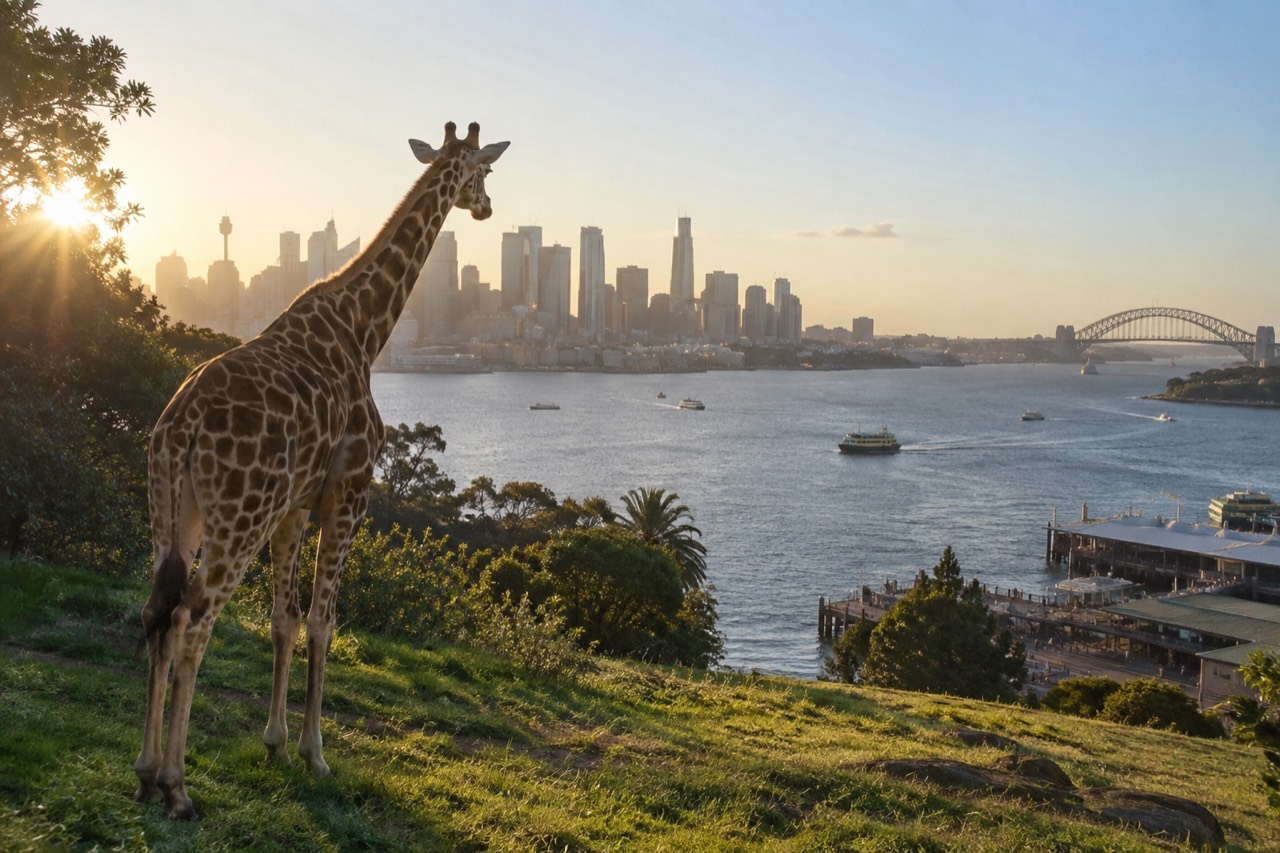
Taronga's Australian section sits near the entrance, so koalas, kangaroos and the platypus exhibit come early, and the trail then winds down the hillside past exotic species toward the lower cable car and seal habitats. The site is steep in places, and the zoo runs a cable car and a lift network to help with the gradient. The views hit you constantly: giraffes and zebras graze with the Sydney Opera House and Harbour Bridge in the distance behind them, which is the single most photographed zoo moment in the country.
Sydney Zoo was designed flat from the start. Its Australian habitats are laid out as a continuous boardwalk loop, and its exotic section uses large open paddocks rather than traditional barred enclosures. There is an aquarium zone as well, which Taronga does not have. For a visitor with a pram, a wheelchair or tired legs, the flat layout is a real advantage, and this site covers accessible Sydney in more detail if that is a factor for you: accessible Sydney planning guide.
Neither zoo is a bad zoo. The choice is about where you are staying, whether you want the harbour, and how much transit you will tolerate.
| Factor | Taronga Zoo | Sydney Zoo |
|---|---|---|
| Location | Mosman, Lower North Shore, on the harbour | Bungarribee, Western Sydney, near Eastern Creek |
| Setting | Steep hillside with harbour and city skyline views | Flat modern parkland, boardwalk loop |
| Getting there | Ferry from Circular Quay, bus, or car | Car, or train to Blacktown plus a bus leg |
| Australian animals | Koalas, kangaroos, platypus, seals, native birds | Koalas, kangaroos, wombats, Australian aquatic zone |
| Exotic animals | Giraffes, zebras, elephants, big cats, primates | Open-range African and Asian habitats |
| Terrain | Hilly, cable car and lifts available | Fully flat, pram and wheelchair friendly |
| Best for | First-time visitors, harbour day, photographers | Western Sydney locals, car travellers, easy walking |
If you want the fuller picture of the harbourside option, the site's Taronga Zoo guide covers the exhibits, the cable car and how to structure a visit, and the Sydney Zoo at Bungarribee guide does the same for the western park.
How Much Does Taronga Cost, and How Do You Get There?
Taronga Zoo's gate prices are A$57 for adults, A$33 for children aged 4 to 15 and free for under-4s, and booking online cuts every tier by roughly 10 percent, to A$51.30, A$29.70 and free respectively. The zoo is open 365 days a year, 9:30am to 5pm from September to April and 9:30am to 4:30pm from May to August. The ferry from Circular Quay takes about 12 minutes and is the transport most visitors should choose.
Those prices come from Taronga's own ticketing page, which is worth checking directly before you book: Taronga Zoo ticket prices. The online discount is real and applies at every tier, including the family bundles, so buying at the gate is the expensive way to do it. Concession tickets sit at A$43 at the gate and A$38.70 online.
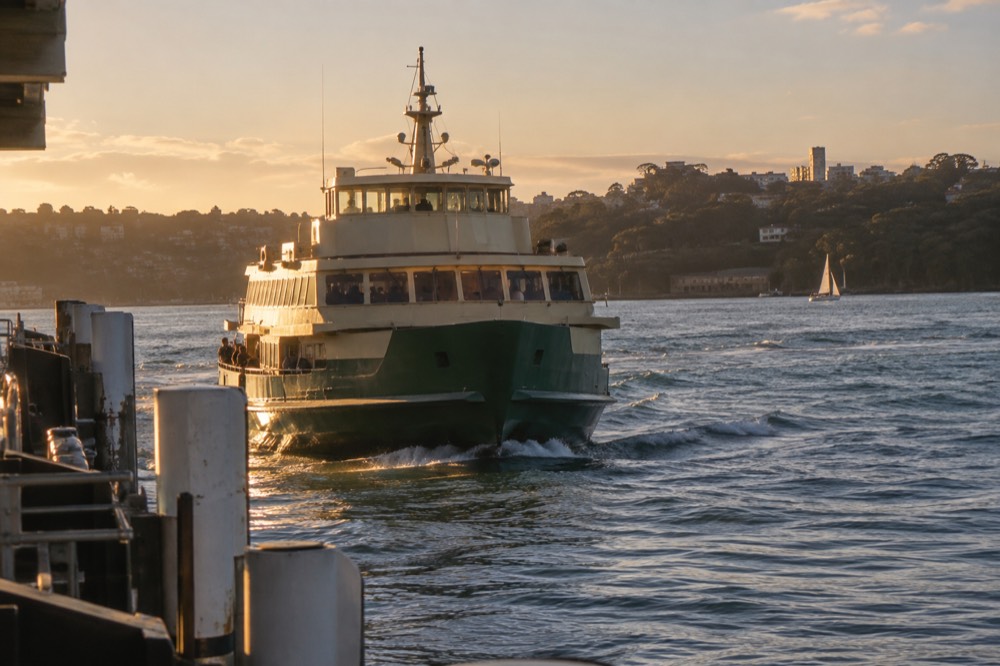
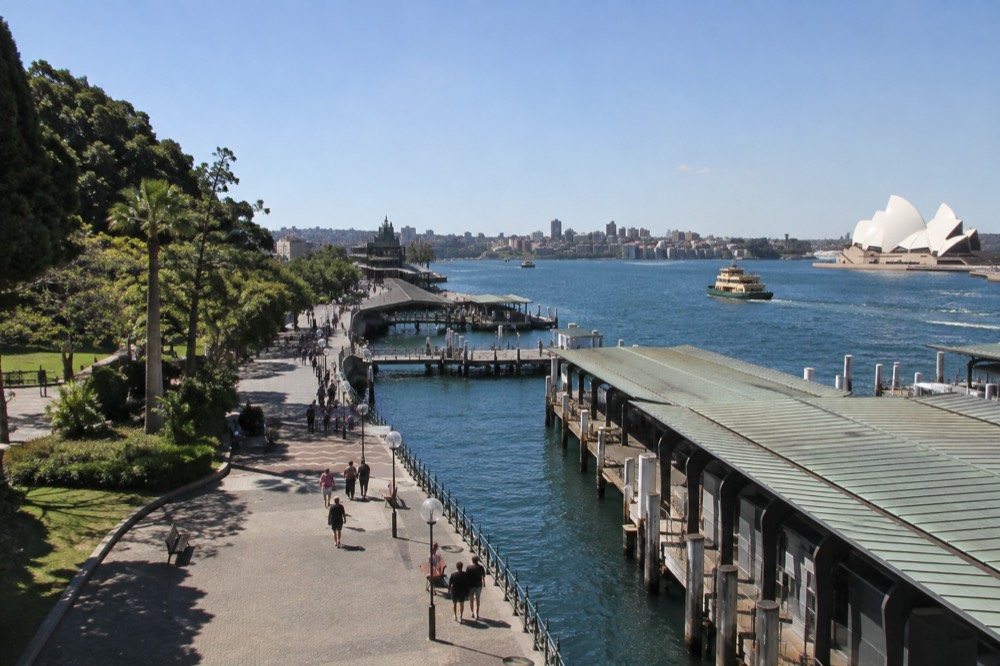
The ferry is the point. The F2 route from Circular Quay lands at the zoo's own wharf at the bottom of the site, and the cable car or the Sky Safari carries you up the hill with the harbour underneath. Public ferries accept Opal with full benefits, which this site's Opal card guide for visitors explains in full. If you would rather not organise zoo tickets and ferry tickets separately, the bundled product below handles both:
The bundle covers zoo entry and the return ferry from Circular Quay, which is the single most common way first-time visitors do Taronga. It also removes the queue at the gate, which on school holiday mornings is not a small thing. More of these guides are collected on Sydney Travel Guide.
Is Sydney Zoo Worth Visiting Instead of Taronga?
Sydney Zoo is worth visiting if you are based in Western Sydney or have a car, and it is the better choice for anyone who wants a flat, modern, low-effort zoo day. It is not worth the cross-city trip if you are staying in the city centre or by the harbour, because the transit each way eats several hours that Taronga would turn into ferry riding and harbour views. For a city-centre visitor, it is a clear second choice.
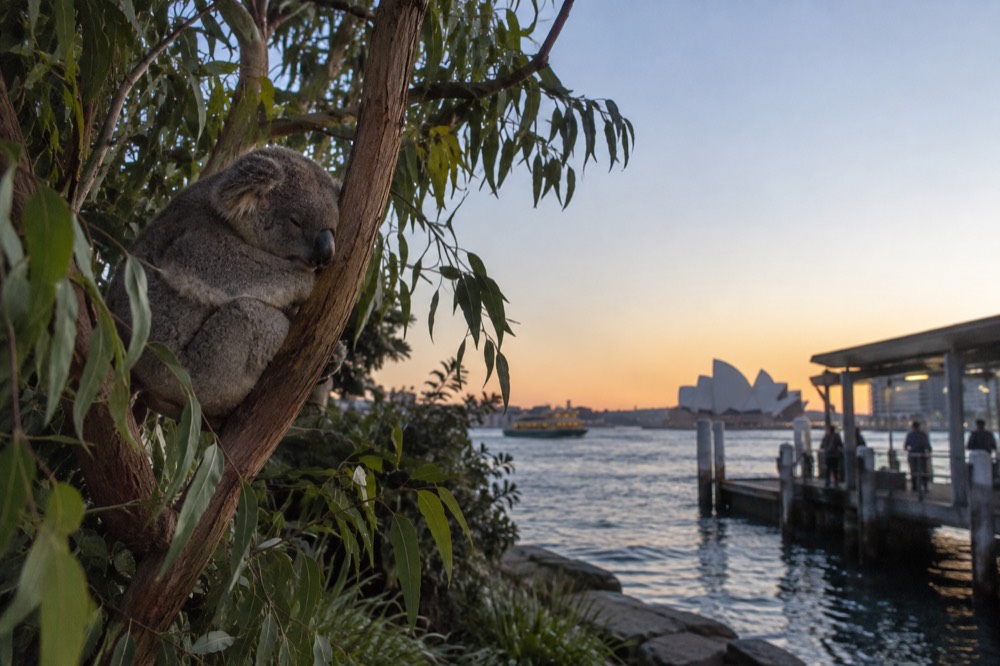
The park's strengths are real. The Australian boardwalk loop keeps koalas, wombats, kangaroos and a good aquatic exhibit in one continuous, level circuit, and the exotic section uses wide open habitats rather than cages. Parking is easy in a way it simply is not at Mosman. Families with small children, strollers or mobility needs get an easier physical day than Taronga's hillside.
The weaknesses are equally real. There is no ferry, no harbour and no skyline. Getting there from the city by public transport means a train toward Blacktown and then a bus, and the whole outing can consume more transit time than zoo time. Taronga, by contrast, is one ferry ride from the exact place most visitors are already standing. If you are weighing a discount on the harbourside option instead, the site has a dedicated piece on how to get discounted Taronga Zoo tickets.
A fair framing: Sydney Zoo competes with Taronga on animal welfare and modern facilities, and loses on everything the harbour contributes. Since the harbour is half of what a Sydney day out is for, that is usually decisive.
Which Zoo Is Better for Families with Kids?
Both zoos work for families, but they suit different days: Taronga is better for school-age children who can handle the hillside and who will remember the ferry and the giraffe-with-skyline view, while Sydney Zoo is better for toddlers and prams because the whole park is flat and the loop is short enough to finish before nap time. Taronga's cable car is the kid highlight; Sydney Zoo's level boardwalk is the parent one.
At Taronga, plan the gradient. Enter at the top, walk downhill through the Australian and exotic sections, and ride the cable car back up if little legs are done. The seal shows and the bird talks are scheduled through the day, so check the daily program at the entrance and build the day around two or three of them rather than trying to see everything. Arriving at opening time, 9:30am, gets you the koala and kangaroo sections before the crowds.
At Sydney Zoo, the flat loop means you never carry a pram up a ramp, and the aquatic zone gives kids an indoor break on hot days. The park is smaller in walking time, which sounds like a criticism but is exactly what a family with a two-year-old wants. If your children are older and you are staying centrally, though, the ferry to Taronga is itself an adventure, and it is the memory they will keep.
One practical note for either park: both are outdoors almost entirely, so check the day's forecast before you commit, and in Sydney's warmer months plan the outdoor hours for the morning. If the day turns wet, this site's rainy day itinerary has indoor alternatives, including SEA LIFE Sydney Aquarium, which keeps animals and adds weather-proofing.
Common Questions About Choosing Between Taronga Zoo and Sydney Zoo
Is Taronga Zoo or Sydney Zoo better for a day out?
For most visitors, Taronga: it is on the harbour at Mosman, reached by ferry from Circular Quay, and the skyline views are built into the visit. Sydney Zoo is better if you are staying in Western Sydney or want a flat, pram-friendly park with easy parking.
Which zoo is cheaper, Taronga or Sydney Zoo?
Taronga's published prices are A$57 adult and A$33 child at the gate, falling to A$51.30 and A$29.70 when booked online. Sydney Zoo's ticket prices are dynamic, so compare the live figures for your date before deciding; on transport alone, though, Taronga's ferry is covered by cheap Opal fares while Sydney Zoo usually needs a car or a train-plus-bus combination.
Can you do Taronga Zoo without the ferry?
Yes. Buses run to Taronga from the city, and there is car parking on site, though it is limited and expensive relative to public transport. The ferry from Circular Quay takes about 12 minutes and is the way most visitors arrive, and a combined entry-plus-ferry ticket bundles both.
Is Taronga Zoo hilly?
It is. The site climbs a harbour hillside, and the zoo operates a cable car and lifts to manage the gradient. Enter at the top and walk down if you want the easy version. Sydney Zoo, by contrast, is entirely flat.
How long do you need at each zoo?
Allow about half a day at either zoo for the main loop, and closer to a full day at Taronga if you add the ferry, the cable car and the keeper talks. Sydney Zoo's flat circuit is generally a shorter walking day.