What Is an Opal Card in Australia?
A plain-English explanation of the Opal card, Sydney's rechargeable public transport ticket: how it works, what it costs, where it works, and whether a visitor needs one at all.
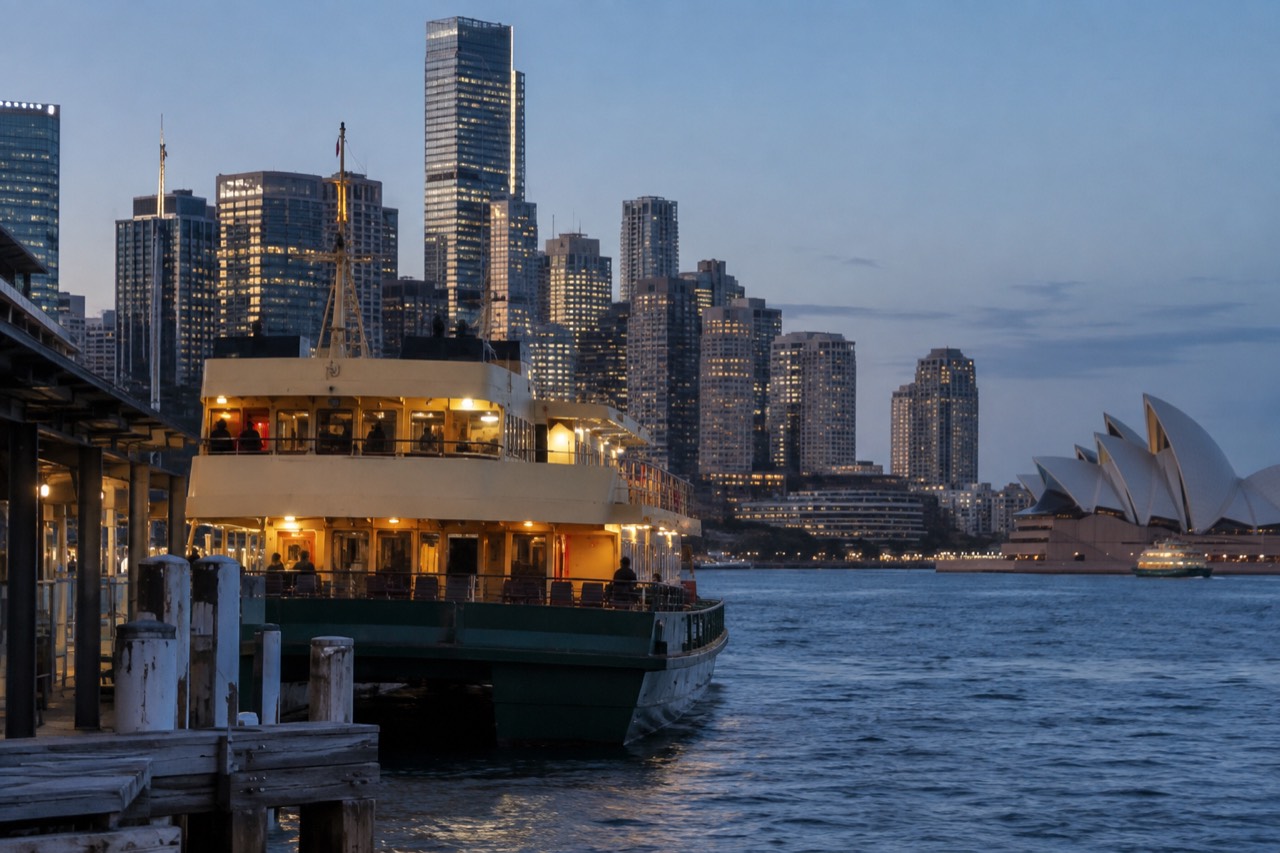
An Opal card is the difference between paying full price for every Sydney train, bus and ferry and paying a capped, discounted total instead. It is a free-flowing, tap-on system, not a paper ticket you buy per trip, and once you understand its caps you will never look at Sydney transport the same way again. This page explains what the card is, what it costs to travel on one, where it works, and whether you actually need one.
What Is an Opal Card in Australia?
An Opal card is Sydney's rechargeable, tap-on public transport smartcard, used on the city's metro, trains, buses, ferries and light rail. You tap on at the start of a trip and tap off at the end, and the system charges you a distance-based fare with built-in daily and weekly caps. It is run by Transport for NSW and works nowhere else in Australia: Melbourne, Brisbane and Perth each have their own separate card systems.
That last point trips up a lot of visitors. "Opal" is not an Australian national ticket, it is a New South Wales ticket, and really a Sydney-region one. If you land in Melbourne and fly to Sydney a week later, your myki will not work here, and your Opal card will not work there. Within Sydney, though, one card covers essentially the entire public network: the driverless Metro, suburban and intercity trains, every government bus, the public Sydney Ferries routes numbered F1 to F10, and the light rail lines.
The mechanics are simple. You carry the card, you tap a reader at a train gate, a bus pole or a ferry wharf when you board, and you tap off when you leave. The fare is calculated from the distance you travelled, not from how many zones you crossed, which is why a short hop is cheap and a long haul is dear. Miss the tap off and you are charged the maximum default fare for that mode, so the tap matters.
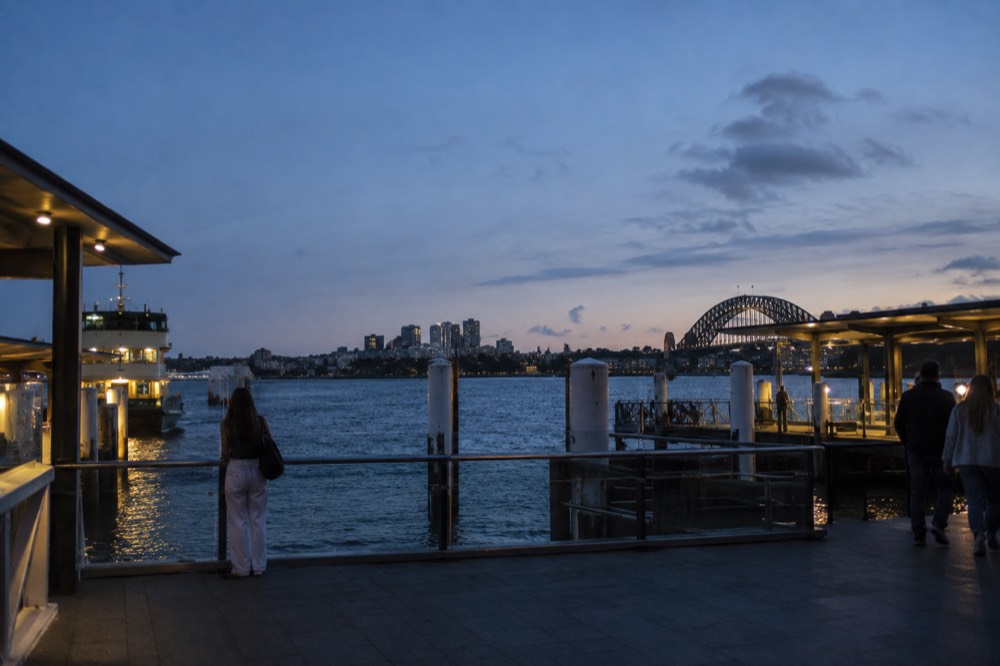
For a fuller walkthrough of getting the card and loading it, read our Opal card guide for visitors, which covers the practical side. The short version of this site's advice, and the advice Transport for NSW itself publishes on its visitor fares page, is that the card is one of two equally valid ways to pay, and we will come back to that choice below.
How Much Does an Opal Card Trip Cost?
Adult Opal fares are distance-based and start from $3.03 off-peak for a short train or metro trip, with a daily cap of $19.30 from Monday to Thursday and $9.65 on Fridays, weekends and public holidays. The weekly cap is $50 no matter how much you travel. Ferries charge $7.35 for trips under 9 km and $9.20 beyond that, with no off-peak discount.
Those caps are the whole reason the card is famous among locals. Once you have spent $19.30 in a single Monday-to-Thursday day, every further tap that day is free. On a Friday, Saturday, Sunday or public holiday the cap drops to $9.65, which makes weekends the cheapest days to travel widely. Cross the weekly threshold of $50 and the rest of your week is free.
| Opal fare (adult) | Amount |
|---|---|
| Metro/train, 0-10 km, peak | $4.33 |
| Metro/train, 0-10 km, off-peak | $3.03 |
| Bus or light rail, 0-3 km, peak | $3.30 |
| Bus or light rail, 0-3 km, off-peak | $2.31 |
| Ferry, 0-9 km | $7.35 |
| Ferry, 9+ km (including the Manly ferry) | $9.20 |
| Daily cap, Monday to Thursday | $19.30 |
| Daily cap, Friday to Sunday and public holidays | $9.65 |
| Weekly cap | $50.00 |
Two details in that table deserve attention. First, the off-peak discount: a 30% reduction applies on metro, train, bus and light rail on Fridays, weekends, public holidays and outside weekday peak times. It does not apply to ferries at all. Second, the Manly ferry, the F1, falls in the 9+ km band, so the famous half-hour harbour crossing to Manly costs $9.20 one way, and it still counts toward your caps. Our Sydney ferries guide goes deeper on which routes are worth the fare.
If you are weighing the ferry against other ways to spend a morning, the question of how much the ferry from Sydney to Manly costs comes up often enough that we answer it separately.
One honest caveat on the numbers above: they are the fares of the 2026 NSW fare year, and NSW fare determinations historically reset around the middle of the year. The structure, the caps and the discounts are stable; the exact dollar figures move occasionally. Transport for NSW publishes the live adult fare tables if you want to check a figure against the day you travel.
Where Can You Use an Opal Card?
The Opal card works on Sydney Metro, all Sydney Trains and NSW TrainLink services in the Opal region, government and private buses that accept Opal, public Sydney Ferries routes F1 to F10, and the light rail network. It does not work on the privately operated Manly Fast Ferry at full Opal rates, on regional coaches, or in any other Australian city.
The ferry distinction matters more than any other on this list. The public F1 ferry to Manly is a full Opal service: normal fares, normal caps, tap on and off. The private fast ferry competing with it accepts Opal through a scheme called OpalPay, but OpalPay charges its own fares and, critically, your Opal caps and transfer discounts do not apply. A visitor who taps their card on a fast ferry, having already hit their daily cap, will still be charged. The reader looks identical. The boat is faster. The pricing is not the same.
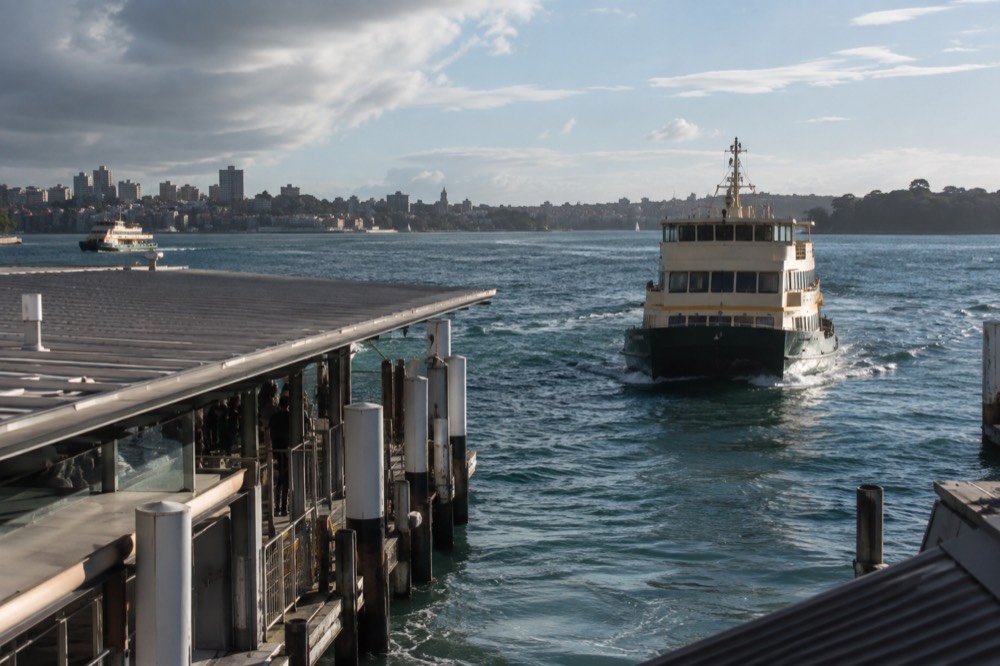
The network also quietly grows. The F10 Blackwattle Bay route joined the Opal network in 2026, which matters if you are heading to the new Sydney Fish Market site at Blackwattle Bay, since the ferry is now a capped, ordinary Opal trip rather than a private service.
One more exclusion that catches airport arrivals: the train stations at Sydney Airport charge a station access fee on top of the normal fare, currently $18.61 for an adult, and that fee sits outside both the daily and weekly caps. It has its own separate weekly cap of $37.75. The fee applies whether you use an Opal card or a contactless credit card, so it is not a reason to choose one over the other. Our Sydney Airport to the city guide covers the cheaper alternatives, including the 400 bus, which carries no access fee at all.
Opal Card or Contactless Card: Which Should a Visitor Use?
A contactless credit or debit card, or a phone wallet, is charged exactly the same as an Adult Opal card and receives every benefit: the same fares, the same daily and weekly caps, the same off-peak discounts and the same transfer discounts. For most short-stay visitors, contactless is the simpler choice. An Opal card mainly wins if you qualify for concession fares or want a physical keepsake of the trip.
This is the point where a lot of guides overcomplicate things. Transport for NSW states the equivalence plainly: tap a contactless Amex, Mastercard or Visa card and you are charged as if you held an Adult Opal card, caps included. There is no fare penalty for skipping the card entirely. We answer the full comparison in can I tap my credit card instead of Opal, but the short answer is that for an adult visitor, the two are interchangeable.
The genuine differences are narrow. Opal single-trip tickets, the paper ones sold at machines, are the option to avoid: they cost more than either tap-on method and receive no caps, no discounts and no transfer benefits. They exist as a backup for people with no card at all. And if two people plan to travel together, note that one card cannot be shared: each traveller needs their own card or their own contactless card, because the system charges per person per tap. That question comes up so often we cover it in detail in can two people use one Opal card.
There is also a small inter-mode benefit worth knowing: a $2 transfer discount applies when you switch between modes, say bus to ferry, within 60 minutes. It applies to contactless payments just as it does to the Opal card.
Do Tourists Need an Opal Card in Sydney?
No, tourists do not need an Opal card if they have a contactless credit or debit card or a phone wallet, since contactless payments receive identical adult fares and caps. An Opal card becomes worthwhile for longer stays, for concession holders, or for anyone who wants a fixed travel budget loaded in advance. Children, seniors and pensioners should check concession eligibility before assuming contactless is best.
For a typical four-day visit, the maths is straightforward. Tap your own bank card everywhere, watch the caps do their work, and never think about topping up. For a longer stay, or for anyone who prefers to separate holiday spending from daily spending, loading a set amount onto an Opal card is a reasonable budgeting tool, and it is the only way to access child, senior or pensioner rates, which contactless cannot do.
The other time the card earns its place is when you want the city itself organised for you. Sydney's public transport is excellent for getting between places, but it does not explain what those places are, and a hop-on hop-off bus solves that in a way no ferry or train can. The Sydney and Bondi Big Bus tour, rated 4.0 across 2,848 reviews and priced from US$54.86, links the central city with Bondi Beach on a commentary route, with an optional harbour cruise attached, which covers a lot of first-day orientation in one ticket.
Whether you ride a commentary bus or ride the F1 with your bank card, the underlying advice from Sydney Travel Guide is the same: understand the caps before you travel, because they change what a big sightseeing day actually costs.
What Are the Common Opal Card Mistakes?
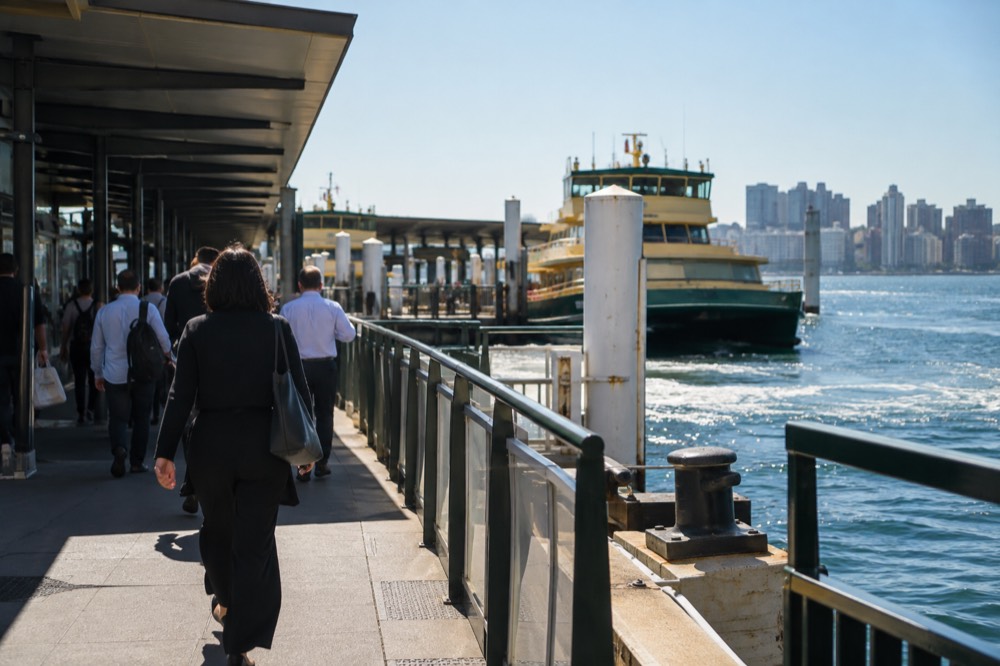
The four mistakes that cost visitors real money are tapping on a private fast ferry and assuming the caps apply, forgetting to tap off and copping a maximum default fare, buying single-trip paper tickets instead of tapping on, and budgeting as though the airport station access fee were capped when it is charged on top of everything else. Each one is avoidable with a moment of attention at the reader.
The tap-off mistake is the most common and the most annoying, because it is silent. You get off a train in a hurry, the gates are open, and you walk through without tapping. The system assumes you travelled the full length of the line and charges accordingly. If it happens, the charge can be adjusted afterwards, but that is a chore you can skip by making the tap a reflex.
The fast ferry mistake is subtler, because the Opal logo is genuinely on those readers. OpalPay is a payment acceptance, not a fare scheme. The private operator sets its own prices and your caps sit on the sidelines. If the price of speed matters less than the principle, the public F1 is right beside it, and the crossing takes about half an hour either way.
The airport fee mistake inflates arrival day. The $18.61 access fee is real, it applies at both Domestic and International stations, and it is not absorbed by any daily cap. Budget for it, or take the 400 bus, or accept it as the price of a fast door-to-door arrival. Knowing which one you are doing before you land is the difference between a smooth first hour and an unpleasant surprise on your bank statement.
Common Questions About the Opal Card
What is an Opal card in Australia?
It is Sydney's rechargeable tap-on smartcard for public transport, run by Transport for NSW and valid on the metro, trains, buses, public ferries and light rail. It charges distance-based fares with daily caps of $19.30 Monday to Thursday and $9.65 on Fridays, weekends and public holidays, plus a $50 weekly cap. It works in New South Wales only, not in Melbourne, Brisbane or Perth.
Can I use my credit card instead of an Opal card?
Yes. A contactless Amex, Mastercard or Visa card, or a phone wallet, is charged exactly the same as an Adult Opal card and receives every benefit, including caps, off-peak discounts and transfer discounts. Contactless cannot access child, senior or pensioner concession rates, so concession holders need the card itself.
Is the Opal card free?
The card is issued without a purchase charge at Transport for NSW retail outlets, and you then load credit onto it. The costs that matter are the fares, not the plastic: distance-based charges with a $19.30 weekday cap, a $9.65 weekend and public-holiday cap, and a $50 weekly cap. Paper single-trip tickets cost more and receive none of these benefits.
Does the Opal card work on the Manly ferry?
Yes, on the public F1 ferry, which charges the 9+ km ferry fare of $9.20 one way and counts toward your caps. It also works on the privately operated Manly Fast Ferry through OpalPay, but that is a different fare scheme: the operator's own prices apply and Opal caps and transfer discounts do not. Check which vessel you are boarding before you tap.
Does the daily cap include the Sydney Airport train?
No. The airport stations charge a separate access fee, $18.61 for an adult, on top of the normal train fare, and that fee sits outside the daily and weekly caps. It has its own separate weekly cap of $37.75. The 400 bus avoids the access fee entirely if the budget matters more than the speed.
Do I need to tap off on a bus?
Yes, always. If you do not tap off, the system charges you the maximum default fare for that route, assuming you travelled to the end of the line. Tap off when you leave, whatever the mode, and the distance-based fare calculates correctly.