Is Entry to the Royal National Park Free?
Entry to the Royal National Park is free on foot, by bike and by train, but vehicles pay $12 a day. Here is exactly what is free, what is not, and how to pay.
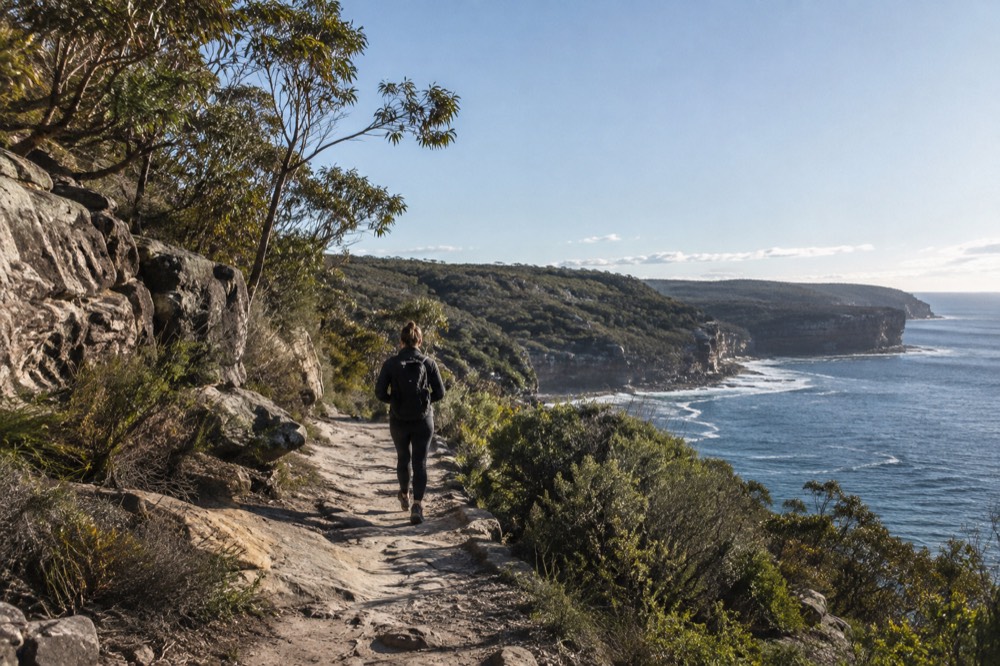
Entry to the Royal National Park is free if you arrive on foot, by bicycle or by public transport, and $12 per vehicle per day if you drive. That single distinction decides most of the cost of your visit, because the park's headline sights, including the Figure Eight Pools, Wedding Cake Rock and Wattamolla, carry no separate entry charges of their own. The fee is a vehicle fee, not a person fee, and NSW National Parks collects it at entry stations, pay machines and through the Park'nPay app.
Is Entry to the Royal National Park Free?
Yes, if you do not bring a car. Pedestrians, cyclists and passengers arriving by train or bus enter the Royal National Park without paying anything, and there is no per-person entry charge anywhere in the park. A private vehicle pays $12 per day, charged per vehicle rather than per visitor, so a full car of five people splits that to well under $3 each. The park is open every day of the year.
The distinction matters more here than at most Australian parks because the Royal National Park, sitting just south of Sydney between Sutherland and the coast, is genuinely reachable without a car. Trains on the Illawarra line stop at several stations on the park's northern edge, and from there a network of walking tracks heads straight into the bush. A visitor who plans around the rail line pays nothing to get through the gate and often nothing to get there either, once Opal daily caps are factored in.
What you get for free is substantial. The park holds more than a century of protected coastline, heathland plateau, rainforest gullies in the Hacking River valley, and some of the most photographed rock formations on the NSW coast. None of the walking tracks carry a fee. None of the beaches inside the park charge entry. The Figure Eight Pools, the subject of half the park's Instagram traffic, cost nothing to visit beyond the effort of the walk and the timing required by the tide.
The $12 vehicle fee, when you do drive, buys sealed road access to Audley, Wattamolla, Garie and the other road-end picnic areas, and it funds track maintenance and visitor facilities across the park. NSW National Parks lists the current fee on its passes and fees page, which is the authoritative source if you are reading this months after publication.
What the $12 Vehicle Fee Covers, and How to Pay It
The $12 fee is a day pass for one vehicle, covering everyone inside it and every part of the park you can drive to that day. You can pay at the Audley entry station, at pay machines in the main visitor areas, or through the Park'nPay app before you arrive. An annual pass covering all fee-collecting NSW parks costs roughly $190, and a cheaper multi-park pass exists, but a single visit rarely justifies either.
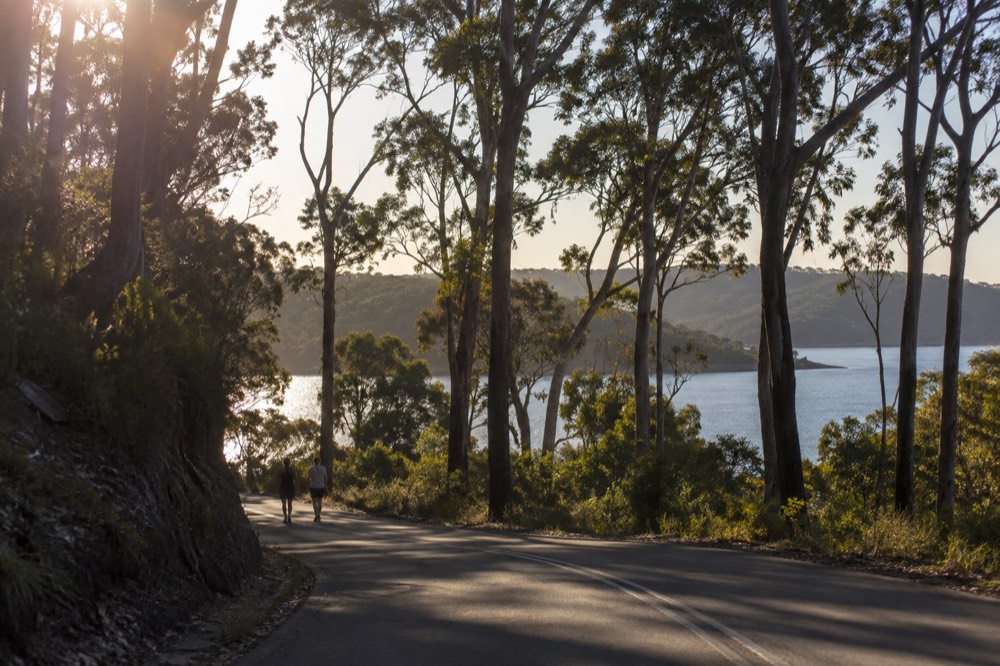
The payment mechanics catch some visitors out. The entry station at Audley is not always staffed, and the pay machines are not located at every entrance, so the app is the reliable option if you are arriving early or entering through a quieter gate. Fines for non-payment are real, and rangers do check. If you are planning a wider NSW road trip that includes several fee-collecting parks, the arithmetic of a pass can change, but for one or two park days the pay-as-you-go fee is the sensible default.
One extra charge exists and it is unusual enough to be worth knowing. Vehicles with more than eight seats, which in practice means small tour buses and large minibuses, pay a per-person rate of $4.40 per adult and $2.20 per child per day, with teachers and educational supervisors free. A family driving a seven-seater pays the flat $12. A charter group in a twelve-seater does not.
Here is the full fee picture at a glance:
| How you arrive | Entry cost | Notes |
|---|---|---|
| On foot | Free | No per-person charge anywhere in the park |
| By bicycle | Free | Coast Track and fire trails popular with riders |
| By train or bus | Free | Illawarra line stations border the park's north |
| Private vehicle (up to 8 seats) | A$12 per vehicle per day | Covers all passengers and all areas that day |
| Vehicle over 8 seats | A$4.40 adult / A$2.20 child per day | Teachers and supervisors free |
| Camping | Separate camping fees | Book online; not part of entry |
The fee is reviewed periodically by NSW National Parks, so treat the $12 as the current published figure rather than a permanent one. The same page lists the fees for every other fee-collecting park in the state, which is useful if your trip continues south to Wollongong or the Kiama blowhole country.
Does the Fee Change How You Should Plan a Royal National Park Day?
For most visitors, no: the fee is small relative to the day. Where it does change plans is for budget travellers and for anyone comparing the park against a paid Sydney attraction, because a car-free visit makes the park the cheapest full day out in the city's orbit, while a drive adds $12 plus fuel. Train access from Central Station takes under an hour to the park's edge, making the free-entry route genuinely practical, not theoretical.
The comparison is worth spelling out. A day at Sydney's paid attractions, the aquarium, the observation deck, the zoo, runs to a per-person cost in the tens of dollars before lunch. A day in the Royal National Park, arriving by train and walking, costs a visitor nothing but the Opal fare, which is capped at $9.65 on Fridays, weekends and public holidays. Even the driven version, $12 split across a carload, undercuts almost everything else on a per-person basis.
That framing makes the park a natural anchor for a low-cost Sydney itinerary, and our budget guide to Sydney works through the same arithmetic across the city. For a fuller treatment of the park's walks, swimming spots and access points, the Royal National Park guide covers the ground in detail, and the train day trips from Sydney guide lists the stations that put you at the park boundary.
If your Sydney trip is stacking paid attractions rather than free ones, a different kind of saving applies:
The pass bundles four paid Sydney attractions at a lower combined price than separate tickets, which is the city-side equivalent of the logic that makes the park so cheap: pick the bundle or the free option, and skip paying retail for each piece.
Are There Extra Charges Once You Are Inside the Park?
No entry-linked charges exist beyond the vehicle fee, but two separate costs can apply. Camping requires a booked site with its own nightly fee, and the Figure Eight Pools demand nothing in money but everything in timing, because the walk crosses rock shelves that are only safe near low tide. Neither is an entry fee. Parking at Wattamolla and Garie is covered by the same $12 day pass.
The camping distinction is the one that generates confusion. Visitors sometimes read "free entry" and expect free camping, or read "$12" and assume it covers a tent site. Neither is true. Camping areas inside the park are booked and paid separately through the NSW National Parks website, and sites in peak periods, particularly the spring wildflower season and summer school holidays, book out well ahead. A day visitor never touches this cost.
Guided activities inside the park, where they run, are a third category again. The park's volunteer-run discovery walks and occasional ranger activities are often free or gold-coin priced, while commercial tours operating through the area price themselves independently. None of it is collected at the gate. The gate, in the end, only cares about your vehicle.
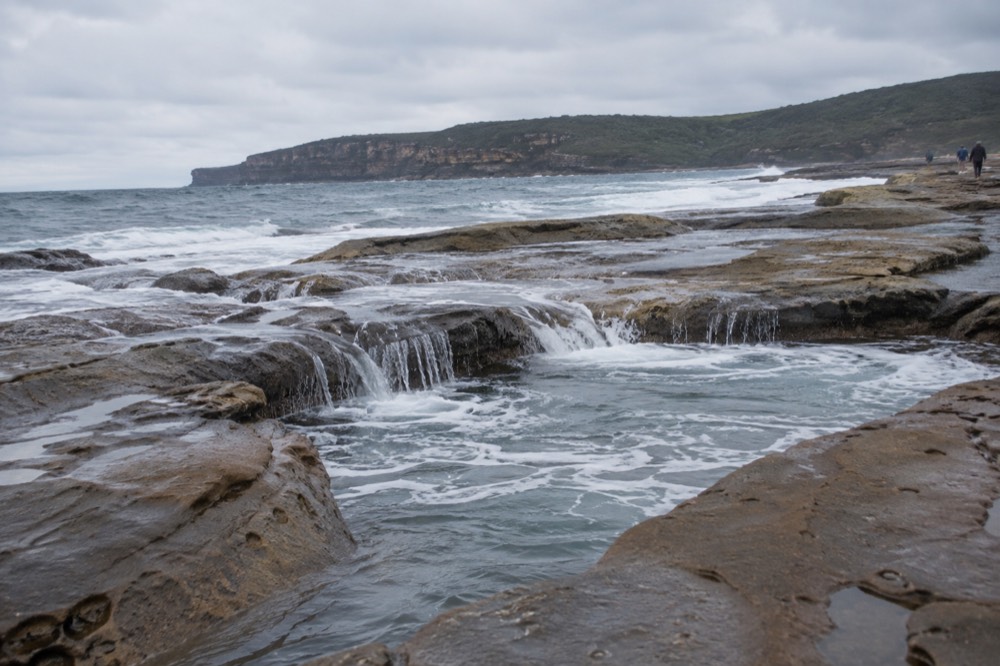
Safety is worth a sentence here because the park's most famous feature is also its most conditional. The Figure Eight Pools sit on an open ocean rock shelf, and the NSW National Parks guidance is blunt: visit at low tide and on a calm sea, and never turn your back on the waves. The Figure Eight Pools safety advice published by NSW National Parks carries live alerts for the park, including track closures, which are worth checking the week you go, because tracks in the park close periodically for maintenance and hazard reduction.
The same caution applies to the park's beaches. Several are unpatrolled, and the ocean pools and rock formations that draw photographers are not swimming areas in any lifeguarded sense. If swimming is the point of your day, pair the park with a patrolled beach and swim between the red and yellow flags; our best beaches in Sydney guide lists which beaches near the park's northern edge have year-round lifeguard patrols.
How to Visit the Park Without Paying the Fee
Take the train. Stations on the Illawarra line, including Sutherland, Loftus and Waterfall, sit on or just outside the park boundary, and from any of them you can walk straight in with no gate, no fee and no payment machine. Cronulla station connects to Bundeena by ferry, putting you inside the park's eastern half for the price of an Opal ferry fare, which is capped like every other Opal trip.
The Bundeena ferry route is the version most worth knowing about. The Cronulla to Bundeena ferry crosses the Hacking River in about 20 minutes and lands you in a small coastal village inside the park, from which the Coast Track heads south toward Wedding Cake Rock and Marley Beach. The whole day, train plus ferry plus walking, costs a handful of Opal dollars, and the weekend daily cap of $9.65 means the transport portion of the day cannot exceed that no matter how many legs you add. The Sydney ferries guide explains how the caps work across the network.
Cyclists get the same free entry, and the park's fire trails and the Lady Carrington Drive corridor make for a genuinely pleasant ride, though the coast track itself is a walking track and bikes are not permitted on it. For a fuller treatment of two-wheeled Sydney, the cycling in Sydney guide covers where bikes are welcome.
The one honest caveat about the free route is time. Walking in from Loftus or Waterfall adds kilometres to any day that was already going to be long, and a party with small children or limited fitness may find the $12 the cheapest money they spend all trip. Free entry is a real fact, not a trick, but it is a fact that rewards legs. This site, Sydney Travel Guide, rates the park as one of the best-value days out from the city either way.
For visitors whose Sydney itinerary leans toward organised days rather than self-directed ones, these are the options that pair well with a park visit:
The hop-on hop-off bus covers the city and Bondi side of a trip, while the Blue Mountains all-inclusive day trip is the model to compare against if you decide you would rather have a guided park-and-mountains day than a self-driven one.
Common Questions About Royal National Park Entry
Is entry to the Royal National Park free?
Entry is free on foot, by bicycle and by public transport. A private vehicle pays $12 per vehicle per day, and vehicles over eight seats pay $4.40 per adult and $2.20 per child instead. There is no per-person entry charge for walkers or train arrivals.
Do I have to pay if I arrive by train?
No. Train passengers enter the park without paying. Stations on the Illawarra line sit at the park's northern boundary, and the Cronulla to Bundeena ferry puts you inside the park's eastern side for a standard Opal fare.
Can I pay the vehicle fee at the gate?
You can pay at the Audley entry station when it is staffed, at pay machines in the main visitor areas, or in advance through the Park'nPay app. The app is the most reliable option at quiet entrances or early in the morning.
Does the $12 cover everyone in the car?
Yes. The fee is charged per vehicle, not per person, so a full car splits it five or more ways. It covers all areas of the park you can drive to for that calendar day.
Is camping included in free entry?
No. Camping sites are booked and paid separately through the NSW National Parks website, and popular sites fill well ahead in peak season. The entry fee, or free entry on foot, does not cover a tent site.
Are the Figure Eight Pools free to visit?
Yes, the pools cost nothing, but they sit on an ocean rock shelf that is only safe around low tide and in calm conditions. Check the tide and the park's live alerts before you walk out, and never visit when the swell is up.