Sydney Shopping Guide: Where to Shop, What to Buy and How to Get There
Sydney shopping runs from heritage arcades and department stores in the CBD to weekend markets in the inner west and surf labels at the beaches. This guide maps the precincts, the sales seasons and the cheapest ways to move between them.
Short answer
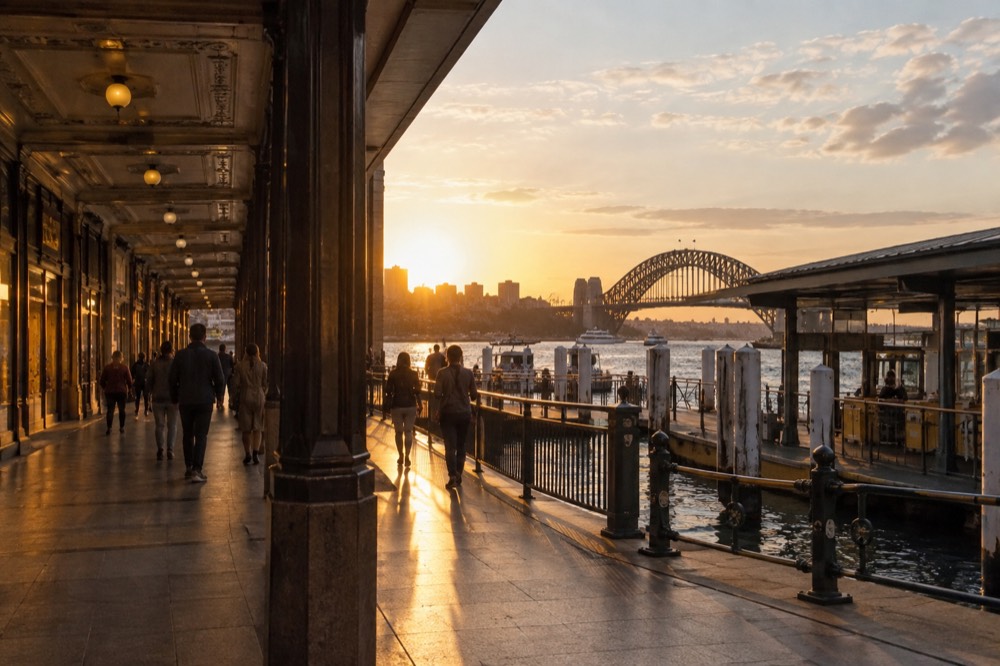
Sydney's main shopping precincts are Pitt Street Mall and the heritage arcades in the CBD, The Rocks for souvenirs and galleries, Paddington and Surry Hills for boutiques, Newtown for vintage and alternative shops, and weekend markets at Glebe, Paddington and The Rocks. The Queen Victoria Building and The Strand Arcade anchor the city; the Boxing Day sales on 26 December are the biggest retail event of the year.
Sydney's retail map is more spread out than most visitors expect. The CBD holds the department stores, the arcades and the flagship chains inside a walkable grid between Darling Harbour and Hyde Park, but the city's more interesting shopping sits in its neighbourhoods: the boutiques of Paddington, the vintage racks of Newtown, the weekend markets of Glebe and The Rocks, and the surf and streetwear labels that grew up around Bondi. This Sydney Travel Guide article walks through each precinct, the sales calendar, and the fares that connect them, so you can plan a shopping day without backtracking.
One thing worth knowing before you start: Sydney's retail year is shaped by its public holidays more than by weather. The days shops are shut, and the days they run sales, are published a year in advance by the NSW Government, and the biggest retail event of the calendar, the Boxing Day sales, is fixed to a date you can plan a whole trip around.
Where Are the Best Places to Shop in Sydney?
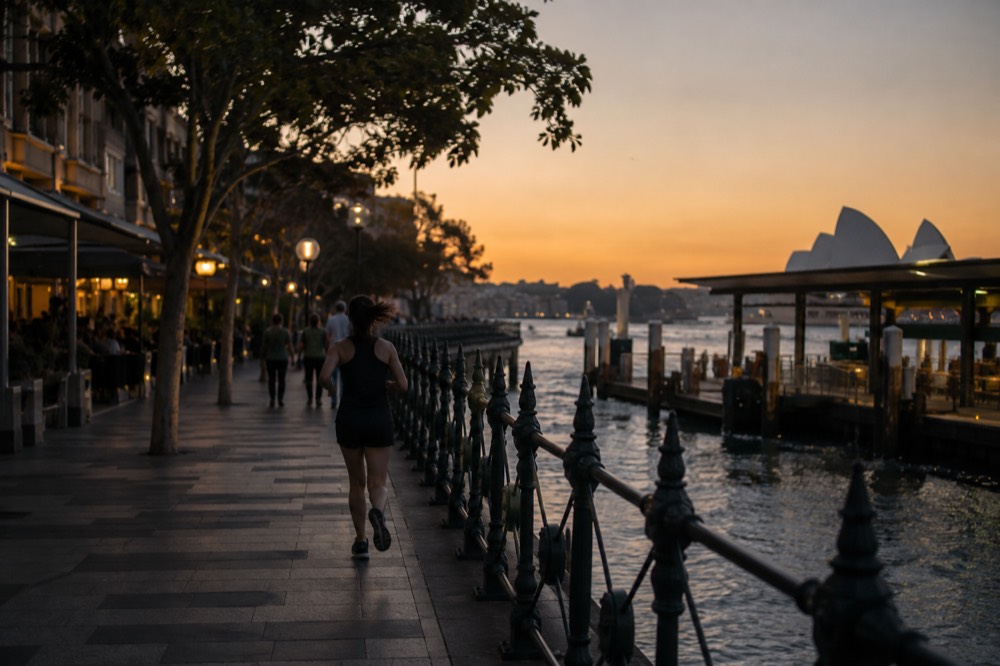
The best shopping precincts in Sydney are the CBD around Pitt Street Mall and the Queen Victoria Building for department stores and chains, The Rocks for souvenirs, galleries and weekend markets, Paddington and Surry Hills for independent boutiques, Newtown for vintage and second-hand, and Bondi for surf and streetwear labels. Each precinct has a distinct character, and most visitors do best picking two or three rather than trying to cover them all in a single day.
The CBD is the logical start. Pitt Street Mall is a pedestrian strip that concentrates the flagship stores of the big chains, and it sits inside a five-minute walk of two of the city's most photographed retail buildings, the Queen Victoria Building and The Strand Arcade. Westfield Sydney sits directly off the mall for the international labels, and the whole grid is flat, covered in places and easy to move through quickly.
The neighbourhoods reward more time. Paddington's Oxford Street strip runs through rows of terrace houses with fashion boutiques, homewares and bookshops between them. Surry Hills mixes design studios, vintage and some of the city's best coffee within a few blocks of Crown Street. Newtown, further west along the same train line, is where the op shops, record stores and second-hand bookshops cluster. If you are staying centrally, all three are under 20 minutes from the city by train or bus.
| Precinct | What it is known for | Best for |
|---|---|---|
| Pitt Street Mall (CBD) | Pedestrian mall, flagship chains, Westfield Sydney | Department stores, international brands |
| Queen Victoria Building | Heritage arcade with boutiques and dining | Gifts, jewellery, architecture |
| The Strand Arcade | Victorian-era arcade, Australian designers | Fashion, specialty retail |
| The Rocks | Galleries, souvenir shops, weekend markets | Aboriginal art, gifts, souvenirs |
| Paddington (Oxford Street) | Terrace-house boutiques | Australian fashion labels, homewares |
| Surry Hills | Design, vintage, streetwear | Independent and second-hand stores |
| Newtown | Vintage, records, bookshops | Op shopping, alternative retail |
| Bondi | Surf and streetwear brands | Beachwear, board labels |
| Darling Harbour | Tourist retail and the new Sydney Fish Market precinct | Family shopping, food |
Two of those precincts deserve their own pages if you want depth: our guides to The Rocks and Darling Harbour cover the dining and sightseeing around the shops, and the Chinatown strip and its markets, which sit between the CBD and Darling Harbour, are covered in our city dining pages.
What Are Sydney's Shopping Arcades and Department Stores Like?
The Queen Victoria Building is Sydney's grandest retail space, a heritage arcade with a stained-glass dome and central arcade running four levels of boutiques, while The Strand Arcade holds Australian fashion designers under a Victorian-era glass roof. Both sit within a five-minute walk of Pitt Street Mall, so the three can be done in one loop of about two hours at a relaxed pace.
The Queen Victoria Building, universally shortened to QVB, is the one Sydneysiders send visitors to see even when nothing is bought. The building fills a full city block on George Street, with a central arcade, ornate balustrades on every level and a stained-glass dome over the tea rooms. The tenancy mix leans toward jewellery, Australian fashion, gifts and dining, which makes it the best single stop for presents that need to survive a suitcase. Our full QVB guide covers the building's layout and what is on each level.
The Strand Arcade, a block east, is smaller and quieter. It is the surviving heritage arcade of the city's Victorian retail era, and its specialty is Australian designer fashion, much of it from labels that do not maintain storefronts anywhere else in the CBD. If you are shopping for a wardrobe piece rather than a souvenir, this is the better of the two arcades.
The department store tradition matters here too. The big chains anchor the mall end of the CBD, and their food halls are a genuinely useful budget lunch option in a city where a CBD cafe lunch adds up quickly. Our Sydney on a budget guide folds them into a cheap day out alongside the free attractions.
If you would rather split a shopping day between retail and the classic sights, the combo products are the efficient route. The four-attraction combo pass bundles SEA LIFE Sydney Aquarium, Sydney Tower Eye, WILD LIFE Sydney Zoo and Madame Tussauds at a single from price, all of which sit within walking distance of the CBD retail strip.
When Are Sydney's Markets and Where Do They Run?
Sydney's best-known markets are the weekend markets at The Rocks, the Saturday Glebe Markets, the Paddington Markets and the Chinatown night markets, with most running on Saturday or Sunday and a handful trading Friday evenings. Hours and stall lists change week to week, so treat any published time as a guide and check the organiser before committing a morning.
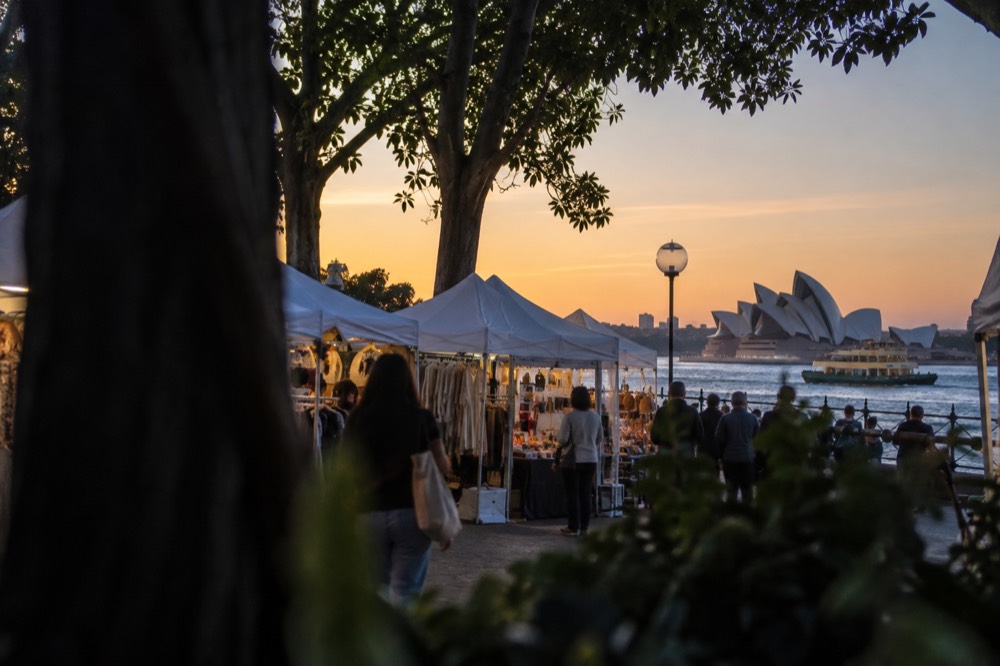
Markets are where Sydney shopping stops feeling like a mall. The Rocks weekend markets operate in the historic lanes near Circular Quay and lean toward arts, crafts and gifts, which makes them the easiest souvenir stop for cruise passengers and anyone staying in the city. The Glebe Markets, held in the grounds of the local school on Saturday, are the inner west's second-hand and designer-stall institution, and they sit right on the light rail line from the CBD.
Paddington Markets run on Saturday along the Oxford Street strip, close to the boutiques, so the two can be combined in one morning. Further out, the Sydney Fish Market at Blackwattle Bay is retail in a different sense: a working wholesale and dining precinct that moved into a new building in early 2026, with more than 40 retailers and a direct ferry link that joined the Opal network the same year.
| Market | Usual day | Focus |
|---|---|---|
| The Rocks Markets | Saturday and Sunday | Art, crafts, gifts, souvenirs |
| Glebe Markets | Saturday | Second-hand, vintage, local designers |
| Paddington Markets | Saturday | Fashion, homewares, art |
| Chinatown night markets | Friday evenings | Street food, small goods |
| Sydney Fish Market | Daily | Seafood retail and dining |
Our full Sydney markets guide has the precinct-by-precinct detail, including the smaller suburban markets most visitors never hear about. For food specifically, the guided option is worth considering: a six-tasting food tour through the central food precincts covers more ground in three and a half hours than most visitors manage alone, and it doubles as a lunch.
If your market day is really a food day, the Sydney food guide maps the eating streets around each precinct, and the Newtown and Glebe pages cover the inner west's cafe and vintage strip in detail.
Where Can You Buy Aboriginal Art and Authentic Australian Souvenirs?
The Rocks gallery precinct is the main concentration of Aboriginal art retail in central Sydney, with dedicated galleries and weekend market stalls, and reputable dealers will provide documentation for any significant work. Look for works that name the artist and their people, and be wary of mass-produced souvenir lines that carry no artist attribution at all.
Sydney sits on the land of the Gadigal people of the Eora Nation, and the city's better galleries stock art from across the country with proper provenance. The Rocks has the densest cluster, and the galleries there handle everything from small works suited to a suitcase to large canvases that ship internationally. Documentation matters: a reputable dealer provides the artist's name, community and details of the work, which is also what you want for any customs or insurance questions at home.
For souvenirs that are not art, the honest rule is to buy what is actually made here. Australian-made woollens, local skincare, books by Australian authors and food products like macadamias or honey are the items that survive the trip and keep being useful. The generic souvenir shops around Circular Quay sell the same imported trinkets found in every Australian tourist strip, and the price difference rarely reflects anything local.
If you want the cultural context rather than just the object, the Aboriginal-led experiences in the city are the real thing. The Aboriginal cultural cruise with Clark Island tour runs for two hours on the harbour and includes the island's cultural sites, and the Burrawa Aboriginal BridgeClimb experience is the indigenous-led version of the bridge climb. Both are small-scale operations, and neither is a shopping stop, but they explain the culture the galleries sell windows onto.
What Are Sydney's Shopping Hours, Public Holidays and Sales Seasons?
Sydney's CBD stores trade seven days, typically opening around 9am or 10am and closing between 5pm and 7pm, with late trading on Thursday evenings in the CBD, while neighbourhood shops often close earlier and Sundays run shorter hours. The two retail events worth planning around are the Boxing Day sales on 26 December and the mid-year stocktake sales through June and July, and the public holiday calendar is published a year ahead by the NSW Government.
The single most reliable source for the days shops will be shut is the official NSW public holidays page, which lists every gazetted holiday for 2026 and 2027: nsw.gov.au public holidays. Two details from that list catch visitors out. First, the Bank Holiday on the first Monday in August is not a public holiday for most people; it applies to banks and certain financial institutions, so shops, attractions and transport run normally. Second, when Christmas Day or Boxing Day falls on a weekend, an additional weekday is gazetted, which shifts the sales shopping window in those years.
| Holiday | 2026 date | Retail effect |
|---|---|---|
| New Year's Day | Thursday 1 January | Shops closed or limited hours |
| Australia Day | Monday 26 January | Trading, some sales |
| Good Friday | Friday 3 April | Shops closed |
| Easter Monday | Monday 6 April | Trading resumes |
| Anzac Day | Saturday 25 April (additional Monday 27 April) | Limited morning trading |
| King's Birthday | Monday 8 June | Trading, stocktake sales period |
| Bank Holiday | Monday 3 August | Normal trading for shops |
| Christmas Day | Friday 25 December | Shops closed |
| Boxing Day | Saturday 26 December (additional Tuesday 29 December) | Boxing Day sales begin |
The sales calendar is predictable even though no one publishes it as an official schedule. The stocktake sales run through June and July, which is winter in Sydney, and that timing is the quiet advantage: accommodation is cheaper outside the December-to-February summer peak, so a shopping trip built around the winter sales costs less on both ends. Our best time to visit Sydney guide covers the seasonal trade-offs in full, and the Sydney in winter page has the month-by-month detail.
How Do You Get Between Sydney's Shopping Precincts?
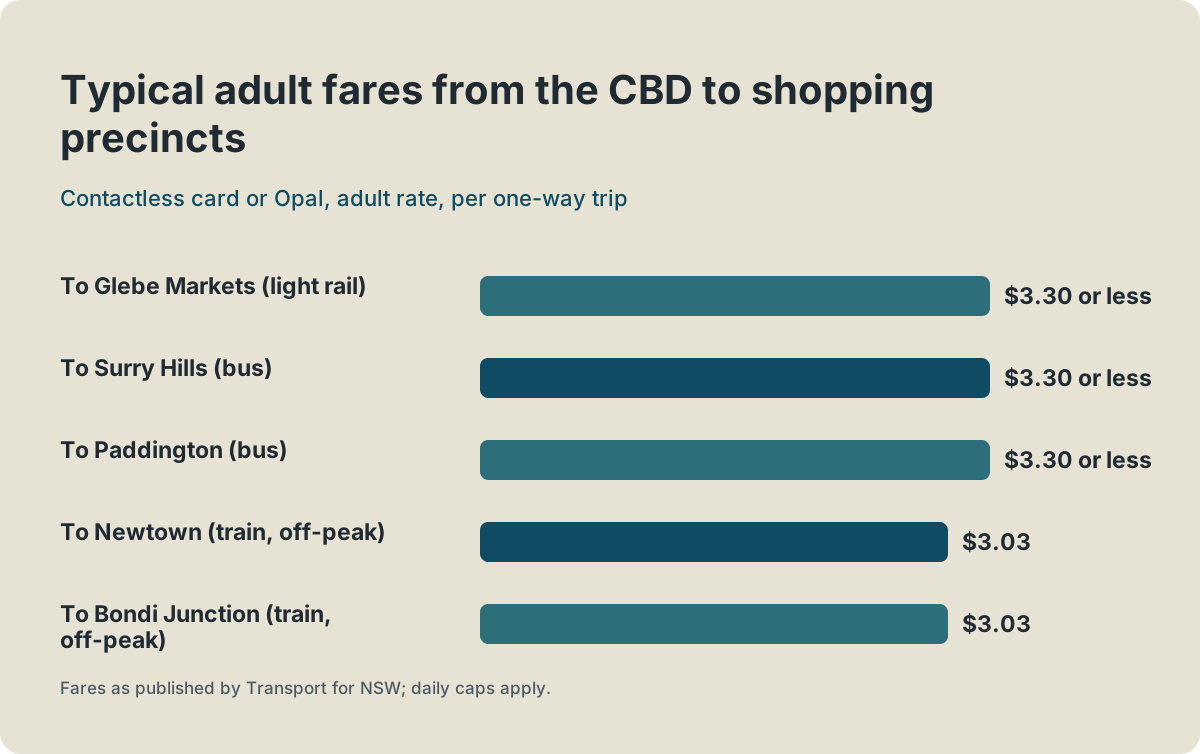
A contactless credit card or an Opal card covers every train, bus, ferry and light rail trip between Sydney's shopping precincts, capped at $19.30 a day Monday to Thursday and $9.65 a day on Fridays, weekends and public holidays. The CBD precincts are all walkable from one another, and the neighbourhoods, Paddington, Surry Hills, Newtown and Glebe, each sit within about 20 minutes of the city by train, bus or light rail.
You do not need an Opal card specifically. A contactless American Express, Mastercard or Visa card charged at the adult Opal rate and earns every benefit, including the caps and the 30% off-peak discount on metro, train, bus and light rail. The official fare detail is published by Transport for NSW at transportnsw.info adult fares. Single-trip tickets from machines cost more and earn none of those benefits, so they are a backup only.
| Trip from the CBD | Mode | Typical adult fare |
|---|---|---|
| To Glebe Markets | Light rail | $3.30 or less |
| To Surry Hills | Bus | $3.30 or less |
| To Paddington | Bus | $3.30 or less |
| To Newtown | Train, off-peak | $3.03 |
| To Bondi Junction | Train, off-peak | $3.03 |
| To The Rocks | Walk or ferry | Free, or ferry fare |
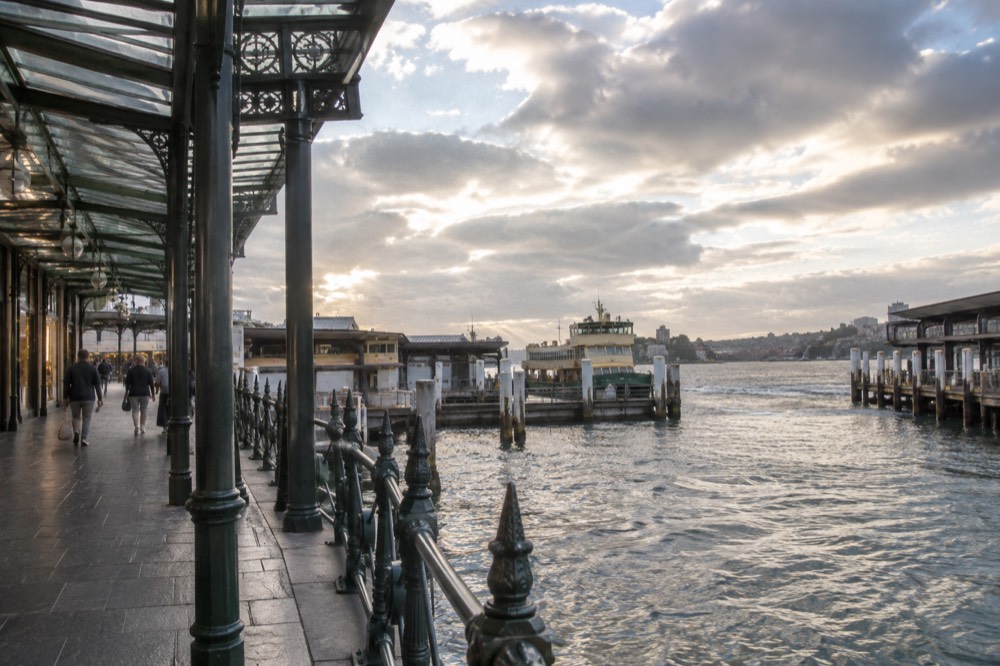
The ferry deserves a mention even on a shopping day. The Sydney ferries guide covers the routes, and a harbour sightseeing cruise from Circular Quay, running an hour and a half from US$28.53, is the most efficient way to see the harbour between shopping stops if the weather is kind. Our getting around Sydney and Opal card guide pages have the full transport detail, including the airport station access fee that sits outside the daily caps.
Is Shopping in Sydney Expensive?
Sydney is an expensive city for international fashion and department-store goods, with prices broadly comparable to other major Australian cities, but the budget tiers are real: op shops in Newtown and Glebe, weekend market stalls and the department store food halls keep a shopping day cheap. The costs that add up fastest are dining and transport between precincts, not the goods themselves.
The honest comparison is with the city's general cost of living, which our is Sydney expensive guide covers with real numbers for meals, transport and accommodation. For shopping specifically, the pattern is that imported brands carry a premium, Australian-made goods are priced for locals rather than tourists, and the second-hand market is genuinely good value because Sydneysiders turn over wardrobes quickly.
The practical budget structure for a shopping day looks like this: the CBD arcades and department stores for browsing, one neighbourhood precinct for the actual buying, and a market for the gifts. That spread keeps the day interesting and stops the budget concentrating in one expensive mall. If you are pairing a shopping day with paid attractions, the Sydney [attraction passes](https://gocity.tpk.ro/rUvgw2vS) compared guide breaks down whether a pass beats individual tickets for your itinerary.
What Should You Actually Buy in Sydney?
The best things to buy in Sydney are Australian-made goods that travel well: woollens and merino from the department stores, Aboriginal art with documentation from The Rocks galleries, Australian skincare and fragrances, books by local authors, and food products such as macadamias, honey and chocolate. Surf-brand apparel is cheaper here than overseas, and the second-hand and vintage market is stronger than most visitors expect.
Merino wool is the classic answer and still a good one, because the department stores and the QVB boutiques stock Australian labels at prices that undercut what the same goods cost overseas. Skincare built on native botanicals is the newer category, and the specialty stores in Surry Hills and the CBD carry ranges that are hard to find outside the country. Books are the sleeper pick: Australian publishing covers the country's history, architecture and coast with a depth that airport bookshops never reflect.
For the food gifts, the new Sydney Fish Market building at Blackwattle Bay is the one-stop option for smoked seafood and preserves, and the Chinatown grocery stores stock the Asian ingredient ranges that home cooks cannot always find abroad. If you are flying out, remember the quarantine rules on food and wooden items apply to what you carry, and check your own country's import rules before you buy, since honey and some animal products are restricted in many destinations.
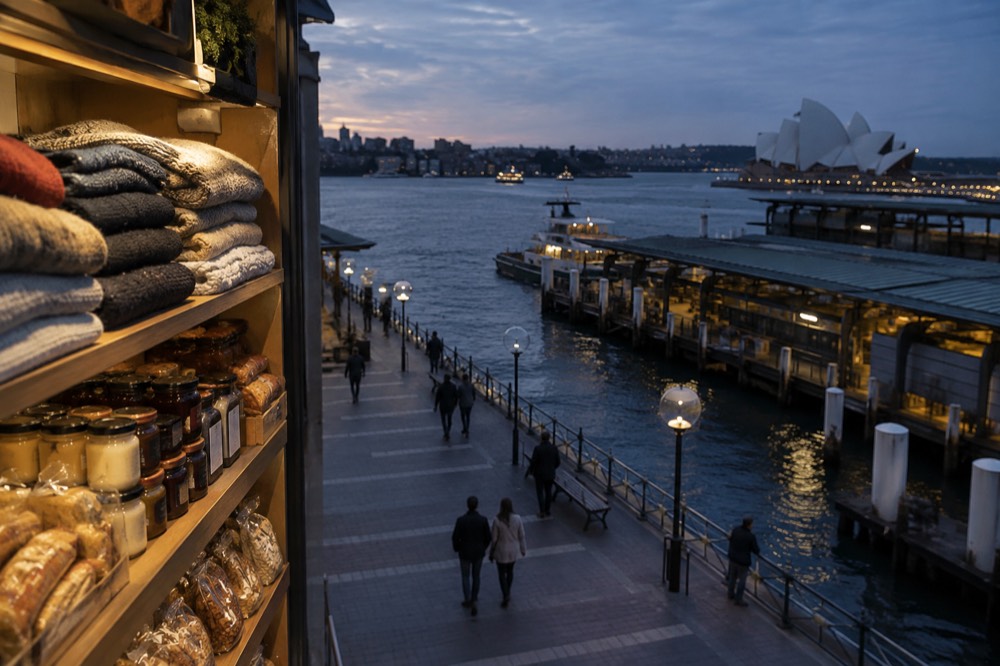
A shopping day also pairs naturally with the sights, and the combo products are built for exactly that split. The four-attraction pass covers SEA LIFE Sydney Aquarium, Sydney Tower Eye, WILD LIFE Sydney Zoo and Madame Tussauds, and our SEA LIFE Sydney Aquarium and Sydney Tower Eye guides cover what each one includes if you would rather pick two than four.
However you structure the day, keep the precincts clustered. The CBD loop of Pitt Street Mall, the QVB and The Strand takes a morning; a neighbourhood precinct plus its market takes an afternoon; and Darling Harbour or the fish market fills the evening without another long transit leg. That is a full, satisfying Sydney shopping day that never spends more than about 20 minutes in transit at a time.
Common Questions About Shopping in Sydney
What are the best shopping areas in Sydney?
Pitt Street Mall and the surrounding CBD blocks for department stores and chains, the Queen Victoria Building and The Strand Arcade for heritage retail and gifts, The Rocks for galleries and weekend markets, Paddington and Surry Hills for boutiques, and Newtown for vintage. Most visitors do best picking two or three precincts for one day rather than attempting them all.
What should I buy in Sydney that I cannot get at home?
Australian merino woollens, Aboriginal art with documentation from a reputable gallery, local skincare built on native botanicals, books by Australian authors, and food gifts such as macadamias, honey and smoked seafood from the Sydney Fish Market. Check your home country's import rules on food and wooden items before buying.
When do the Boxing Day sales start in Sydney?
Boxing Day, 26 December, is the start of the biggest sales period of the Sydney retail year. In 2026 Boxing Day falls on a Saturday, with an additional gazetted holiday on Tuesday 29 December. The stocktake sales run through June and July, which is Sydney's winter and a cheaper time to visit overall.
Are shops open on public holidays in Sydney?
Most retail trades on public holidays except Good Friday, Christmas Day and the morning of Anzac Day, when trading is closed or restricted. The Bank Holiday on the first Monday in August is not a public holiday for most workers, so shops and attractions run normally. Public holidays also carry the cheaper $9.65 Opal daily cap.
Do I need an Opal card for a shopping day in Sydney?
No. A contactless American Express, Mastercard or Visa card is charged the same as an adult Opal card and earns every benefit, including the daily caps of $19.30 Monday to Thursday and $9.65 on Fridays, weekends and public holidays. Single-trip tickets from machines cost more and earn no caps or discounts.
Where can I buy Aboriginal art in Sydney?
The Rocks gallery precinct has the densest concentration of Aboriginal art retail in central Sydney, alongside weekend market stalls. Buy from dealers who provide the artist's name, community and documentation for the work, and be wary of mass-produced souvenir lines that carry no artist attribution.