Which Is Better to Live, Melbourne or Sydney?
A practical comparison of Sydney and Melbourne for anyone deciding where to live: costs, weather, transport, lifestyle and what each city does better.
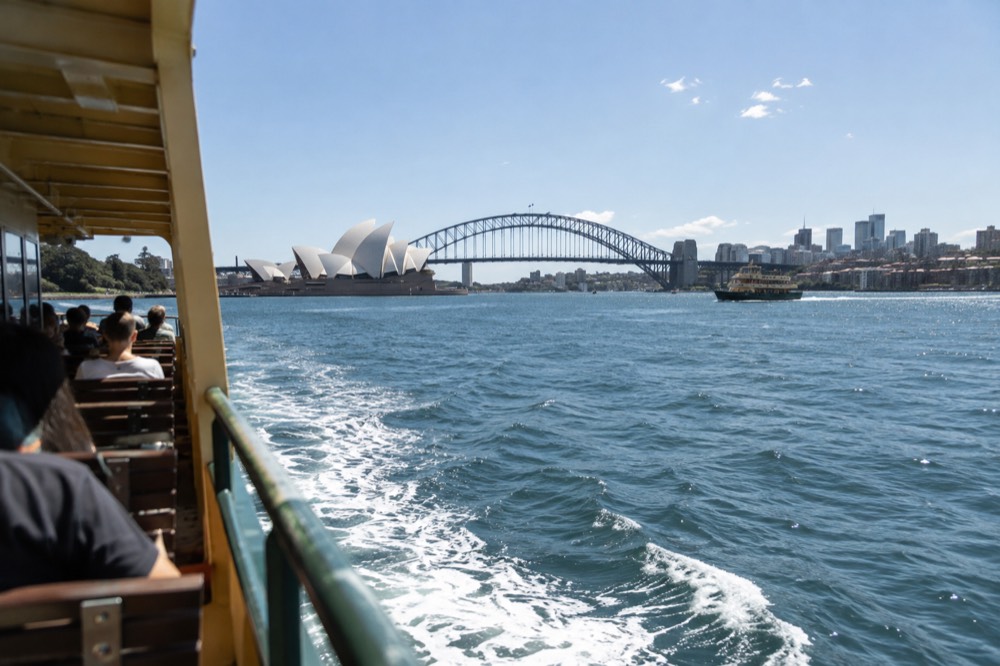
Sydney and Melbourne pull different people for different reasons, and the honest answer depends on what a city is for. Sydney trades on its harbour: the water is not decoration, it is the organising feature of the place, from the ferry commute to the coastal walk. Melbourne trades on its street life: laneway bars, a deeper theatre and coffee culture, and a grid that rewards wandering. This site covers Sydney, so it will argue its corner, but the comparison below sticks to verifiable facts rather than civic pride.
Which Is Better to Live, Melbourne or Sydney?
Neither city is objectively better, and the decision usually comes down to climate, cost and what you want within reach of your front door. Sydney runs warmer and sunnier, with a harbour and beaches built into everyday life, and it is typically the dearer of the two for housing. Melbourne runs cooler, more changeable and generally cheaper, with a stronger reputation for food, arts and inner-city density. If you want water and light, Sydney wins. If you want street culture and lower costs, Melbourne wins.
Both are large, safe, well-serviced state capitals with strong job markets, so neither choice is a mistake.
The comparison that matters is not the postcard version, it is the Tuesday version. What does the commute feel like, what does rent take out of your pay, how often does the weather wreck your weekend plans, and how easy is it to leave the city when you need to. Those are the questions worth answering, and they are where the two cities genuinely diverge.
Sydney's visitor economy gives a hint of its character: in the year ending March 2026, Destination NSW recorded 67.5 million visitors, and international visitors were under 6% of that headcount but over 70% of visitor nights. Sydney is a city people travel a long way to spend time in. Melbourne's pull is more domestic and more everyday, which is a different kind of strength.
What Does It Cost to Live in Sydney Compared to Melbourne?
Sydney is generally the more expensive city to live in, and housing is the main reason: rents and purchase prices in Sydney sit above comparable Melbourne suburbs in most published indices. Everyday costs such as groceries, public transport fares and dining out are closer between the two, and Sydney's weekly public transport cap of $50 keeps commuting costs contained. The honest framing is that both cities are expensive by world standards, and Sydney is the dearer of two expensive options.
Budget for housing as the deciding line, not coffee.
The transport side of the budget is actually well defined in Sydney, because fares are set by an annual NSW determination and published openly. An adult Opal or contactless fare on the metro or train runs $4.33 peak for a short trip up to 10 km, $3.03 off-peak, with a daily cap of $19.30 Monday to Thursday and $9.65 from Friday to Sunday and on public holidays. Ferries cost more, $7.35 for a journey under 9 km, and the famous Manly ferry sits in the 9 km-plus band at $9.20 each way. A public holiday is the cheapest day to travel widely, because the $9.65 cap applies.
| Sydney transport cost | Amount (2026 fare year) |
|---|---|
| Metro/train, 0–10 km, peak | $4.33 |
| Metro/train, 0–10 km, off-peak | $3.03 |
| Ferry, 0–9 km | $7.35 |
| Manly ferry (F1), one way | $9.20 |
| Daily cap, Mon–Thu | $19.30 |
| Daily cap, Fri–Sun and public holidays | $9.65 |
| Weekly cap | $50 |
One Sydney-specific trap worth knowing before you move: the airport station access fee sits outside both the daily and weekly caps. The current adult fee is $18.61 on top of the train fare, charged at both Domestic and International stations, with its own separate weekly cap of $37.75. The 400 bus carries no station access fee at all. If you will fly often, factor that in, because a fortnightly airport run costs more in Sydney than the fare table suggests. Transport for NSW publishes the full fare and cap detail on its adult Opal fares page.
Melbourne's myki system has its own fare structure and free tram zone in the CBD, which many residents use daily. The two systems are not directly comparable, but both cities cap fares, so neither punishes a long commute the way some capitals do.
Which City Has Better Weather?
Sydney is the warmer and sunnier city, but the popular picture of Sydney weather is wrong in one important way: June is its wettest month, wetter than any summer month, and February is its cloudiest. Melbourne is cooler and famously changeable, with four seasons in a day a local cliché because it is often true. Sydney's long-run averages show a mean daily maximum of 21.8 °C across the year against milder, greyer Melbourne norms. If you want reliable warmth and beach weather, Sydney wins clearly.
If heat bothers you, Melbourne is gentler.
The Bureau of Meteorology's long-term normals for Sydney, from the Observatory Hill station with a record stretching back to 1858, show a pattern most newcomers do not expect. Rainfall peaks in autumn and early winter rather than summer, August has the most clear days of any month at 13.4 on average, and February, the middle of peak season, has the fewest at 5.3. Winter days are shorter, with June averaging just 5.5 hours of sunshine, but the skies themselves are often clearer than January's.
| Month | Mean max °C | Mean min °C | Mean rainfall mm | Mean clear days |
|---|---|---|---|---|
| Jan | 26.0 | 18.8 | 101.2 | 6.8 |
| Feb | 25.8 | 18.9 | 119.3 | 5.3 |
| Jun | 17.0 | 9.3 | 133.1 | 9.1 |
| Aug | 17.9 | 9.0 | 80.2 | 13.4 |
| Dec | 25.3 | 17.6 | 77.1 | 6.6 |
Both cities observe daylight saving, from the first Sunday in October to the first Sunday in April, so summer evenings run long in each. And remember the seasons are inverted from the northern hemisphere: December, January and February are summer, June, July and August are winter. Anyone moving from Europe or North America should reset their calendar instincts before choosing a move-in date.
One more practical note for Sydney: the UV index passes the protection threshold of 3 for most of the year and reaches extreme levels of 11-plus in summer. ARPANSA operates a live UV monitoring station in Sydney, and even in early spring the measured peak can exceed 4 by early afternoon. Sun protection is a daily habit here in a way it simply is not in most of the world.
How Does Getting Around Compare Day to Day?
Both cities run on integrated public transport with capped fares, but Sydney's network now includes a driverless metro, an extensive ferry fleet and a growing light rail system, while Melbourne's tram network is the largest in the world and anchors its inner city. Sydney's harbour geography means ferries are a genuine commuting option, not a tourist novelty, and the F1 Manly ferry is a real part of daily life for thousands of residents. Melbourne's grid and trams make the inner city unusually walkable and rideable.
Neither city requires a car if you live centrally, and both punish driving with congestion and parking costs.
Sydney's metro is the newest piece. The M1 line from Tallawong to Sydenham has been open since August 2024, and the Sydenham to Bankstown extension was in final trial running, targeting an opening later that year pending regulatory approvals. Western Sydney's new international airport at Badgerys Creek, named for Nancy-Bird Walton, begins passenger flights on 25 October 2026, with its own metro line tied to that opening. If your job sits in the west or near the airport corridor, Sydney's transport map is changing fast in your favour.
The ferry layer is where Sydney is genuinely different from Melbourne. Public Sydney Ferries run routes F1 through F10 with full Opal benefits, and the F10 Blackwattle Bay route joined the Opal network in 2026. The catch is the privately operated Manly Fast Ferry: it accepts Opal cards through OpalPay, but the fares differ and the caps and transfer discounts do not apply. New residents regularly get caught by that distinction on their first trip to Manly.
Living in Sydney also means living with the harbour as infrastructure. A morning or afternoon on the water is cheap and ordinary here.
For a fuller sense of the city before you commit to a neighbourhood, our getting around Sydney guide covers the metro, trains, buses and ferries in detail, and the Sydney ferries guide explains which routes are worth riding even when you are not commuting.
Which City Suits Your Lifestyle Better?
Melbourne suits people who want dense inner-city life: laneway bars, live music, a deep restaurant scene, major sport and a compact grid built for wandering. Sydney suits people who want the outdoors inside their week: ocean beaches, coastal walks, national parks at the city's edge and a harbour that turns an ordinary commute into a scenic one. Neither city is short of restaurants or culture, but Melbourne's reputation for street-level culture is earned, and Sydney's reputation for natural setting is earned harder.
Choose the one whose default weekend you actually want.
Sydney's outdoor life is more than the postcard beaches. The Blue Mountains National Park charges no vehicle entry fee except in the Glenbrook area, $8 per day there, and Katoomba, Blackheath and Wentworth Falls all sit inside the park with no fee at all. Royal National Park to the south charges $12 per vehicle per day, and arriving by train or on foot avoids vehicle fees at almost every Sydney park. Whale season runs May to November along the NSW coast, with the southern migration from August to November bringing mothers and calves closer to shore. An estimated 40,000-plus humpbacks migrate along the NSW coast each year, and land-based vantage points sit inside Sydney's own national parks.
Swimming is a Sydney daily habit in a way it rarely is elsewhere. Bondi, Bronte, Tamarama, Coogee and Manly are patrolled year-round by council lifeguards, and Dee Why joined them on year-round patrol from around May 2026. The rule that matters: swim between the red and yellow flags during patrol hours. Surf Life Saving Australia's National Coastal Safety Report 2025 recorded 154 coastal drowning deaths nationally, the highest on record, and every incident occurred outside the flags, outside patrol times or at unpatrolled locations. The official advice on rips is to stay calm, raise an arm and call for help, float with the current which may return you to a sandbank, or swim parallel to the beach toward breaking waves.
Melbourne counters with density. Its laneway culture, its theatre scene and its sporting calendar, anchored by the Melbourne Cricket Ground, give it a claim as Australia's cultural capital that Sydney does not seriously dispute. Sydney people argue instead that you can finish work, swim at Bronte and watch the sun set over the harbour, and that no laneway espresso makes up for losing that.
If you are weighing the two as a visitor before deciding, our Sydney vs Melbourne comparison goes deeper on the travel side, and what is the best month to visit Sydney helps if your scouting trip needs a date.
What Should You Do First When You Arrive in Sydney?
Spend your first week on the water and on foot, not in a car: take a ferry to Manly, walk the Bondi to Coogee coastal path, and explore The Rocks and the harbour foreshore before you form an opinion from any single neighbourhood. Sydney reveals itself from the harbour better than from any road, and the ferry network doubles as a cheap orientation tour under the Opal cap.
Then explore the neighbourhoods, because the difference between living in Newtown, Mosman or Parramatta is as large as the difference between some whole cities.
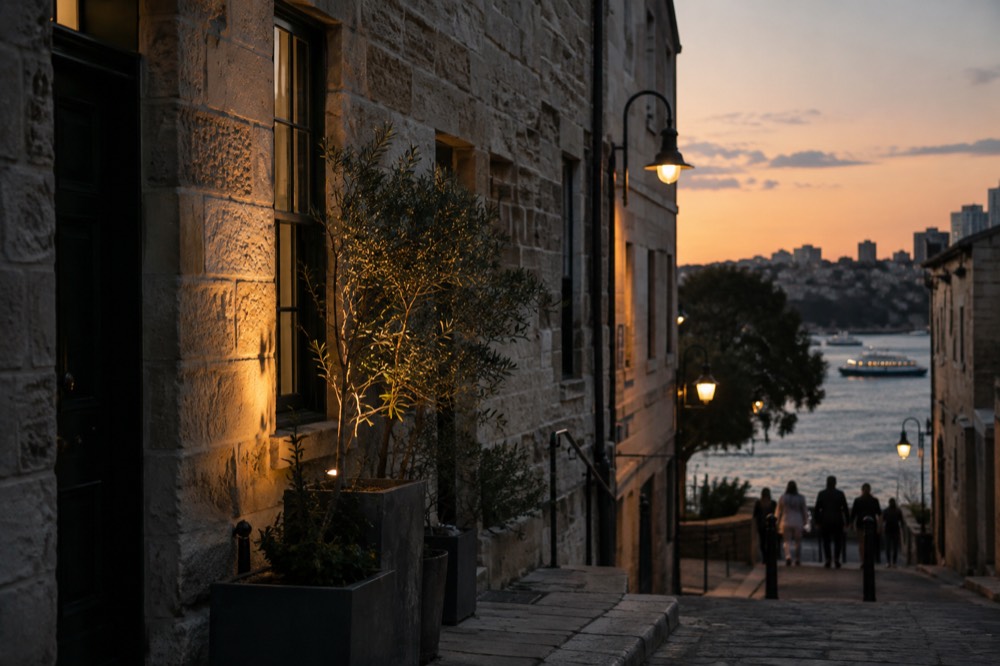
The Rocks is the right first walk. It is where colonial Sydney began, and a guided walk through it explains the city's layers faster than any museum. From there the Royal Botanic Garden, free to enter and open daily from 7am to sunset, curves around Farm Cove to the Opera House, and the Art Gallery of New South Wales stays open until 10pm on Wednesdays, an under-used detail for anyone whose working day runs late.
If you are still deciding between the two cities, do the same week in Melbourne, then compare how each felt at 7am, because the morning routine is the part you will actually live. And whichever way you go, the Sydney Travel Guide homepage maps the neighbourhoods, transport and day trips so your first month is not spent guessing.
Common Questions About Living in Melbourne or Sydney
Which is better to live, Melbourne or Sydney?
Neither is objectively better. Sydney is warmer, sunnier and built around its harbour and beaches, and it is typically dearer for housing. Melbourne is cooler, cheaper and stronger on inner-city culture, food and sport. Choose on climate, cost and the weekend you want by default.
Is Sydney more expensive than Melbourne?
Generally yes, and housing is the main gap. Everyday costs such as groceries and public transport are closer, and Sydney's capped Opal fares, $50 a week keep commuting costs predictable. Treat rent as the deciding line in any budget comparison.
Does Melbourne have better weather than Sydney?
Depends on preference. Sydney is warmer and sunnier on average, with a mean annual maximum of 21.8 °C, but its wettest month is June and its cloudiest is February. Melbourne is cooler and famously changeable. If you want beach weather, pick Sydney; if heat tires you, pick Melbourne.
Do you need a car to live in Sydney or Melbourne?
No, if you live centrally in either. Sydney has metro, trains, buses, light rail and ferries with capped fares; Melbourne has the world's largest tram network plus trains and buses. Both cities punish driving with congestion and parking costs, and both reward living near a transport hub.
Which city is better for jobs?
Both are strong, with different centres of gravity. Sydney is Australia's financial and corporate hub with a large professional services base; Melbourne is strong in finance too, plus a large health, education and creative sector. Check your specific industry rather than relying on the city-level reputation.