Which Beach Is Least Crowded in Sydney?
The quietest Sydney beaches for a calm swim, from Shelly Beach to Palm Beach, with crowd timing, patrol facts and safety notes.
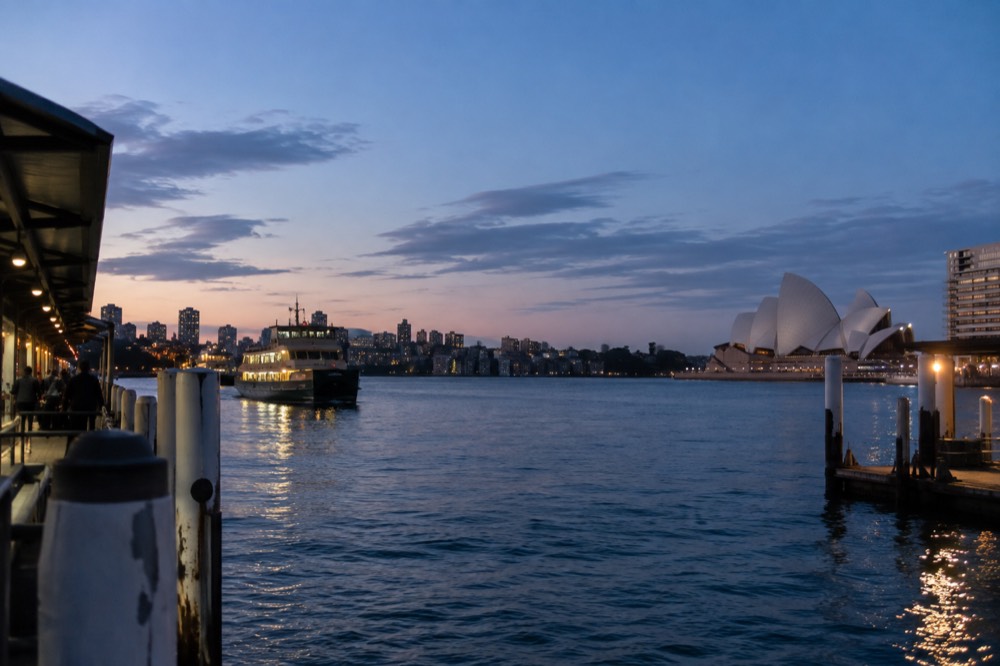
Sydney's coastline holds far more sand than the one beach everybody photographs. On a hot summer Saturday, Bondi is standing-room-only by mid-morning, while a string of smaller beaches nearby stay genuinely quiet. The catch is knowing which ones, because the quiet ones are quiet for a reason: they are a ferry ride, a bus transfer or a longer walk from the tourist trail, and a few have conditions that suit confident swimmers rather than everyone.
Which Beach Is Least Crowded in Sydney?
There is no official crowd counter on Sydney's beaches, so no single beach can be crowned the least crowded with a number behind it. In practice, the quietest swimmable options are Shelly Beach at Manly, Clovelly, Maroubra and Palm Beach, each of which stays noticeably calmer than Bondi even in peak summer. For near-guaranteed solitude, the harbour and national park coves, such as Wattamolla in the Royal National Park, are emptier again. The trade-off is access: the emptier the beach, the further it sits from a train station.
Why does this question even need hedging? Because Sydney's councils publish patrol hours, water quality grades and cleaning schedules, but none of them publish headcounts. What we do know from the visitor data is scale: Destination NSW recorded 67.5 million visitors to Sydney in the year ending March 2026, and an enormous share of them end up on the same three or four famous stretches of sand. Crowding in Sydney is not evenly spread along the coast, it is concentrated at a handful of names.
The pattern is predictable. Bondi, Manly and Coogee absorb the tourists and the eastern-suburbs crowd. The beaches one step removed, Bronte and Tamarama, take the overflow. Everything beyond that ring is dramatically quieter, and Sydneysiders exploit that fact every weekend. If you want a fuller rundown of the whole coastline, our best beaches in Sydney guide ranks them properly; this page is specifically about where the people are not.
Which Sydney Beaches Stay Quietest on a Summer Weekend?
Shelly Beach at Manly is the strongest single answer for most visitors: it is a 15-minute walk around the headland from Manly's ferry wharf, it faces a calm, protected bay, and it never carries the wall-to-wall crowds of its famous neighbour. Clovelly is the other reliable pick, a narrow, concrete-edged channel of water that locals treat as a swimming pool. Maroubra and Palm Beach round out the list, each quiet mainly because they sit at the end of long bus or ferry journeys.
The table below compares the usual suspects on the two things that matter: how busy they get in peak season, and what kind of swimmer each suits. "Quiet" here is a relative judgement based on how these beaches are used, not a measured count, because no such count exists.
| Beach | Typical peak-season crowd | Best for | Why it stays quiet |
|---|---|---|---|
| Shelly Beach (Manly) | Low to moderate | Families, snorkellers, cautious swimmers | Protected bay; requires a walk past Manly's main beach |
| Clovelly | Low | Lap swimmers, sunbathers | Narrow and channel-like; not a "beach day" beach |
| Tamarama | Moderate | Surfers, strong swimmers | Small and hemmed by headlands; surf can close it |
| Bronte | Moderate | Families, all-round beach day | Overshadowed by Bondi next headland north |
| Maroubra | Low to moderate | Surfers, long walkers | 10 km south of the CBD, end of a bus line |
| Palm Beach | Low | A full-day trip, calm north corner | 90 minutes from the city by public transport |
| Wattamolla (Royal NP) | Low on weekdays | Calm lagoon swimming | Requires a car and a park entry fee |
Two entries deserve a caveat. Tamarama is small, gorgeous and popular with locals who know it, so "moderate" there can still feel busy on a 30-degree day. And Wattamolla sits inside the Royal National Park, which charges $12 per vehicle per day, a fee that thins the crowds on all but holiday weekends. Fees are per vehicle, so arriving by train and foot avoids them entirely, though Wattamolla itself is awkward without a car.
If your real goal is simply "not Bondi", the cheapest upgrade is geographic. Bronte and Coogee are one and three headlands south along the Bondi to Coogee coastal walk, and each is calmer than Bondi while still having a kiosk, a ocean pool and a lifeguard tower. You can read more about the two anchors of that walk in our Bondi Beach and Coogee Beach guides.
Of course, one honest way to beat every beach crowd is to be somewhere the crowds cannot stand: on the water itself. A sunrise kayak on the harbour puts you on Sydney's most crowded asset at the one hour of the day when it is close to empty, and the morning sightseeing cruise covers the same water later in the day for those who prefer to sit. If the whole idea of fighting for sand sounds exhausting, the Blue Mountains all-inclusive day trip swaps the coast entirely for escarpment, waterfalls and lookouts.
How Do You Find an Empty Stretch of Sand Even at Bondi or Manly?
Timing beats geography. On any beach in Sydney, crowds build from about 10am and peak between noon and 4pm, so arriving before 9am can make even Bondi feel half-empty, and the same beach empties again after 5pm in summer. The second lever is the day of the week: a Tuesday in any month will always beat a Saturday. The third is the calendar, because Sydney's peak beach season is December through February, and the shoulder months of November and March deliver warm water with a fraction of the people.
There is a counterintuitive wrinkle in that calendar advice, and it is one of the most useful pieces of climate data this site holds. Sydney's weather does not behave the way northern-hemisphere visitors assume.
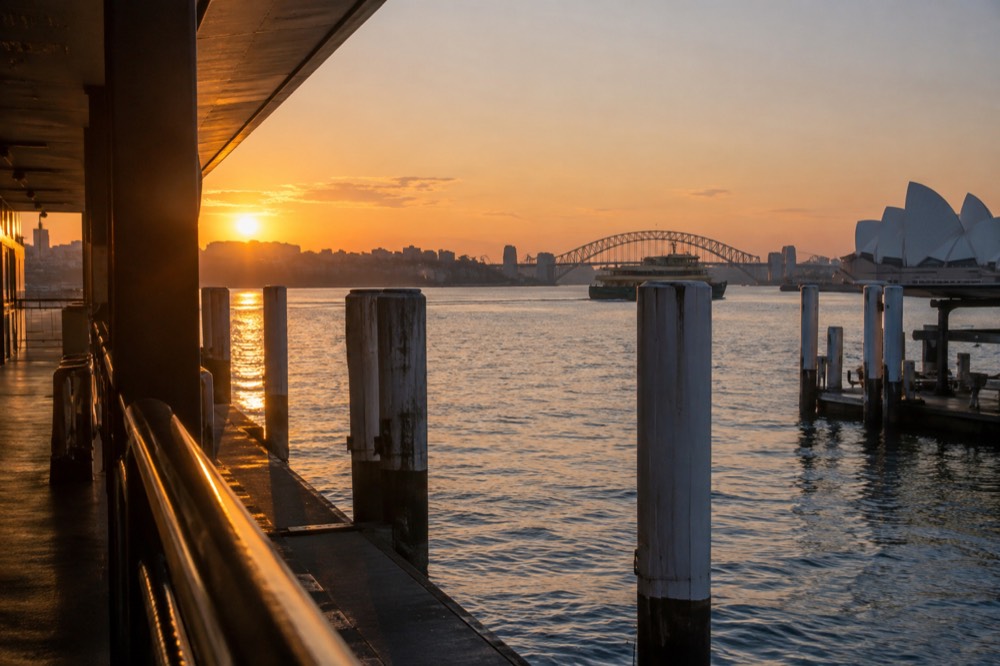
Read that middle point twice. Peak tourist season in Sydney is statistically the cloudiest time of year, and late winter, August, is the clearest. A beach day in Sydney does not require summer. If your priority is an uncrowded beach rather than a hot one, an August morning at Manly or Palm Beach delivers clear skies, empty sand and a mean maximum of 17.9 °C, cold for swimming but perfect for the walk and the photographs. The Bureau of Meteorology publishes the full monthly normals for Sydney if you want to check the numbers against your own travel dates.
The sunrise option deserves special mention because it is the single most reliable crowd-avoidance tactic in this city. Before 7am, virtually every Sydney beach is empty, including Bondi. That is precisely why the sunrise kayak tour exists: it takes the one stretch of water everyone wants, the harbour, and puts you on it in the hour before the city wakes up.
Are Sydney's Quiet Beaches Safe for Swimming?
Only when they are patrolled, and several of the quietest are not patrolled at all. The rule that matters is simple: swim between the red and yellow flags, at a patrolled beach, during patrol hours. Surf Life Saving Australia's National Coastal Safety Report 2025 recorded 154 coastal drowning deaths nationally, and every single one occurred outside the flags, outside patrol times, or at an unpatrolled location. A quiet beach and a safe beach are two different things, and picking the quiet one can mean picking an unpatrolled one.
Here is the patrol picture, and it is better than most visitors expect. Bondi, Bronte, Tamarama, Coogee and Manly all have council lifeguards year-round, and Dee Why moved to year-round patrols from around May 2026, a change the Northern Beaches Council announced as its season wrapped. Waverley's beaches run 6am to 7pm in the high season of October to April, described by the council as the longest patrol hours in Australia. So the famous beaches are safe every day of the year; the empty ones are the ones that need checking.
That creates a genuine tension for this article's whole premise. Wattamolla, Palm Beach's quieter corners and many harbour coves have either seasonal or no lifeguard presence. The honest resolution is to separate your swimming from your solitude: swim your laps between the flags at Bronte or Coogee in the morning, then take your empty-sand photographs at the unpatrolled cove in the afternoon, when you are only walking. The official rip-current advice from Beachsafe is to stay calm, raise an arm and call for help, float with the current, or swim parallel to the beach toward breaking waves, but the advice that prevents the situation entirely is to never swim outside the flags.
Water quality is the second check. NSW's Beachwatch program grades every swim site and updates daily, and the official advice after heavy rain is to stay out for up to one day at ocean beaches and up to three days at harbour and estuarine sites. That matters more at the quiet harbour beaches than at the open-ocean ones.
What About the Beaches Nobody Mentions at All?
Sydney's least crowded sand is in the places that are not really "beaches" in the postcard sense: the harbour coves, the ocean pools and the national park lagoons. Chinamans-style harbour beaches, the ocean pools at Bronte and Clovelly, and the Royal National Park's quieter corners all deliver water and a view with almost no people, because they never appear on a top-ten list.
The ocean pools are the most underrated option of all: they are calm, they are free in the council-run cases, and they are safer than any unpatrolled beach.
Waverley Council maintains two free ocean pools, Bronte Ocean Pool and the North Bondi Children's Pool, cleaned weekly. Bondi Icebergs is the famous one, and it is separate and club-run, so it is not free, but it is an institution and it is swimmable even when the surf is rough. Clovelly and Wylie's at Coogee belong to the same family of historic rock pools. On a day when the beaches are packed and the surf is up, an ocean pool gives you the same water at a fraction of the drama.
The harbour itself is the final frontier of quiet. The northern coves around Manly, including the stretch around Shelly Beach, and the sheltered corners near Palm Beach on the Barrenjoey side, hold calm water and thin crowds most of the year. Manly's main beach takes the ferry crowds; the headland walk beyond it sheds them within ten minutes. Our Manly Beach guide covers the full circuit, including the ferry ride over, which is itself one of the best-value experiences in the city.
For everything beyond the city's beaches, from the Royal National Park's coastline northward, the quietness scales with distance. If you want the complete picture of where Sydney's sand actually is, start with Sydney Travel Guide and work outward.
Common Questions About Sydney's Quietest Beaches
Which beach is least crowded in Sydney?
There is no measured answer, but Shelly Beach at Manly, Clovelly, Maroubra and Palm Beach are reliably the calmest swimmable beaches near the city. For near-total solitude, the harbour coves and Royal National Park spots like Wattamolla are emptier again, at the cost of access and, in some cases, lifeguard coverage.
Is Bondi Beach always crowded?
No. Bondi is busy by Sydney standards but it is genuinely quiet before 9am, after 5pm in summer, and on weekdays outside the December-to-February peak. It is also patrolled year-round, which the emptier beaches mostly are not, so an early-morning Bondi swim is both uncrowded and supervised.
Are Sydney's quiet beaches patrolled?
Some are, some are not. Bondi, Bronte, Tamarama, Coogee, Manly and Dee Why have council lifeguards year-round. Many smaller coves, harbour beaches and national park beaches have seasonal patrols or none at all. Swim between the red and yellow flags at a patrolled beach, and treat the unpatrolled ones as places to walk rather than swim.
When is the best time to avoid crowds at Sydney beaches?
Before 9am, on a weekday, in November or March rather than the December-to-February peak. Counterintuitively, August has the clearest skies of any month on the long-run averages, so a winter-morning walk along an empty beach is one of Sydney's most underrated experiences, even if the water is cold.
Is it safe to swim at an empty beach in Sydney?
Not automatically. Rip currents are the number one hazard on this coast, and Surf Life Saving Australia's 2025 report found every coastal drowning happened outside the flags or at an unpatrolled location. If a beach has no flags, do not swim there, whatever the conditions look like. Use a patrolled beach or a council ocean pool instead.