What Is a Hidden Gem Restaurant in Sydney?
An honest answer to finding a genuinely hidden gem restaurant in Sydney, which neighbourhoods reward wandering, and how to tell a real local favourite from a tourist trap.
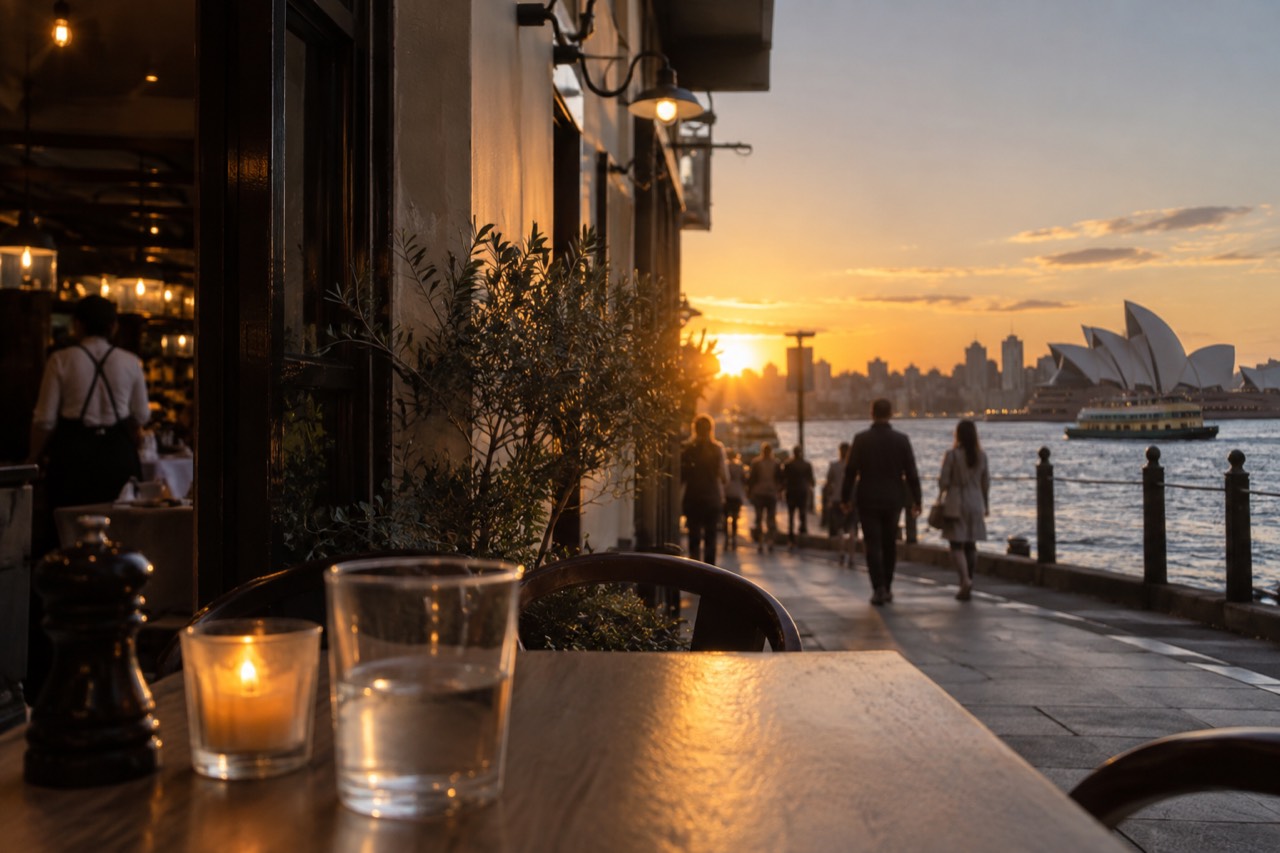
What Is a Hidden Gem Restaurant in Sydney?
There is no single answer, and any page that confidently names one "hidden gem restaurant in Sydney" is guessing. What Sydney actually has is a set of neighbourhoods, chiefly Newtown, Surry Hills, Chippendale, Marrickville and Cabramatta, where small independent kitchens outnumber chains and the best tables are found by wandering rather than booking. The reliable method is to pick one of those areas, avoid anything with a host touting on the footpath, and eat where the queue is locals. A guided food walk compresses that process into a single afternoon.
That answer might feel like a dodge, so here is the honest reasoning behind it. Sydney's food scene is enormous, fast-moving and largely undocumented by the international guides most visitors read before they arrive. A tiny Vietnamese canteen in Marrickville can be the best bowl of pho in the city one year and closed the next. A basement Thai place in Newtown can be beloved by everyone who lives within two kilometres and invisible to everyone else. The phrase "hidden gem" implies a stable, nameable thing, and Sydney's dining landscape does not work that way.
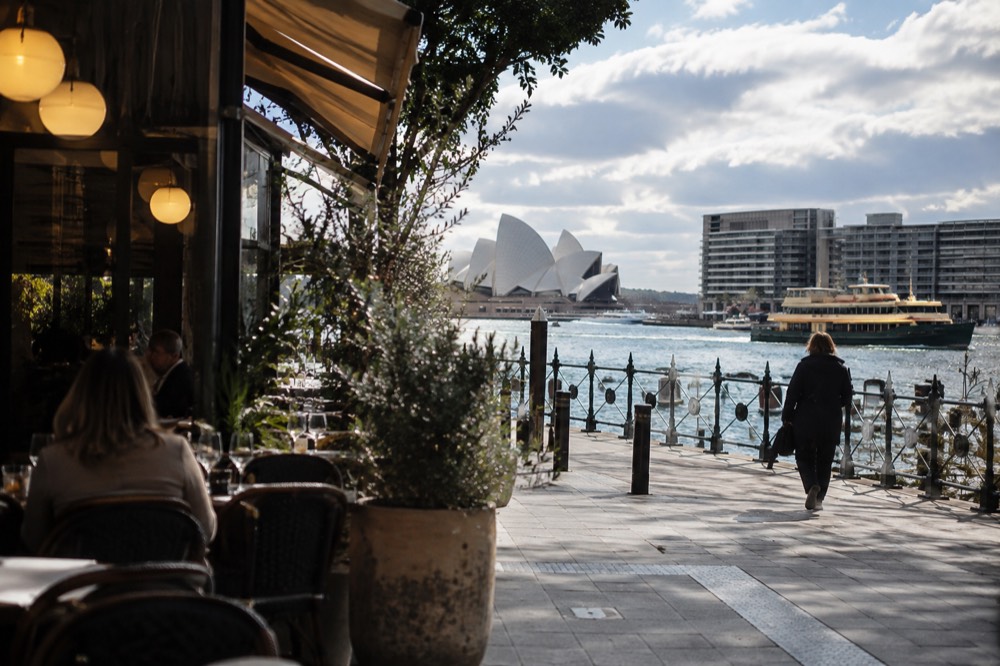
What is stable is the geography. Certain suburbs have concentrated independent food cultures for decades, and those concentrations survive individual restaurant closures. If you know which suburbs, you can find a hidden gem on any given night without a single specific recommendation. That is what the rest of this page does: it gives you the map, the method and the warning signs, rather than a name that may be stale before you land.
For a broader, curated list of the city's best tables, our Sydney restaurant guide covers the established names, and our Sydney food guide covers what the city is actually famous for eating.
Where Do Locals Actually Eat in Sydney?
Locals eat away from the harbour. The food neighbourhoods Sydneysiders actually travel for are Newtown and Enmore for cheap, varied and vegetarian-friendly eating, Surry Hills and Darlinghurst for small modern-Australian kitchens, Cabramatta for Vietnamese, Marrickville for everything from Lebanese to craft-adjacent pubs, and Chippendale for a cluster of serious restaurants near the university. None of these are on the standard tourist circuit, and all are 10 to 25 minutes from Circular Quay by train or light rail.
The pattern is simple: the further a suburb sits from the Opera House, the more the restaurants depend on repeat local customers rather than one-time visitors. A restaurant in The Rocks has a steady supply of tourists who will never return, so it can survive on location alone. A restaurant in Newtown has to earn every table, every night, from people who could easily walk somewhere else on the same street. That competitive pressure is what produces the quality visitors mean when they say "hidden gem".
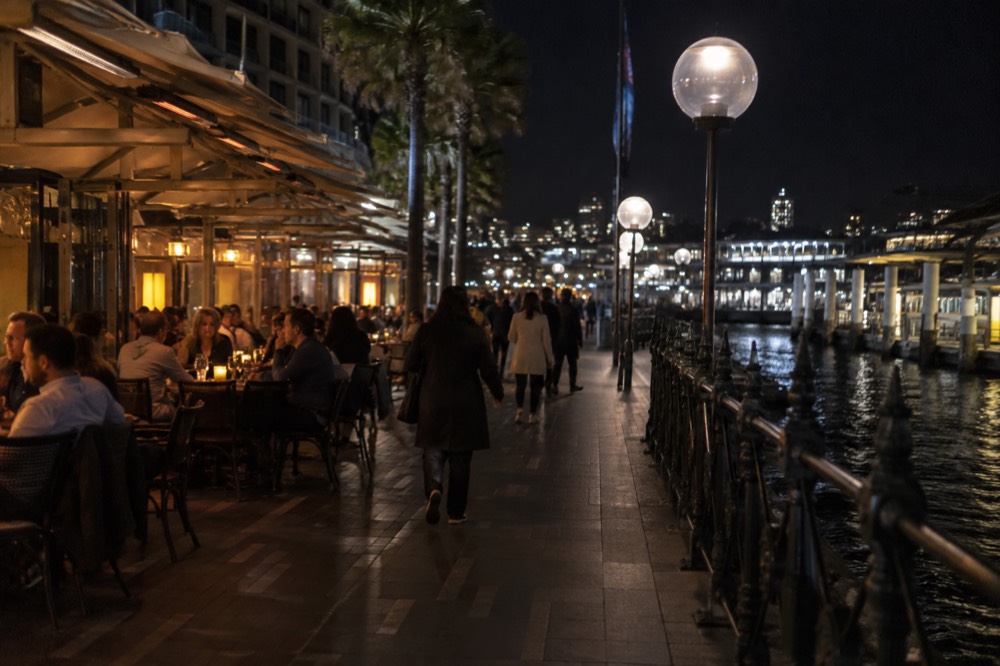
King Street in Newtown is the clearest example. It runs for about three kilometres from the university toward the harbour-side end of the suburb, and nearly every shopfront along it is a small independent food business: Thai, Vietnamese, Lebanese, Nepalese, pizza, vegan bakeries, dumplings. The same is true of the streets running off Cleveland Street through Surry Hills. You can pick any block, walk it, and judge with your eyes: full tables, a short menu, and a kitchen you can see into.
The scale of the local food economy backs this up. Sydney recorded 67.5 million visitors in the year ending March 2026, but the overwhelming majority were domestic day-trippers and locals moving through their own city, per Destination NSW's published statistics. The restaurants outside the tourist core are built for that domestic crowd, which is exactly why they stay good.
If you would rather have a local do the wandering for you, these three bookable experiences each unlock a different slice of it:
The first of those is the one built for this exact question. The Secret Food Tours six-tasting walk exists precisely to reach the small, unmarked kitchens a visitor cannot find, and the guide's job is to explain why each one matters to its neighbourhood.
How Do You Tell a Real Hidden Gem from a Tourist Trap?
Apply four tests. One: a short menu, because a kitchen doing ten things does them better than one doing fifty. Two: no host on the footpath inviting you in, because good restaurants do not need one. Three: locals at more than half the tables, especially on a weeknight. Four: payment by card but no upselling of set "tourist menus" with photographed dishes. If a place passes all four, it is doing the thing you came for, whatever its name is.
The footpath test deserves its own sentence, because Sydney's tourist strips have a specific species of restaurant whose entire business model is proximity to the Opera House and a persuasive greeter. Locals have a name for these places and it is not polite. The tell is always the same: a large menu in multiple languages, photos of the food, and a person whose full-time job is convincing you that tonight is the night. A genuinely busy local kitchen has no spare labour for that.
Price is a weaker signal than people expect. Some of the best food in Sydney is genuinely cheap, because the suburbs with the deepest food cultures, Cabramatta and Marrickville included, are also where rents allow a family kitchen to survive on volume. Conversely, an expensive harbourside restaurant can be excellent, but it is not hidden and it is not a gem you discovered. Hidden gem and fine dining are different quests.
One structural point worth knowing: Sydney's food retail landscape changed in January 2026, when the new Sydney Fish Market opened at Blackwattle Bay with more than 40 retailers, and that has pulled some of the casual seafood trade away from the old Pyrmont site. If your idea of a hidden gem is fresh seafood eaten informally, our Sydney Fish Market guide covers the new building and how to get there.
Is a Food Tour a Good Way to Find Hidden Gems?
Yes, and for this specific question it is the most efficient method that exists. A guided food walk puts you inside three or four small kitchens in a single afternoon, each chosen because it is hard to find, with a guide who can tell you what to order and why. The trade-off is cost and group size: you pay for curation, and you eat what the route includes. Do the tour early in your trip, then revisit the neighbourhoods you liked on your own.
The six-tasting Secret Food Tours walk is the clearest example in Sydney of a product built around this exact problem. It runs about three and a half hours, it moves through a neighbourhood rather than a single venue, and its whole premise is taking you past the places with no signage budget. A guide who knows the area does in one evening what would otherwise take you several visits and a willingness to eat a few bad meals along the way.
The honest limitation is that any tour is a curated sample, not a census. You will not find every hidden gem on one walk, and you may be served a place you would not have chosen yourself. The way to use a food tour well is as reconnaissance: note which suburb the route covers, which dishes surprised you, and which streets felt worth returning to, then go back the next day for the restaurant you walked past on the way. Our Sydney walking tours guide covers the non-food alternatives if a general orientation walk suits your first day better.
Which Sydney Neighbourhoods Reward Wandering for Food?
The five that consistently do are Newtown and Enmore, Surry Hills, Cabramatta, Marrickville and Chippendale. Each has a dense strip of independent kitchens within a short walk of a train station or light rail stop, and each has a distinct strength. Pick by what you want to eat rather than by what a guide ranked, because the ranking changes faster than the suburbs do.
This table is the practical version of that advice. Getting-there details use the public transport network, which our Opal card guide for visitors explains in full.
| Neighbourhood | Food strength | Getting there | Best time to wander |
|---|---|---|---|
| Newtown and Enmore | Thai, Nepalese, vegan, dumplings, cheap eats | Train to Newtown or Macdonaldtown station | Weeknights, when locals eat |
| Surry Hills | Modern Australian, small wine bars, brunch | Light rail to Surry Hills stops | Friday and Saturday evenings |
| Cabramatta | Vietnamese, one of the strongest in the country | Train to Cabramatta station, about 45 minutes | Lunch, when the markets are busy |
| Marrickville | Lebanese, Vietnamese, pubs with serious kitchens | Train to Marrickville or Sydenham | Weekend lunch |
| Chippendale | Concentrated serious dining near the university | Walk from Central station, about 15 minutes | Dinner, midweek |
Cabramatta deserves a specific word, because it is the one on that list international visitors almost never reach and the one with the strongest single food culture. It is a solid train ride from the city centre, and that distance is precisely why it has stayed a local secret. The suburb's Vietnamese food scene grew over four decades and is not a theme, it is a community's kitchen. If you make one long food pilgrimage on a Sydney trip, that is the one Sydneysiders themselves make.
What Should You Do Once You Have Found a Candidate?
Walk in and ask for whatever the kitchen is proudest of. Order one dish at a time, because the staff at a small busy kitchen will steer you honestly, and a place that is genuinely local wants you to come back. Ask what is on that is not on the menu, and take the first available table rather than holding out for a better one. The only real mistake is treating a hidden gem as a checklist item.
A few habits make this work. Go early in your trip, not on your last night, because a good find is worth a second visit. Go slightly off peak, which in Sydney means before 6pm or after 8pm, so the kitchen has time to talk. And pay attention to what the people around you are eating, because in the suburbs on our list the table next to you has done the research you have not. The whole point of a hidden gem is that it stays hidden because nobody wrote about it, and your job is to enjoy it without becoming the person who changes that.
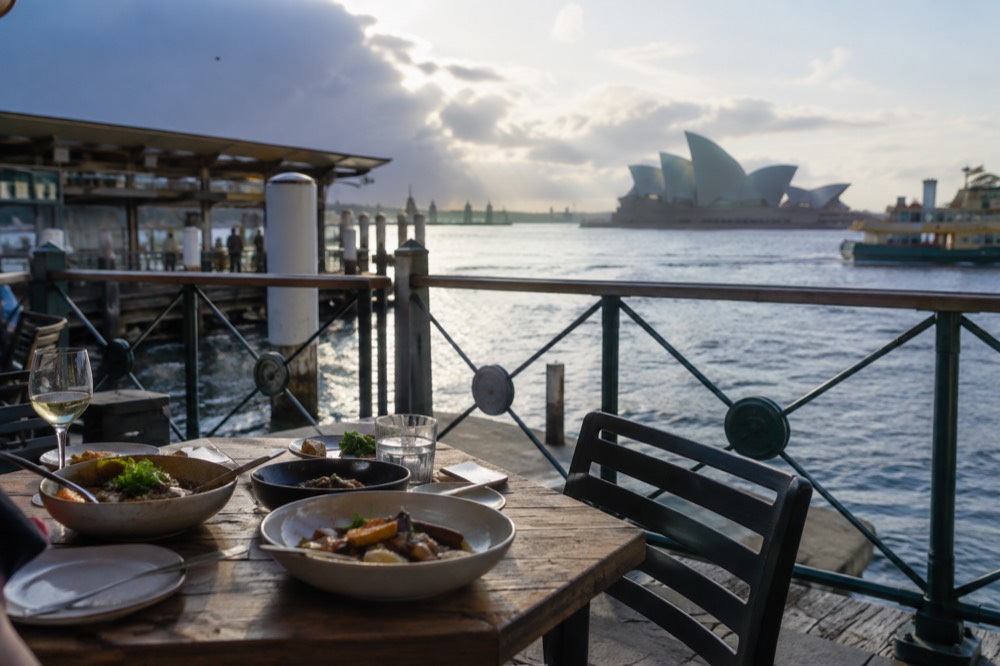
Sydney also rewards pairing the hunt with the city's other food experiences. A harbour dinner cruise is the opposite of a hidden gem, it is a broad, obvious pleasure, but it makes a good contrast night after two evenings of suburban exploring. The three-course early dinner cruise from Darling Harbour runs under two hours, which leaves the evening open.
And if the whole exercise sounds like more planning than a holiday should involve, flip it: choose the suburb, book nothing, and let the street decide. The Newtown guide and the Surry Hills guide on this site each include walking routes that pass through the densest eating strips, so even an unplanned evening has a map under it. That is the approach the editors of this Sydney Travel Guide site would take: the gem is real, but you find it with your feet, not with a list.
Common Questions About Hidden Gem Restaurants in Sydney
What is a hidden gem restaurant in Sydney?
There is no single one. Sydney's hidden gems are concentrated in neighbourhoods like Newtown, Surry Hills, Cabramatta, Marrickville and Chippendale, and the reliable way to find one is to pick a suburb, avoid footpath touts, and eat where the tables are full of locals. A guided food walk can compress that search into a single afternoon.
Which Sydney suburb has the best hidden restaurants?
Cabramatta has the strongest single food culture and the fewest visitors, built around four decades of Vietnamese kitchens. Newtown has the widest variety on one street, and Surry Hills has the best small modern-Australian kitchens. Choose by what you want to eat rather than by rank.
How do I avoid tourist trap restaurants in Sydney?
Apply four tests: a short menu, no host inviting you in from the footpath, locals at more than half the tables on a weeknight, and no photographed "tourist menu". Restaurants that depend on one-time visitors cluster near the Opera House and Circular Quay; restaurants that depend on repeat locals cluster in the inner suburbs.
Is a food tour worth it for finding hidden gems?
Yes, it is the most efficient method. A guided six-tasting walk takes you into three or four small kitchens a visitor would not find alone, with a guide who explains each one. Do it early in your trip, then revisit the neighbourhood you liked best on your own.
Are hidden gem restaurants in Sydney cheap?
Often, but not always. The suburbs with the deepest food cultures also have the rents that let small family kitchens keep prices low, so some of the best food in the city is genuinely inexpensive. Cost is a weak signal either way: judge a restaurant by its menu length and its customers, not its prices.