What Are Some Good Day Trip Ideas for Sydney?
Day trip ideas from Sydney: the Blue Mountains, the Hunter Valley, Royal National Park, Port Stephens and more, with costs, times and how to get there without a car.
What Are Some Good Day Trip Ideas for Sydney?
The best day trips from Sydney are the Blue Mountains (about two hours west by train), the Hunter Valley wine region (about two hours north), Royal National Park (the world's second-oldest national park, under an hour south), Port Stephens for dolphins, and the South Coast towns of Wollongong and Kiama. Most are doable by train or tour, so a car is optional for all five.
Sydney's geography is unusually generous. Within a two-hour radius you get a World Heritage-listed sandstone plateau, one of Australia's premier wine regions, a coastline carved by blowholes and sea cliffs, and a national park that predates the word "national park" in most of the world. The catch is that the options are genuinely different products: some are walking trips, some are eating trips, some exist almost entirely for a single view. Picking the wrong one for your group is the most common mistake, so this guide sorts them by what each trip actually delivers.
One planning note before the list: seasons here are inverted. December through February is summer, June through August is winter, and whale watching runs May to November only. A day trip that is perfect in July can be a poor choice in January, and the sections below say which.
Which Day Trips from Sydney Are the Most Popular?
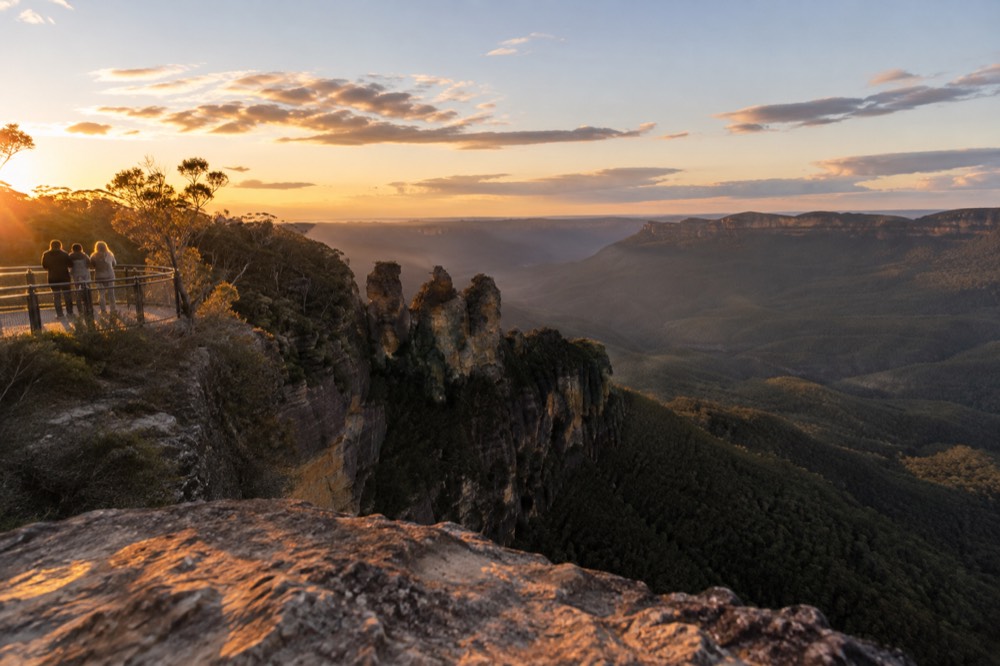
The Blue Mountains is the single most popular day trip from Sydney, followed by the Hunter Valley, Port Stephens, the Royal National Park and the South Coast. The Blue Mountains wins on accessibility: trains from Central reach Katoomba in roughly two hours, the national park entry is free outside the Glenbrook area, and the Three Sisters lookout costs nothing to visit.
The Blue Mountains suits almost everyone because it layers easily: a viewpoint stop, a short or long walk, ScenicWorld's cable cars if you want them, and a town like Leura or Katoomba for lunch. The Blue Mountains day trip guide covers the full itinerary, and the train directions explainer handles the car-free route. If you only take one day trip, this is the default answer.
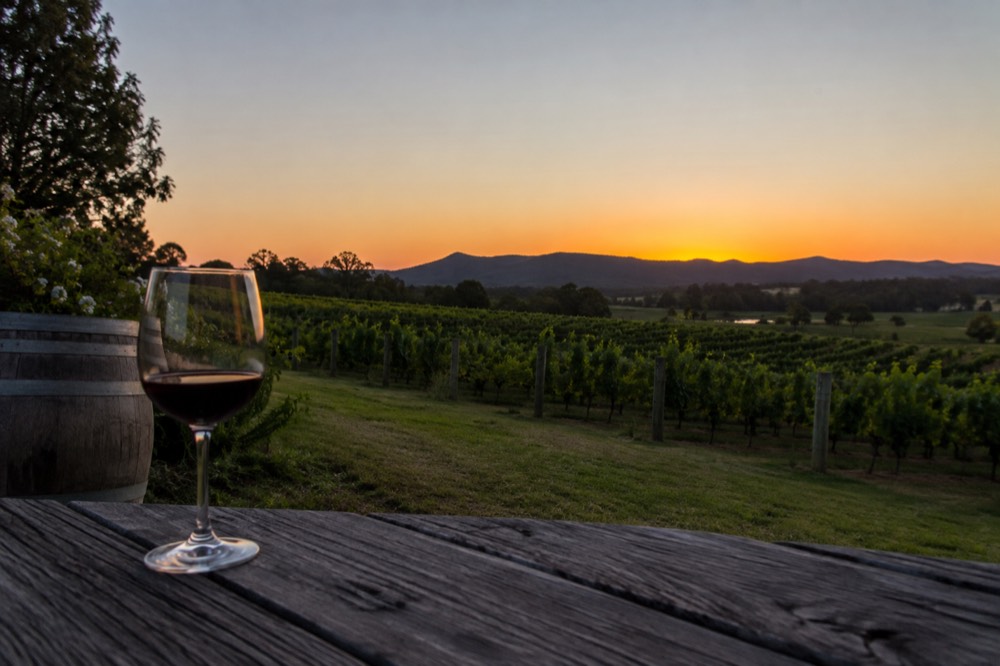
The Hunter Valley is the second pillar, about two hours north, and it is a different animal: tasting rooms, long lunches and vineyard views rather than lookouts and hiking. It is also the trip where an organised tour earns its keep, because the person doing the tasting should not be the person doing the driving. The Hunter Valley day trip guide compares the options, and there is a separate piece on whether the Hunter Valley works better as a day trip or overnight.
Below is the honest comparison of the five headline trips, with travel times measured from the Sydney CBD.
| Day trip | Travel time from CBD | Best without a car? | Best for | Main season note |
|---|---|---|---|---|
| Blue Mountains | ~2 hours by train | Yes, train to Katoomba | Views, walks, waterfalls | Fog can hide the valley in summer mornings |
| Hunter Valley | ~2 hours north by road | Yes, with a tour | Wine, food, long lunches | Harvest is summer; vines gold in autumn |
| Royal National Park | Under 1 hour south | Partly, train plus ferry or bus | Coastal walking, swimming | Whale vantage points May-November |
| Port Stephens | ~2.5 hours north by road | Hard, tour recommended | Dolphins, sand dunes | Dolphin cruises run year-round |
| Wollongong and Kiama | 1-2 hours south by train | Yes, train the whole way | Sea Cliff Bridge, blowhole | Blowhole best in south-east swell |
What Is the Best Day Trip from Sydney Without a Car?
The Blue Mountains is the best car-free day trip: a direct train from Central takes roughly two hours to Katoomba, the walks and lookouts cluster around the town, and the park itself charges no entry fee outside Glenbrook. The South Coast by train is a close second, since the line to Wollongong and Kiama runs along the water and needs no tour at all.
Car-free travel is where Sydney outperforms most Australian cities. The intercity train network reaches Katoomba, Wollongong, Kiama and the Central Coast on regular timetables, and Opal caps the cost: the adult daily cap is $19.30 Monday to Thursday and $9.65 on Fridays, weekends and public holidays, as Transport for NSW publishes on its adult fares page. A public holiday is genuinely the cheapest day to travel widely, because the weekend cap applies.
The Blue Mountains route is the classic. You can be at the Three Sisters viewpoint by mid-morning, walk a section of the Prince Henry Cliff walk, and still make an afternoon train back. The day trips by train guide and the car-free day trips guide list the full set of rail-accessible destinations, including a few most visitors never consider.
Port Stephens is the exception. It sits well north of the city, public transport is slow and indirect, and the dolphin cruise is the point of the trip, so nearly everyone goes with an organised day tour. The Port Stephens day trip guide weighs whether that is worth it.
Is a Blue Mountains Day Trip Worth It?
Yes, the Blue Mountains is worth a day trip for nearly every visitor: it delivers World Heritage scenery, an easy viewpoint (the Three Sisters) and real walking trails about two hours from the city, and the park is free to enter outside the Glenbrook area. The only real failure mode is weather: valley fog or total fire-ban days can close the walks, so check alerts before you commit.
The mountains reward two kinds of traveller differently. If you want the postcard, Katoomba's lookouts and Echo Point give it to you in minutes, and ScenicWorld adds cable cars and a cliff railway if the group includes people who do not walk far. If you want the quieter version, Blackheath and Wentworth Falls have lookouts with a fraction of the crowds. The Katoomba and Three Sisters guide and the best lookouts in the Blue Mountains cover both.
Two facts most guides miss. First, Blue Mountains National Park charges $8 per vehicle per day only in the Glenbrook area, so arriving by train avoids park fees entirely, as the National Parks fee page confirms. Second, several tracks and roads have been closed for works into late 2026, including Mount Hay Road and sections around Jenolan, so the live NPWS alerts should be your last check before departure rather than something you read about afterwards.
For an organised version, the all-inclusive Blue Mountains day trip with a local guide is the strongest option on this site: it is rated 4.9 across 9,741 reviews, runs about 10 hours, and costs from US$190.19. More of these guides are collected on Sydney Travel Guide.
What About Wine, Wildlife and the Coast?
The Hunter Valley is the wine day trip, Port Stephens is the wildlife-and-water day trip, and the South Coast (Wollongong, Kiama) is the scenic-train day trip. A hybrid option, the Wildlife, Waterfalls and Wine day tour, packs native animals, a waterfall and tastings into one 11-hour loop from Sydney, from US$281.63.
The Hunter Valley, about two hours north, is Australia's oldest wine region and works best as a slow day: three or four tastings, a long lunch, no rushing. The Hunter Valley guide covers getting there; the premium Hunter Valley tour with a two-course lunch, rated 4.6 across 430 reviews and from US$218.72, is the organised version if nobody wants to drive.
Port Stephens, well north of the city, is the dolphin trip: a cruise or a hike, sand dunes at Stockton, and a day tour rated 4.44 across 92 reviews from US$91.04. The Port Stephens guide has the detail, and the Jervis Bay versus Port Stephens comparison is worth reading if dolphins are your main goal, because Jervis Bay, further south, combines them with a genuinely spectacular beach.
The South Coast is the underrated one. The train from Central to Wollongong and on to Kiama hugs the water for much of the way, the Sea Cliff Bridge is one of the country's great coastal views, and the Kiama Blowhole performs whenever a south-east swell pushes water through it. The Kiama blowhole guide and the Wollongong guide cover both.
Which Day Trips Work Best with Kids or in Winter?
For families, Taronga Zoo (a ferry ride, not a road trip) and the Jervis Bay day trip with dolphins, kangaroos and beach time are the most reliable wins. In winter, June to August, the Blue Mountains is at its clearest, whale watching runs May to November, and the city's own attractions beat most cold-weather road trips.
Winter is Sydney's secret good season for day trips, and the climate data explains why: August is Sydney's clearest month on the long-run record, with 13.4 mean clear days, while February, in the middle of summer, is the cloudiest at 5.3. The Bureau of Meteorology's Observatory Hill normals also show June is the wettest month of the year, 133.1 mm on average, wetter than any summer month. So a winter Blue Mountains day is more likely to give you the view than a February one, and a June trip should carry a rain plan.
Whale watching fits the winter window perfectly: humpbacks migrate along the NSW coast from May to November, with the southern migration, mothers and calves closer to shore, running August to November, as NSW National Parks documents in its whale migration facts. The whale watching guide covers cruises and land vantage points; no sighting is ever guaranteed.
For families, the Jervis Bay day trip (rated 4.41 across 814 reviews, from US$114.98, 12 hours) bundles dolphin spotting, kangaroos and beach time into one long day. Closer to home, the Sydney with kids itinerary and the Taronga Zoo guide cover options that do not need a full day on the road. The wombat and kangaroo day tour, rated 5.0 across 1,239 reviews and from US$182.14, is the wildlife-focused road option.
If the weather turns, the rainy day itinerary is the fallback, and the Opera House guided tour, rated 4.77 across 9,717 reviews and from US$35.79, is the single best wet-weather hour in the city.
Common Questions About Day Trips from Sydney
What are some good day trip ideas for Sydney?
The Blue Mountains, the Hunter Valley, Royal National Park, Port Stephens and the South Coast towns of Wollongong and Kiama are the five headline options. The Blue Mountains is the most popular and the easiest without a car; the Hunter Valley is the wine and food trip; Port Stephens is the dolphin trip; the South Coast is a scenic train ride.
Can you do the Blue Mountains as a day trip from Sydney?
Yes. Trains from Central reach Katoomba in roughly two hours, the lookouts and walks cluster around the town, and the park charges no entry fee outside the Glenbrook area. A full day gives you a viewpoint, a walk and lunch in Leura or Katoomba. Check the live NPWS alerts before you go, as several tracks and roads have works closures into late 2026.
What is the best day trip from Sydney without a car?
The Blue Mountains by train is the best car-free option. The South Coast is a strong second: the train line to Wollongong and Kiama runs along the water and needs no tour at all. Port Stephens is the one destination where an organised tour is genuinely the practical choice.
How many days do you need in Sydney before taking day trips?
Most visitors need three or four days for the city itself before day trips start to make sense. The how many days guide breaks this down; the short version is to see the harbour, beaches and inner neighbourhoods first, then use full days for the Blue Mountains or Hunter Valley.
What is the cheapest day trip from Sydney?
The South Coast by train, or the Blue Mountains by train. Opal caps the daily cost at $19.30 Monday to Thursday and $9.65 on Fridays, weekends and public holidays, and the Blue Mountains park entry is free outside Glenbrook, so a train-and-walk day can cost less than a city lunch.
When is the best time of year for a Sydney day trip?
Winter and early spring, June to October, statistically give you the clearest skies: August is Sydney's clearest month on the long-run record. June is the wettest month, so carry a rain plan. Whale watching runs May to November, and the summer months of December to February bring the biggest crowds and the cloudiest skies.