How Much Does a Typical Meal Cost in Sydney?
Planning ranges for breakfast, coffee, lunch and dinner in Sydney, plus where the money goes and how to eat well for less.
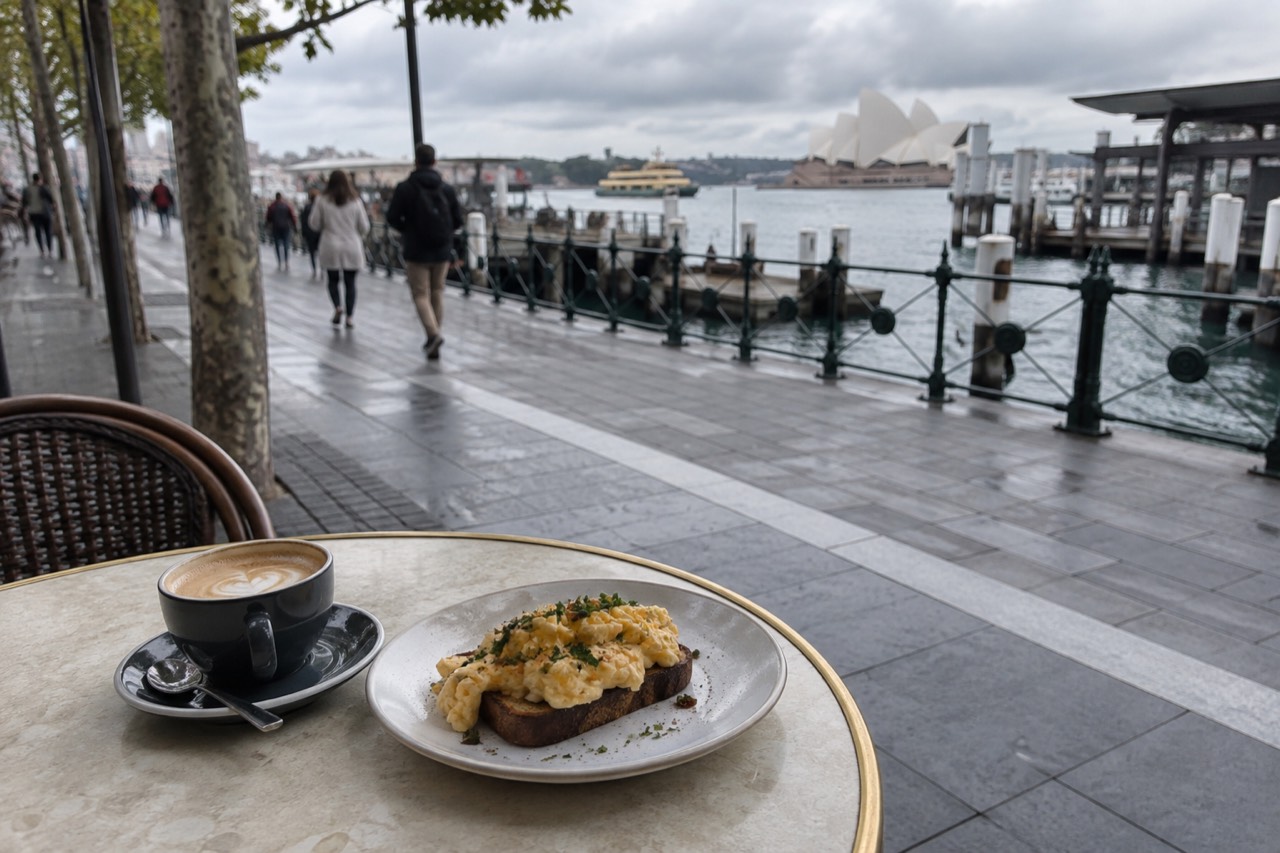
Sydney fed 67.5 million visitors in the year ending March 2026, and most of them discovered the same thing within a day of arriving: the food is excellent and the bill adds up quickly. The city's cafe culture rivals anywhere in the world, its cheap-eats scene runs on some of the best Asian food in the southern hemisphere, and its fine dining rooms sit at the expensive end of almost any traveller's budget. The good news is that the ladder is predictable. Once you know what each rung costs, planning the food budget stops being guesswork.
How Much Does a Typical Meal Cost in Sydney?
Plan on roughly A$15-25 for a cafe breakfast, A$12-18 for a lunch special or food-court meal, and A$25-40 for a main at a casual dinner spot. A mid-range three-course dinner for two with wine typically lands between A$120 and A$150, while a tasting menu at a serious fine dining room starts around A$150 per person before drinks. These are planning ranges, not promises: menus move, and tourist precincts charge more than the suburbs.
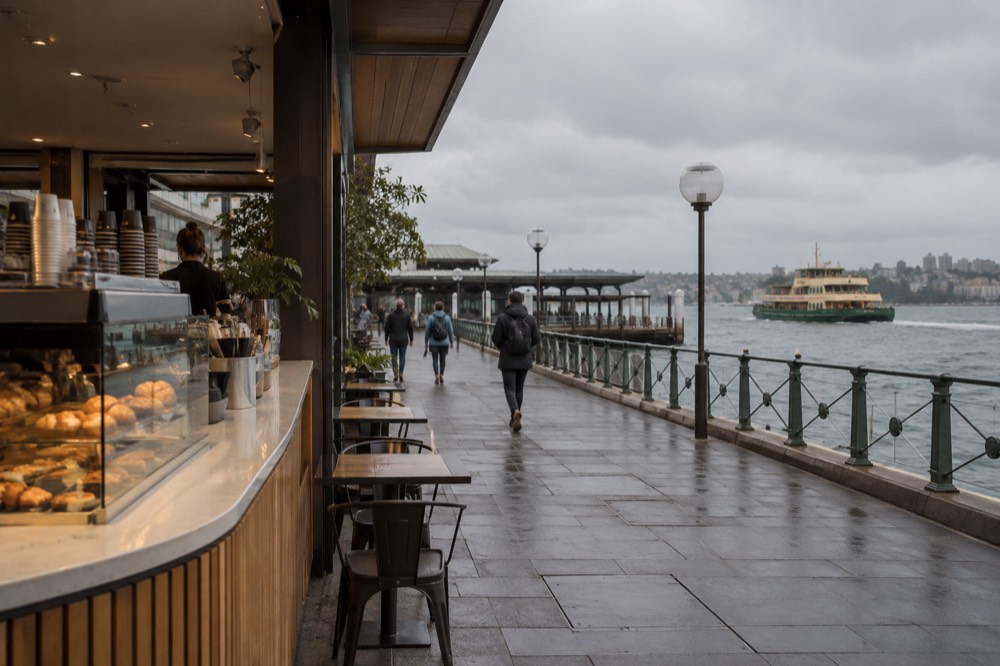
The single biggest factor is where you sit, not what you order. The same quality of cooking costs noticeably more with a harbour view at Circular Quay or Darling Harbour than it does ten minutes' walk inland in Surry Hills or Newtown. Precinct pricing is real: rent near the water is higher, foot traffic is captive, and menus reflect it. Travellers who eat one meal a day in a tourist zone and the rest in neighbourhood strips routinely cut their food spend by a third without eating any worse.
| Meal | Typical range (A$) | What you get |
|---|---|---|
| Flat white or long black | 5-6 | Standard specialty cafe, anywhere in the city |
| Cafe breakfast | 15-25 | Eggs, sourdough, one coffee often extra |
| Bakery item on the run | 5-9 | A pie, sausage roll or pastry |
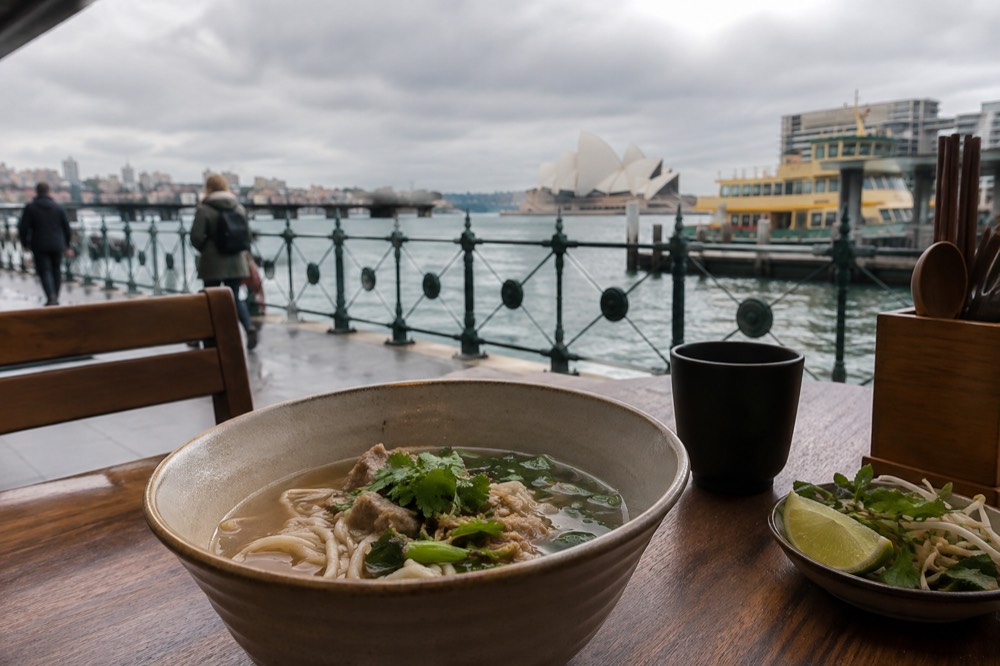
| Lunch special or food court | 12-18 | Asian noodle bowls, banh mi, dumplings, counter meals |
| Pub bistro main | 20-30 | Schnitzel, parma or burger, often with a cheap-drinks night |
| Casual dinner main | 25-40 | Neighbourhood bistro or trattoria, suburb pricing |
| Mid-range dinner, 3 courses | 60-90 pp | Wine charged separately |
| Fine dining tasting menu | 150-250 pp | Before drinks, at the city's upper tier |
Treat the table as a budgeting tool, not a price list. The ranges hold best in the inner suburbs; at Bondi Beach, in The Rocks or along the harbour foreshore, expect the same food to cost 20 to 40 percent more. If you are building a full trip budget rather than just a meal one, the Sydney trip cost breakdown guide walks through accommodation and transport on top of food.
What Do Breakfast and Coffee Actually Cost in Sydney?
A specialty coffee runs A$5-6 almost everywhere in the central city, and a proper sit-down breakfast with eggs and toast lands between A$15 and A$25. The cheapest good breakfasts are the bakeries: a meat pie or a pastry keeps you fed for A$5-9. Sydney's brunch culture means weekend queues are normal at the good rooms, and the good rooms are rarely the ones on the water. Coffee is the one line where Sydney is genuinely reasonable. The city's barista standards are high across the board, so there is little reason to pay tourist-precinct prices for a cup you can get better two streets back. The brunch scene deserves its own planning: the Sydney brunch spots guide maps the rooms worth queueing for, and most of them sit in Surry Hills, Paddington and the Eastern Suburbs rather than the CBD's tourist core. A flat white and a plate of sourdough toast in one of those neighbourhoods will cost less than the same order with a postcard view.
Breakfast is also the meal where "typical" varies most by travel style. A [hostel](https://hostelworld.tpk.ro/nHxiH8zD) guest grabbing a banana and a bakery item spends A$8 a morning; a couple doing a full avocado-toast-and-two-coffees sit-down spends A$25 a head. Over a week that difference is A$120 per person, which is often more than the difference between two accommodation tiers. Eating like a local at breakfast is the cheapest meaningful saving in the whole food budget.
Where Does the Money Go at Dinner?
Dinner is where Sydney's price ladder gets steep. A casual neighbourhood main runs A$25-40, a mid-range three-course dinner for two with a bottle of wine typically costs A$150-200 all in, and the fine dining tier starts around A$150 per person before drinks. Pub bistros are the escape hatch: a schnitzel or parma at A$20-30 is still one of the best value hot meals in the city.
The structure of the market explains the numbers. Kitchen labour and rent in the inner city are expensive, and the mid-range tier has thinned out: Sydney's dining scene is strong at the cheap end, dominated by Asian cuisines and suburban strips, and strong at the top end, but the traditional middle is thinner than in cheaper capitals. That means the jump from "casual and excellent" to "white tablecloth" is a big one, and most locals live happily on the casual tier. The best restaurants in Sydney guide separates the tiers properly if you are deciding where a splurge is worth it.
There is a budgeting trick worth naming here, because it is how a lot of travellers quietly fund their food spend. Sightseeing in Sydney is where flexible money leaks: individual attraction tickets bought at the gate add up faster than most people expect. Bundling the sightseeing line into a single pass, or folding it into a hop-on hop-off day or an all-inclusive day trip, caps what the non-food half of the trip can cost. Travellers who lock the sights down early tend to eat noticeably better later in the week, because the food budget was never the thing that ran out first.
How Can You Eat Well for Less in Sydney?
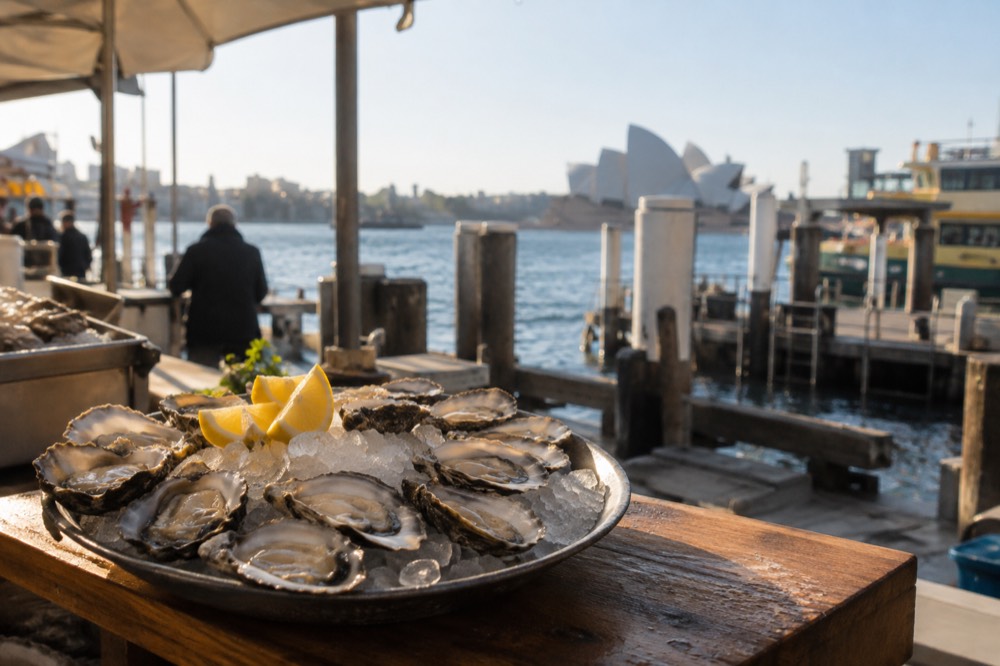
Shift two meals a day out of the tourist precincts and the budget falls by a third. Food courts and noodle shops in Chinatown and the CBD serve generous lunches for A$12-18, the pub bistro main at A$20-30 remains the city's best value hot dinner, and the Sydney Fish Market lets you assemble a harbourside picnic from retail-priced seafood rather than restaurant-marked-up plates.
The Fish Market deserves the headline. It moved into its new Blackwattle Bay building, opened to the public in January 2026, and now runs more than 40 retailers plus wholesale and dining under one roof; the NSW Government's own announcement of the completed construction is public record. Buying prawns, oysters and a loaf of bread at retail prices and eating them on the Glebe foreshore nearby costs a fraction of the same basket on a restaurant menu with a view. The Sydney Fish Market guide covers how to work the building.
Getting to the cheap eats is itself cheap if you time it. Fares and caps are published by Transport for NSW, and the weekend daily cap is roughly half the weekday one, so a Saturday dumpling crawl in Chinatown or a Newtown noodle run costs less to reach than the same trip on a Tuesday. Pair that with the Sydney on a budget guide and the whole cheap-eats strategy is covered end to end.
The attractions question also folds into this section for a reason: the pass below is the single most common way travellers on this site cap their sightseeing spend, and every dollar the sights do not absorb is a dollar available for the dinner that matters. It bundles four gate-priced attractions into one from-price ticket, which is exactly the kind of arithmetic that keeps a food budget intact.
One caution applies to the whole money-saving approach: do not save on the wrong things. Water is free and safe to drink everywhere, so refusing the bottled-water upsell saves A$5 a meal; tipping is genuinely optional here, unlike in the United States, and the tipping in Sydney restaurants piece explains the local norm. Neither of those savings will ruin a meal. Skipping the one dinner you actually travelled here to eat will.
Are Food Tours and Dining Cruises Worth the Money?
A guided food tour costs roughly what a mid-range dinner for two would, and in exchange you get six tastings across a neighbourhood with a guide who knows the kitchens; a harbour dinner cruise bundles the view and the meal into one ticket. Neither is the cheapest way to eat, but both convert a meal into an activity, which is a fair trade when your days are short.
The logic is worth spelling out. Sydney's food tours walk small groups through tasting stops, which means the price buys curation as much as calories. A dining cruise, meanwhile, is really two purchases in one: the harbour cruise you were probably going to take anyway, plus dinner, with the view included rather than charged as restaurant ambience. If the cruise and the meal were both on the list anyway, the bundle usually beats buying them separately. The Sydney harbour cruises guide compares the formats.
The pub walk is the dark-horse option: The Rocks' historic pubs are among the oldest licensed rooms in the country, and a guided crawl through them pairs two of Sydney's better exports, cold beer and colonial history, at a price that sits below most dinner cruises. For a rainy evening or a first night in town, it does more work per dollar than a generic restaurant booking. The Sydney Travel Guide walking tours piece lays out how those options stack against each other.
Is Sydney Expensive for Food Compared to Other Cities?
Yes, by Australian standards Sydney sits at or near the top of the food-price ladder, and by international standards it is comparable to other expensive coastal capitals. The offset is that the cheap tier is genuinely world class: Sydney's A$12-18 lunch tier, built on Thai, Vietnamese, Chinese and Lebanese cooking, is better than the cheap tier of most cities that cost less overall. The honest framing is that Sydney punishes lazy spending and rewards planning. A traveller who eats every meal within 200 metres of Circular Quay will find the city expensive and mediocre; a traveller who walks ten minutes inland eats better for less. The is Sydney expensive guide runs the full cost-of-living comparison, and the Sydney versus Melbourne question extends naturally to the food scene, since the two cities' dining reputations are the subject of a permanent national argument that neither side is losing.
That comparison matters for budgeting because it sets realistic expectations. Sydney will not feel like a bargain, and no amount of clever planning makes it one. What planning does is make the spend feel earned: the same daily food budget for two people can produce either two forgettable tourist-precinct meals or a bakery breakfast, a Chinatown lunch, a pub dinner and change left for a ferry ride. The difference is entirely in where you choose to stand when you order.
Common Questions About Meal Costs in Sydney
How much does a typical meal cost in Sydney?
Plan on A$15-25 for breakfast, A$12-18 for a cheap lunch and A$25-40 for a casual dinner main. A mid-range three-course dinner for two with wine typically costs A$150-200, and fine dining tasting menus start around A$150 per person before drinks. Tourist precincts charge 20-40 percent more than the inner suburbs for the same food.
How much is a cup of coffee in Sydney?
A flat white or long black from a specialty cafe runs A$5-6 across the central city. Quality is high almost everywhere, so there is little reason to pay tourist-precinct prices; two streets back from the water the coffee is often better and always cheaper.
What is the cheapest way to eat well in Sydney?
Food courts, noodle shops and bakeries in Chinatown and the CBD serve generous meals for A$12-18, pub bistros run dinner mains at A$20-30, and the Sydney Fish Market lets you build a picnic from retail-priced seafood. Shifting even two meals a day out of tourist precincts cuts the food budget by roughly a third.
Is tipping expected in Sydney restaurants?
No. Tipping in Australia is genuinely optional and 10 percent for good service is the upper end of what anyone does. Service charges are not added to bills, and staff are paid a full wage, so skipping the tip is normal and unremarkable.
How much should I budget for food per day in Sydney?
A budget traveller eating bakery breakfasts, food-court lunches and pub dinners can eat well on A$45-60 a day. A mid-range traveller mixing cafe breakfasts, one restaurant dinner and a food tour or cruise should plan A$90-130 a day. Fine dining days are additive: one tasting menu can exceed two ordinary days' entire food budget.
Are restaurant prices higher near Sydney Harbour?
Yes, noticeably. Rent and captive foot traffic push harbour-front and beach-front menus 20-40 percent above the same food in Surry Hills, Newtown or the inner west. The standard local move is to eat in the neighbourhood strips and buy only a drink, or nothing, with the view.