How Long Is the Royal National Park Walk?
How long the Royal National Park walk takes, from short loops to the full two-day Coast Track, with entry fees, transport and planning advice.
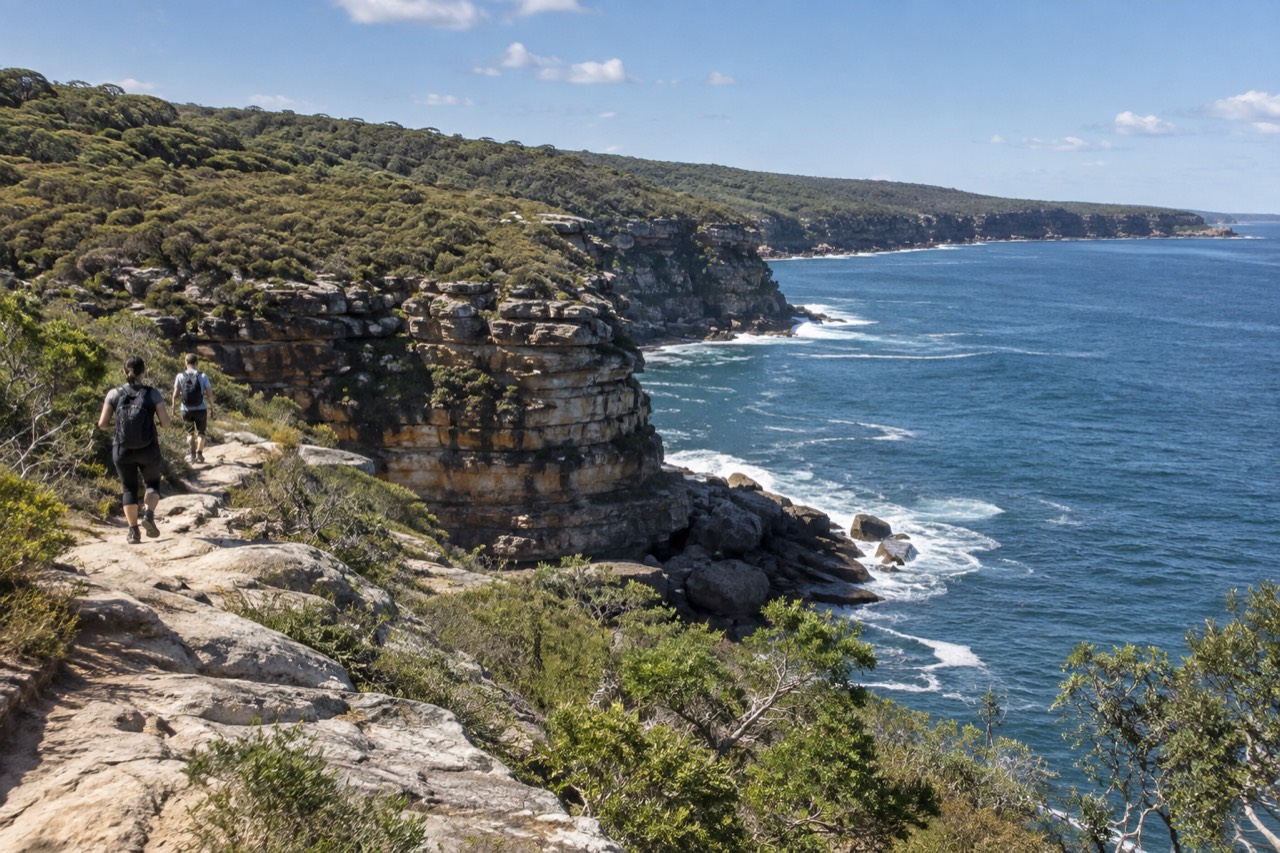
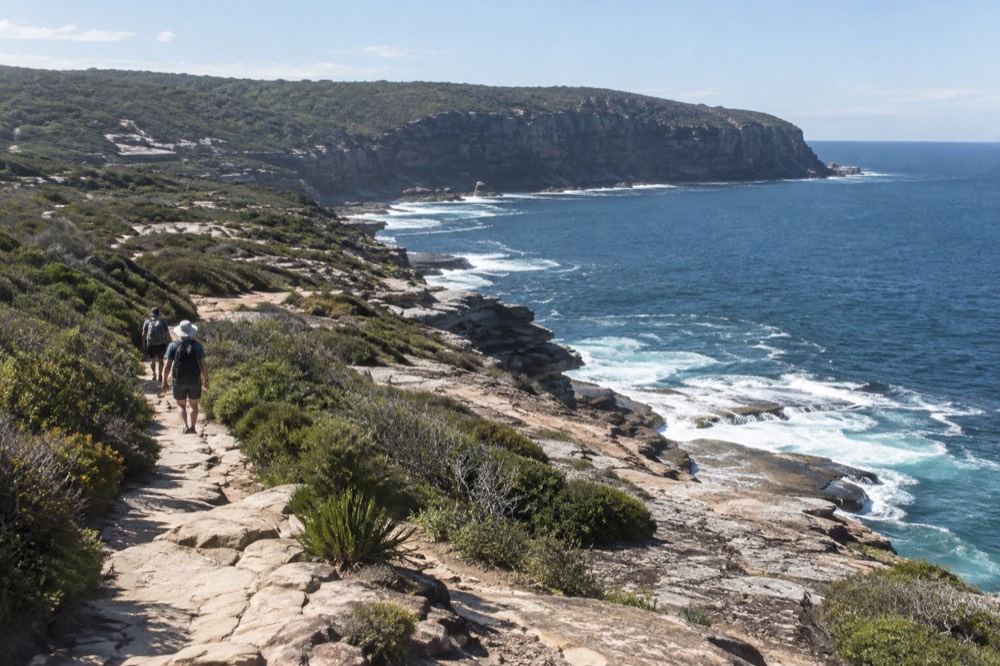
The Royal National Park sits immediately south of Sydney, and it protects one of the most walked stretches of coastline in New South Wales. People arrive asking one question and quickly discover it has several answers, because "the Royal National Park walk" usually means the Coast Track, a multi-day trek between the ferry wharf at Bundeena and the railway station at Otford, but the park also holds short loops you can finish before lunch. The park is the royal-national-park itself, and this page breaks down how long each option genuinely takes.
How Long Is the Royal National Park Walk?
There is no single answer, because the park holds dozens of tracks. The famous one, the Coast Track from Bundeena to Otford, is a two-day walk for most people, usually done with an overnight stop near Garie or North Era. Shorter options like the loop to Wedding Cake Rock or the Figure 8 Pool detour take two to four hours return, and gentle forest paths near Audley can be walked in under an hour. Pick the track first, then the time question answers itself.
The reason the question gets asked so loosely is that the park is enormous and the tracks serve completely different purposes. A visitor staying in the city might only have one day, in which case the practical answer is: one well-chosen section of the Coast Track, reached by ferry and returned by train, fills a day comfortably. A walker with a weekend and a booked campsite can do the whole coastal route end to end.
Timing also shifts with the season and with your own pace. The coast track crosses exposed sandstone headlands with almost no shade in the middle sections, so summer walkers move slower and drink far more water than the same walkers would in August. Build your schedule around the month, not just the map. Our best time to visit Sydney guide covers the seasonal picture for the whole region.
Which Royal National Park Walk Should You Actually Do?
For a single day, walk the Bundeena section of the Coast Track to Wedding Cake Rock and back, which takes most people three to four hours and needs no booking. For a full weekend, commit to the complete Bundeena to Otford Coast Track across two days with a booked campsite. Families and casual visitors should base themselves at Audley or Wattamolla, where short walks, picnic lawns and swimming spots sit beside the car park.
The table below is the practical shortlist. Times are typical walking times for an average adult at a sightseeing pace, not race times, and every one of them stretches in summer heat.
| Walk | Typical time | Style | What you get |
|---|---|---|---|
| Coast Track, Bundeena to Otford | 2 days | Multi-day, one way | Clifftops, beaches, camping, the full coastal experience |
| Bundeena to Wedding Cake Rock return | 3-4 hours | Half day | Sandstone formations, ocean views, no booking needed |
| Figure 8 Pool detour from Bundeena | 4-5 hours | Half day plus | A rock pool shaped like an eight, tide dependent |
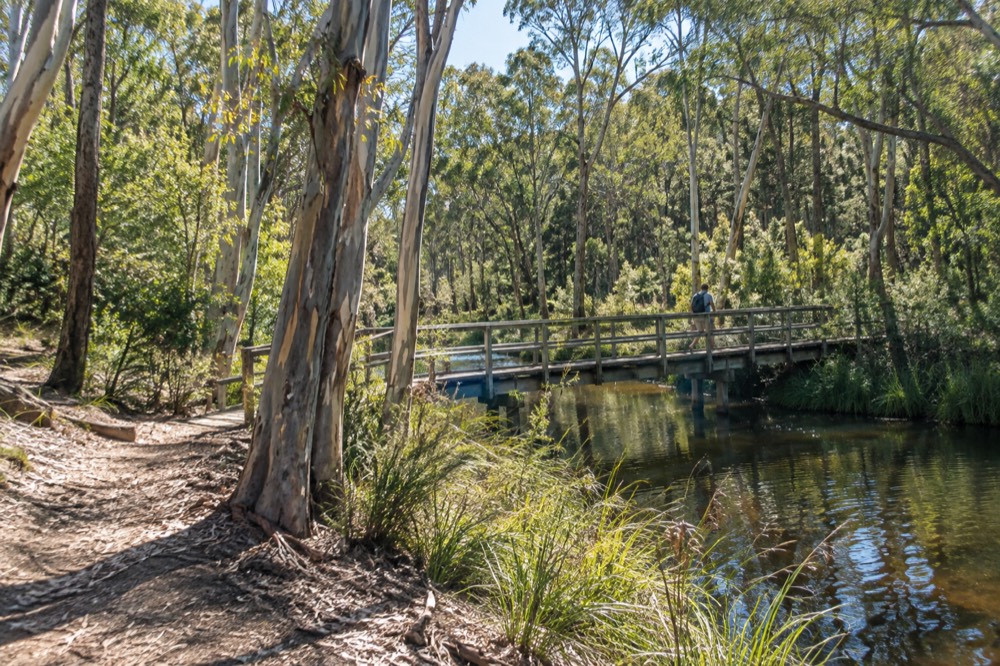
| Forest Path near Audley | Under 1 hour | Easy loop | Shaded rainforest flat beside the Hacking River |
| Wattamolla to Curracurrong Falls | 2-3 hours return | Half day | A waterfall that drops onto the beach |
Two warnings worth more than any itinerary. Wedding Cake Rock is fenced off at the rock itself because the sandstone is unstable, and the fence is there for a reason: stay behind it. Figure 8 Pool is only safe around low tide and calm swell, and people are rescued from that pool every year when they misread the ocean. Check the tide and never turn your back on the water on the rock shelf.
The Figure 8 Pool and the coastal sections sit inside the same stretch of parkland covered in our Sydney coastal walks guide, which compares this coastline against the Bondi to Coogee walk further north. If your question is really "which coastal walk should my limited time go to", that comparison is the one to read.
If a self-guided day in the park sounds like more organising than you want, a led walk takes the navigation and the planning off your plate, and the city options pair naturally with a Royal National Park day trip on the same itinerary.
What Does It Cost to Walk in the Royal National Park?
Walking itself is free, but arriving by vehicle is not: the Royal National Park charges $12 per vehicle per day, collected at entry stations, pay machines or through the Park'nPay app. Groups in vehicles with more than eight seats pay $4.40 per adult and $2.20 per child per day instead. Arrive by train and ferry, or on foot, and you pay no park entry fee at all.
That per-vehicle structure matters more than most visitors expect, because the two most useful trailheads are both reachable by public transport. The Bundeena end is reached by train to Cronulla, then a short ferry crossing to Bundeena wharf, which drops you metres from the Coast Track's northern trailhead. The Otford end has its own station on the Illawarra line. A walker who starts at Bundeena and finishes at Otford never needs a car inside the park at all, which saves the fee and removes the awkward one-vehicle-two-trailheads problem entirely.
| Cost item | Amount | Notes |
|---|---|---|
| Vehicle entry, per day | $12 | Pay at entry stations, machines or Park'nPay app |
| Vehicles over 8 seats, per adult | $4.40 per day | Teachers and educational supervisors free |
| Vehicles over 8 seats, per child | $2.20 per day | Applies to large group vehicles |
| Walking or arriving by train or ferry | Free | No pedestrian entry fee |
| Train to Cronulla, adult Opal | $6.20 peak / $4.34 off-peak | 20-35 km band, |
The vehicle fee and the large-vehicle rates are published by NSW National Parks, which reviews fees periodically, so treat these as the current figures rather than permanent prices. Train fares come from the Transport for NSW fare tables, and a contactless card is charged exactly the same as an Opal card, with the same daily caps. If you are stringing together trains and ferries on a walking day, the Opal card guide for visitors explains how the caps work out cheapest.
One trap worth naming: the ferry from Cronulla to Bundeena is a private operator, not a Sydney Ferries route, so it is not covered by the standard Opal ferry fares and caps. Budget for it separately.
How Do You Plan the Two-day Coast Track Walk?
Book your campsite first, because overnight spots along the track are managed by NSW National Parks and fill up on weekends in the walking season. Most walkers start from Bundeena mid-morning, camp near Garie or North Era, and reach Otford by mid-afternoon the next day. Carry all your water for the exposed middle sections, and check the NPWS alerts page before you set out, because tracks in NSW parks close for works, fires and hazard reduction burns.
The logistics are simpler than they look from the city. Day one: train to Cronulla, ferry to Bundeena, walk south. Day two: walk out to Otford station and train back. That single-line plan is the reason the track works so well for visitors without a car, and it is the same car-free logic behind our day trips from Sydney by train roundup.
The middle of the track is where time estimates fall apart. Between Garie and Otford the track climbs over exposed headlands with no water and very little shade, and a hot afternoon can turn a comfortable day into a slow one. Start early in warmer months, carry more water than feels reasonable, and treat any hour estimate you read online as a cool-day figure.
Camping rules are set by the park service and change, so book through the official site rather than relying on a blog's instructions. The NPWS alerts page for the Royal National Park lists live closures and works, and it is the page to check in the week before you walk.
Guided walking is a different product from the self-guided Coast Track, and some walkers like one led experience to calibrate their pace before taking on a multi-day route solo. In the city, the Rocks guided walking tour is the natural calibration walk: an hour and a half with a professional guide, easy terrain, and a route that teaches you how a guide reads a landscape and its history.
When Is the Best Time of Year to Do the Walk?
Late autumn, winter and early spring are the best walking months, and the climate data backs this up in a way most visitors never expect. June is Sydney's wettest month on the long-run record at 133.1 mm, but August is its clearest month with 13.4 mean clear days, while February, the middle of the tourist summer, is the cloudiest at just 5.3 clear days. Winter here is made for walking: cool, often clear, with short days.
That inversion of the northern-hemisphere instinct is the single most useful thing to know when planning. Summer, December through February, means heat, high UV and the cloudiest skies of the year, and the exposed Coast Track sections are at their least forgiving. The Bureau of Meteorology's long-term Sydney climate normals are the source for those figures, and they describe averages, not forecasts.
Winter walking has one trade-off and one bonus. The trade-off is daylight: with the sun setting early outside daylight saving months, a two-day walker needs to be at camp by late afternoon. The bonus is whales: the migration season runs May to November along this coast, and the Coast Track's headlands are genuine land-based whale-watching vantage points in the peak months of late June through July. Our whale watching in Sydney guide covers the season in detail.
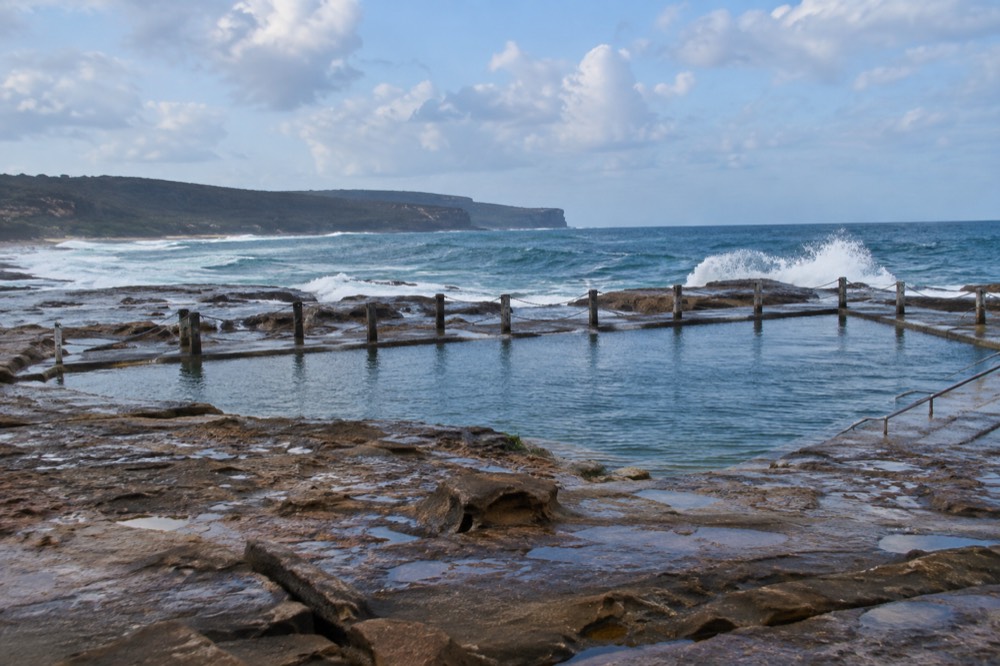
Whatever month you choose, the preparation checklist barely changes: book the campsite, check the alerts page, carry water for the exposed sections, and give the ocean rock shelves respect. The park rewards slow walkers more than fast ones, because nearly everything worth stopping for, the rock formations, the pools, the headland views, is a stopping thing. This site, Sydney Travel Guide, keeps the seasonal figures and the fee tables current so your planning does not rest on a stale page.
If the two-day commitment is too much for your itinerary, the half-day Bundeena sections deliver the same coastline in miniature, and the rest of the park can wait for a return trip. Sydney has no shortage of alternatives, from the best lookouts in Sydney to the easier walks in our what can I do on a day trip to Royal National Park piece, so a shortened walk is a choice, not a compromise.
Common Questions About the Royal National Park Walk
How long is the Royal National Park walk?
It depends on the track. The full Coast Track from Bundeena to Otford is a two-day walk for most people, while the Bundeena to Wedding Cake Rock section takes three to four hours return and the short forest loops near Audley take under an hour.
Can you do the Coast Track in one day?
Some very fit walkers do it in one long day, but it is not recommended for visitors: the exposed middle sections are punishing in warm weather and the logistics work far better as a two-day walk with a booked campsite near Garie or North Era.
Do you have to pay to walk in the Royal National Park?
Walking is free, but vehicle entry costs $12 per vehicle per day, and vehicles with more than eight seats pay per-person rates instead. Arriving by train and ferry, or on foot, avoids the entry fee entirely.
Is the Figure 8 Pool walk worth it?
It is a spectacular rock pool, but it is only safe around low tide with calm swell, and the walk plus the rock shelf crossing takes several hours from Bundeena. Check the tide before you commit, and never cross the shelf when waves are breaking.
When should I not walk the Coast Track?
Avoid hot summer afternoons on the exposed sections, and check the NPWS alerts page before any walk between 1 October and 31 March, the bush fire danger period, because tracks close for hazard reduction burns and maintenance works.