Sydney Street Art: A Walking Guide to the City's Best Murals and Laneways
Sydney's street art concentrates in a handful of inner-city neighbourhoods, and almost all of it is free to see on foot. This guide covers where to walk, what to expect, and how to plan the day.
Short answer
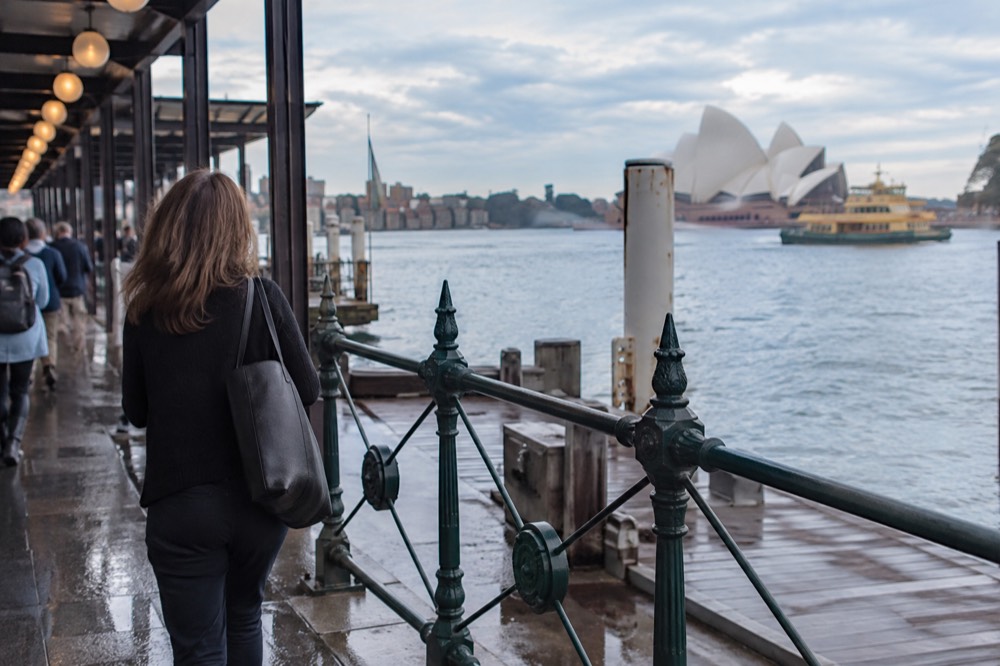
Sydney's best street art sits in Newtown, Surry Hills, Darlinghurst, Glebe and The Rocks, all reachable by a single Opal trip from the city centre. Expect dense murals around King Street and Enmore Road in Newtown, polished laneway pieces in Surry Hills, and heritage-wall paste-ups in The Rocks. A full day of walking costs only Opal fares, since every precinct is walkable and free.
Sydney is not Melbourne, and locals will tell you so before you ask. What Sydney does have is a set of compact, walkable precincts where murals, paste-ups and stencil work cluster thickly enough that you can see serious work in a single afternoon without ever getting in a car. Newtown is the anchor, Surry Hills and Darlinghurst sit close behind, and The Rocks adds a heritage-brick twist most visitors never connect with street art at all.
This guide walks through where the work is, how to move between precincts, what a day of it costs, and the practical details that make the difference between a good photo and a wasted trip. Everything here is free to see; the only money you need spend is transport, coffee and lunch.
Where Is the Best Street Art in Sydney?
The densest concentration of street art in Sydney is in Newtown, along King Street and the streets running off it, plus Enmore Road towards the Enmore Theatre. Surry Hills and Darlinghurst, immediately south-east of the city centre, hold the second-largest cluster, and The Rocks offers a smaller but distinctive collection on heritage walls. All three are walkable, free, and reachable from Circular Quay in under 30 minutes on one Opal fare.
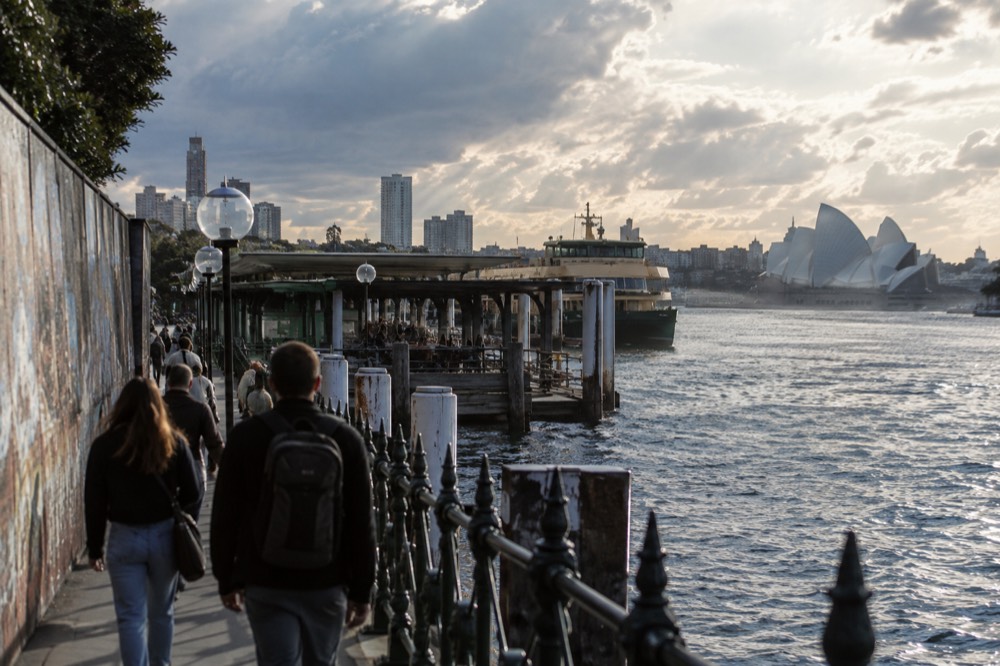
Newtown is where most of the city's mural energy lives. King Street runs for roughly three kilometres from the University of Sydney end down towards St Peters, and the side streets off it, Australia Street, Missenden Road, Lennox Street, hold more work per block than anywhere else in the city. Enmore Road continues the run towards the Enmore Theatre, a landmark venue whose surrounding walls have been repainted many times over the years. The precinct is also one of Sydney's most interesting eating streets, so plan to stop.
Surry Hills and Darlinghurst sit side by side and share a laneway culture that rewards wandering rather than route-following. The streets between Crown Street and Bourke Street, and the lanes running behind them, hold polished commissioned pieces alongside quicker work that changes month to month. This is the area to visit if you want your street art walk to end in a good bar, and it links naturally into the neighbourhood guide at Surry Hills for visitors and Darlinghurst walking guide.
Glebe, west of the city centre along Glebe Point Road, has a smaller but genuinely local scene, with murals and paste-ups mixed among bookshops and weekend markets. The Rocks, by contrast, is not an obvious street art precinct, but its sandstone and brick walls carry curated, smaller-scale work that suits the heritage streetscape. Our full guide to The Rocks covers the area in detail.
Which Neighbourhoods Should You Walk First?
Walk Newtown first if you only have one area, because it has the most work and the longest continuous stretch. Walk Surry Hills and Darlinghurst second, ideally on a different morning, since they suit a slower, laneway-hopping style. Save The Rocks for a day you are already near Circular Quay, and treat Glebe as an add-on to a Glebe Point Road wander rather than a destination in itself.
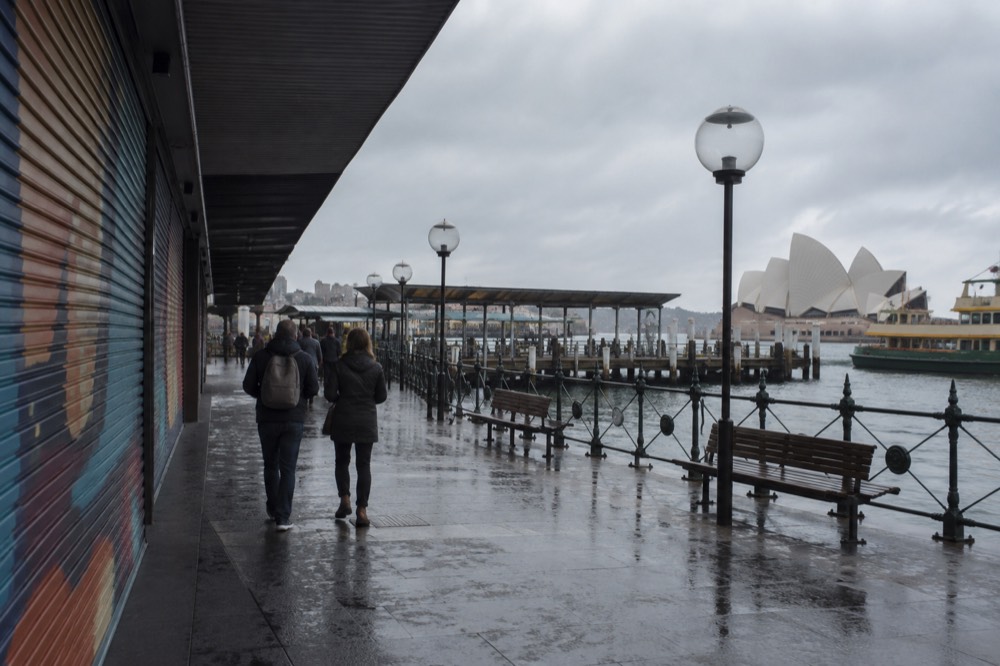
The order matters less than the timing. Newtown is best mid-morning on a weekday, when shopfronts are open, footpath traffic is light and you can photograph walls without crowds. Surry Hills works well late afternoon, when the low sun lights up the east-facing laneway walls and the bars are opening. The Rocks suits any daytime hour, though the narrow lanes get busy on weekends and during cruise-ship days, which our Sydney cruise ship day guide explains in more depth.
Here is how the main precincts compare for a first-time visitor:
| Precinct | Density | Style | Best time | Walk time needed |
|---|---|---|---|---|
| Newtown and Enmore | Highest | Large murals, political pieces, layered posters | Weekday mid-morning | 2-3 hours |
| Surry Hills | High | Commissioned pieces, polished laneway work | Late afternoon | 1-2 hours |
| Darlinghurst | High | Mixed, changes often | Late afternoon | 1 hour |
| Glebe | Medium | Local, community-minded pieces | Any daytime | 1 hour |
| The Rocks | Lower | Curated, small-scale, heritage walls | Morning, weekdays | 45-60 minutes |
One practical note: street art is, by nature, temporary. Pieces get painted over, walls get developed, and new work appears between visits. Treat any guide, this one included, as a map of where to look rather than a catalogue of what you will find. The precincts are the stable part; the individual walls are not.
If a self-guided day feels like too much planning, a guided walk solves it in one booking. The Rocks guided walking tour covers the neighbourhood's lanes and stories with a local guide, and it pairs well with a street art wander because so much of The Rocks' wall work references the area's colonial-era history.
What Can a Guided Tour Add to a Street Art Walk?
A guided tour adds context you cannot read off a wall: who painted a piece, why it references a local issue, and what it replaced. In Sydney the useful options are walking tours of The Rocks, a food tour that moves through Newtown-style streets, and a bike tour that covers far more ground than your feet will. None is street-art specific, but each one passes the right neighbourhoods with a local talking.
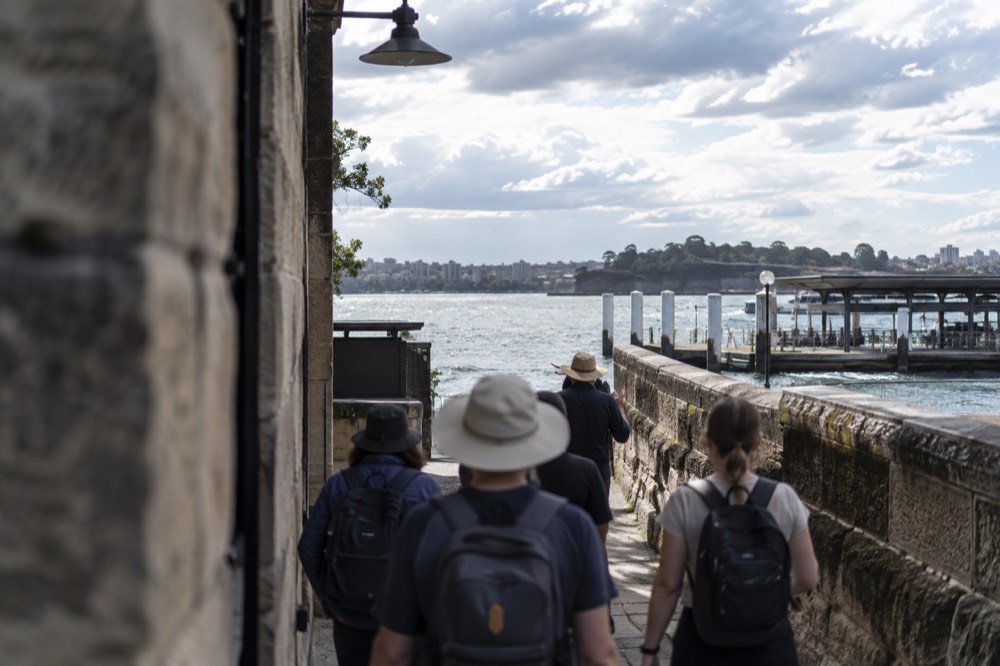
The honest caveat is that Sydney does not have a dedicated street art tour in the way Melbourne does. What it has are guides whose territory overlaps the art. The Rocks walking tour is the closest thing to a history-and-walls experience, and The Rocks is where wall work and heritage architecture interact most interestingly. The tour runs about 90 minutes and starts near Circular Quay, so it slots easily into a morning before you head to Newtown.
For a different angle, the Secret Food Tours six-tasting walk moves through central Sydney food streets, and while it is about food rather than walls, the streets it uses are the same ones where the interesting pieces hang. And if you want coverage rather than depth, a bike tour is the efficient option: two to five hours on a bike covers Newtown, Glebe and the inner west in one loop that would take two days on foot.
Is Sydney Street Art Legal?
Most of the large murals you will see in Sydney are legal, commissioned or council-approved work, not illegal tagging. New South Wales law treats graffiti on someone else's property without consent as an offence, so the pieces that survive are ones property owners agreed to. Councils, businesses and building owners actively commission walls, which is why the big Newtown and Surry Hills pieces persist for years while smaller unauthorised work disappears within weeks.
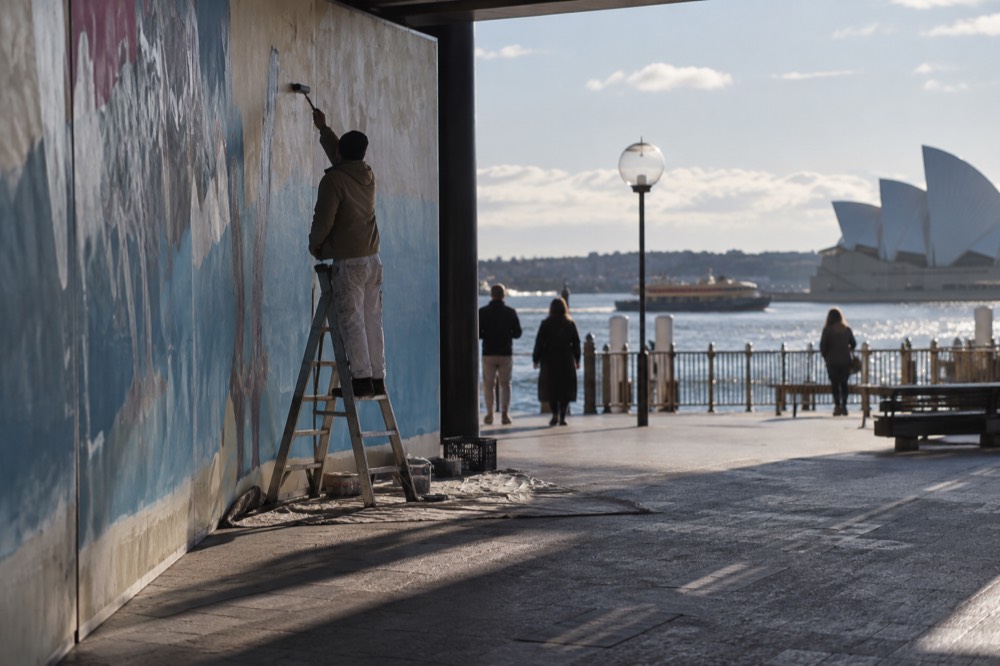
The distinction matters for how you read a wall. A three-storey mural with clean lines and a finished edge is almost always commissioned: the owner approved it, sometimes with council grant money, sometimes paid for by the business whose wall it is. Layered posters, quick stencils and paste-ups sit in a greyer zone, and their lifespan is short. Raw tags and throw-ups are illegal, and they get buffed, painted over by council contractors, on a rolling schedule.
This also explains why Sydney's street art feels different from Melbourne's famous laneways. Melbourne's CBD laneways host constantly rotating, largely tolerated work; Sydney's visible pieces skew larger, more deliberate and longer-lived, because the legal route, commissioning, is the one that produces walls that last. If you photograph a piece you love, do it on the day you see it. It may not be there next visit.
For visitors the practical rule is simple: photograph freely, but never add to a wall yourself. Penalties for graffiti in NSW can include fines and, for serious cases, court action, and it is an odd souvenir to leave behind anyway.
When Is the Best Time to Photograph Street Art?
The best months for photographing Sydney street art are August and September, when the city averages its most clear days, 13.4 and 10.9 respectively, and the winter sun sits low enough to texture flat walls. Within a day, late afternoon gives the strongest directional light on east-facing laneway walls in Surry Hills, while mid-morning suits Newtown's south-facing shopfronts. Avoid the hour either side of midday in summer, when overhead sun flattens everything.
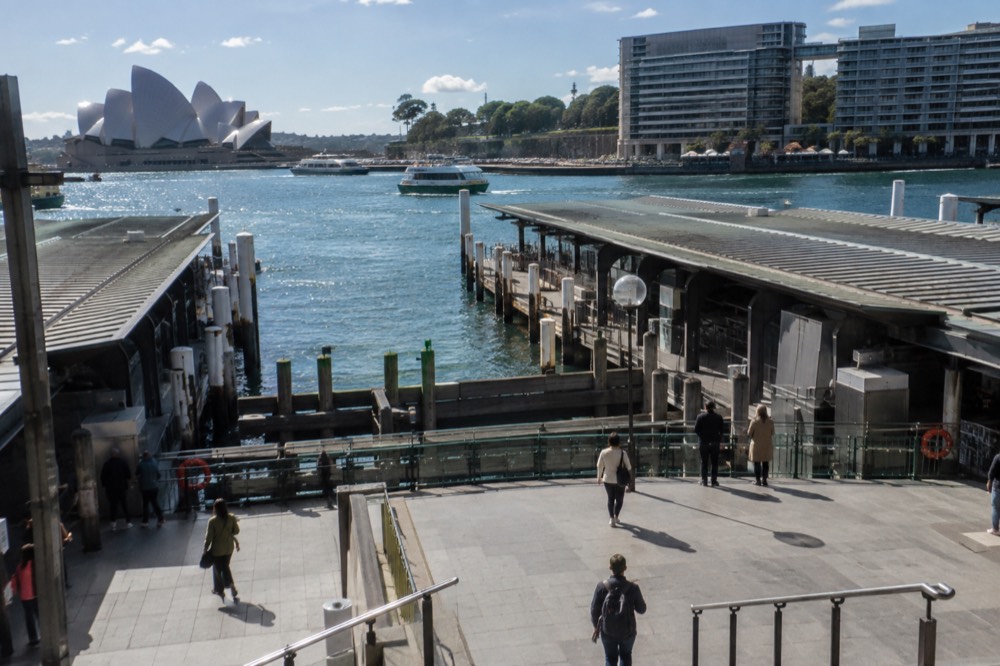
The climate data backs this up in a way most visitors find surprising. Sydney's clearest skies arrive in late winter, not summer: the Bureau of Meteorology's long-run averages for the Observatory Hill station show August with 13.4 mean clear days and July with 12.0, against just 5.3 in February, the middle of peak tourist season. June is actually the city's wettest month on average, at 133.1 mm, wetter than any summer month. If you are scheduling a photography trip around the walls rather than the beaches, the "bad" season is the good one.
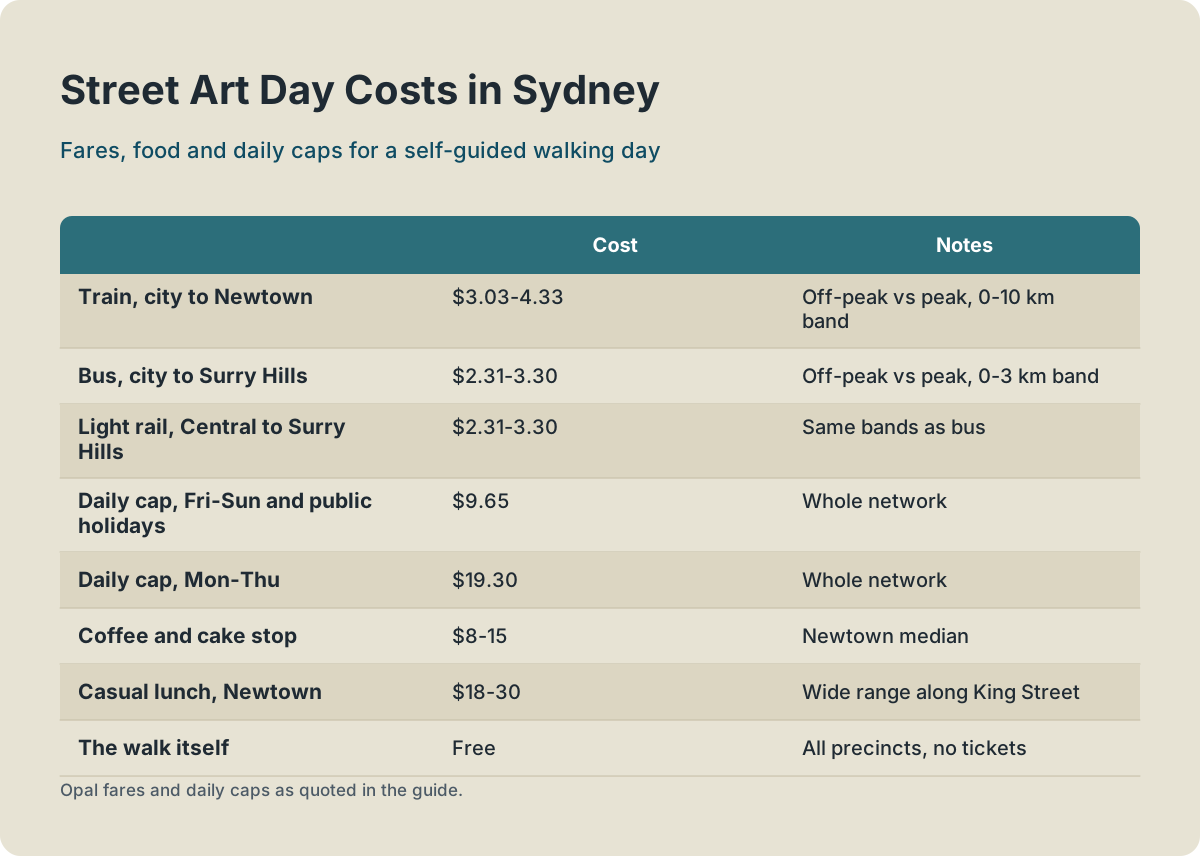
The long-run climate normals are published by the Bureau of Meteorology for Sydney's Observatory Hill station, and they are averages rather than forecasts, so treat them as a guide to odds, not a promise. The monthly picture looks like this:
| Month | Mean clear days | Mean rainfall (mm) | Notes for photography |
|---|---|---|---|
| January | 6.8 | 101.2 | Hot, humid, hazy light |
| February | 5.3 | 119.3 | Cloudiest month on average |
| March | 7.1 | 131.6 | Second-wettest, humid |
| April | 9.1 | 126.5 | Improving, softer light |
| May | 9.5 | 117.4 | Good clear-day odds |
| June | 9.1 | 133.1 | Wettest month on average |
| July | 12.0 | 96.3 | Very clear, cold mornings |
| August | 13.4 | 80.2 | Clearest month of the year |
| September | 10.9 | 68.1 | Clear, warm, low spring light |
| October | 8.1 | 76.7 | Variable |
| November | 6.0 | 83.8 | Cloudier, UV extreme |
| December | 6.6 | 77.1 | Peak season haze and crowds |
One more consideration: the UV index. Sydney exceeds the protection threshold of 3 for most of the year and hits extreme levels of 11 or more in summer, so a long day walking unshaded streets in December or January is harder on you than on your camera. Winter walking, by contrast, is mild: July's average maximum is 16.4 °C, close to ideal for hours on foot.
How Much Does a Street Art Day Cost?
A self-guided street art day in Sydney costs almost nothing beyond food: every precinct is free to walk, and a full circuit of Newtown, Surry Hills and Darlinghurst fits inside a single Opal daily cap of $9.65 on a Friday, Saturday, Sunday or public holiday, or $19.30 Monday to Thursday. Add coffee and lunch, and a realistic budget is $30-60 per person for the day, transport included.
The transport maths is simple because the precincts cluster along a few corridors. Newtown sits on the T2 train line at Newtown and Macdonaldtown stations, and on the 423 and 426 bus routes from the city. Surry Hills and Darlinghurst sit on the light rail at Central, and the 372 and 393 buses, or a 15-minute walk from Museum station. Glebe is on the 431 and 433 buses. A contactless credit card or phone is charged exactly the same as an Adult Opal card and earns the same caps and off-peak discounts, per Transport for NSW's visitor fares page.
| Item | Cost | Notes |
|---|---|---|
| Train, city to Newtown | $3.03-4.33 | Off-peak vs peak, 0-10 km band |
| Bus, city to Surry Hills | $2.31-3.30 | Off-peak vs peak, 0-3 km band |
| Light rail, Central to Surry Hills | $2.31-3.30 | Same bands as bus |
| Daily cap, Fri-Sun and public holidays | $9.65 | Whole network |
| Daily cap, Mon-Thu | $19.30 | Whole network |
| Coffee and cake stop | $8-15 | Newtown median |
| Casual lunch, Newtown | $18-30 | Wide range along King Street |
| The walk itself | Free | All precincts, no tickets |
If you would rather outsource the day, the paid options scale with what they include. A guided walking tour costs from around US$37, a food tour that doubles as a street walk from around US$124, and a bike tour from around US$87. Those are the three formats worth considering, and each suits a different traveller: the walker, the eater and the coverer-of-ground.
How Do You Build a One-day Street Art Itinerary?
Start at Central Station by 9am, take the light rail or a bus into Surry Hills, and spend 90 minutes on the Crown Street laneways before the coffee shops fill. Bus or walk to Darlinghurst for another hour, then train from Central to Newtown for lunch on King Street and a two-hour wander down Australia Street and Enmore Road. Finish at the Enmore Theatre end by mid-afternoon, leaving The Rocks for a separate morning near Circular Quay.
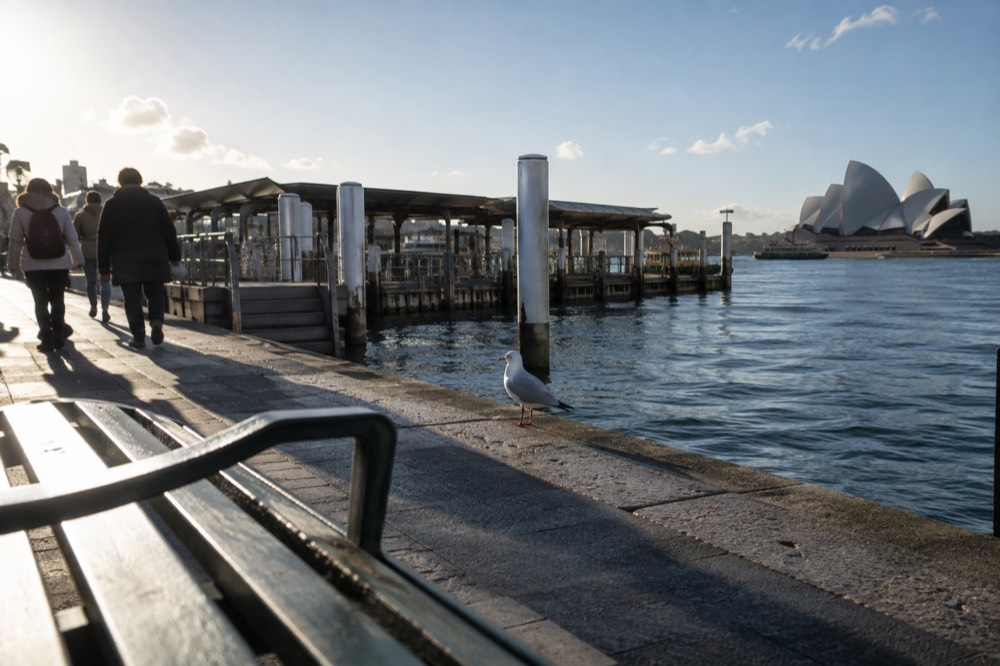
That sequence works because it moves with the light and the coffee. Surry Hills' east-facing laneway walls photograph well in morning light, Newtown's big south-facing shopfront murals suit midday, and the Enmore stretch is a relaxed wind-down. If you have a second day, reverse it: The Rocks in the morning, a ferry somewhere pointless and lovely in the middle, and Glebe in the late afternoon, when Glebe Point Road is at its most local.
| Time | Where | What you are doing |
|---|---|---|
| 9:00-10:30 | Surry Hills | Laneways off Crown Street, first coffee |
| 10:30-11:30 | Darlinghurst | Streets between Crown and Bourke |
| 12:00-13:00 | Newtown, King Street | Lunch |
| 13:00-15:00 | Newtown side streets | Australia St, Missenden Rd, Lennox St |
| 15:00-16:00 | Enmore Road | Walk to the Enmore Theatre end |
| Day two option | The Rocks | Heritage walls, 60-90 minutes |
A bike makes a genuinely different day of it. The Sydney Bike Tours product runs two to five hours with a guide, and the inner-west loop it covers takes in Newtown, Glebe and stretches of harbour-front you would never reach on foot in one afternoon. It is the one option that changes the geography of the day rather than just the commentary.
For something darker that still fits the inner-city walking format, Sydney's true crime tour runs 90 minutes through the city's criminal history, and the streets it uses overlap the Darlinghurst precinct. It is a good evening pairing with an afternoon of wall-hunting, since the tour's stories give the laneways a second, less colourful layer of meaning.
If your trip is longer than a weekend, the same instincts extend outward. Our guide to Sydney's hidden gems and the Sydney weekend itinerary both fold inner-west wandering into bigger plans, and the Newtown neighbourhood guide goes deeper on the suburb than a street art walk can. The Sydney photography spots guide is also worth a read if the camera is the point of the trip, and the whole site, Sydney Travel Guide, is organised around exactly this kind of day-by-day planning.
Common Questions About Sydney Street Art
Where is the best street art in Sydney?
Newtown, along King Street and Enmore Road, has the densest and most famous collection. Surry Hills and Darlinghurst follow, with polished laneway work, and The Rocks offers a smaller, curated set on heritage walls. All are free and walkable.
Is Sydney street art legal?
The large murals are mostly commissioned or council-approved, which is why they last. Unauthorised tagging is an offence in NSW and gets painted over quickly. Look and photograph freely, but never add to a wall.
What is the best month to photograph street art in Sydney?
August, on average. It is Sydney's clearest month, with 13.4 mean clear days, and the low winter sun gives walls texture. February is statistically the cloudiest month, despite being peak tourist season.
Can you see Sydney street art on a guided tour?
There is no dedicated street art tour, but The Rocks guided walking tour covers the precinct with the most wall-and-history overlap, and bike and food tours pass through the same inner-city streets with a local guide.
How much does a street art day in Sydney cost?
The walking itself is free. Transport fits inside the Opal daily cap of $9.65 on a Friday, weekend or public holiday, or $19.30 Monday to Thursday, so a realistic day including food is $30-60 per person.
Is Sydney street art as good as Melbourne's?
It is different rather than lesser. Sydney's pieces skew larger, more commissioned and longer-lived, while Melbourne's laneways rotate faster with more tolerated illegal work. Sydney rewards a slower, precinct-by-precinct walk.