Sydney Airport Parking: Options, Costs and Smarter Alternatives
Sydney Airport parking is convenient but rarely cheap, and the price you pay depends heavily on when you book, which terminal you use and how long you stay. Here is how the options actually work, and when leaving the car at home wins.
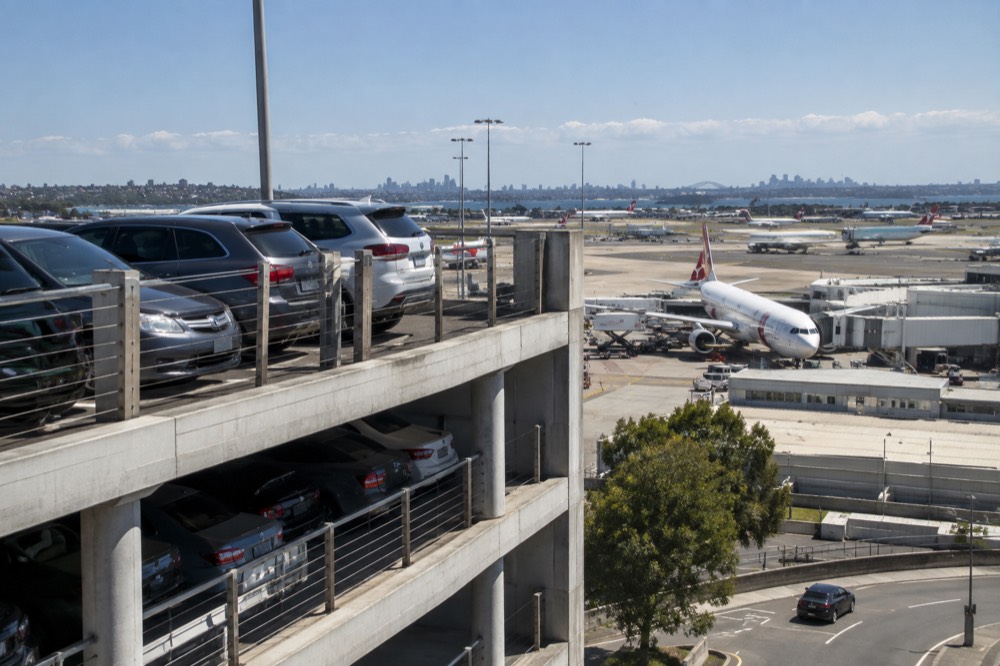
Short answer
Sydney Airport has official car parks at all three terminals plus a cluster of private off-airport lots nearby. Booking online ahead is cheaper than driving up, and for trips of more than a few days the train, at $18.61 in station access fees on top of the fare, often beats parking outright.
Parking at Sydney Airport is one of those travel decisions people make on autopilot, then wince at the receipt. The airport runs its own multi-storey car parks at every terminal, a ring of private operators competes on price just outside the fence, and the train from the city costs less than a single day of kerbside-adjacent parking. Which of those wins depends on your trip length, your timing and how many people you are moving.
This guide walks through the options in plain terms: what exists, how the pricing behaves, where each terminal's car parks actually sit, and the honest maths on when driving and parking is the wrong choice. It also covers the details most guides skip, like the airport station access fee that catches train travellers off guard and the free alternatives that sit one bus route away.
What Parking Options Exist at Sydney Airport?
Sydney Airport offers three broad ways to leave a car: the official on-airport car parks attached to each terminal, private off-airport lots a short shuttle ride away, and hotel or park-and-fly packages that bundle parking with a night's stay. There is also free kerbside pick-up and drop-off, but it is strictly timed and never a place to wait. Each option suits a different trip length, and the cheapest choice for two days is often the worst for two weeks.
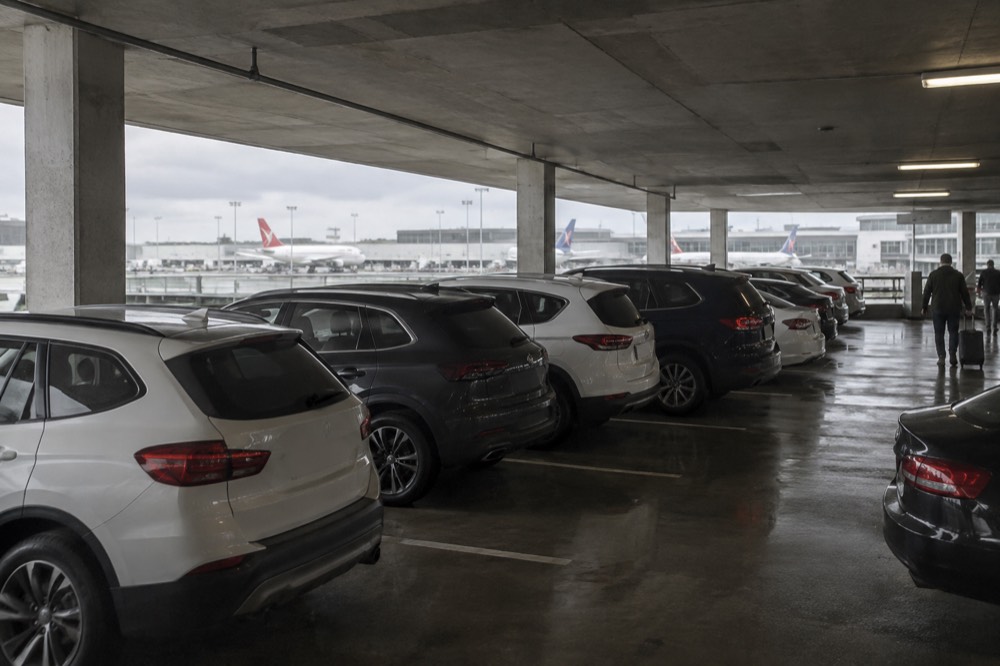
The official car parks are the ones most travellers picture. They sit within the airport precinct itself, connected to the terminals by short walks or shuttle buses, and they are run by the airport company. They are the most convenient option by a clear margin, and the most expensive if you arrive without a booking. Rates are dynamic, which means the same car park can cost meaningfully different amounts on different days, the same way flights do.
Off-airport lots are the value play. A cluster of private operators run secured lots outside the airport boundary, usually a five to ten minute shuttle transfer from the terminal. You trade a little convenience for a noticeably lower daily rate, and most of these operators have covered and uncovered tiers. The shuttle is the friction point: at peak departure times you may wait for a seat, so build in buffer time if you use one.
Park-and-fly hotel packages are the sleeper option for early flights. Book a night at an airport hotel and many will let you leave the car in their lot for the duration of your trip, sometimes for a modest extra fee, sometimes bundled in. If your flight leaves at 6am, the maths of a hotel night plus free-ish parking versus a 4am drive and a week of airport rates often favours the hotel.
Finally, free kerbside zones exist at each terminal for pick-ups and drop-offs, but they are strictly no-waiting areas. Drivers must stay with the car. If you are collecting someone whose flight is delayed, the honest move is to wait in a designated waiting area away from the kerb and loop in when they are actually at the kerb with bags.
How Does Sydney Airport Parking Pricing Work?
Official Sydney Airport parking is dynamically priced: the rate depends on your dates, how long you stay and whether you book online in advance. Drive-up rates at the entry boom are consistently the most expensive way to park, while pre-booked online rates are lower and let you lock a price before you fly. There is no single fixed daily rate, so any figure you read anywhere should be treated as a snapshot, not a promise.
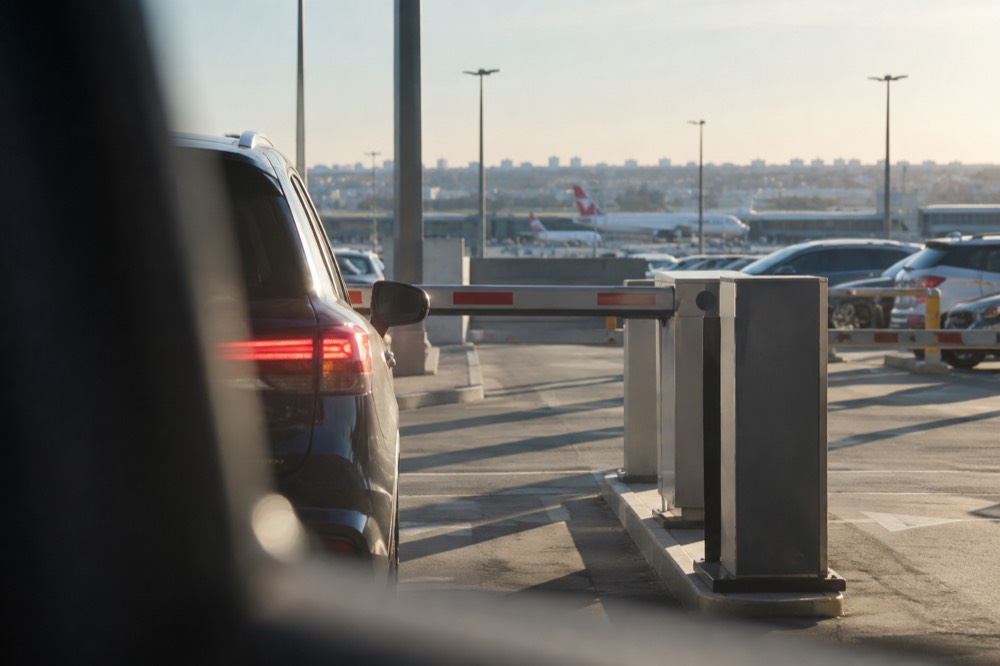
The dynamic model is the single most important thing to understand. Airport parking here behaves like airline seating: the same product costs more at peak times, and prices move as capacity fills. School holidays, the Christmas period and long weekends push rates up sharply, while midweek off-peak dates can be surprisingly reasonable if booked early. Checking the official airport parking page for your exact dates is the only way to get a real number.
Booking online ahead is the reliable saving. Pre-booked bays are allocated in the same car parks as drive-up customers, but the rate you pay is lower and, crucially, fixed. You are also protected from the worst outcome at the boom gate, which is arriving during a peak surge and paying whatever the screen says. The airport's own parking pages carry the live rates and the booking flow.
Duration is the other lever. Short stays are billed hourly with a daily cap, which makes picking someone up inside the terminal car park perfectly reasonable for an hour or two. The economics flip at multi-day stays: daily rates stack, and a ten-day trip at on-airment drive-up rates can exceed the cost of a budget flight. That is the point where off-airport lots and hotel packages start winning, and where the train starts looking like the genuinely rational choice.
One structural note worth knowing: the airport's precinct is split by a runway. The international terminal and the domestic terminals sit on opposite sides, and you cannot walk between them. Parking at the wrong terminal complex means a shuttle or a taxi between lots, so confirm which terminal your flight uses before you book a bay.
| Option | Where it sits | Best for | Watch out for |
|---|---|---|---|
| Official on-airport car park | Inside the precinct, at each terminal | Short stays, convenience, pre-booked multi-day | Drive-up rates at peak times |
| Off-airport private lot | Outside the fence, shuttle transfer | Multi-day trips on a budget | Shuttle waits at peak hours |
| Hotel park-and-fly package | Airport hotel car park | Early flights, long trips | Bundle terms vary by hotel |
| Free kerbside zones | Terminal forecourts | Pick-ups and drop-offs only | Strictly timed, no waiting |
If you are weighing the total cost of a Sydney trip rather than just the parking line, our Sydney trip cost breakdown puts transport alongside accommodation and food so you can see where the money actually goes.
Is Off-airport Parking Actually Cheaper?
Off-airport parking is usually cheaper than the official car parks for stays of more than about three days, often by a wide margin on longer trips. The trade-offs are a shuttle transfer each way, less flexibility if your plans change, and variable operator quality, so it pays to book with an established operator and read the recent reviews rather than the star rating alone. For a one or two day trip, the official car parks remain the better call.
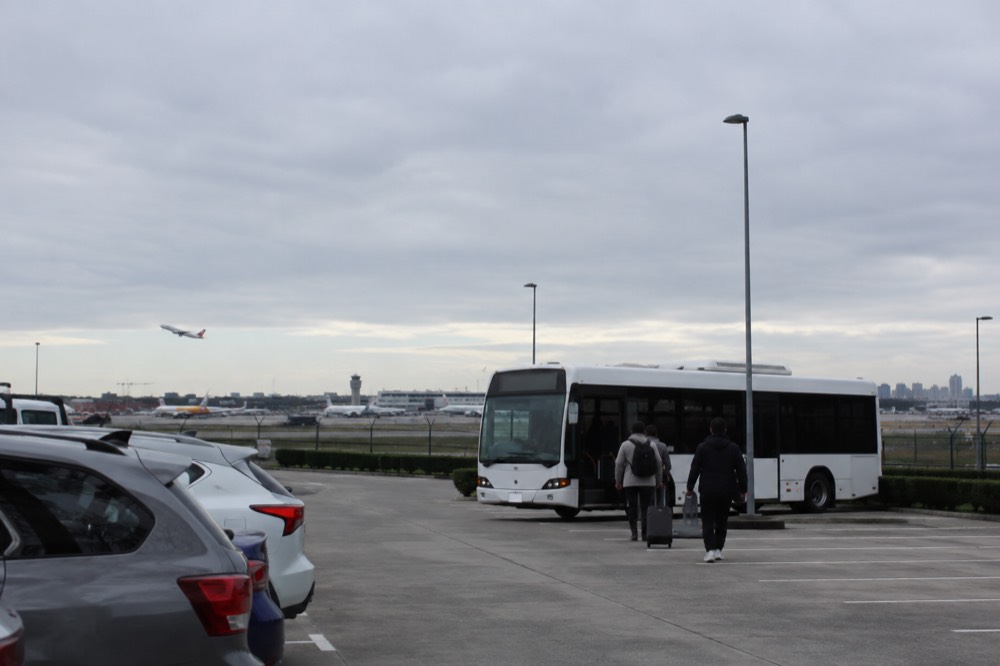
The savings are real but not automatic. Off-airport operators price against the airport's drive-up rates, and during deep off-peak periods the gap can narrow. The best value appears when airport rates surge, which is exactly when everyone else had the same idea, so pre-booking the off-airport bay matters just as much as pre-booking the airport one. Last-minute demand at Christmas can clean out the cheap lots first.
Quality varies more than price. The good operators have fenced, CCTV-monitored lots, prompt shuttles and clear insurance terms; the indifferent ones have all-day shuttle gaps and fine print about who covers damage. Reviews on the live listing tell you more than any landing page. Look for recent mentions of shuttle frequency, not just overall stars, because a five-star lot with a 40-minute shuttle wait is not a five-star experience.
Cancellation terms deserve a check before you pay. Many off-airment operators offer free cancellation up to a day before, which makes booking early nearly risk-free, but some cheaper prepaid rates are non-refundable. If there is any chance your flight dates will move, pay the small premium for a flexible rate. The same logic applies to the airport's own pre-booked bays, where flexible products exist alongside the cheapest locked-in ones.
Should You Drive and Park, or Take the Train Instead?
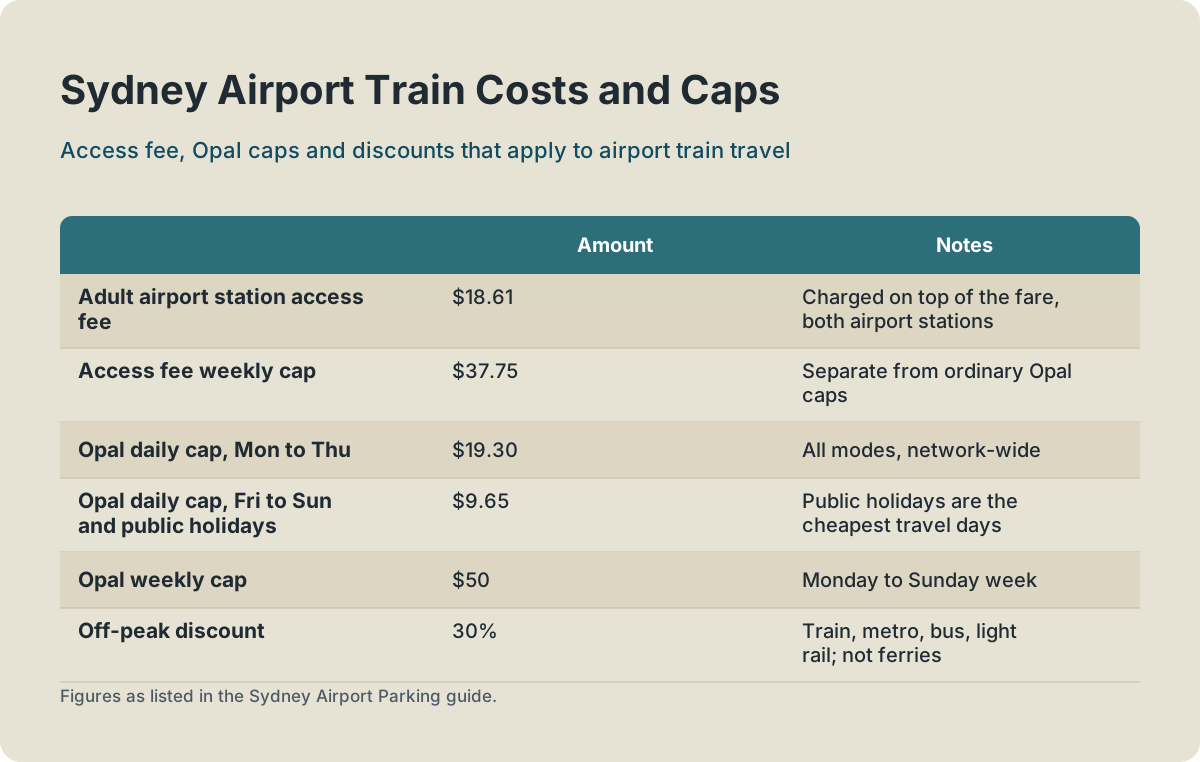
For many travellers the train beats parking outright. The airport is on the train line, the fare into the city is distance-based, and the Opal daily cap means a return airport trip plus city travel can cost less than a single day of airport parking. The catch is the airport station access fee, $18.61 for an adult on top of the train fare, charged at both airport stations and excluded from the normal daily and weekly caps.
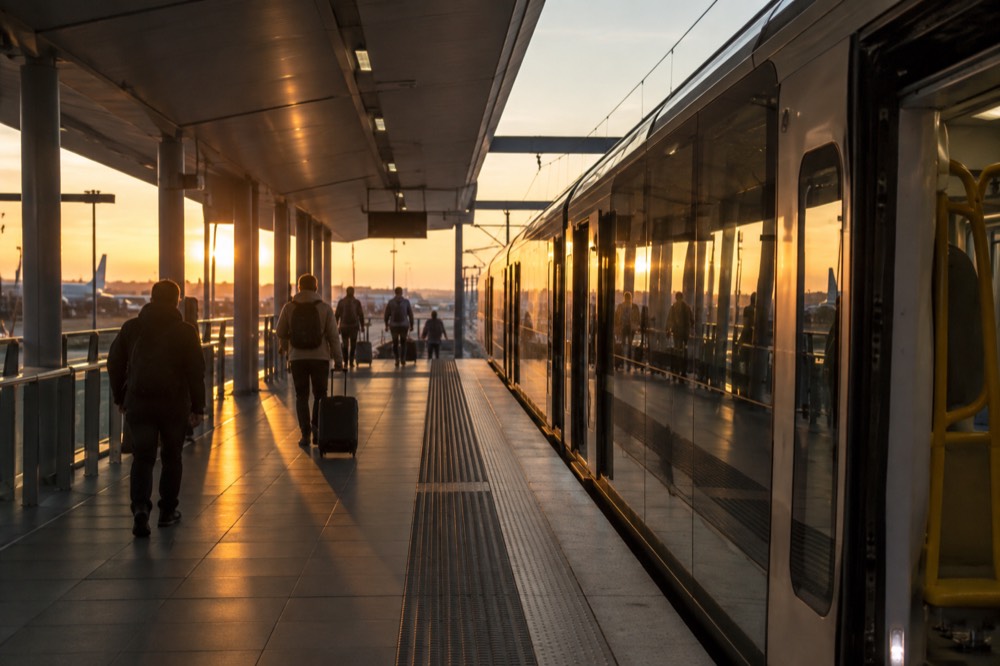
The access fee is the detail that surprises people. Every adult tapping on at the Domestic or International airport station pays the standard train fare plus a station access fee of $18.61, with its own separate weekly cap of $37.75. That fee sits outside the ordinary Opal caps, so a family of four pays it four times each way. Even so, for a solo traveller on a week-long trip, two train trips plus capped city travel usually lands well below a week of any parking.
The fare structure itself is generous once you are past the gate. Train fares from the airport are charged by distance band, with a 30 percent off-peak discount on Fridays, weekends, public holidays and outside peak times. The daily caps do the rest: $19.30 Monday to Thursday, and $9.65 on Fridays, weekends and public holidays. A public holiday is genuinely the cheapest day to travel widely in Sydney, which is worth knowing if your flight lands on one.
| Cost item | Amount | Notes |
|---|---|---|
| Adult airport station access fee | $18.61 | Charged on top of the fare, both airport stations |
| Access fee weekly cap | $37.75 | Separate from ordinary Opal caps |
| Opal daily cap, Mon to Thu | $19.30 | All modes, network-wide |
| Opal daily cap, Fri to Sun and public holidays | $9.65 | Public holidays are the cheapest travel days |
| Opal weekly cap | $50 | Monday to Sunday week |
| Off-peak discount | 30% | Train, metro, bus, light rail; not ferries |
Transport for NSW publishes the full fare and access-fee detail on its official airport travel page, and the visitor ticketing guide explains how contactless cards earn the same caps and discounts as an Opal card. Neither page requires you to buy anything to read them.
The 400 bus is the budget insider move. It runs past the airport without entering the paid station area, so no access fee applies, and it connects to the broader bus network. It is slower and less glamorous than the train, but for a traveller watching every dollar it is a legitimate route. Our full Sydney Airport to the city guide compares every option door to door.
Where Do You Park for Each Terminal?
The international terminal, T1, and the domestic terminals, T2 and T3, sit on opposite sides of the runway with no walking route between them, so your parking choice must match your terminal. Each terminal complex has its own official car parks, and off-airport shuttles serve both sides. Confirm your terminal before booking anything, because a wrong-side bay means a shuttle transfer you did not budget time for.
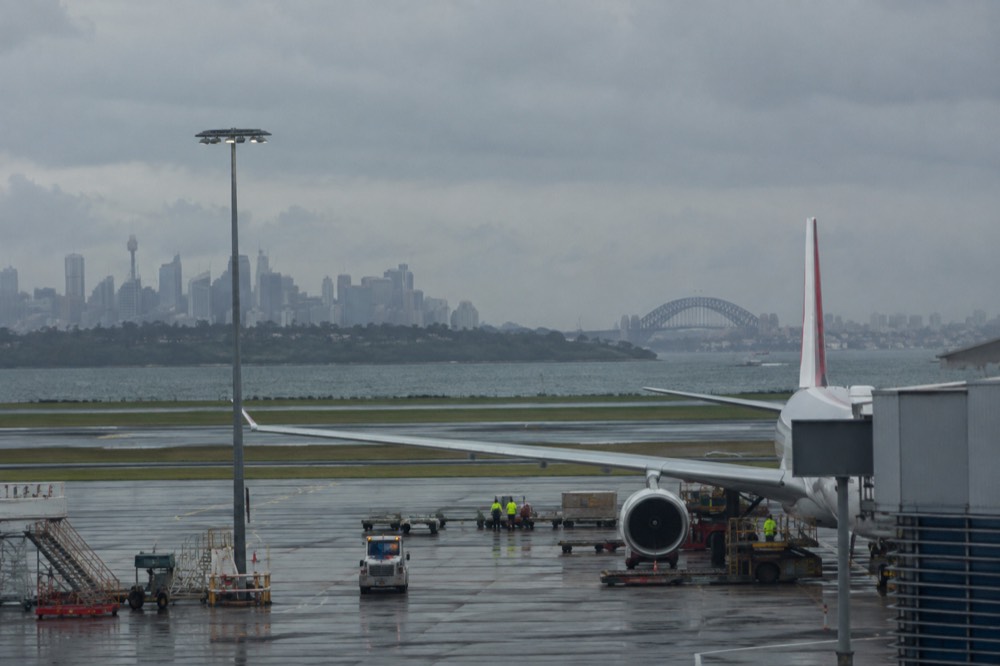
T1, the international terminal, has its own multi-storey car parks a short walk from check-in. If you are meeting an arriving international flight, the timed kerbside zone works for a quick pickup, but for anything with uncertainty in it, a short-stay bay inside the car park is the humane choice. International arrivals are slow through the gate: passport control, bags and biosecurity checks mean the person you are collecting may take a while to surface.
T2 and T3, the domestic terminals, share a precinct and effectively share car parks, with short walks to either. This is where the shuttle-based off-airport operators concentrate their drop-off loops, since one stop can serve both terminals. If you are flying domestically at a civilised hour, the whole domestic precinct is compact enough that any of its car parks is a reasonable walk with luggage on a flat tarmac route.
The practical rule for booking: match the terminal, then match the duration. A short-stay bay for a two-hour pickup, a pre-booked multi-day bay for a holiday, an off-airport lot only when the daily-rate maths says so. And if your itinerary has you flying out of one terminal and back into another, which happens on mixed international and domestic itineraries, plan the collection side before you park, not after you land.
One more thing on terminal matching: the off-airport shuttles ask which terminal you are flying from when you book, and they route accordingly, but a same-day terminal change because of an airline rebooking can strand you on the wrong side. Keep the shuttle operator's phone number in your phone before you park, because re-arranging a pickup from the tarmac is far easier than from the arrivals hall queue.
What Should You Know Before Booking a Bay?
Book online and early, match the terminal to your flight, and read the cancellation terms before paying. Pre-booked rates at the official car parks are lower than drive-up rates and lock in a price, while off-airport operators vary most in shuttle frequency and damage policies, which reviews reveal better than marketing pages. For multi-day trips, always compare the total parking cost against two train fares before committing.
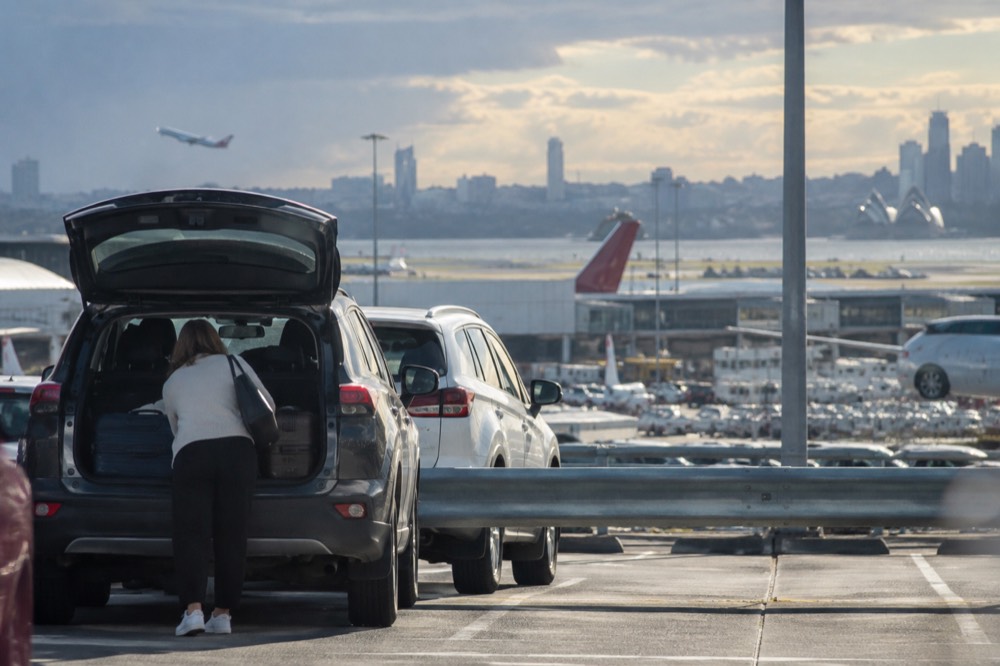
Timing matters more than most people expect. Rates surge around school holidays, the December-January peak and long weekends, and the cheap pre-booked inventory sells out first. Booking the bay when you book the flight is the habit that saves the most money across a year of trips. It also removes the boom-gate decision, which is where the worst prices live.
Read the fine print on three things: cancellation windows, vehicle size limits, and what happens if your flight is delayed past your booked exit time. Reasonable operators handle a delayed return gracefully, charging the difference at the prevailing rate; poor ones charge a full new stay. If you are parking while travelling somewhere remote or on a flexible ticket, flexible parking is worth a few dollars.
For collecting someone, remember the kerbside rules are enforced and the waiting areas exist for a reason. Looping through the airport to avoid parking at all is legal and common, but the free designated waiting areas are the calmer version of the same trick. Arrive with the flight tracker open, not with a fixed guess about when the doors open.
If you are staying in Sydney for a while rather than flying out, the bigger question is whether you need a car in the city at all. Our do you need a car in Sydney piece makes the case that most visitors do not, and the getting around Sydney guide covers the transport you would use instead.
How Does Airport Parking Compare with Other Sydney Transport Costs?
Once you land and leave the car behind, Sydney's transport is capped and predictable in a way parking is not. A week of city travel sits inside the $50 Opal weekly cap, less than two days of typical airport parking, and the big sightseeing decisions, a harbour cruise, a Blue Mountains day trip, an attractions pass, each cost less than a long-stay parking bill. Parking is a cost of driving; the rest of the city rewards not driving.
The comparison is worth making explicit because parking costs are usually decided in isolation. A ten-day trip with a car parked at the airport can cost more than every other transport decision combined, including ferries, buses and a day tour. The ferry network alone, covered in our Sydney ferries guide, is sightseeing and transport in one capped fare, and it is the kind of experience you cannot replicate from a driver's seat.
| Getting to and around Sydney | Cost profile | Predictable? | Parking needed |
|---|---|---|---|
| Drive and park at the airport | Dynamic daily rates, surge at peak times | No, moves with demand | Yes, plus parking at your destination |
| Train from the airport | Distance fare plus $18.61 adult access fee | Yes, capped | No |
| 400 bus past the airport | Standard bus fare, no access fee | Yes, capped | No |
| A week of city transport | Inside the $50 Opal weekly cap | Yes, capped | No |
For a first visit, a hop-on hop-off bus is the car-free traveller's parking substitute: it covers the city and Bondi in one loop, from US$54.86, and spares you the CBD's paid parking entirely. If you would rather bundle the headline attractions, the Sydney attractions passes compared guide runs the numbers on combo tickets, and the four-attraction pass, from US$35.84, is one of the cheaper ways to fill a rainy afternoon.
The day trips tell the same story. A Blue Mountains all-inclusive tour, from US$190.19, includes transport, guiding and entry in one price, which is often less than the combined cost of driving there yourself once fuel, park entry at Glenbrook and parking are counted. The Blue Mountains day trip guide breaks down the full comparison, and the train option covered in day trips from Sydney by train removes parking from the equation completely.
Common Questions About Sydney Airport Parking
Is there free parking at Sydney Airport?
Only the timed kerbside pick-up and drop-off zones are free, and waiting there is not permitted. There is no free long-stay parking at the airport itself. The designated waiting areas away from the terminals are free for drivers collecting delayed passengers, but they are not parking in the leave-your-car sense.
Is it cheaper to book Sydney Airport parking online?
Yes, consistently. Pre-booked online rates at the official car parks are lower than drive-up rates and lock in a price before you travel. Off-airport operators follow the same pattern, with their cheapest inventory selling out first around school holidays and long weekends.
How far in advance should I book airport parking?
Book when you book your flight. Rates are dynamic and rise as dates fill, and the cheapest bays at both the official car parks and off-airport lots disappear around peak periods. Booking early also gives you access to flexible cancellation products rather than whatever is left.
Can I avoid the airport station access fee?
Yes. The $18.61 adult access fee applies only at the airport's train stations. The 400 bus route passes the airport without entering the paid station area, so no access fee applies, and being dropped off or driving obviously avoids it too. The fee has its own weekly cap of $37.75 if you cannot avoid it.
Which terminal should I park at?
Park at the terminal your flight uses. T1, the international terminal, and T2 and T3, the domestic terminals, sit on opposite sides of the runway with no walking route between them, so a wrong-side booking means an unplanned shuttle or taxi transfer. Check your booking before you park.
Is off-airport parking safe?
Established off-airport operators run fenced, camera-monitored lots and are generally reliable, but quality varies. Read recent reviews on the live listing for mentions of shuttle frequency and damage claims rather than relying on the star rating, and prefer operators with clear insurance terms and free cancellation.
The bottom line is that parking at Sydney Airport is a solved problem if you book it early and match it to your trip length. For short stays the official car parks are worth every dollar of convenience; for long trips the train, capped and predictable, quietly wins. This Sydney Travel Guide piece is part of a wider transport series, so pair it with the airport-to-city guide before you fly and you will not pay a boom-gate surprise price.