Why Are the Rocks Sydney So Famous?
Why The Rocks is Sydney's most famous historic quarter: convict-era sandstone lanes, harbour views, weekend markets, ghost tours and pub heritage, plus how to get there and what to see.
Why Are the Rocks Sydney So Famous?
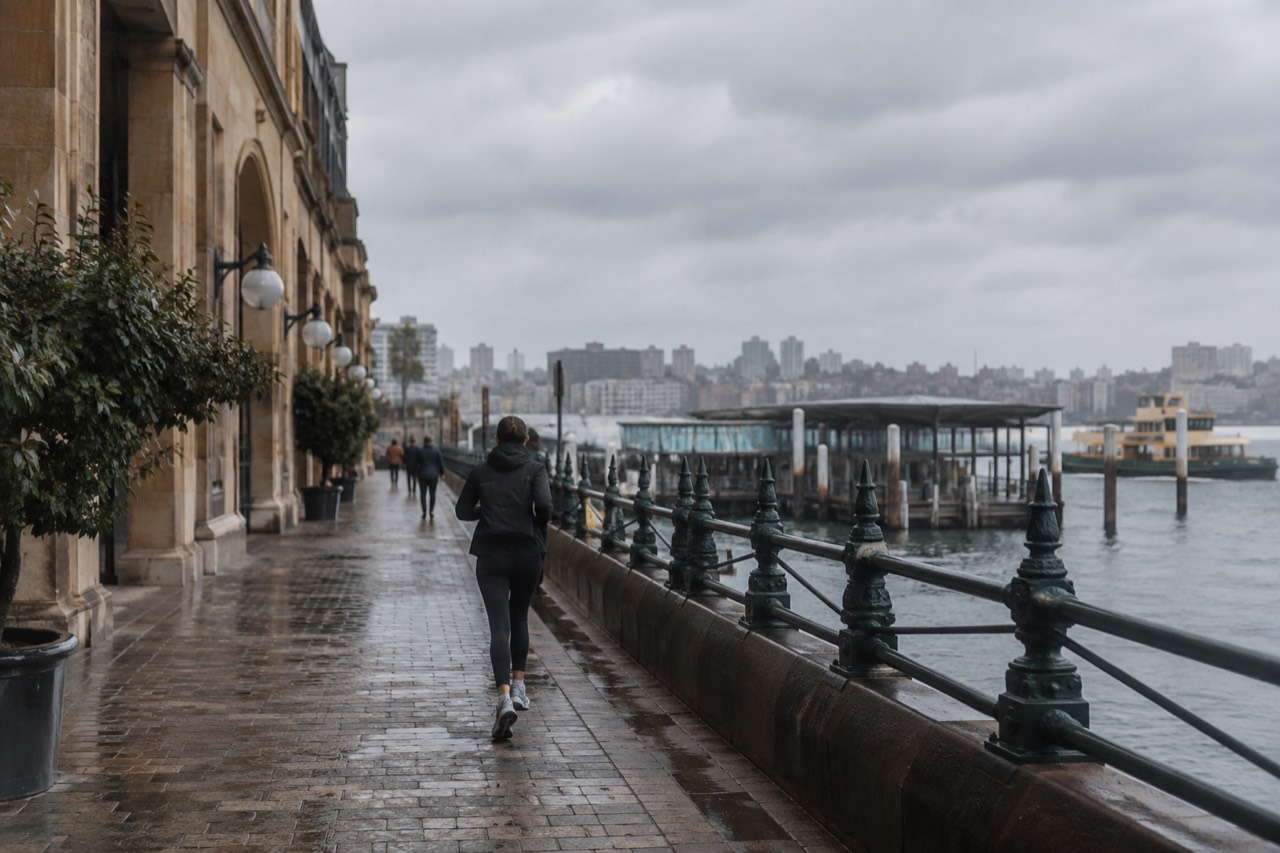
The Rocks is famous because it is the oldest surviving colonial neighbourhood in Australia, a grid of sandstone lanes and workers' cottages built by convicts on the ridge above Sydney Cove. No other part of the city keeps that earliest layer of buildings, pubs and laneways intact, and none sits in a more dramatic setting, wedged between Circular Quay and the approach pylons of the Sydney Harbour Bridge.
Add weekend markets, heritage pubs and a well-established ghost-tour scene, and it has become the historic quarter nearly every visitor walks through.
Fame of this kind is usually earned over centuries, and The Rocks has had the longest run of any neighbourhood in the country. It sits on the land of the Gadigal people of the Eora Nation, whose presence around the harbour long predates the quarter itself, and the sandstone that gives the area its name is the same material the first colonial buildings were cut from. The name stuck: "The Rocks" refers to the rocky ridge on the western side of Sydney Cove where the earliest rough dwellings went up.
What surprises many first-time visitors is how small it is. The whole neighbourhood is a compact grid of lanes running uphill from Circular Quay to the bridge approach, walkable end to end in about fifteen minutes. Its fame is not about scale. It is about density: more surviving colonial-era buildings per block than anywhere else in Australia, most of them now galleries, pubs, souvenir shops or small museums rather than sterile exhibits.
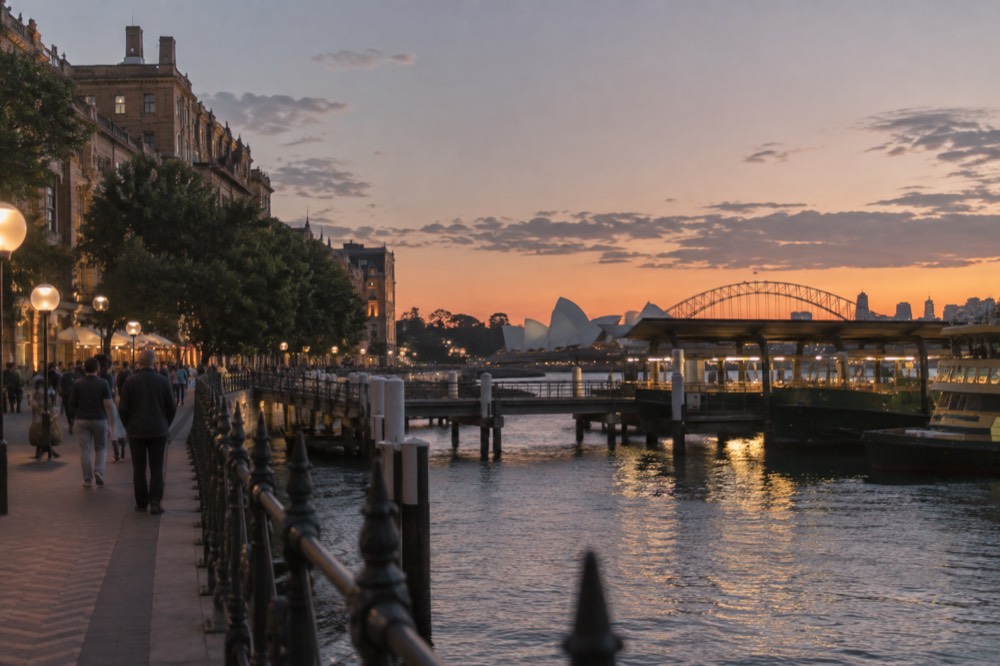
It also benefits from geography that no marketing could invent. The Sydney Opera House sits on the eastern side of the cove; The Rocks occupies the western shoulder; and the Sydney Harbour Bridge rises directly overhead. A visitor walking the foreshore from the Quay passes through all three within a few hundred metres, which is why almost every first-timer's Sydney itinerary routes through here whether planned or not.
What Makes the Rocks Different from the Rest of Sydney?
The Rocks differs from the rest of Sydney because it was never flattened and rebuilt. While the CBD across the road replaced its colonial buildings with towers through the twentieth century, this small ridge kept its low-rise sandstone fabric, winding lanes and heritage pubs. That survival was not luck: resident and union-led preservation campaigns halted large-scale demolition plans, and the resulting mix of restored cottages, galleries and drinking spots is something no other Sydney neighbourhood has.
Sydney is famous for its water setting and its skyline, not for its old buildings, and that is precisely the gap The Rocks fills. The towers of the Sydney CBD begin literally across the street, which makes the contrast part of the experience: you step out of a glass-and-steel financial district into a lane where the buildings are two storeys and the walls are hand-cut sandstone.
The pub heritage deserves its own mention. A handful of licensed premises in and around the neighbourhood date to the earliest decades of the colony, and several claim to be among the oldest continuously licensed hotels in the country. Whether or not you drink, they function as the quarter's living rooms: low ceilings, sandstone walls, and harbour-facing beer gardens that fill every sunny afternoon. The Rocks pub walk exists almost entirely because of them.
The weekend markets add another layer. The Rocks Markets run along the central laneways on weekends, turning the heritage streets into a stall-lined walk of makers, food vendors and street performers. Combined with the galleries and the small museums scattered through the quarter, it means the neighbourhood changes character twice a week, which few historic districts anywhere manage.
For visitors weighing how to spend limited time, the three guided experiences below cover the quarter from three angles: its dark history, its streets and stories, and the Aboriginal harbour culture that long predates both.
What Should You Actually See in the Rocks?
The essentials are the laneways themselves, the harbour foreshore walk under the bridge, the weekend markets, and at least one heritage pub, all coverable in two to three hours on foot. Key stops include the historic Argyle Stairs and Suez Canal passage, the foreshore at Dawes Point, and the galleries housed in restored terrace buildings. A guided walk adds context the streets do not explain on their own, and the ghost tour adds the quarter's darker colonial stories after dark.
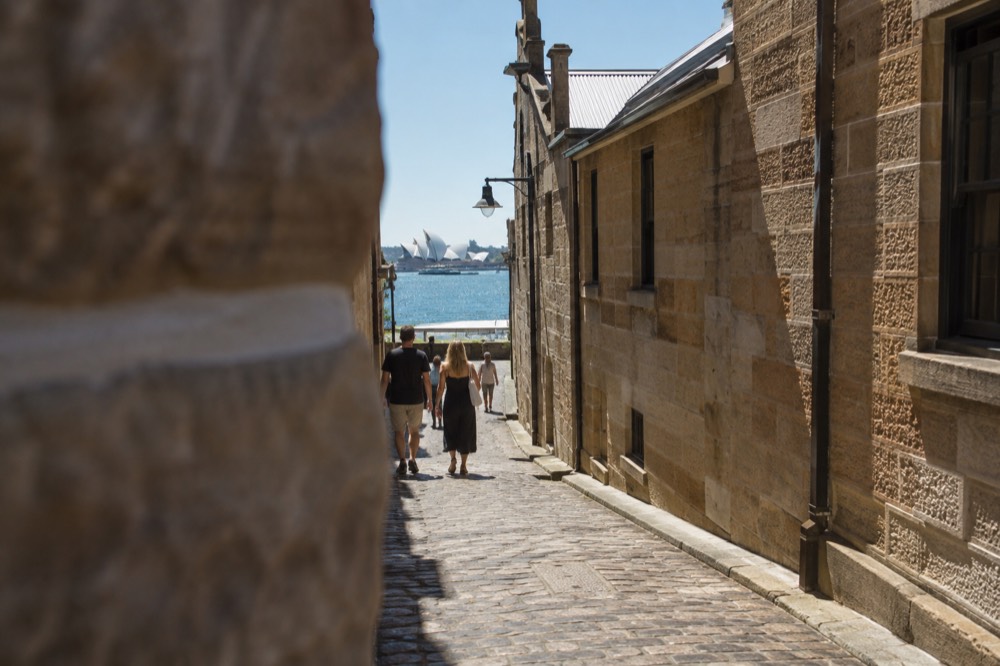
The honest advice is that The Rocks rewards wandering more than checklist tourism. The lanes are short, the signage is thin, and the pleasure is in the texture: sandstone walls, old signage, and sudden framed views of the harbour between buildings. Start at Circular Quay, walk up Argyle Street, and let the grid carry you uphill toward the bridge. The full index of guides sits on Sydney Travel Guide.
This table breaks the quarter into the experiences people actually come for:
| Experience | Where | What you get | Time needed |
|---|---|---|---|
| Laneway wandering | Central grid | Sandstone terraces, alleys, framed harbour views | 1-2 hours |
| Foreshore walk | Circular Quay to Dawes Point | Bridge views, harbour outlooks, Walsh Bay beyond | 45-60 minutes |
| Weekend markets | Central laneways | Local makers, food stalls, street performance | 45-90 minutes |
| Heritage pubs | Argyle Street and lanes | Historic interiors, harbour beer gardens | 1-2 hours |
| Guided walking tour | Quarter-wide | Colonial history, stories, orientation | 1 hour 30 minutes |
| Ghost tour | After dark | Dark history, haunted cellars, laneways by night | 2 hours |
If you want the history explained rather than guessed at, the Rocks guided walking tour covers the quarter in an hour and a half with a guide who handles the context: who built what, which buildings are original, and why the neighbourhood survived. For travellers who prefer self-guiding, the same ground works as a free wander, but you lose most of the stories, and The Rocks is, at heart, a storytelling destination.
Wondering whether the dark-history version is worth booking instead? The ghost tour is the only guided experience that runs after dark, and night is when the quarter's low-lit lanes feel most like the place the stories describe.
How Do You Get to the Rocks?
The Rocks is reached most easily by train or ferry to Circular Quay, whose station and wharves sit at the bottom of the neighbourhood, a five-minute walk from the central lanes. The airport train costs the standard fare plus a station access fee of $18.61 for adults, while the daily Opal cap is $19.30 Monday to Thursday and $9.65 on Fridays, weekends and public holidays. Buses and light rail also serve the area, and the whole quarter is walkable from the CBD.
Transport for NSW publishes the fare structure, and the numbers matter here because Circular Quay is one of the busiest hubs in the network: the F1 Manly ferry, multiple train lines and several bus routes all converge at the doorstep of The Rocks. A contactless card or device is charged exactly the same as an Adult Opal card and earns the same caps and off-peak discounts, so most visitors never need to buy a physical card. Our Opal card guide for visitors covers the details.
| Option | Route | Cost (adult) | Notes |
|---|---|---|---|
| Train | Airport line to Circular Quay | Standard fare + $18.61 station access fee | Access fee excluded from daily caps |
| Ferry | F1 Manly to Circular Quay | $9.20 one way | No off-peak discount on ferries |
| Ferry | Other Sydney Ferries routes | $7.35-$9.20 by distance | Full Opal benefits apply |
| Bus | Multiple CBD routes | $3.30-$5.77 by distance | No station access fee from airport via the 400 bus |
| Light rail | L2/L3 to Circular Quay | $3.30-$5.77 by distance | Connects from Randwick and Kingsford |
| On foot | From the CBD | Free | 10-15 minutes from Town Hall |
The ferry deserves a special mention, because arriving at Circular Quay by water is half the theatre. The Sydney ferries guide covers the routes, and the Manly crossing in particular delivers a harbour approach that puts the Opera House, the Quay and the bridge in one frame before you even land.
Is the Rocks Worth Visiting at Night?
The Rocks is worth visiting at night because its character changes completely: the day crowds thin, the heritage pubs take over, and the low-lit sandstone lanes feel closer to the colonial stories the guides tell. The after-dark anchor is the two-hour ghost tour, which runs through the quarter's laneways and haunted pub cellars. Pub dining, rooftop and cellar bars, and floodlit views of the bridge round out an evening without needing to leave the neighbourhood.
Night is when the quarter's dark-history reputation becomes tangible. The ghost tour of The Rocks runs for two hours and leans into the colonial-era hangings, hauntings and slum stories that daytime wandering skips entirely. It is a small-operation tour with a small review base, so judge it on its format rather than on crowd opinion: two hours, small groups, and access to spaces most visitors never see, including haunted cellars beneath heritage pubs.
Beyond the tours, the evening economy here is genuinely strong. The pub circuit along Argyle Street and its side lanes runs late, several venues host live music, and the walk along the foreshore to Dawes Point gives you the bridge floodlit and reflected in the harbour. For a wider view of the city after dark, the same neighbourhood works well as a starting point for a night out across the city.
Dawes Point itself carries a bonus most visitors never hear about: it is one of the officially published free vantage points for the Sydney New Year's Eve fireworks, with the city's official NYE site listing capacities and opening times for each site. On any ordinary night it is simply the best bridge-view bench in the quarter.
What Does the Rocks Mean to Aboriginal Sydney?
The Rocks sits on the land of the Gadigal people of the Eora Nation, whose harbour life long predates the colonial quarter, and the fame of the sandstone lanes tends to crowd out that deeper story. The most direct way to engage with it is on the water: an Aboriginal cultural cruise visits Clark Island and shares harbour stories from an Aboriginal perspective over two hours. The quarter's colonial fame and the living culture beneath it are two different layers, and both are accessible from Circular Quay.
This is the honest caveat inside the neighbourhood's fame. The buildings that made The Rocks famous are the buildings of the colony: convict-built, colonial, and preserved as heritage precisely because they are old by European-Australian standards. The Gadigal presence around the cove is far older, and the quarter's museums and walking tours address it unevenly.
The Aboriginal cultural cruise with Clark Island tour is a small, specialist operation, and it is the only indigenous-led harbour experience on this site's roster, which is why it appears here despite a small review base. It departs from the eastern side of the cove, a short walk from The Rocks, and frames the harbour the way the colonial buildings cannot: as a place with names, stories and uses stretching back long before the sandstone was cut.
Visitors with limited time should not treat this as a substitute for the quarter itself, but as the missing half of its story. Walk the lanes in the afternoon, then take the harbour view from the water, and the fame of The Rocks reads very differently: one layer of history sitting on top of a much older one.
The Short Version
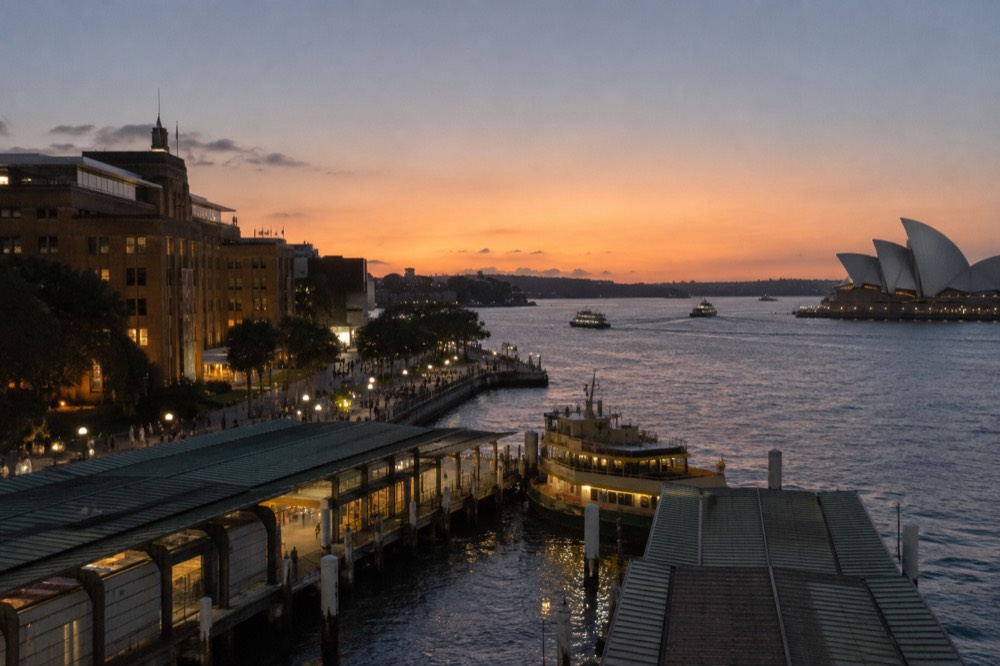
The Rocks earned its fame by surviving when the rest of Sydney rebuilt. It is the oldest colonial neighbourhood in Australia, built of the sandstone that named it, preserved on the best harbour real estate in the country, and now serving as Sydney's history district, pub circuit, market street and ghost-story backdrop all at once. Two or three hours, a comfortable pair of shoes and a ferry ride are enough to see why the reputation is deserved.
The three tours below are the best ways to add a guide's stories to the stones: the dark-history walk after sunset, the daytime walking tour for context, and the Aboriginal cultural cruise for the harbour's deeper story.
Common Questions About the Rocks
Why are The Rocks Sydney so famous?
The Rocks is famous as the oldest surviving colonial neighbourhood in Australia, a compact grid of convict-built sandstone lanes, cottages and heritage pubs on the ridge above Sydney Cove, directly under the Harbour Bridge. It survived the redevelopment that reshaped the rest of the city and now serves as Sydney's historic quarter, with weekend markets, galleries and dark-history tours packed into a walkable area minutes from Circular Quay.
How long should you spend in The Rocks?
Two to three hours covers the central laneways, the foreshore walk to Dawes Point and a stop in one heritage pub. Add a guided walking tour of an hour and a half, or the two-hour ghost tour after dark, and a half day is realistic. The weekend markets add another hour if your visit falls on a Saturday or Sunday.
Is The Rocks worth visiting at night?
Yes. The crowds thin, the heritage pubs fill, and the sandstone lanes take on the atmosphere the ghost tours trade on. The two-hour Rocks ghost tour is the main after-dark activity, and the foreshore at Dawes Point offers floodlit views of the Harbour Bridge.
Can you walk from Circular Quay to The Rocks?
Yes, and it is the standard approach. The central laneways begin a five-minute walk uphill from the Circular Quay station and wharves. Trains, ferries and light rail all terminate at the Quay, and the whole quarter is walkable from the CBD in ten to fifteen minutes.
Are the weekend markets in The Rocks free to browse?
Yes, browsing is free. The Rocks Markets fill the central laneways on weekends with local makers, food stalls and street performers, and no entry fee applies. Individual purchases, food and drinks are the only costs.
What is the best tour of The Rocks?
For history by day, the guided walking tour covers the quarter in an hour and a half. For atmosphere, the two-hour ghost tour runs after dark through the laneways and haunted pub cellars. For the deeper Aboriginal story of the harbour, the Aboriginal cultural cruise with Clark Island tour departs nearby and runs for two hours.