What Are Some Good Quick Getaways from Sydney?
Quick getaways from Sydney, from the Blue Mountains and Royal National Park to harbour cruises and coastal towns, with fares, entry fees and car-free options.
What Are Some Good Quick Getaways from Sydney?
The best quick getaways from Sydney are the Blue Mountains, the Royal National Park, the Hunter Valley, Wollongong, Kiama and the Northern Beaches, all reachable by train, ferry or coach without a car. Two of them, the Blue Mountains and the Royal National Park, charge no entry fee at all if you arrive by rail or on foot, and the harbour itself works as a half-day escape on a scheduled ferry.
Sydney is unusual among big cities in how quickly the built-up area gives way. Board a train at Central and within a handful of stops the suburbs thin into bushland; keep going and you reach sandstone valleys, eucalypt forest and open coastline. That geography is the reason this question has so many good answers: a getaway here does not require a weekend, a hire car or an airport. Most of the destinations below work as a single-day trip, and a couple of them work in an afternoon.
The other reason the list is long is cost. The NSW National Parks and Wildlife Service charges vehicle entry fees at its fee-collecting parks, but those fees are per vehicle, so arriving by train, bus or ferry avoids them almost everywhere. That single detail turns several of these trips into some of the cheapest escapes available from any Australian capital, and it is worth building a day around.
The choice between them comes down to what kind of escape you want. Bush and lookouts point you west to the Blue Mountains. Ocean and cliff walks point you south to the Royal National Park or the Wollongong coast. Wine, food and a slower pace point you north-west to the Hunter Valley. And if the honest answer is that you want to feel like a traveller without the travel, the harbour in front of you does that job surprisingly well. The team at Sydney Travel Guide rates the harbour cruise option as the most underrated getaway of the lot, because it costs less than a lunch and takes no planning at all.
Can You Have a Quick Getaway Without Leaving Sydney?
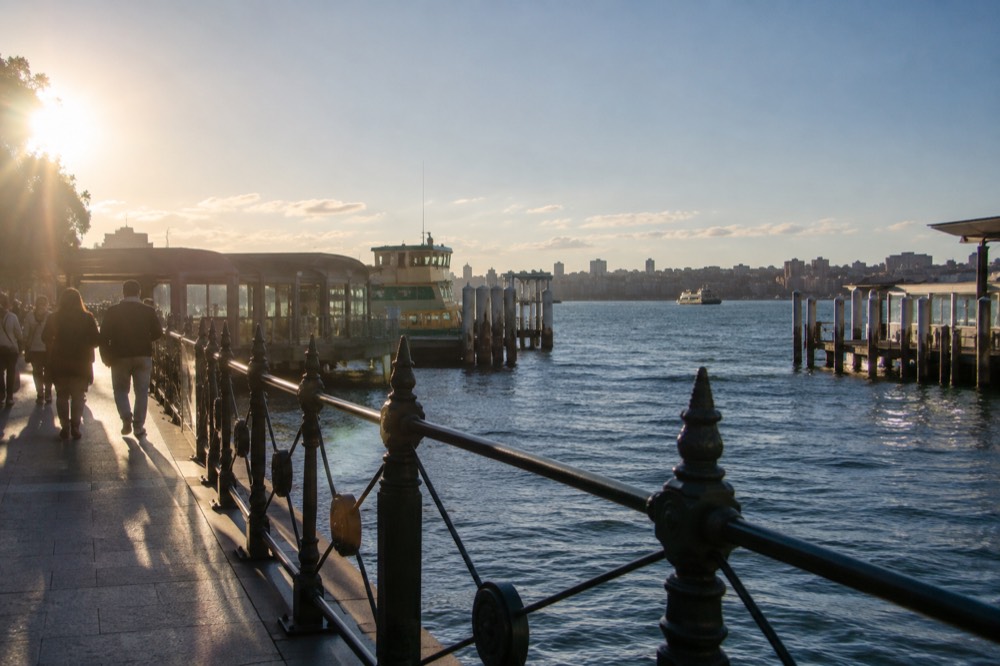
Yes, and it is the option most visitors underuse. A scheduled ferry to Manly, Watsons Bay or Parramatta delivers open water, headlands and a change of scenery for the price of an Opal fare, and a one-and-a-half hour sightseeing cruise from Circular Quay covers the main harbour without any planning. Treat the harbour as a destination rather than a view and the getaway problem solves itself.
The harbour is roughly what people cross the world to see, and it sits inside the city's own fare system. The F1 ferry to Manly sits in the 9-kilometre-plus fare band, which means a one-way adult fare of $9.20 on Opal or contactless, and that fare counts toward the same daily caps as every train and bus you take that day. On a Friday, Saturday, Sunday or public holiday the daily cap is $9.65, so a day built around ferries can cost less than a single sandwich. The public ferries accept Opal with full benefits; the privately operated fast ferry to Manly accepts the card but charges different fares and does not honour the caps, which is a trap worth knowing before you tap.
For a structured version of the same idea, the Sydney Harbour Sightseeing Cruise runs morning and afternoon departures and gives you the Opera House, the Harbour Bridge, waterfront mansions and the harbour heads from the water in a single loop. It is the closest thing Sydney has to a getaway with zero transit time: you board at Circular Quay, you are on open water within minutes, and you are back in the middle of the city in time for whatever else the day holds. For visitors with a spare morning rather than a spare day, it is the most efficient escape on this list.
If you would rather stay on dry land but still want the feeling of having gone somewhere, The Rocks gives you the city's oldest streets, sandstone laneways and harbour views inside a compact walkable quarter. Sydney Tower Eye does the opposite: it lifts you above the whole sprawl so you can see exactly where the getaways are, from the Blue Mountains ridge line on a clear day to the coastline running south. Those three experiences, a harbour cruise, a historic walking tour and an observation deck, make a sensible shortlist for anyone whose window of free time is measured in hours.
Which National Parks Are the Easiest Escapes from Sydney?
The easiest national park escapes are the Blue Mountains, the Royal National Park and Ku-ring-gai Chase. All three charge a vehicle entry fee, $8 at the Blue Mountains and $12 at the other two, but the Blue Mountains fee applies only in the Glenbrook area, so a train to Katoomba costs no park fee at all. Arriving by rail or on foot avoids the fee at nearly every Sydney park.
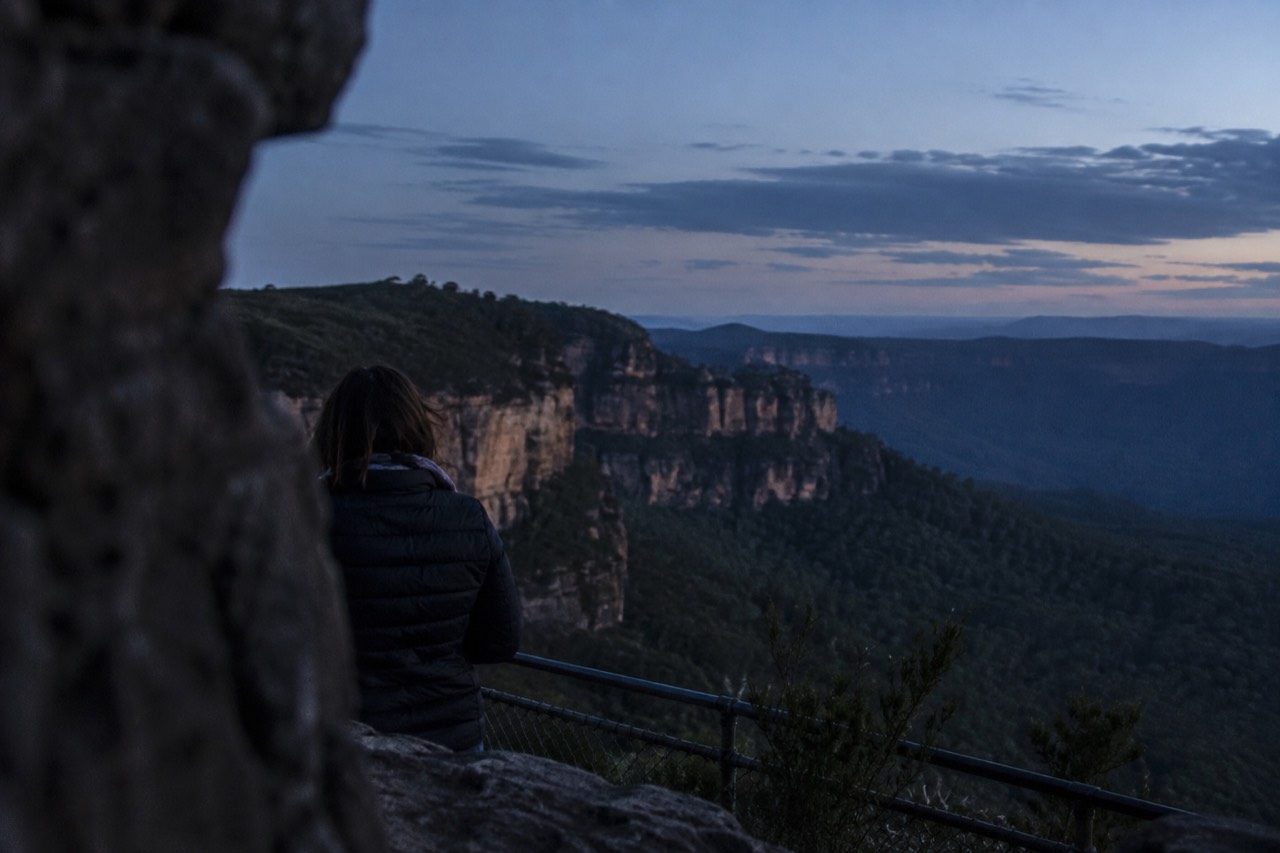
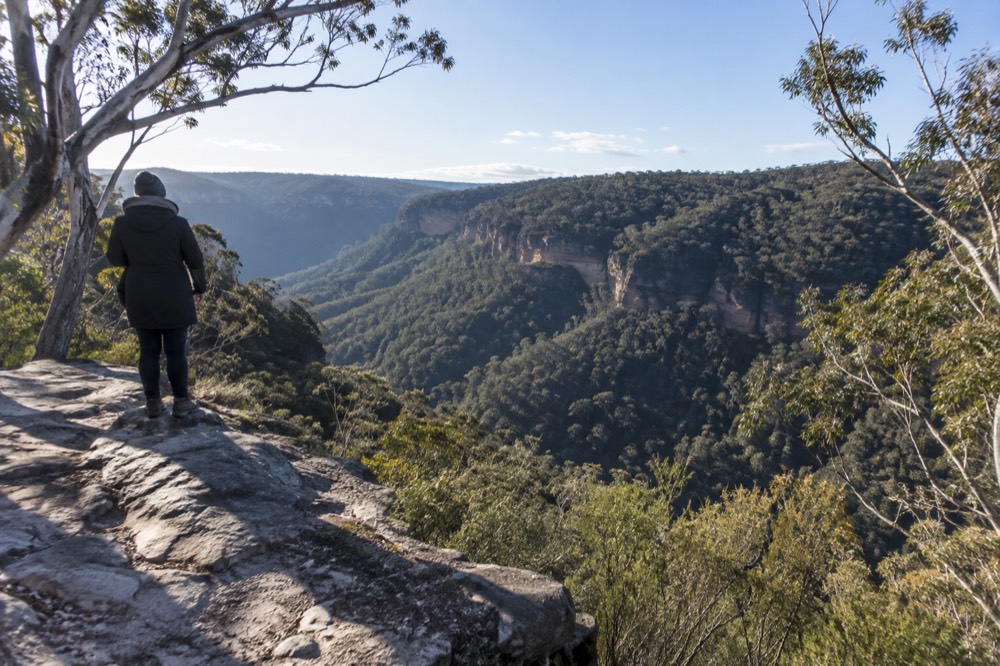
The Blue Mountains is the headline answer. Katoomba and the Three Sisters sit inside a national park that charges nothing to visitors arriving by train, which is how most day-trippers get there, and the lookouts at Echo Point are a short walk from the station precinct. Scenic World is a separate, privately operated attraction with its own ticketing, so the free-park point applies to the walks and lookouts, not the cableway. Our full Blue Mountains day trip guide covers the train option in detail, including which closures to check before you go, because several tracks and roads in the park have works running into late 2026.
| Park | Known for | Vehicle entry fee |
|---|---|---|
| Blue Mountains National Park | Three Sisters, lookouts, bushwalks near Katoomba | $8 per day, Glenbrook area only |
| Royal National Park | Coast track, Wattamolla, forest walks | $12 per day |
| Ku-ring-gai Chase National Park | West Head lookouts, waterways, Aboriginal engravings | $12 per day |
| Sydney Harbour NP (North Head) | Harbour views from Manly side | $5 per day |
| Sydney Harbour NP (Bradleys Head) | Harbour-side walks and photo spots | $8 per day |
| Lane Cove National Park | Riverside picnic grounds close to the city | $8 per day |
The Royal National Park is the world's second-oldest national park and it sits at the end of a suburban train line, which makes it one of the few genuine wilderness-adjacent day trips that needs no car at all. The vehicle fee is $12 per day, and the park also charges $4.40 per adult and $2.20 per child per day for vehicles over eight seats. Fees are per vehicle, so a family on the train pays nothing to enter. Our Royal National Park guide maps out the walking options, and the official fees and passes page lists the current amounts for every fee-collecting park in the state.
Ku-ring-gai Chase rounds out the trio: it sits on the city's north side, its entry fee is the same $12 per vehicle per day, and its combination of waterways and Aboriginal rock engravings makes it a different flavour of escape to the mountain valleys. If you want the full spread of options beyond the parks, our day trips from Sydney roundup covers the wine regions and coastal towns as well.
How Do You Reach These Getaways Without a Car?
You use Opal or a contactless card on the train, ferry and bus network, and the fare caps do most of the work. An adult pays $19.30 at most per day from Monday to Thursday, but only $9.65 on Fridays, weekends and public holidays, with a $50 weekly cap, and a 30 percent off-peak discount applies on trains outside peak times. Contactless cards are charged exactly the same as Opal.
The fare system rewards exactly the kind of travel a getaway involves. Trains and the metro charge by distance band: a short hop of up to 10 kilometres costs $4.33 at peak times or $3.03 off-peak, while the longest band, 65 kilometres and beyond, costs $10.66 peak or $7.46 off-peak. That long band is the one that covers the Blue Mountains, which means even the biggest getaway on this list costs less than a return taxi fare to the next suburb. Ferries have no off-peak discount, charging a flat $7.35 for trips up to 9 kilometres and $9.20 beyond that.
| Distance band | Peak fare | Off-peak fare |
|---|---|---|
| 0 to 10 km | $4.33 | $3.03 |
| 10 to 20 km | $5.38 | $3.76 |
| 20 to 35 km | $6.20 | $4.34 |
| 35 to 65 km | $8.28 | $5.79 |
| 65 km and over | $10.66 | $7.46 |
Two cautions from the official fare rules. First, the airport station access fee sits outside the daily and weekly caps entirely, charged in addition to the train fare at both airport stations, so no getaway plan should route through the airport line expecting cap protection. Second, single-trip tickets bought at machines cost more and earn none of the caps or discounts, so a contactless bank card or an Opal card is always the better instrument. Transport for NSW publishes the full adult fare tables, and fares are reset by an annual determination, so treat every figure here as the current fare year's numbers rather than permanent prices.
For travellers weighing the whole question of whether a car helps at all, our do I need a car in Sydney piece and the car-free day trips guide both conclude the same way: for the destinations in this article, the train wins on cost, and the ferry wins on everything else.
When Is the Best Time for a Quick Escape?
August is the most reliable month for clear skies, with 13.4 mean clear days, the highest of the year, while June is actually Sydney's wettest month at 133.1 millimetres on average, wetter than any summer month. February, in the middle of peak season, is the cloudiest month with just 5.3 mean clear days, so the statistics favour late winter over summer for lookouts and coastal walks.
That pattern runs against almost every visitor's instinct. Sydney's rainfall peaks in autumn and early winter, not in summer, and its clearest skies arrive in July and August, when the days are short but the air is crisp and the escarpment views go on for kilometres. The Bureau of Meteorology's long-run averages for Sydney, recorded at Observatory Hill across more than 160 years, show June carrying 133.1 millimetres of mean rainfall against September's 68.1, and August holding 13.4 mean clear days against February's 5.3. For a Blue Mountains lookout day or a long coastal walk, those numbers argue for a winter escape over a February one.
Summer has its own case, of course: harbour swimming, longer daylight and the ferry network at its best, with daylight saving running from the first Sunday in October to the first Sunday in April. Whale watching adds a seasonal option too, with humpbacks migrating along the NSW coast between May and November and the southern migration, when cows and calves travel closer to shore, running roughly August to November. But if the plan is views rather than water, the record says go in August, pack a jacket, and expect the best light of the year.
One practical note for winter planners: ocean swimming is a minority activity in June and July, with mean daily maximums of 17.0 and 16.4 degrees Celsius, but the ocean pools along the coast, Bronte, Clovelly and Wylie's among them, stay open and give you the salt water without the surf. A winter getaway done well is lookouts in the morning, a long lunch in Katoomba or Kiama, and a train home in the dark.
Common Questions About Quick Getaways from Sydney
What are some good quick getaways from Sydney?
The best quick getaways from Sydney are the Blue Mountains, the Royal National Park, Ku-ring-gai Chase, the Hunter Valley, Wollongong, Kiama and the Northern Beaches. The Blue Mountains and the Royal National Park are the easiest, because both are reachable by train and charge no entry fee if you arrive by rail or on foot.
Can you do a getaway from Sydney in half a day?
Yes. A Manly or Watsons Bay ferry, a harbour sightseeing cruise from Circular Quay, or a walk through the Royal Botanic Garden and The Rocks all fit a half-day, and each of them costs less than a full-day tour. The harbour cruise in particular needs no planning beyond choosing a morning or afternoon departure.
Do you need a car for a Sydney getaway?
No. The Blue Mountains, the Royal National Park, Wollongong and Kiama are all reachable by train from Central, Manly and Watsons Bay by ferry, and national park vehicle entry fees are avoided entirely when you arrive by rail. Contactless cards and Opal cards are charged the same fares and share the same daily caps.
What is the cheapest getaway from Sydney?
The cheapest are the ferry-based ones. A Friday, weekend or public-holiday Opal day is capped at $9.65 for an adult, which covers ferries, trains and buses together, and the Manly ferry one-way fare is $9.20 within that cap. A train to Katoomba costs no park entry fee at all.
When is the best month for a quick escape?
August, on the climate record. It is Sydney's clearest month with 13.4 mean clear days, while June is the wettest at 133.1 millimetres and February, in peak season, is the cloudiest at 5.3 clear days. For lookouts and coastal walking, late winter beats the middle of summer.
Is the Blue Mountains worth it as a day trip?
Yes. Katoomba sits inside a national park that charges no entry fee to visitors arriving by train, the Three Sisters lookout is walkable from the town, and the train fare falls in the longest Opal distance band at $10.66 peak or $7.46 off-peak each way. Check the live park alerts before you go, as several tracks and roads have closures running into late 2026.