What Are Some Good Options for a 3-Day Trip from Sydney?
The best 3-day trips from Sydney, compared: the Blue Mountains, the Hunter Valley, Port Stephens and the South Coast, with travel times, costs and how to choose between them.
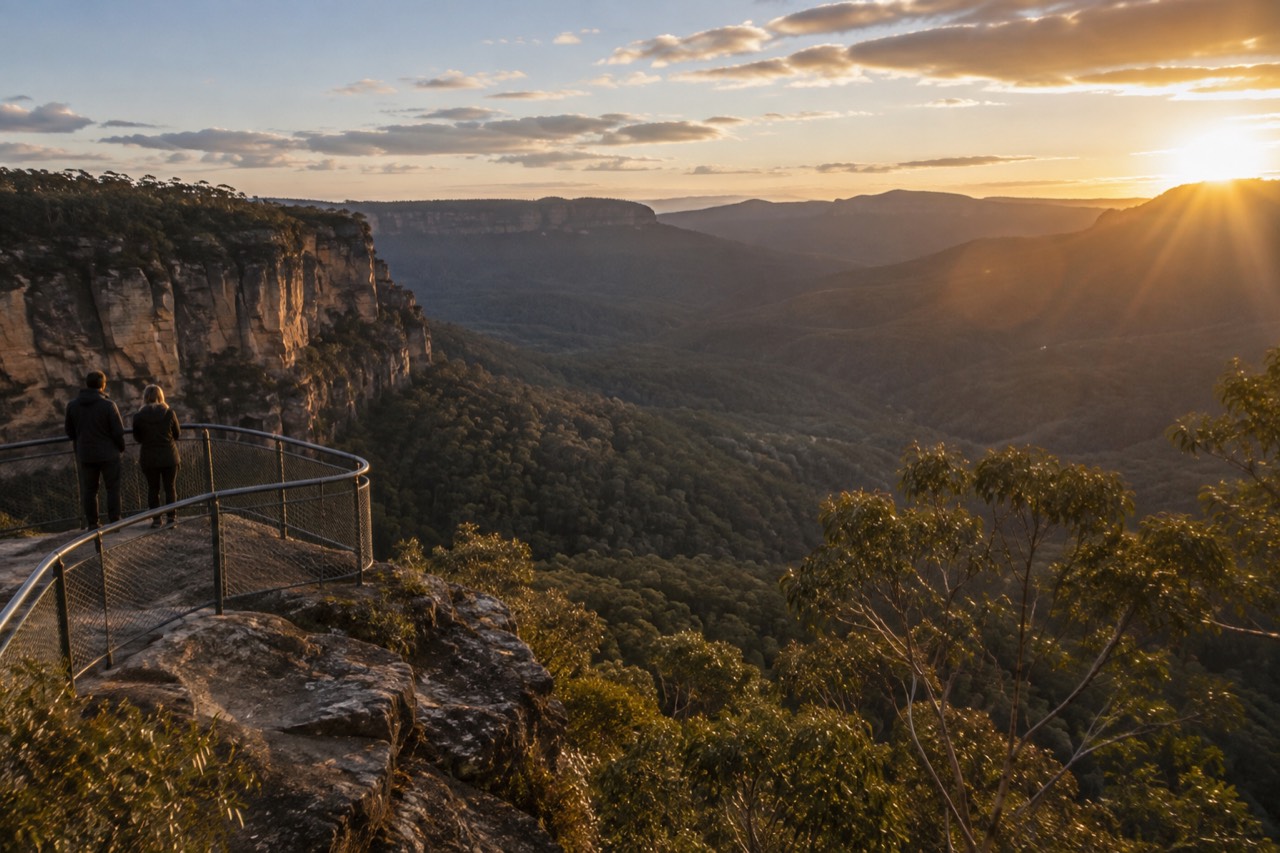
Three days is the sweet spot for leaving Sydney. Long enough to reach the Blue Mountains, the Hunter Valley or the South Coast and actually settle in, short enough that you are not burning half your trip on logistics. The catch is that the options pull in genuinely different directions: mountains, wine country, dolphins or beach towns, and the right answer depends on the season and whether you are driving.
What Are Some Good Options for a 3-Day Trip from Sydney?
The four strongest 3-day trips from Sydney are the Blue Mountains, the Hunter Valley, Port Stephens and the South Coast around Wollongong and Kiama. The Blue Mountains is the easiest, roughly two hours west by train or car and free to enter except at Glenbrook. The Hunter Valley suits food and wine travellers, Port Stephens suits wildlife and water, and the South Coast suits anyone who wants beaches without Bondi's crowds.
Each of these sits within roughly two to three hours of the city, which matters more than distance. A 3-day trip loses its shape if day one is consumed by travel, so the shortlist favours places you can reach by mid-morning. All four are covered in depth in the site's day trips from Sydney guide, which also covers options further afield like Jervis Bay and Canberra for travellers with more time.
One seasonal note before anything else: June, July and August are winter in Sydney, and the mountains get genuinely cold. Whale watching runs May to November along this coast, with the southern migration, when humpbacks travel back south with calves, peaking from August to November. If your 3-day window falls in late winter, Port Stephens or a coastal trip lines up neatly with the whale season; a summer window pushes you toward the water for a different reason.
Which Destination Should You Actually Pick?
Pick the Blue Mountains for scenery and walking, the Hunter Valley for food and wine, Port Stephens for dolphins and sand dunes, and the South Coast for beaches and a slower pace. If it is your first trip out of the city, choose the Blue Mountains: it is the most reliable, the cheapest to reach by train, and the national park entry is free everywhere except the Glenbrook area, which charges A$8 per vehicle per day.
The honest way to compare them is on what you give up. The Blue Mountains trades beach weather for lookouts and bushwalks. The Hunter Valley trades variety for indulgence, and it is the weakest option without a car, since wineries spread across a valley with patchy public transport. Port Stephens trades proximity for wildlife, and it is the only one of the four where the headline attraction, dolphins in the bay, is close to a sure thing on a cruise. The South Coast trades a single anchor sight for a string of small ones: the Sea Cliff Bridge, the Kiama Blowhole and beaches that locals actually use.
| Destination | Travel time from Sydney | Best for | Best season | Works without a car? |
|---|---|---|---|---|
| Blue Mountains (Katoomba) | ~2 hours by train | Lookouts, bushwalks, Scenic World | October-April for walking; winter for fewer crowds | Yes, direct train |
| Hunter Valley | ~2 hours by road | Wineries, restaurants, tasting | Year-round; harvest is Feb-April | Weakly; tours or a car |
| Port Stephens | ~2.5 hours by road | Dolphins, sand dunes, beaches | May-November adds whales | Partly; tours cover it |
| South Coast (Wollongong, Kiama) | 1.5-2 hours by train | Beaches, blowhole, coastal drive | December-February for swimming | Yes, train to both towns |
A note on that "works without a car" column: it is the single biggest differentiator. Sydney's train network reaches Katoomba, Wollongong and Kiama directly, which makes those trips genuinely open to everyone. The Hunter Valley and Port Stephens are tour or car territory, and that shapes the budget. If you are weighing whether a car is worth it at all, the site's guide to car-free day trips works through the maths.
For the Blue Mountains specifically, a guided day trip solves the transport question entirely, and the strongest all-inclusive option covers the Three Sisters, Scenic World and Featherdale in one run.
What Does 3 Days in the Blue Mountains Look Like?
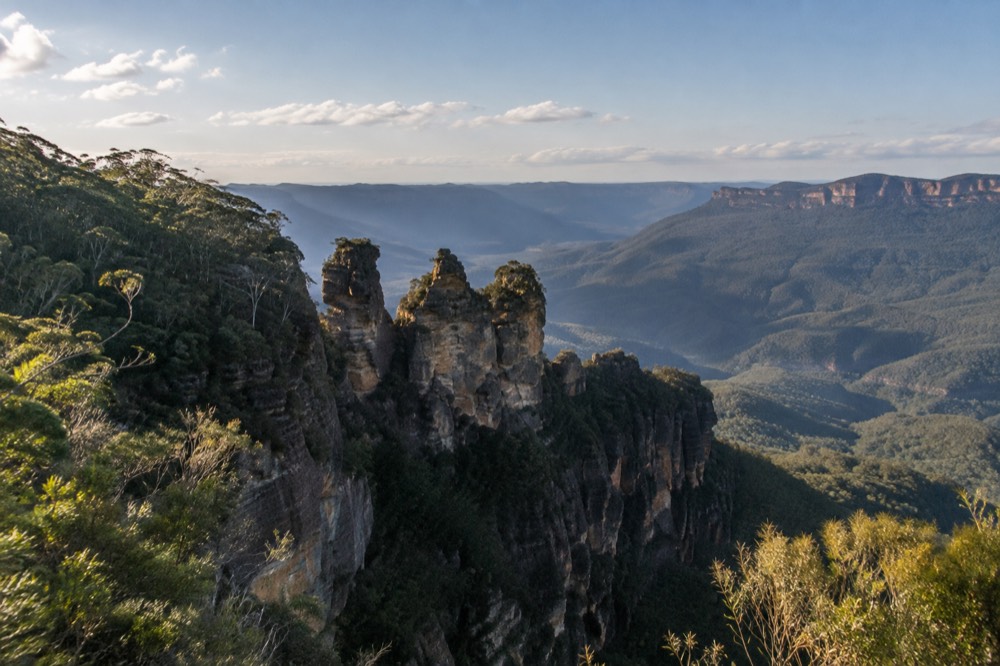
Base yourself in Katoomba or Leura for two nights and you can see the Three Sisters, walk a section of a valley trail, and still have a slow morning. Day one is the journey and the lookouts, day two is a proper walk, and day three is a shorter stop on the way back, often Featherdale Wildlife Park or the river towns. The train from Central to Katoomba takes roughly two hours and the national park costs nothing to enter outside Glenbrook.
The mountains reward an unhurried pace more than any other option on this list. Katoomba itself is small enough that a 3-day stay feels generous rather than thin, and the walkable core around the station means a car-free trip loses very little. Echo Point, the Prince Henry Cliff walk and the Scenic World precinct are all within reach of the town.
A practical warning that most guides miss: parts of the Blue Mountains have track and road closures running through late 2026, including Mount Hay Road and sections of the Federal Pass and Fern Bower tracks. The National Parks and Wildlife Service publishes live alerts, and checking them before you lock a walking plan is the difference between a good day and a closed trail. The Blue Mountains day trip guide carries the full itinerary detail, including the train fares and the Scenic World options.
Winter deserves a special mention. Katoomba sits over 1,000 metres above sea level, so June to August brings cold nights, occasional fog and dramatically emptier lookouts. August is statistically one of Sydney's clearest months, with 13.4 mean clear days in the long-run record from the Bureau of Meteorology, and the mountains share that clarity. What you lose in swimming weather you gain in valley views that summer haze often hides.
Is the Hunter Valley Better for 3 Days or for a Day Trip?
Three days is the better Hunter Valley call if wine is the point of your trip. A single day lets you visit two or three cellar doors on a guided loop, but three days lets you stay among the vineyards, eat slowly, and reach the smaller producers that day tours skip. The trade-off is transport: without a car you are tied to tours, and the valley's public transport is thin.
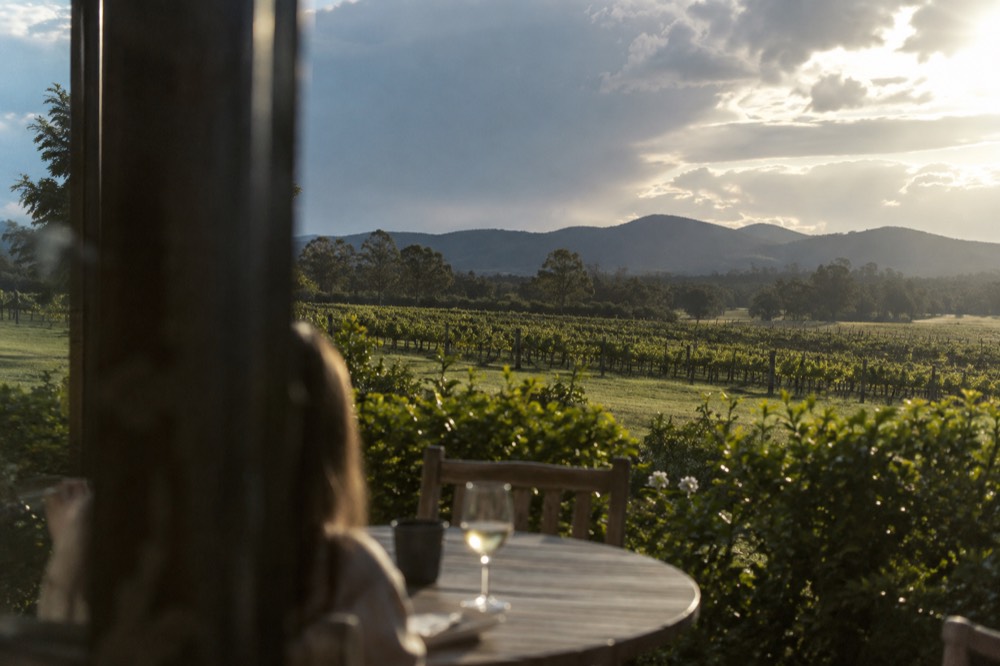
The valley is about two hours from Sydney by road, and the drive itself is part of the appeal once you leave the freeway. Semillon is the region's signature grape, which surprises visitors expecting shiraz and cabernet, and the older cellar doors pour versions with decades of bottle age. Restaurants attached to wineries do the heavy lifting for evening meals, so booking accommodation with a kitchen is less important here than in the mountains. The rest of the planning pages sit on Sydney Travel Guide.
The honest cost picture: tasting fees at cellar doors typically run A$10-30 per person, often waived with a purchase, and premium seated tastings cost more. Those are planning ranges, not operator promises, so check when you book. The site's Hunter Valley day trip guide compares the guided options, including a premium tour with a two-course lunch, and the South Coast trip guide covers the coastal alternative if wine country does not win you over.
What About Port Stephens and the Coast?
Port Stephens, roughly two and a half hours north by road, is the wildlife pick: dolphin cruises run in the bay year-round, whale watching joins them from May to November, and the Stockton sand dunes sit alongside. The South Coast is the opposite mood, a train-friendly string of beach towns ending at the Kiama Blowhole, and it is the cheapest 3-day trip to run without a car.
Port Stephens works best as a slow-water trip. The bay is large, calm and home to resident bottlenose dolphins, so a cruise is close to a guaranteed sighting, while the whale season adds humpbacks offshore from May to November, peaking late June through July for the northern migration. Sandboarding on the dunes, snorkelling at the bay beaches and long coastal walks fill the rest. The catch is the journey: there is no direct train, so it is a drive, a coach or a guided day trip, and the site's Port Stephens guide lays out the options.
The South Coast, by contrast, is the low-effort choice. A train from Central reaches Wollongong in around 90 minutes and Kiama in about two hours, and both towns have beaches, cafés and walks within walking distance of the station. The Sea Cliff Bridge, which carries the Grand Pacific Drive over the ocean cliffs, is the signature stop, and the Wollongong guide covers it in detail.
If water safety matters to your planning, and on this coast it should, the standing rule is to swim at patrolled beaches between the red and yellow flags, and to stay out of the water for up to one day after heavy rain at ocean beaches. The NSW Beachwatch program grades every swim site and publishes daily water quality updates.
How Much Should a 3-Day Trip Cost?
Budget accommodation and food as your two largest lines, with transport varying sharply by destination. The Blue Mountains by train is the cheapest to reach, since the Opal weekly cap is A$50 and a return to Katoomba sits inside it. The Hunter Valley and Port Stephens cost more once tours or a rental car enter the picture, and wine country adds tasting fees on top.
| Cost line | Blue Mountains | Hunter Valley | Port Stephens | South Coast |
|---|---|---|---|---|
| Transport from Sydney | Train, Opal-capped | Car or tour | Car, coach or tour | Train, Opal-capped |
| Accommodation character | Guesthouses and motels in Katoomba and Leura | Vineyard lodges and resorts, the priciest of the four | Holiday parks and beach motels | Motels and B&Bs near stations |
| Signature paid activity | Scenic World rides | Tastings, A$10-30 per cellar door | Dolphin cruise | Mostly free sights |
| Park or entry fees | Free except Glenbrook (A$8/vehicle) | None | None | Royal NP is A$12/vehicle if driving |
Two Opal details stretch a 3-day budget further. The daily cap is A$19.30 Monday to Thursday but only A$9.65 on Friday, Saturday, Sunday and public holidays, so travelling on the right days roughly halves your train spend, and the weekly cap of A$50 means a Katoomba return plus local trains costs less than most single attraction tickets. Transport for NSW publishes the full fare tables, including the off-peak 30% discount that applies to trains on weekends.
For travellers who would rather not do any of this planning themselves, the strongest all-inclusive Blue Mountains option is worth a look before you build a DIY itinerary.
Common Questions About 3-Day Trips from Sydney
What are some good options for a 3-day trip from Sydney?
The Blue Mountains, the Hunter Valley, Port Stephens and the South Coast are the four strongest options. The Blue Mountains is the easiest and cheapest to reach by train, the Hunter Valley suits food and wine, Port Stephens suits wildlife, and the South Coast suits beach time on a budget.
Can you do the Blue Mountains without a car?
Yes, easily. A direct train runs from Central to Katoomba in roughly two hours, and the town's lookouts, Scenic World and many trailheads are walkable or a short bus ride from the station. The Opal weekly cap of A$50 covers the return fare.
Is three days too long for the Blue Mountains?
No. One day covers the headline lookouts, but a second and third day open up longer valley walks, the quieter towns of Blackheath and Wentworth Falls, and a slower rhythm. Winter visits also avoid the weekend crowds entirely.
Which 3-day trip is best in winter?
Port Stephens or the South Coast line up with the whale season, which runs May to November. The Blue Mountains is cold but often clear in winter, and the Hunter Valley is largely weather-independent, since cellar doors and restaurants are indoors.
What is the cheapest 3-day trip from Sydney?
The South Coast or the Blue Mountains by train. Both sit inside the Opal caps, both have free headline sights, and neither requires a [rental car](https://discovercars.tpk.ro/FvKIyzXW). The Hunter Valley is the most expensive once tastings and tours are added.
Do you need to book anything in advance?
Book accommodation ahead in every season, and book Scenic World and whale-watching cruises ahead in peak periods. Blue Mountains walking needs no booking at all, but check the National Parks alerts page for track closures before you plan a route.