Is Melbourne or Sydney Safer?
A straight comparison of safety in Sydney and Melbourne for visitors, covering crime, nightlife areas, beaches, transport and the practical differences that actually matter.
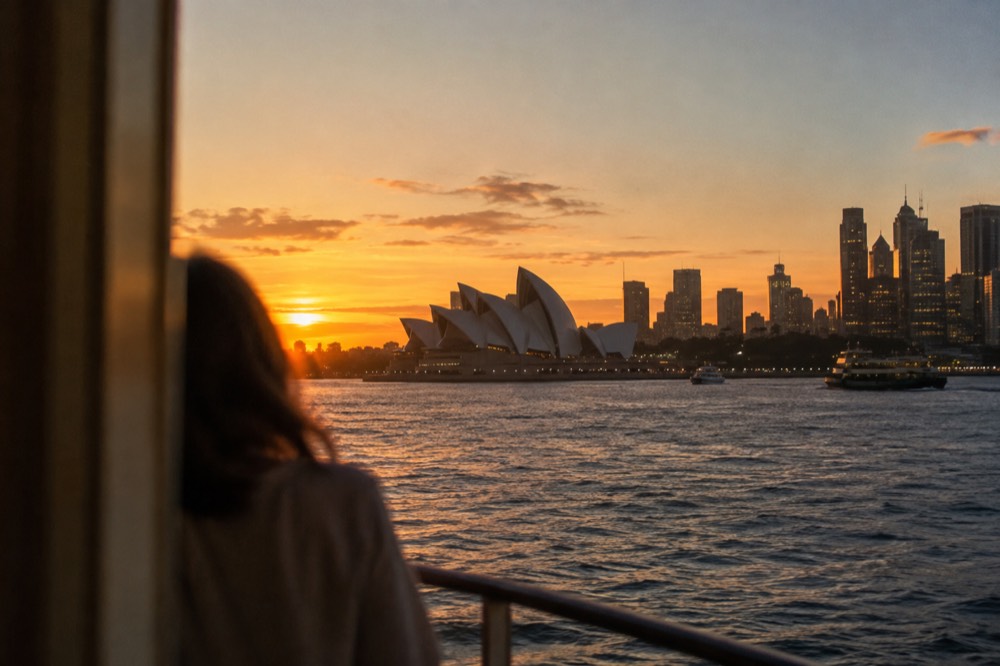
Both Sydney and Melbourne rank among the safest major cities in the world, and the gap between them is too small to change any travel plan. What actually differs is the texture of each city: Sydney's hazards are mostly natural, from surf beaches to a wetter-than-expected winter, while Melbourne's are the ordinary urban ones of any big city at night. This guide compares them the way a visitor experiences them, area by area, hour by hour, and skips the league tables nobody can verify.
Is Melbourne or Sydney Safer?
Neither city is meaningfully more dangerous than the other, and both are safer than almost any city a visitor is likely to have come from. Violent crime against tourists is rare in both, and the risks that do exist are concentrated in a handful of late-night entertainment districts and in the water, not spread across the city. Sydney adds one layer Melbourne does not have: ocean beaches with rip currents, which deserve more of your attention than crime does.
The honest framing is this: the question is not really "which city is safer" but "what does safe behaviour look like in each". In Melbourne that means the standard big-city habits around King Street and the late-night CBD. In Sydney it means swimming between the red and yellow flags, checking water quality after rain, and knowing that the harbour city's weather has its own surprises. Sydney's long-run climate record shows June is its wettest month, with a mean of 133.1 mm of rain, wetter than any summer month, and February, the middle of peak tourist season, is statistically its cloudiest. Neither of those facts is a safety warning on its own, but both shape what a "safe day out" looks like.
For a broader city-to-city comparison beyond safety, our Sydney versus Melbourne guide covers cost, transport and pace of life, and the question is Sydney safe for tourists goes deeper on Sydney alone.
Which City Has More Street Crime?
Street crime in both cities is dominated by opportunistic theft: pickpocketing in crowded areas, phones snatched from cafe tables, bags taken from parked cars. Rates of these offences are broadly comparable between the two cities and neither has a district a tourist needs to avoid outright during the day. The practical rule is identical in both: keep valuables out of back pockets in crowds, and do not leave anything visible in a hire car.
There is no official, current, city-versus-city crime statistic that a travel guide can responsibly quote, and any page that hands you one is guessing. What can be said from the structure of both cities is that the entertainment precincts are where most late-night incidents cluster. In Sydney that means Kings Cross and parts of the CBD after midnight on weekends. In Melbourne it means the late-night venues of the CBD and King Street. Both areas are heavily policed precisely because they are busy, and both are entirely ordinary places at 10am.
The daytime experience is different in kind. Sydney's tourist spine, the Opera House to Circular Quay to The Rocks, is one of the most heavily walked and watched stretches of footpath in the country. Melbourne's Flinders Lane and Fitzroy precincts are the same in character. A visitor who exercises the same caution they would in any large city, and less than they would in most, will notice no difference.
| Safety factor | Sydney | Melbourne |
|---|---|---|
| Daytime CBD safety | Very safe, heavily walked tourist spine | Very safe, busy laneway precincts |
| Late-night hotspots to treat with care | Kings Cross, CBD after midnight | King Street, CBD late venues |
| Ocean beach hazards | Rip currents, seasonal patrols | Bay beaches, calmer water |
| Winter weather trap | June is the wettest month (133.1 mm mean) | Cold, windier, but no equivalent surprise |
| Getting home late | Night buses and trains, tap on with a card | Night network, same contactless ease |
| Natural hazards needing real attention | Surf, sun, bluebottles in warm months | Minimal |
If you are building a Sydney visit around the safest and most rewarding structure, a sightseeing cruise covers the harbour with a crew on board and no decisions of your own to make, and the observation deck and a guided Rocks walk round out a day that never asks you to be anywhere risky after dark.
Is Sydney Safe at Night?
Yes, with the same qualification as any big city: the central tourist areas are busy, well-lit and patrolled well into the night, and the places worth visiting after dark, including the Opera House forecourt, Darling Harbour and The Rocks, are among the safest streets in the country. The main night-time risks are ordinary ones, getting separated from your group and misjudging the last train home, not crime.
Sydney's night economy is concentrated in areas that are easy to police because they are geographically small. The harbour foreshore from Circular Quay through The Rocks to Barangaroo is continuously walked by tourists and residents until late. Darling Harbour is family-oriented even at night. The one district where the standard advice sharpens is Kings Cross, which is fine in the evening and deserves the usual late-night caution after midnight on weekends.
Getting home is the real logistical question, and Sydney's system is genuinely safe by design: the same Opal card or contactless bank card that you used all day keeps working on night services, with the same caps. Transport for NSW publishes the full fare and cap structure on its official Opal fares page, and the numbers matter for planning: the daily cap is $19.30 Monday to Thursday and $9.65 from Friday to Sunday and on public holidays, with a $50 weekly cap. A public holiday is the cheapest day to travel widely in the city.
The question is Sydney safe at night is one travellers ask often enough that it has its own full answer, and it goes deeper on specific districts and transport hours.
Is Melbourne Safe at Night?
Yes, in the same way and with the same shape of caution. Melbourne's CBD grid is compact, well-lit and busy until late, especially on Friday and Saturday, and its tram network means you are rarely more than a few minutes from a moving, watched vehicle. The areas to treat with ordinary care after midnight are the late-night venue strips, exactly as in Sydney.
Melbourne's advantage at night is its trams: the Free Tram Zone covers the CBD grid, and a traveller who stays inside it is never far from other people. The disadvantage is that the city's laneway bar culture spreads late-night activity across narrow, quieter streets, so the walk back to your hotel can pass through emptier stretches than Sydney's foreshore equivalent. Neither is dangerous; one is simply less populated at 1am.
The weather is the Melbourne-specific consideration. Winter nights in Melbourne are genuinely cold and windy in a way Sydney's are not, and the city has no Sydney-style string of ocean pools and beaches to complicate the picture. If your idea of a night out is a walk home along the water, Sydney's harbour foreshore is the safer-feeling option; if it is a short tram ride, Melbourne's grid wins on convenience.
What Should You Actually Watch Out for in Sydney?
Three things, none of them crime. Rip currents at the beaches, because people drown on this coast every year and every recorded coastal drowning in the most recent national report occurred outside patrol flags or hours. Water quality after heavy rain, with an official wait of up to one day at ocean beaches and up to three days at harbour swim sites. And the sun, which reaches the protection threshold on most days of the year.
The beach advice is the one part of this comparison where Sydney genuinely carries more risk than Melbourne, and it deserves the strongest wording. Swim at a patrolled beach, between the red and yellow flags, during patrol hours. Bondi, Bronte, Tamarama, Coogee and Manly are patrolled year-round by council lifeguards, which most visitors do not expect, and Dee Why joined them from around May 2026. Most other Northern Beaches run patrols only from late September to late April. The official rip-current guidance from Surf Life Saving's public beach-safety site is on beachsafe.org.au: stay calm, raise an arm and call for help, float with the current, or swim parallel to the beach toward breaking waves.
Water quality is the least-published safety fact in the city. NSW's Beachwatch program grades swim sites and advises staying out of the water while it rains, for up to a day after heavy rain at ocean beaches and up to three days at harbour and estuarine sites. June's status as the wettest month makes this a live consideration for a winter visit. Ocean pools are the safer alternative when the surf is up, and Waverley Council's Bronte Ocean Pool and North Bondi Children's Pool are free, though Bondi Icebergs, the famous one, is club-managed and charges for access.
The sun needs no statistics beyond this: Sydney's UV index passes the level where protection is advised on most days of the year, including winter, and hits extreme levels in summer, which is December to February in Australia. Slip, slop, slap, seek and slide is the official national guidance, and it applies on a cloudy February day too, which are more common in peak season than the postcards suggest.
How Does Getting Around Compare for Safety?
Both cities are safe to navigate by public transport at sensible hours, and both run the same tap-and-go system, so there is nothing to master in either. Sydney's ferries add a genuinely safe, scenic option that Melbourne has no equivalent of, and its train and metro network is modern and well-patrolled. Melbourne's trams keep you on populated streets in a way Sydney's trains, which run partly underground, do not.
The practical safety of transport is mostly about not being stranded. In Sydney, know your last service; night buses fill the gaps on major corridors. In Melbourne, the night network runs wider weekend services. Both cities charge contactless bank cards identically to their local travel cards, so there is no ticket machine to fumble with on a quiet platform at midnight.
| Getting-around factor | Sydney | Melbourne |
|---|---|---|
| Tap-and-go payment | Contactless equals Opal, full caps and discounts | Contactless equals myki pricing |
| Daily cap (adult) | $19.30 Mon-Thu, $9.65 Fri-Sun and public holidays | Flat daily fare cap, weekends cheaper |
| Signature safe option | Harbour ferries, crewed and daylight-friendly | Free Tram Zone across the CBD grid |
| Airport connection | Train plus a station access fee outside the caps | SkyBus from the airport |
| Late-night gap to plan for | Check last train times; night buses on corridors | Night network, wider on weekends |
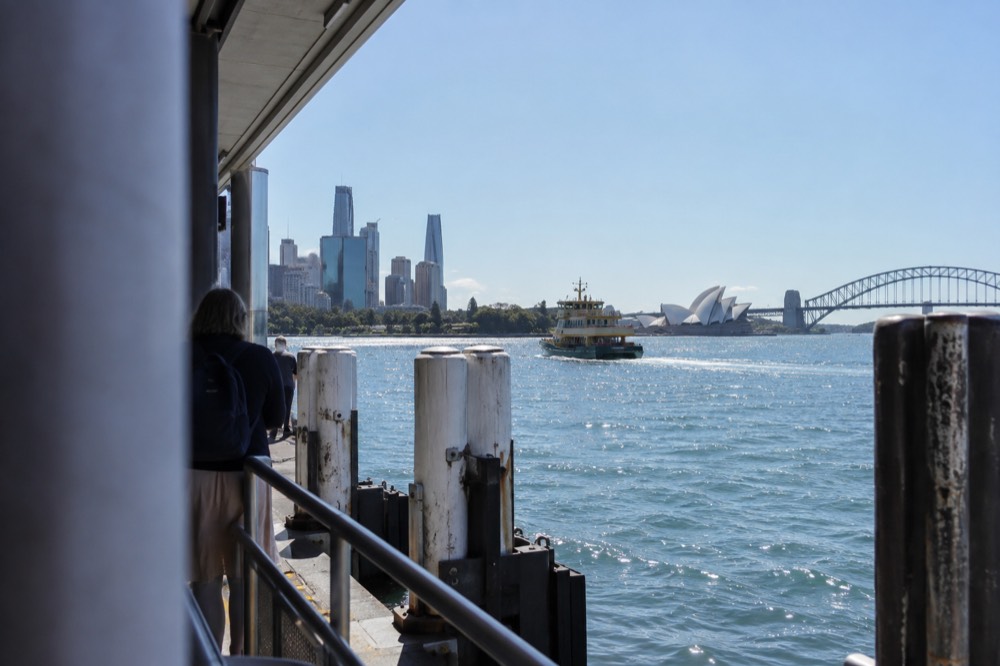
One Sydney trap worth naming: the privately operated Manly Fast Ferry accepts the Opal card but through OpalPay, which does not earn the caps or transfer discounts. A traveller who assumes they have hit their daily cap on a fast ferry has not. The public F1 ferry to Manly, at $9.20 one way in the 9-plus-kilometre band, is the one that plays by the full Opal rules.
Which City Should a Nervous First-time Visitor Choose?
Sydney, marginally, and for reasons that have nothing to do with crime. Its tourist core is compressed along a harbour foreshore that is busy, walkable and self-explanatory, and its headline experiences, a ferry ride, a coastal walk, a cruise, take place in daylight among crowds. Melbourne rewards exploration of laneways and inner suburbs, which is wonderful and slightly less forgiving for a first-time visitor who is anxious about getting lost.
That is a fair way to say it, but it is not a verdict. Melbourne's grid is one of the easiest street layouts in the world to navigate, and its public transport keeps you among people. Sydney's hazards are the ones that punish inattention rather than nerves: the surf you swim in, the sun you underestimate, the February cloud that is not the same as weak UV. A confident swimmer who reads the flags will find Sydney entirely gentle. A nervous one should stick to the ocean pools.
For either city, the same three habits cover almost everything: keep your phone off the cafe table, know how you are getting home before you go out, and in Sydney, swim where the flags are. Everything beyond that is luck, and both cities supply very good luck indeed.
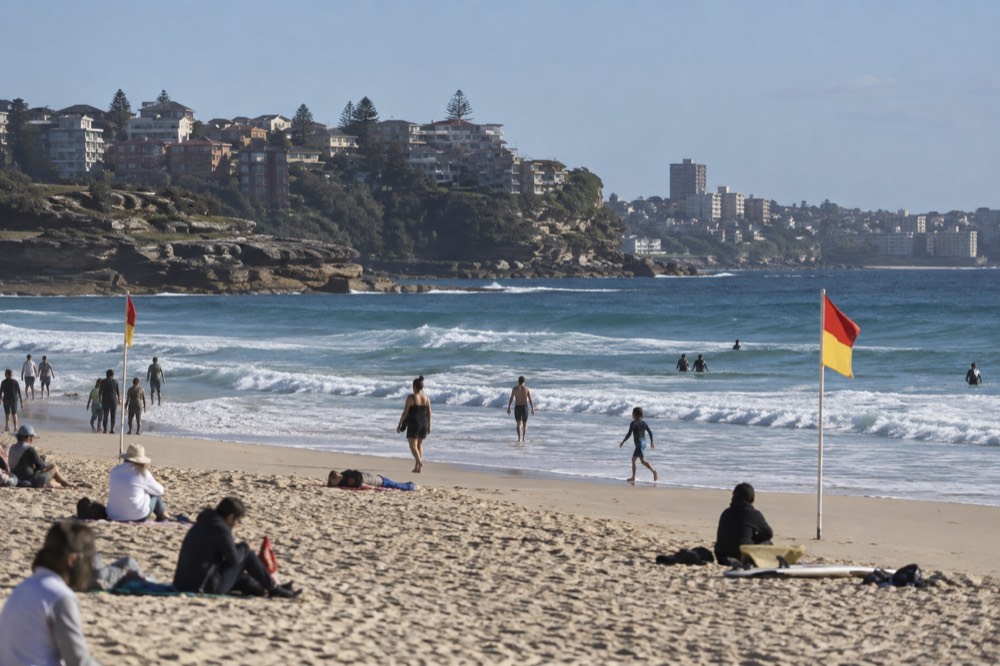
If a first Sydney day is on your list, the morning or afternoon sightseeing cruise is the gentlest possible introduction: a crewed vessel, a fixed 90-minute loop of the harbour, and a departure wharf right at Circular Quay where the transport and the crowds are.
Where Do the Two Cities Genuinely Differ?
In the water, the weather and the shape of the night. Sydney has surf beaches with real hazards and a patrol season that varies by beach; Melbourne's bay beaches are calmer and need none of it. Sydney's winter is wetter than visitors expect, with June the wettest month on the long-run record, while Melbourne's winter is colder and windier. At night, Sydney's late activity hugs the harbour; Melbourne's spreads through laneways.
None of these differences is a safety ranking, and any attempt to turn them into one ends in invented numbers. What they are is a planning tool. A February visitor to Sydney should pack for cloud as well as sun, and still use sunscreen, because ultraviolet radiation does not care about cloud cover. A June visitor should expect rain in Sydney and plan indoor days, and check the Beachwatch site before swimming anywhere in the harbour after a downpour.
A winter Melbourne trip is a coat-and-laneways trip. A winter Sydney trip can still be a harbour trip: the ferries run, the cruise departures run morning and afternoon, and the city's clearest skies of the entire year, on the long-run record, arrive in August, with a mean of 13.4 clear days, more than any summer month. That is the single most counterintuitive fact in Sydney's climate table, and it is a fair answer to anyone who assumes winter is the unsafe or unpleasant season. It is merely the wet one in June and the bright one by August.
Common Questions About Melbourne vs Sydney Safety
Is Melbourne or Sydney safer?
Both are among the safest big cities in the world and the difference between them is too small to matter for a travel decision. Sydney's extra considerations are natural ones, surf, sun and rain, while Melbourne's are the ordinary urban habits of any large city at night.
Is Sydney safe at night?
Yes. The harbour foreshore, Darling Harbour and The Rocks stay busy, lit and patrolled late. Kings Cross deserves standard late-night caution after midnight on weekends, the same as any entertainment district.
Which areas should you avoid in Sydney?
None outright during the day. After midnight on weekends, treat Kings Cross and the late-night CBD strips with the ordinary caution you would apply in any city, and plan your transport home before you go out.
Are Sydney beaches dangerous?
They can be if you swim outside the flags. Rip currents are the number one hazard, and every coastal drowning in the most recent national report occurred outside patrol flags, hours or locations. Swim at a patrolled beach between the red and yellow flags.
Is it safe to swim in Sydney after rain?
Wait up to one day after heavy rain at ocean beaches and up to three days at harbour and estuarine swim sites, per the official Beachwatch advice. June is Sydney's wettest month on the long-run record, so this matters most in winter.
Is public transport safe in both cities?
Yes, at sensible hours. Both use tap-and-go bank cards identically to local travel cards. In Sydney, know your last train and remember the private Manly Fast Ferry does not earn the Opal caps.
If safety is the lens you are using to plan, this Sydney Travel Guide covers the city district by district, including a full night-time guide to Sydney and the practicalities of getting from Sydney Airport to the city.
Wondering how to fill that first safe day in Sydney?