Is It Cheaper to Use an Opal or Debit Card in Sydney?
Contactless debit cards and Opal cards cost exactly the same on Sydney trains, ferries, buses and metro. Here is where the real differences, and the real traps, sit.

A contactless debit card and an Adult Opal card are charged exactly the same fare on every Sydney train, metro, bus, light rail and public ferry. Transport for NSW sets the price by distance and time of day, not by which piece of plastic you tap, so the per-trip cost is identical. The genuine differences sit elsewhere: concessions, children's fares, the airport station fee, and a handful of mistakes that quietly cost visitors money. This page works through each of them with the current verified numbers.
The short version, for anyone deciding at the airport: if you are a full-fare adult, tap your debit card or phone and stop thinking about it. If you qualify for a concession, are travelling with children, or will be in Sydney for more than a week or two, an Opal card earns its place in your wallet.
Is It Cheaper to Use an Opal or Debit Card?
No, for a full-fare adult the two cost exactly the same. Transport for NSW charges a contactless debit card, credit card or phone the identical adult fare as an Opal card, with the same daily caps, the same weekly cap, the same transfer discount and the same 30% off-peak discount. The only ticket type that is genuinely more expensive is the Opal single trip ticket bought from a machine, which carries no caps and no discounts at all.
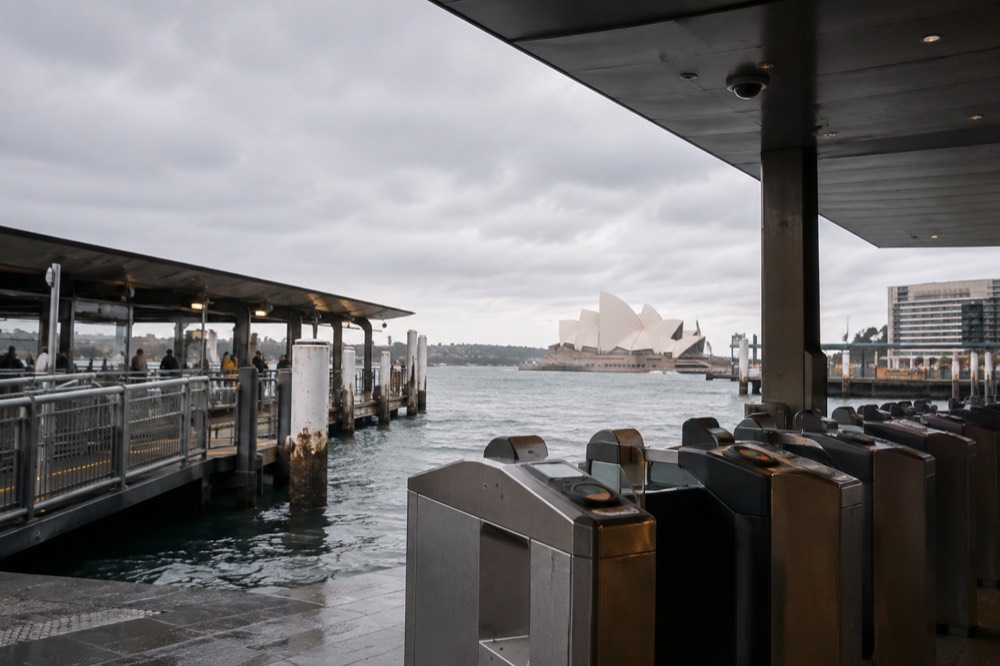
Transport for NSW publishes this plainly on its fares for visitors page: contactless American Express, Mastercard and Visa cards, and devices linked to them, are charged as an Adult Opal card with every benefit attached. That means the daily caps, the weekly cap, the transfer discount and the off-peak discount all apply to a plain debit card exactly as they do to the green card. We cover the mechanics of tapping a bank card instead of an Opal card in more detail in our piece on whether you can tap a credit card instead of Opal.
The one ticket type to avoid is the Opal single trip ticket. It exists as a backup for people with no card at all, it costs more per trip, and it earns none of the benefits. If you have any contactless card or phone, you never need one.
Here is what the identical pricing looks like in practice:
| Payment method | Adult fare | Daily caps | Weekly cap | Off-peak discount | Transfer discount |
|---|---|---|---|---|---|
| Opal card | Standard adult fare | Yes | Yes | Yes | Yes |
| Contactless debit or credit card | Standard adult fare | Yes | Yes | Yes | Yes |
| Phone or watch device | Standard adult fare | Yes | Yes | Yes | Yes |
| Opal single trip ticket | Higher fare | No | No | No | No |
How the Caps Work Out in Real Money
An adult never pays more than $19.30 a day on transport between Monday and Thursday, or $9.65 a day from Friday through Sunday and on public holidays, regardless of whether the money comes off an Opal card or a debit card. The weekly cap is $50, running Monday to Sunday. These caps cover metro, train, bus, ferry and light rail together, so a big ferry day counts toward the same ceiling as a train day.
The Friday-to-Sunday cap being half the weekday cap is one of Sydney's quietly useful quirks. A weekend of heavy sightseeing by ferry and train costs less than the same mileage midweek. Public holidays get the cheaper $9.65 cap too, which makes a holiday Monday the cheapest day to roam widely.
The off-peak discount adds another layer: 30% off metro, train, bus and light rail fares on Fridays, weekends, public holidays and outside weekday peak times. Ferries do not get it. Again, the discount applies identically to contactless and Opal.
One thing the caps do not cover: the Sydney Airport station access fee, which sits outside both the daily and weekly caps and has its own separate weekly cap. That fee is charged the same whether you tap an Opal card or a debit card, so it does not change the comparison, but it changes the arithmetic of the airport train and we cover it below.
If you are weighing a sightseeing bus against ferry-and-train caps, the Sydney Travel Guide fare pages are worth a read alongside the operator listings.
When an Opal Card Actually Works Out Cheaper
An Opal card becomes cheaper in three specific cases: you qualify for a concession or senior fare, you are buying child or youth fares, or you want a Gold Senior card's benefits, because contactless only ever charges the full adult fare. Everyone else pays the same either way. Children aged four and under travel free regardless of the payment method.
This is the part most comparisons miss. Contactless payment in Sydney is hardwired to the Adult fare table. There is no way for a reader at a gate to know that the Visa card tapping it belongs to a pensioner or a student. If you qualify for concession, senior or child rates, the Opal card is not just cheaper, it is the only way to get that cheaper fare on public transport.
Families feel this most. A child's Opal fare is lower than the adult fare a contactless card would charge, so a parent tapping debit cards for two kids is paying adult prices for all of them. The same logic applies to NSW senior and pensioner concessions, which are loaded onto an Opal card and cannot be accessed with a bank card.
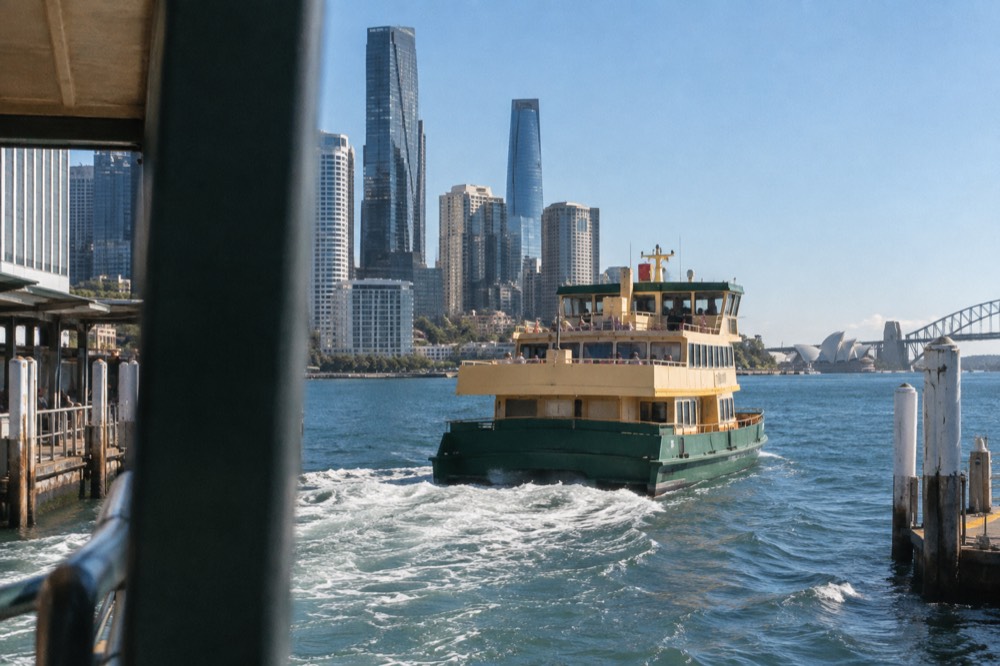
For everyone else, the practical differences are small and non-financial. An Opal card is a physical thing you can top up and check, and some visitors simply prefer seeing the balance. A debit card is one less object to carry and cannot be lost with $30 of credit on it. Neither edge is worth much. If you are still undecided, our answer on whether tourists need an Opal card in Sydney works through the tourist-specific cases.
The Airport Train Is the One Place People Get Caught
The airport station access fee is $18.61 for an adult, charged on top of the normal train fare at both the Domestic and International airport stations, and it applies identically to Opal cards and contactless cards. It sits outside the standard daily and weekly caps, with its own separate weekly cap of $37.75. The fee does not make either payment method cheaper than the other.
The number matters because stale guides still quote $17.92, the figure from the 2025 fare determination. The live Transport for NSW page now shows $18.61, and single trip ticket versions cost more again. Whatever card you tap, the fee is the same.
If the access fee bothers you, the alternatives are the 400 bus, which carries no station access fee at all, or a taxi or rideshare. The bus is the genuinely cheaper option for anyone whose patience outlasts the timetable.
The hop-on hop-off bus is a different kind of answer to the same question. Rather than optimising taps and caps, you buy one ticket and the routing problem disappears, which suits visitors who would rather not think about fare bands on holiday.
Mistakes That Cost More Than the Card Choice
The expensive errors are almost never about Opal versus debit. They are tapping on without tapping off, which triggers the maximum default fare; using the privately operated Manly Fast Ferry, where OpalPay fares differ and the caps and transfer discounts do not apply; and buying single trip tickets out of caution, which surrenders every cap and discount. Fix those three and the card choice is a coin flip.
Tap-off is the big one. Sydney's system charges by distance, so an untapped exit is treated as the longest possible journey on that mode. A visitor who taps on at Circular Quay and forgets at Central pays more than the trip deserved, on either card type. The fix is habit, not hardware.
The Manly Fast Ferry trap is subtler. The public F1 ferry to Manly accepts Opal and contactless with full benefits and counts toward your caps. The private fast ferry accepts the Opal card through OpalPay, but at different fares, without the caps and without the transfer discount. Someone who has happily hit their daily cap on the public network can then be charged extra on the private boat without realising why.
For the full picture on the public ferry network, our Sydney ferries guide for visitors covers routes and the Manly comparison in detail, and the question of whether two people can share one Opal card comes up often enough that we answer it separately.
How to Decide in Thirty Seconds
If you are a full-fare adult staying under a week, tap your contactless debit card or phone and do not buy anything. If you qualify for concession or senior fares, or you are paying for children, get an Opal card, because contactless only charges adult fares. If you are staying longer than a couple of weeks, an Opal card's balance tracking starts to earn its keep. In cost terms, for the majority of visitors, it is a tie.
That thirty-second version hides one honest caveat: fees from your own bank are separate from Sydney's fares. Transport for NSW charges the same either way, but an overseas card can carry its own foreign transaction costs, and that is a question for your bank rather than for any Sydney fare table.
The decision tree, plainly:
| Your situation | Cheapest option | Why |
|---|---|---|
| Full-fare adult, short trip | Contactless debit card | Identical fares and caps, nothing to buy or top up |
| Concession, senior or student | Opal card | Contactless cannot access reduced fares |
| Travelling with children | Opal cards for the kids | Child fares only exist on Opal |
| Staying two weeks or more | Opal card | Balance tracking and top-up control |
| No contactless card at all | Opal card | Single trip tickets cost more and earn nothing |
If you would rather skip fare maths entirely, a hop-on hop-off sightseeing bus covers the decision differently, and for longer stays our getting around Sydney guide puts every mode side by side. Visitors planning day trips beyond the ferry and train network often weigh the Blue Mountains all-inclusive day trip against doing it themselves, and the all-inclusive option removes transport cost from the equation altogether.
Common Questions About Opal Versus Debit Cards in Sydney
Is it cheaper to use an Opal or debit card?
No. For a full-fare adult, contactless debit cards, credit cards and phones are charged exactly the same adult fares as an Opal card, with identical daily caps, weekly caps, transfer discounts and off-peak discounts. Opal only works out cheaper for concession, senior and child fares, which contactless cannot access.
Can I tap my credit card instead of an Opal card?
Yes. American Express, Mastercard and Visa contactless cards, and linked devices, are accepted on all Sydney metro, train, bus, light rail and public ferry services, charged at the adult Opal rate with every benefit attached.
Do the daily caps apply to contactless cards?
Yes. The $19.30 weekday cap, the $9.65 Friday-to-Sunday and public holiday cap, and the $50 weekly cap all apply to contactless payments exactly as they do to Opal. The airport station access fee is the one charge that sits outside these caps, on both payment methods.
Do tourists need an Opal card in Sydney?
Not if you are paying full adult fares and have a contactless card or phone. Tourists who qualify for concessions, are paying child fares, or prefer to preload a fixed budget onto a card are the ones who benefit from carrying one.
Can two people use one Opal card?
No. Each traveller needs their own card or their own contactless device, because the system charges per tap and the caps are per card. Two people tapping the same card in a row are charged as two separate full fares.
Is the airport train included in the daily cap?
The train fare itself counts toward your caps, but the $18.61 airport station access fee does not. It is a separate charge at both airport stations with its own $37.75 weekly cap, and it is the same whether you tap Opal or contactless.