Is Go City Sydney Worth It?
A plain-English breakdown of when a Sydney attractions pass saves money, what it leaves out, and how to check the maths against real gate prices.
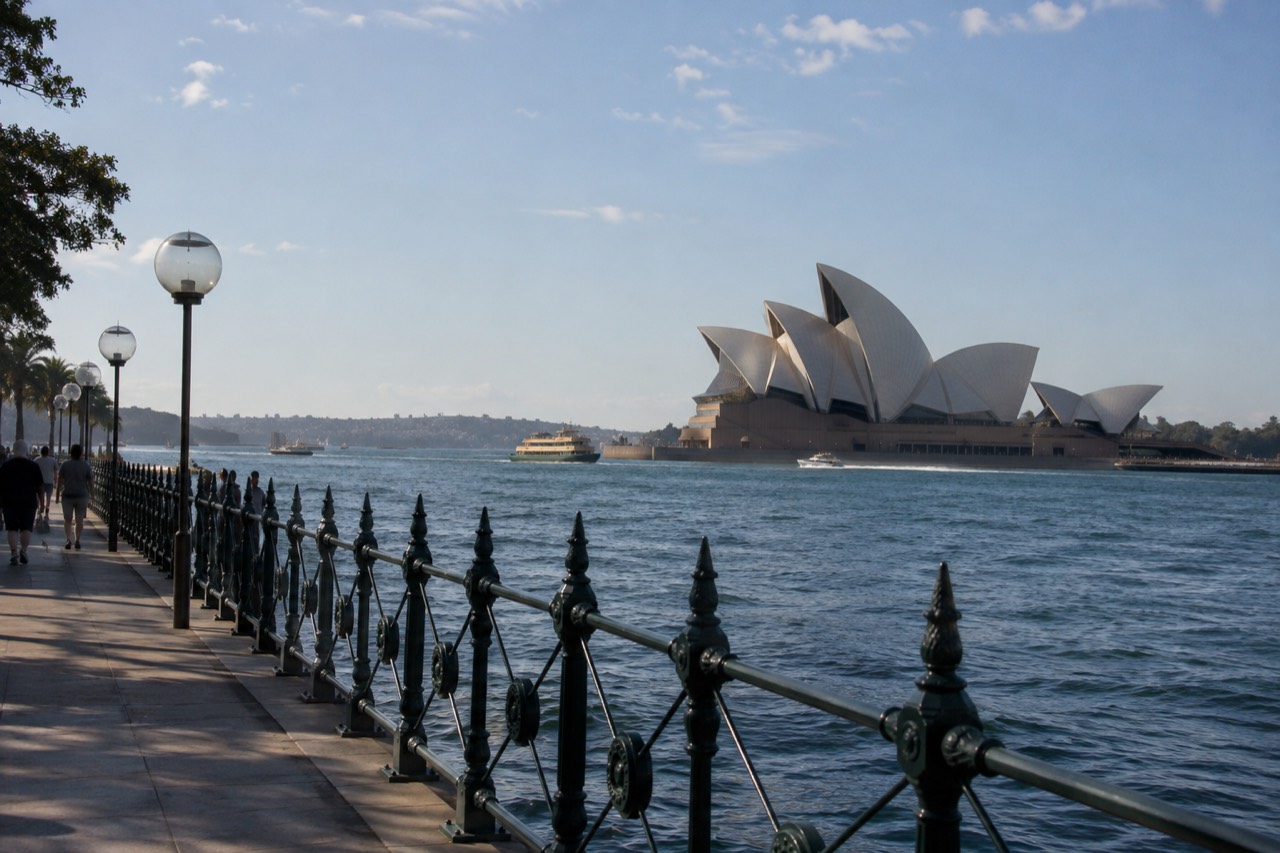
Is Go City Sydney Worth It?
For most visitors, a Sydney attractions pass is worth it only if you plan to stack three or four full-price attractions into two or three days. Sydney weakens the usual pass maths in two ways: several of its biggest museums are free to enter anyway, and its headline experiences, the Opera House tour and BridgeClimb, sit outside the typical pass pool. Price the pass against your real itinerary, not against the list of things you imagine doing.
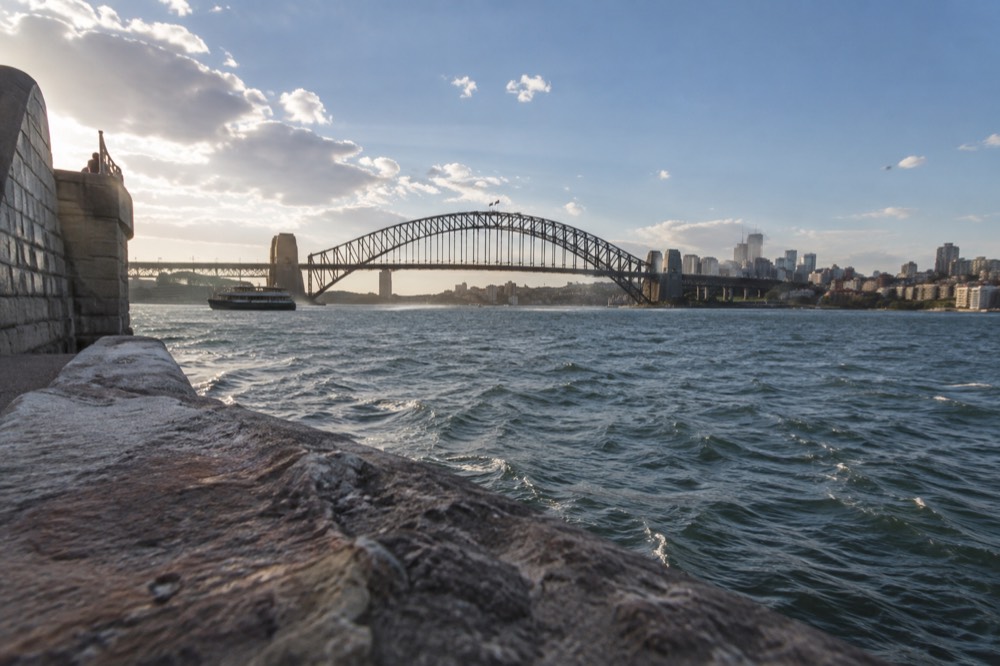
The honest answer starts with a fact that surprises most first-time visitors: a large share of Sydney's best-known cultural institutions cost nothing to walk into. The Royal Botanic Garden Sydney is free, open daily from 7am to sunset. The Australian Museum has free general entry, daily 10am to 5pm. The Art Gallery of New South Wales is also free for general entry and stays open until 10pm on Wednesdays. A pass that charges you for a bundle of attractions is a poor deal if half your list costs nothing to begin with.
That said, Sydney has a genuine cluster of paid, family-friendly attractions concentrated around Darling Harbour and the city centre: the aquarium, the observation deck, the zoo, the wax museum. If your itinerary is built around exactly those, a pass can work. The rest of this page walks through the maths so you can decide with real numbers rather than marketing copy.
What Does the Go City Sydney Pass Actually Cover?
The pass bundles pre-paid entry to a rotating list of Sydney attractions, typically the Darling Harbour cluster plus some tours and cruises, over one to seven days. The exact list changes between editions, so the only version that matters is the one on the current pass page. What it generally does not include is the expensive headline experiences: BridgeClimb, and the Opera House's own guided tours, which the Opera House sells separately with dynamic, session-based pricing.
Treat the attraction list as the whole question. Passes look cheap when you count everything you could visit, and expensive when you count what you actually will. A family with two children who plan the aquarium, the observation deck and the zoo in two days is the target customer. A couple who plan the Opera House, a coastal walk and a ferry to Manly will get almost nothing from any pass, because the ferry is an Opal fare, the walk is free, and the tour is sold direct.
One more trap worth naming: pass lists often include attractions you could visit for free on the same ticket anyway. If a pass advertises "over 40 attractions" and a third of those are free museums, walking tours with tips, or self-guided options, the headline count flatters the value. Count only the things you would otherwise pay full price for, and the maths gets honest fast.
A second trap is the timed-entry problem. Several Darling Harbour attractions run capacity-managed time slots, so holding a pass does not guarantee you can walk in at the hour you want. In peak periods, school holidays especially, you may still need to reserve slots in advance, and a popular attraction can be fully booked for the day even though your pass says you have entry. A pass buys you the ticket, not the time.
How Do You Do the Maths Before Buying a Pass?
Add up the full gate price of every attraction you genuinely plan to visit, then compare that total with the pass price for your number of days. Use real, current gate figures, not the "value" numbers printed in pass marketing. If the pass total is not clearly below your gate-price total by a comfortable margin, skip it, because a pass also locks you into visiting things to justify itself.
Here are the verified entry figures for the attractions visitors most often price into this calculation. Local prices are in Australian dollars.
| Attraction | Adult entry | Notes |
|---|---|---|
| Royal Botanic Garden Sydney | Free | Open 7am to sunset daily |
| Australian Museum | Free general entry | Ticketed exhibitions extra |
| Art Gallery of NSW | Free general entry | Open late Wednesdays |
| Taronga Zoo Sydney | A$57 gate, from A$51.30 online | Open 365 days a year |
| Sydney Tower Eye | A$39 on the day, from A$29 advance | Dynamic pricing by date |
| SEA LIFE Sydney Aquarium | Dynamic, timed entry | No fixed public price list |
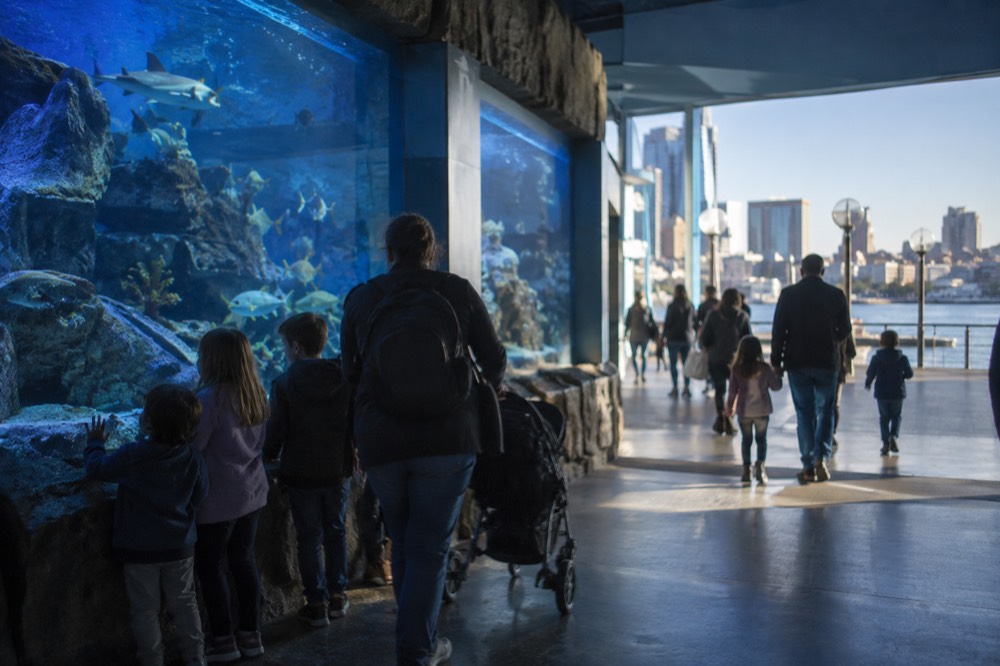
Two of those rows carry a lesson that applies to every pass calculation. Taronga Zoo's own ticket price page shows online booking is roughly 10% cheaper at every tier, so the number to compare against a pass is the online price, not the gate price. Sydney Tower Eye's price table publishes advance-from rates that drop well below the on-the-day figure, and the operator says plainly that pricing fluctuates with demand. If you would have booked advance tickets anyway, the saving a pass offers you is smaller than it looks.
Run the comparison as a two-column exercise. Column one: what you will actually visit, priced at the advance online rate. Column two: the pass for the day-count that fits. A pass wins when column two is clearly smaller, and "clearly" matters, because a pass carries hidden costs: you feel pressure to add attractions you did not want, and you lose the flexibility to skip one on a rainy day without feeling you wasted money.
When Does a Sydney Attractions Pass Pay Off?
A pass pays off in one specific situation: a short trip, two to four days, with a packed itinerary of full-price, pass-listed attractions, usually families doing the aquarium, the observation deck and the zoo in quick succession. It does not pay for slow travellers, for anyone whose list is mostly free museums and walks, or for longer stays where you would spread paid attractions too thinly across the pass window.
The four-attraction combo pass covering SEA LIFE Sydney Aquarium, Sydney Tower Eye, WILD LIFE Sydney Zoo and Madame Tussauds Sydney is the clearest example of the maths working. Those are four paid, adjacent-interest attractions, and a visitor set on all of them, or even three of them, is comparing a single bundle price against four separate full-price tickets. That is the shape of itinerary where any pass product earns its keep, and it is a tighter, more predictable bundle than an open-ended [multi-attraction pass](https://gocity.tpk.ro/rUvgw2vS) because you know exactly what you are buying.
The pass does not pay in the opposite situation, and it is worth being blunt about it. If your Sydney list reads "Opera House, harbour walk, ferry to Manly, Bondi, Blue Mountains", almost nothing on it is a pass attraction. The Manly ferry is an Opal fare of A$9.20 one way in the 9 km-plus band, the coastal walks are free, and the Blue Mountains is a day tour or a train ticket. For that traveller, the cheapest Sydney "pass" is an Opal card and a pair of good shoes, and the sydney-on-a-budget approach beats any bundle.
Length of stay matters more than people expect. A pass priced per day gets cheaper per attraction the more you cram in, so a two-day blitz can beat a five-day meander even with the same attraction list. If your trip is a week and you plan one paid attraction every second day, the consecutive-day structure of most passes actively works against you, and you should buy individual tickets instead.
What Are the Alternatives to a Pass?
The main alternatives are booking each attraction's own advance ticket, which captures online discounts without locking you in, and spending on one or two big experiences instead of many small ones. A hop-on hop-off bus can replace a pass for transport-plus-orientation, and a single all-inclusive day trip can deliver more than a pass full of city attractions for the same money.
Advance direct booking is the quiet winner of this comparison more often than people expect. Taronga Zoo discounts every online tier, Sydney Tower Eye discounts advance purchase, and the aquarium runs timed-entry pricing that rewards booking ahead. If you are visiting two paid attractions, booking both direct usually costs little more than a pass and keeps your plans flexible. If you are visiting four, the sydney-attraction-passes-compared breakdown covers the bundles in detail.
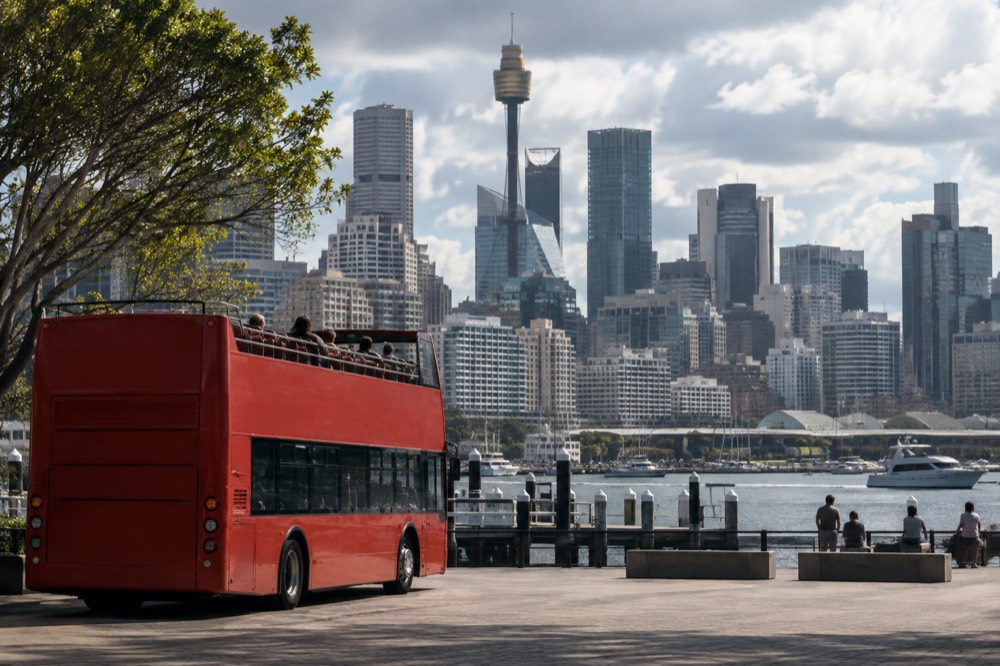
The second alternative is to spend the same money on one experience you will actually remember. A hop-on hop-off bus covering the city and Bondi gives you transport and orientation in one product, which suits a first day when you are still working out the geography. And a full-day Blue Mountains trip, all-inclusive with a local guide, buys a whole day of scenery, wildlife and logistics for roughly the price of a multi-attraction pass, and it is the kind of day a pass cannot replicate because the mountains sit outside every city pass pool. That is the real decision: many small attractions bundled, or fewer, bigger days.
Common Questions About the Go City Sydney Pass
Is Go City Sydney worth it?
Only if you will visit three or more full-price, pass-listed attractions within the pass window. Sydney's free museums and walks weaken the usual pass maths, and the Opera House tour and BridgeClimb sit outside the typical pool. Price your real itinerary against advance online ticket prices before buying.
Does a Sydney attractions pass include the Opera House tour?
Not the Opera House's own guided tours. Those are sold by the Opera House with dynamic, session-based pricing, and passes do not cover them. If the tour is a priority, book it separately, and see the Opera House's own tours page for session times, which generally run from around 9am to 5pm daily.
Can you use a Sydney pass with kids?
Yes, and families are where passes most often work, because child tickets stack quickly across the aquarium, the observation deck and the zoo. Compare the family pass price against the online family rates at each attraction, which are already discounted around 10% at Taronga Zoo, for example.
Do Sydney attraction passes expire?
Multi-attraction passes are typically valid for a set number of consecutive days once activated, and combo tickets usually have a validity window of several weeks. Check the validity period on the live listing before you buy, especially if your plans might shift.
What is the cheapest way to see Sydney without a pass?
Free museum entry, free coastal walks, an Opal card for ferries and trains, and one or two paid experiences booked in advance. Public transport caps at $9.65 a day on Fridays, weekends and public holidays, which makes a harbour-hopping day remarkably cheap. This site, Sydney Travel Guide, breaks the budget approach down in its cost guide.