How Hard Is the Harbor BridgeClimb?
An honest difficulty guide to the Sydney Harbour Bridge climb: fitness requirements, ladders, duration, night climbs and easier alternatives.
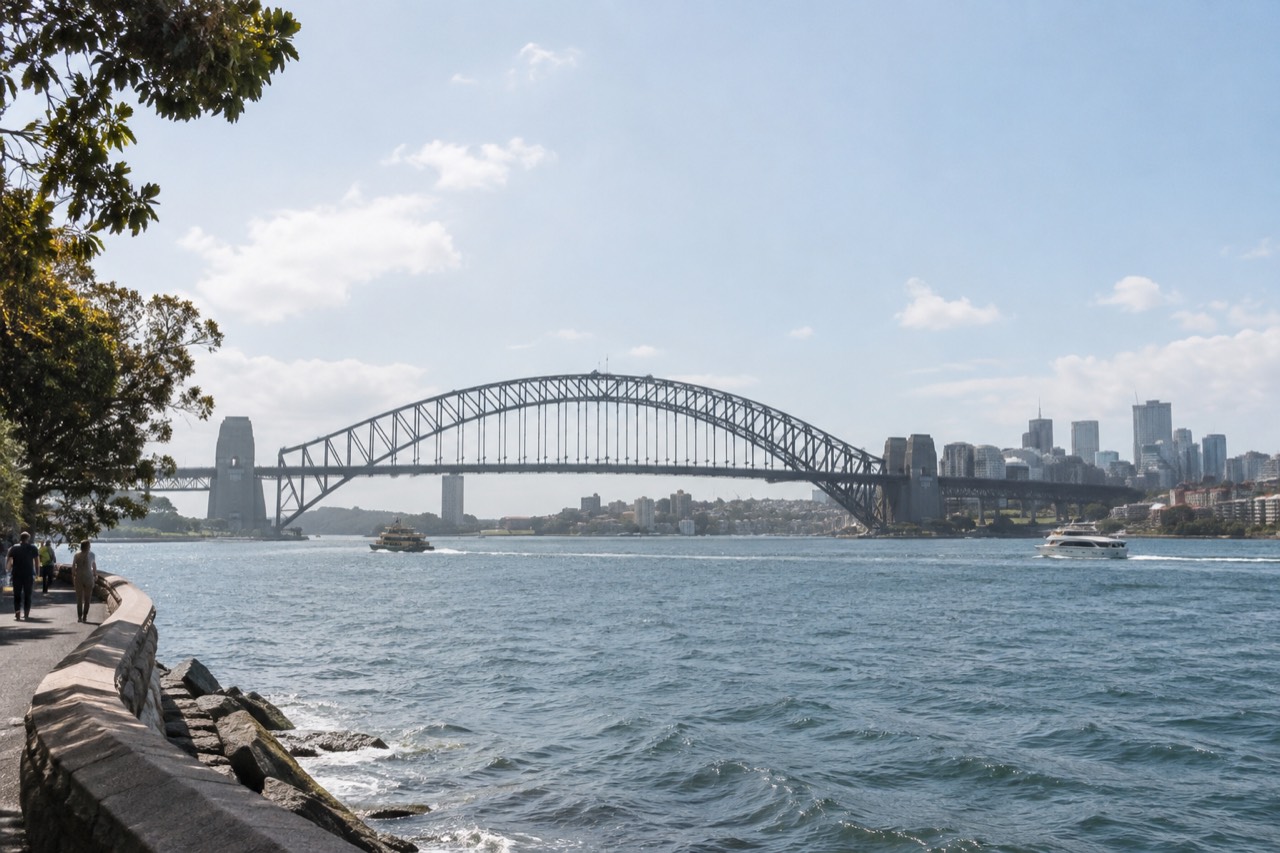
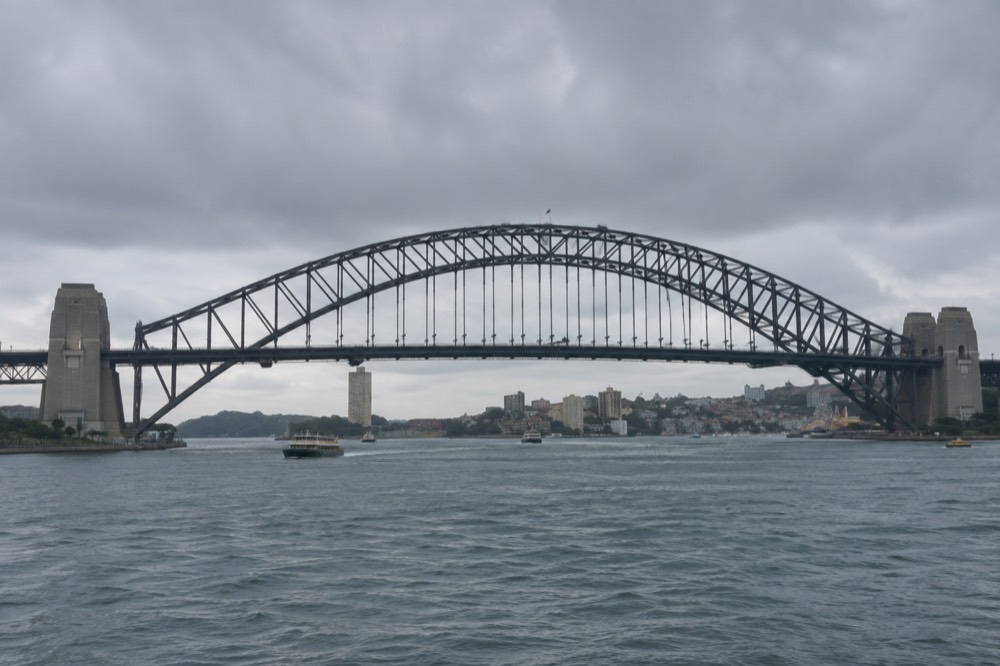
How Hard Is the Harbor BridgeClimb?
The BridgeClimb is a moderate challenge that most reasonably healthy adults can complete, not an extreme sport. The Summit experience runs about 3 hours in total, with roughly 2 hours spent on the bridge itself, involving steady stair climbing, ladder sections and inclined walkways. You are attached to a safety line the entire time, you never free climb, and the operator's own factsheet frames the climb as suitable for a broad range of ages and fitness levels.
The honest answer is that the difficulty is more mental than physical. The climb is a guided, structured ascent along purpose-built catwalks and ladders, on a route the operator has run hundreds of thousands of times. What surprises people is not the exertion but the exposure: at the top of the arch you are standing on an open steel structure high above the water, in a grey climb suit, attached to a constant safety rail. If open heights trouble you, that is the real barrier, not your legs.
Physically, expect sustained but gentle effort. The route involves ladders, stairs and long inclined walkways, taken at a slow, guided pace with regular stops for photos and commentary. Nobody sprints up the Sydney Harbour Bridge. If you can walk up several flights of stairs without stopping to catch your breath, and you can stay on your feet comfortably for three hours, the physical side is within reach.
The price of admission is real too. The operator's own rate sheet quotes Summit Day climbs from around A$375 for an adult on a weekday, closer to A$385 on weekends, with children aged 8 to 15 climbing from around A$160. A A$35 per-person surcharge applies over the peak period from 25 December to 4 January. Those are indicative rates for the current pricing year and move with demand, so treat them as a floor rather than a quote. For the full background on the experience, our BridgeClimb Sydney guide covers the climb options in detail, and the Sydney Harbour Bridge guide covers the structure itself.
How Fit Do You Need to Be to Climb the Bridge?
You need everyday walking fitness, not athletic conditioning. The climb is paced by a guide, includes frequent stops, and never requires you to hurry. The demands are comparable to a slow 3-hour walk with stairs: steady legs, reasonable balance on ladders, and the endurance to stay active for the full session. Most people who manage a full day of sightseeing on foot will manage the climb without trouble.
The operator's factsheet describes the Summit climb as about 3 hours end to end, with roughly 2 hours actually on the bridge structure. That pacing matters. Because a guide sets the speed and the group stops for photos and commentary at multiple points, the climb never becomes a cardio test. The ladders are the steepest sections and they are short, with handrails and a guide ahead of you and behind you.
Where people genuinely struggle is a fear of heights, and no amount of cardio fixes that. The operator does not publish a blanket refusal for nervous climbers, and many people with mild vertigo complete the climb, but the exposure on the upper arch is real and unshielded. If you have a diagnosed fear of heights, the honest advice is to weigh that seriously before paying the fare. Our longer piece on how fit you need to be to climb Sydney Harbour Bridge works through the fitness question in more detail.
How Long Does the BridgeClimb Take?
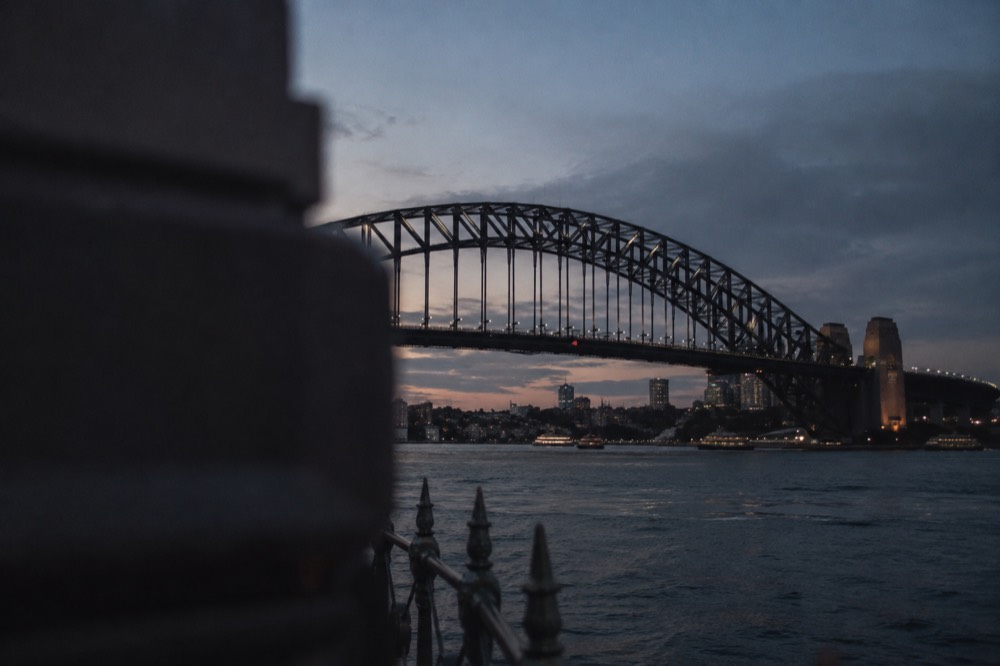
The Summit climb takes about 3 hours from check-in to finish, with roughly 2 hours spent on the bridge structure itself. The experience begins with a safety briefing, a breath test and getting suited up, which consumes close to an hour before you step onto the steel. Departures run across the day, from dawn through daytime, twilight and night sessions, so the total time commitment is the same whichever slot you choose.
That pre-climb hour is the part first-timers underestimate. You check in, pass a blood-alcohol breath test, change into a climb suit, receive a headset and a harness, and rehearse the ladder technique on a practice run before anyone goes near the bridge. It is thorough and unhurried by design, and it is why the session feels like three hours rather than the two you spend aloft.
Timing your slot is half the fun. Dawn climbs are limited, daytime is the classic choice, twilight catches the golden hour, and night climbs give you the city lights. In summer, remember that New South Wales runs daylight saving from the first Sunday in October to the first Sunday in April, so a "twilight" departure in January happens much later in the evening than the same slot in June. The official daylight saving dates are published by the NSW Government, worth checking before you book a sunset-dependent slot.
If the three-hour commitment or the height is more than you want, the harbour itself offers the easier version of the same view. A sightseeing cruise from Circular Quay passes directly under the bridge and gives you the arch, the Opera House and the skyline from the water, with a guide narrating, and no ladders anywhere. It costs a fraction of a climb.
The cruise is also the better family fallback. Climbers must be at least 8 years old, and the summit experience is a long three hours for a child who is nervous or simply bored, whereas a ferry ride keeps everyone happy at water level. It is worth deciding which side of that line your group falls on before you pay for anything.
What Does the Climb Physically Involve?
The route is a sequence of catwalks, ladders, stairs and inclined steel paths, all taken slowly with a guide. There is no free climbing at any point: you wear a harness that slides along a fixed line for the entire ascent, and the steepest sections are short ladder climbs with handrails. The hardest single moment for most climbers is the first ladder, after which the rhythm settles and the exposure becomes the main sensation.
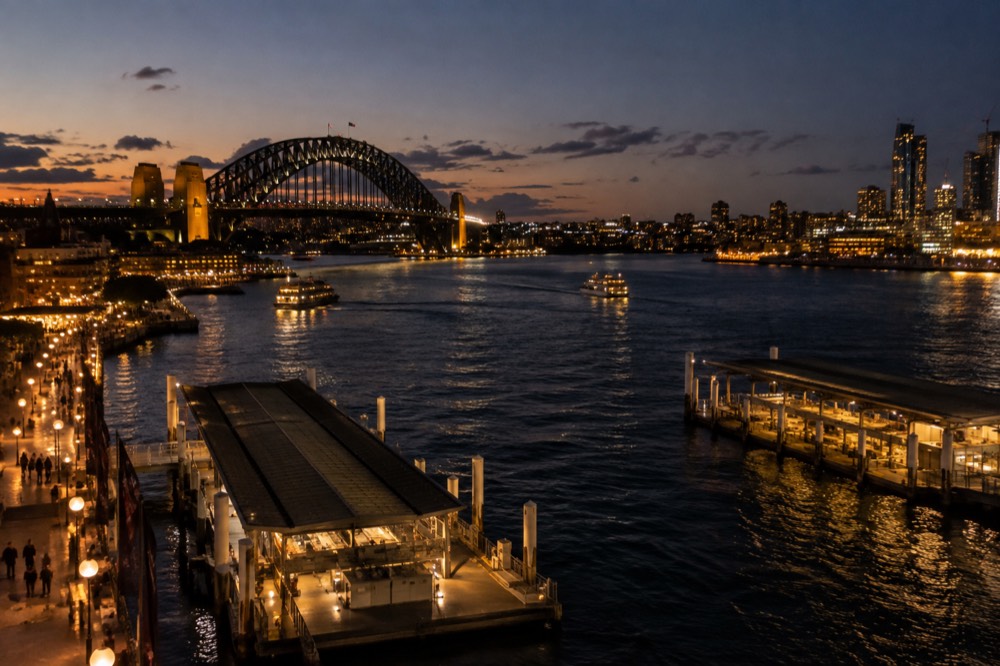
The lower sections run through the bridge's internal structure, where you walk along the outer maintenance catwalks that road and rail traffic never see. Then come the ladders up to the lower arch, and finally the long walk up the curve of the upper arch to the summit. The gradient on the arch is steady rather than sharp, and the guide sets a pace that keeps the whole group together.
| BridgeClimb experience | Time on the experience | Indicative adult price (A$) | What it involves |
|---|---|---|---|
| Summit Day | Around 3 hours total | From around $375 weekday, $385 weekend | Full ascent to the top of the arch, dawn to daytime departures |
| Summit Night | Around 3 hours total | Lower than Summit Day, varies by date | The same route in the dark, with the city lit below |
| Burrawa Aboriginal climb | Around 3 hours total | Bookable via the tour listing | The Summit route guided with Aboriginal stories and perspectives |
| UnderBridge Walk | Around 2.5 to 3.5 hours | From around $248 adult weekday | An inner-structure walk with no summit ascent, easier and cheaper |
The UnderBridge Walk is the operator's own easier option and it is worth knowing about: it stays inside the bridge's steelwork, never reaches the open arch, and costs roughly a third less than a Summit climb. If you want the bridge experience without the summit exposure, it is the honest middle path. The Burrawa climb, meanwhile, is the same physical route told through Aboriginal perspectives, and it exists as one of the only indigenous-led bridge experiences on offer; it is a young product with a small review base, so judge it on its merits rather than its ratings.
What If the Climb Sounds Like Too Much?
You have three good alternatives, and two of them are free. Walking across the bridge on the public pedestrian path costs nothing and delivers harbour views from road-deck height. The Pylon Lookout, inside the bridge's south-east tower, is a ticketed museum and viewing deck reached by stairs. And a ferry or cruise from Circular Quay gives you the best full view of the arch, from the water, with no exertion at all.
The free walk is underrated. The pedestrian walkway runs the length of the bridge on the eastern side, and you can reach it from The Rocks on the city side or from Milsons Point on the North Shore side. You are at road level rather than arch level, but the harbour panorama on a clear afternoon is genuinely spectacular, and you can turn around whenever your legs say so. Our guide to walking over Sydney Harbour Bridge covers access points, and the walking tours guide lists guided options through The Rocks that finish near the bridge approach.
Getting there is simple by public transport. A train to Circular Quay or Milsons Point puts you at either end of the bridge, and an adult Opal fare in the shorter distance bands runs a few dollars each way, with a daily cap that limits the damage on a big sightseeing day. The fare and cap tables are published by Transport for NSW, and contactless cards are charged exactly the same as an Opal card.
For the view that most closely matches what climbers get, the water wins. From a boat, you see the whole arch at once, the Opera House beside it, and you feel the scale of the bridge in a way the road deck never delivers. That is why the sightseeing cruise is the natural fallback for anyone who reads this article and decides the ladders are not for them.
Common Questions About the BridgeClimb Difficulty
How hard is the Harbor BridgeClimb?
It is a moderate challenge: about 3 hours of slow, guided walking with ladders and stairs, suitable for most healthy adults. The physical demand is comparable to a long walk with stair sections, and the harder part for most people is the open height at the top of the arch rather than the exertion.
Do you have to be fit to do the BridgeClimb?
You need everyday walking fitness and the stamina for three hours on your feet, not athletic conditioning. The guide sets a slow pace with frequent stops, and nobody is rushed. If you can manage stairs comfortably and a full day of sightseeing on foot, the fitness side is within reach.
Are there ladders on the Sydney Harbour Bridge climb?
Yes. The route includes short ladder sections between the catwalks and the arch, all with handrails and a safety line you are attached to throughout. The ladders are the steepest moments of the climb and are taken one climber at a time under the guide's direction.
Is there an easier version of the BridgeClimb?
Yes. The UnderBridge Walk stays inside the bridge structure, never reaches the open arch, and runs around 2.5 to 3.5 hours from around A$248 for an adult on a weekday. Walking the free public footway across the bridge is easier still, and a harbour cruise gives you the best full view with no effort.
How long does the BridgeClimb take?
About 3 hours in total for the Summit experience, of which roughly 2 hours are spent on the bridge itself. The first hour covers check-in, a breath test, suiting up and a practice run before you step onto the steel.
Can you see the bridge without climbing it?
Absolutely. The pedestrian walkway across the bridge is free, the Pylon Lookout offers a stair-access viewing deck inside the south-east pylon, and ferries and cruises from Circular Quay pass directly beneath the arch. This site, Sydney Travel Guide, covers all three in its harbour bridge and cruise guides.